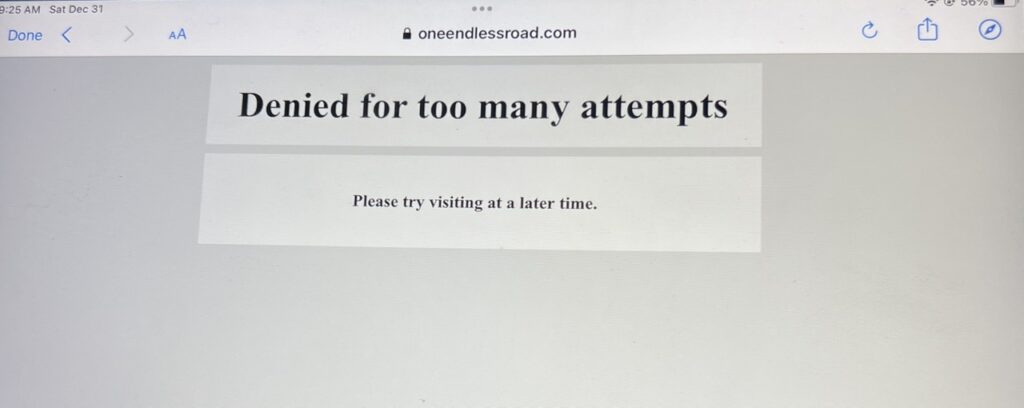
Some readers may have noticed an error message that popped up when they tried to make a comment on last week’s blog. Chris, one of our regular readers, picked it up early Saturday morning and let me know so we could investigate. The message, in case you saw it, looked like this:
Last week many of you may have seen this error message on our site. All fixed now !
It seems the site had simply gotten a little out of date ( apparently these things happen over time ). A quick call to our WordPress consultant, Michael had it resolved fairly quickly. If you ever want to comment, and can’t, just send us an email at 1endlessroad@gmail.com to let us know ( since I never make comments it’s hard to know when the “Comment” functionality fails ). Thanks again Chris, and thanks to Michael for the quick solution.
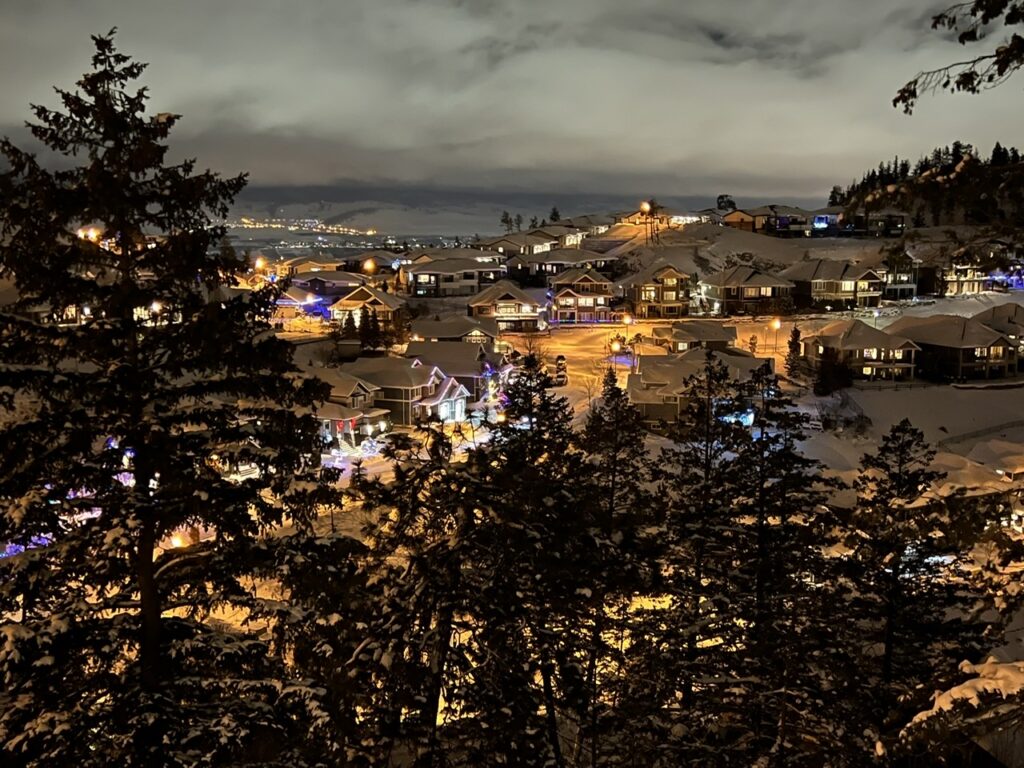
The snow ( and neighbours’ Christmas lights ) made for a very festive feel when looking out our from our deck at New Years.
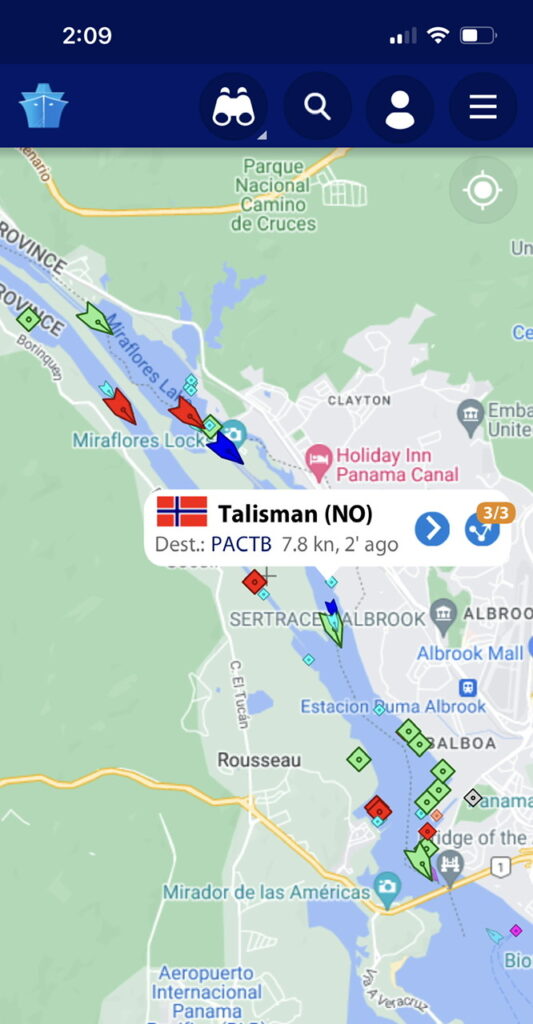
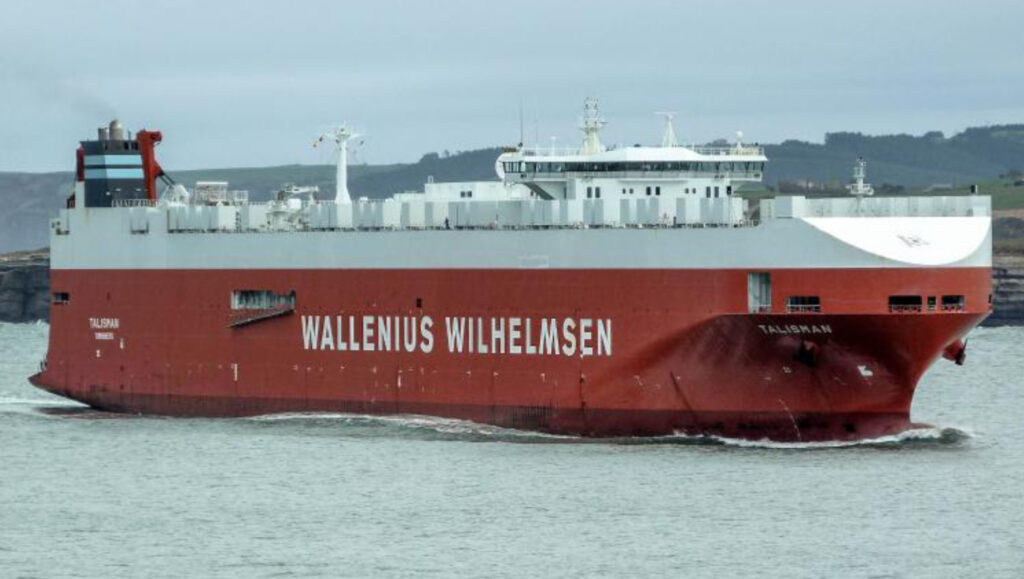
Hard to believe but by the time you read this we’ll be well into 2023. Not sure what your New Year resolutions were but ours ( truth be told, they are more “wishes” than resolutions ) included the world getting back to some semblance of normality – Covid not being the big story, the war in Ukraine coming to an end and travel in general becoming easier and safer for all. We have many more wishes of course, but those are the ones relevant to a travel blog ! Lois and I considered ourselves fortunate to be able to spend the entire holiday season with close family and friends ( is there anything better than that ? ) and enjoyed a true “White Christmas” this year – we usually have snow on the ground here ( which makes for a pretty scene ) but it’s just that little bit more authentic when it’s actually falling on Christmas Day as well ( and we had a little bit of that ). A real bonus this year was to spend a couple of days with Lois’s brother and his wife at their beautiful chalet on Silver Star mountain – it couldn’t have been nicer ! During this time we also did a little “ship watching” as the Talisman made its way to Panama and then on through the canal before sailing out into the Pacific.
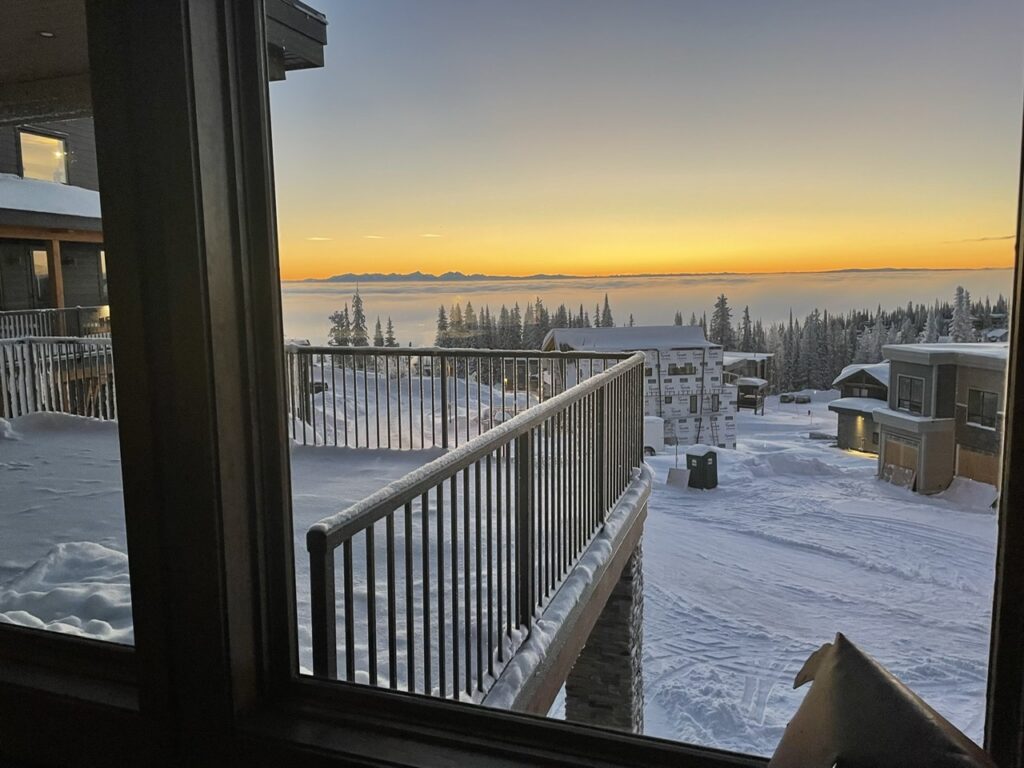
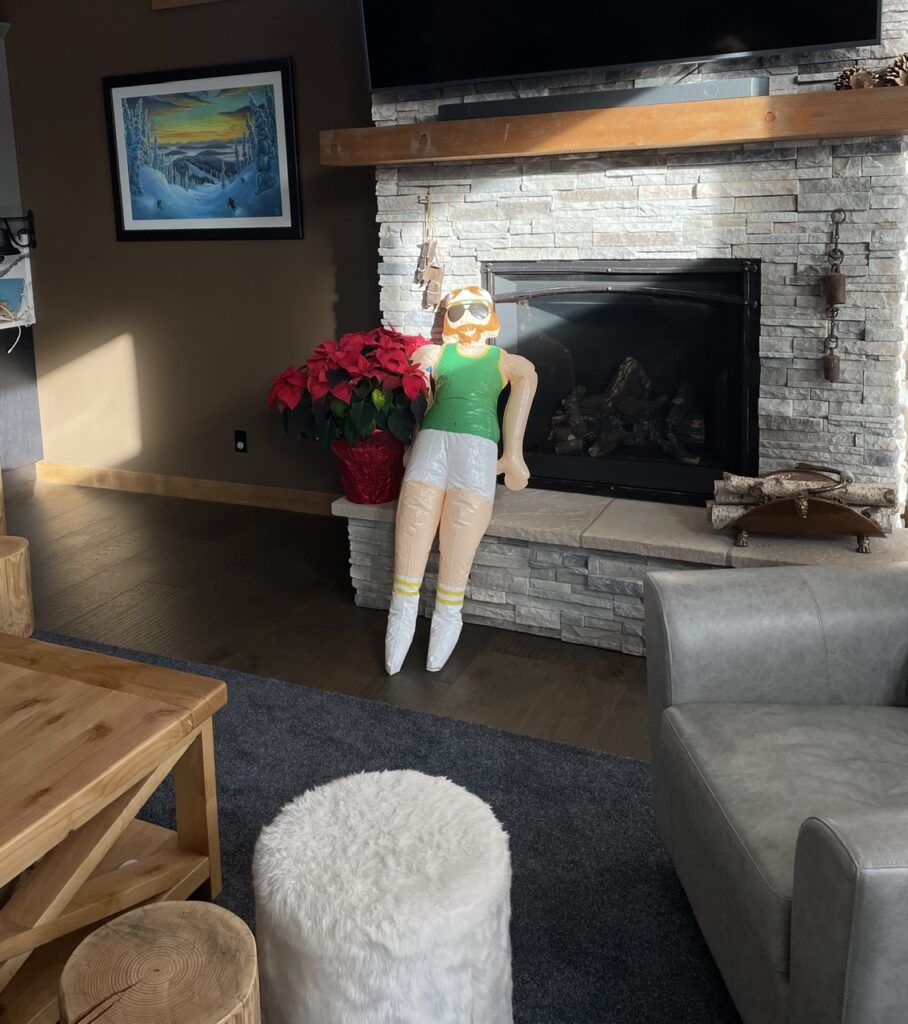
Silver Star Mountain in Vernon had lots of snow and the sunsets were beautiful.Our time with Lois’ family was delightful. Along with with a couple of other friends who visited we had hours of entertainment playing “Where’s The Dude?” a charade-like game involving a blow-up “Dude” mannequin.Entering the Panama Canal ( from the Atlantic ), most ships ( including ours ) make a brief stop in Colon before transiting the canal and exiting into the Pacific. At this point ( image above ) the ship is almost through the canal having transited the final set of locks at Miraflores. It would soon pass under the Bridge of the Americas ( which joins the North & South American continents ) before heading out into the Pacific. We had very fond memories of driving through this area and over the “Bridge of the Americas” on our way down to South America in 2019.
As New Year approached our own sights were set on taking off again “Down Under” – repacking for what we hope (and expect) will be some extended warm weather and planning how we’ll spend the time between getting there and then later in the month, getting back in our van. With almost a full month in between those two dates it made sense to take a little detour and with Air Canada having recently started a direct flight from Vancouver to Auckland, a pit stop in New Zealand seemed like a logical idea. We’d both been to New Zealand a couple of times before but had missed out on some of its lesser known attractions and decided with a couple of weeks at our disposal we might just be able to see them this time around.
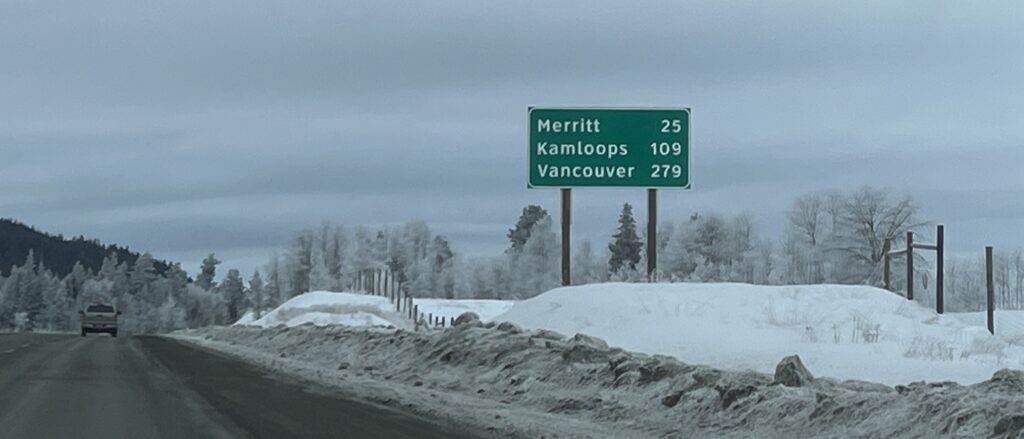
Given the variable weather conditions at this time of year ( and heavily booked flights ) we opted to drive to Vancouver rather than fly. The trip down was uneventful and as scenic as the white stuff can be, hopefully this will be the last we see of it for some time !
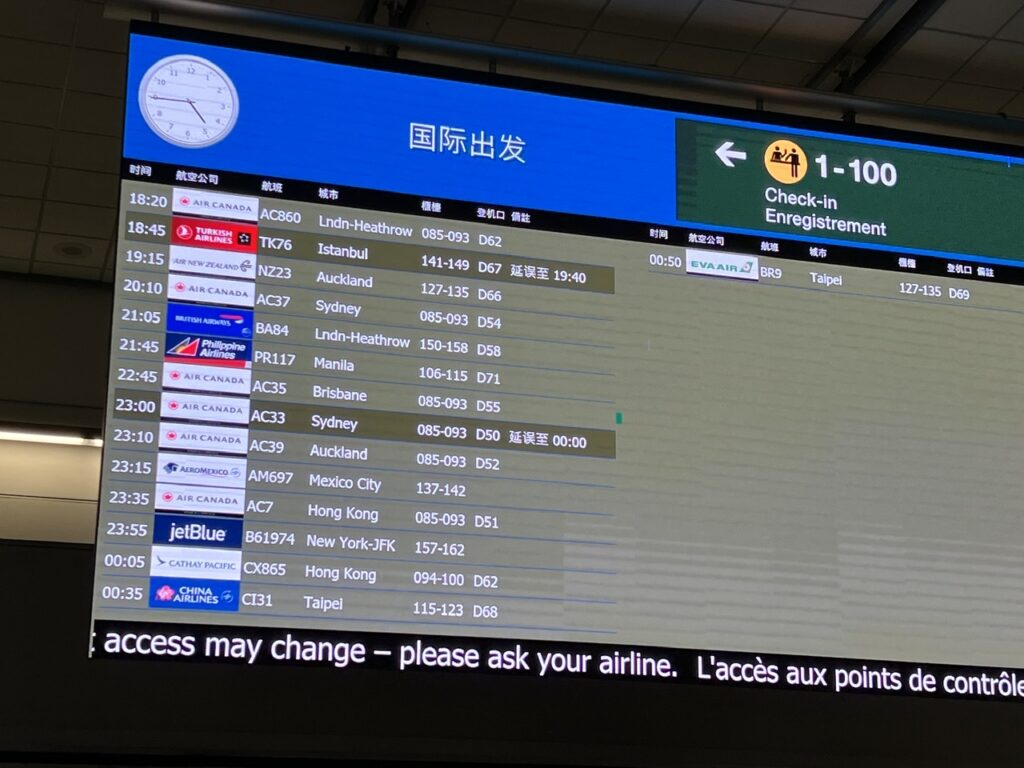
As is so often the case, getting out of Kelowna by air in high season can be difficult. We decided to rent a car and drive the easy 4 hours to Vancouver. Lots of snow around but the roads were clear – just a week or so earlier a tragic bus crash occurred in icy conditions on this very road killing several people. We took it slow………Vancouver airport ( YVR ) – pleased to see that ( so far at least ) the Auckland flight was on time. Surprised to see 5 flights to either Australia or NZ that evening. Popular destinations !
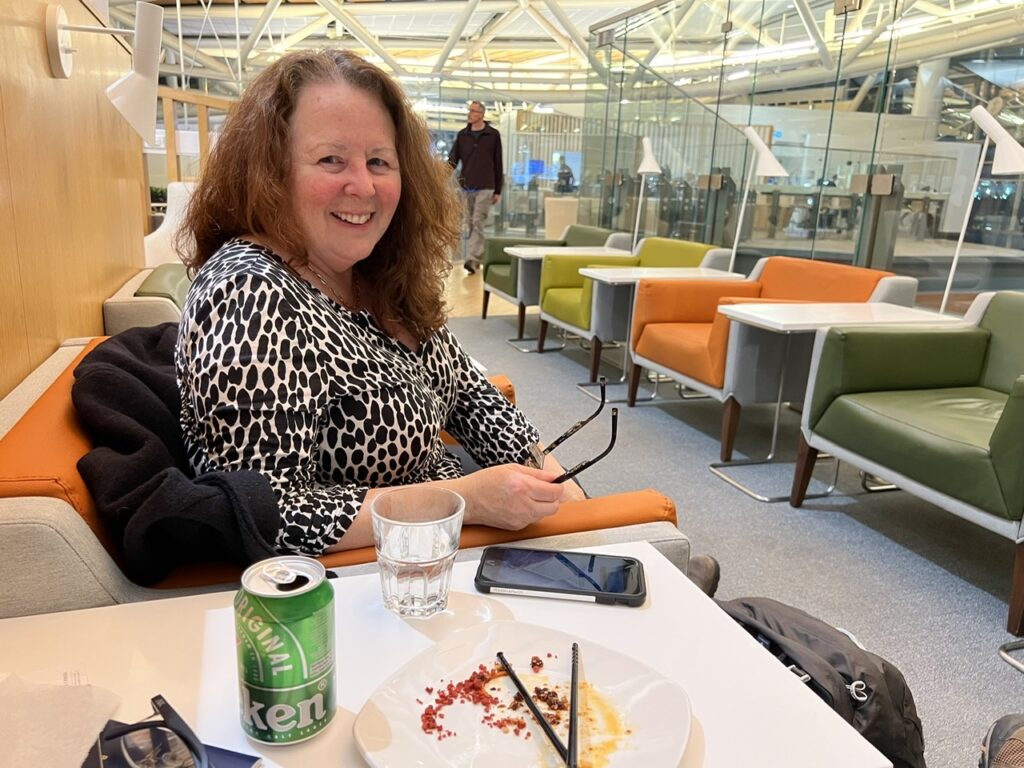
New Zealand is a lengthy 13+ hour flight from Vancouver. That’s a tough stretch anytime but after 4 hours on the road to get there, then 6 hours waiting at the airport we were ready to just collapse in our seats once on board. Had a couple of remaining airport lounge passes that made the airport stay bearable !
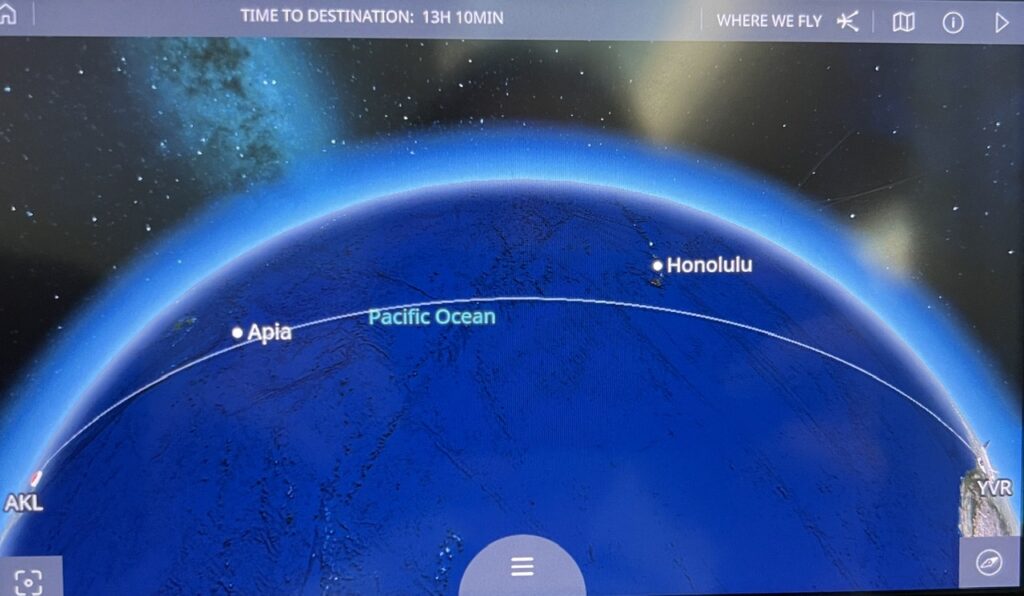
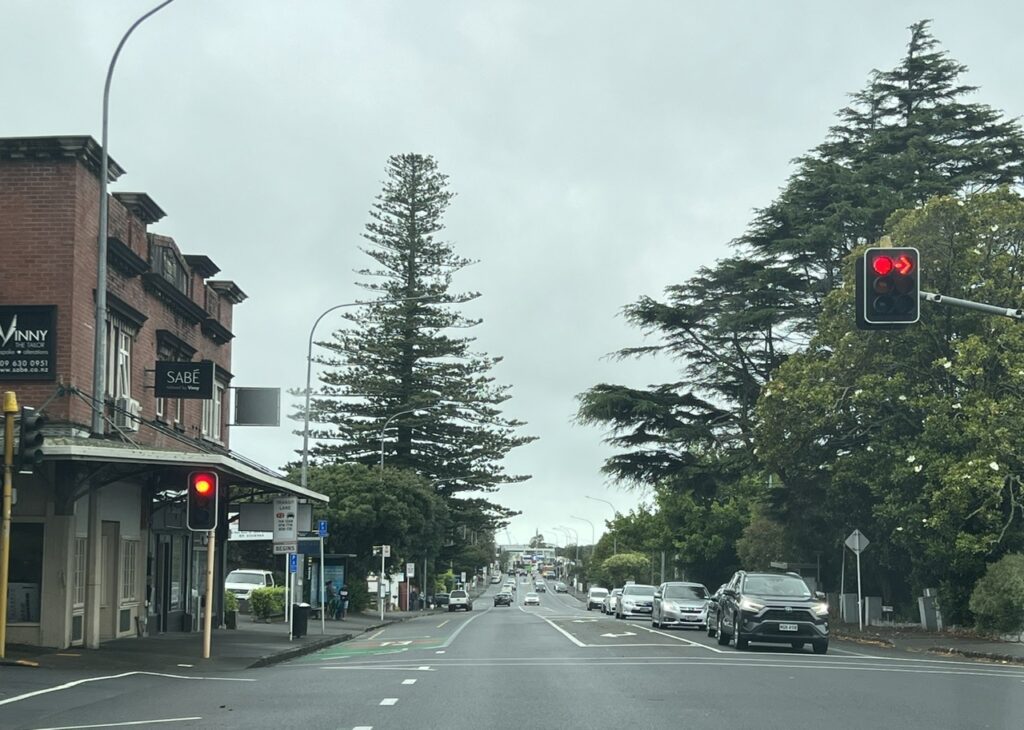
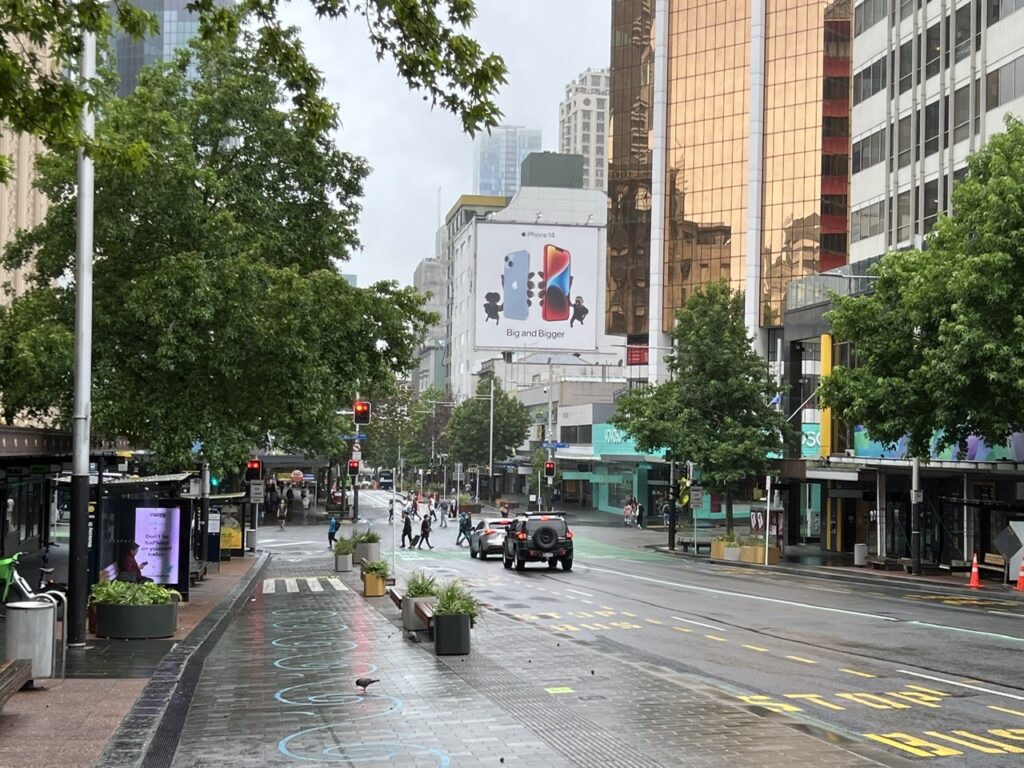
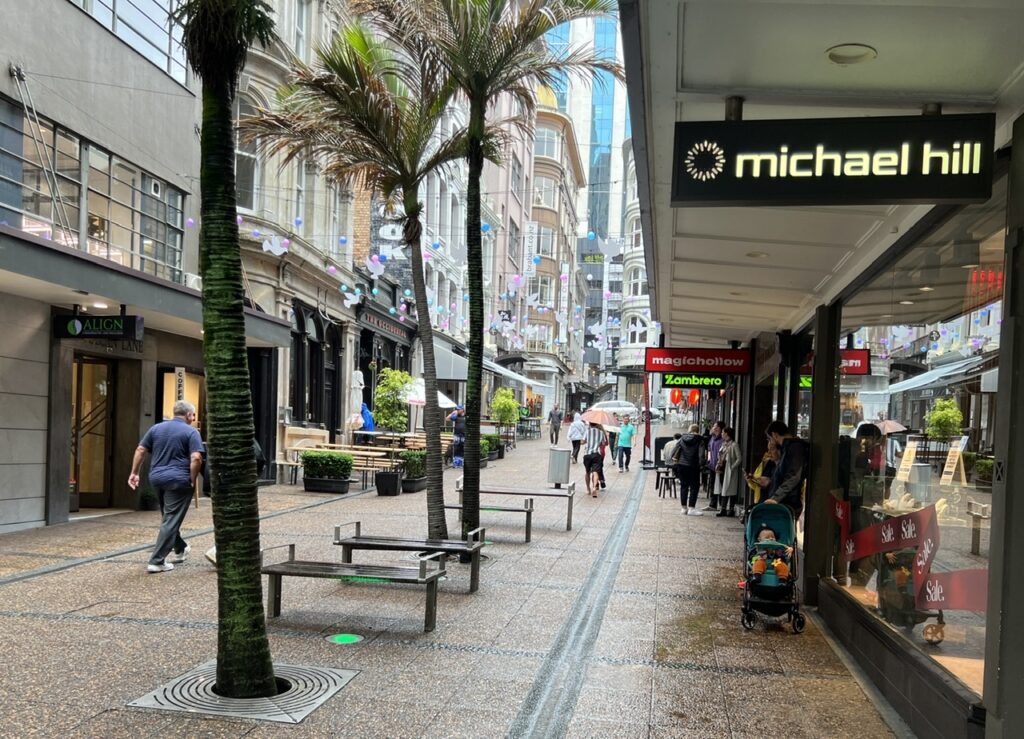
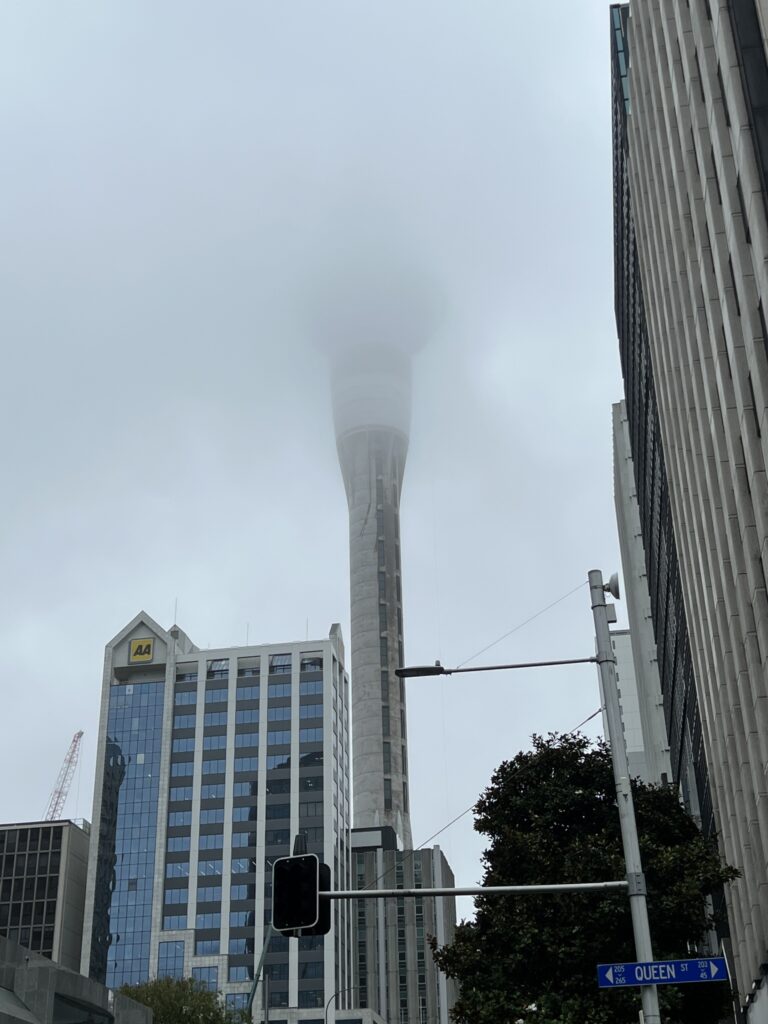
Relaxing in the airport lounge while waiting for the flight.Vancouver (YVR) to Auckland (AKL), 13 hours and 10 mins. Tiring !Driving into Auckland from the airport was about as nice as the weather got during our stay. Continuous rain after that ! I always find the street scenes and buildings in New Zealand so similar to Australia ( felt almost like home !).Not much to do in rainy Auckland on the day we were there but Queen Street and the harbour front area is always interestingLots of boutique shopping just off Queen Street.We’d missed Auckland’s popular Sky Tower on previous visits so had it in our list this time – sadly the weather was not cooperating. Figured if we could not see the viewing deck from the ground then we would not be able to see much from the deck if we did go up.
The feasibility of taking our own van off the Talisman in Auckland ( it stops there en route to Melbourne ) and spending a month or two traveling with it in New Zealand was considered – we would, in fact, have been thrilled to be able to do that, however the idea was quickly nixed for a number of reasons:
The ( already high ) shipping cost went up considerably
There would have been 4 sets of port charges, rather than two
New Zealand has biosecurity rules equally as tough as Australia’s so going through that twice ( for perhaps only two months of travel ) made little sense
And, finally, two months in New Zealand would have cost us two equally great summer months in Australia and we didn’t want to sacrifice that
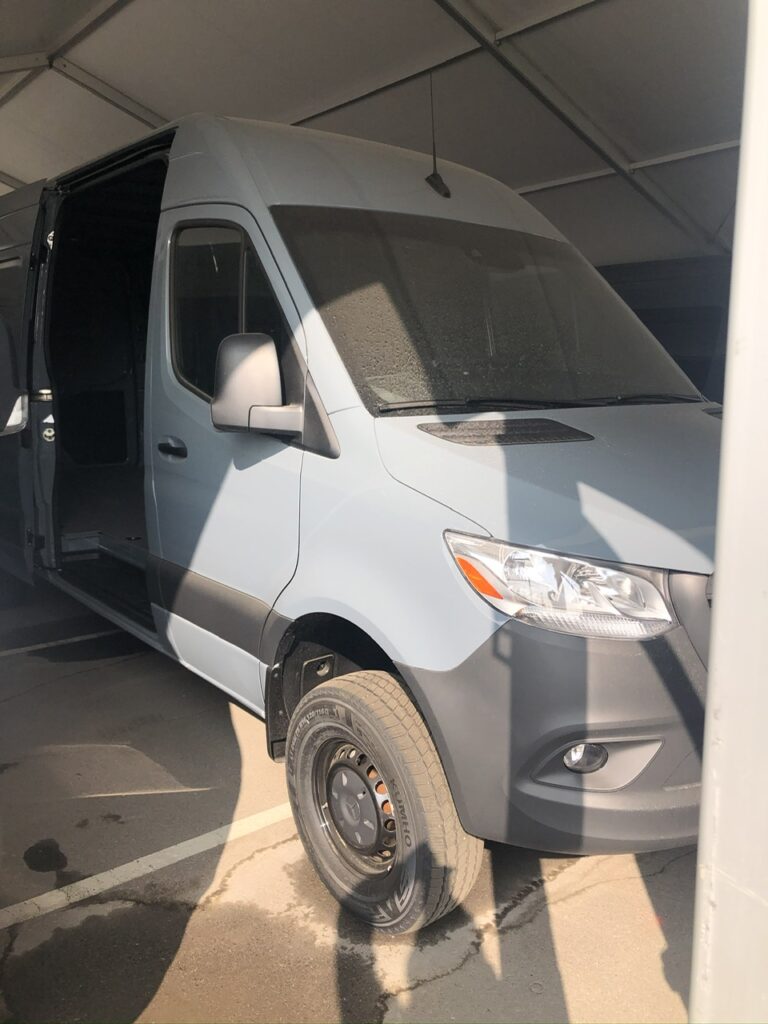
Fortunately, an appealing substitute existed and when it was determined that the dates lined up nicely for us we decided to jump on it. Now this “solution” would not work for anyone on a fixed schedule ( we aren’t ), or for anyone that hadn’t already seen New Zealand to some extent at least ( we had ), nor for anyone that can’t live with some restrictions ( we can ) but when you can tick all those boxes and your travel dates DO match vehicle availability, the “Imoova” van relocation option can provide incredible flexibility and value to travellers who want to get around the country and take their accommodation with them. Check out the details at www.imoova.com. We have used this service before ( many years ago ) in Australia so know the drill pretty well. Long story short, we managed to get a 4 berth Sprinter van from Queenstown to Christchurch, followed by a rest day in Christchurch then another (6 berth Sprinter) van from Christchurch to Auckland. The good folks at Imoova even cover the cost of the Cook Straight ferry between the South and North Island. What’s not to like ?
A short 90 minute flight got us from Auckland to beautiful Queenstown, where we picked up our first van. Stay tuned next week for our adventures around the southern South Island !
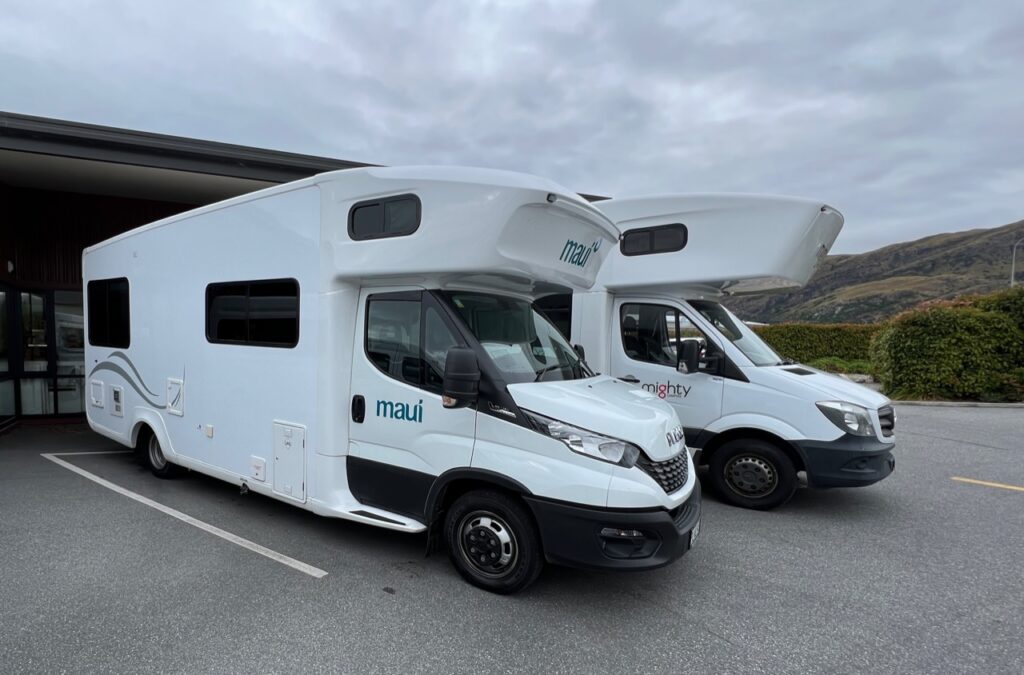
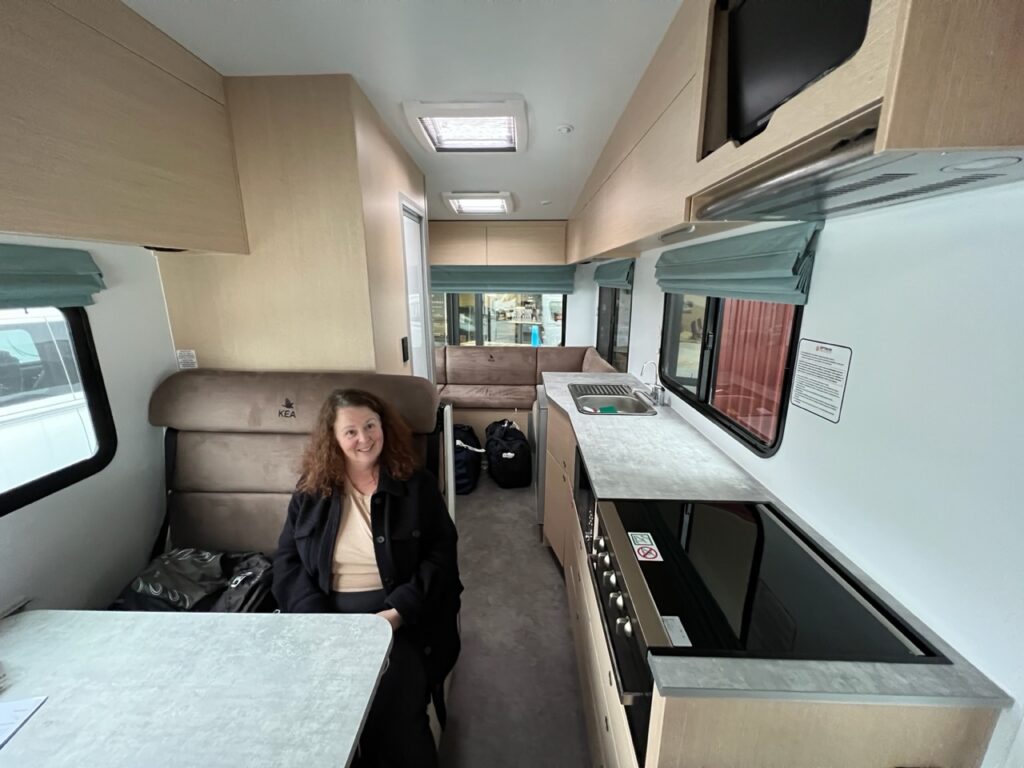
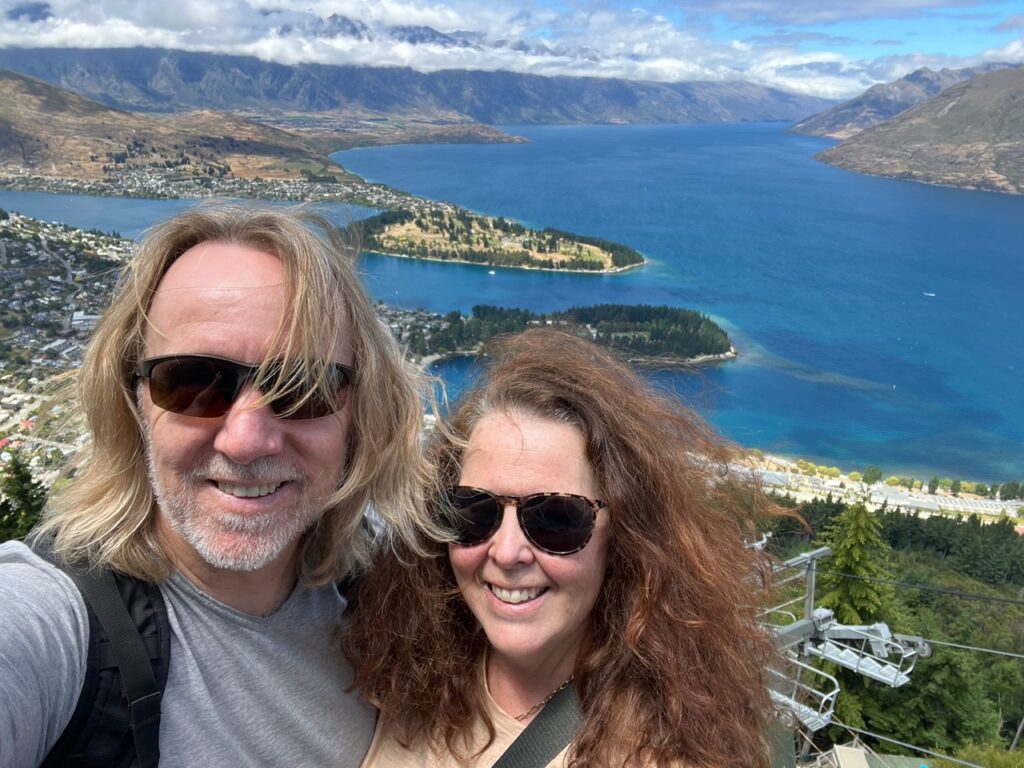
Picking up our relocation van in QueenstownOur Maui 6 berth Iveco van – quite the deluxe rig !Much more space than we needed !View of Queenstown and Lake Wakatipu from Bob’s Peak
As readers can imagine, much time and research was put into picking this route, securing our passage, and getting all the pieces of the puzzle together just to get the vehicle to Savannah. While going to Australia via the US East coast was neither the shortest, nor most obvious route, it was the ONLY way to get an over-sized vehicle to Australia WITHOUT trans-shipping. By oversized I mean one that won’t fit in a conventional 40ft hi cube container. Hence Savannah being our chosen departure port (it could have been Baltimore as the ship also stopped there). We have a couple of overlanders ( with future plans to ship to Australia ) following the shipping blogs so I’ll be outlining the shipping process in more detail than most people would normally be interested in – bear with me on this one if you are in the latter group ( or just skip to the bottom ! ).
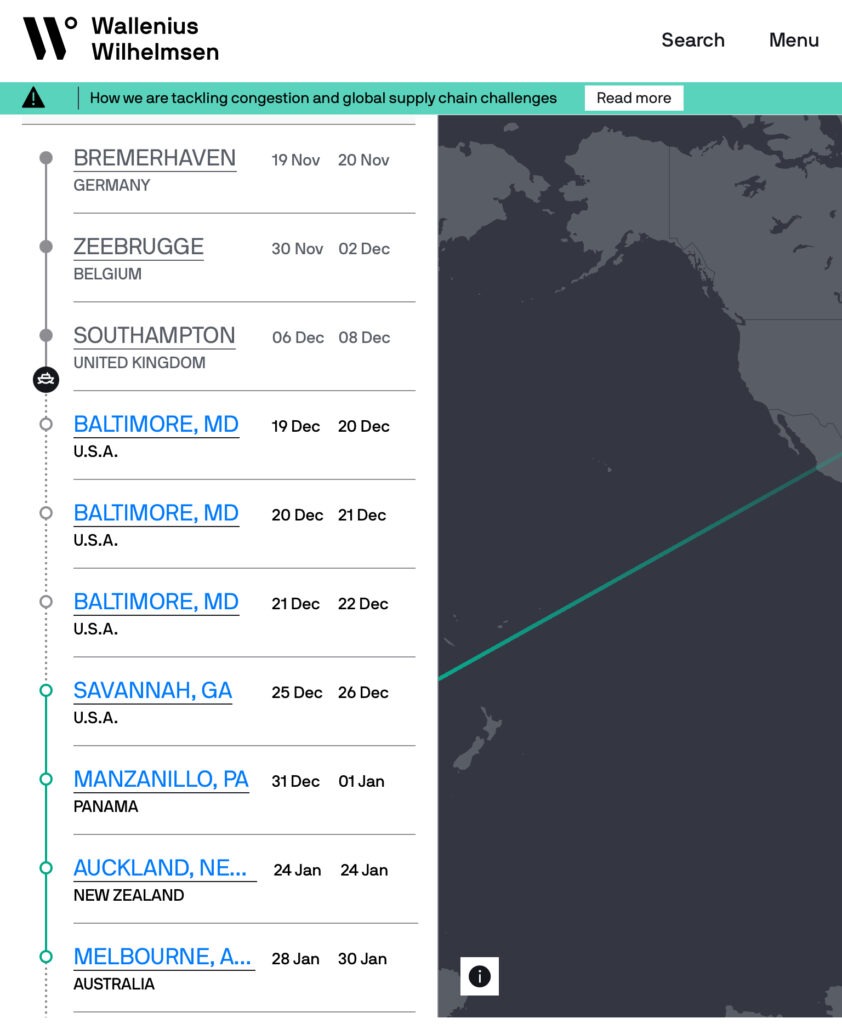
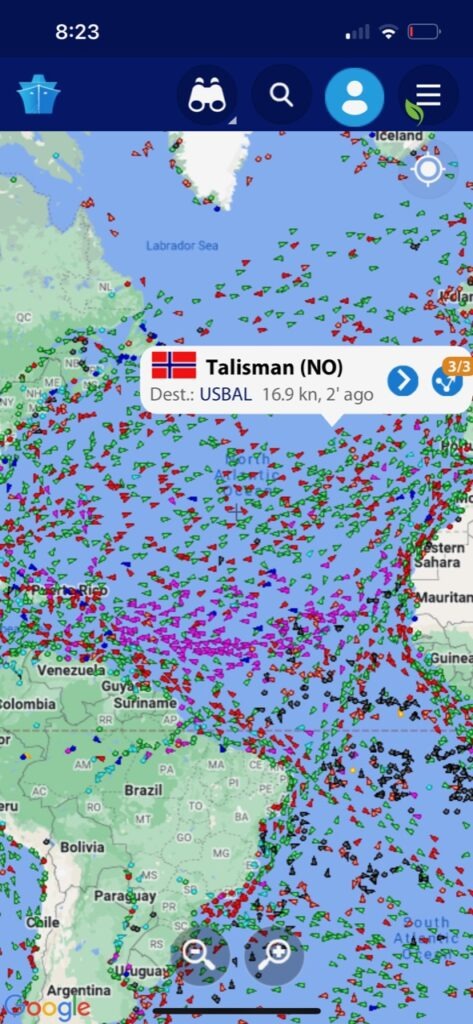
Driving towards Savannah, we kept a close eye on the progress of our ship coming from Europe, the “Talisman” ( hopefully the name is a good omen ). So far so good. At the time of the screen shot below it had left Southampton ( UK ), it’s last European port call. Ships are seldom delayed on the open seas but port hold ups are the norm these days. It stops only in Baltimore before Savannah and then has only two stops before Melbourne. The code “NO” means it is a Norwegian ship. I’m always amazed how many ships there are on the ocean at any one time.
The route taken by the Talisman from Germany to Australia. Think there is scheduling issue in Baltimore, it should only be there one day. It’s 33 days from Savannah to Melbourne.The Wallenius “Talisman” steaming across the North Atlantic towards Baltimore, the first stop before Savannah.
Having enjoyed exploring the sights of Savannah, there was now much work to do preparing the van for shipment. The next series of pictures show how we spent that time.
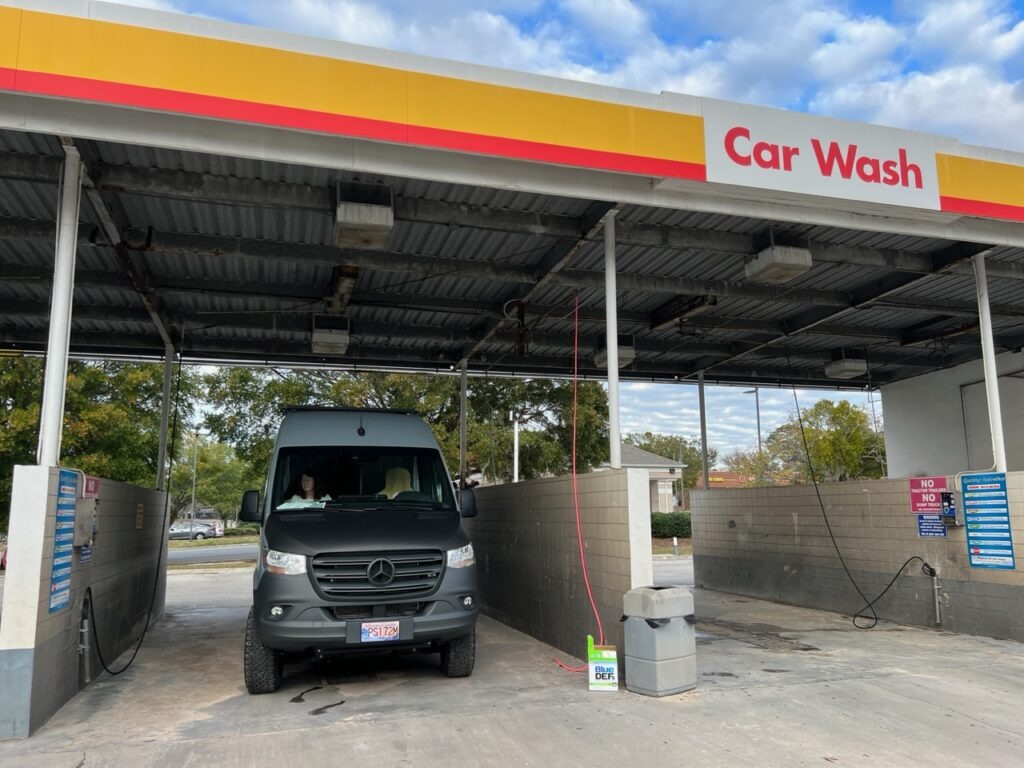
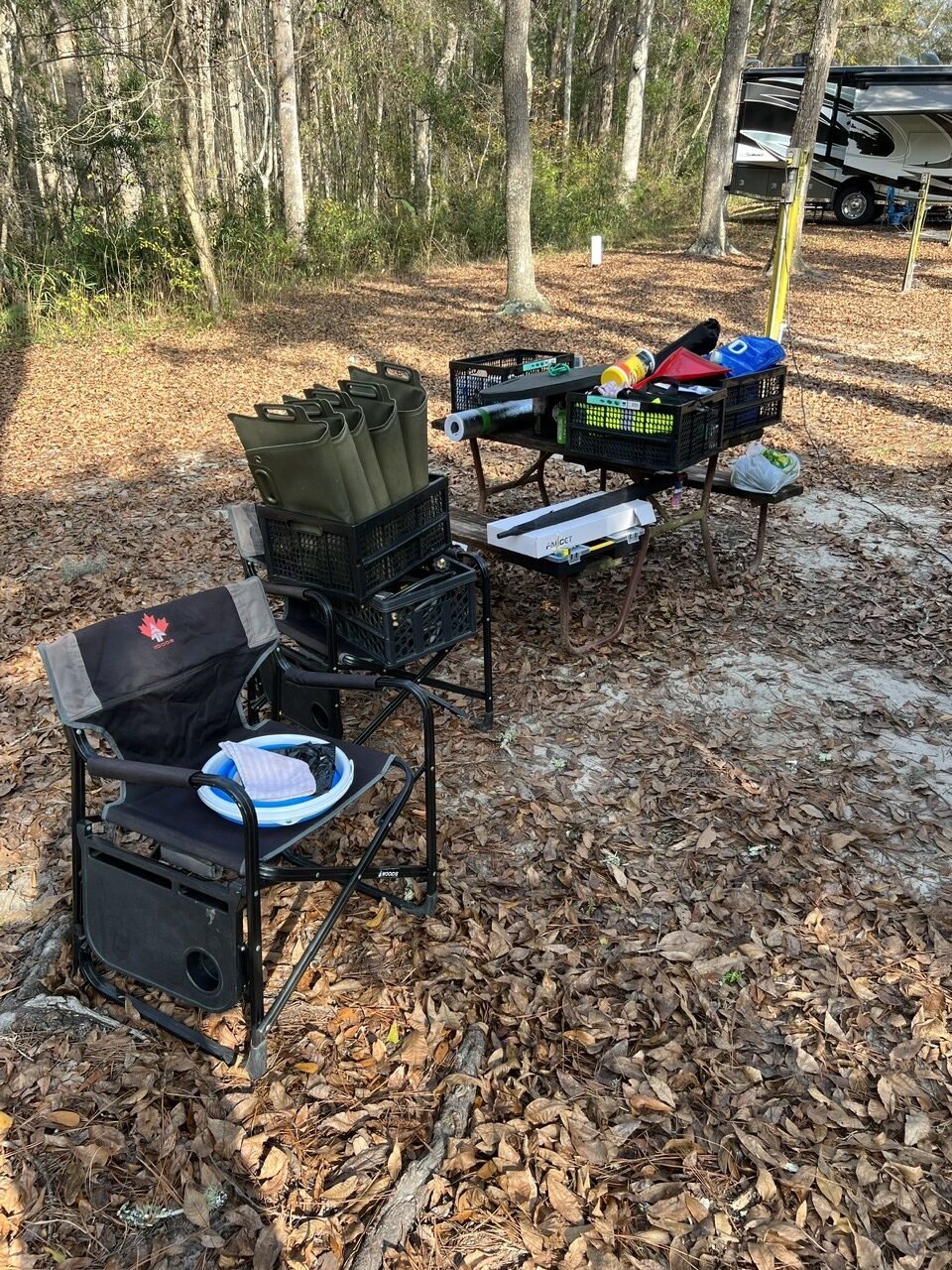
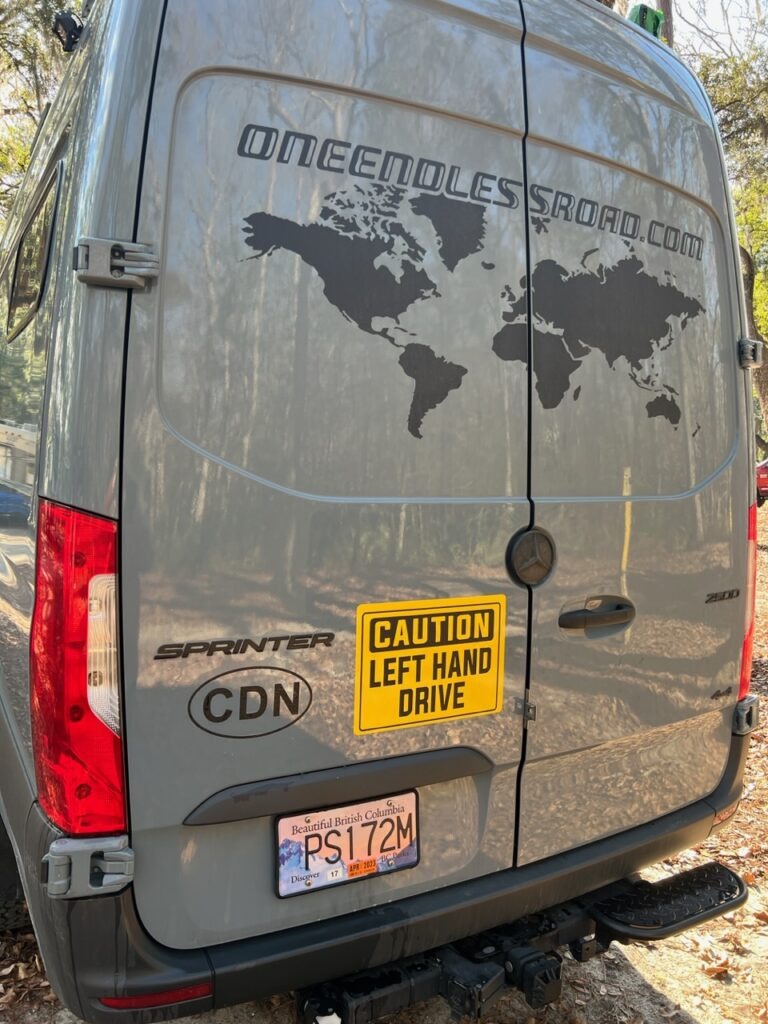
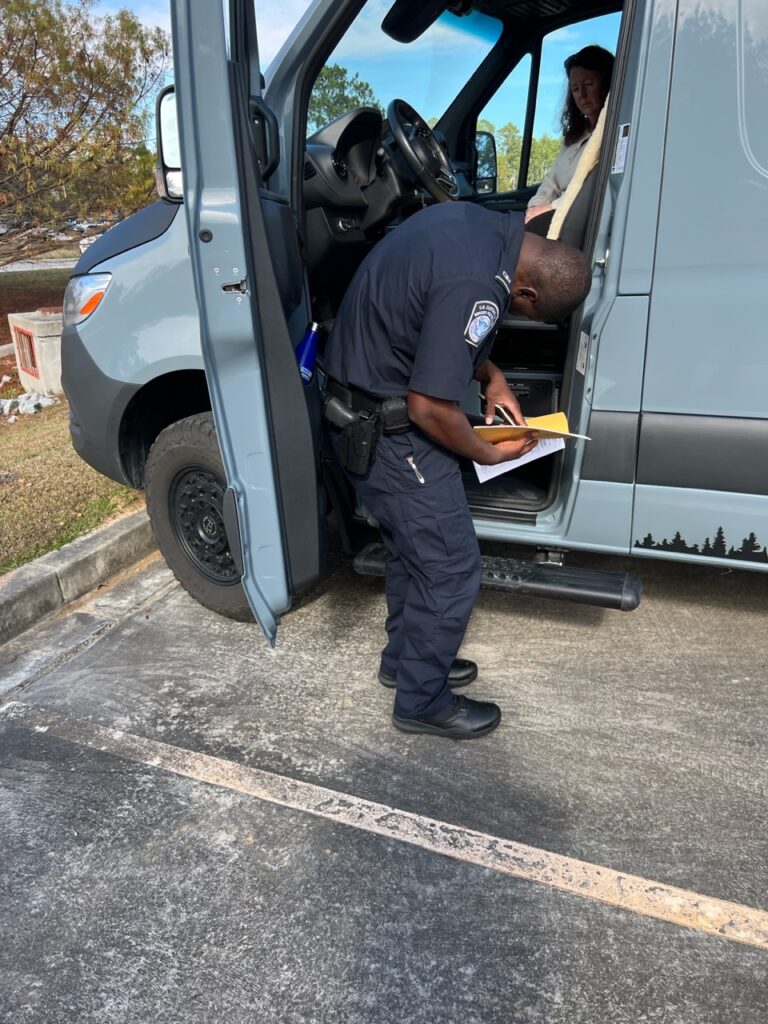
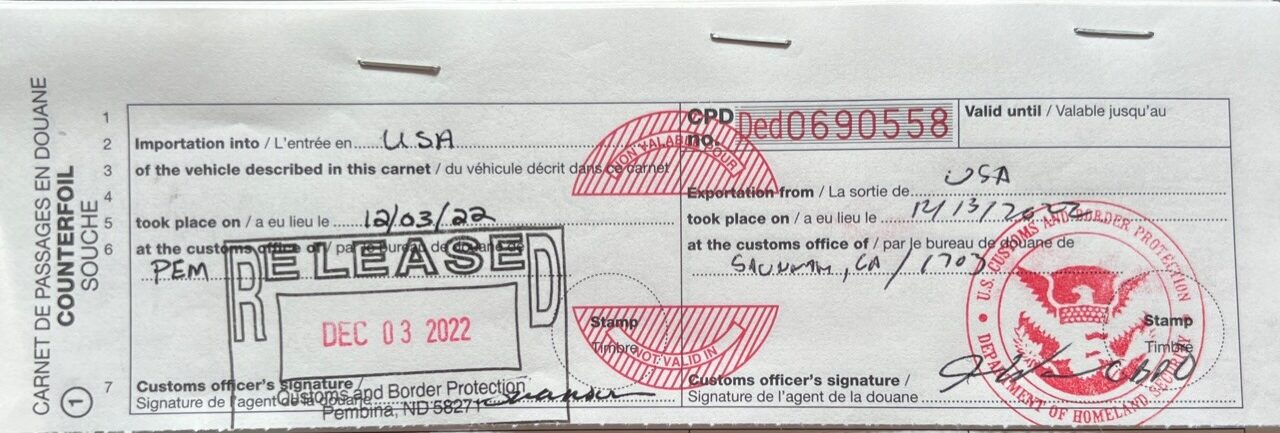
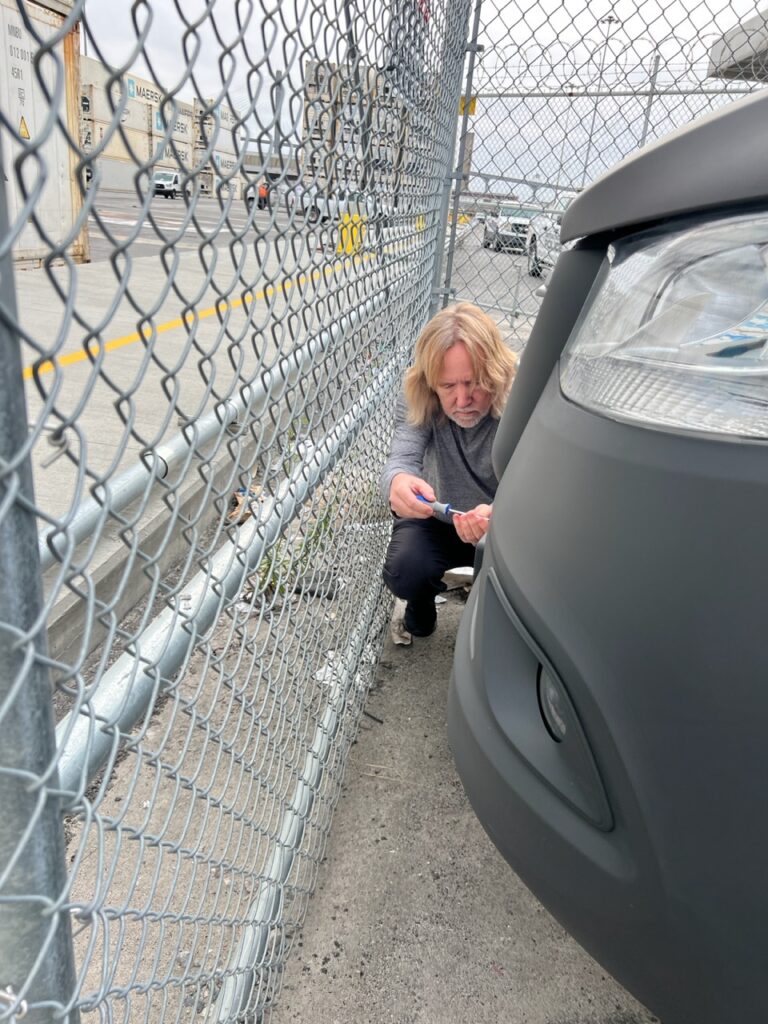
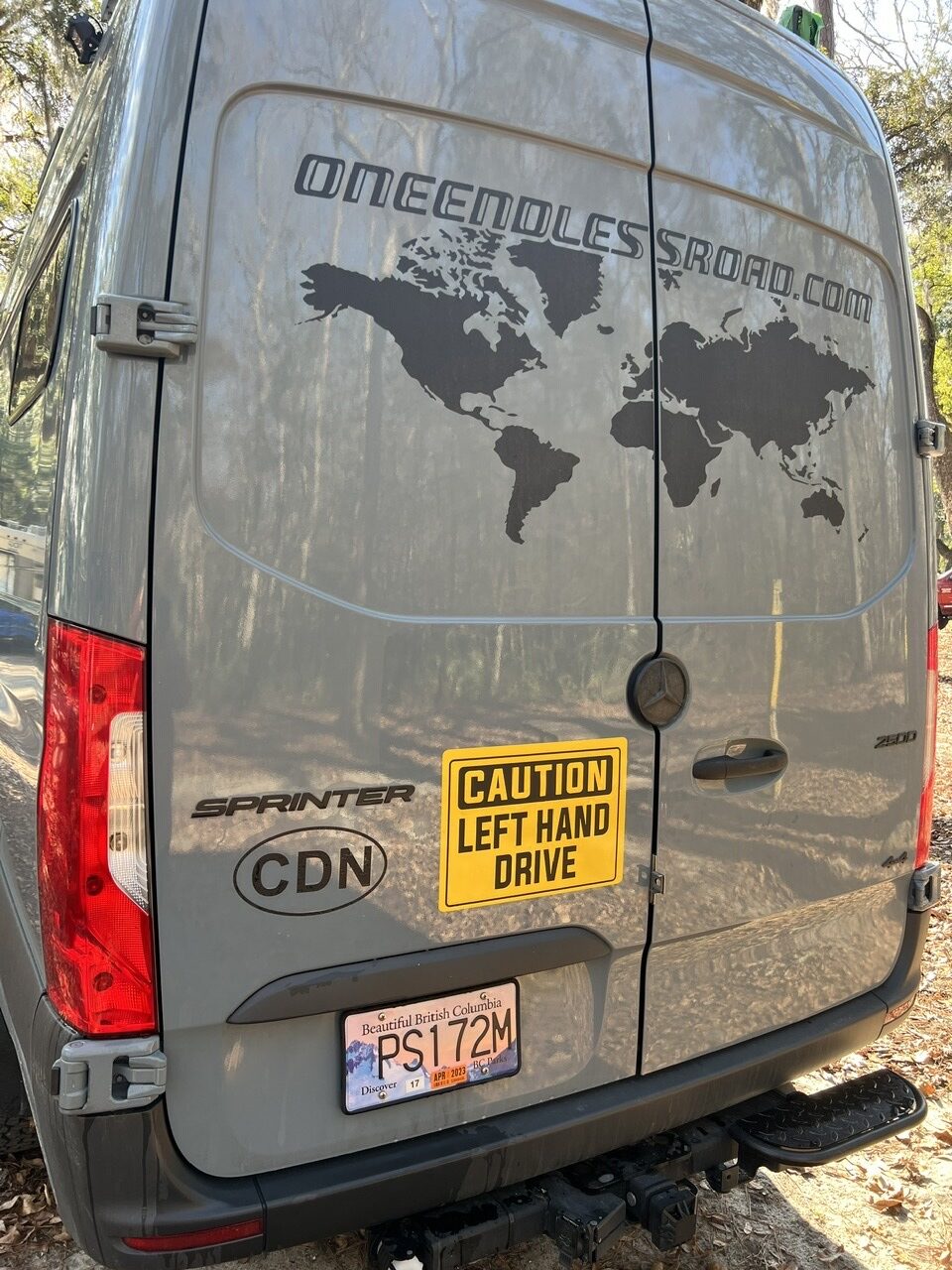
We visited this high clearance car wash on several occasions to clean the vehicle as thoroughly as possible, especially the underside, wheel arches, the engine and radiator ( reportedly areas of close inspection by the BioSecurity people at the Dept. of Agriculture in Australia). Vehicle fumigation is done at the port prior to loading on the ship.Shipping via RoRo one pays based on vehicle dimensions in cubic metres (LxWxH). Everyone removes ANYTHING that unnecessarily protrudes – so off came the front nudge bar.Just a fraction of the gear we carry which was all pulled out, cleaned rigorously, and packed into stackable ( and collapsible) crates. The five military style fuel bags fold down to almost nothing yet hold 100 litres (26.5 US gallons ) of fuel, more than doubling our driving range to 1,400 kms ( 870 miles ).In preparation to drive the vehicle in Australia one needs a “Left Hand Drive” warning decal and a decal showing it’s country of registration ( CDN indicates it’s a Canadian registered vehicle ). While driving on the left in Australia will be familiar to us, driving a “left hand drive” vehicle on the left side of the road will not !Prior to clearing ( stamping ) our Carnet out of the US, the Border Patrol folks closely checked our VIN against the Carnet. Conveniently they allowed us to have this done the day before we took the van to port.Our copies of the Carnet ( CPD ) stamped in and stamped out of the US.
Once in Savannah contact was made with the local representative of our shipping agent and, just like in Buenos Aires, a port delivery date and time were firmed up. As in Argentina, we had to deliver the vehicle well before the ship arrived and have a “port escort” arranged. Access to US ports is, as one might expect, VERY tightly controlled. Shipping insurance was also arranged, it costing almost as much for our van to be a month on the ocean as it does for it to sit for a year in our driveway – and with a whole bunch of coverage exclusions !
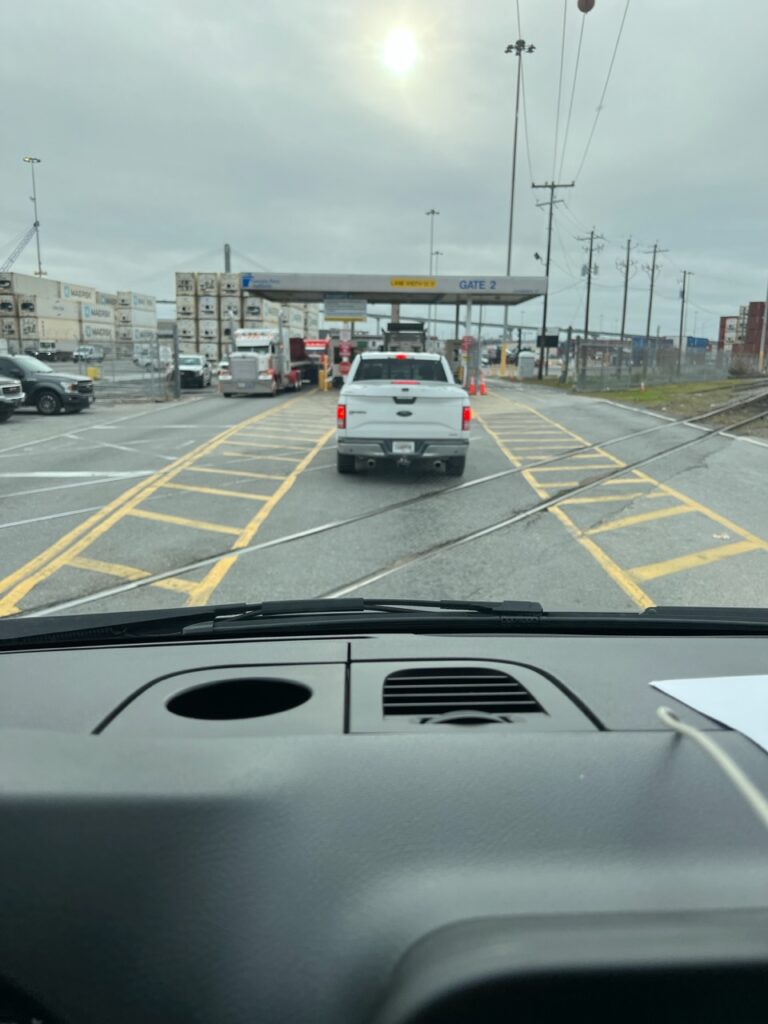
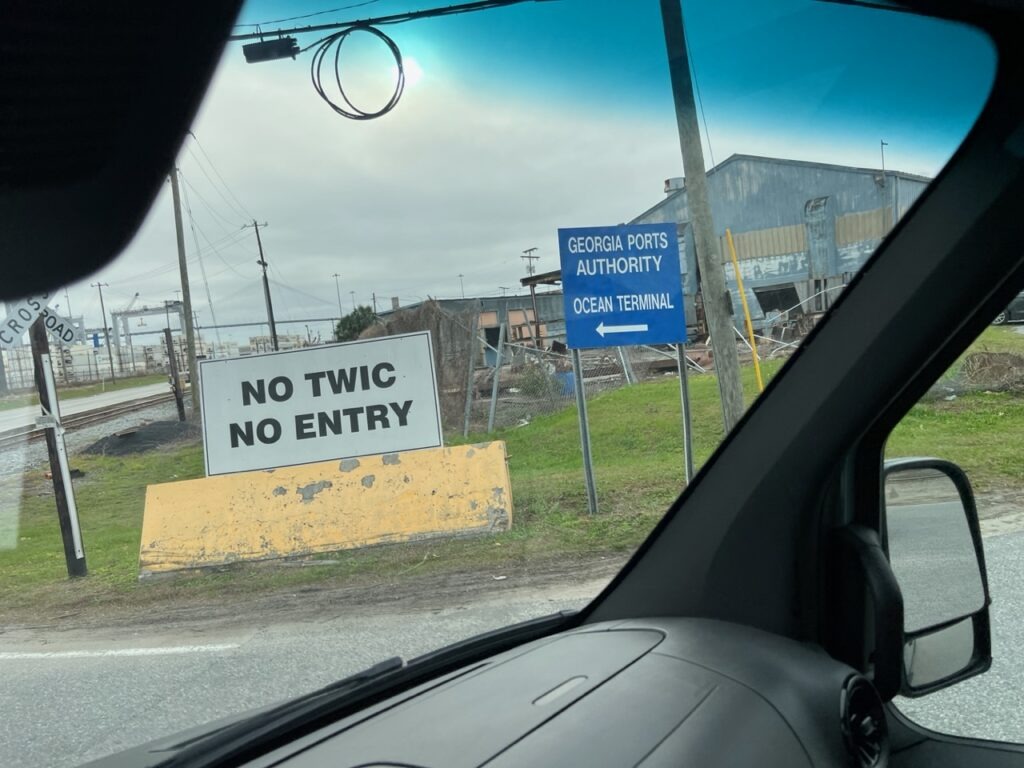
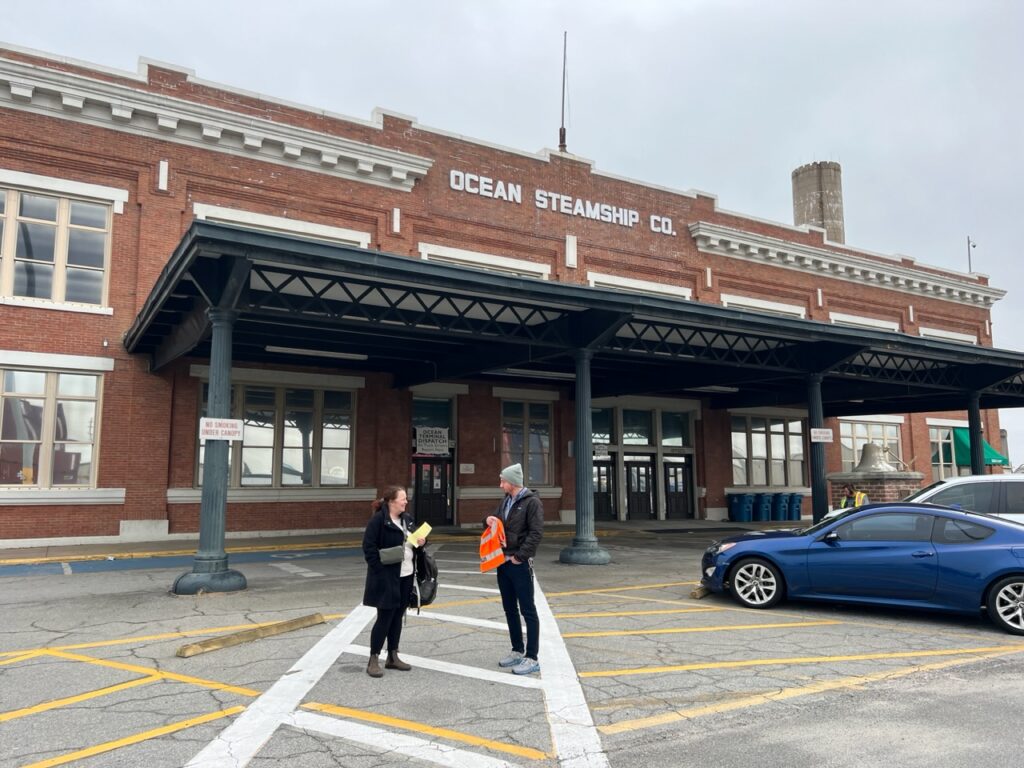
Arriving at the port, security was predictably tight. We met our rep, Logan right at the gate.One needs to be accompanied by an employee with a TWIC (Transportation Worker Identification Credential ) clearance to enter any US port. It was the same process in Brunswick. Of course there is a fee for every such escort !
Interestingly it costs exactly the same to ship the vehicle to Melbourne, Sydney, or Brisbane. We chose Melbourne simply because it was the first stop in Australia and closest city to Tasmania, the state we hope to explore first. Crazy to think that, after 33 days on a ship across the Pacific the very next thing we plan to do in Australia is…….put it on yet another ship !! Victoria state also seemed to be one of the easier states to insure our vehicle.
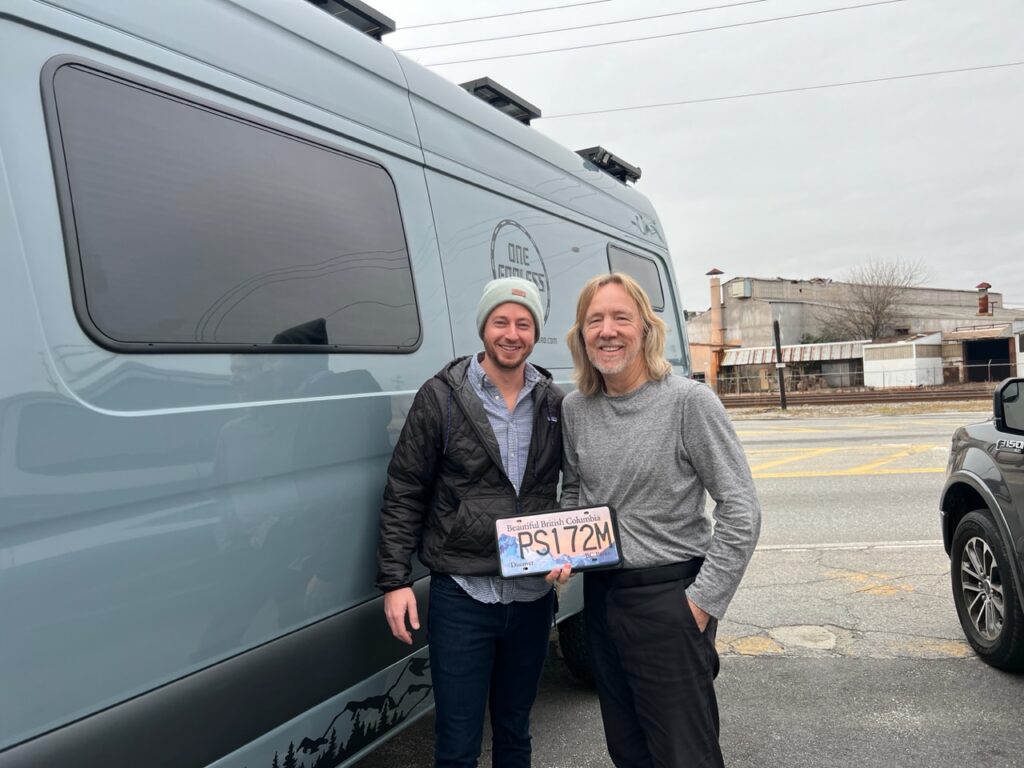
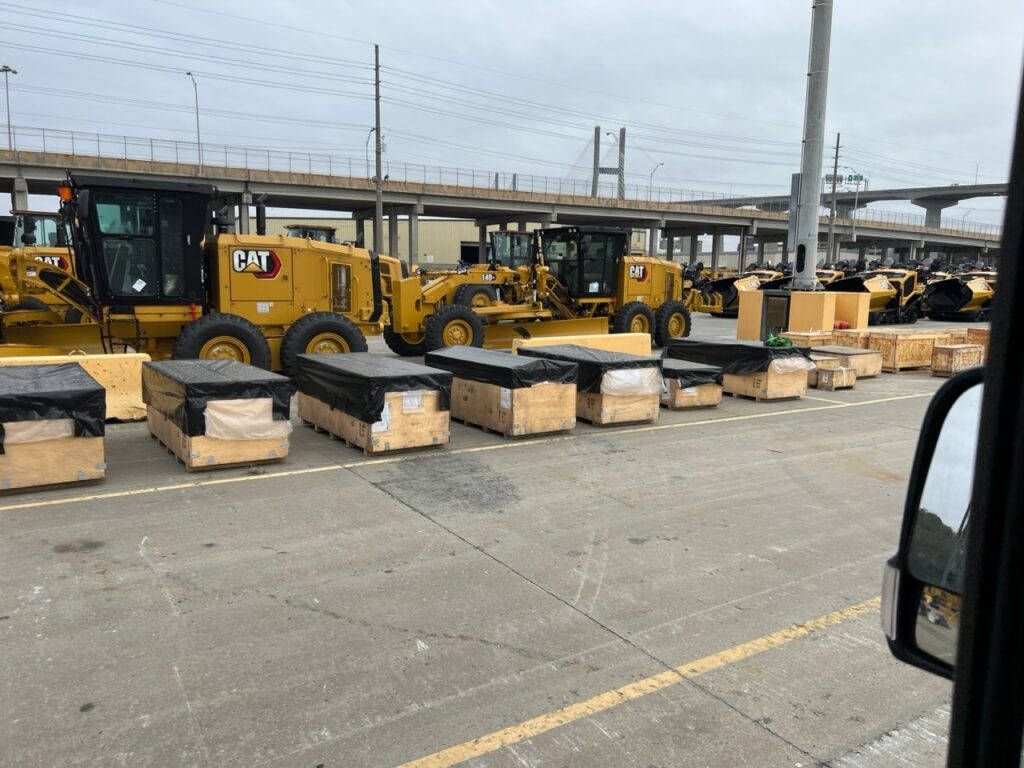
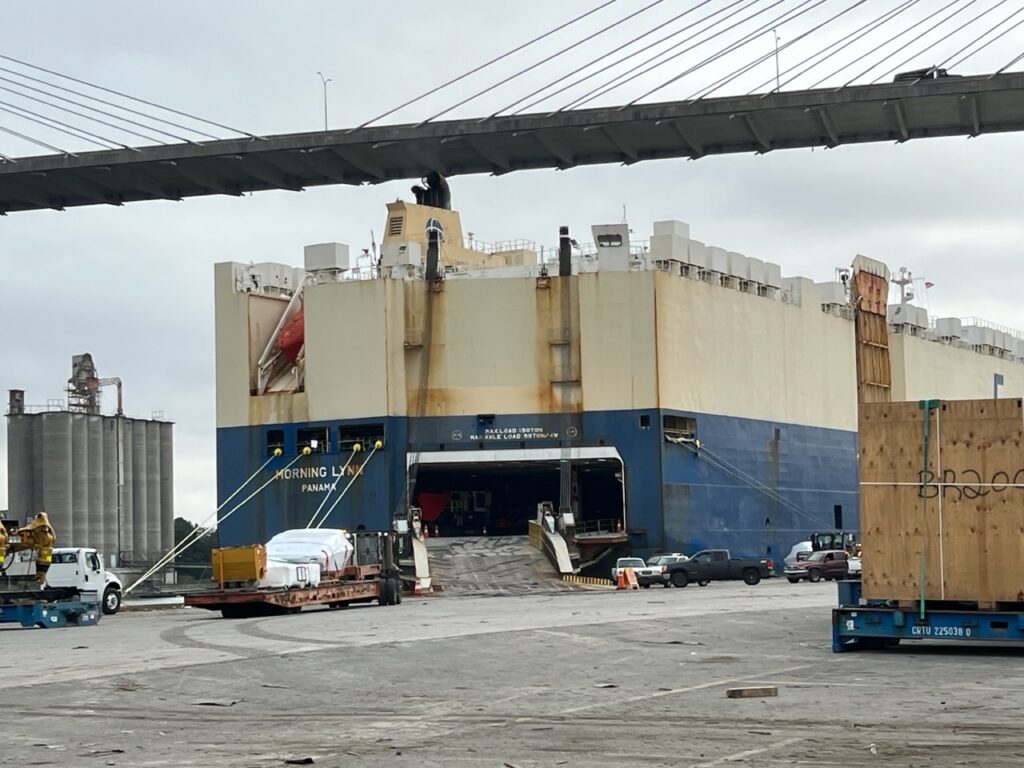
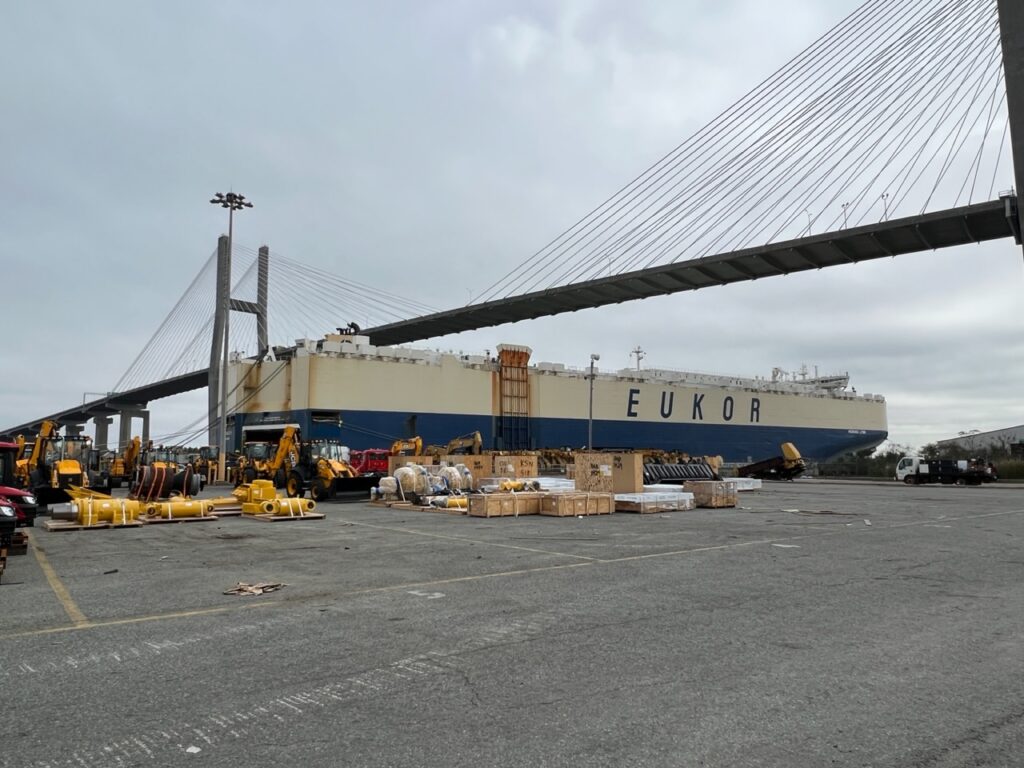
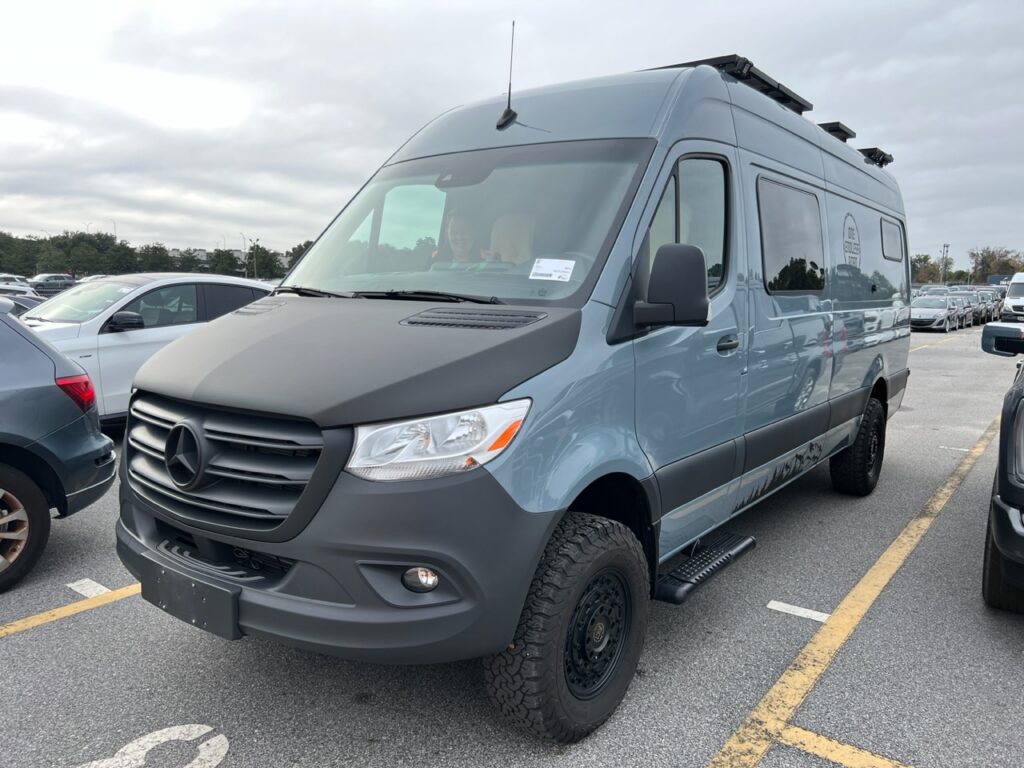
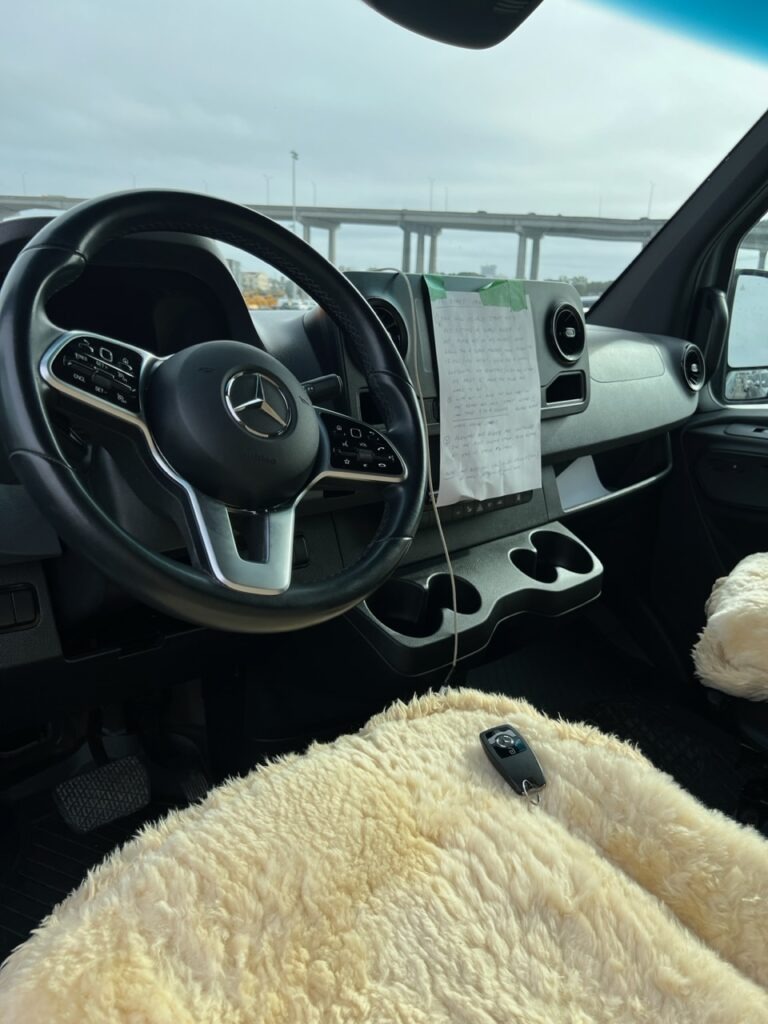
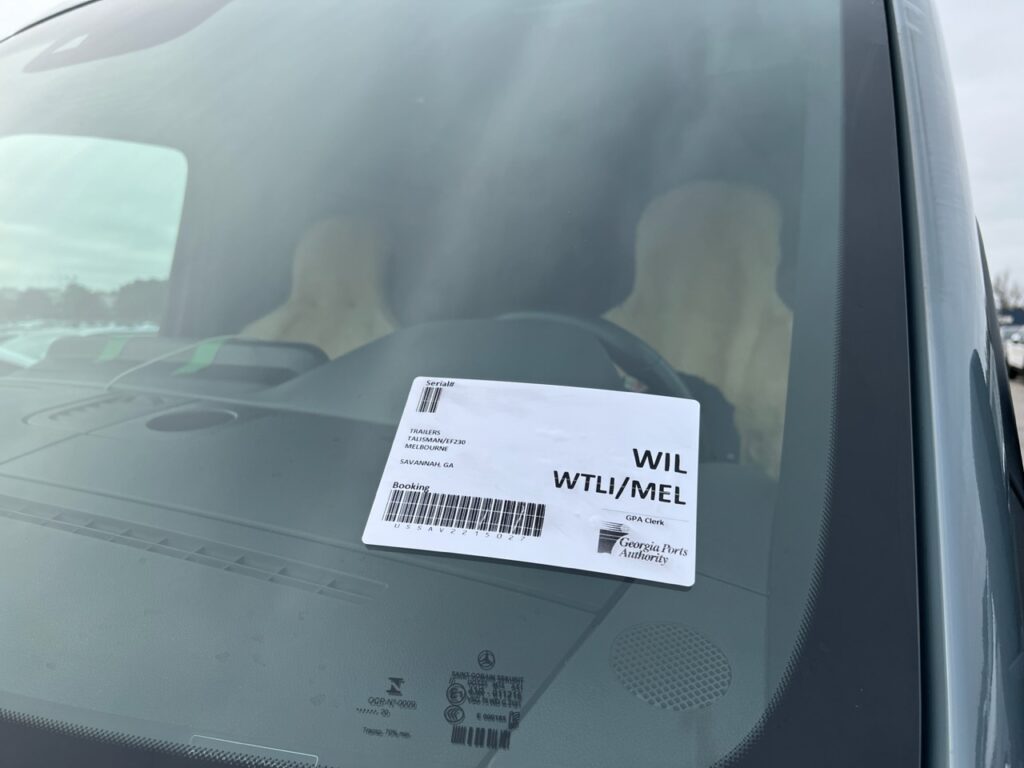
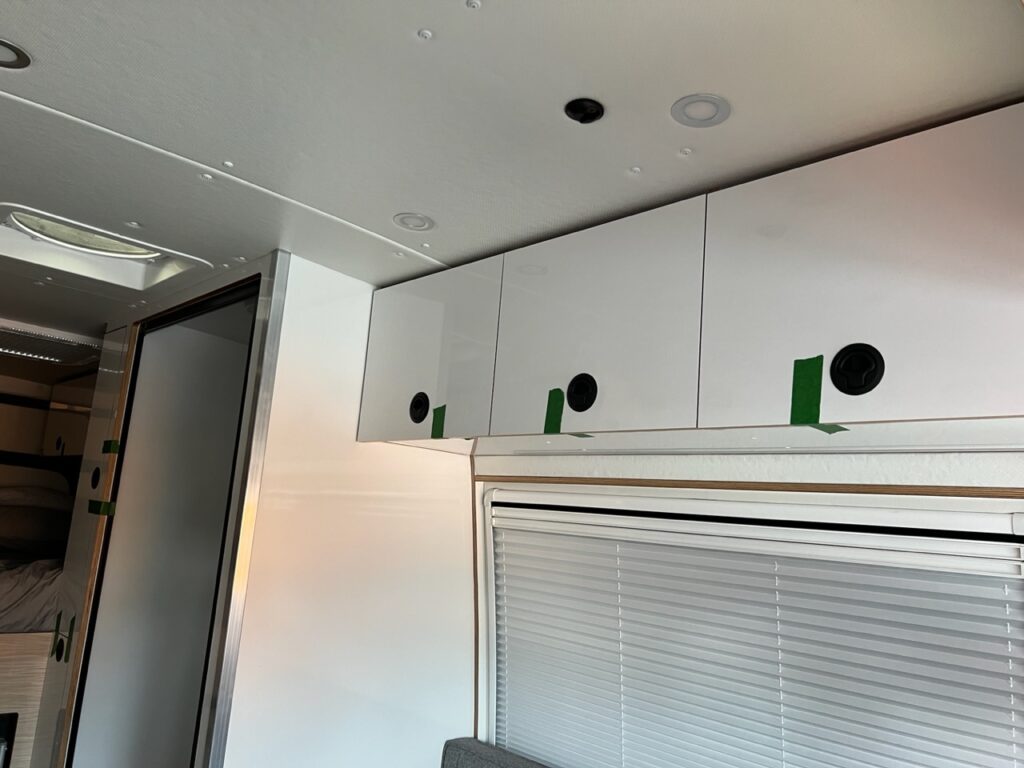
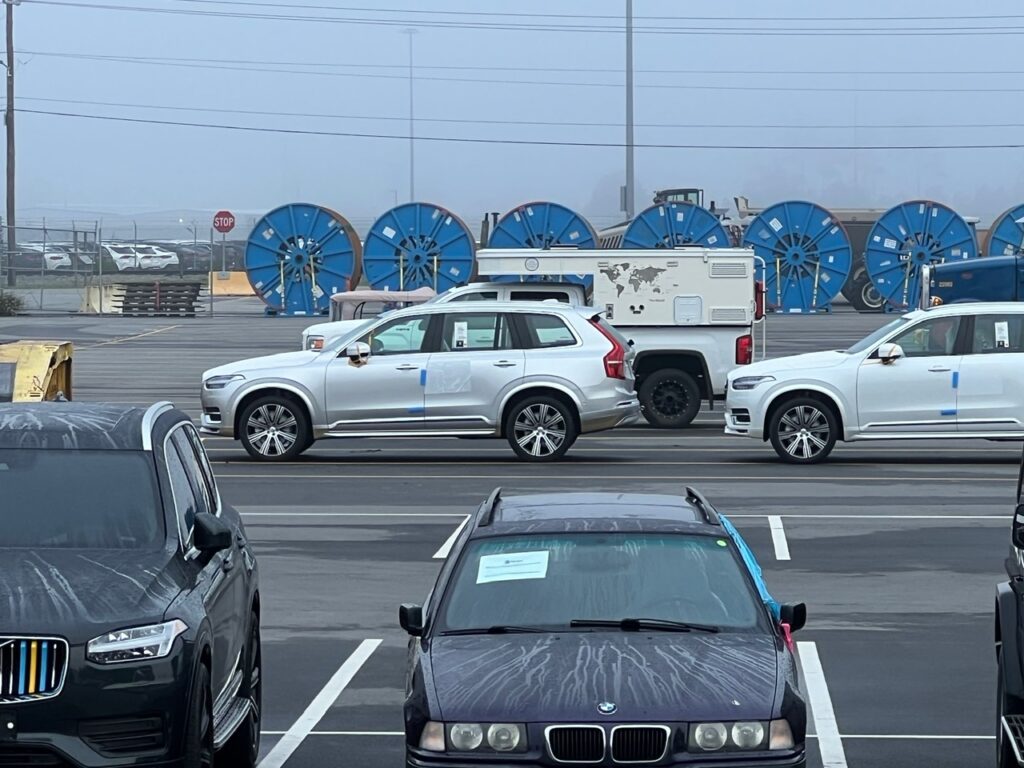
Removing licence plates – a favorite souvenir in some ports and a hassle to replace. We took them with us.Logan, our port escort ( and shipping line representative ), was amazing. Made it all go smoothly in Savannah. Here holding our licence plates after I had removed them.The paperwork was very simple. They confirm the vehicle is yours (VIN), check your dock receipt, and tell you where to go ( in the port I mean ! ). From start to finish, less than 2 hours in the port. Faster than any other port we’ve been to when delivering. Leaving Cartagena and Brunswick was very easy. Let’s hope it’s the same in Melbourne.A lot of heavy equipment is also shipped by RoRo. Logan gave us a quick tour of the port so we could see what was being shipped from Savannah.Not our ship, but exactly the same style, it was loading the day we dropped our van off. Vehicles of all kind are driven in from a large door that opens in the rear. The next image is our ship, the Talisman.The ship that will carry our van, Wallenius’s “Talisman”, approx 67,000 tonnes, and 241 metres long.With multiple levels inside, these types of ships can be adjusted for unusual size vehicles. Our van, parked among hundreds of others going to ports all over the world.Keys must be left on the driver’s seat, doors unlocked. Multiple people will drive it before we get it again in Melbourne. Leaving it unlocked is indeed a bit nerve wracking ( moments after we drove away there were already a few port workers checking it out ). The sheet of paper taped to the dash explains the starting procedure of the van.All vehicles are “tagged” so port workers know which ship to put it on ( and when it goes ). It’s meant to ensure none get missed ( but some do – hopefully not ours !!!! ). “MEL” means Melbourne, our destination.For added protection we taped the cabinet doors closed. We also took photos of the vehicle on all 4 sides showing the condition it was in ( perfect ) when we left it ( hopefully we’ll find it in the same condition when we see it again on the other side of the world ! ).
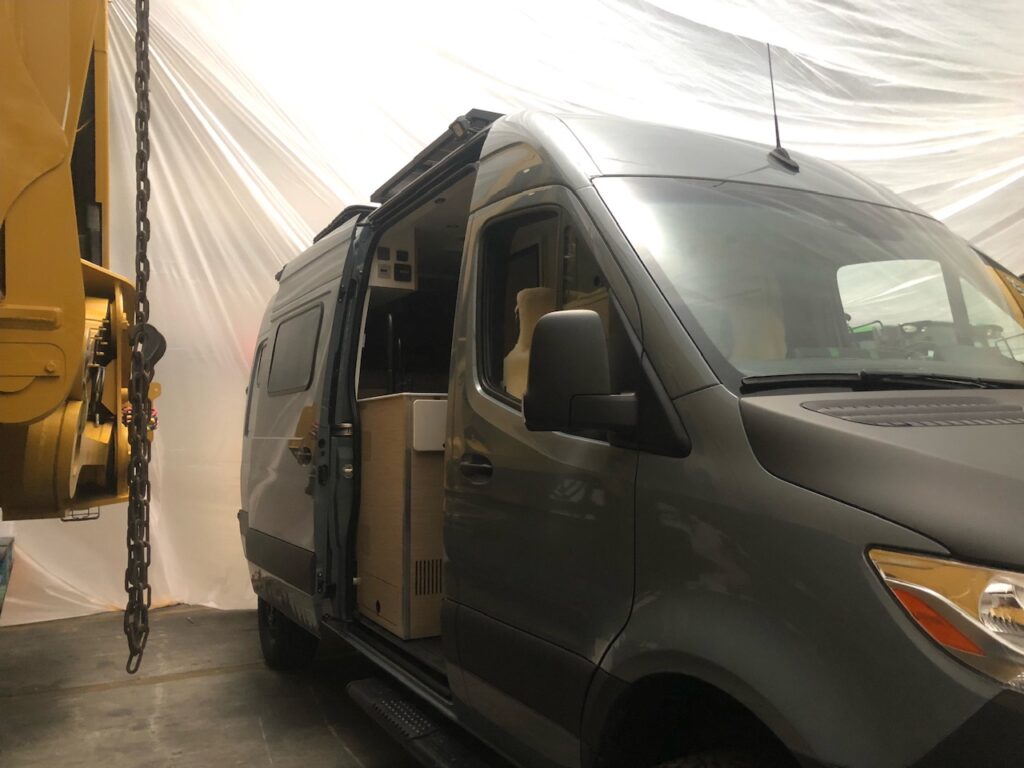
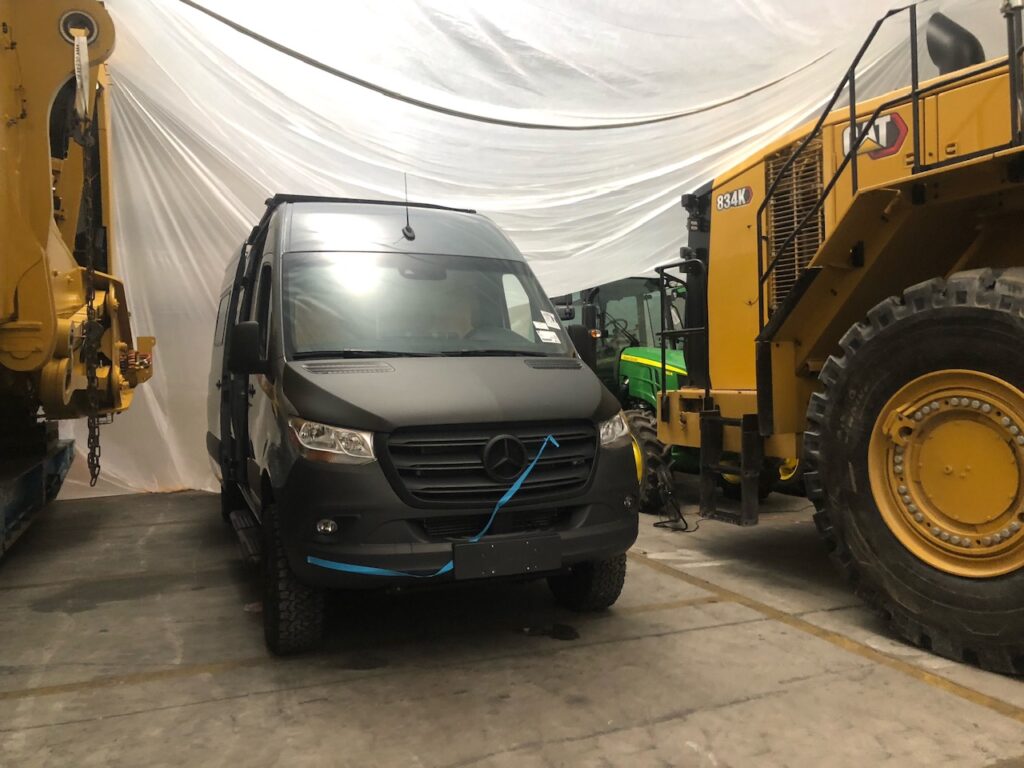
We’d both confess to a sense of sudden detachment ( and more than mild concern ) leaving our precious rig sitting on a distant port, with ( like all others ) doors unlocked and keys on the seat, especially after our last shipping experience – let’s hope the Savannah port security is good. Between us leaving the van at the port and the Talisman arriving to take it away, just one process remained – fumigation. The shipping line contracts a local company to fumigate EVERYTHING on the dock that is heading to Australia. It’s designed to kill any bugs/pests on/in the vehicles. They take all vehicles to a separate area, create a plastic “tent” around them and then pump in “Profume” ( sulfuryl fluoride ) as dictated by the Australian BioSecurity folks. We are assured the smell will be gone by the time we get the vehicle back and it won’t harm us 🤞. While the vehicle had not been fumigated when we left. Savannah, I asked the fumigation company to send me some pics when they did it ( I was curious as to what it was like ) – they kindly obliged and I got these images just before I uploaded this blog.
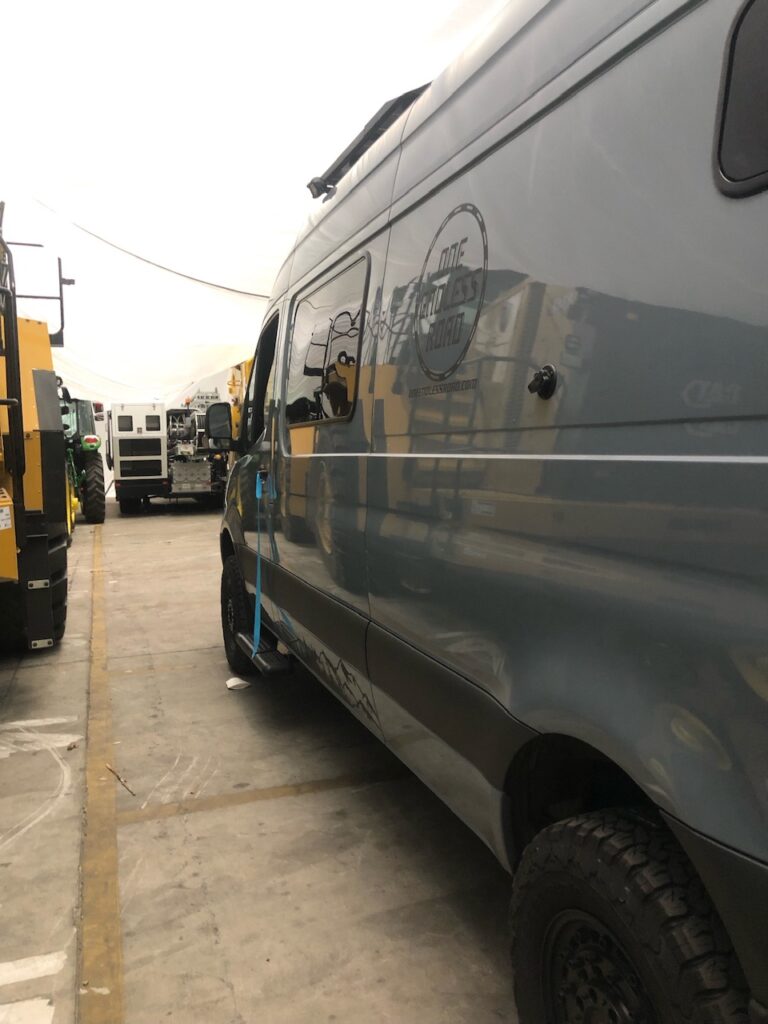
Our rig in the fumigation “tent”We were squeezed in between heavy industrial equipment.Presumably the blue tape indicates it’s been fumigated.
With the van now out of our hands all that remained was to arrange flights back to Kelowna which was straightforward. No real flight “deals” were available out of Savannah ( it’s so small ) so we took an easy one-way car rental to nearby Atlanta, spent a night relaxing in a hotel there and flew home via Calgary the next day. It took less than 5 hours to do in the air what had taken almost 9 days by road !
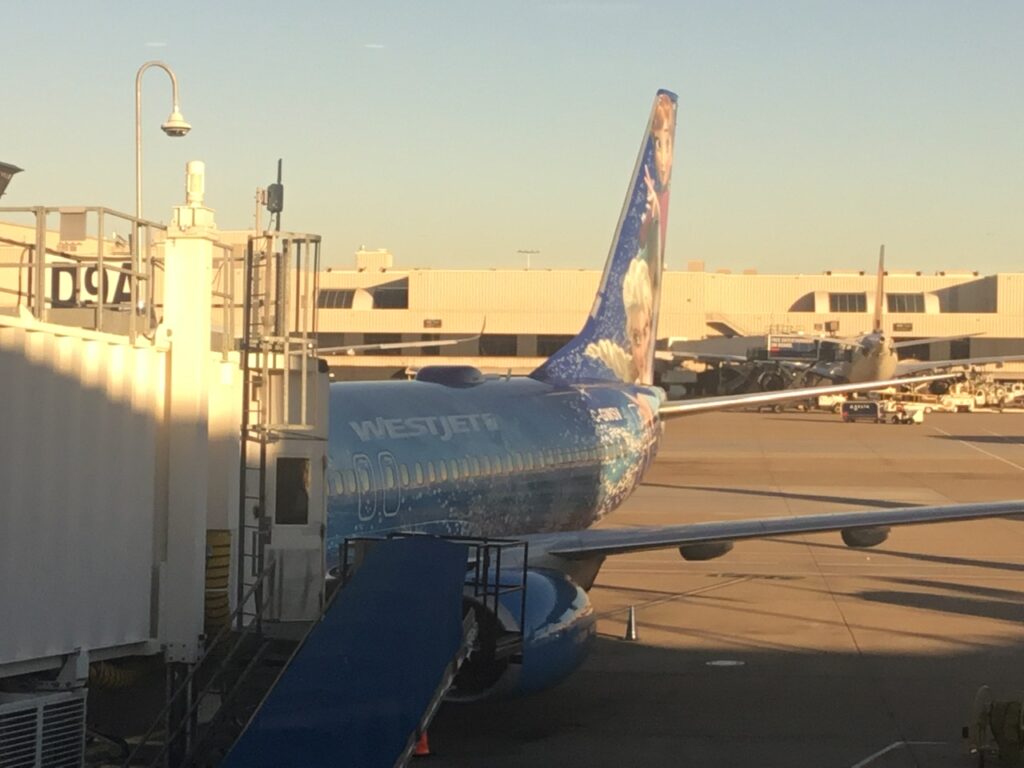
We flew home on what must have been Westjet’s most brightly painted plane.
So, what next ? Well, for now we can only wait, hope the “Talisman” arrives in Savannah on time, the ship picks up our cargo and successfully delivers it to us in Melbourne by the end of January. Wish us luck ! I may get time to do an update or two in the coming weeks but if not I will start up the blog again in early January once we fly to Australia.
In the meantime both Lois and I hope you all had a wonderful festive season and that the New Year brings you all much joy, good health, and time with your loved ones. Thanks especially to so many of you who have shared your comments along the way. We love hearing from you all so keep them coming in 2023 !
Post Script: The Talisman did indeed arrive on time ( Christmas Day ) and left as scheduled ( December 27 ). On the morning of December 28 we received word that our van was loaded successfully, so it’s on its way. No turning back now !
Or should I say “Back to Georgia”. By nothing other than remarkable coincidence our van will be departing on this ocean crossing to Australia from Savannah, Georgia, barely a hundred miles from Brunswick, Georgia where we had collected our truck camper after its shipment up from Argentina back in April. Not in a million years did we think we would ultimately be shipping to Australia via the US East Coast.
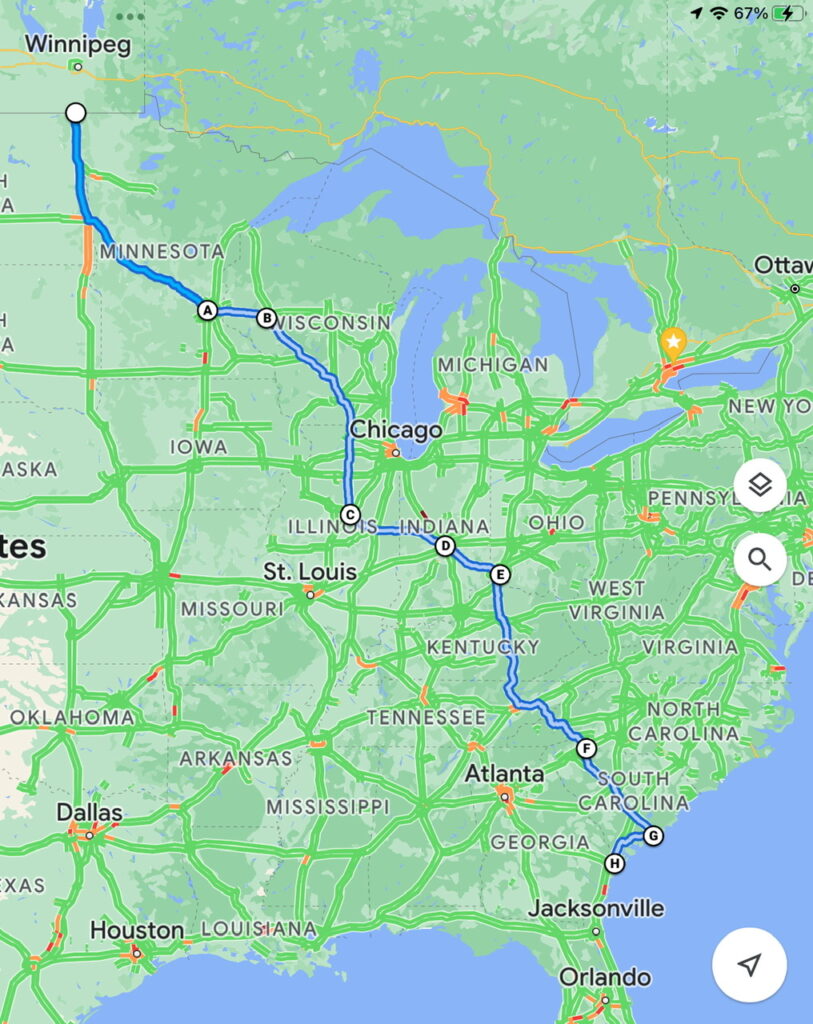
From Winnipeg, we went almost directly to Savannah, save for a slight detour around Chicago and a planned ( and delightful ) sightseeing stop in Charleston, SC.
As of the last post we had just crossed into the US. The Emerson/Pembina crossing ( the major one south of Winnipeg and north of Fargo, ND., ) was extremely quiet – as in, no one in line at all ! Unheard of at any of the BC/Washington crossings, we were delighted at how smoothly and quickly it went. It was not just because of the speed but also due to the fact that the Carnet we were travelling with was processed in just minutes ( a process, we are reliably informed, that can be much more complicated ). A “Carnet” you say ? But with a Canadian registered vehicle you don’t need one of those when travelling to the USA ? Indeed, you do not, but when driving into the US with a vehicle you then intend to “export” via a US maritime port one needs to either bring it in “bonded” ( carried on the back of a flatbed truck ), or under cover of a Carnet. Fortunately, since Australia is one of number of countries that requires the temporary importation of a foreign registered vehicle to be secured via a Carnet, we happened to have one and thus avoided the ( expensive) complication of bonding our vehicle between Winnipeg and Savannah. The whole Carnet story is worthy of a blog of its own but I’ll hand it over to this experienced overlander who does an excellent ( and very humorous) job of explaining what a Carnet is ( “Carnet de Passage en Douane” or CPD, to give it its full French name ) and why (and when) it is required: https://youtu.be/kjHkE_Ite5s
Carnet stamped, we were on our way south in the US of A with plans to reach Fargo that same afternoon. The landscape ( and temperature ) changed little…..still flat, and still cold – it would be another day before we saw any material change in the mercury. From Fargo there were a couple of options- drop directly south in a race for warmer climes then turn hard left ( East ) towards Georgia, or take a generally more gradual South Easterly route towards our destination. We opted for the latter given it saved us some time and hundreds of kms of driving but also gave us a different route than we had taken when we had traveled ( essentially ) this route in reverse, back in April.
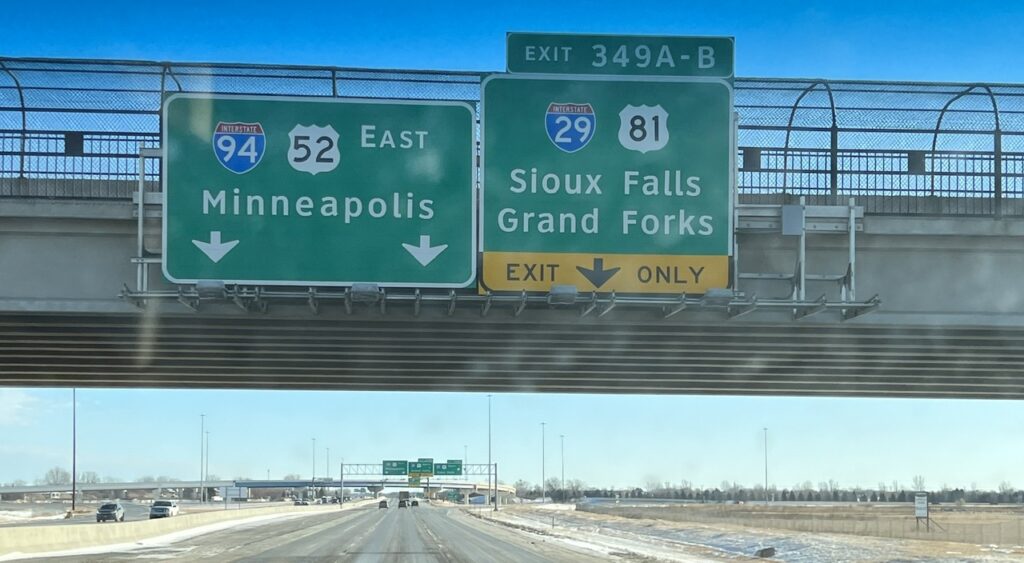
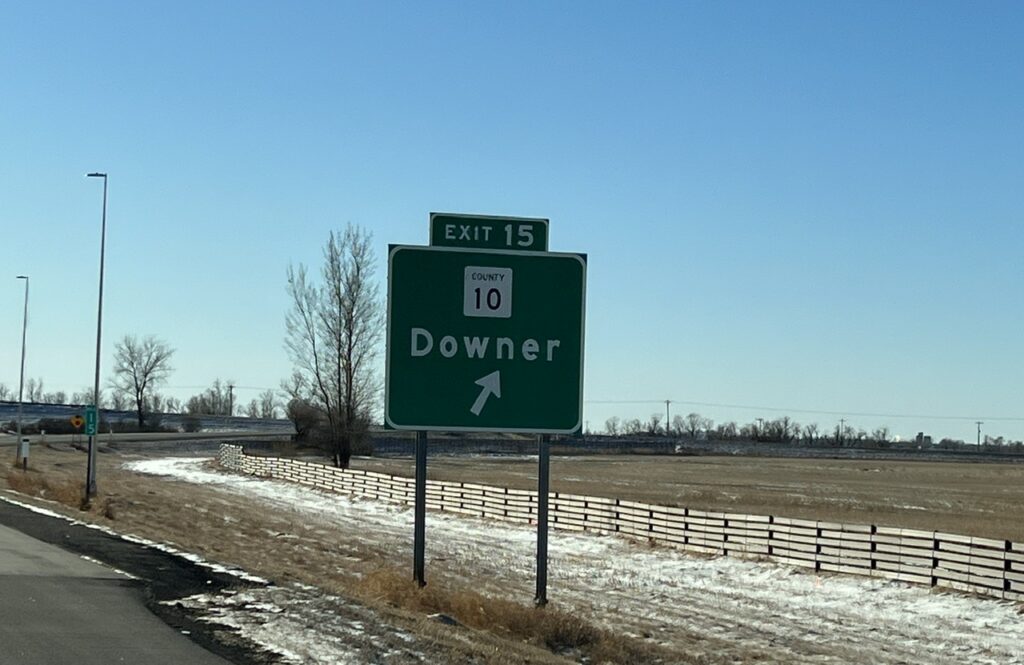
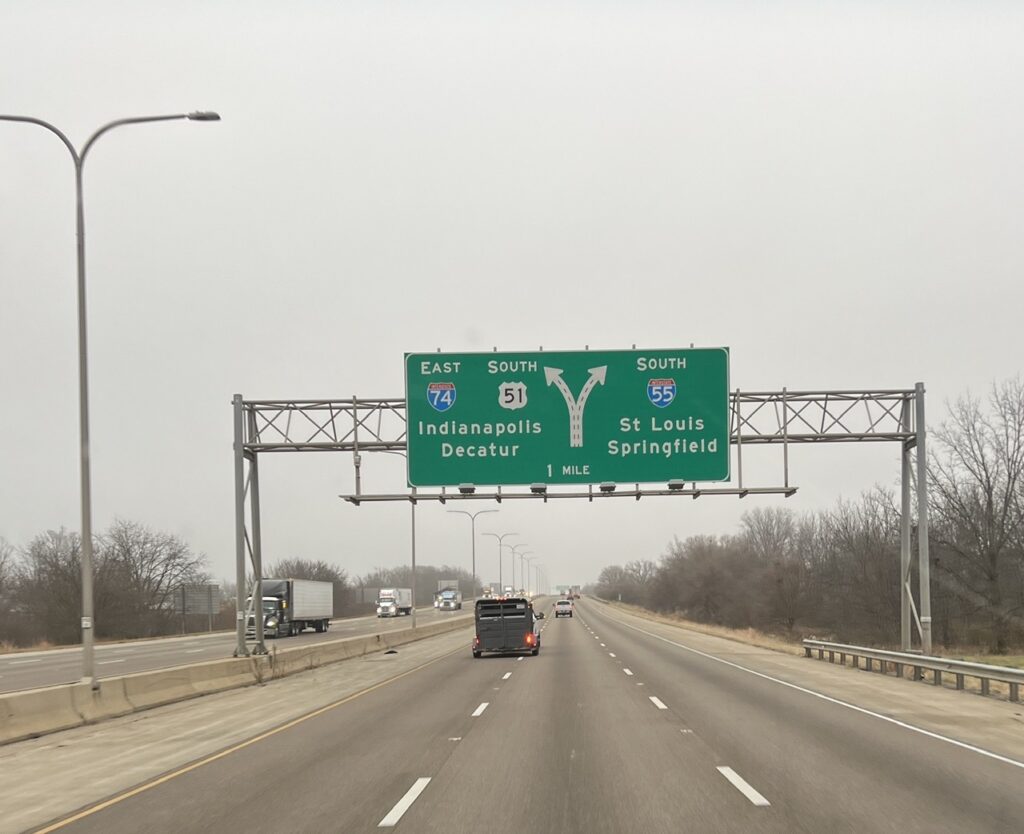
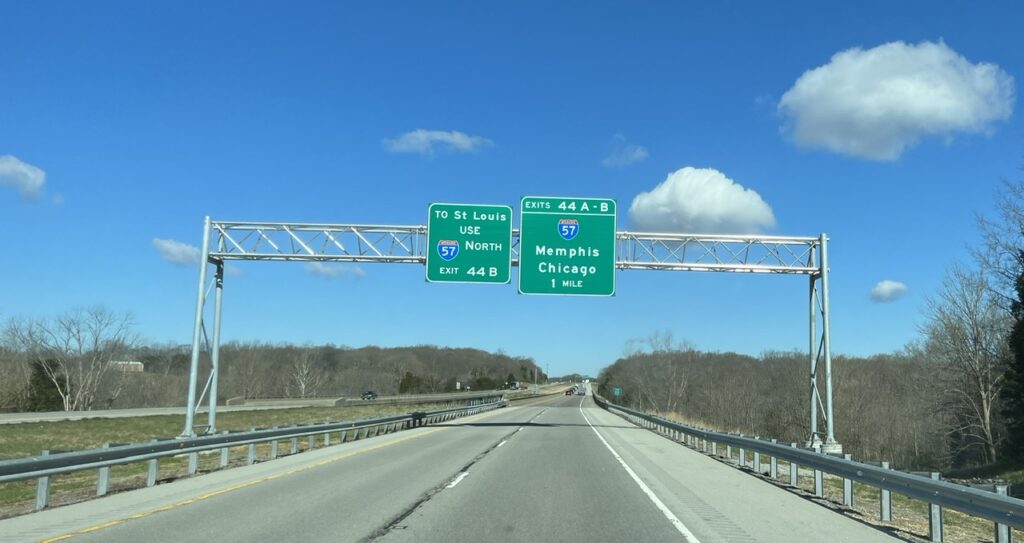
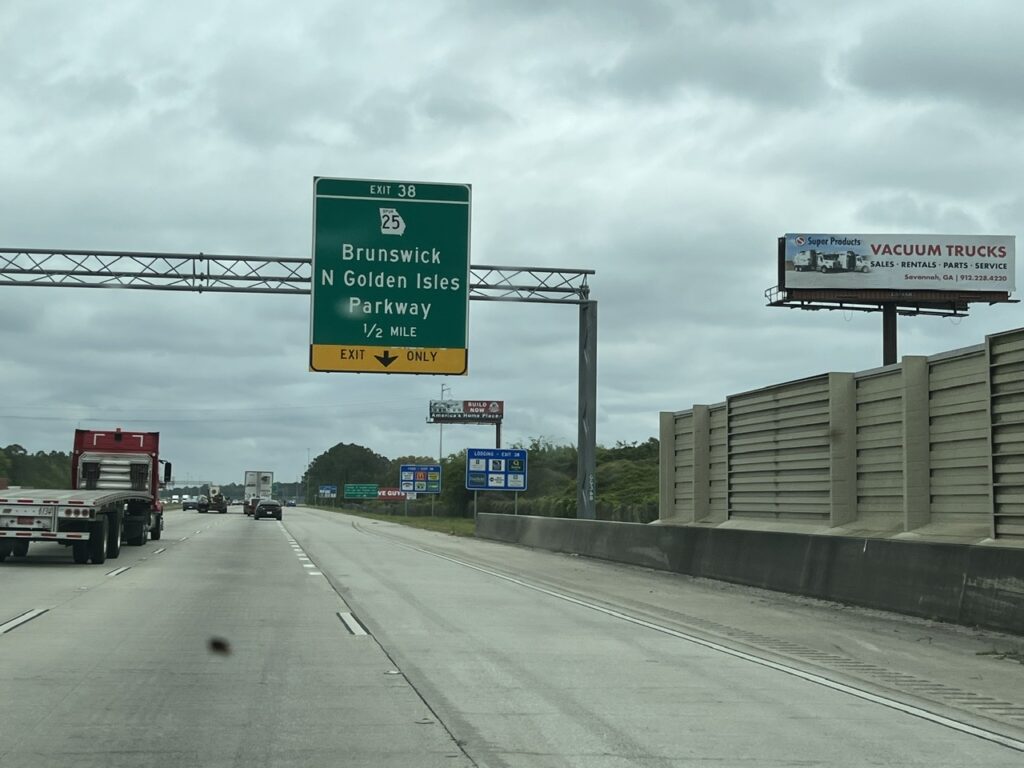
The US Interstates are always well-marked. Our ( more or less ) direct route South East from Fargo (ND) took us through some, and around other, major US cities. As we were pretty much bee-lining it to Charleston and Savannah to deliver the van it was convenient to use the ring roads around most of the bigger cities en route.
Remembering this was basically a delivery trip ( getting the van to Georgia our primary purpose ) any sights we might see along the way would simply be a bonus. With the weather mostly cold and overcast (generally miserable !) there was little incentive to stop. Warmth, lay further ahead. Nashville, which we wanted to explore back in April, was predicted to have constant rain as we would have passed through so saw little point in revisiting on this trip ( the risks you take when travelling in December, I guess ).
We thought this a most unfortunate town name !When we had route options we generally chose roads we’d not driven before (the 74 in this case). Our long drive was at times boring enough that we did not want to repeat the dreary segments. We still saw lots of monotonous farmland………
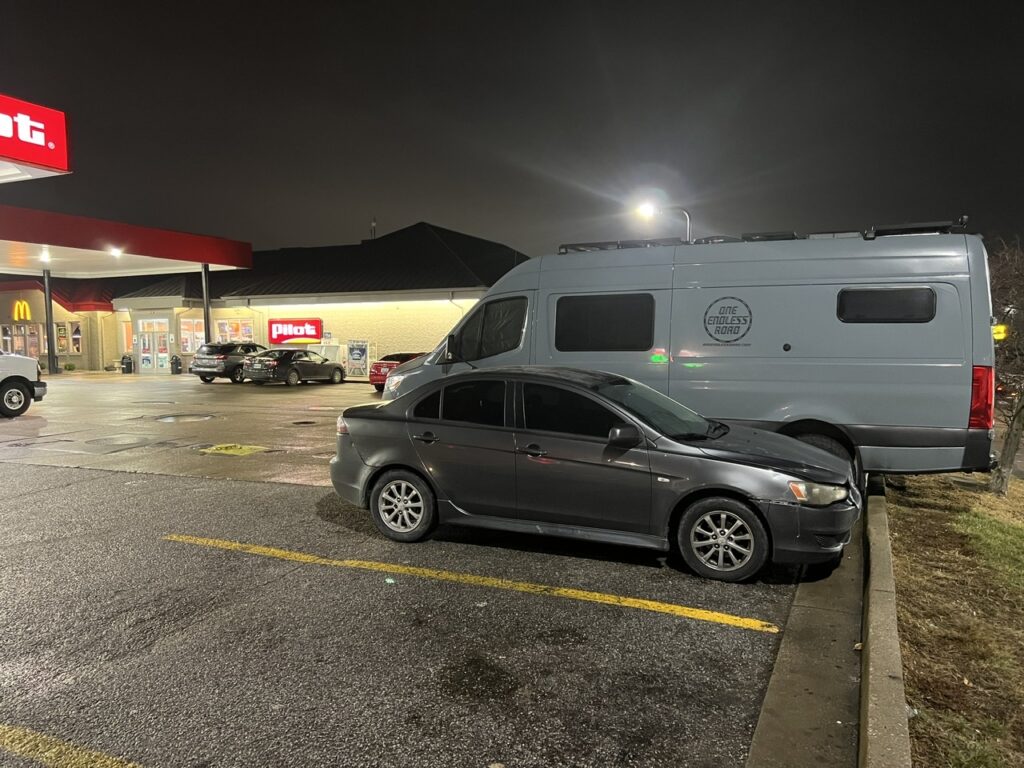
The ensuing days were mostly long and uneventful, the only excitement being that each night was getting warmer than the last. It would be south of Bloomington, Illinois before the days got consistently above 0 degrees Celsius ( 32F ). With open campgrounds still scarce, overnight stops consisted of truck “travel centers” ( giant ‘Loves’ or ‘Pilot’ fuel stations ), Cracker Barrell’s or the ever reliable ( but last resort ) Walmart parking areas. There was always somewhere and we were never alone. There were two exceptions where we enjoyed a different form of stopover, known as “Harvest Hosts”. The link will give a full description of this mutually beneficial arrangement and we really enjoyed the two we stayed at ( a microbrewery and a coffee roaster ).
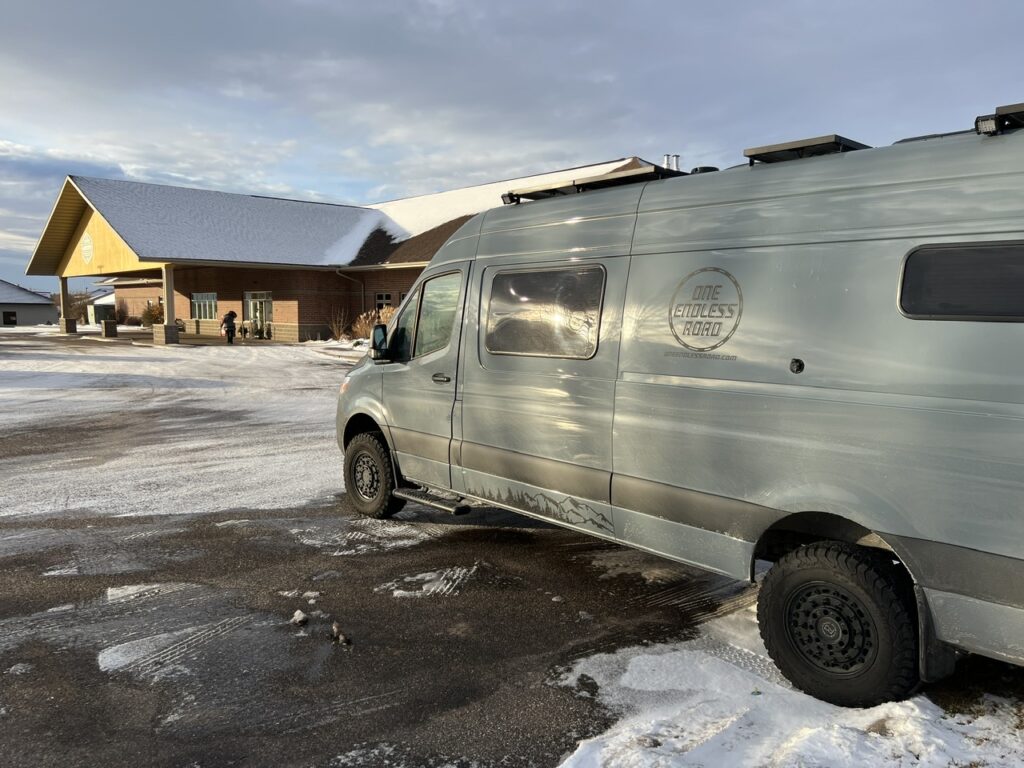
Parked up in front of our first Harvest Host stop, “The Coffee Grounds” in Eau Claire, Wisconsin. A boutique coffee business, with a flat parking area, in a quiet neighbourhood offering good coffee and welcoming staff. Very good first experience with Harvest Host. The friendly barista was quite enamored with our van.
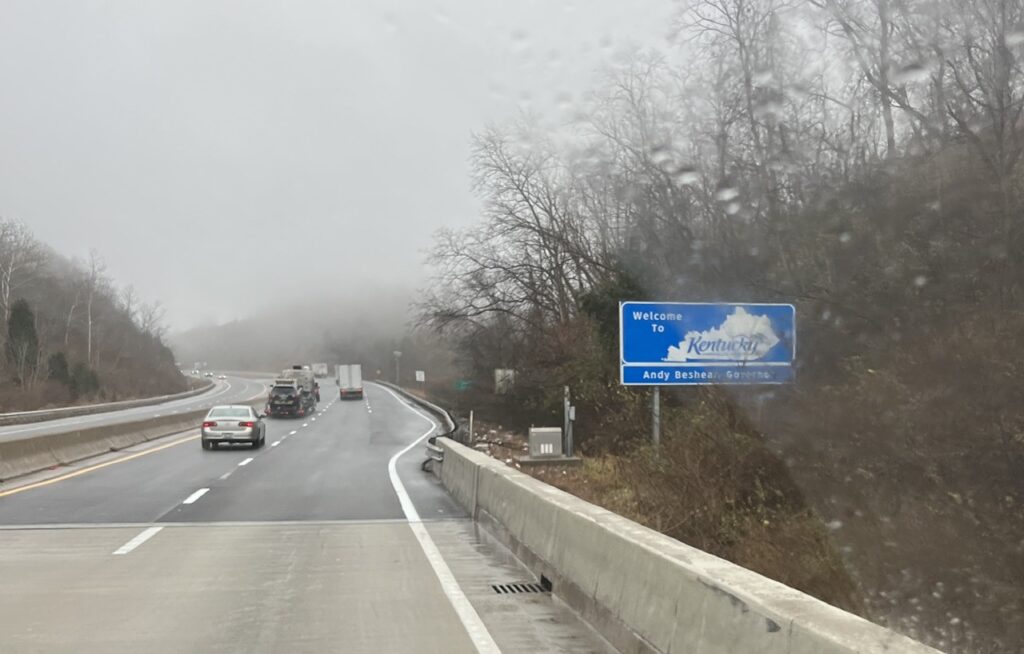
Familiar states and cities came and went as we crossed the Mid-West. Fargo, Minneapolis/St Paul, Indianapolis, Cincinnati, and on to Lexington ( Kentucky )…..a more or less direct ( via Google Maps ) route to our destination. At least now it was (finally ) getting warm – if not dry. We’d experienced all weather conditions on our route but it had been, for the most part, overcast and rather gloomy. State after state after state – rain, rain, rain. What stood out to us were two things – the incredible number of semi-trailers on US interstates ( at times outnumbering vehicles – we have never seen so many ) and the way in which road signage (billboards) on those same interstates mirrored the current polarizing political divide in the US: pro-life vs pro-choice, and pro-gun vs gun-control bill boards were a constant.
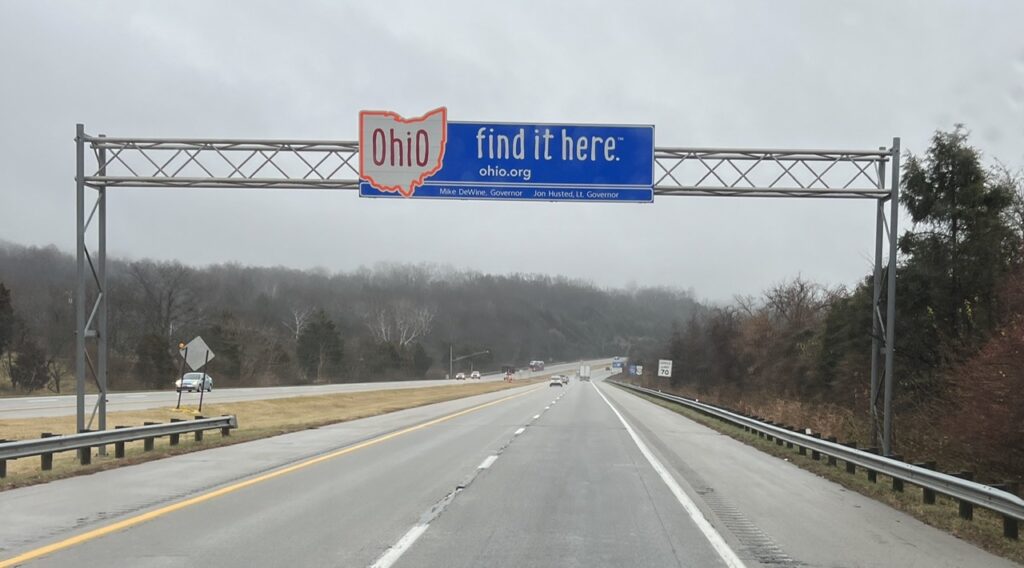
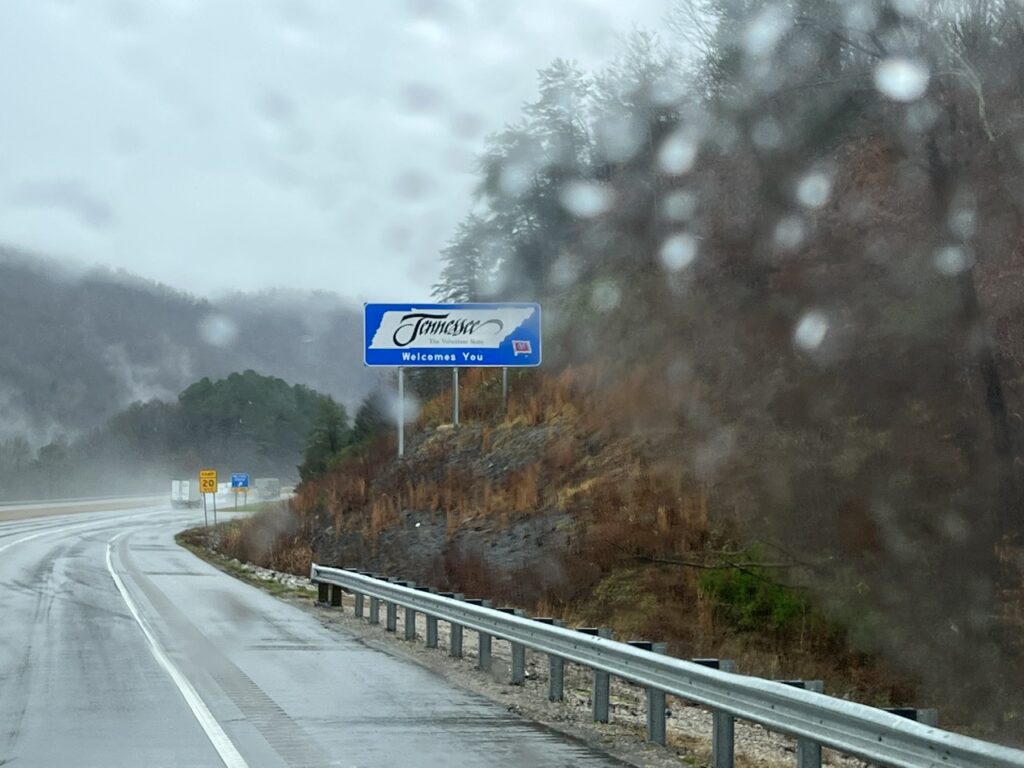
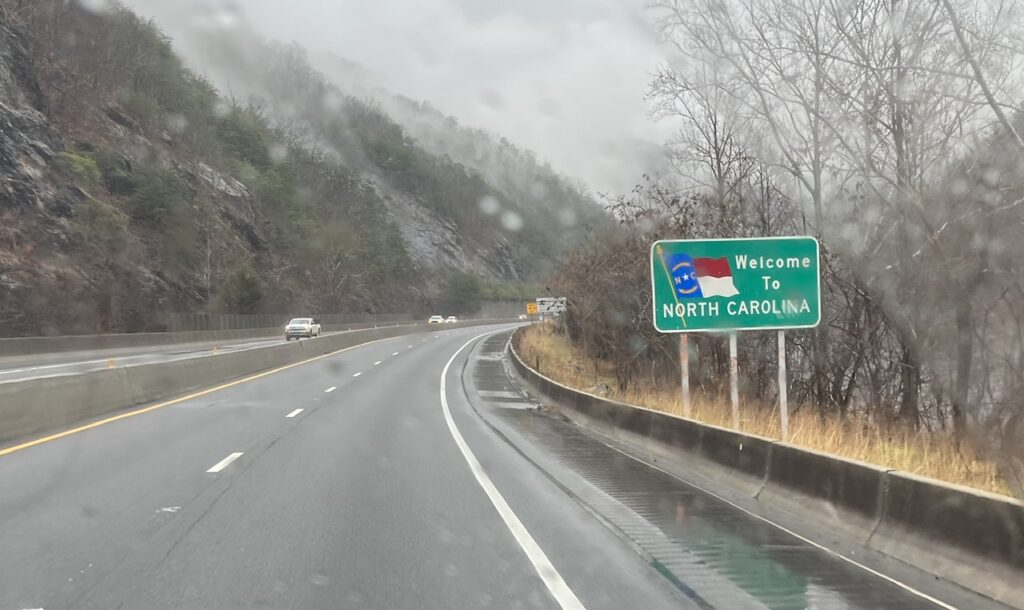
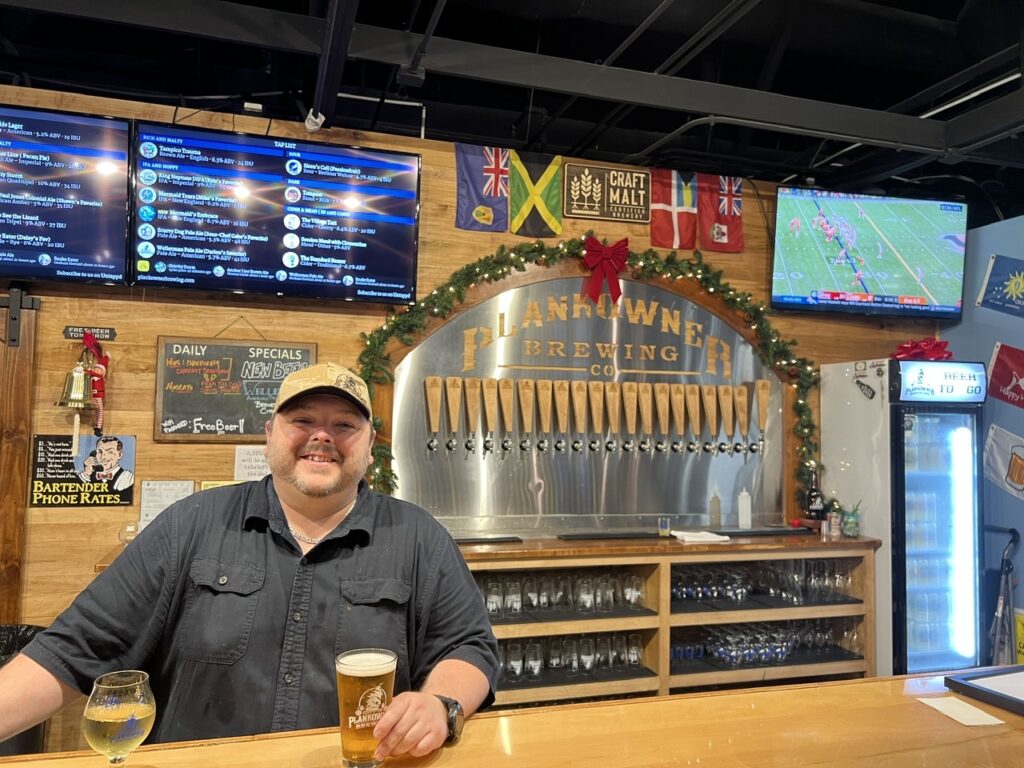
The poor weather continued as we passed state after state but at least it was warmer this far south. We could handle the rain and were just happy to be free of the biting cold.Here at a Pilot truck centre near Lexington, Kentucky. As long as you filled with fuel they were always fine with an ‘overnight’ given the local campgrounds were mostly closed in December. Fortunately we have complete blackout ability with the blinds – never realized how important that would be !Whatever “it” was, we did not not “find” in Ohio any respite from gloomy weather ! At least it wasn’t pouring rain – that would come next.Our memory of Tennessee – just pouring rain, non stop.By North Carolina, the Western part, we were finally getting near the Atlantic coast but still it rained. And rained. And rained.Our second Harvest Host overnight stop – the Plankowners Craft Brewery in Spartanburg, South Carolina. A fun night, good food (and beer) and an extremely friendly bar manager who made sure we and the other overnighting van couple were well looked after.
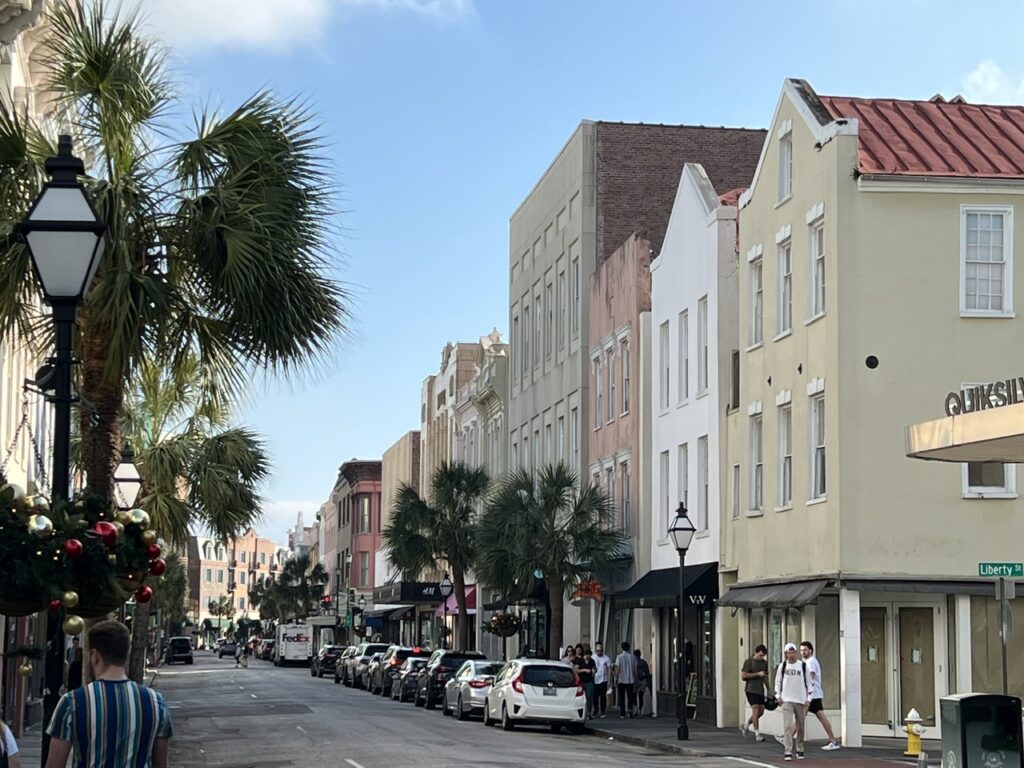
Almost 9 days of constant driving after leaving Kelowna we pulled into Savannah but not before making a delightful stopover in nearby Charleston, South Carolina. Not only was it a day where the sun did shine but this amazing and very historic city offers visitors a wonderful architectural, gastronomic, political and military experience ( the first shots of the Civil War were fired here ). A walk through the historic old town and around the waterfront park stretched muscles that were well and truly cramped up after so many days on the road.
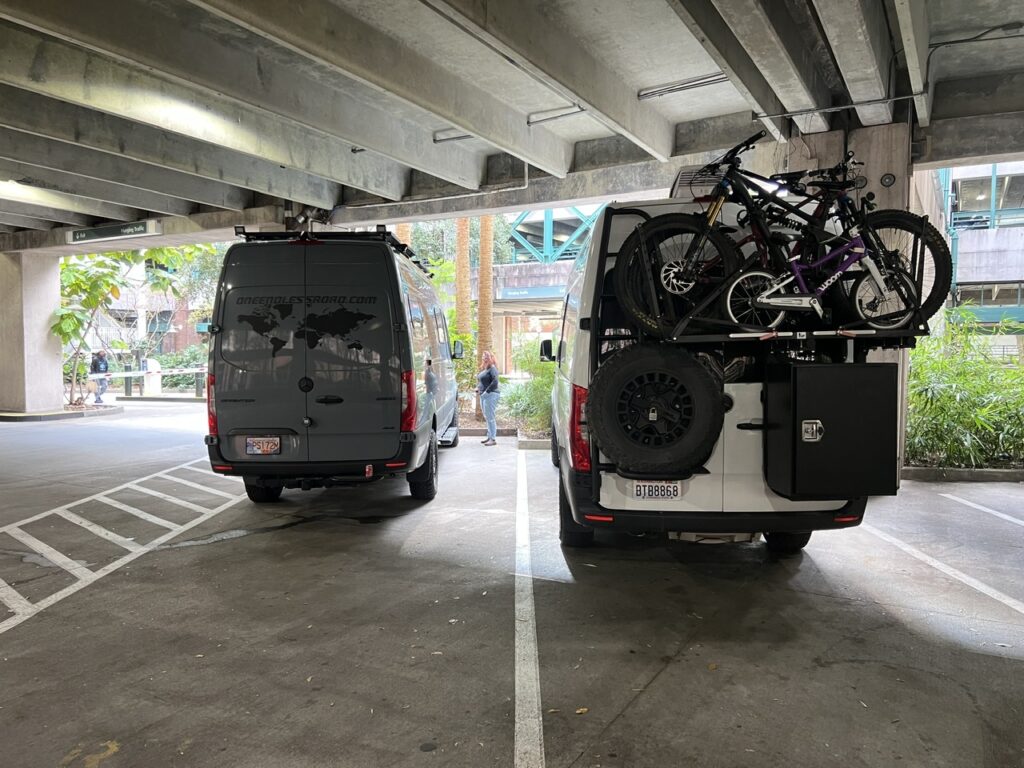
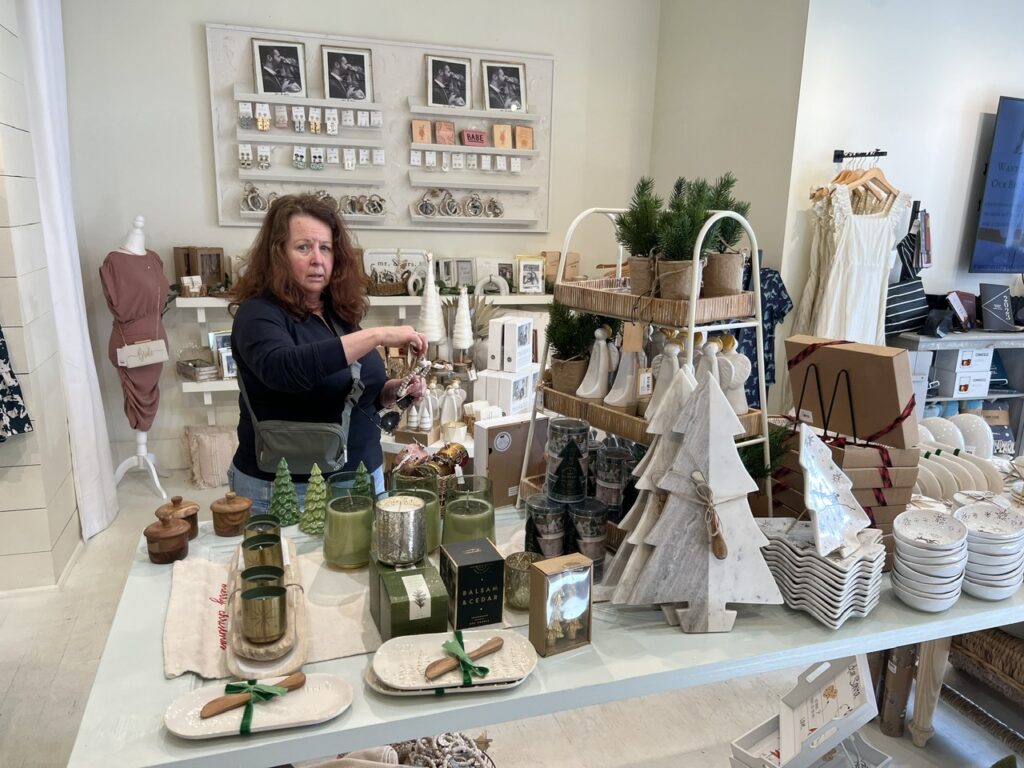
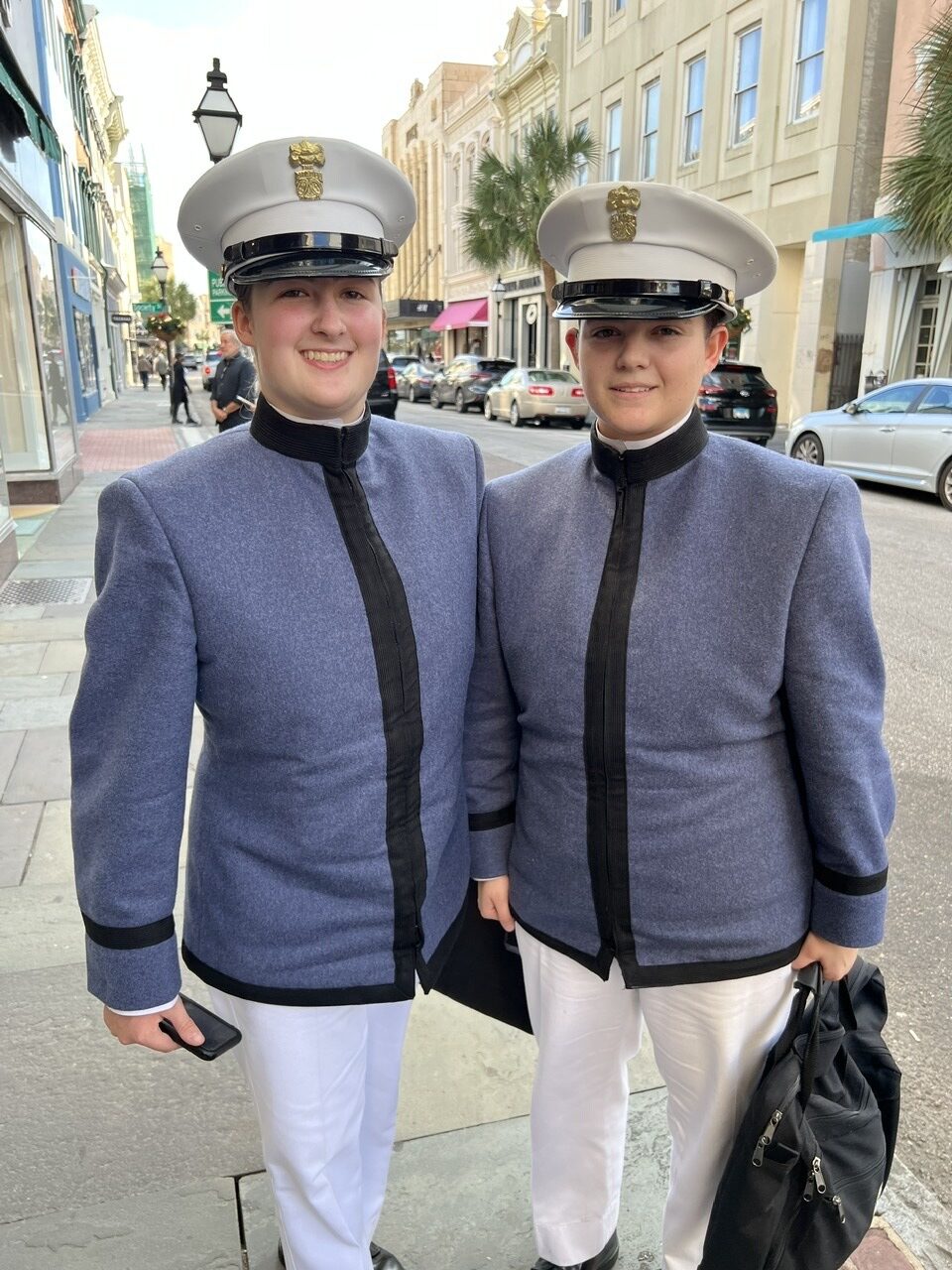
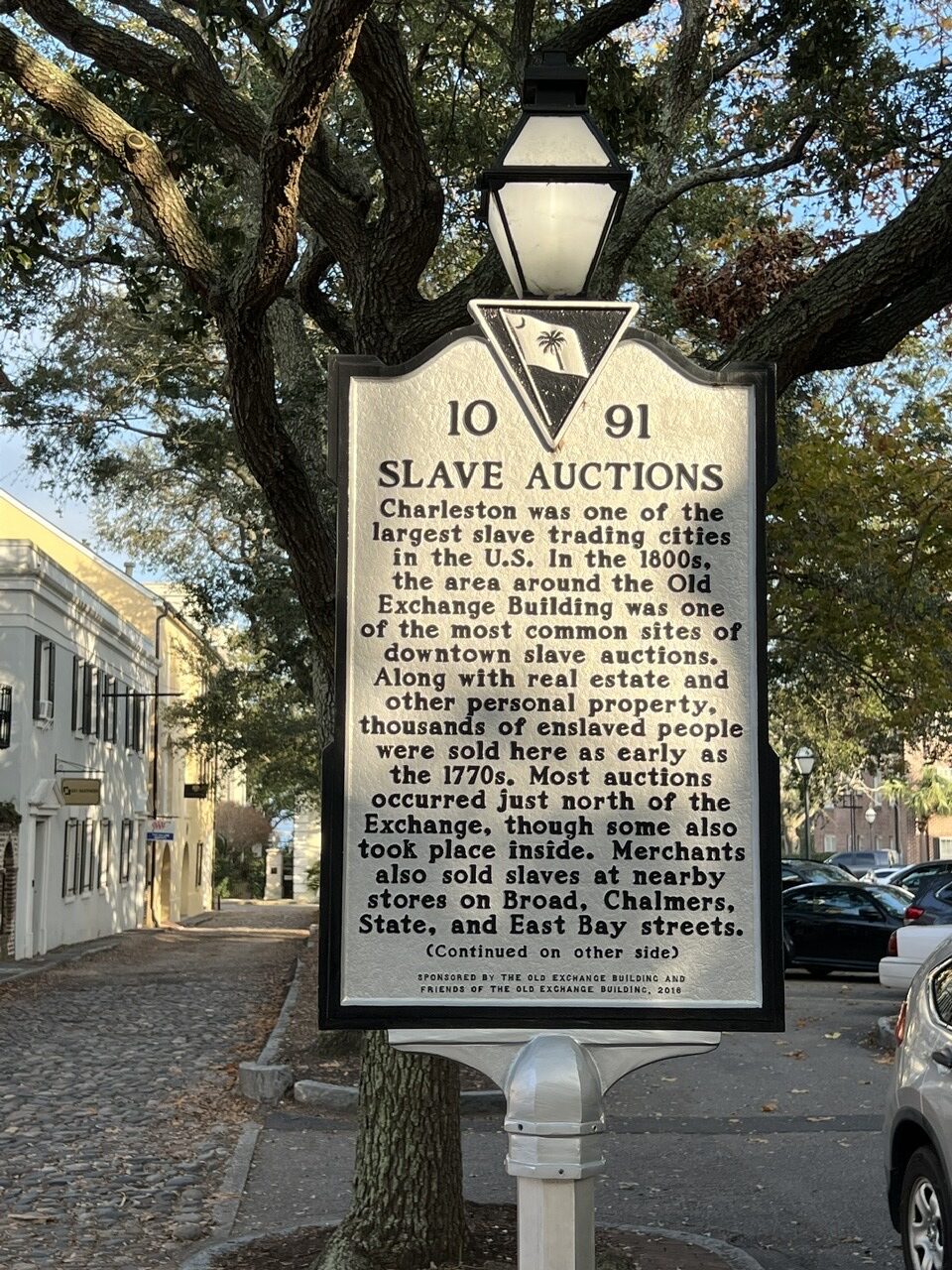
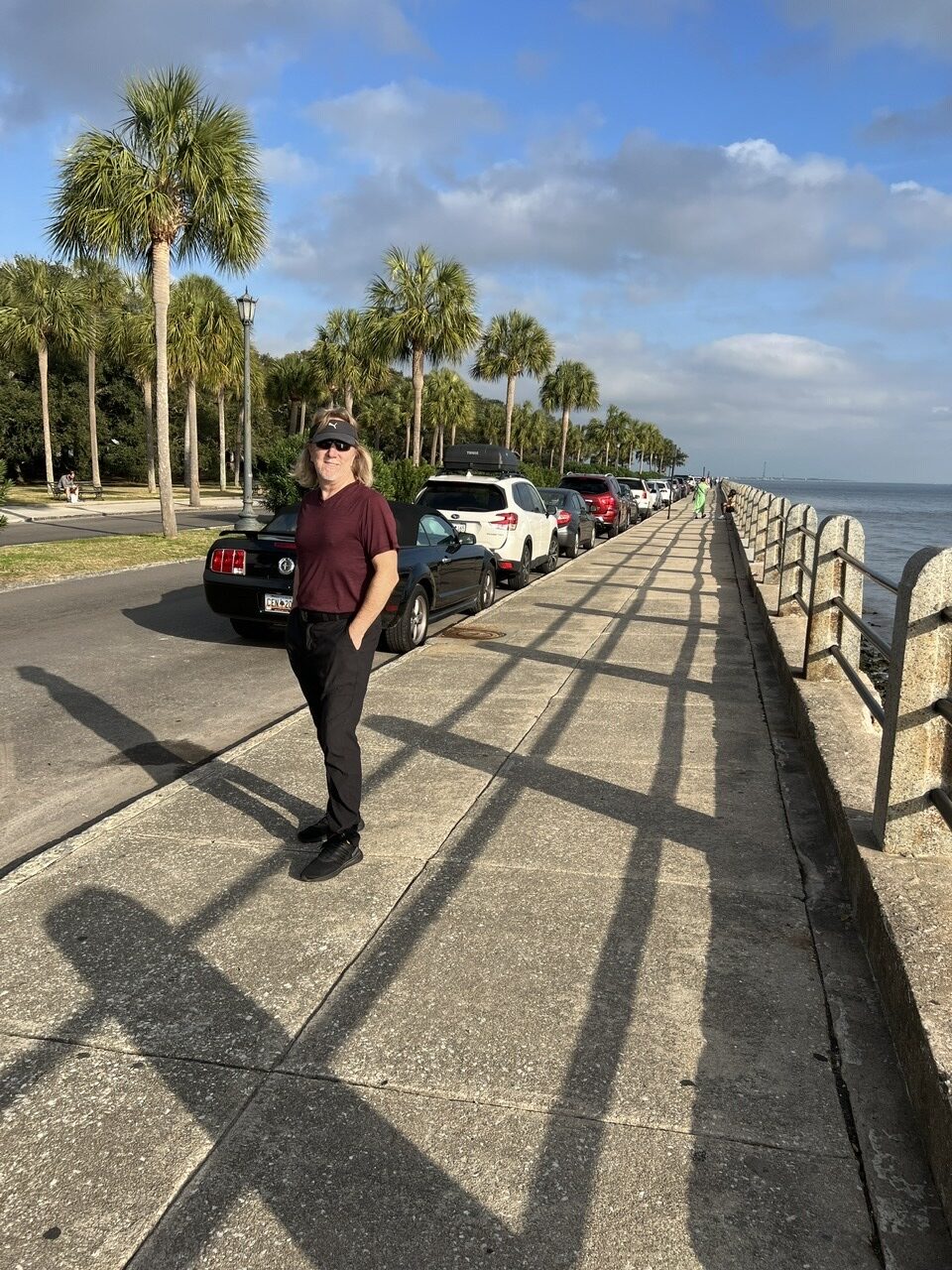
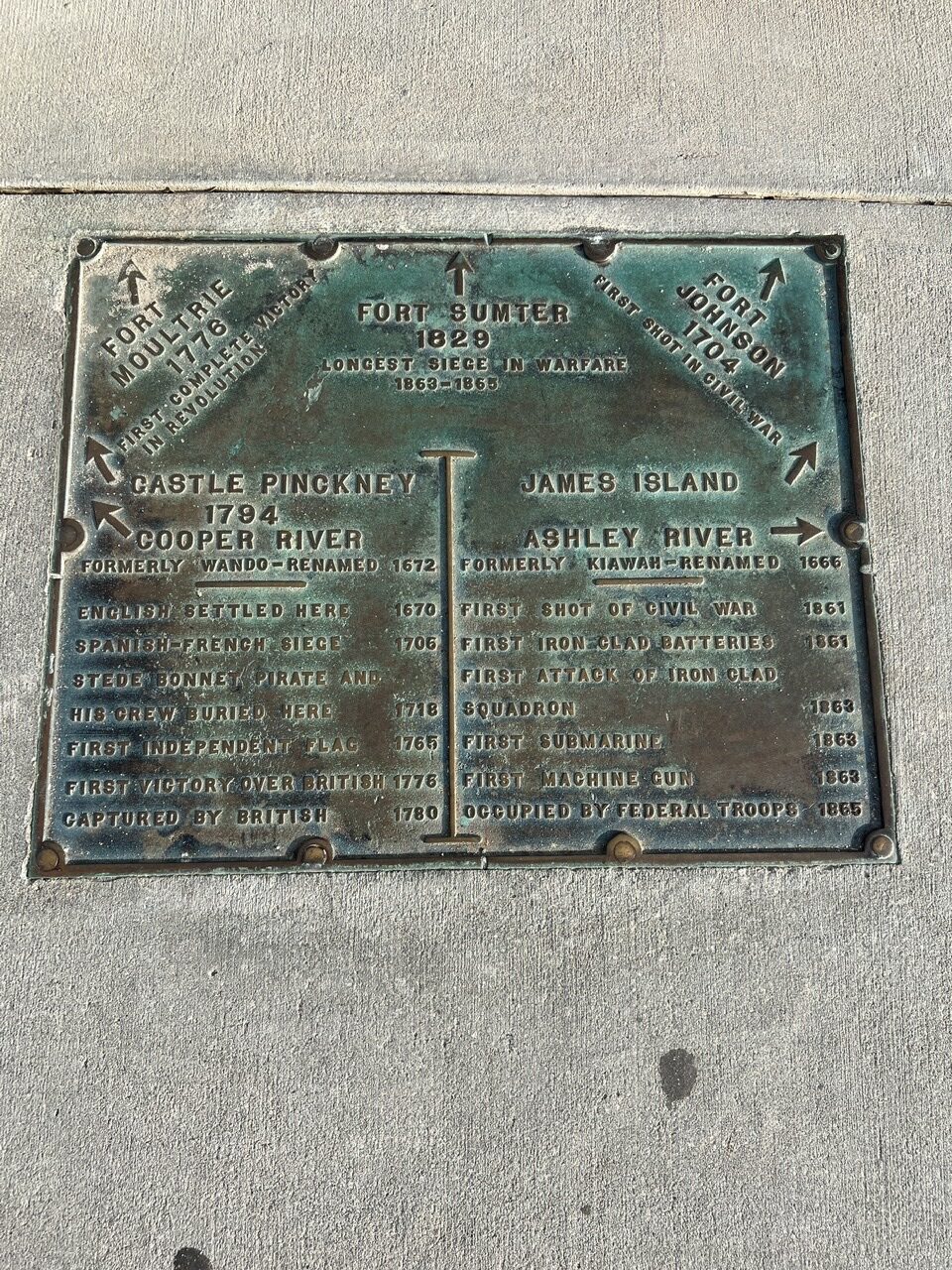
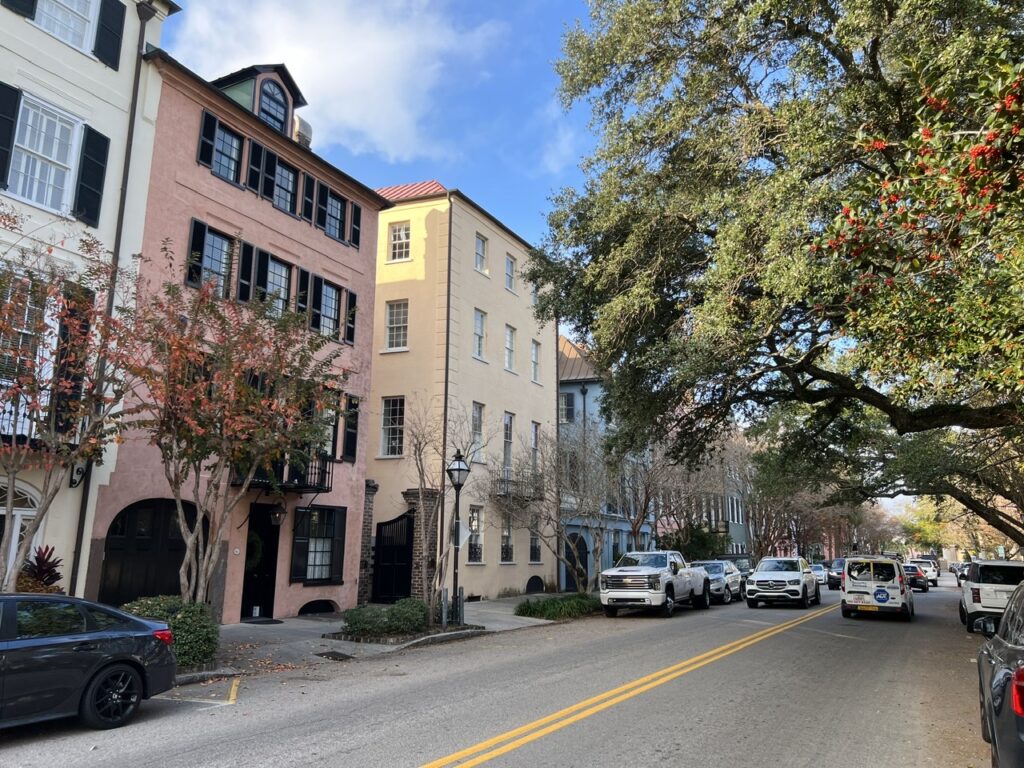
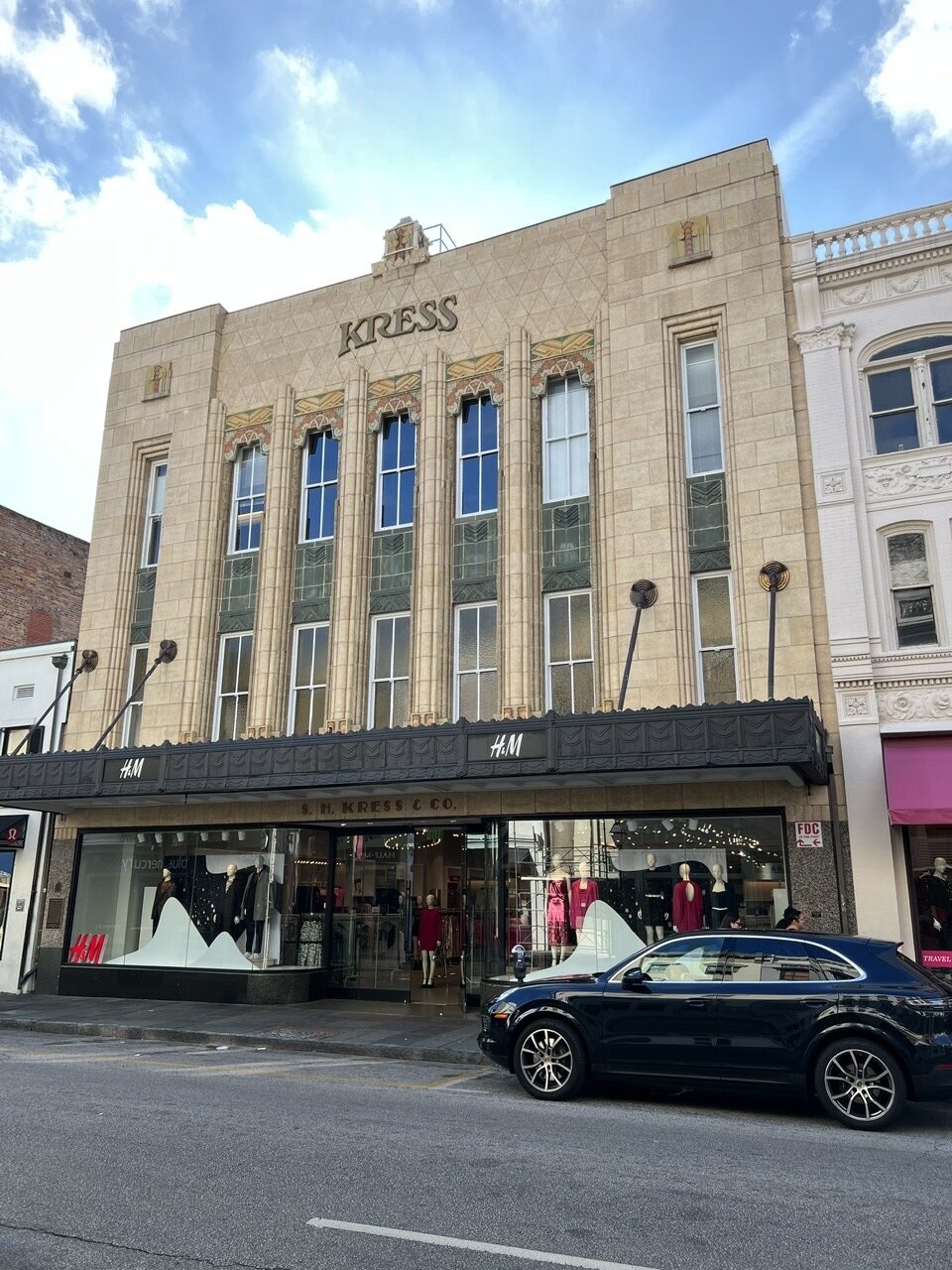
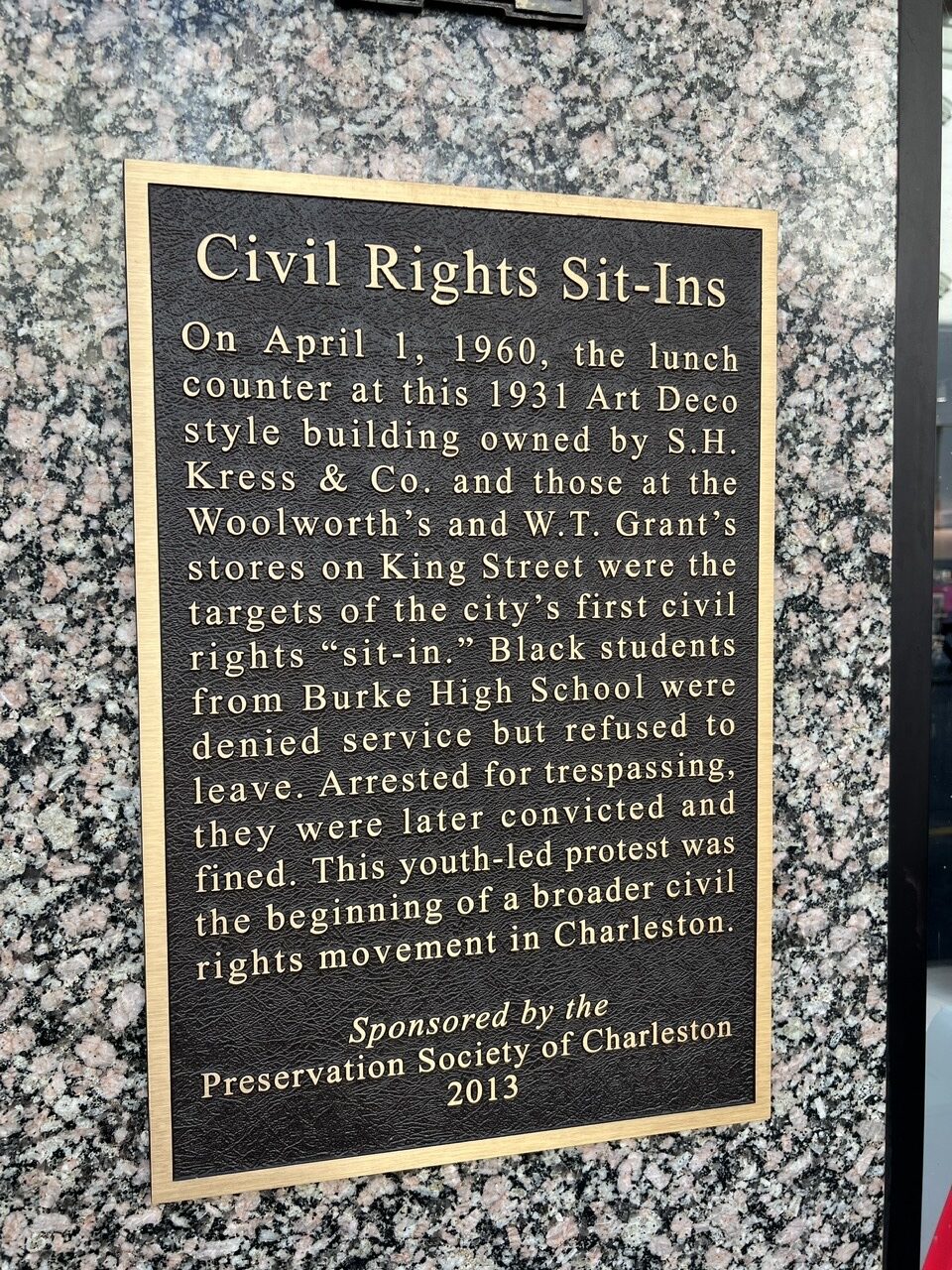
Seldom, when driving any type of RV, much less an overheight one, can you legally, affordably, and securely park in the very heart of a city’s downtown. Charleston is the exception to that rule and it made for a much more convenient stay. We, along with another couple and their kids, took full advantage of the covered Visitor Centre parking lot. Check out their van – and I thought we had a ton of stuff !Charleston downtown – they obviously regulate building heights in this area as we saw no modern high rises. It added to the city’s charm.Lois enjoyed Christmas shopping in the craft stores.Young military cadets, Charleston, in classic style uniforms.No shortage of reminders of Charleston’s slavery history.Charleston waterfront with its famous park in the background. Many Civil War naval battles were fought in nearby waters ( see details on the bronze plaque below ).First gunshots of the Civil War were fired in Charleston.Pastel colored historical style buildings in Charleston – it was our best weather since leaving Kelowna.We stood admiring this stunning Art Deco period building ( we are both Art Deco fans ) in Charleston, then noticed the plaque on the front. On closer inspection it had a significant role in the Civil Rights movement as recently as the ‘60’s (see next image).Kress building, Charleston.
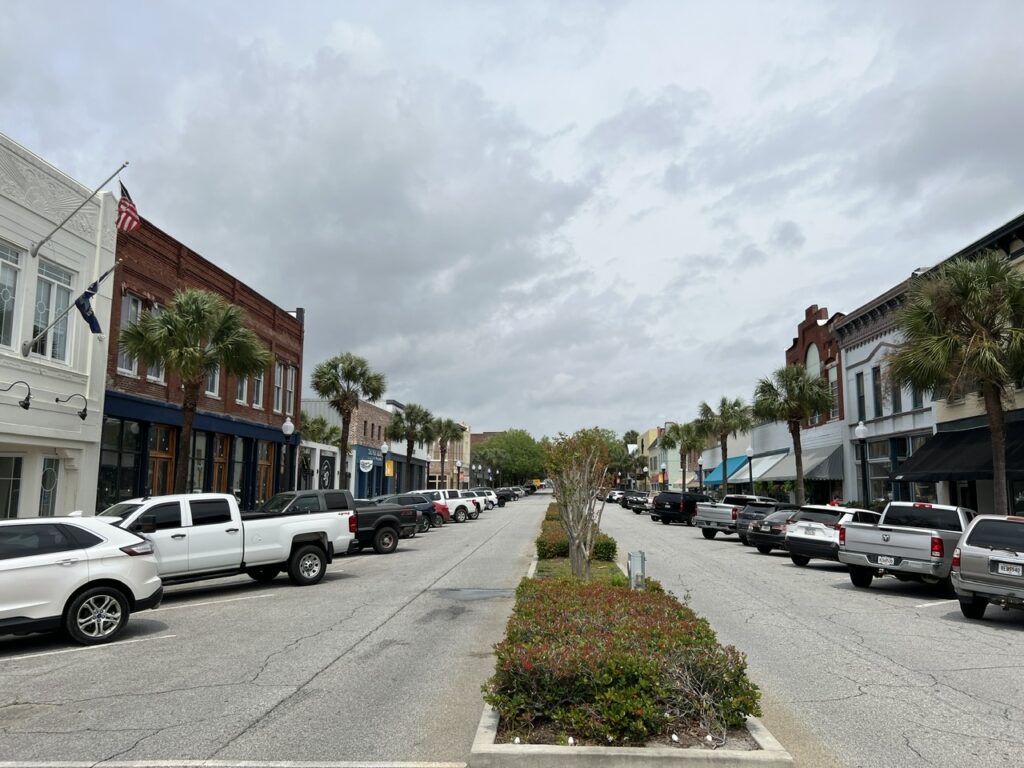
By design we got to Savannah well ahead of the port delivery date ( and that date is in turn 7 business days ahead of the ship’s arrival date ) since there was much preparation still to be done. That and we did want some time to simply explore the city and all its Southern charms. The van would need to be cleaned to showroom condition, valuables removed, and everything that might bounce around on a 5 week sailing be battened down firmly. We’ll save details of that for the next blog but we both agreed that delightful Savannah was the highlight of our trip ( Charleston a close second ). The plan to drive hard and get there, then spend time exploring had paid off. We loved both places and the fact that we had generally good weather there after days and days of fog and rain just added to the joy.
.
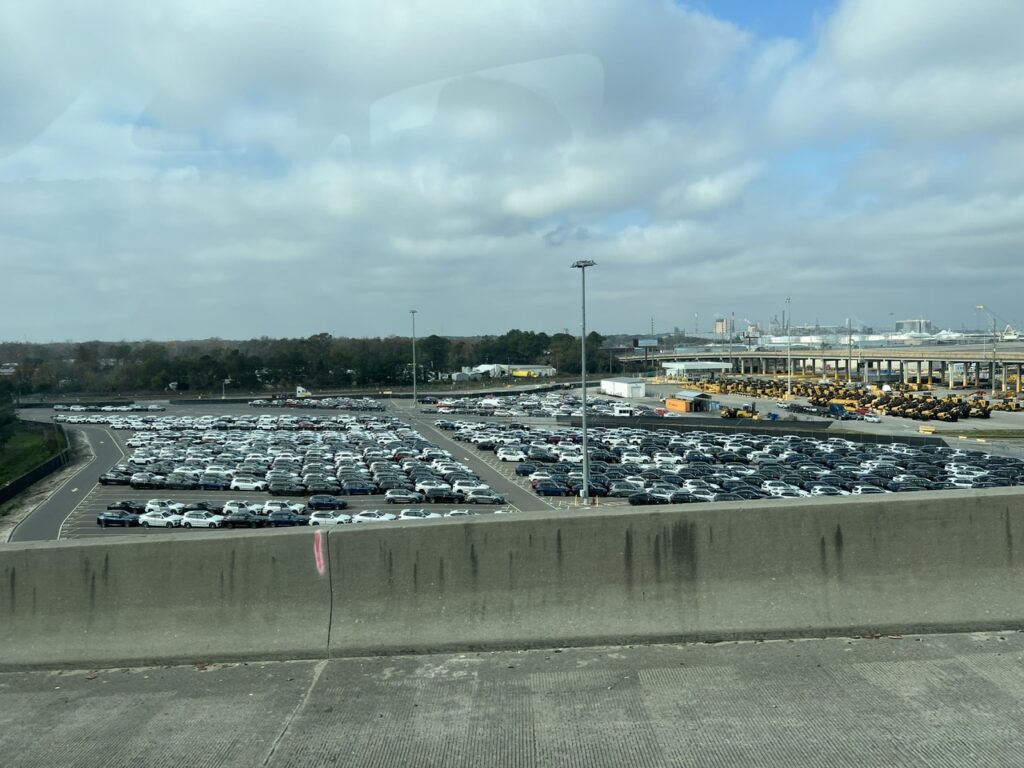
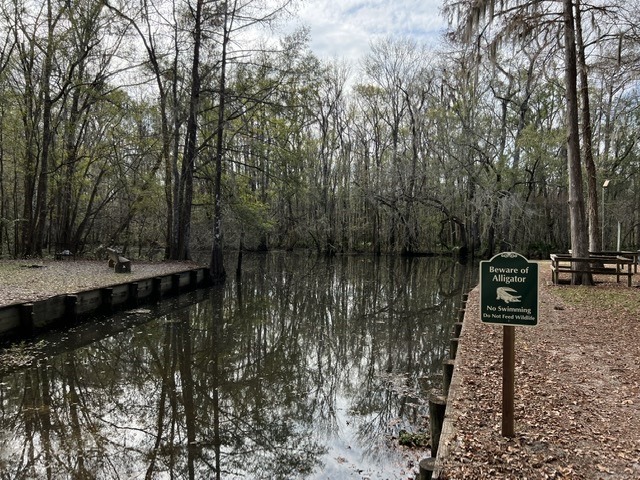
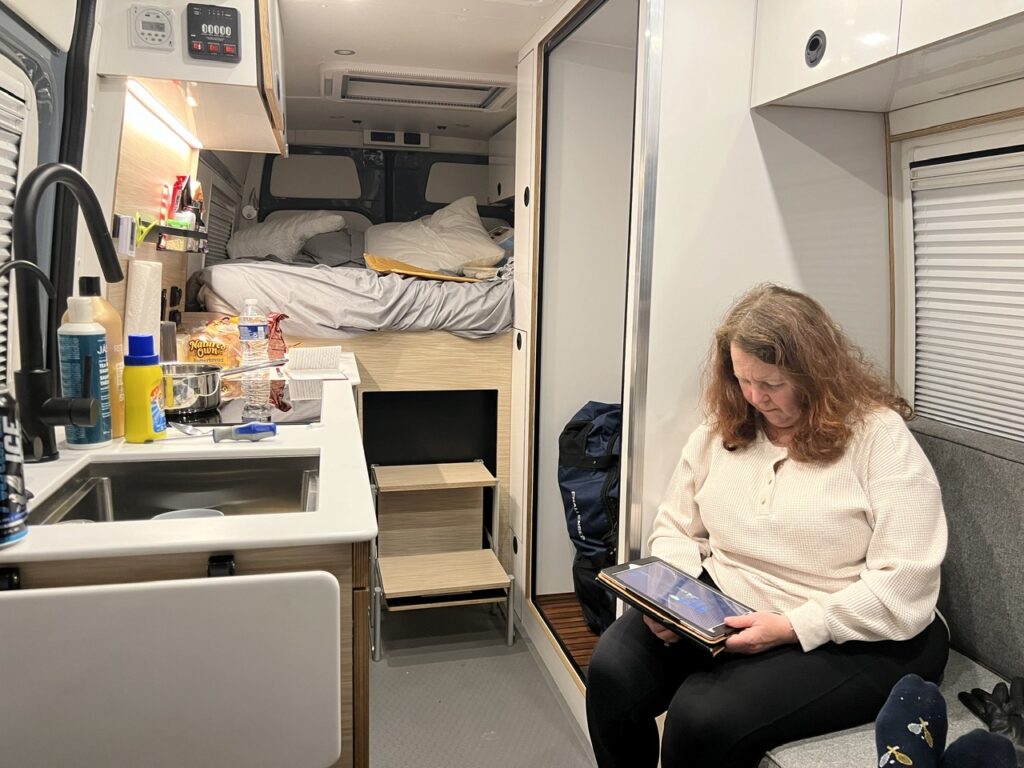
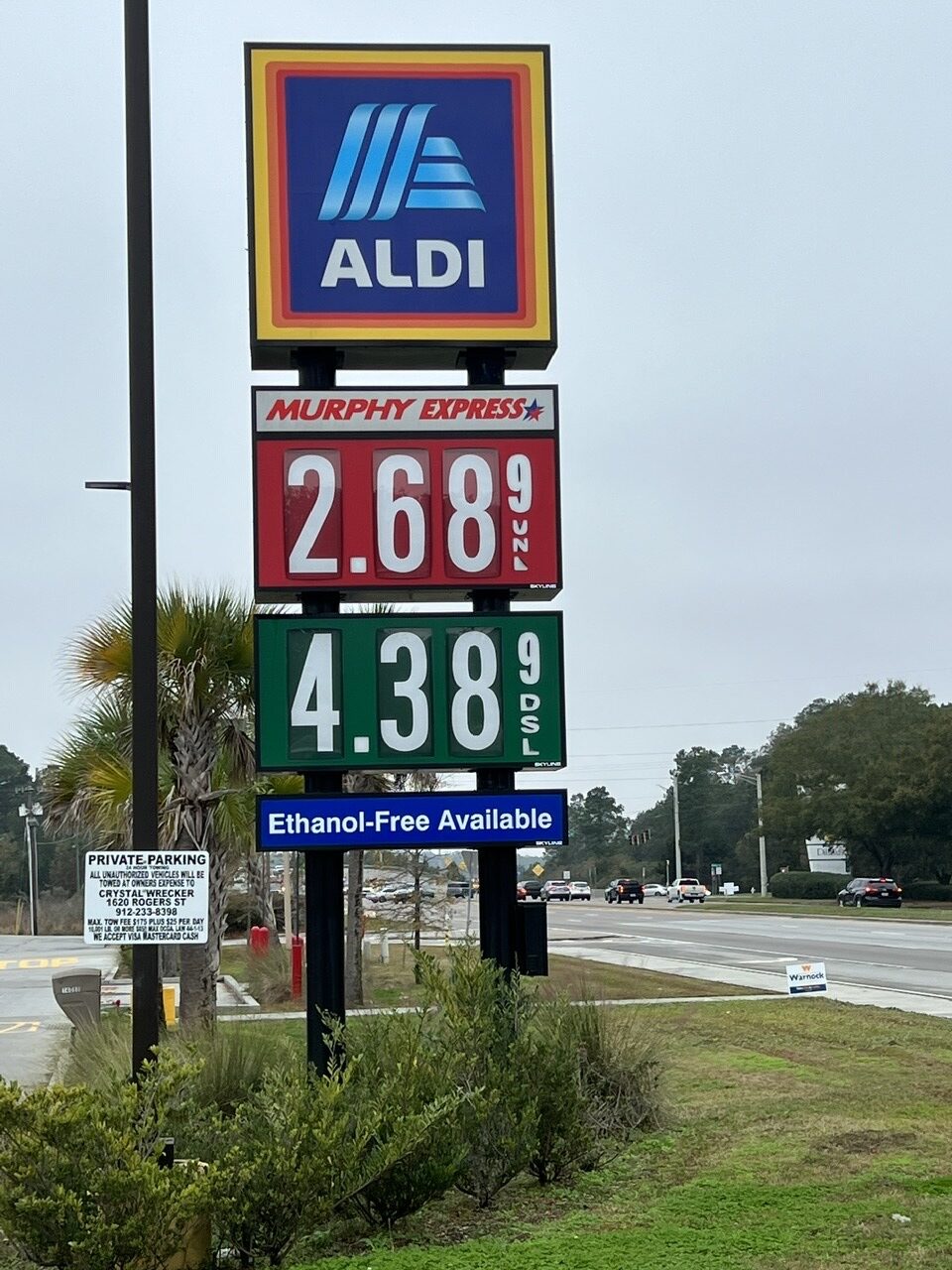
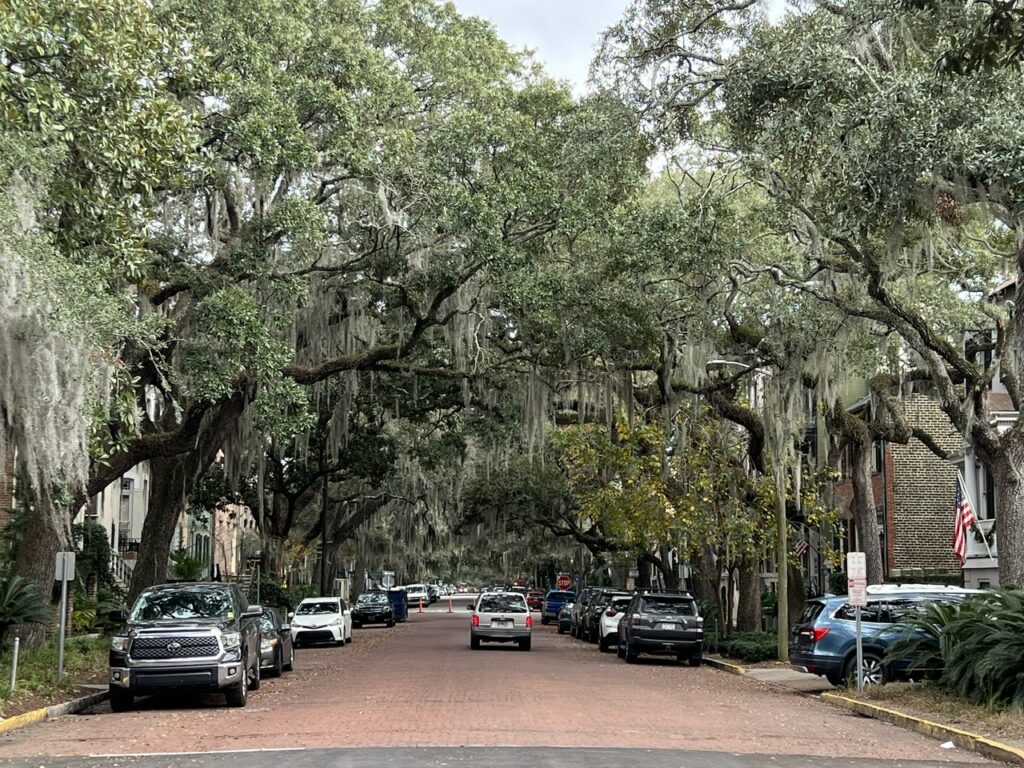
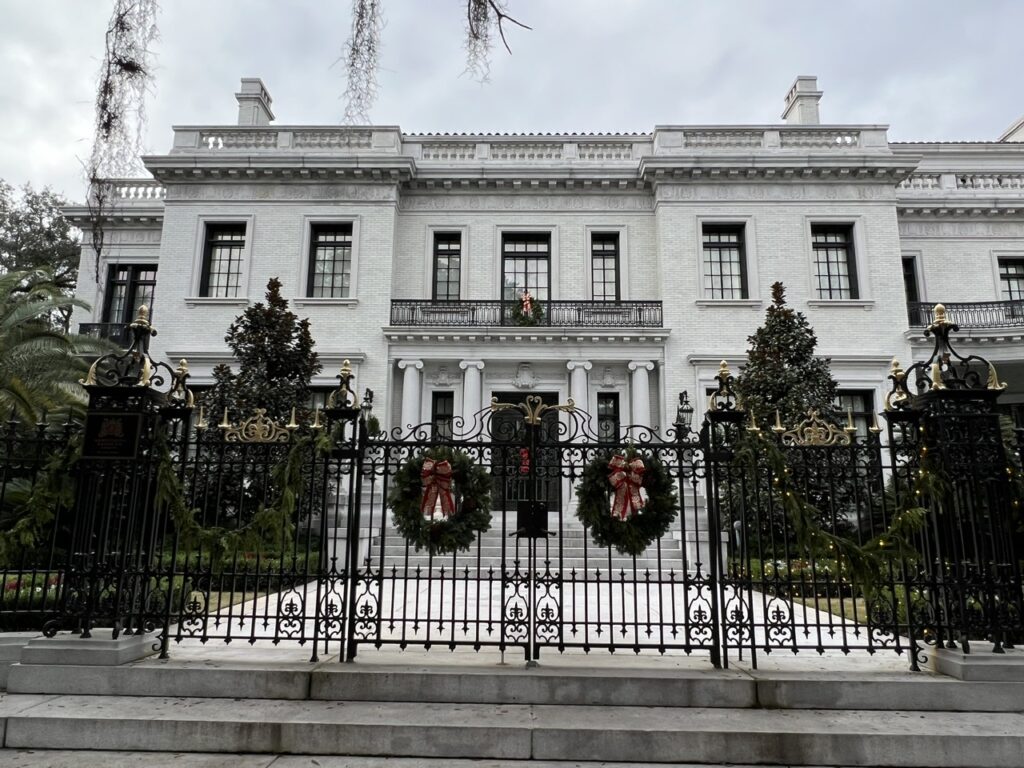
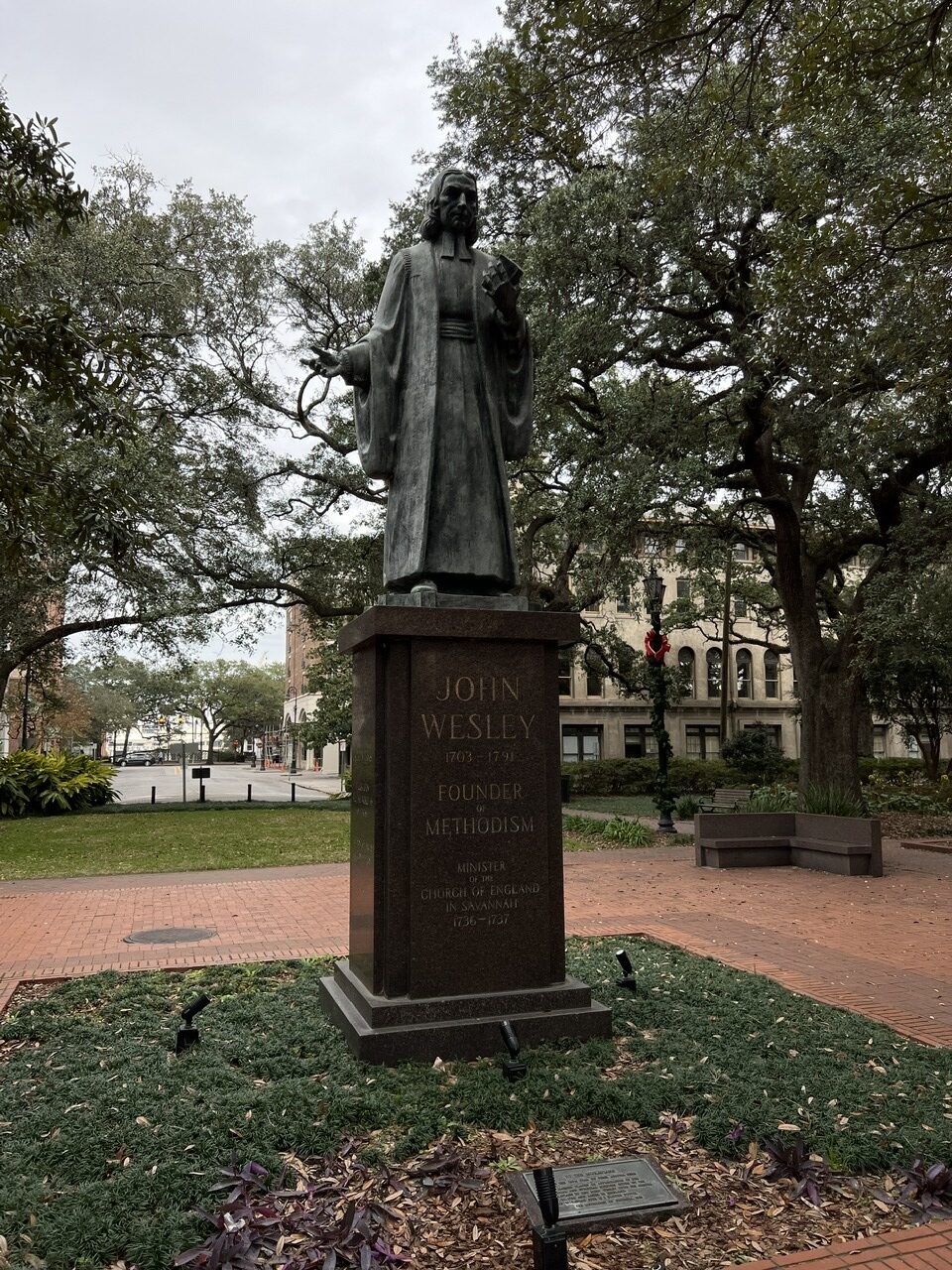
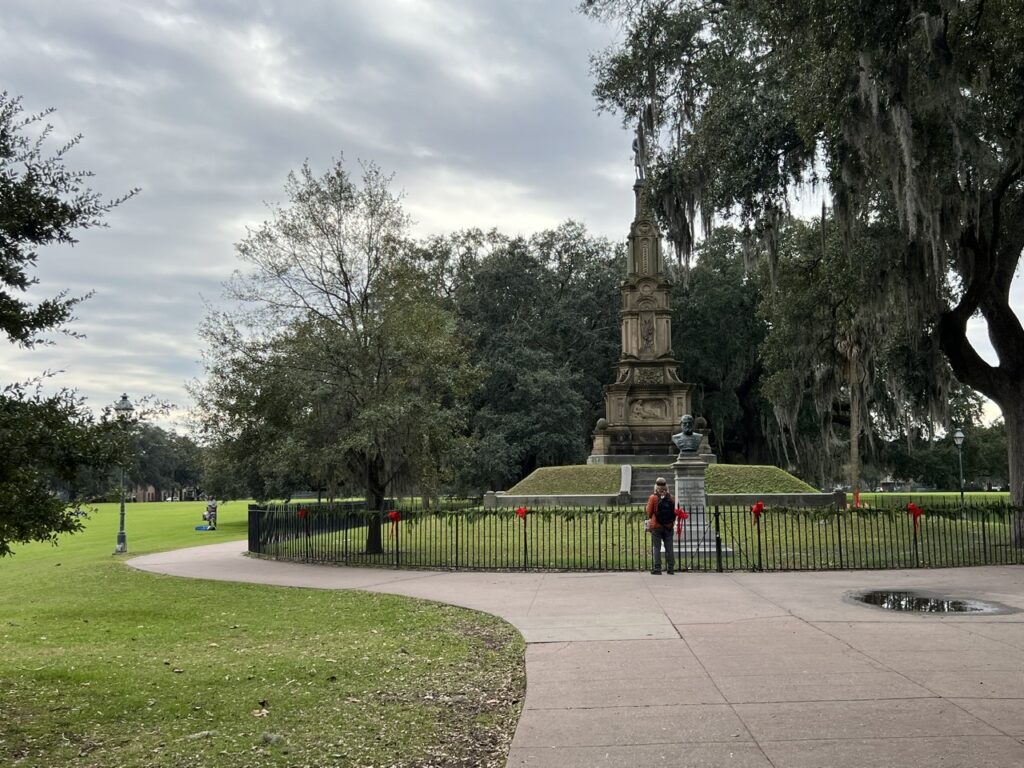
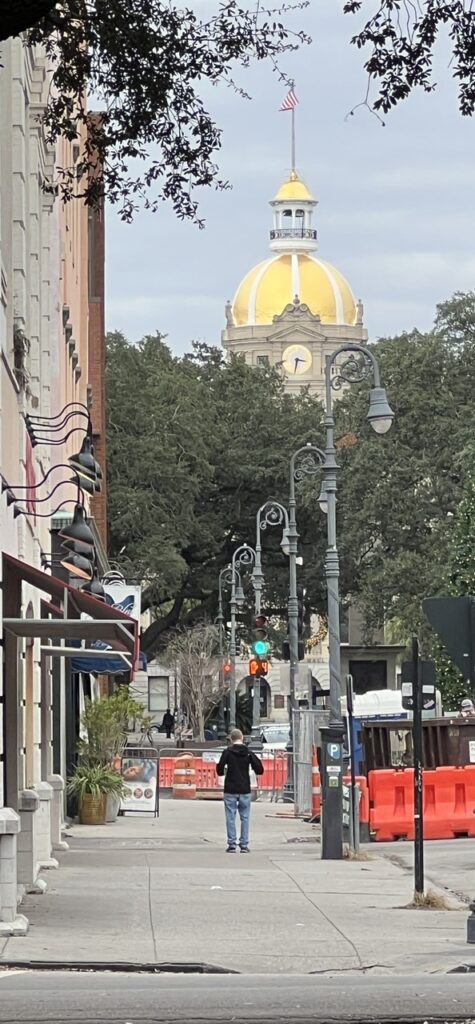
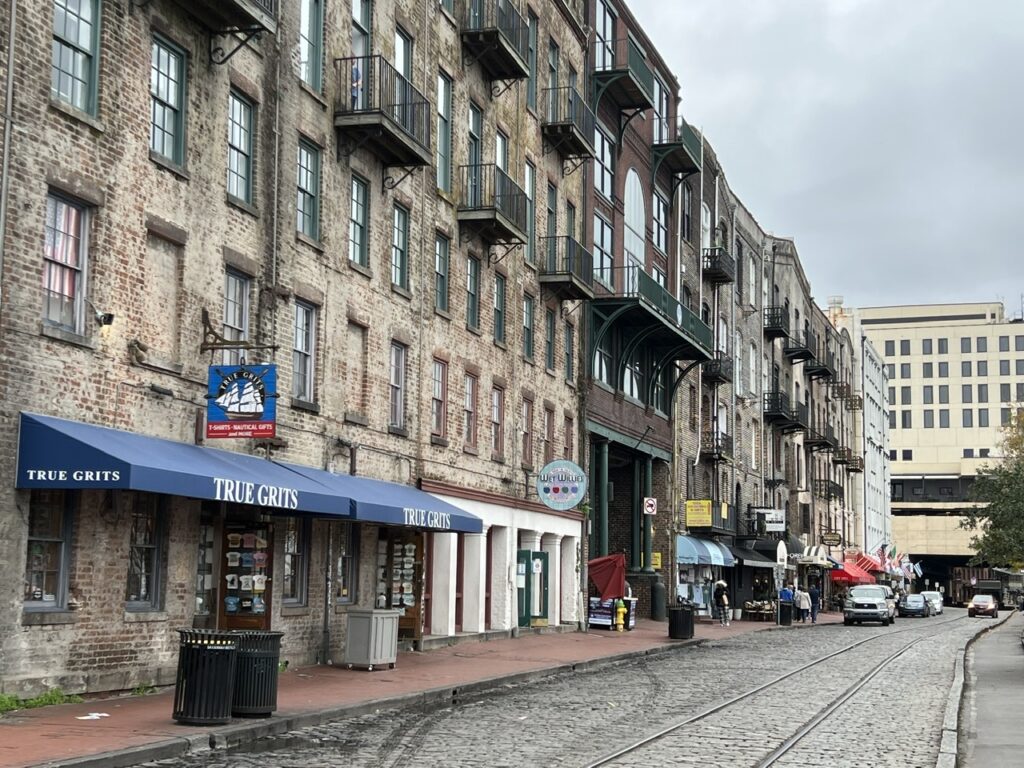
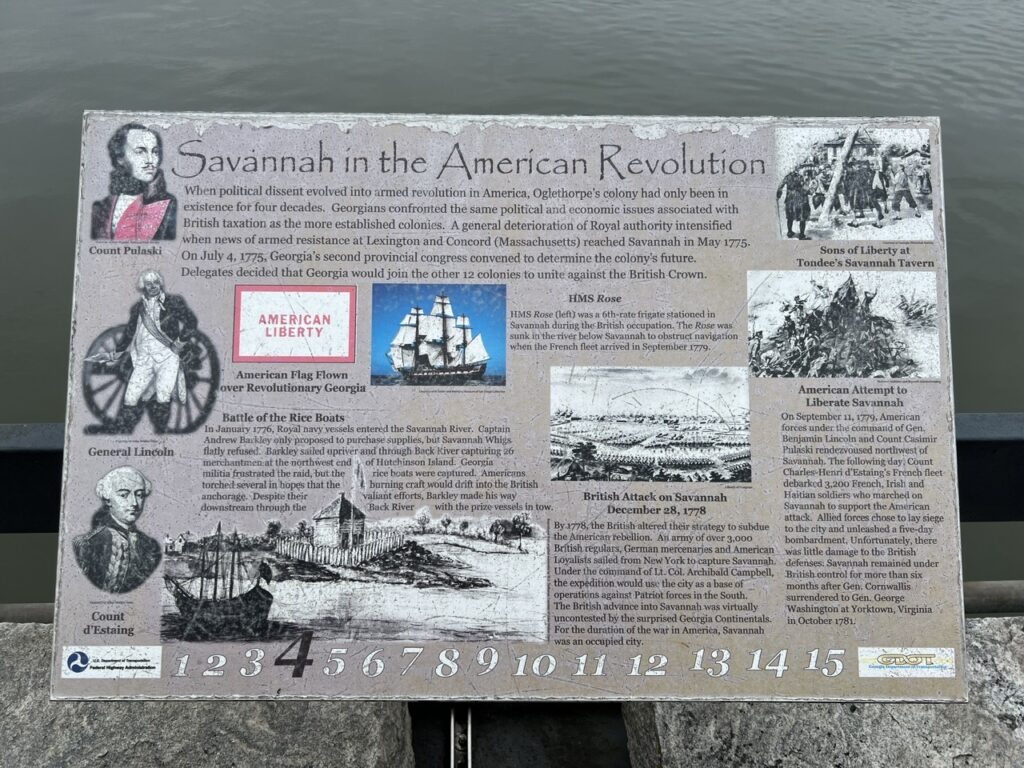
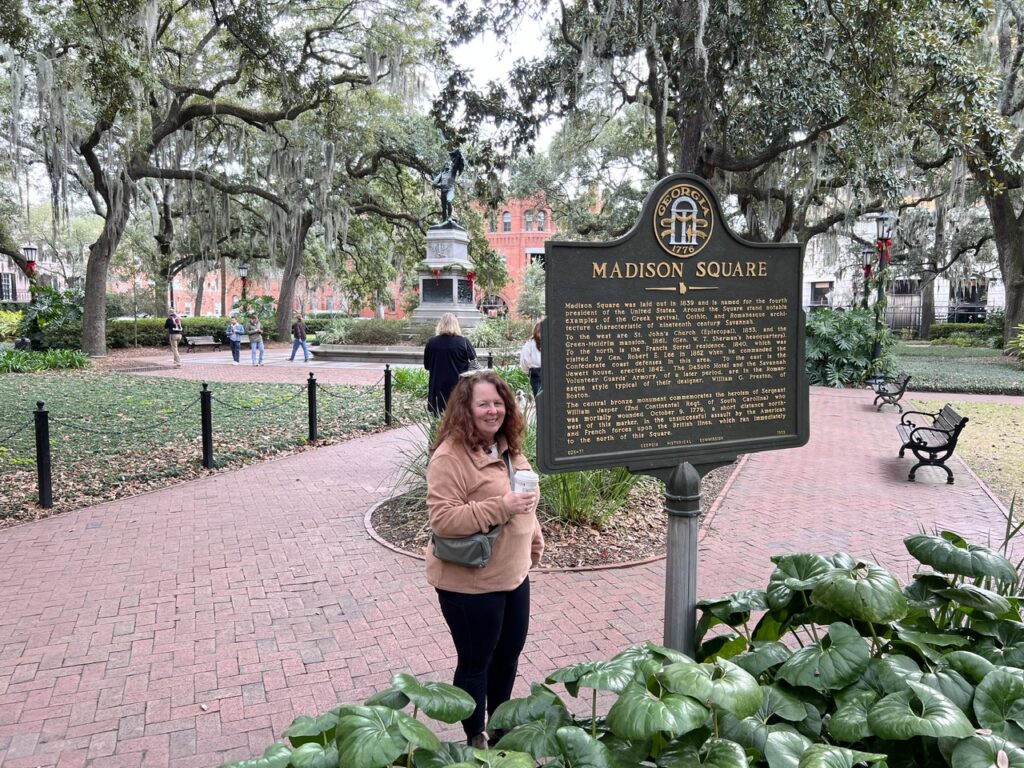
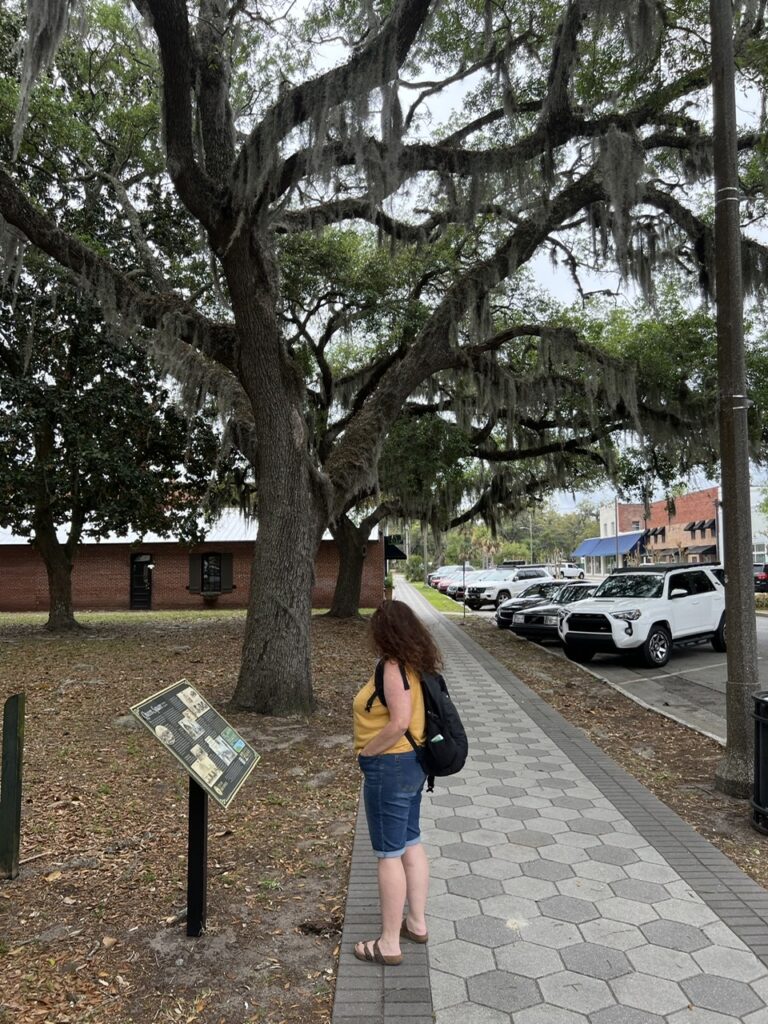
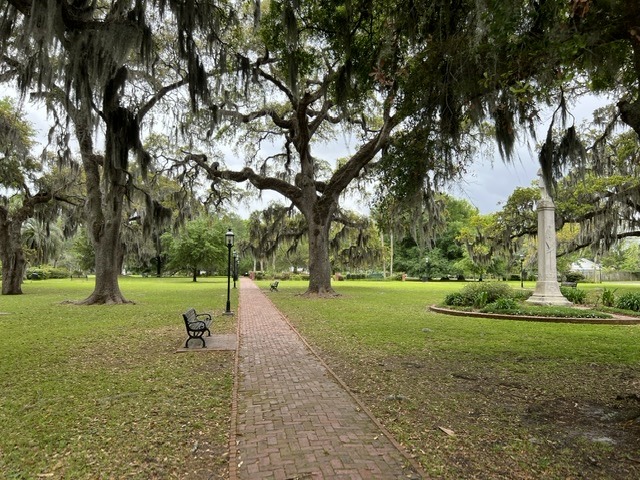
Coming into Savannah from the North we passed the port – our van would be among those hundreds of vehicles awaiting shipment in just a few days.At both campgrounds in Savannah we were right by a river – plenty of signs (and campground staff ) warned us about not swimming there.We added these decals ( required for Australia ) just before driving to Savannah port. Felt it would look a bit ridiculous putting them on too soon ( after all, everyone in North America has a left hand drive vehicle ! )Lois, taking a break during our van re-packingWhile the US enjoys generally cheaper fuel than Canada it’s a brutal time to drive a diesel. The diesel fuel economy advantage does not come close to erasing the current gasoline/diesel price difference in the USA. I found myself lamenting that I no longer owned a 5.3 litre gasoline V8 truck. Savannah street scene, always so many oak trees covered in Spanish moss.Many stately manors are spread throughout the city, this one beautifully decorated for Christmas.John Wesley founded Methodism in SavannahSavannah’s famous (and huge) Forsyth Park. Golden dome of Savannah’s City hall Like many such cities, Savannah is revitalizing its formerly gritty waterfront area. Now a place of boutique stores and renovated older buildings.The city features in many episodes of American revolutionary historical significance. We spent hours wandering its streets and reading all the historical markers. The restored buildings, like in nearby Charleston, are outstanding.One of Savannah’s myriad “squares”. Literally every two streets there is a grassy square with huge oak trees covered in iconic Spanish moss. Very American “South”. Trivia moment : a significant part of “Forrest Gump” was filmed here. Remember the famous “bench” scene ? Shot in Savannah’s Chippewa Square ( the bench was just a film prop, it’s no longer there – but everyone asks where it is ! )As this will be our last pre Xmas blog, Lois and I wanted to thank you for following along and wish you all a Merry Christmas and Happy New Year !
Next week, we deliver the van to port – stay tuned !
You’ll excuse me for borrowing this week’s subject line from an old Ewan McGregor motorcycle adventure but it seemed quite apt.
So, you live in Western Canada and want to take your 4×4 van to Australia for a year or so of touring and exploring. Australia lies thousands of kilometres across the Pacific to the south west. Logically, you would drive to Vancouver, put it on a ship ( going in that direction), allow a month or so of transit time, then fly down to meet it and begin your trip. Or so you might think. Alas, with an oversized Sprinter van it gets more complicated – much more complicated in fact.
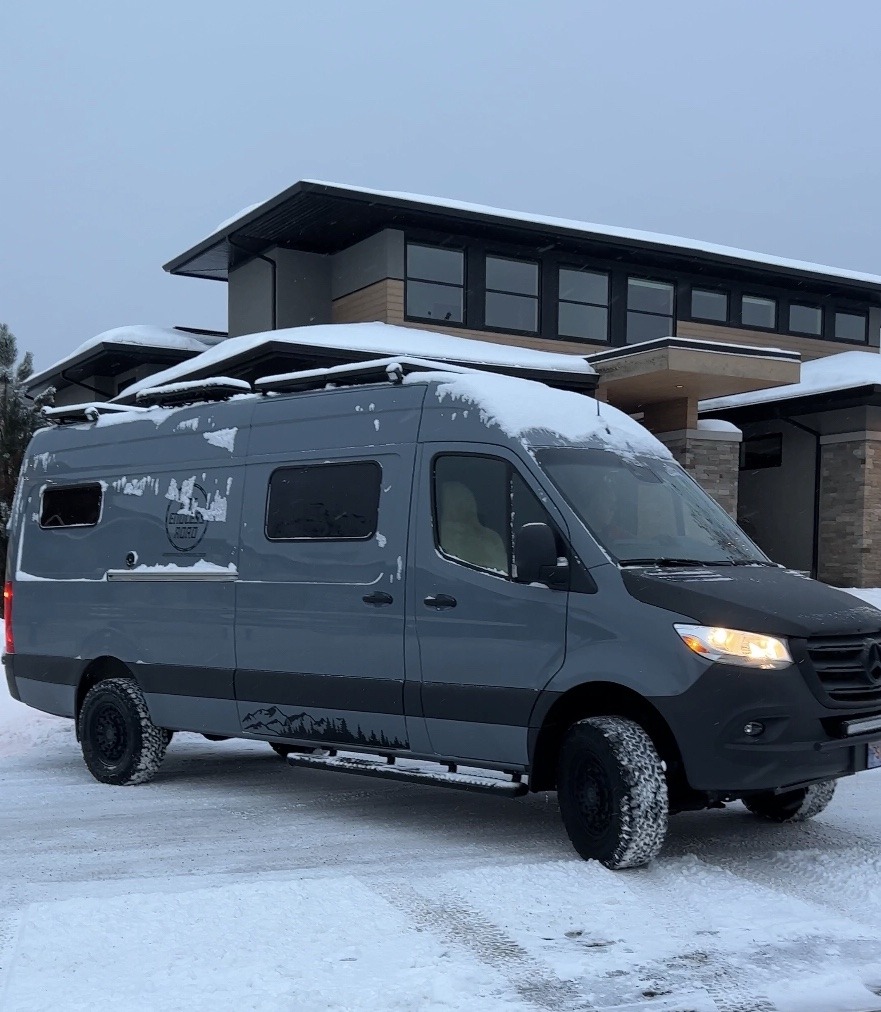
Snow dusted off the rig, we were ready to roll…….seen here, leaving our home with no idea when the van would ever be back in our driveway.
That all said, I’ll save the sordid details of shipping a van from North America to Australia for a future blog when the whole process is ( hopefully ) complete and has ( ideally ) gone off as planned. Right now there are still more hoops to jump through, a ship ( coming from Europe ) to wait for and then a long passage from the East coast of the US to the East coast of Australia. Yes, I said the the “EAST” coast. For reasons I will explain later we have chosen to drive the van to the US East coast ( Savannah, Georgia specifically ) to catch said ship to Australia – this week’s blog will chronicle the first part of that journey – getting to Savannah.
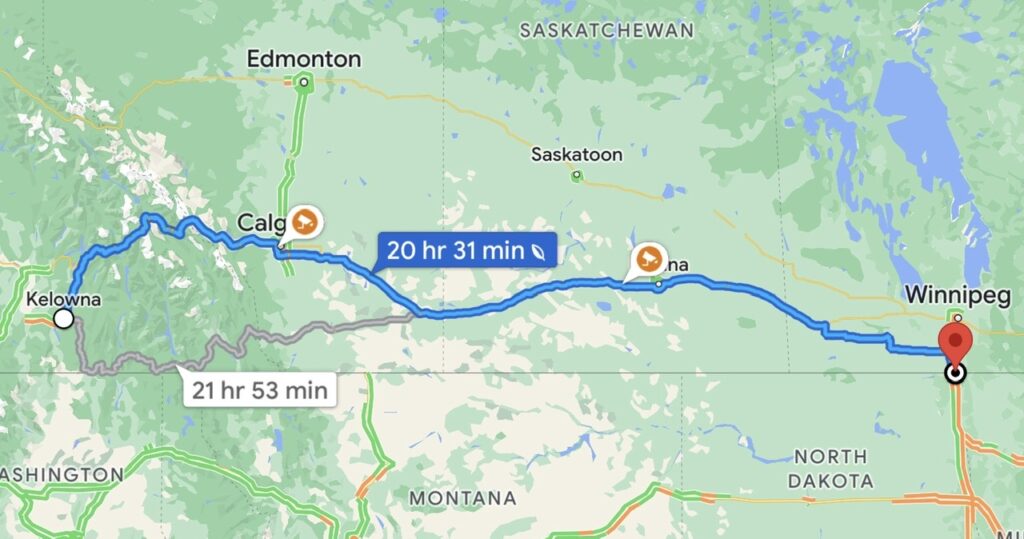
Driving diagonally South East across the US would have been faster ( and warmer ! ) but following our general principle of “why make things easy when you can make them more complicated”, we chose to drive directly East across Canada ( to Winnipeg ) before turning hard South East to Savannah. We had good friends in Winnipeg we wanted to see so chose that route, all the while thinking how cold could it really be on the Canadian prairies in December ? I mean, it was only December – technically, it wasn’t even quite winter yet. The plan was pretty simple; we’d drop the van with the shipping company in Savannah then fly home to Kelowna in mid December for Christmas with our family before flying on to Australia in January to eventually meet up with our van later that month. But, first things first – the drive across Western Canada……. in December.
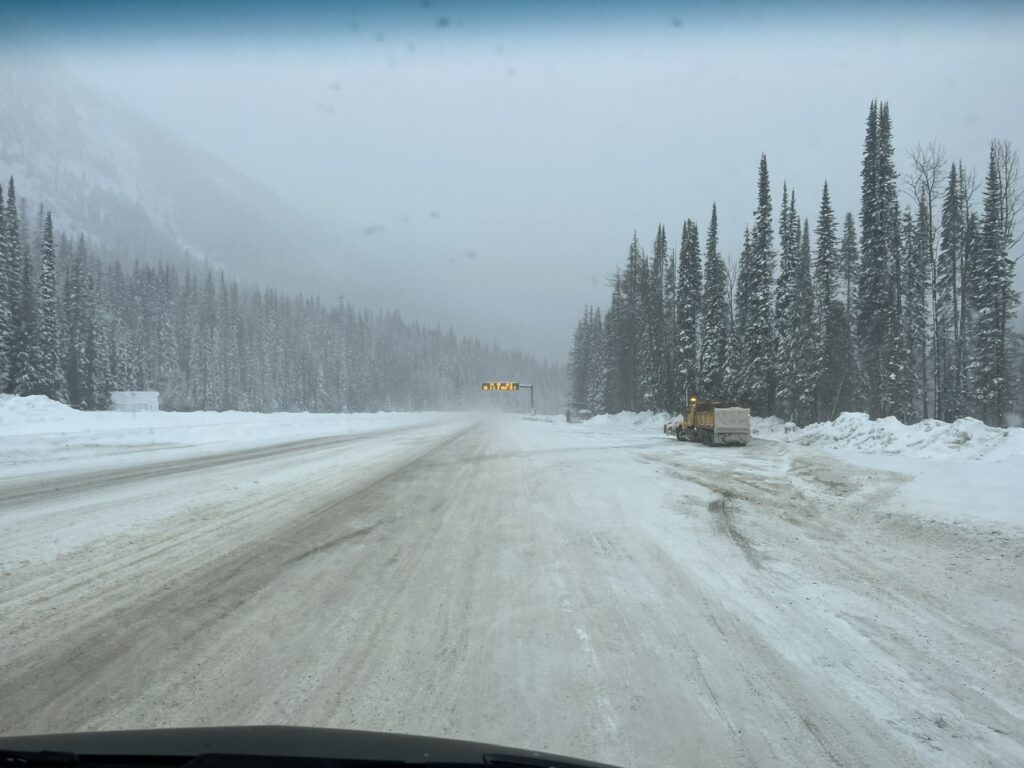
As we left Kelowna it was already snowing ( not a good omen ) and that got heavier as we crossed the Rockies. Frankly, it was pretty hair raising at times especially with so many heavy trucks on the route. Centre line mostly invisible, fog patches a constant worry, we made it only as far as Calgary – normally just a 6 hour drive, it took us all day. We knew not all campgrounds would be open in December but did not count on none being open ! This would be a recurring theme. That, and the extremely short days of December, made worse by the fact that we were driving East – there were simply not a lot of daylight driving hours in each day. Without campgrounds we made do with the best that iOverlander could offer – a Husky Truck Stop in Calgary, and a Walmart parking lot in Moose Jaw ( where we spent our coldest night: -26.5 celsius or -16 Fahrenheit ). Perhaps unsurprisingly we were the only campers parked in both locations.
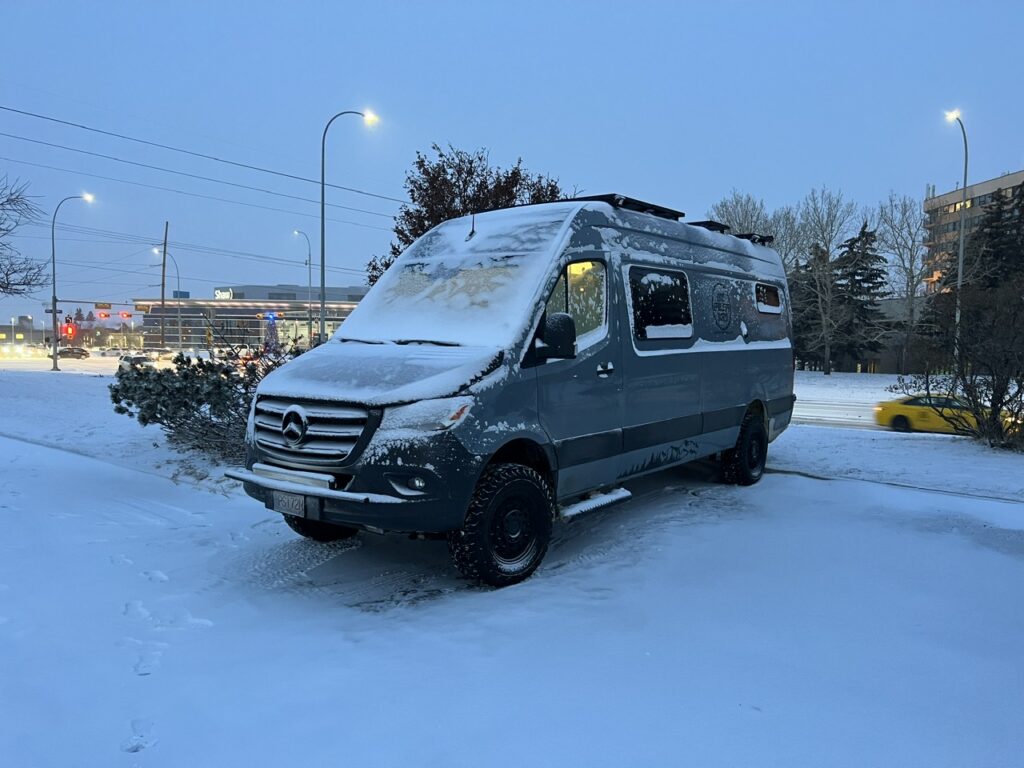
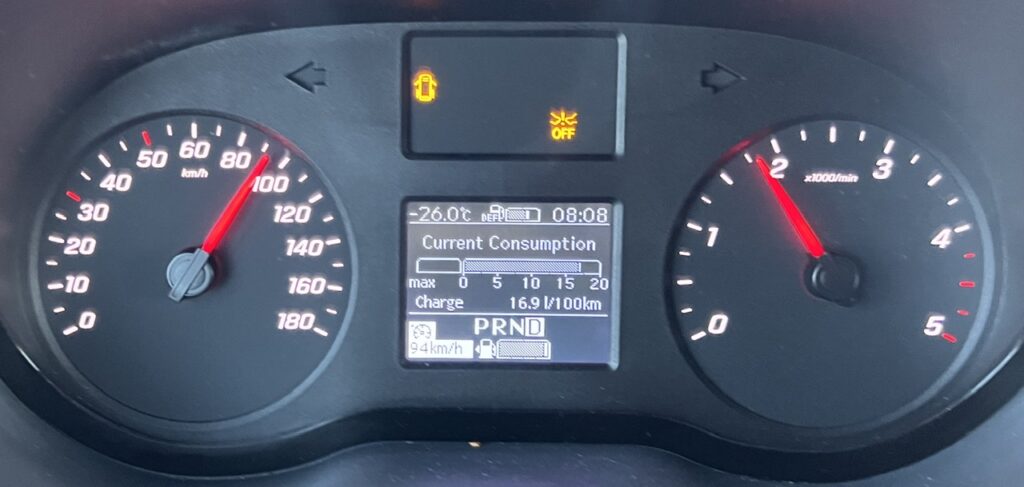
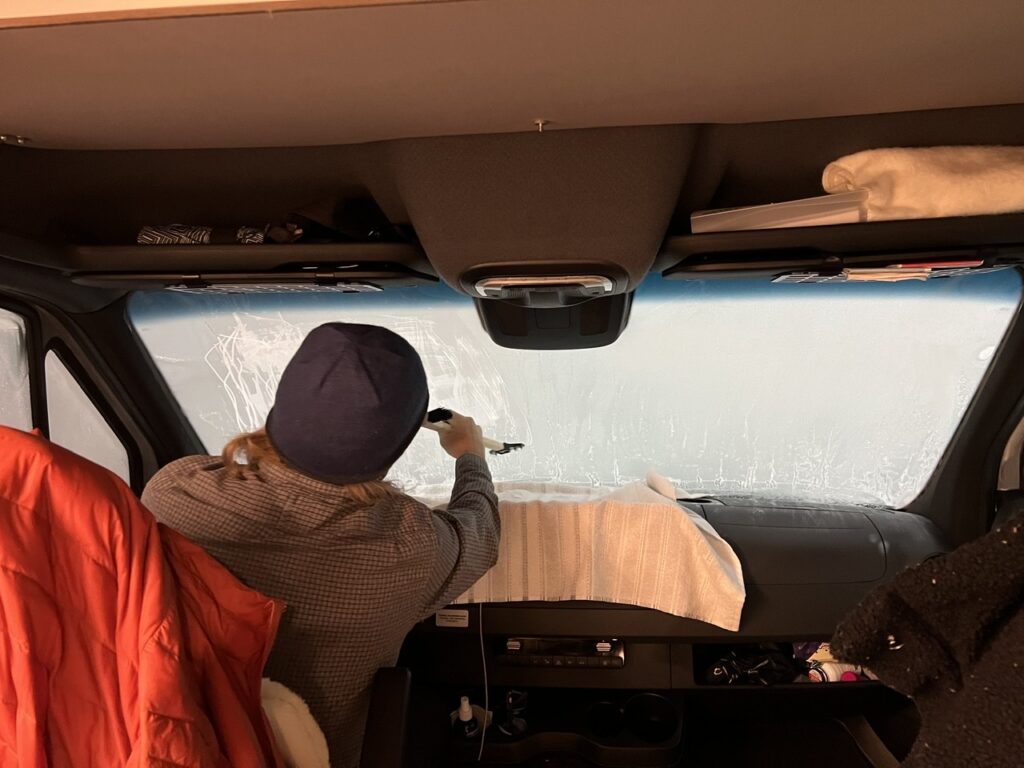
Typical road conditions crossing the Rockies.Parked for the night at the Husky Truck Travel Stop in Calgary. Surprisingly, a very peaceful night’s sleep.Minus 26 Celsius as we left Moses Jaw. It would drop another half degree before things started to warm up. Prairie folks will tell you that in the depths of winter no one even uses the “minus”. They all know what “26” really means in winter. Hats off to the hardy folks that endure this full-time……one day of -26.5 was enough for us !Scraping ice off the inside of the windows in Moose Jaw
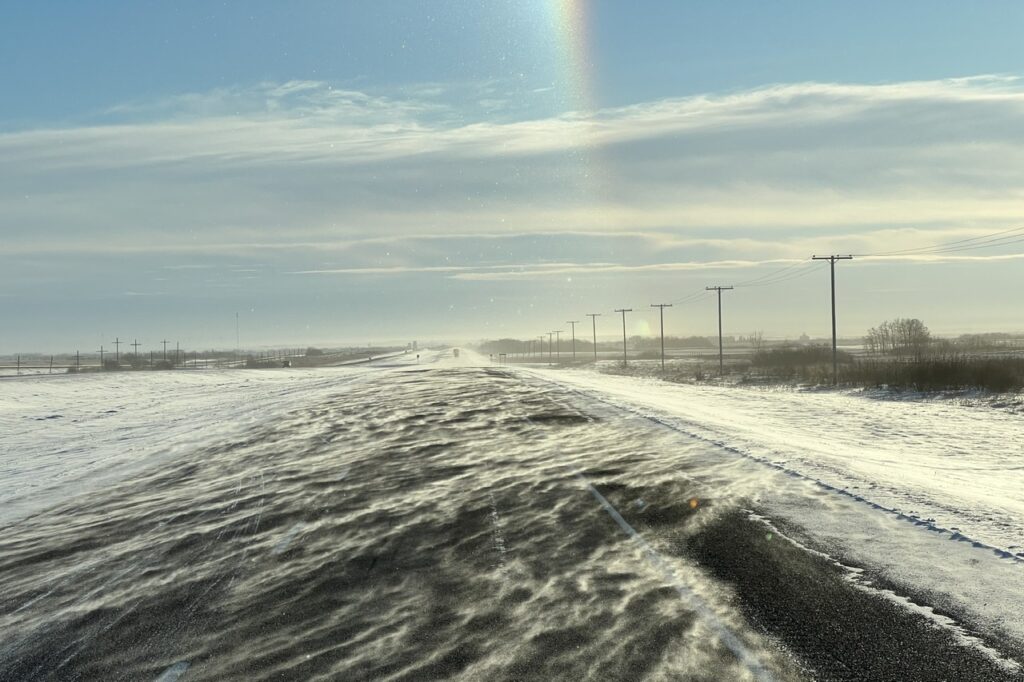
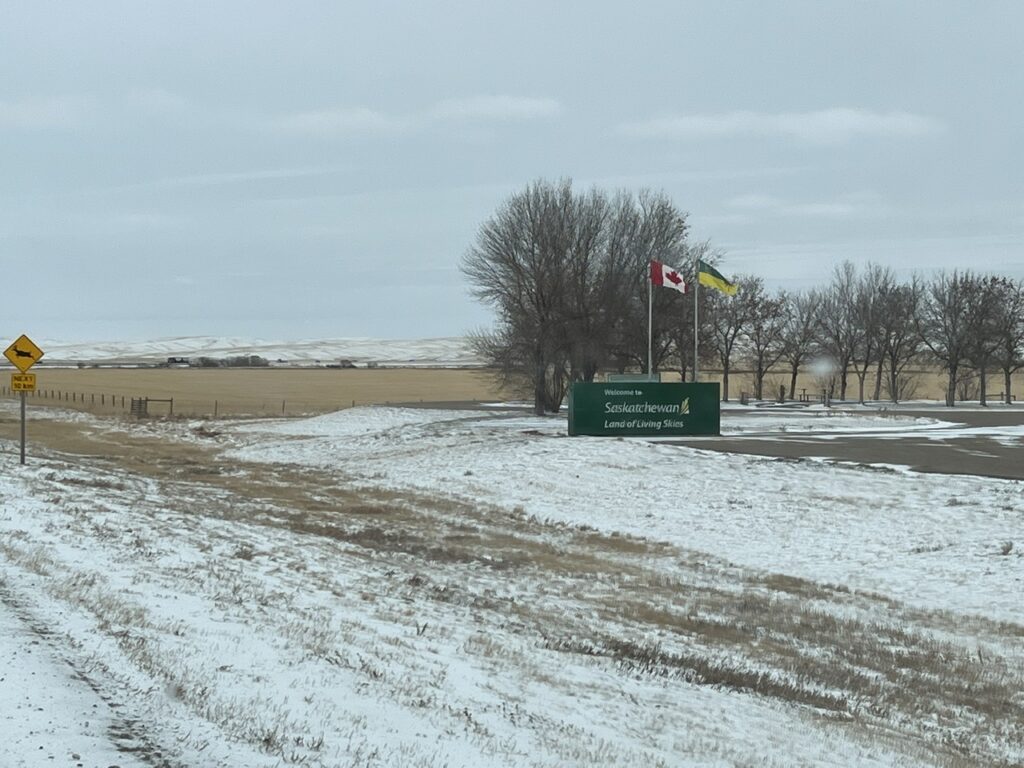
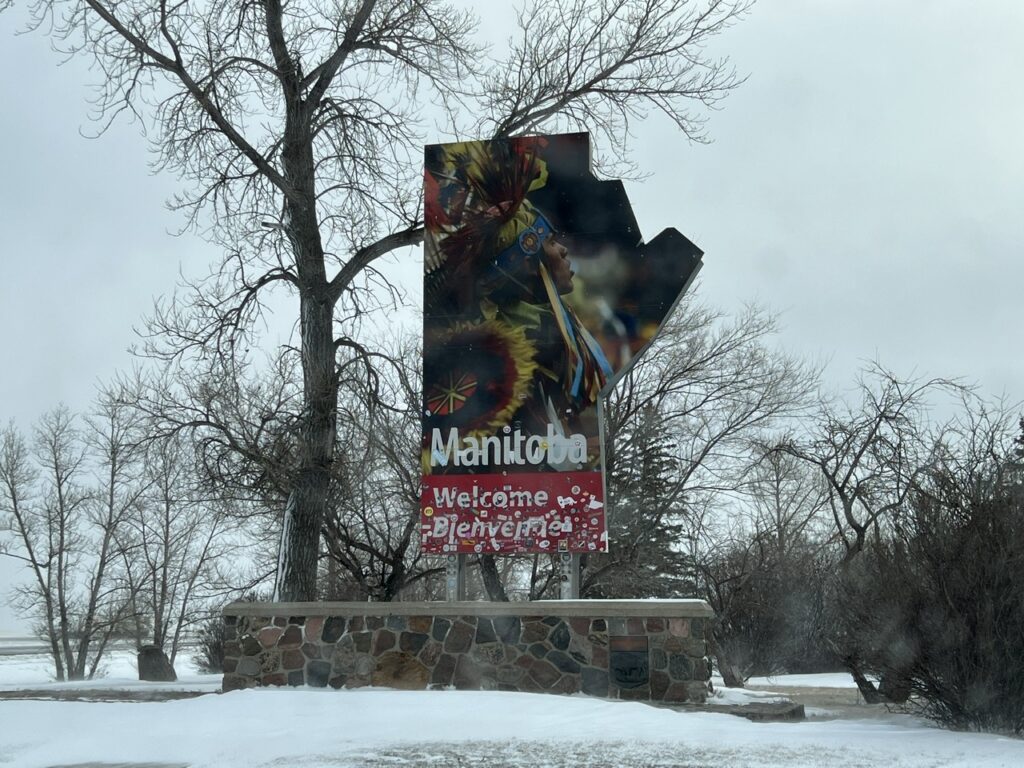
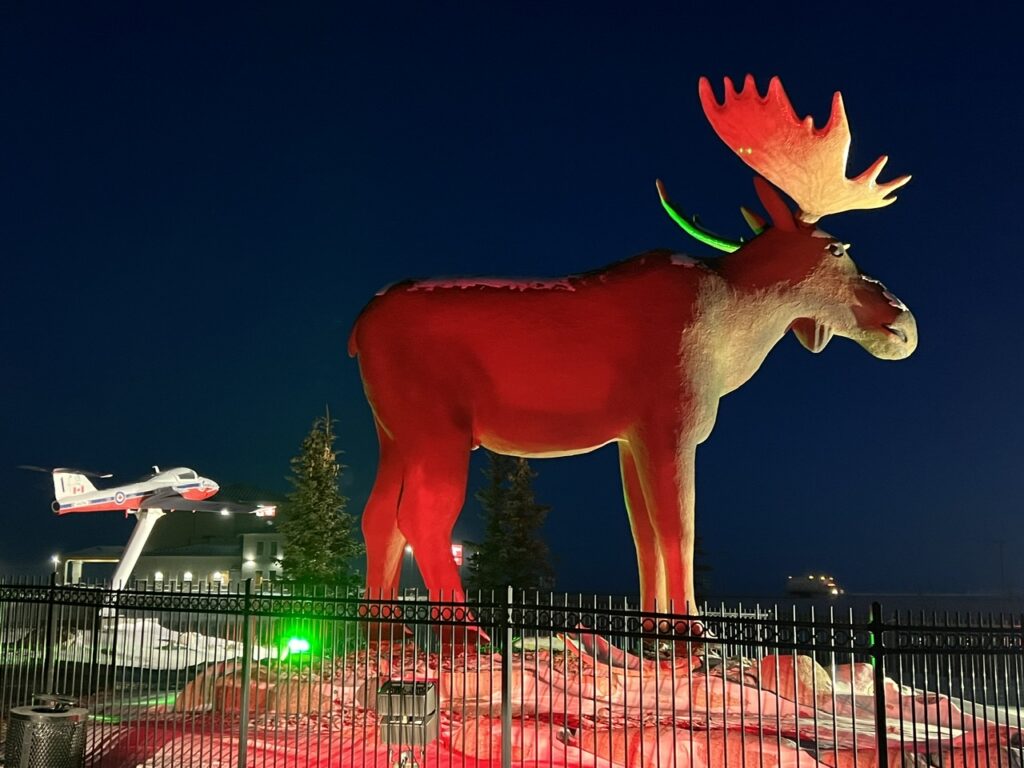
The extreme cold proved an excellent testing ground for the insulation qualities of the van and the performance of the diesel heater – both proved up to the challenge and at no point were we cold inside the van. Outside was another story entirely with all three days it took to reach Winnipeg being in the high minus teens or low minus 20’s. Serious cold ! Once across the Rockies ( after Calgary ) visibility generally improved with the only real driving challenge being the mesmerizing snow drifts swirling across the road for much of the journey. The vast expanses of white offered up their own beauty, albeit best viewed from inside the van ! Mixed with that winter beauty were typical Canadian Prairie scenes and a few local tourist attractions. Neither of us had much enthusiasm for getting outside the vehicle for photo ops – it was so cold at times that we simply took photos from inside the van – we did NOT walk inside the worlds biggest teepee in Medicine Hat, nor stand in front of the worlds biggest ( fake ) moose in ( where else ) Moose Jaw. Quirky and kitschy, yes, but definitely not worth a case of severe frostbite !
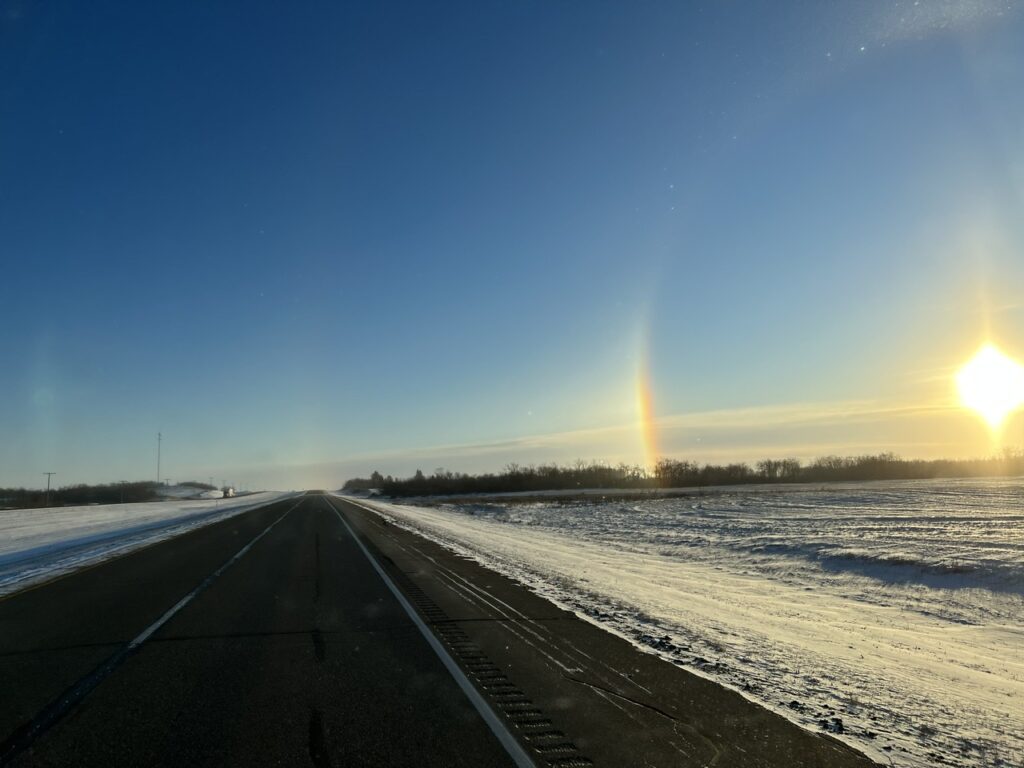
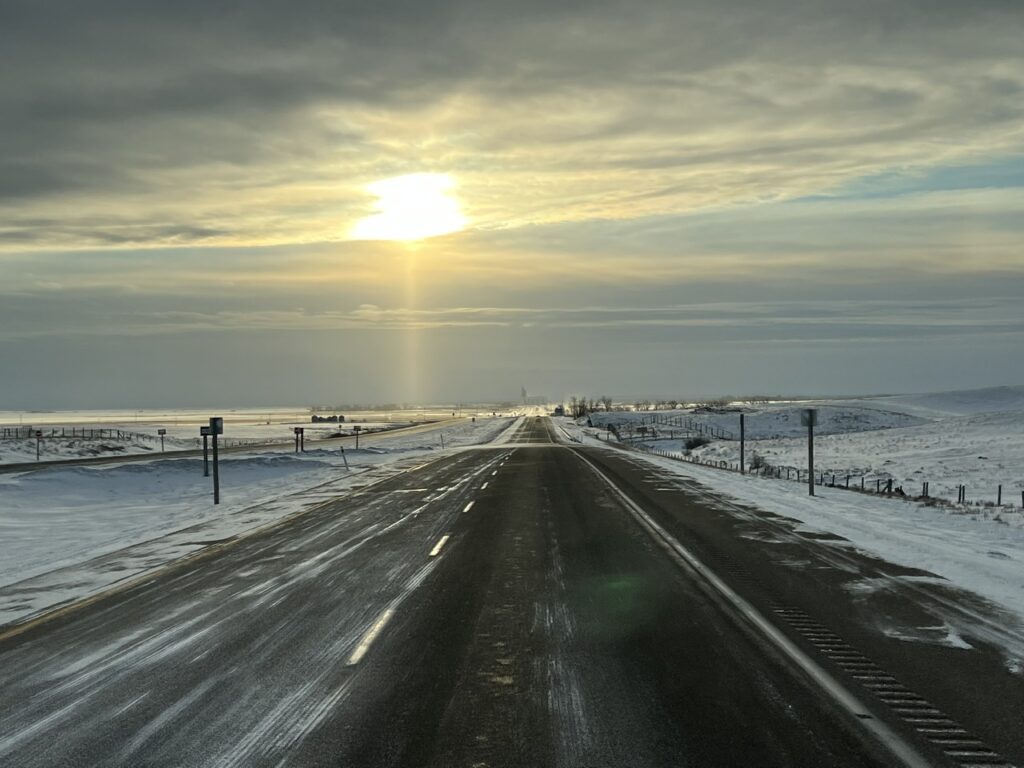
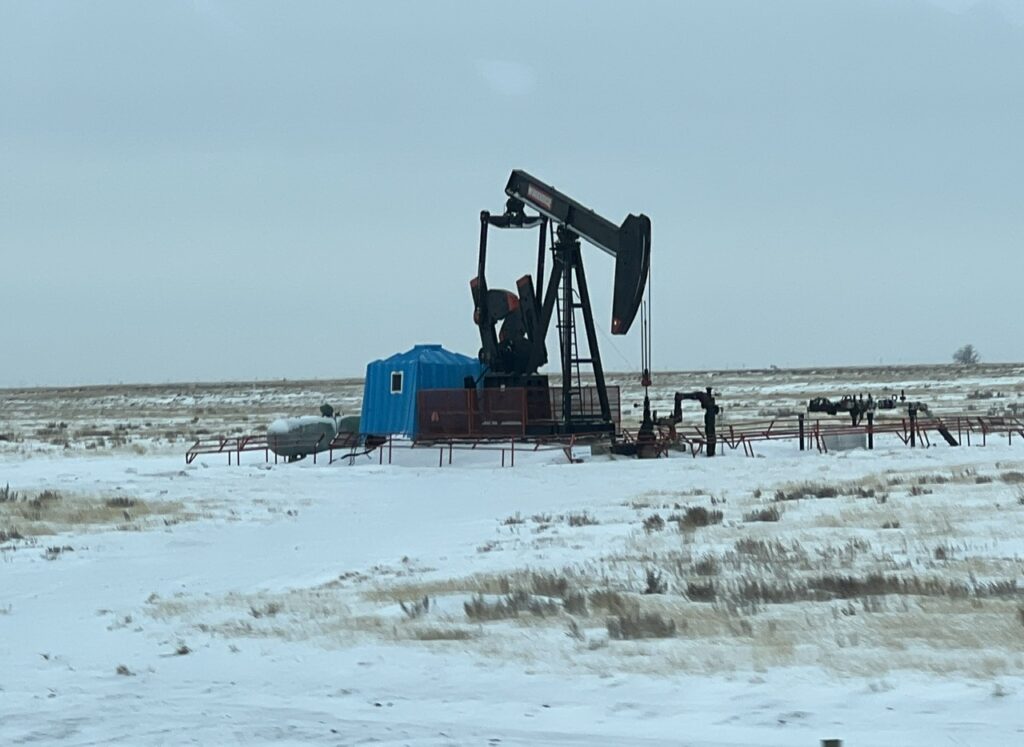
It may be darn cold on the Prairies but it’s usually sunny. Even saw a rainbow of sorts.The roads at times seemed endless……..Drifting snow gave the journey an eerie feel at times.Heading East, provinces came………….and wentThe world’s biggest moose early in the morning in Moose Jaw.A very Prairie image. Hundreds of these dot the landscape across Alberta and Saskatchewan.
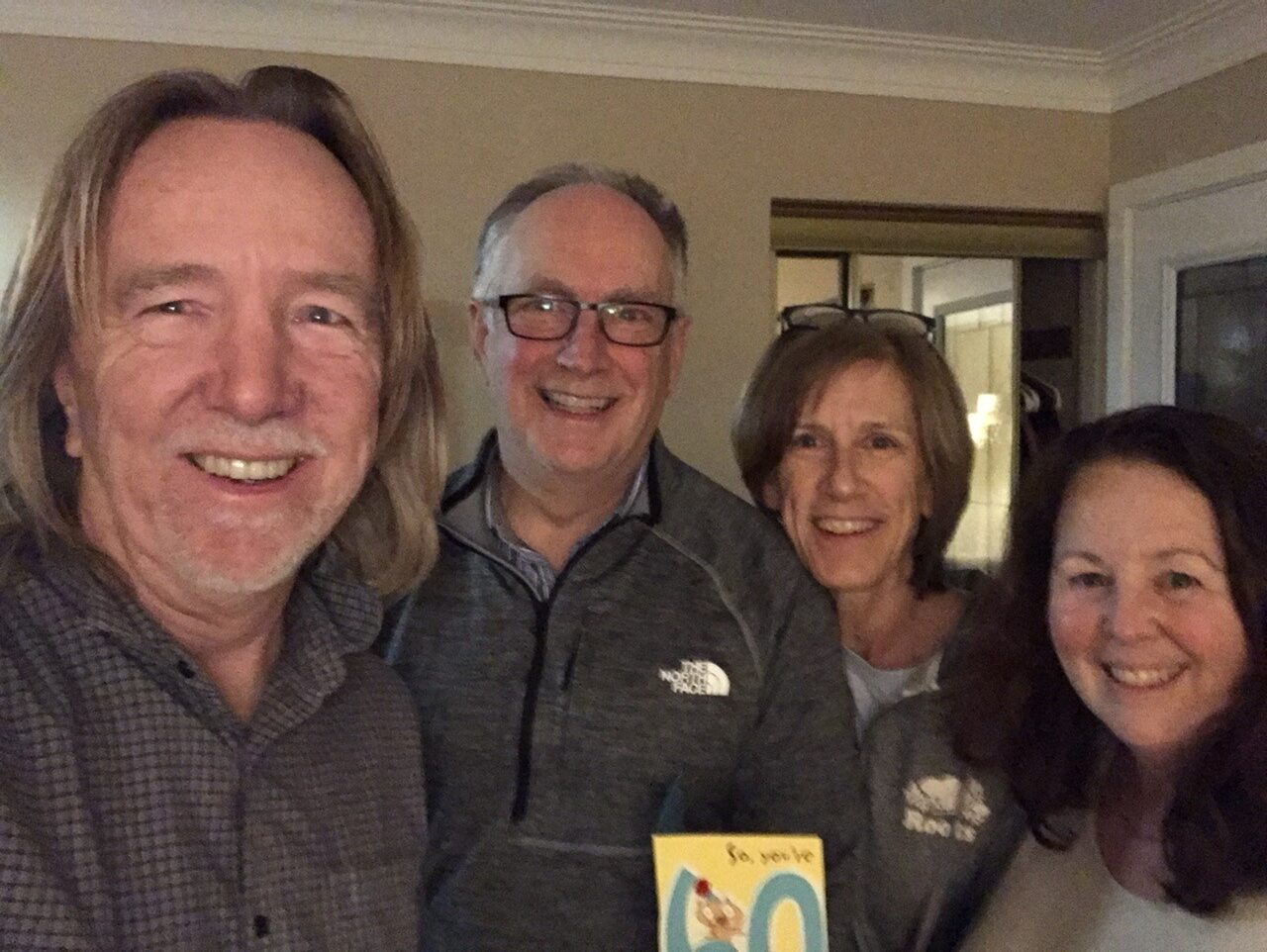
Our good friends, Aldyn and Keith, who had recently moved to Winnipeg, gave us a very warm welcome for the night and we spent a wonderful evening celebrating a milestone birthday of Keith’s while enjoying Aldyn’s awesome chili dinner. Thanks guys, it was a fun night and the highlight of our trek across the Prairie’s.
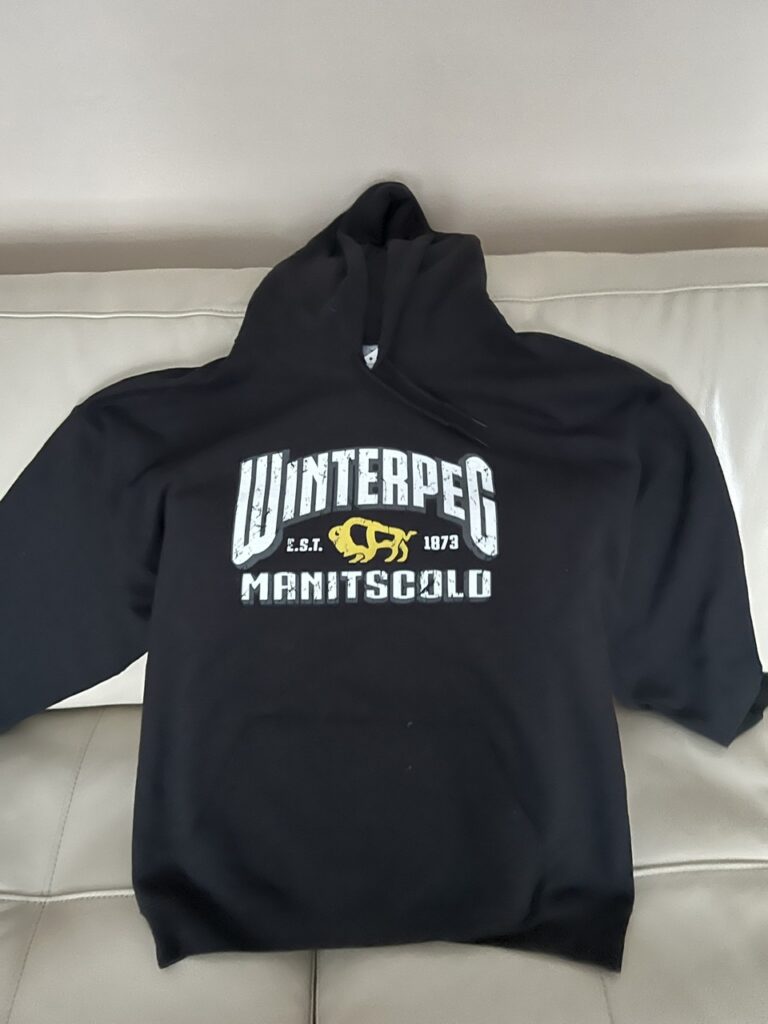
Jeff, Keith, Aldyn, and Lois Sending us off in Winnipeg.Manitobans can at least poke fun at themselves ! Not “Winnipeg, Manitoba” but……….
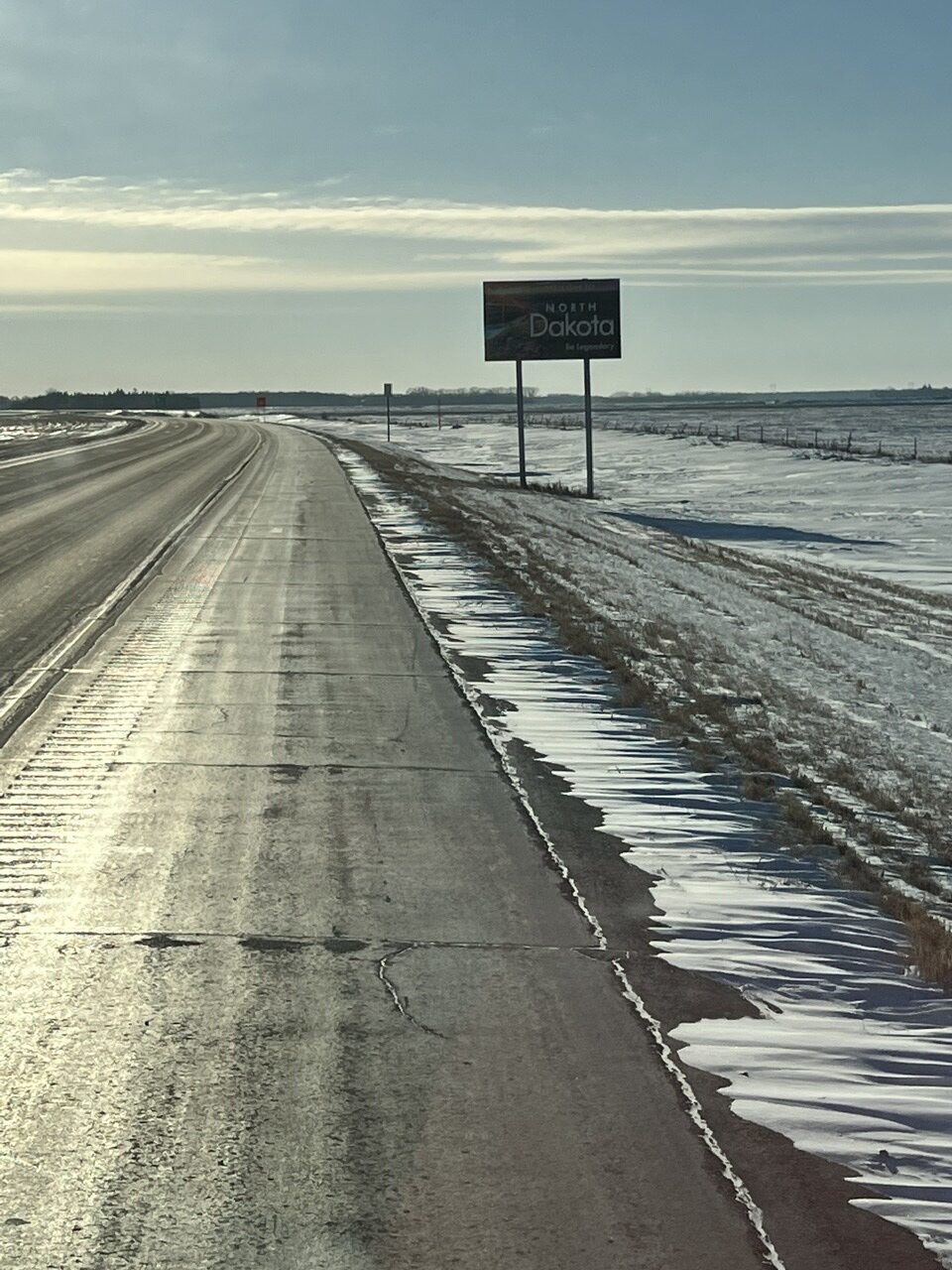
Just a couple of hours south of Winnipeg lies the border town of Emerson where we crossed into the US. Could not have been easier, nor any quicker, with the US border staff super friendly and helpful. Crossing south of the 49th parallel did not bring any immediate respite from the biting cold – there’d be a little more cold weather yet. More of that to share next week.
US crossing at Pembina, North Dakota…….still cold !!!!Route across across Canada.
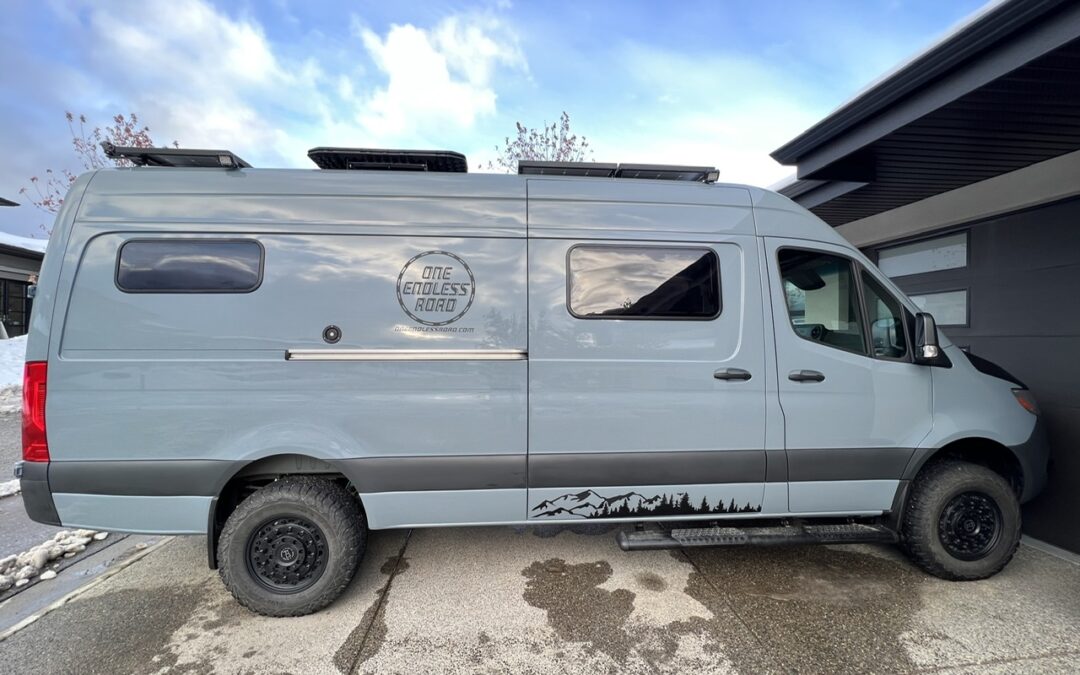
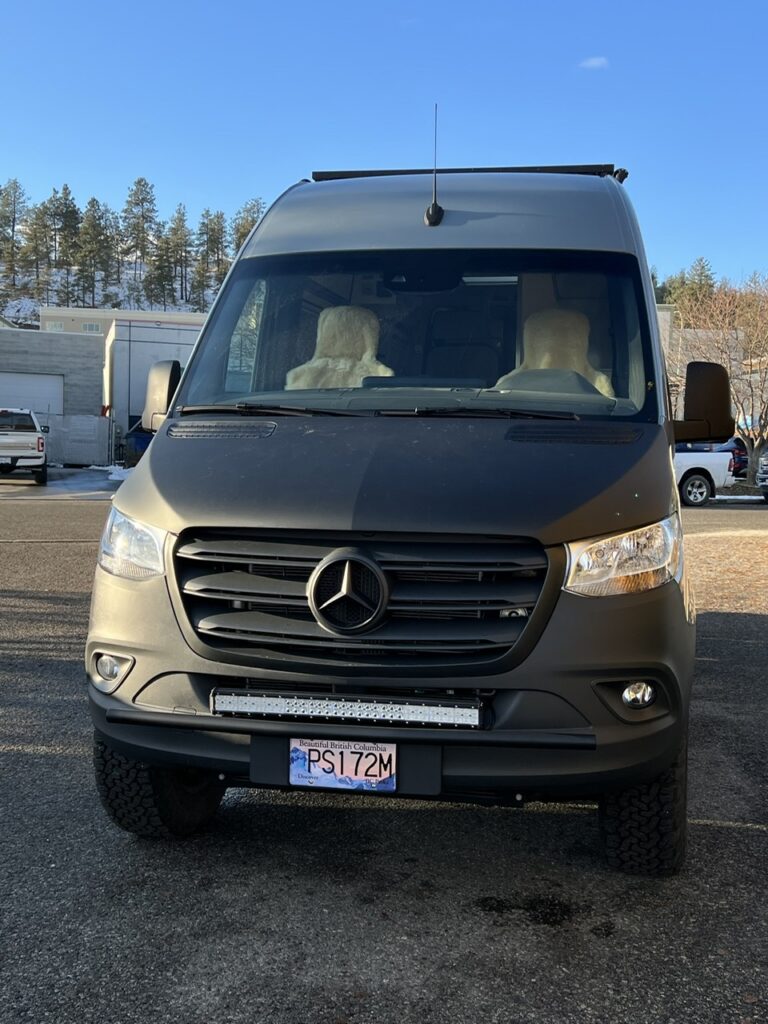
Just before we go any further with the trip to Australia, I thought it probably timely to share a little more with our readers about the Sprinter van itself. Many of you, and others who have seen the van conversion in progress, have been asking to see pictures of the end result. I’ll put the trip details on pause this week ( to be continued next week ) and now, for those of you who have asked for finished pictures and more details, here they are:
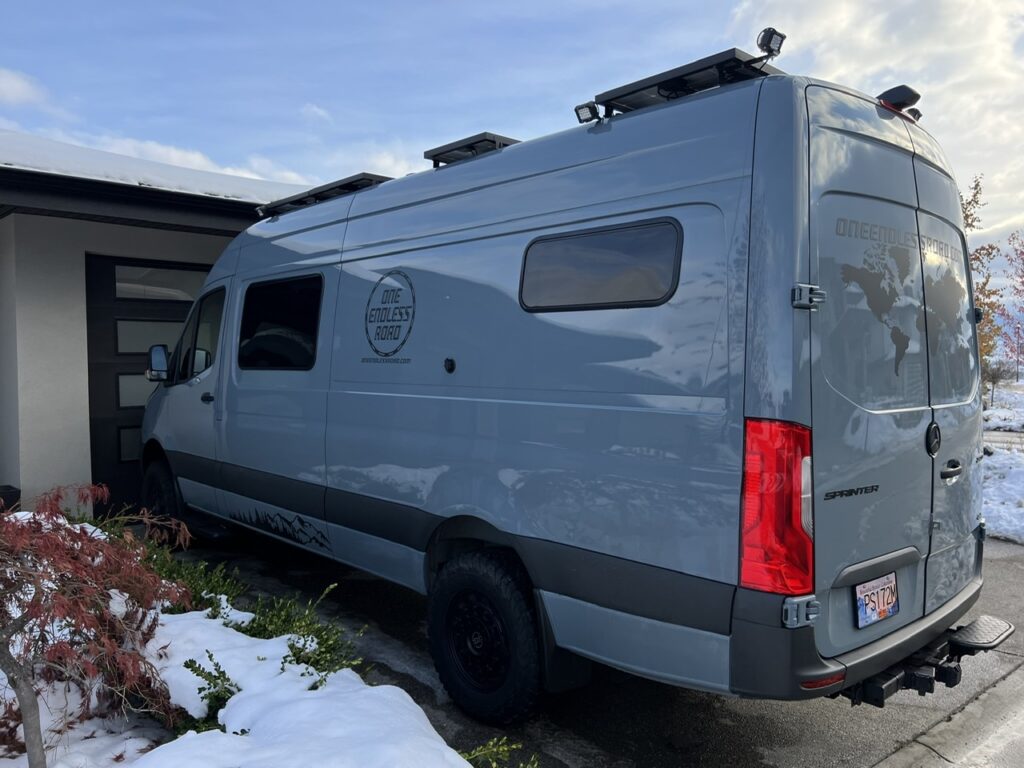
Passenger side. Side steps added, VanCompass helper springs and Falcon shocks provide a much improved and stable/level ride after the added weight of the conversion. BF Goodrich 17” KO2 tires and Black Rhino “Arsenal” rims replaced the stock Mercedes product. Very happy with both the improved appearance and performance.
We’ve all heard the expression, “I could see light at the end of the tunnel, then realized it was another train coming”. I swear whoever dreamed that one up must have coined the phrase while camperizing a Sprinter van. To say that completing this van dominated my life for 15 months, was more than a full time job for all of that time and caused more stress and anxiety than any corporate position I ever held, would be an understatement. Ultimately, however, with a very supportive wife, the help and technical advice of some amazing friends, colleagues, supportive local businesses, YouTube “How to” clips, guidance from those who had gone before ( posting their invaluable tips on the Sprinter Forum ) as well as countless other sources of help, the van was travel ready just in advance of our November departure for Australia. Truly, there were times I thought the day would never come. It was a labour of love, for sure, but nonetheless a huge relief to have it done. Truly, I could write a book on the experience – but won’t ! .
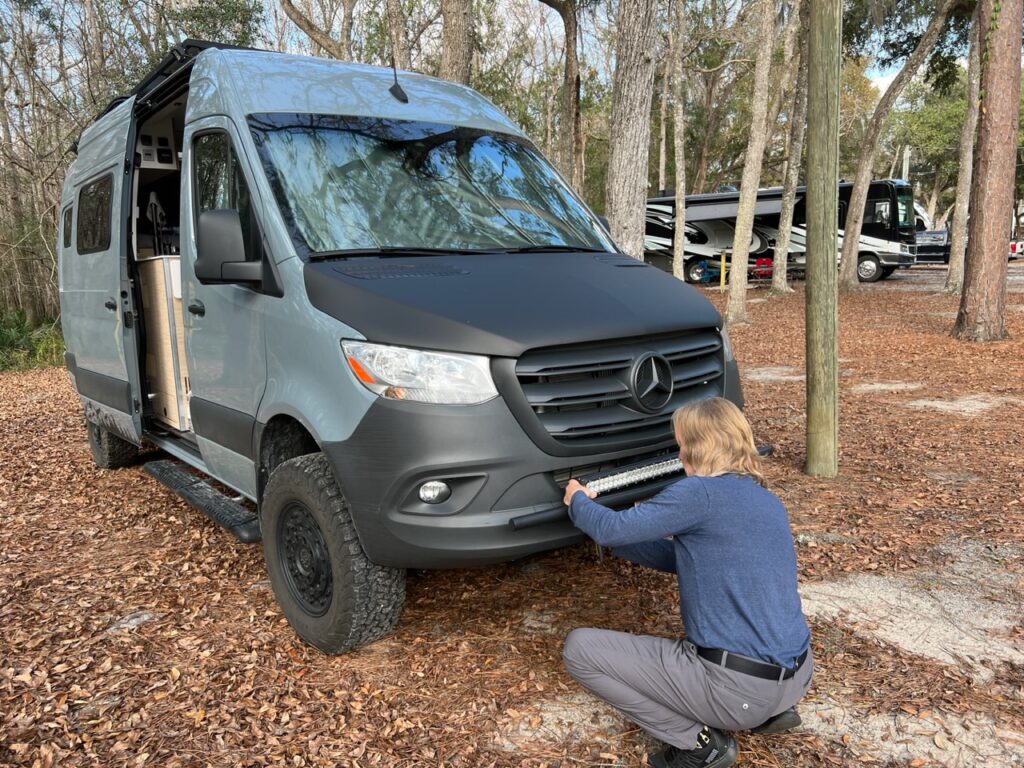
Van from the front – hood wrapped in 3M matte black vinyl, custom nudge/light bar added.
I’d have loved time to give it a good summer test drive ( and it was a great northern summer ) but it just took longer, and was more complex than I could have possibly imagined. I suppose it did not help that I came into the project with ZERO experience, a tool kit that consisted of little more than a hammer, a drill and a few wrenches and had to work on it from start to finish in my front driveway ( in summer AND winter ). Thank you Brent, Lisa, the Wilden trades folks and my neighbours for putting up with me and your moral encouragement to keep going when it all seemed too much. You helped in more ways than you know. I’m just glad it’s done. I’ll be posting more detailed specs on the Sprinter Forum in due course for those interested in the mechanical minutiae ( I’ll include a link in a future blog ):
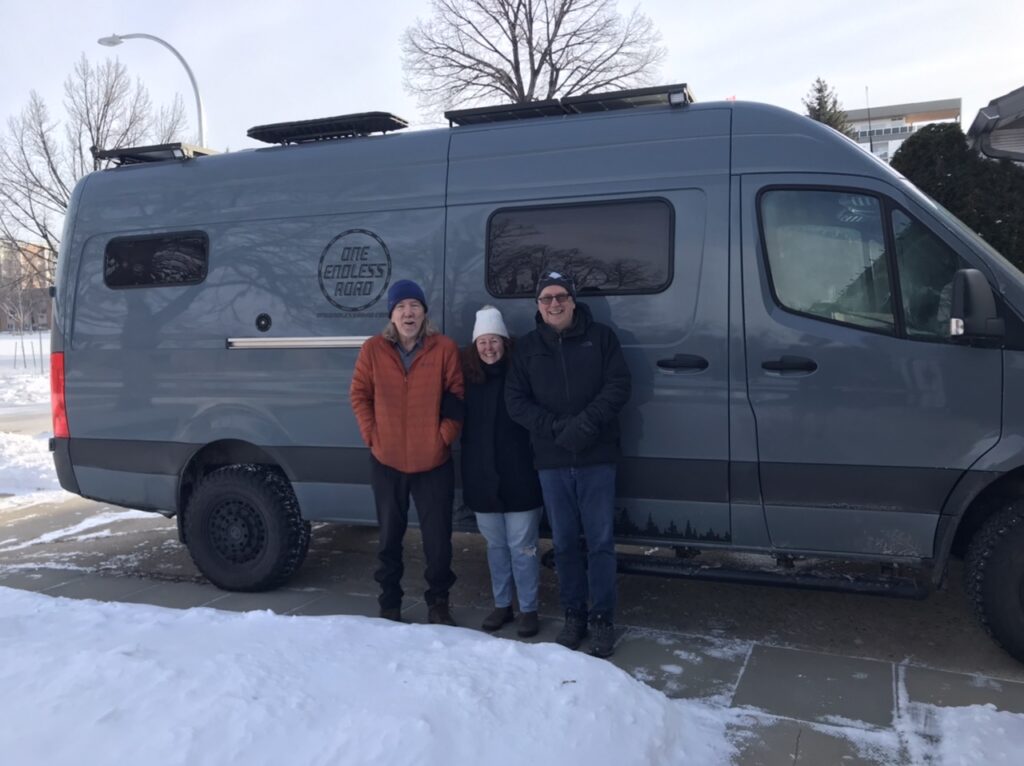
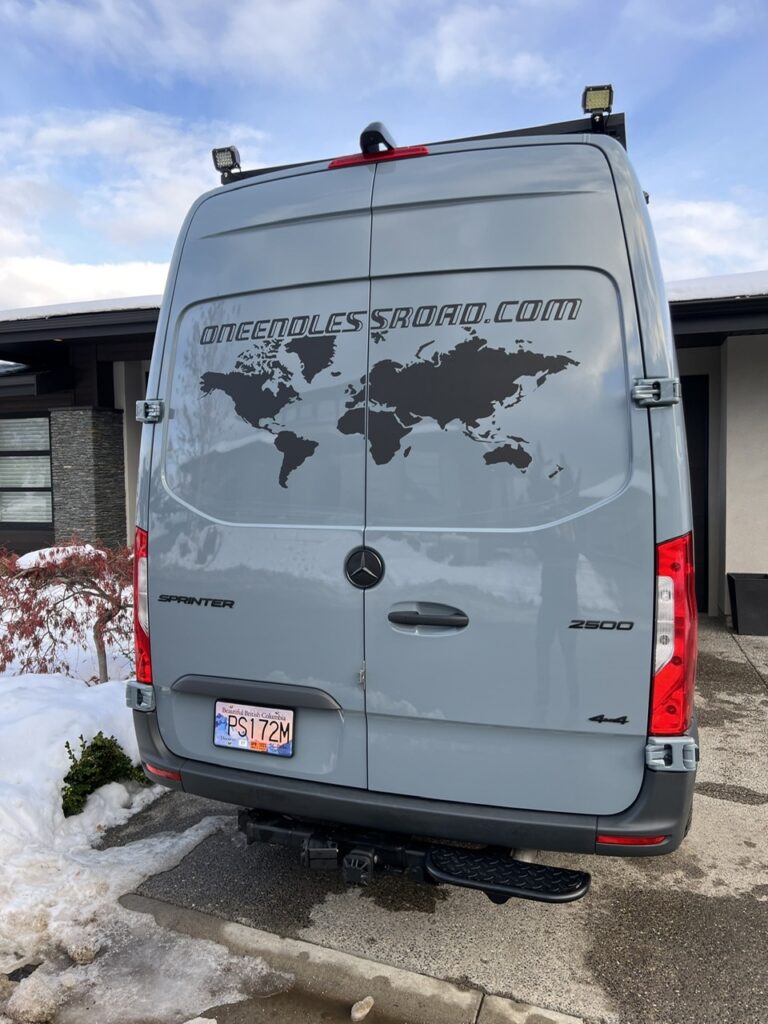
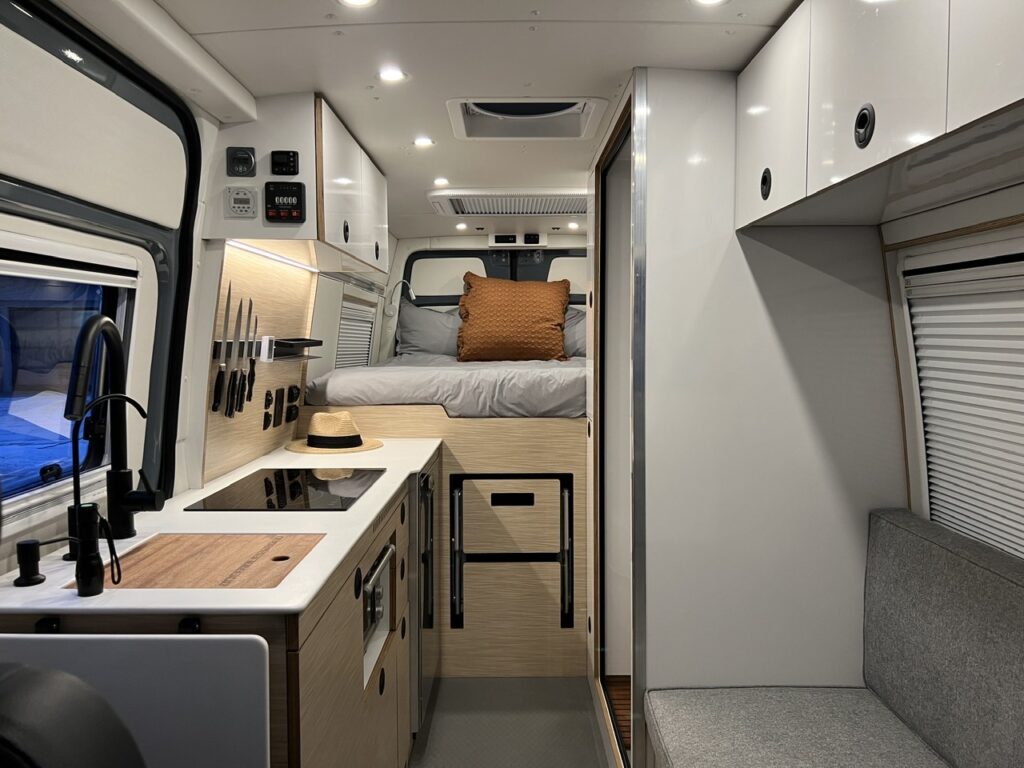
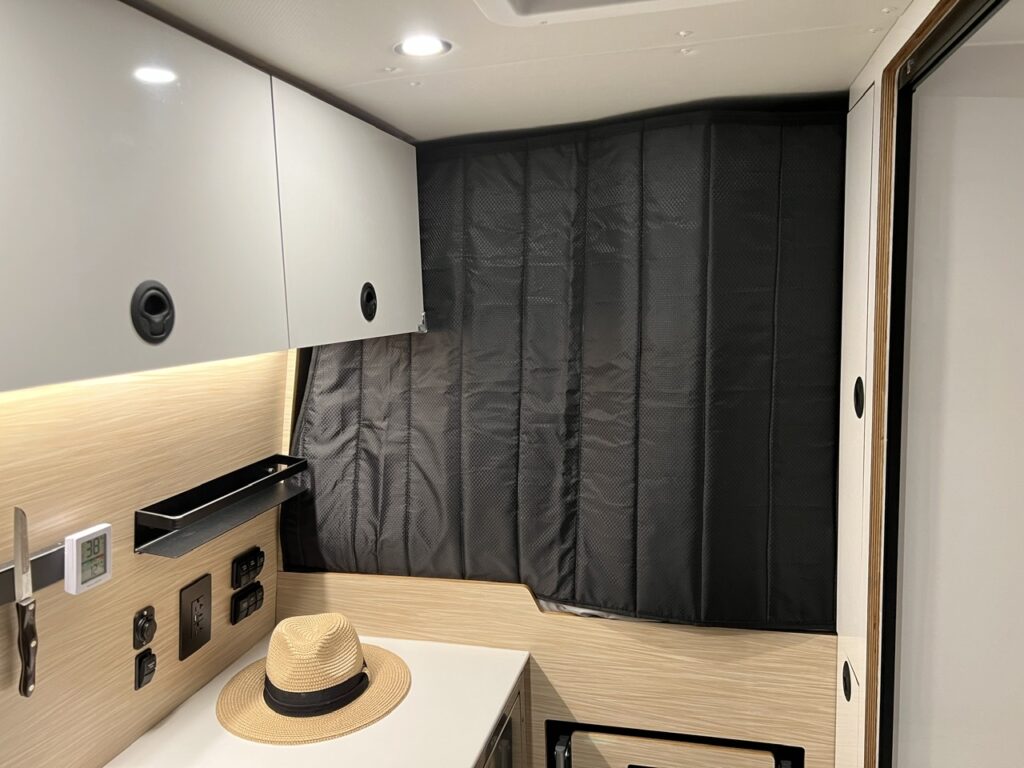
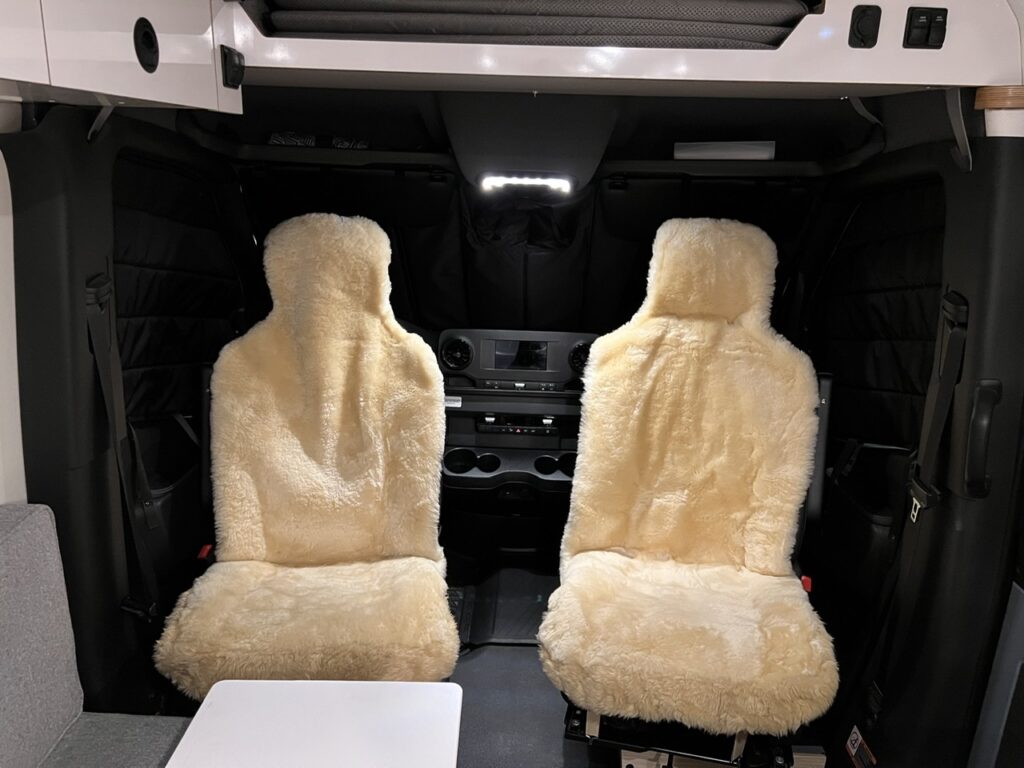
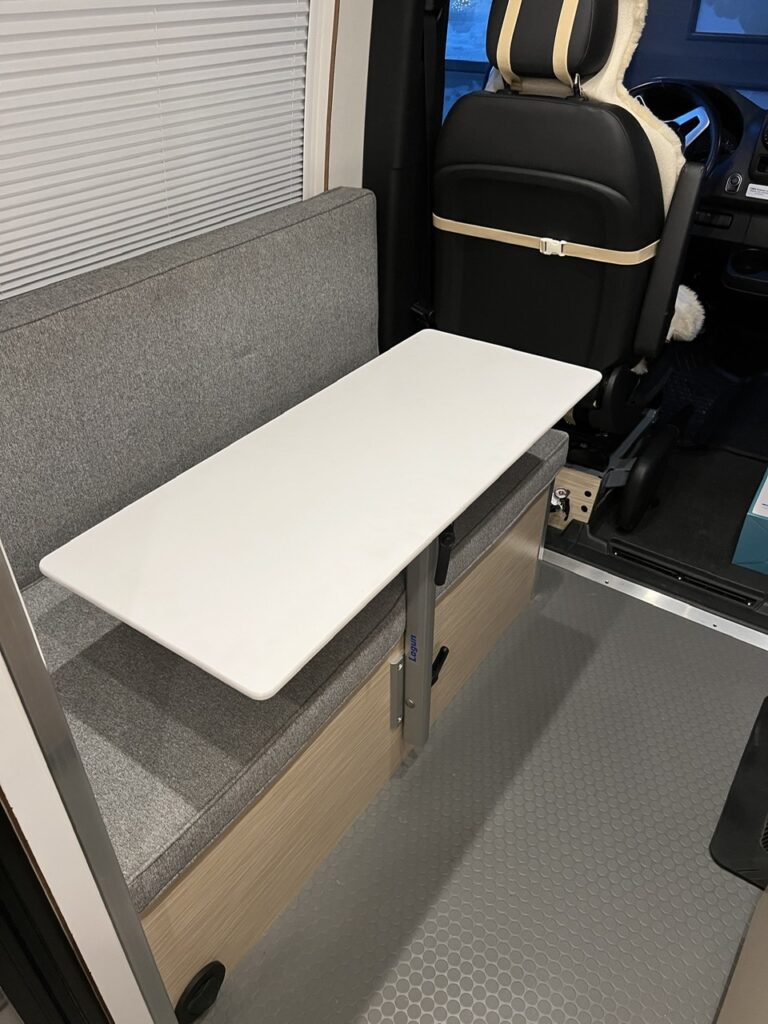
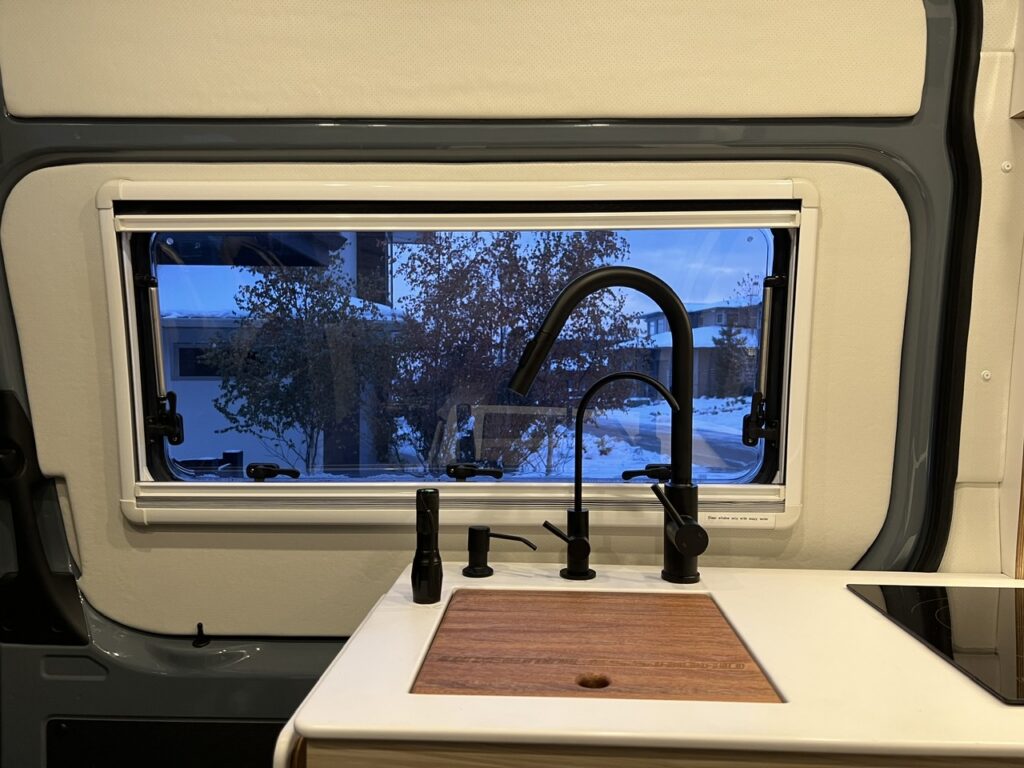
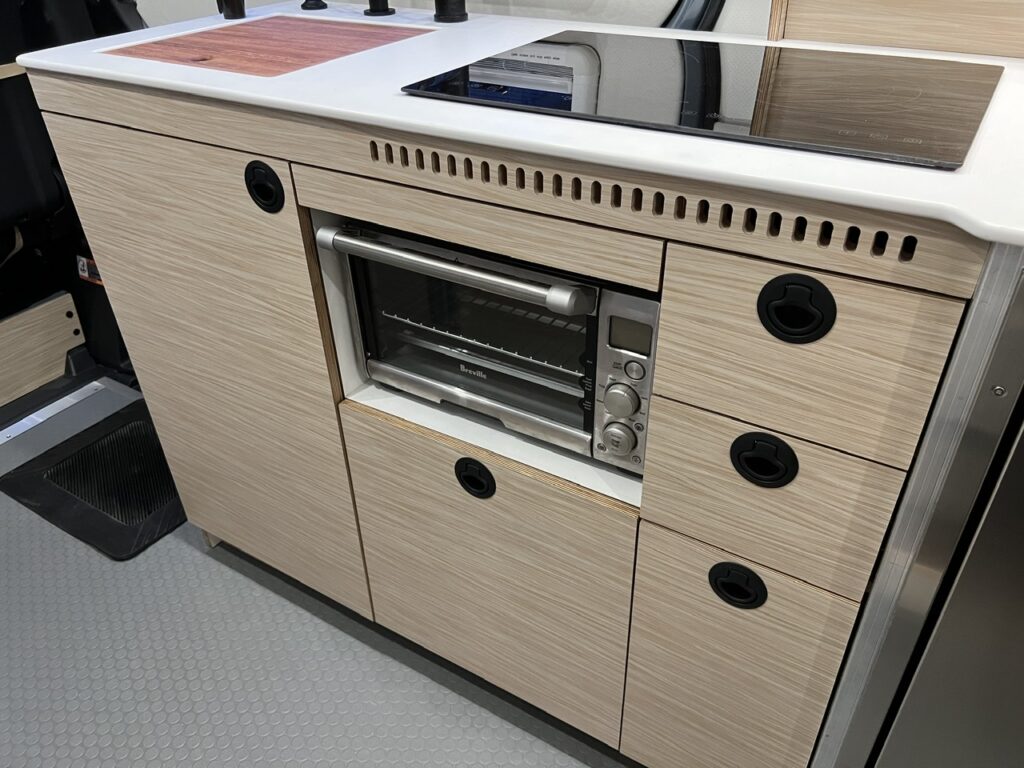
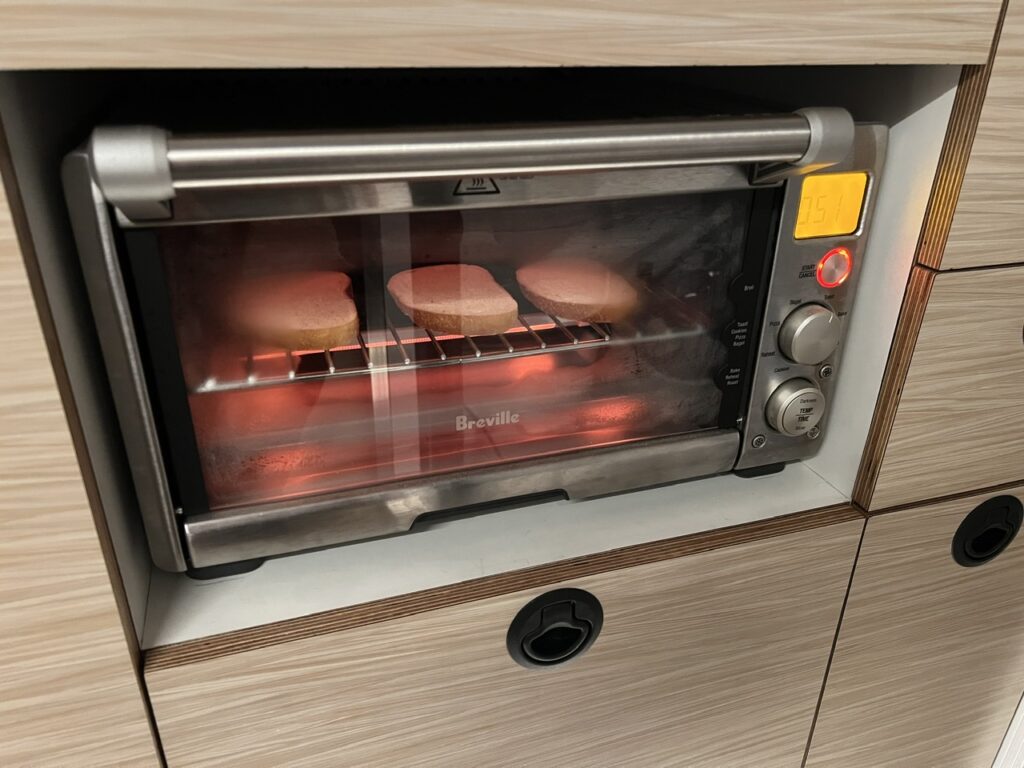
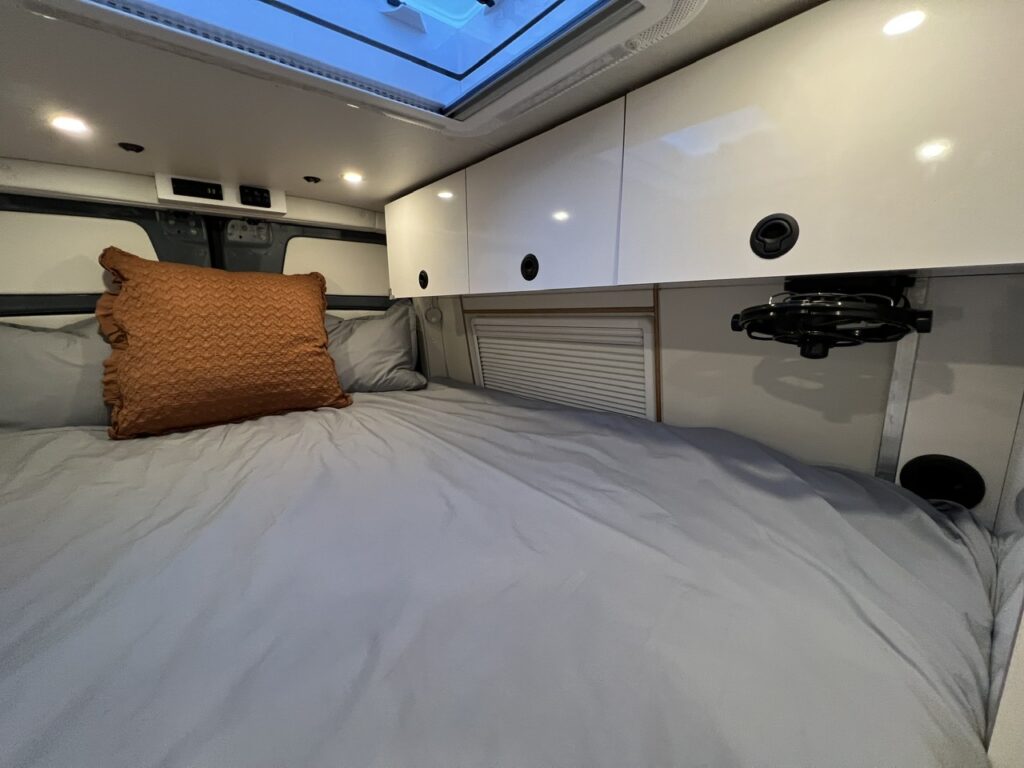
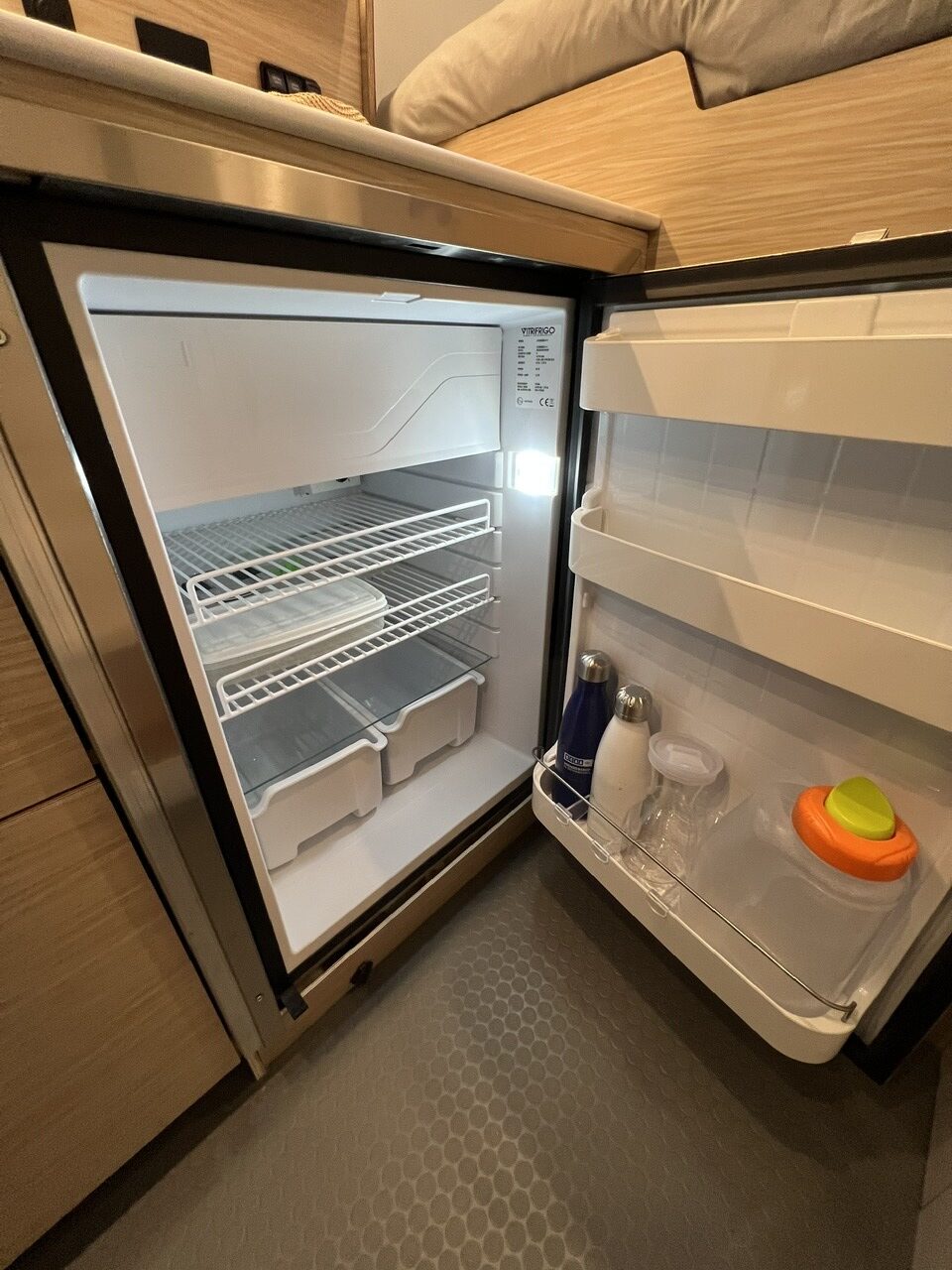
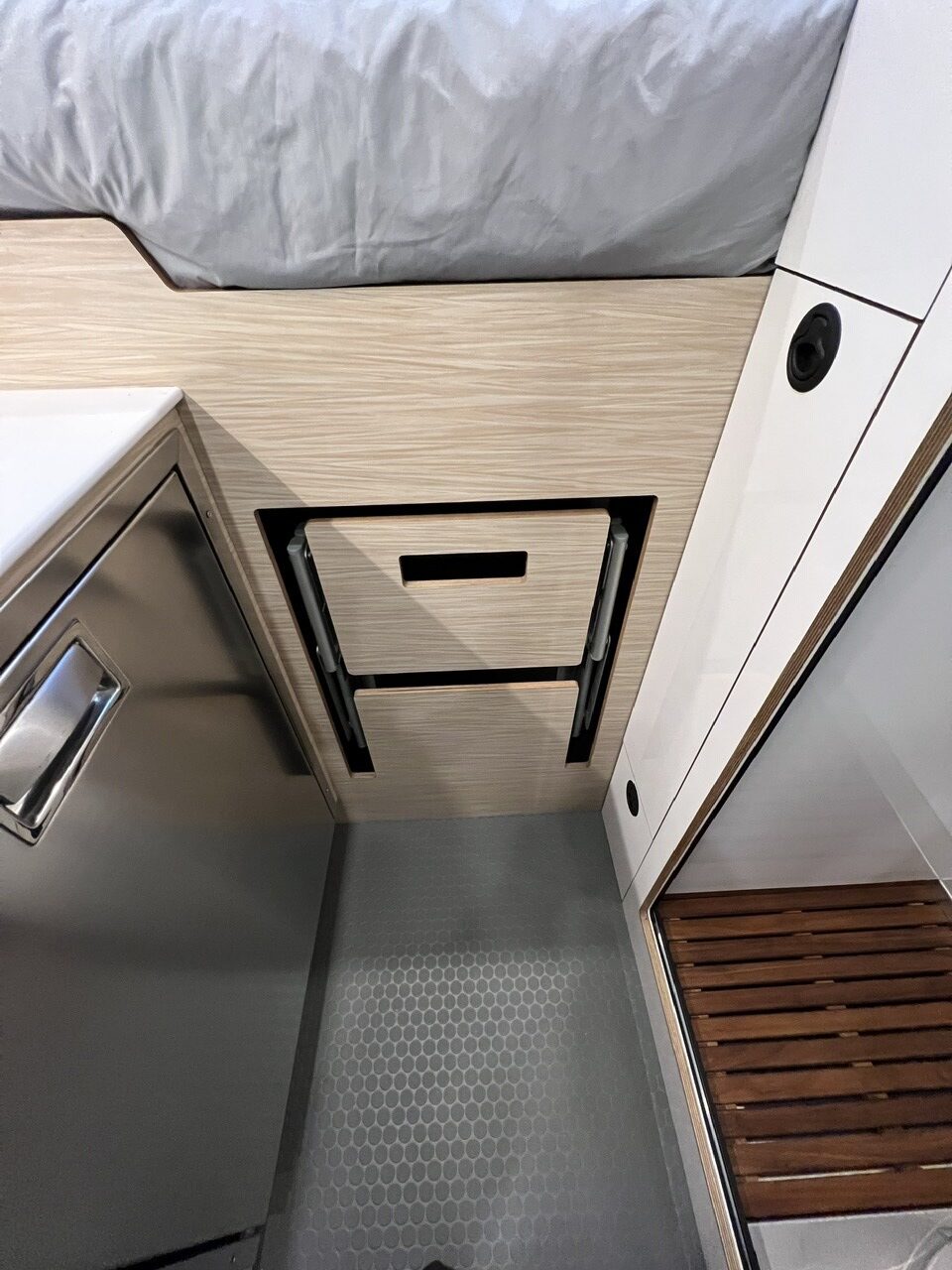
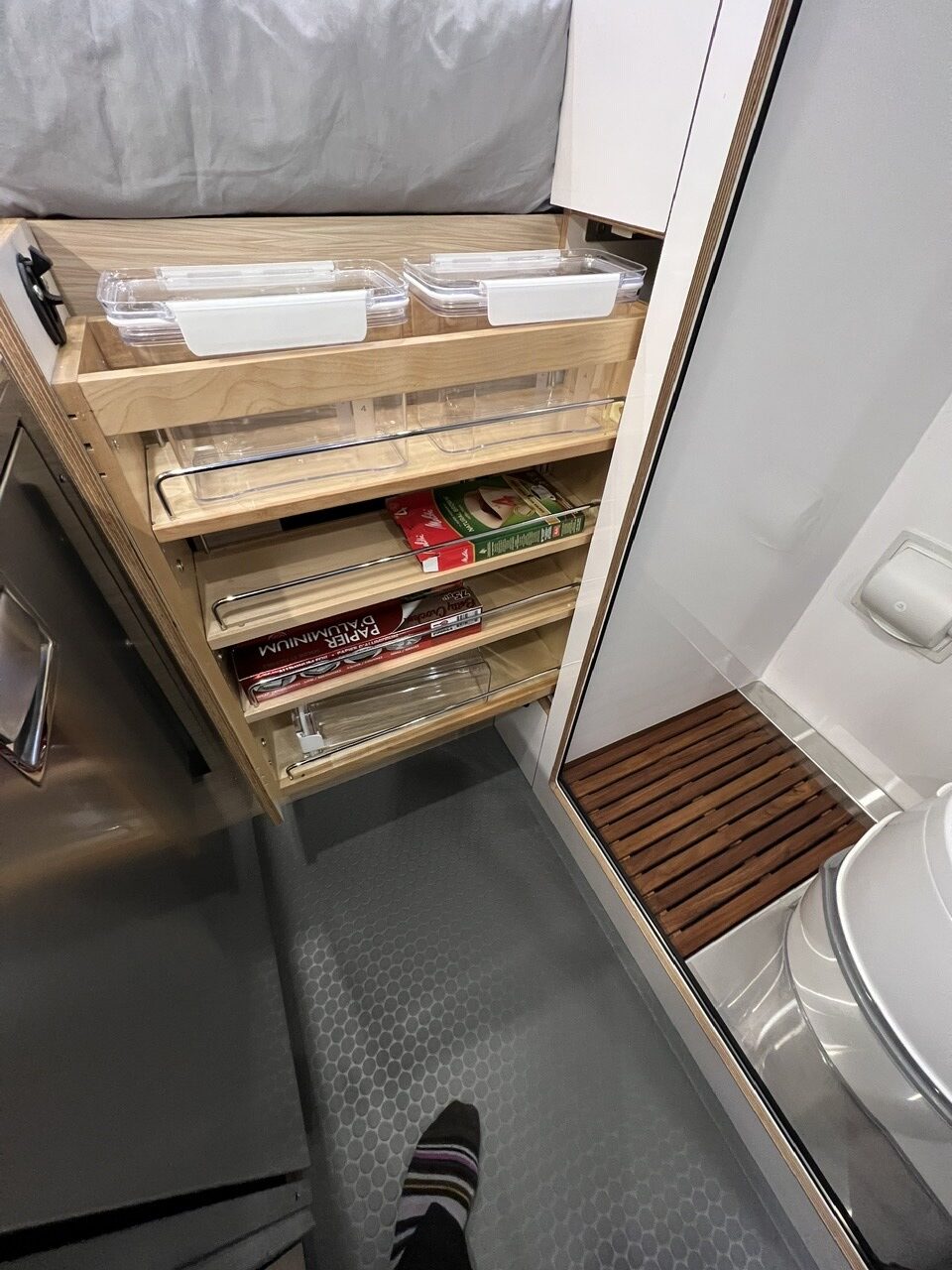
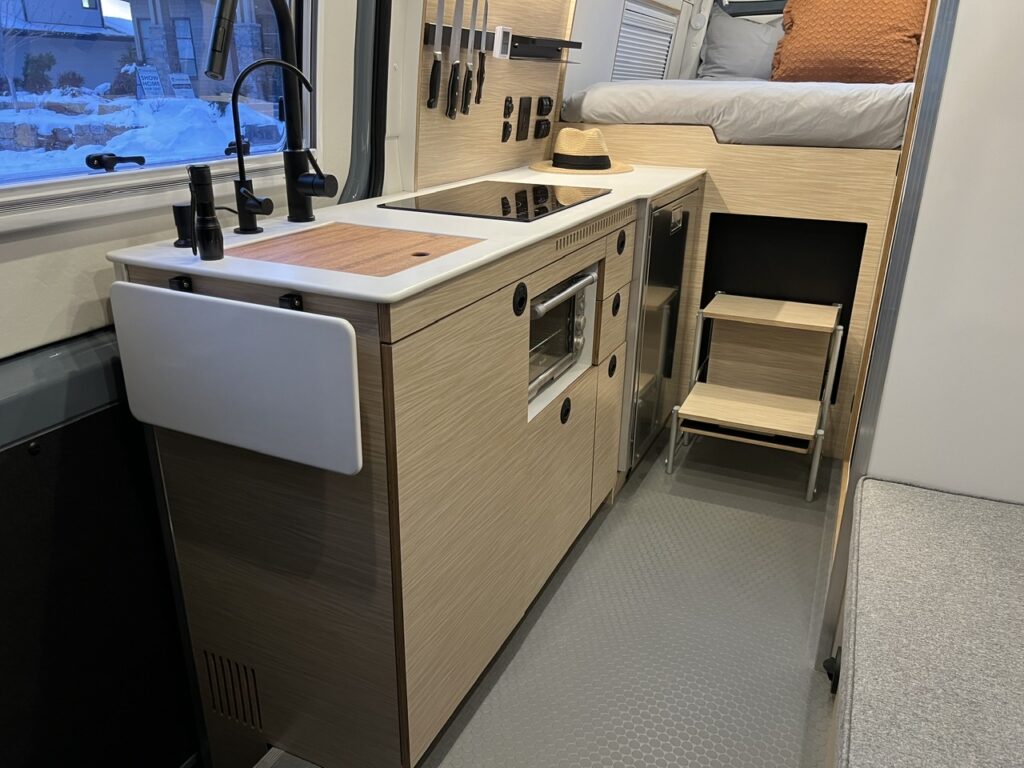
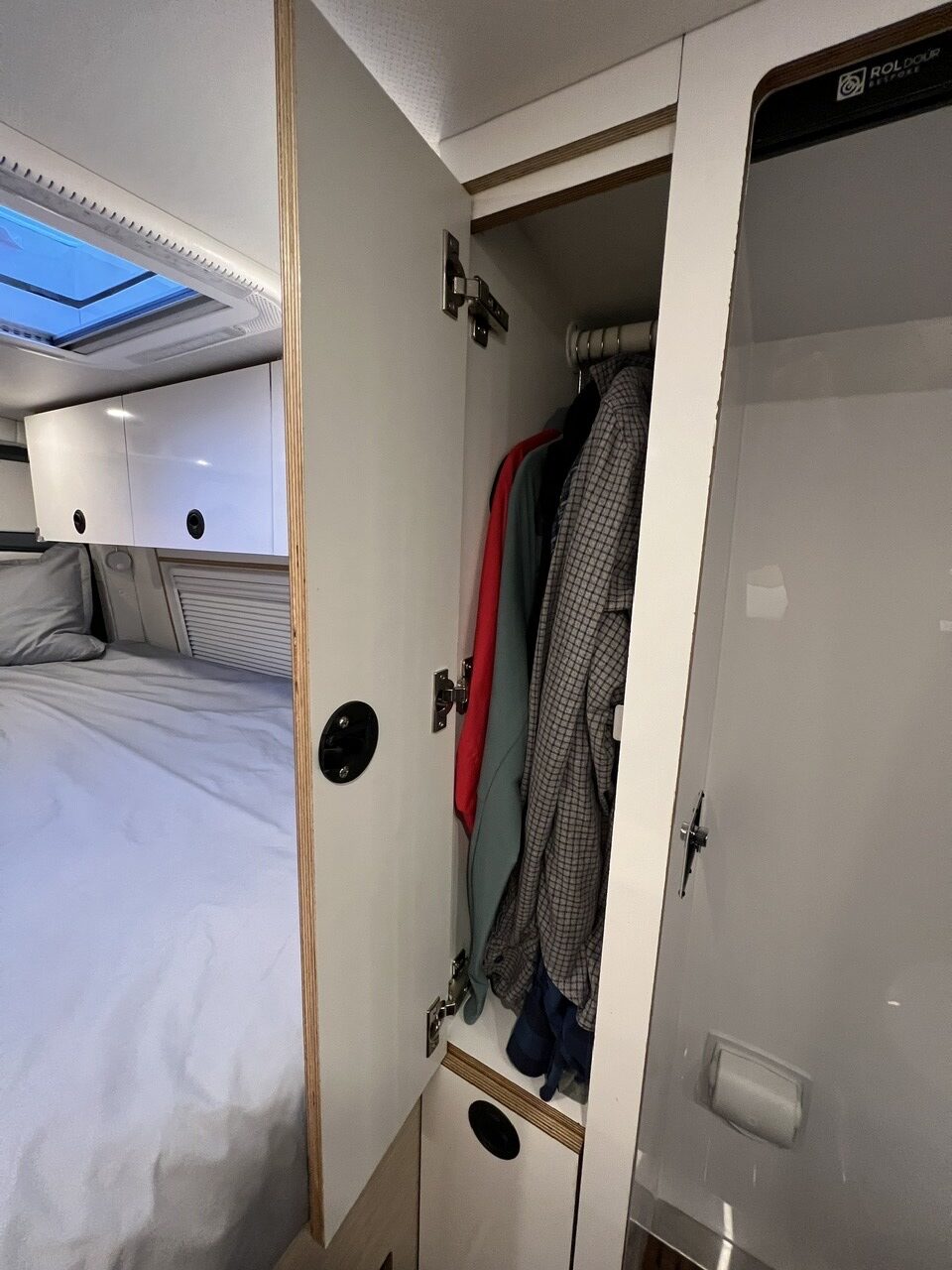
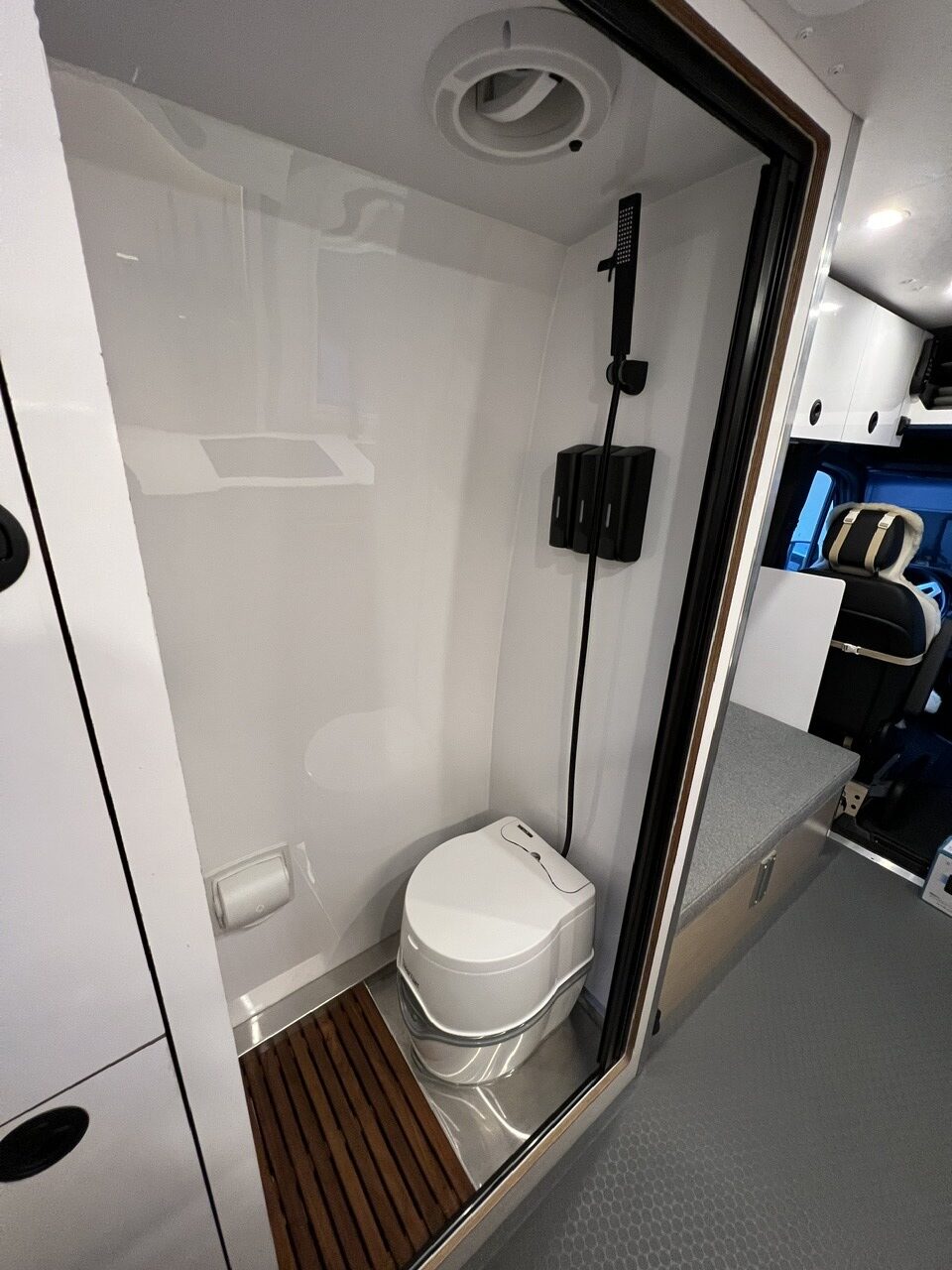
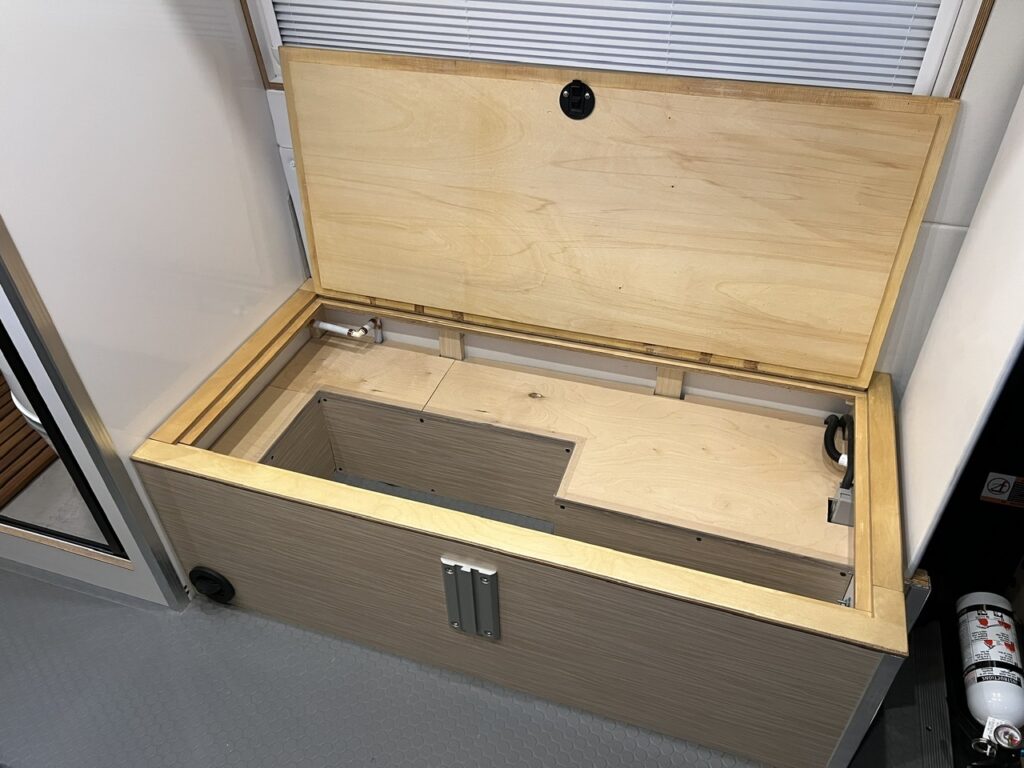
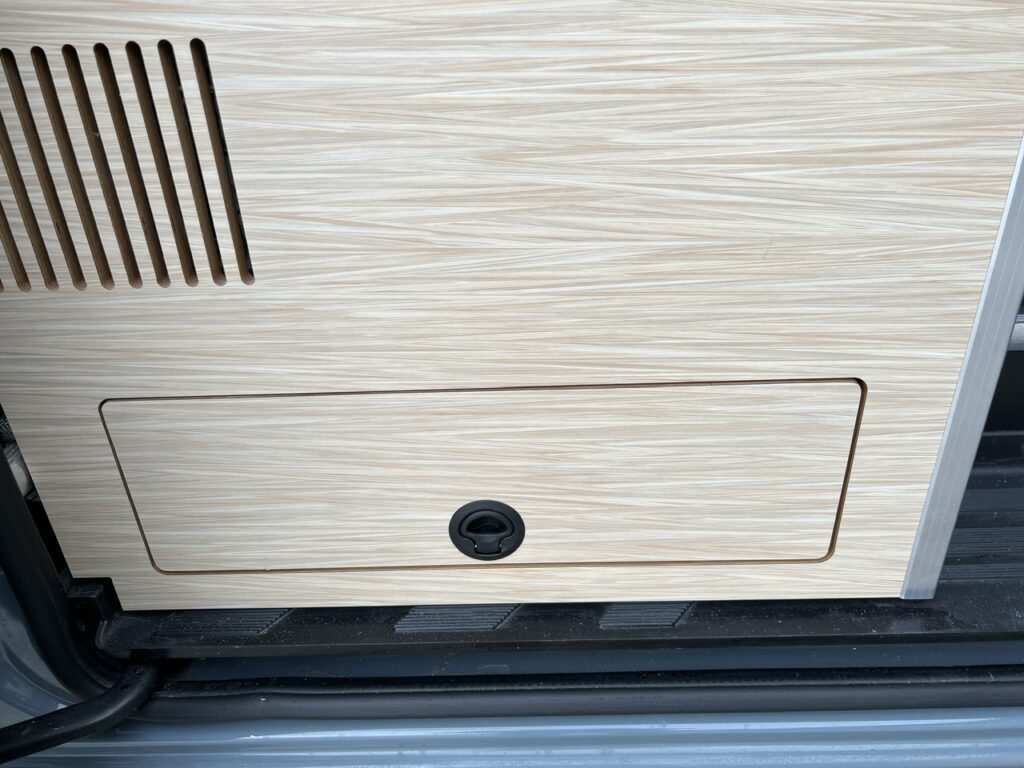
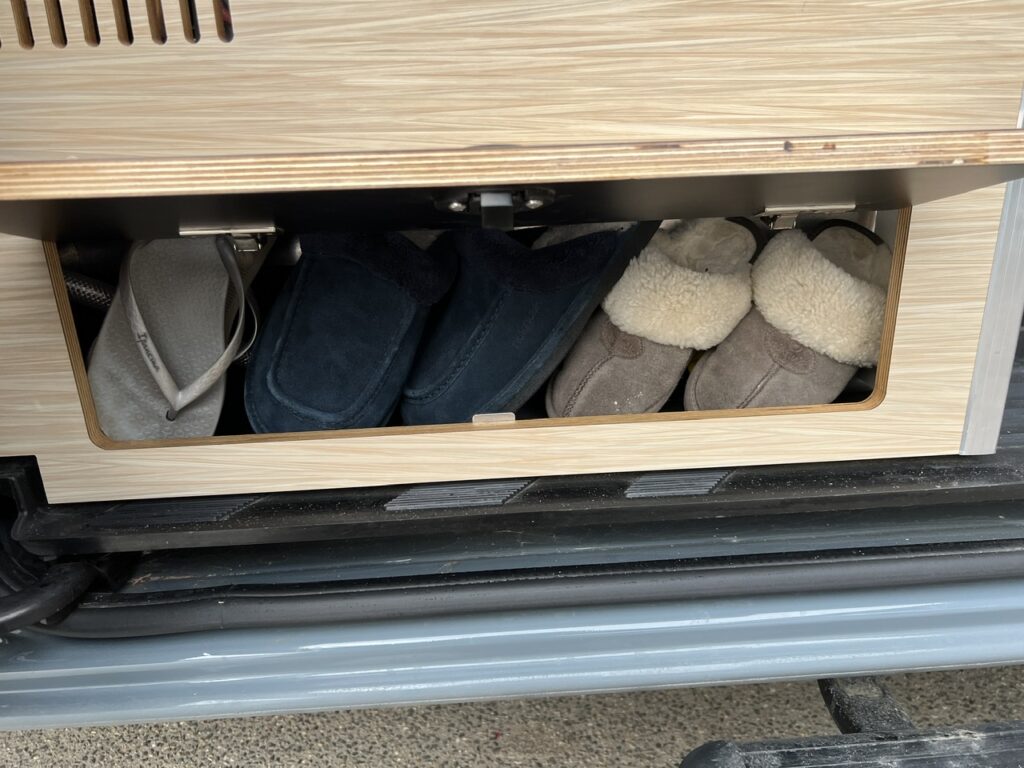
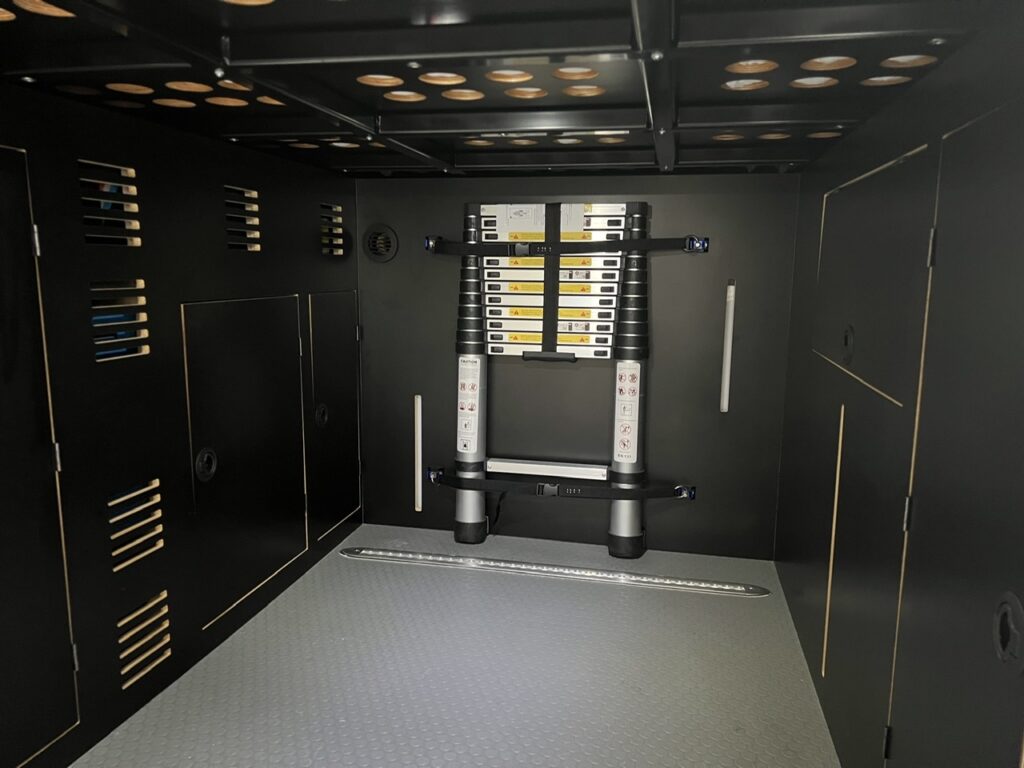
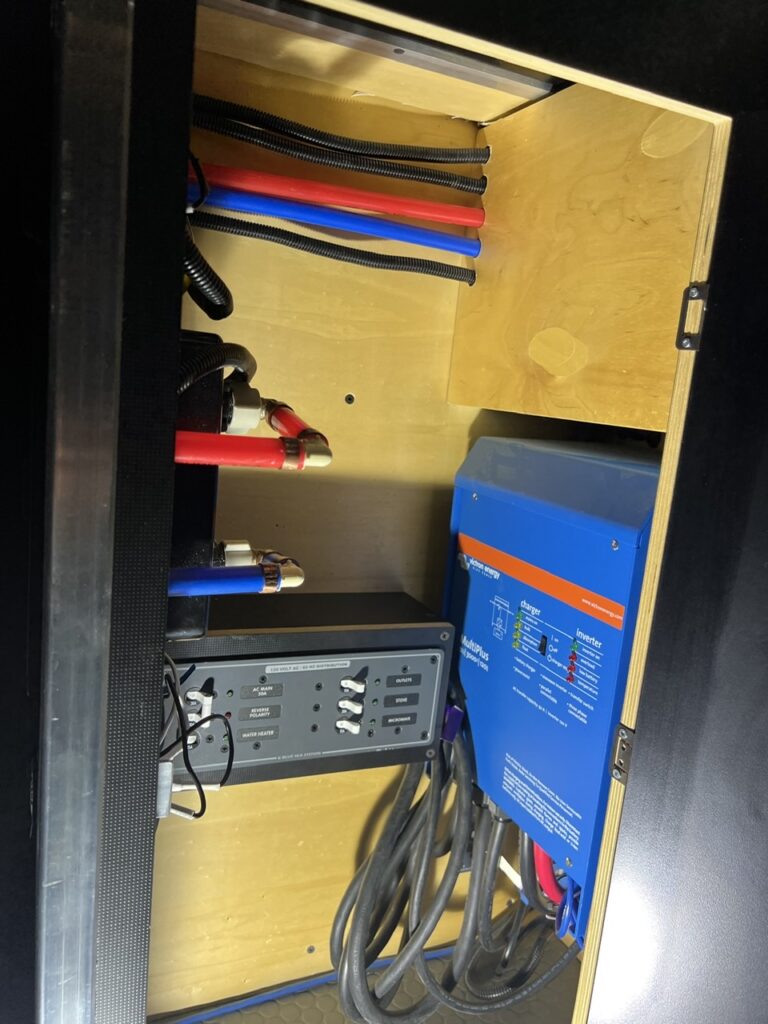
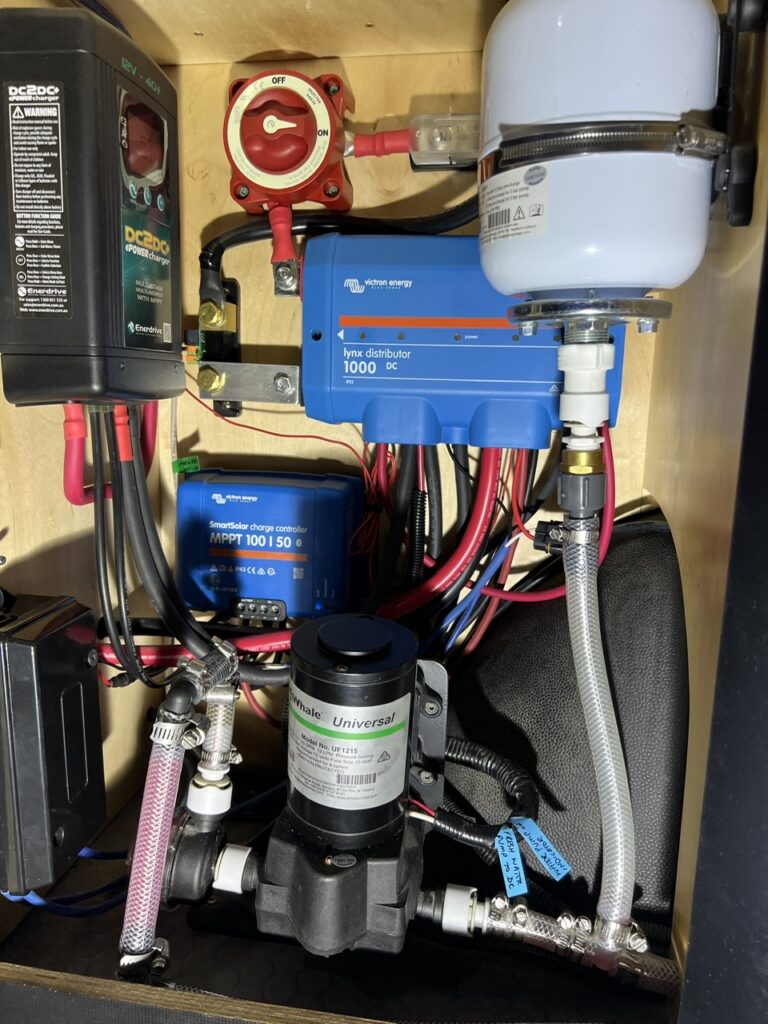
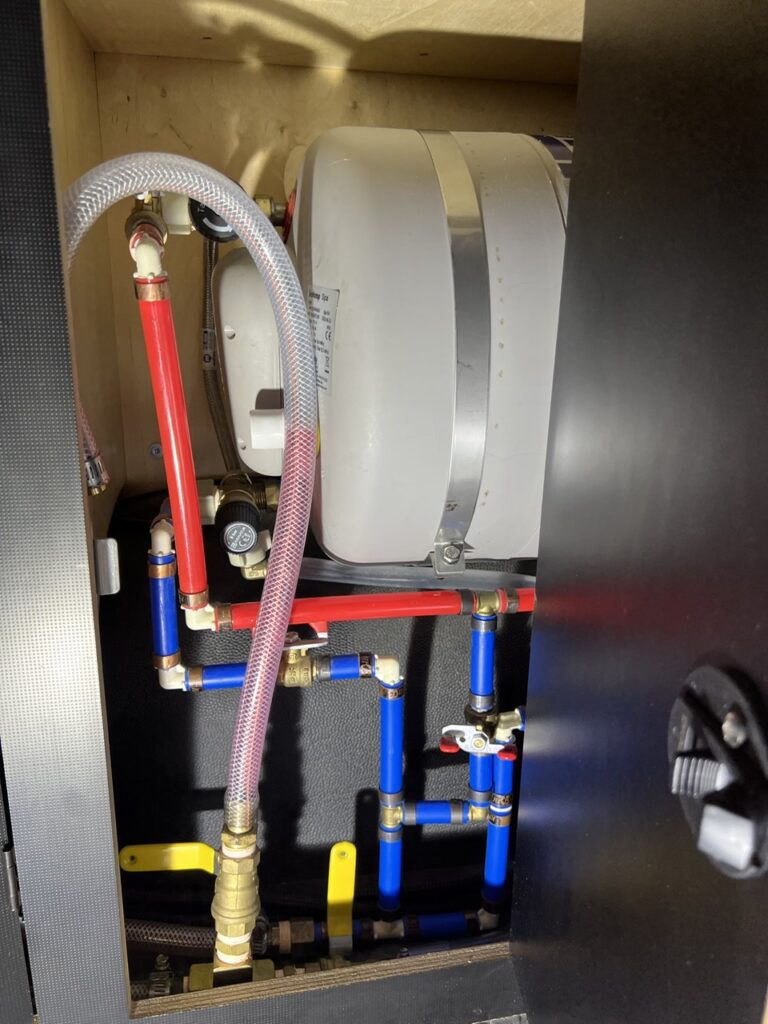
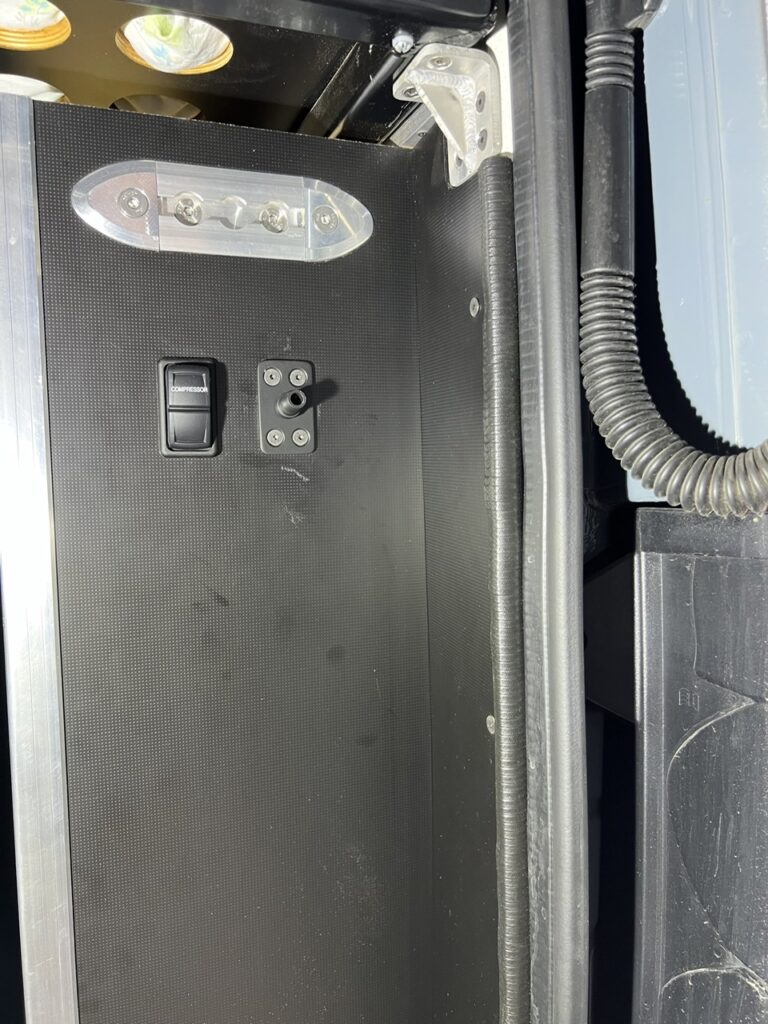
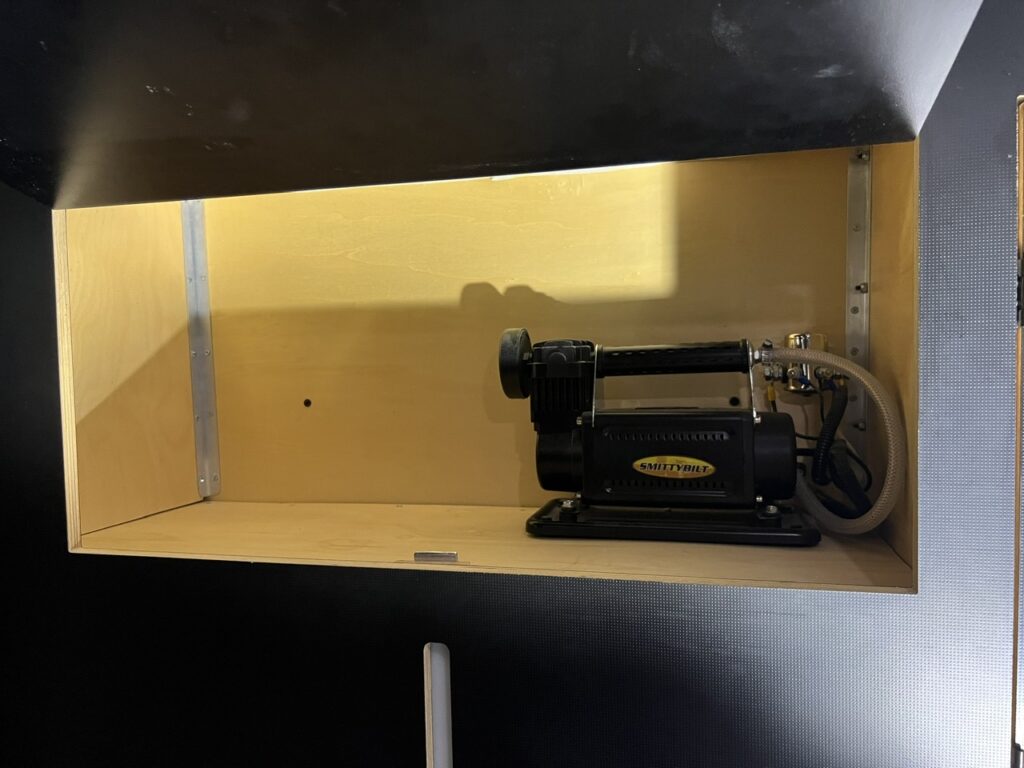
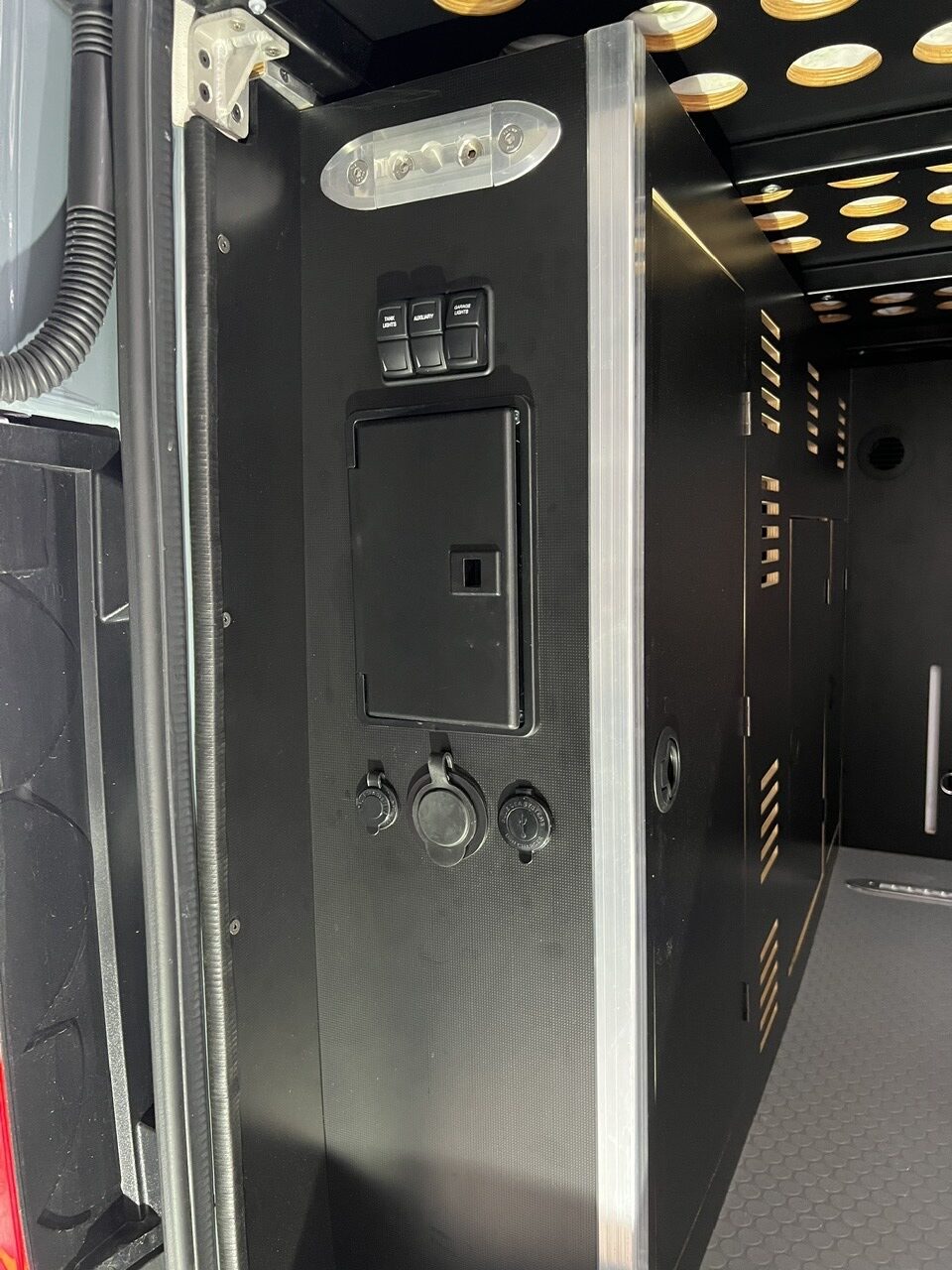
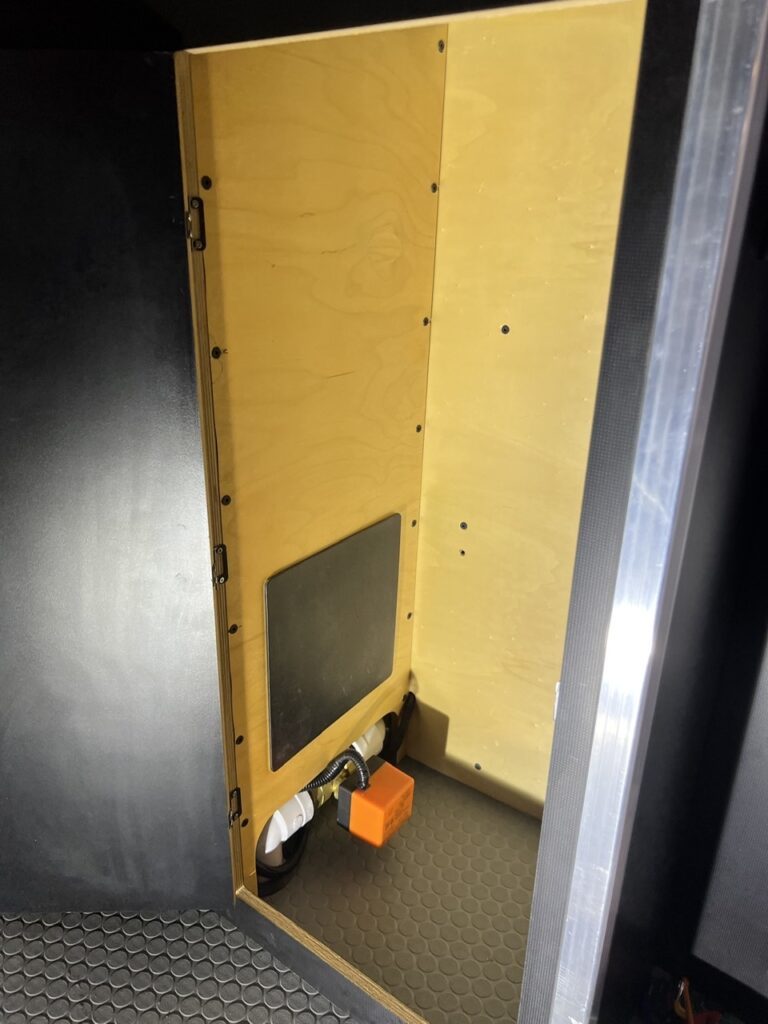
Driver side, 700 watts of solar panels visible on the roof ( 300 watts of external detachable panels ). Should be ample to power our small AC unit on a very sunny day or at least slow the draw on our battery system.Van from rear. Graphics by Patchwork Productions in Victoria, BCInside, looking to rear. Maxxfan above kitchen, skylight above bed. Counter is white Corian, solid surface, cabinets are 5/8” laminated Baltic Birch. Southco style marine snap latches on all cabinet doors.Insulated panel to close off the sleeping area. AC is ducted in on a hot night to concentrate the cooling around the bed, and during the day it seals off the sleeping area concentrating cooling in the living areaFront captains chairs ( covered in sheepskin for comfort in hot/cold weather ) both swivel. Insulated reflective panels cover the windshield and both side windows. These have proven very effective at insulating and provide 100% privacy when parked at night. Stored in cabover shelf ( above ) when not in use .We opted for a Lagun swivel/ height adjustable table and used the same Corian top for the surface. The table mounts either in front of, or at the end of the sofa for multiple seating configurations All windows have built in insect screens/privacy blinds and are awning style acrylic.Double burner induction cooktop. Early days but we are loving it. Fast, easy to clean, and …..no propane ! Vents underneath are for the induction cooling fansToaster oven. Lois bakes bread so we opted for the toaster over vs a microwave. It’s been very handy.Bed is a full width ( 60”) queen. Scirocco fan ( folds down ) is at right and just visible is the heating duct that brings hot air from the diesel heater to the bedroom. Skylight above keeps this part of the van bright.Fridge is a stainless steel Vitrifrigo C130 ( 130 litre ) model with separate compressor. More space inside the fridge and easier access to the compressor ( behind big cabinet drawer ) in the event of any mechanical issue.Steps to bed are recessed into the mid-van bulkhead when not in use. Lower cabinet drawer to the right is the kitchen pantry which slides out for accessPantry extended.Steps to bed shown in the down position. Kitchen sink includes main faucet, dedicated drinking water faucet and soap dispenser on the end. Magnetic knife bar, spice rack visible on the kitchen wall.I promised Lois a closet ( I didn’t say how big ). Full shower with ( removable ) wet toilet and sliding ( vertical cassette ) Rol’dour waterproof fabric “door”. Shower pan was custom made of stainless steel with a lowered ( teak platform ) area for standing. Heat is ducted into the shower (beside the toilet) so that wet clothes can be dried when the door is closed. Think a very slow dryer ! Dedicated shower fan above. Shower finish is white acrylic.Boxed-in area under sofa is for the diesel heater and associated insulated ducting. Our 1100w air conditioning unit is stored in the large cutout area. Ordered too late for shipment to Canada , it will meet us in Australia.Shoe storage door below kitchen cabinet in doorwayCozy, but room for a few pairs……“Garage” area at rear of van under the bed. Batteries, electrical components and hot water tank behind doors on the left side. There is a 40 gallon custom made vertical fresh water tank behind the expandable ladder and 22 gallon internal waste water tank on the right. Thin vertical cutouts are for visual water level checks in the event the electronic systems fail. Both these tanks are inside as the garage is heated ( see duct at top left ) making 4 season camping possible. We survived -26.5 celsius crossing Canada and nothing froze in there. There is an additional 20 gallon ( 3 season ) waste tank under the drivers side of the van. We had expected there’d be room for 2 bikes. Not a chance with all the stuff we have since put in here !Victron 3,000 watt inverter charger and Blue Sea AC distribution panel in the main electrical cabinet.Secondary electrical cabinet contains other Victron electrical, and solar components (above) with the Whale electric water pump below. Pink antifreeze still visible in lines when this pic was taken. Enerdrive 40amp DC/DC charger on left.Indel 15 litre electric hot water tank. This can be configured ( and will be later ) to heat the vehicle water supply from the heat of the engine ( when it’s driven ). Well insulated, the water will stay hot enough for a shower all day. Ours is timed to automatically heat the water early in the am each day before we get up.Compressor is mounted inside the garage, controllable from rear wall of garage, right side.Compressor is mounted to the garage cabinet floor and is hard-wired to the van 12v system. Additional room in the cabinet is for general storage and spare parts.Left side of garage: 120v AC, USB, and 12v outlets, along with an external shower outlet.This cabinet usually contains our laundry bag, hung from the top. Dirty clothes can be dropped down a chute from beside the bed above. Visible below ( the orange box ) is a motorized ball valve that allows waste water ( from the tank beside ) to be released by an electric switch in the kitchen. No need to climb underneath and turn levers to empty the tank…!
In a nutshell, that’s our rig. We had the following priorities for the van itself:
A van that was sold all over the world with a configuration big enough to live in for extended periods
It had to have 4×4 ( high and low range ideally )
It had to be diesel
The Mercedes Sprinter 170 4×4, 3.0 litre V6 turbo diesel was the ONLY vehicle in Canada that met all three criteria. Choice was simple – and I have always admired them having met countless overlanders travelling with them over the past years
We also had certain requirements we needed for the internal layout/design based on years of past experience:
A toilet and shower
A north/south bed ( sleeping lengthwise in the vehicle, not “across” )
Induction cooktop – we wanted no propane given the shipping headaches and hassles of travelling abroad with it
Diesel heater
As much solar as we could put on the roof and a big lithium battery system to comfortably drive an electric water heater and induction cooktop ( and a small AIr Conditioner for when we are plugged in )
We managed to design it with all this included and are very happy with the layout so far. But, it’s early days. I’ll provide more commentary in the weeks ahead regarding the actual van build process ( perhaps over our Christmas/New Year break at home ) and a van “review” update a few months down the road- for now it’s time to enjoy what we have built !
Good morning folks ( or perhaps it’s afternoon or evening, depending on where you are ) ! It’s been some time since our last update ( back in April this year ) when we crossed back into Canada from the US, thus completing our 61,000km Pan American odyssey. Seems like just yesterday, but much has happened since – where to begin ?
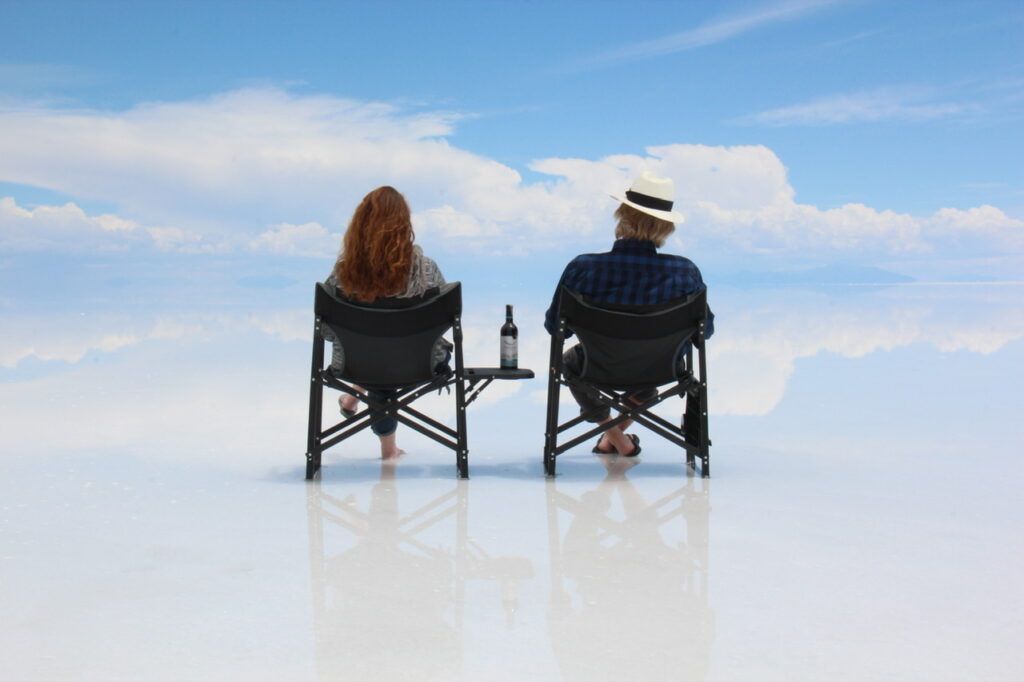
Our favourite shot, and new web site header……Salar de Uyuni, Bolivia
The first thing readers may notice is a much overdue update to our website – many thanks to Samantha for helping out with the revamp ! One of the things that needed changing was the front page – our truck camper barrelling down the Dempster highway trailing a cloud of dust just seemed a bit “old hat” . In its lieu we opted for what was ( and still is ) out favorite still image of the Pan American highway – Lois and I, sitting on our camp chairs with a bottle of Chilean red, contemplating life in the pristine whiteness of the Salar de Uyuni ( high in the Bolivian Altiplano). Simply heaven ! Indeed, folks have commented that it looks like we are in heaven ( a good omen perhaps – let’s hope we get there one day !! ).
Regular readers will recall that during our “Covid hiatus” (April 2020-October 2021), with the truck camper “parked” in Chile, we returned to Canada. During that time we purchased a Sprinter 4×4 and began the massive task of camperizing it. Quite honestly, had I known what an undertaking it would become I’d likely not have tackled it ( what is it they say about “fools rushing in…..” ? ). Suffice it to say a full year after purchasing the rig the conversion was still only half done and we left it in that state when we returned to Chile in November last year. Coming back to Canada this year then, we had a truck/camper to sell and an incomplete Sprinter 4×4 to finish- with a goal to do both by November so we could take a pass on the coming Canadian winter and be “travel ready” again.
Sue and Darrell with their new rig !Gone, but not forgotten……Our new van, purchased as an empty cargo van from Mercedes in Calgary, September 2020.
Very good friends had expressed serious interest in the truck camper ( while we were still travelling with it in South America ) and shortly after our return to Kelowna a deal was struck – Sue and Darrell are now the happy new owners of our old rig ! A treat for them to get a combined truck and camper all set up ( and a vehicle they knew well ) while also a convenience to us since we did not have to split the unit up and find buyers for the component parts. We were pleased that the rig, which had served us so very well, had found a nice home – and it really was more a “home” than just a vehicle ( certainly to us ) since we had lived in full time it for 15 months.
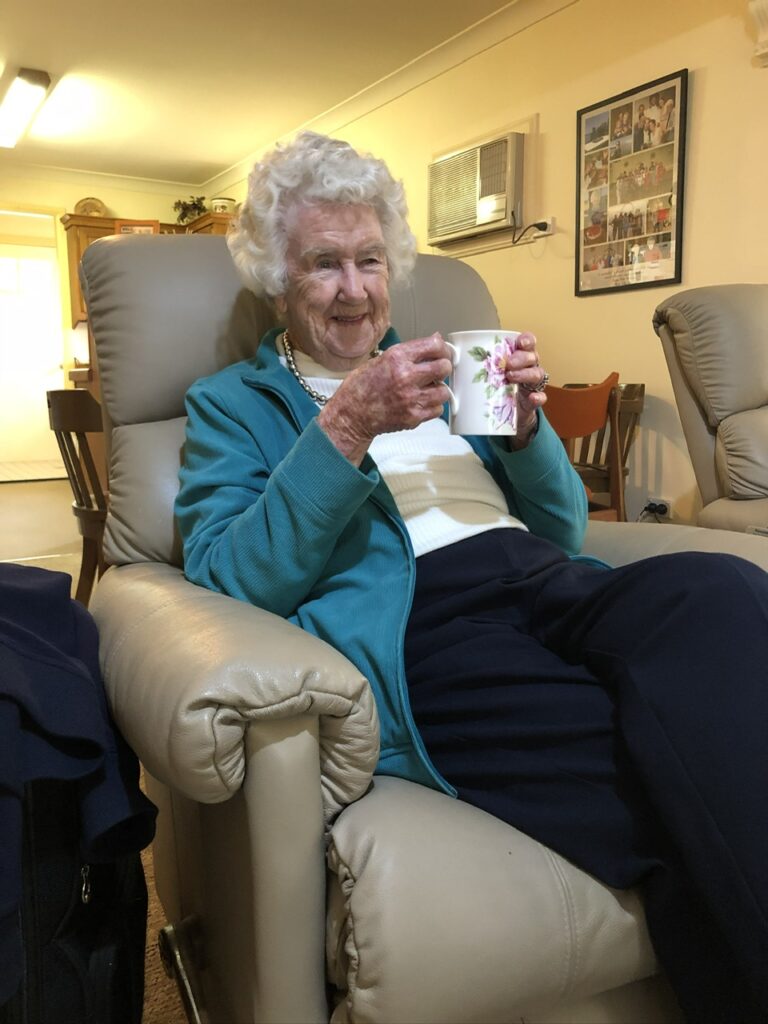
Our old rig now sold, from May onwards we have worked more or less full time finishing the Sprinter build. Full time that is, with the exception of three major events this summer ( two unexpected and very sad, the other long planned and, fortunately, very happy ). While our daughter’s wedding on September 4 ( the “happy” event), was the highlight of our summer, my family was devastated to lose our 94 year old mother to a sudden stroke in late June. Lois and I were fortunate to get to Australia and to be able to see her before she passed but her death has left a gaping hole in our families lives. We miss her greatly and think of her every day. Our sadness, though intense, is tempered by the knowledge she lived a very long, healthy and happy life – we should all be so lucky.
Jackie and Barrett My mother
Our return to Australia gave us a wonderful opportunity to spend quality time with many of our family and friends, but also reminded us what a huge place it was, how rather superficially we had explored it and what a great place it would be to travel in a 4×4 Sprinter van. The plan then, was hatched – assuming we could get the van complete by early November, we’d ship the van to Australia in December and spend 2023 ( or most of it anyway ) travelling “Downunder”. We’d push Africa a little further out in the future ( for reasons I will explain later ).
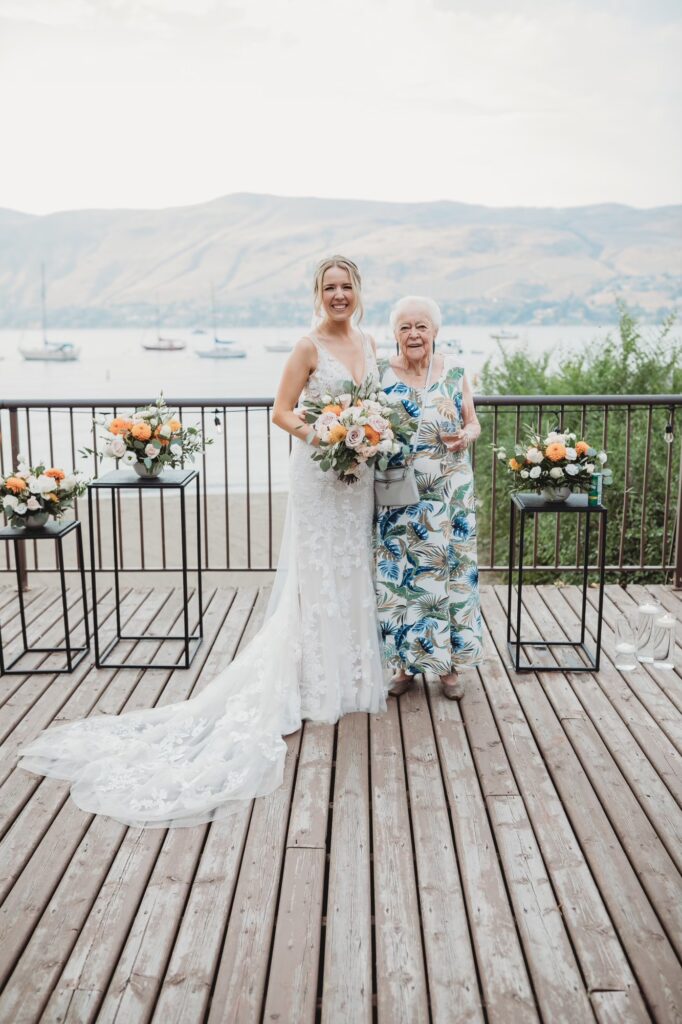
Towards the end of October, as I was wrapping up the Sprinter conversion, Lois’s mum also took ill. Like my mum, she too had just turned 94 ( an amazing coincidence in itself ) and sadly, on November 10 she also passed. We were devastated to lose our last two parents in the same year but thankful they both had such long, rich ( and largely healthy ) lives.
Lois’s mum at Jackie’s wedding. Sadly, she would pass just 2 months later.
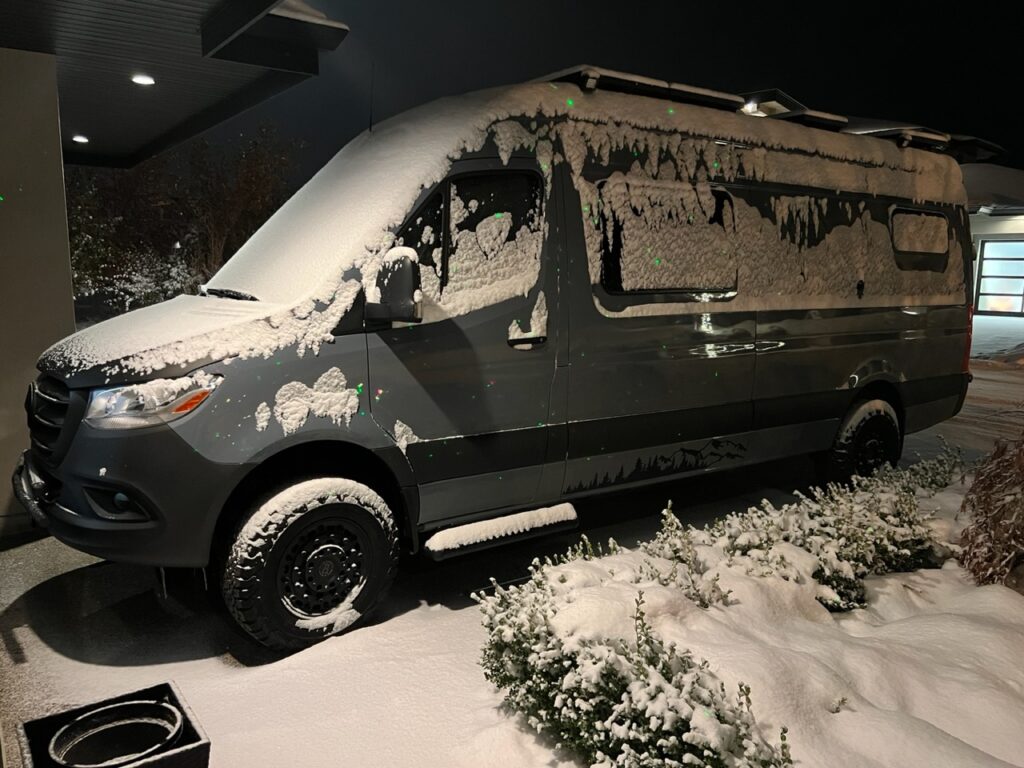
I’ll close with the good news that, despite a rather eventful last 7 months as you can see, we did finish our van and on November 30 ( yes, we made the November deadline – just !! ) we set off for Australia with it. Not, I might add, on the most direct route, exactly, but one which ( hopefully ) will deliver our van to the “Land Downunder” by January 2023. Details to follow !
The new van, covered in snow, about to set off for Australia
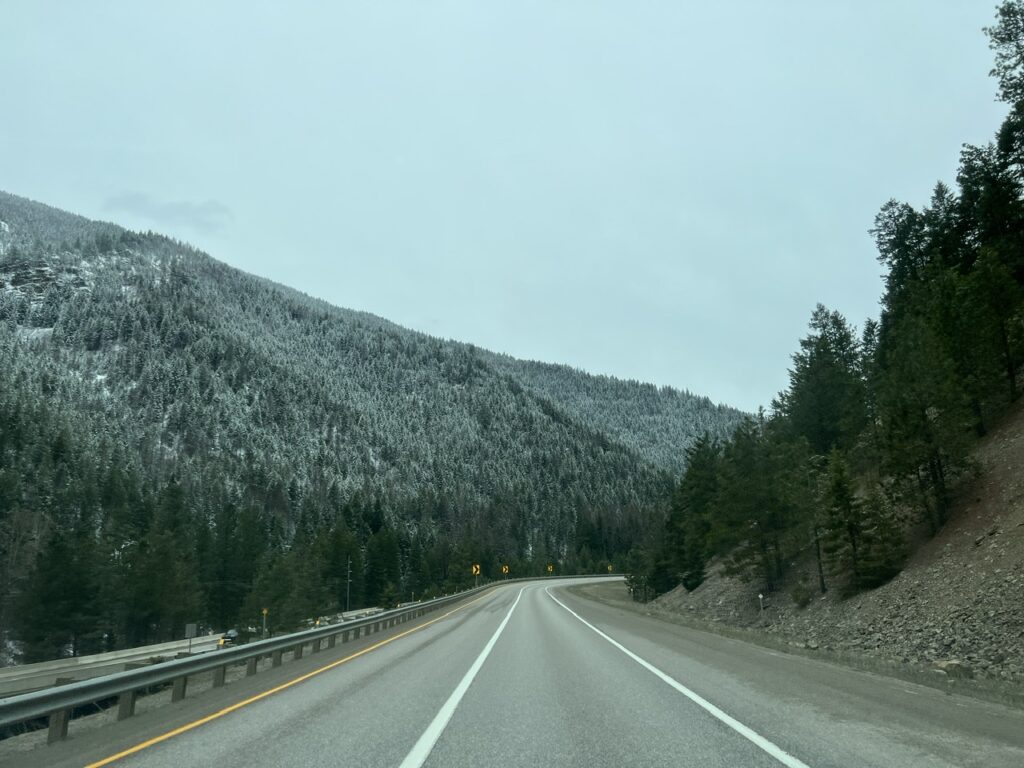
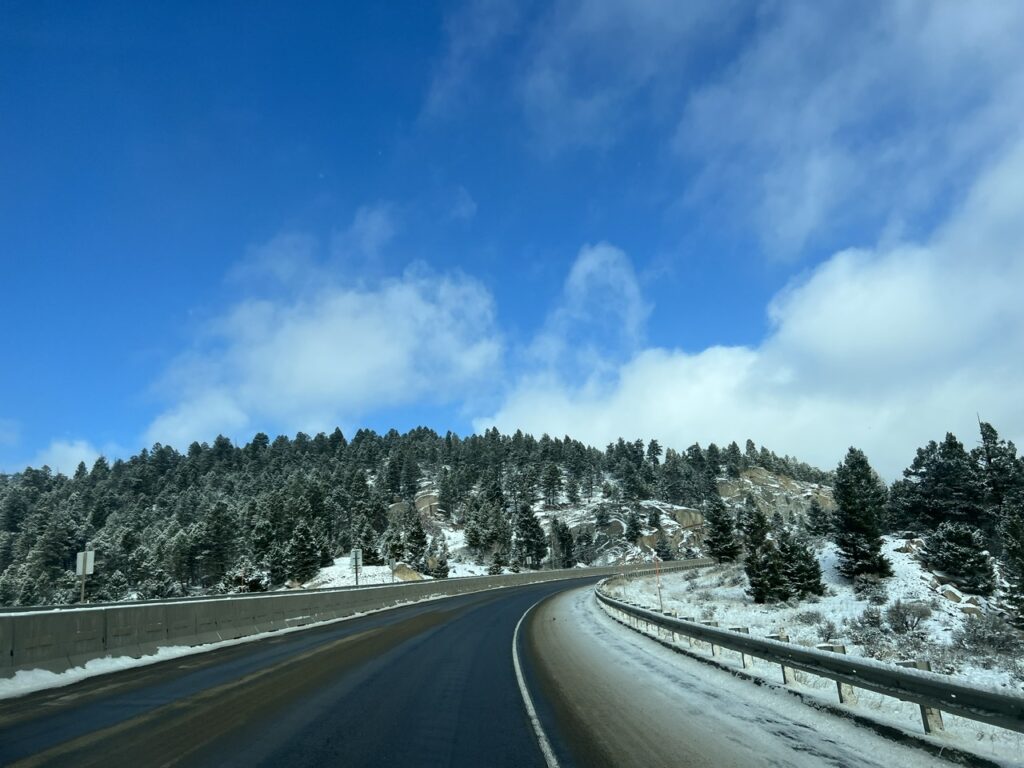
Montana’s always been one of our favourite states, particularly the Rocky Mountains side bordering Idaho. Pretty anytime, especially in April with a late season dusting of snow, we made a couple of stops, first in Bozeman then again in Missoula. Missoula has some great outdoors/camping stores giving us the opportunity to do a little “replacement” shopping after the theft during our vehicle shipment.
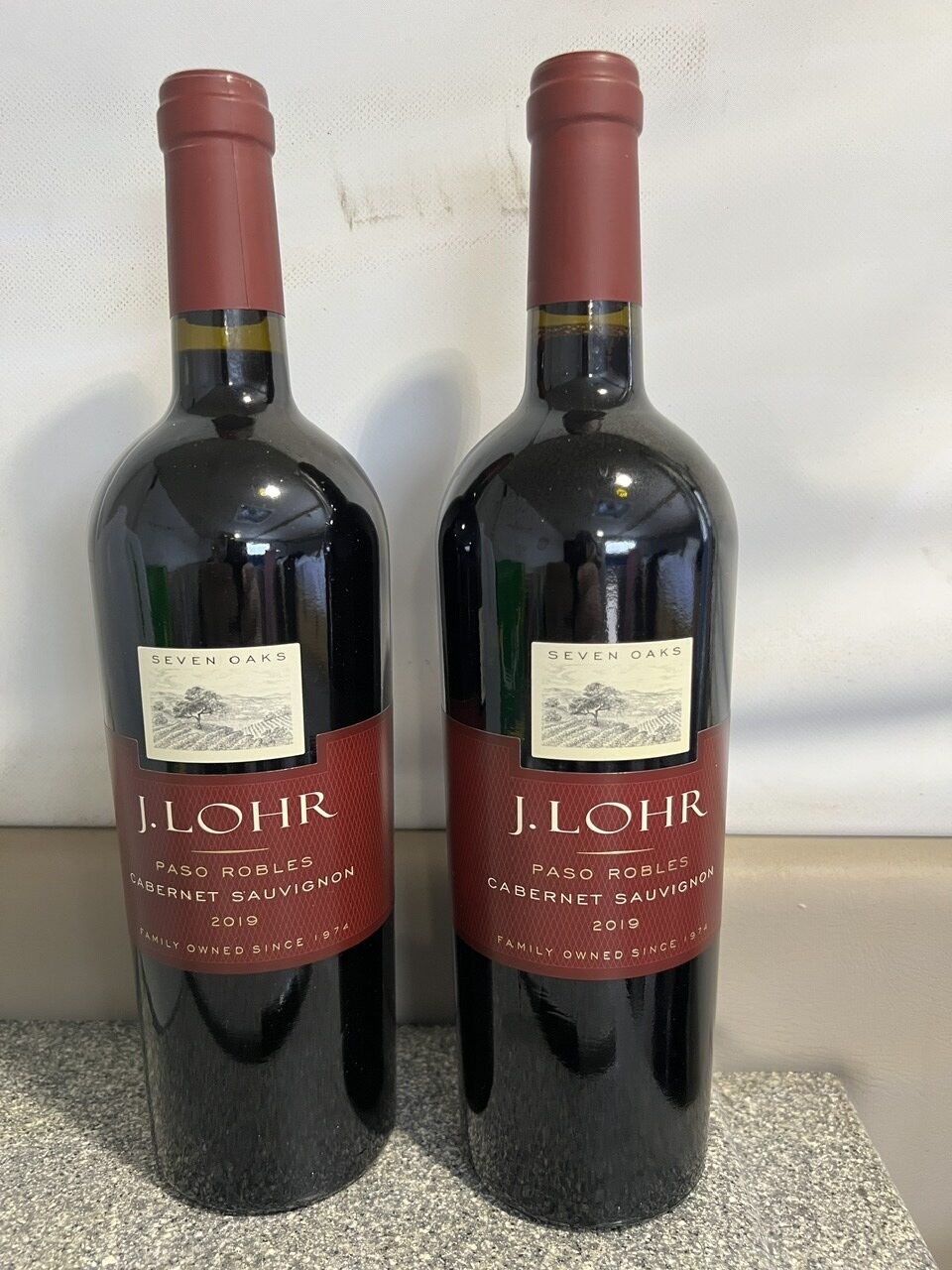
Camped in Bozeman, Montana – warmer than Wyoming, but it was still snowy.Montana, in the west at least, with so many trees, was a welcome respite from the barren hills of Wyoming.We even started to see blue sky in Montana – Colorado and Wyoming had mostly been overcast.Lois managed to find a couple of bottles of J. Lohr, one of her favourite reds. I settled on a case of Mexican beer. The American’s are spoilt with selection and price – we were envious ! Took our full quota back to Canada.
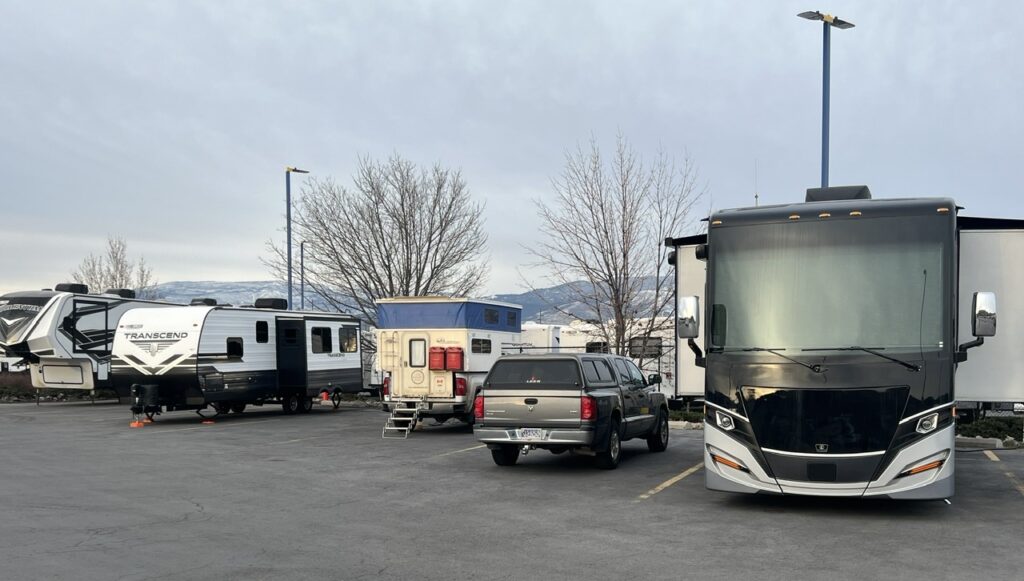
We’ve stayed at some weird and wonderful camping spots over the course of this journey and Missoula provided one more to add to the mix – an actual RV store ! A first for us and a more comfortable nights sleep we have not had in a while – iOverlander mentioned Bretz RV & Marine as very highly rated – a place that welcomed campers for a night, provided electricity, water and a dump station, all at no cost. Too good to be true we thought, but since it was near the shopping centre we ambled over to take a peek. Indeed, we were warmly welcomed to stay ( we had asked of course ) so over we went and set up for the night, along with 3 other like-minded travellers. We always like to support such generous businesses but having no real need of anything just two days prior to the end of our trip we were only able to take advantage of their propane top-up service – which was fast and friendly.
Bretz RV & Marine, Missoula who allow travellers to overnight in the security and comfort of their parking lot – with power provided. I’d say the best boon-docking experience of the trip !
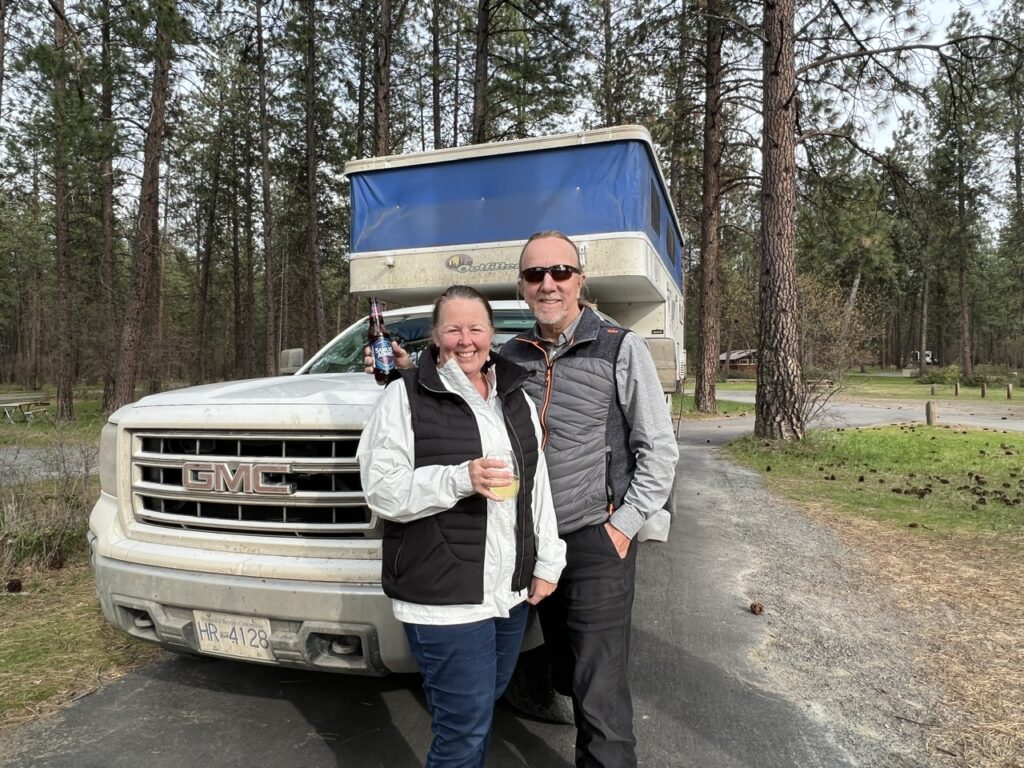
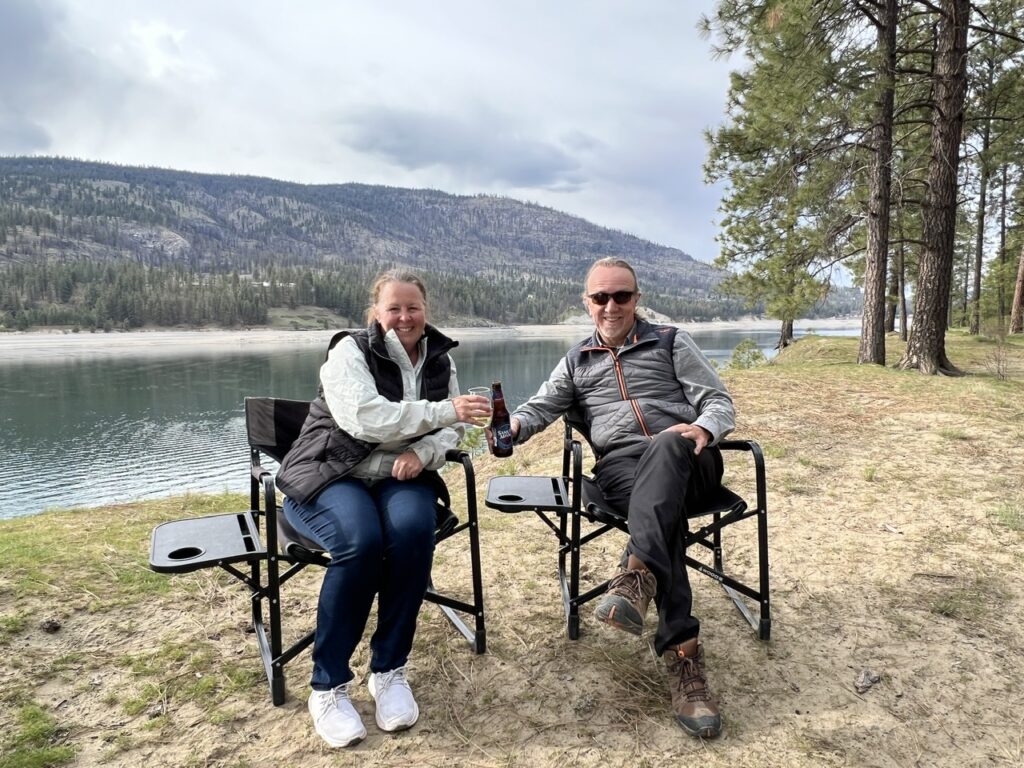
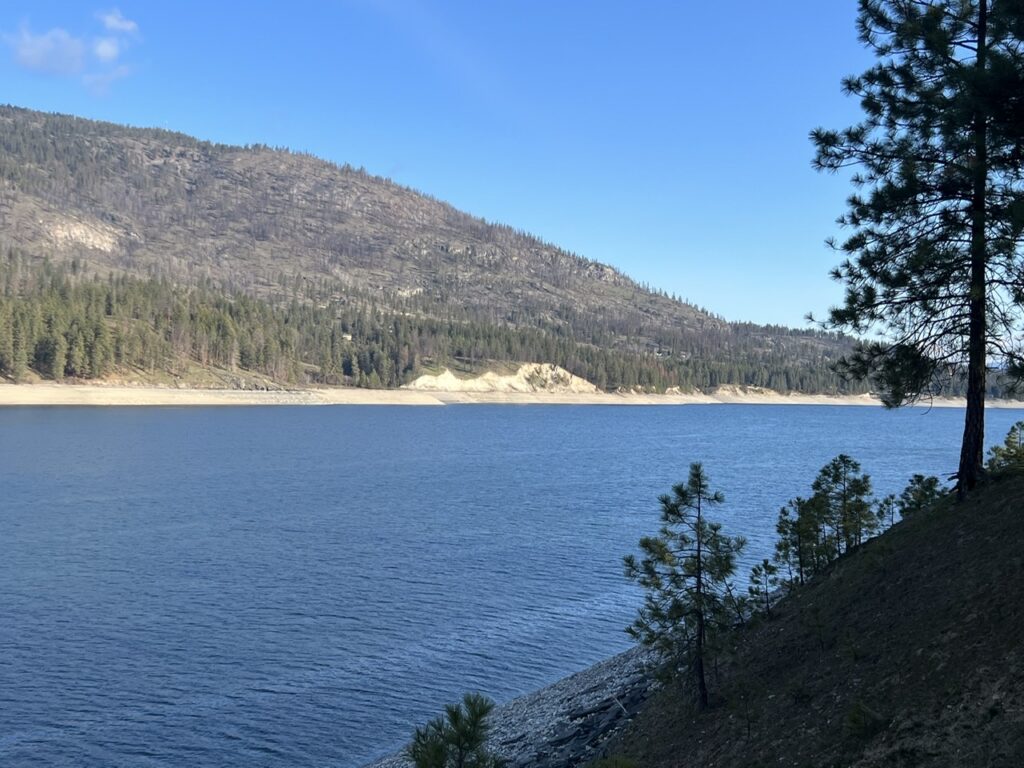
Not long after passing the Continental Divide we crossed from Montana into Idaho’s ”panhandle” ( briefly ) before reaching Washington state at which point ( in Spokane ) we turned north on Route 395 for Canada. A bit late to make it all the way home from Missoula so decided to spend our last night in the US ( our last night of this amazing journey ) in beautiful Kettle Falls National Campground on the Colombia River. On a cool, but fortunately not freezing, night we sat enjoying the beautiful view of Lake Roosevelt and toasting to the many memories this incredible journey has given us – we reflected on the wonderful people we’d met, places we’d visited and things we had done. Quite simply just a ton of fun and excitement – there’s not much we’d change ( well, actually yes there is – we could have done without Covid 19 ! ).
After 10 days on rainy and snowy Interstate’s the truck was in desperate need of a clean – but it could wait till we got home !Kettle Falls National Campground, on the Colombia River ( which forms Lake Roosevelt in this area ).
Colombia River.
It was a short run to the border the next day and after a little delay there ( we’d forgotten to complete our “ArriveCan” apps ) with an unusually surly border officer we were welcomed home. Two hours later and we were pulling into our driveway. Hard to believe that it was just a month shy of 3 years ago that we set off from the very same driveway – much has changed in the world since. I’m sure that within a few days we’ll be pining for the open road again but for now it’s certainly great to be with family, and see familiar faces and places. After so long in a camper it’s astounding how big our house suddenly feels..!
Highway 33 to Kelowna – it even snowed here in places. Snow, right till the very end !
What’s Next: We plan to enjoy a beautiful Kelowna summer with family and friends and prepare for our daughter’s wedding in September. I also have a ( rather large ) project I am working on ( details later in the year ) that will likely take 5-6 months. In a “perfect world” and all going well ( a proviso that Covid had taught us to make ! ) we hope to be ready to blast off again by November. Stealing a line from Anthony Bourdain, at this point it is somewhat of a “Destination Unknown” but the seasons would certainly favour international overland travel in our vehicle somewhere in the Southern Hemisphere 😊. More details later in 2022.
On behalf of Lois and myself, if you have been reading along, thanks for joining us for the experience – we hope it has been at least occasionally entertaining, periodically informative, and might even have served as an inspiration for some to pack your van/truck/camper/ motorcycle and venture forth on your own overland adventure. We love the comments and respond to all so please, keep them coming ! We will re-start the weekly blog as soon as we get going again later this year.
Post Script: If a selection of curious stats and facts, random trivia and a summary of shipping details doesn’t float your boat then by all means sign off this final blog now. This final ’addendum’ is provided mostly for the benefit of a number of our followers who have reached out to us during our journey in search of more specific information to assist them in their own plans for a Pan American overland adventure. Enough have asked, and the questions were mostly similar in nature, that I felt a brief summary here might help. If you are in that category, I hope the following is of some value – enjoy 😊 !
Wrapping up a significant overland venture there’s a bit of a tradition to provide a selection of journey facts and stats and a little trivia – to ”pay it forward” as it were. Hoping the following will sate some of the curiosity out there !
Trip Trivia:
Days on the road – 410 Kilometres/miles travelled – 61,348 / 38,120 Average kms/miles per day – 149.6 / 92.9 Average fuel economy – 16.9 L/100km ( 13.9 miles per US gallon ) Amount spent on fuel ( biggest expense item, by far ) – $11,562 CDN / $9,192 USD Average price of gasoline – $0.89 USD per litre or $3.37 USD per US gallon Countries visited – 17 Shortest stay – 2 days ( Honduras : we only transited ) Longest stay – 3 months ( Argentina ) Top 3 countries – Argentina, Colombia, Chile/Mexico (tie for third!) Best coffee – Colombia (hands down! ) Best wine – Argentina ( Chile close second !) Best food – Mexico Favourite city – Buenos Aires Least favourite city – Colon ( Panama )
Top 5 Attractions ( not in any particular order ):
Merino Glacier, Argentina
Carretera Austral, Chile
Torres del Paine NP, Chile
Salar de Uyuni, Bolivia
Galapagos Islands, Ecuador
( Note: Machu Picchu, Peru would have been included but we had actually visited on a previous trip )
TripHigh: Actually, just completing the full PanAmerican highway, top to bottom ( which was always our primary goal ) – all the other sights along the way were a bonus. The PanAm had been a lifetime dream.
TripLow: Missing the Falkland Islands ( closed due to Covid ) and missing Brazil’s Pantanal ( we were simply there in the wrong season )
Shipping:
Some have asked us about shipping which, along with fuel, is the only other significant budget item on a trip like this ( everything else is inexpensive ). We spent $1,150 USD on ( our portion of ) a shared 40ft container crossing from Panama to Colombia. We spent a total of $6,286 USD shipping the vehicle (via RoRo) from Buenos Aires back to Georgia in the US, broken down to $1,350 USD port fees in Buenos Aires, $3,950 shipping freight to Georgia, $330 USD freight insurance, and $656 USD port related fees in Georgia. We could have saved about $300 shipping to Houston, Texas but Brunswick, Georgia was recommended as a safer/easier port to deal with ( ironically it did not matter as the theft likely occurred before the ship got that far – that said, Brunswick was very fast and easy to deal with ). So, our total shipping cost to cross the Darien Gap ( Panama to Colombia ) and to get the vehicle back to North America was $7,436 USD.
A few additional comments on shipping ( something we get asked about a lot ). Covid has dramatically increased shipping costs and limited shipping choices but these costs should go back down when the world ( hopefully ) returns to a semblance of normality ( 🙏). We got off VERY light crossing from Panama to Colombia ( most overlanders we met paid considerably more ) but we paid dearly for the trip home. Normally that return trip would have been about $1,500 less. We also crossed the Sea of Cortez in Mexico ( approx $450 USD ) but I did not include it since it’s an optional route, not an essential one – still, many folks do take that ferry and one gets to enjoy Mexico’s stunning Baja without having to backtrack all the way to the top of Baja ( we strongly recommend the ferry option – La Paz to either Los Mochis or Mazatlan ).
Back in our driveway where it all began almost 3 years and 60,000 kms ago. The truck and camper served us fabulously and remains in impeccable condition. Seen here after a thorough wash !
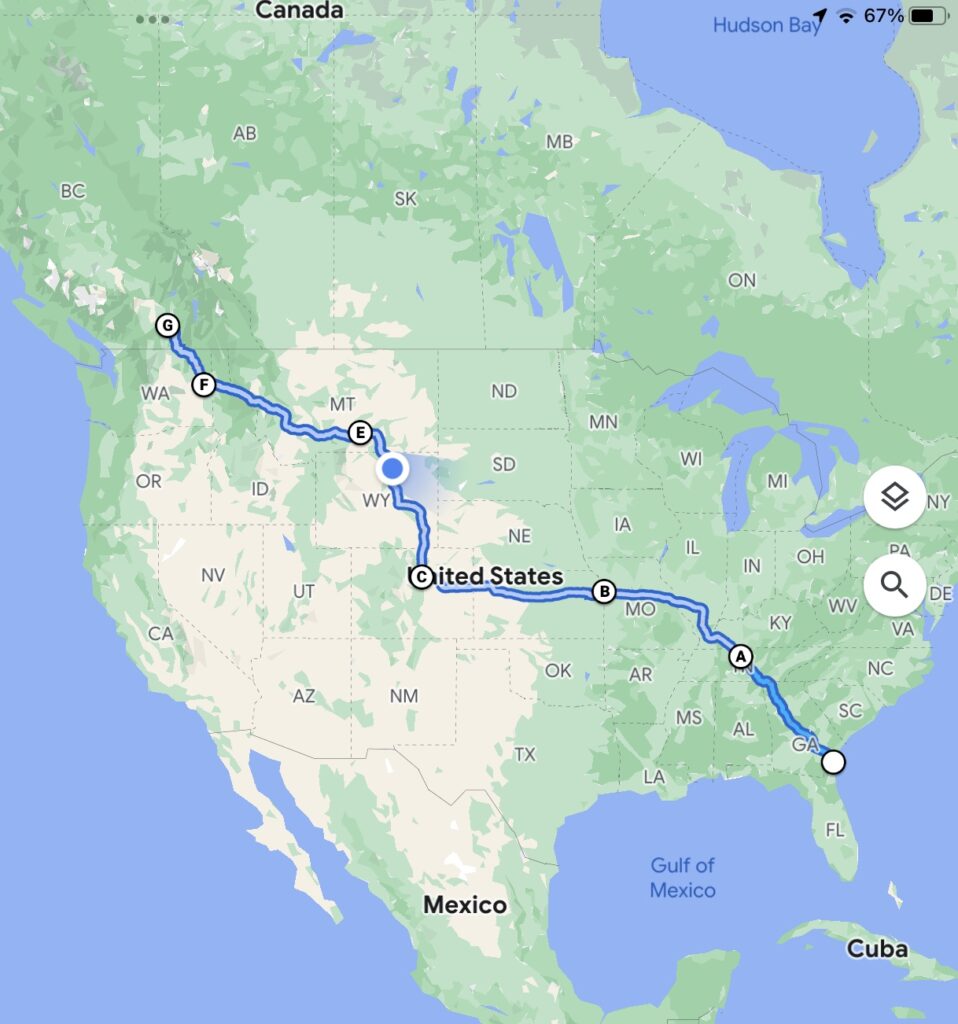
A quick perusal of Google maps as we drove away from Brunswick, Georgia indicated a couple of possible routes across the United States to our home in British Columbia, Canada. While our goal was not necessarily the shortest and hence fastest route home, nor ( at this point ) did we wish to make a lot of lengthy detours. With home now tantalizingly close ( just one international border away), our hearts and minds began to focus on just getting there and then beyond that to the myriad things we have to do in the coming months.
Map of our proposed route ( “C” was the detour through Denver ). We basically switched out Nebraska for Colorado.
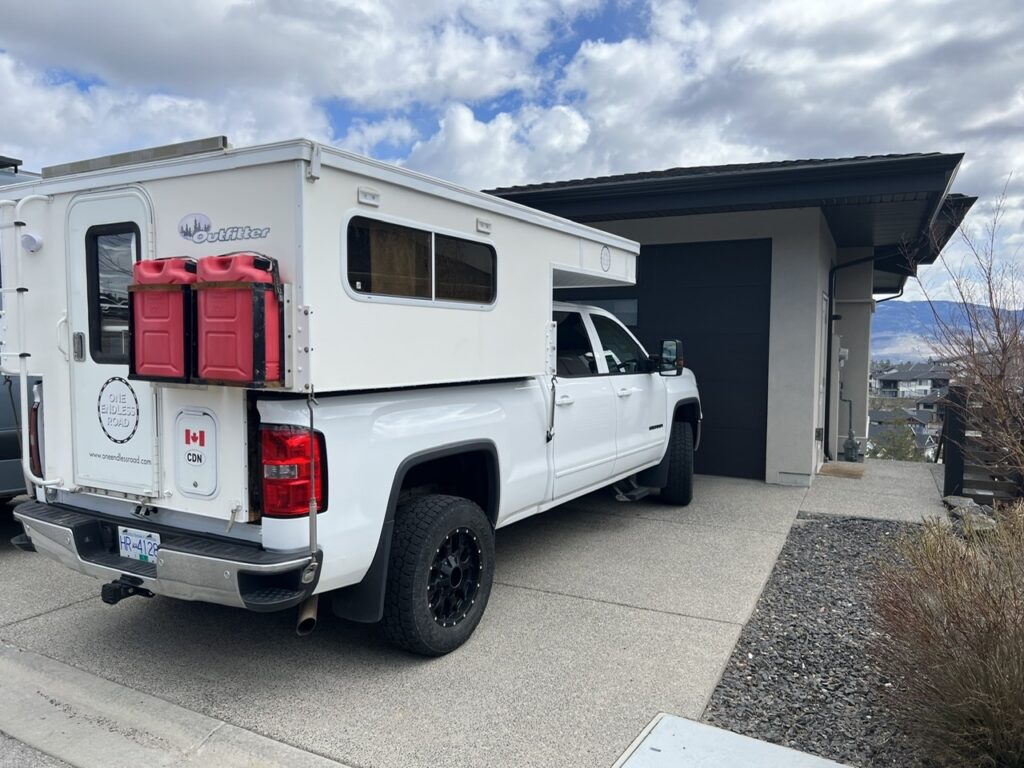
Three potential stops on the 4,000km ( 2,400 mile ) journey were quickly agreed upon: a visit to Nashville to see the Grand Ole Opry and Country Music Hall of Fame; a slight detour to Denver to visit the good folks at Outfitter Mfg ( the company that made our camper ) and a re-visit to both Grand Teton and Yellowstone National Parks. Fortunately these all fell (broadly speaking anyway) in a more or less straight line northwest towards British Columbia.
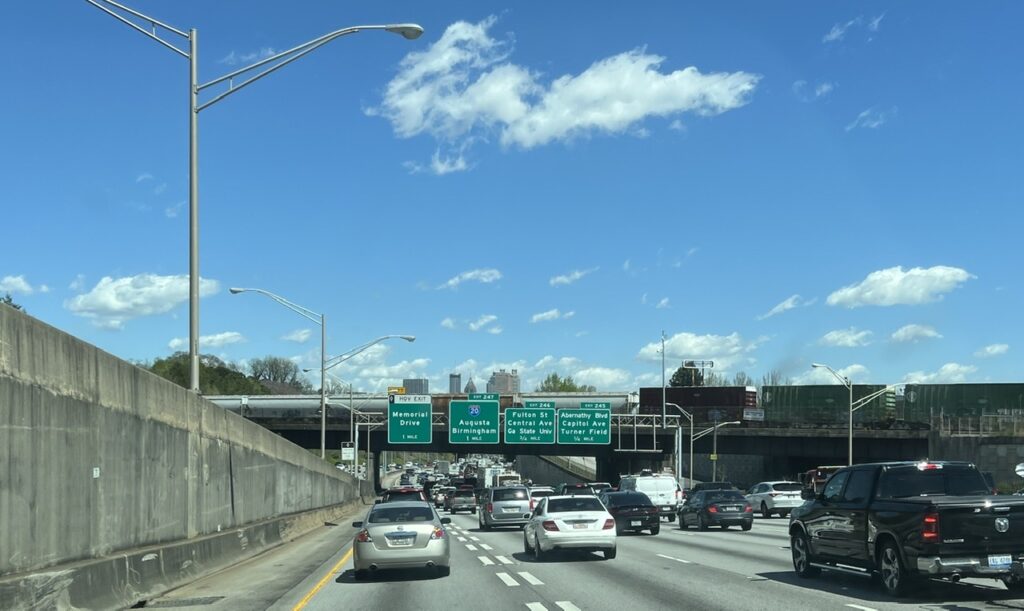
The drive through Georgia was scenic, especially since we had detoured through a slightly more rural area. So many quaint churches and picture perfect Georgian homes ! Beyond that it was uneventful apart from traffic on the interstate highway that we found much heavier than we had ever noticed before – particularly the number of semi trailers; we often noticed there were more semi trailers on the road that they were cars. Pretty much all the way through Georgia and on through Tennessee it was more congested than we had expected – we also noticed that it very quickly became much colder than it was back in Florida. That, despite the fact we had not yet gone very far north.
Traffic in Atlanta, the first big city we passed.
Our first night back on the road was spent at the small town of Cochran, Georgia where we survived one of the wildest storms we can remember. Power out across the town and the rain and wind were just wild.
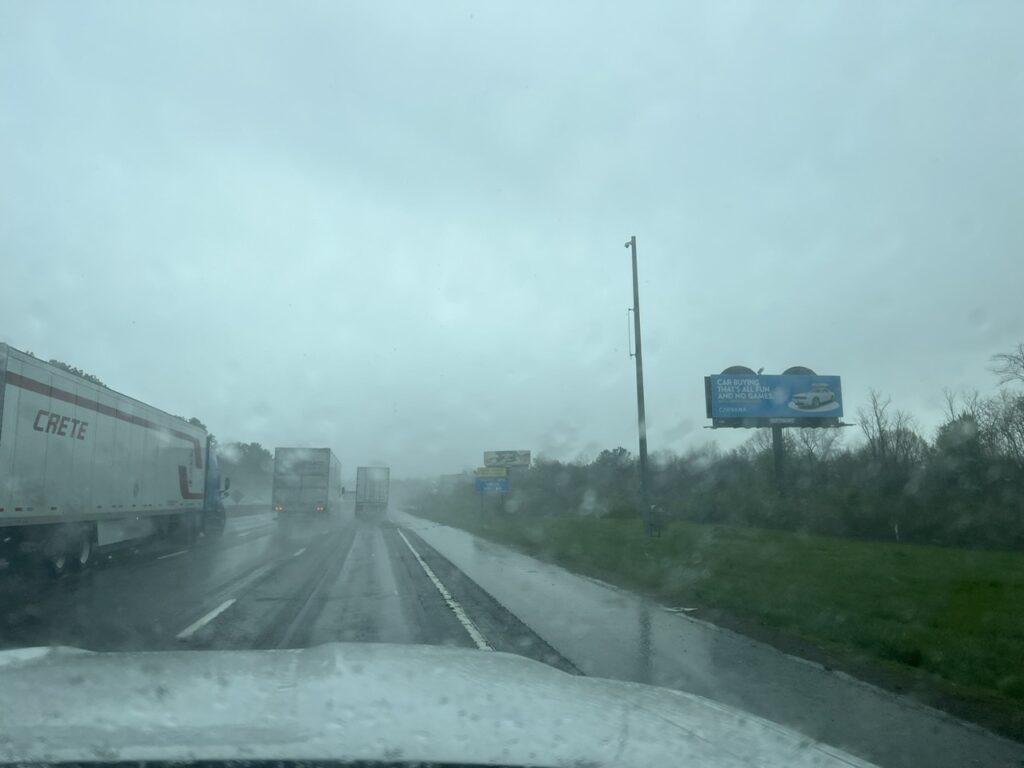
Appalling weather as we approached Nashville.
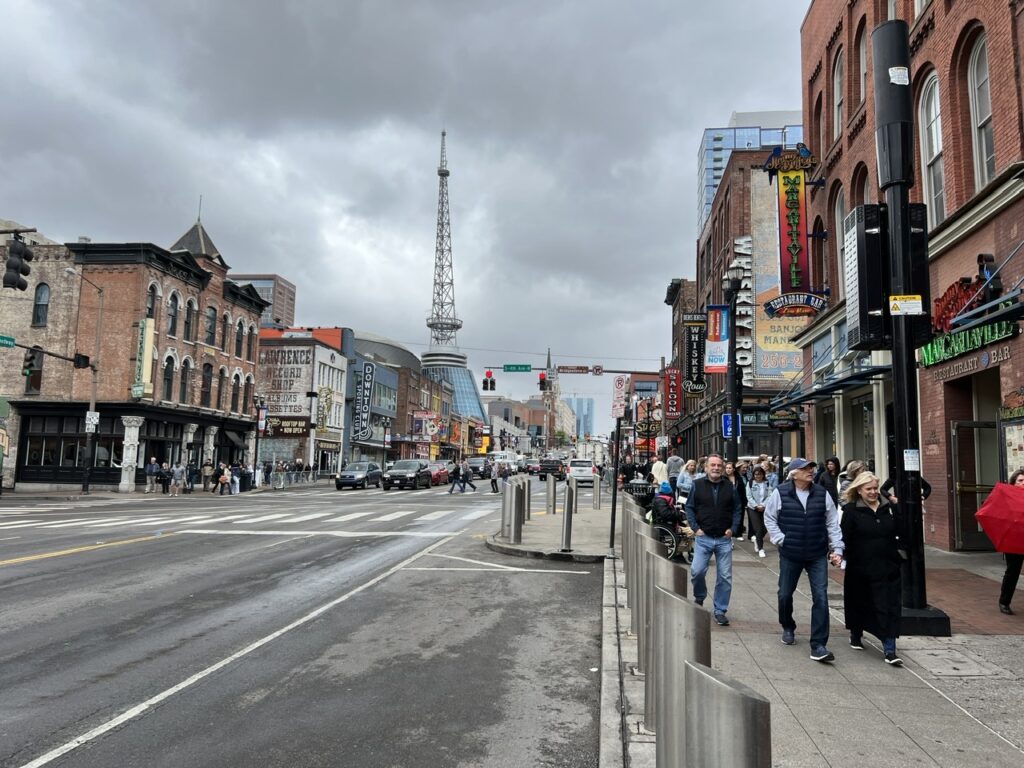
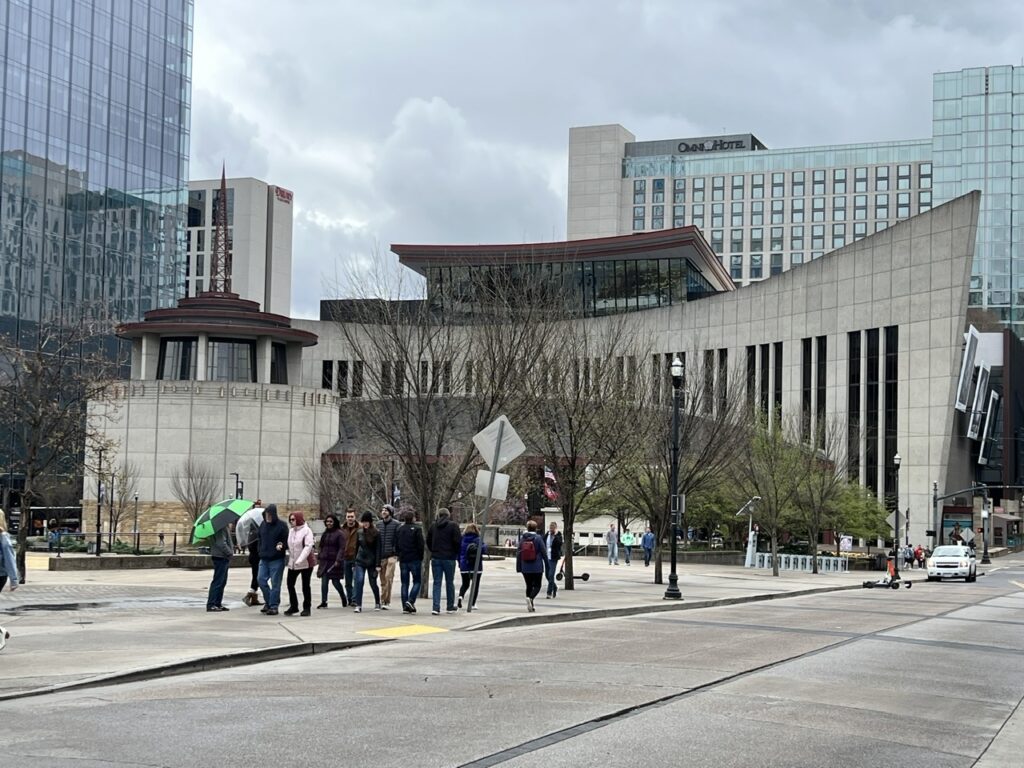
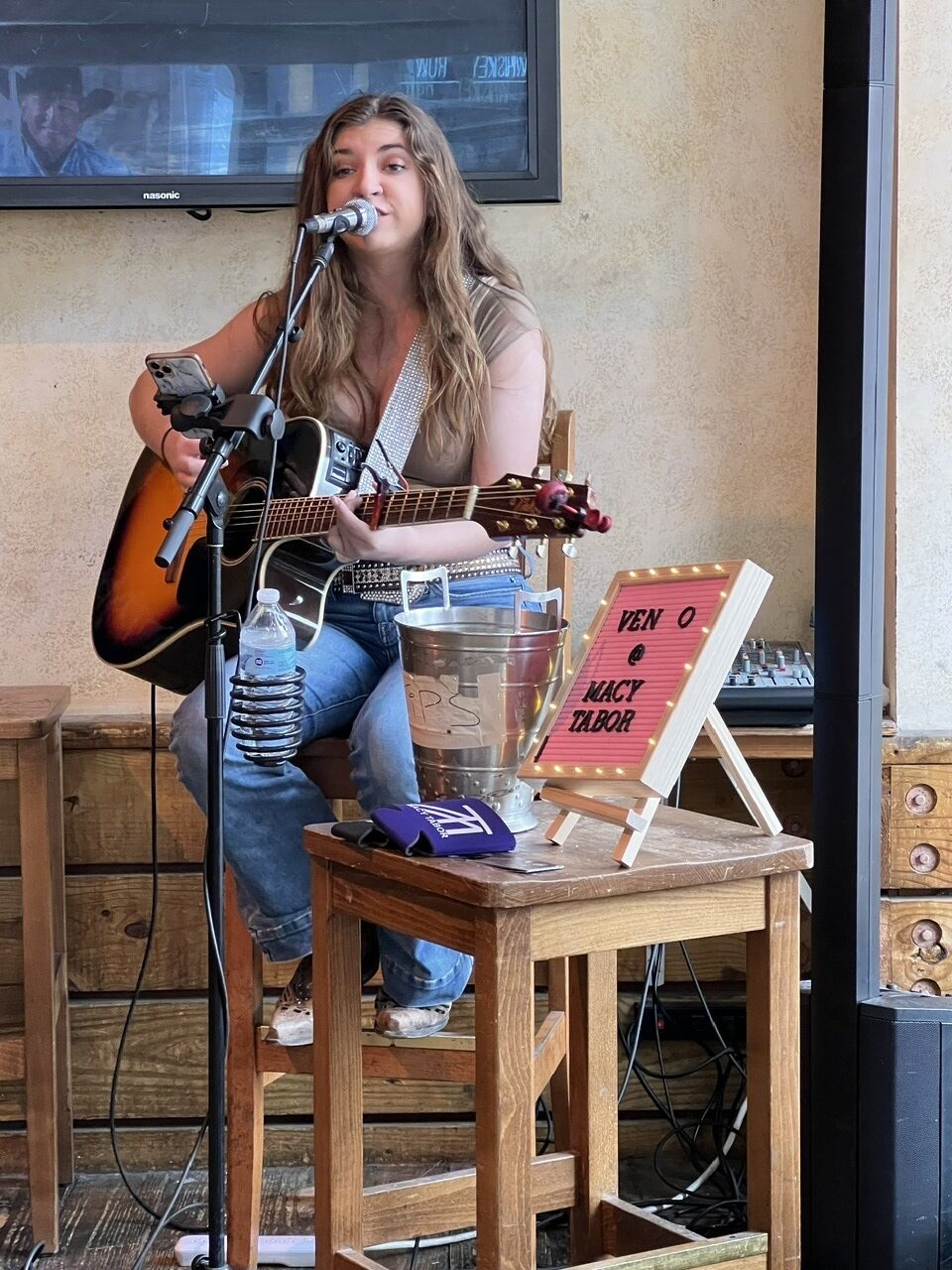
The cold and overcast weather was unfortunately an omen for what was to come and as we closed in on Nashville visibility was almost zero. Cold and miserably wet was not what we had expected this time of year while we were still this far south . Fortunately the rain and wind cleared for our day in Nashville but we were to be confounded yet again with another surprise – unexpectedly huge crowds. Early April is certainly not high season down here yet the downtown was very busy and any hopes we had of simply walking in and buying a ticket to the Country Music Hall of Fame and Grand Ole Opry were quickly dashed; the former had an extremely long lineup and the latter was no longer taking reservations for tours that day. As travellers we like to just turn up and not make plans too far in advance and normally (unless one is in high season), that works well for us. But, sometimes you get caught out and this was one such time. Not being country music diehards, we contented ourselves with some exploring of the city, a few of its other landmarks and a nice lunch in a downtown bar listening to what must have been one of hundreds of aspiring young wannabe’s strumming the guitar in hopes of finding that elusive breakthrough hit. Seems there’s one ( or more ) in every bar in Nashville.
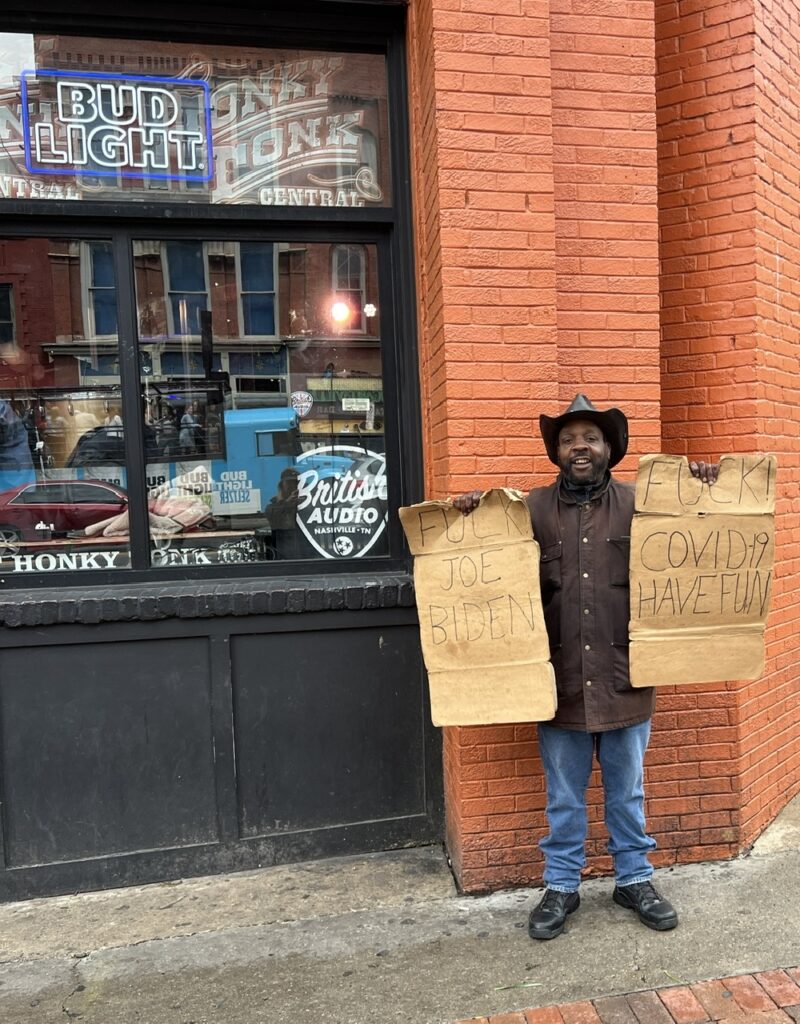
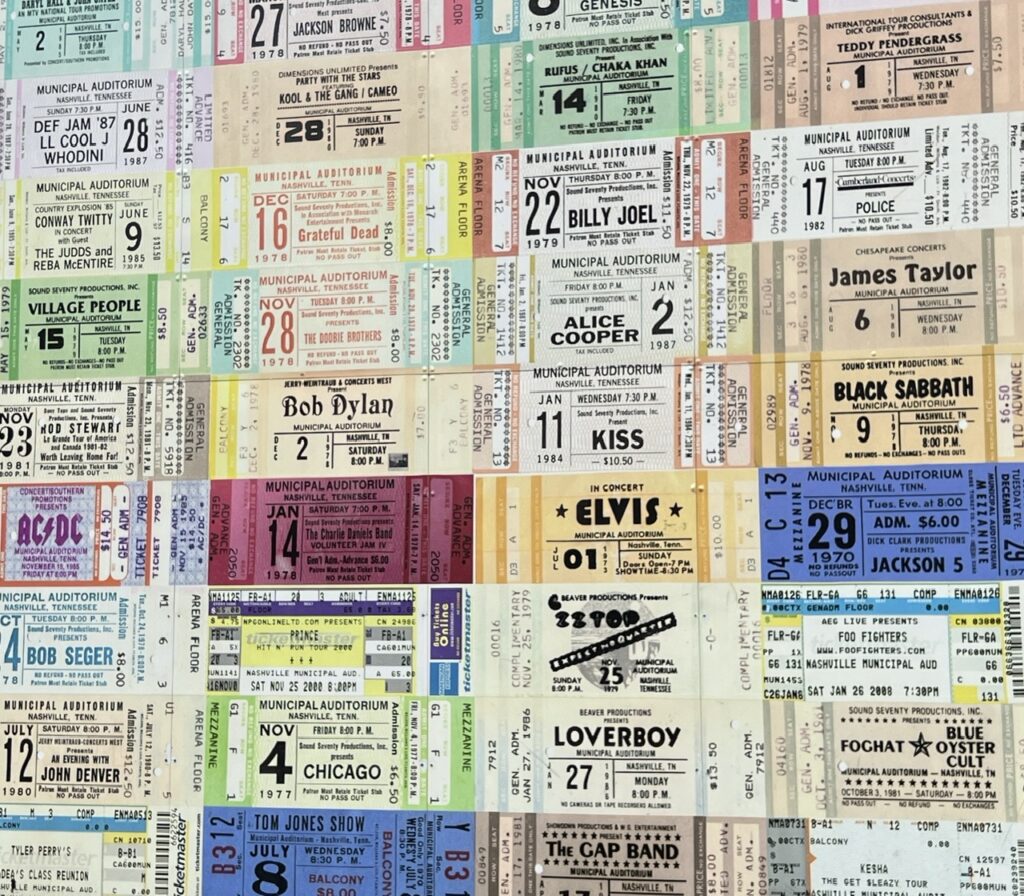
Downtown Nashville.Country Music Hall of Fame, NashvilleSome interesting characters in Nashville – hey, tell us how you really feel !Macy Tabor, a young ( 19 ) singer who performed at the bar we visited.In one place a very cool display of tickets to past Nashville performances – some pretty old, and not all ”country” !
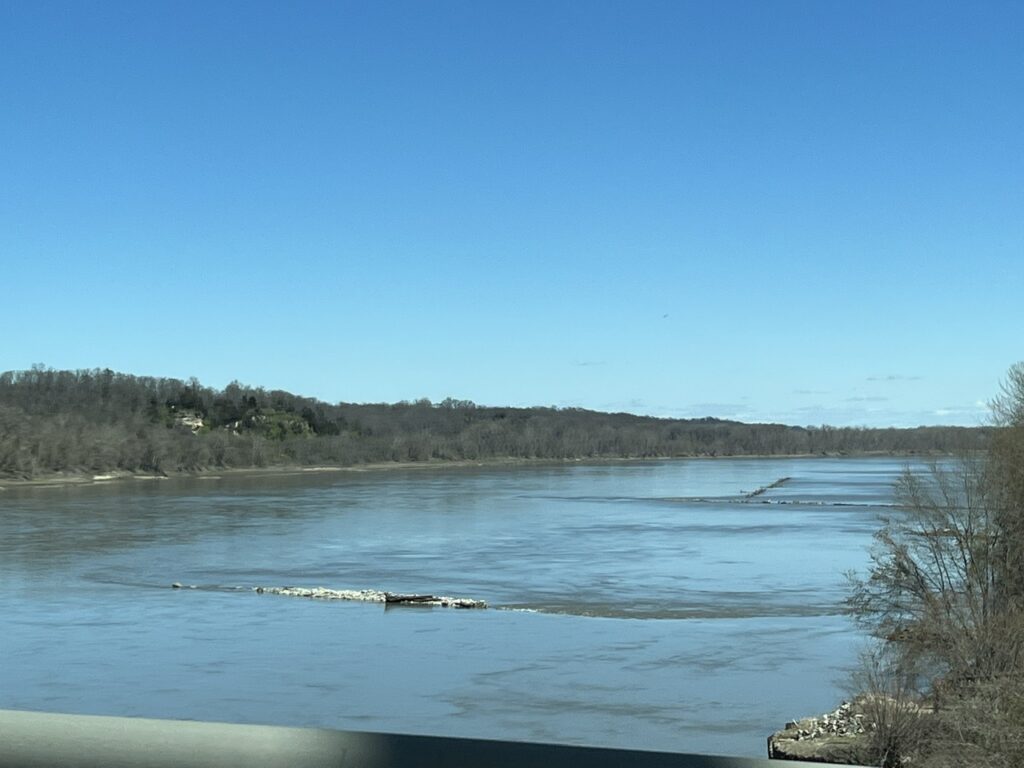
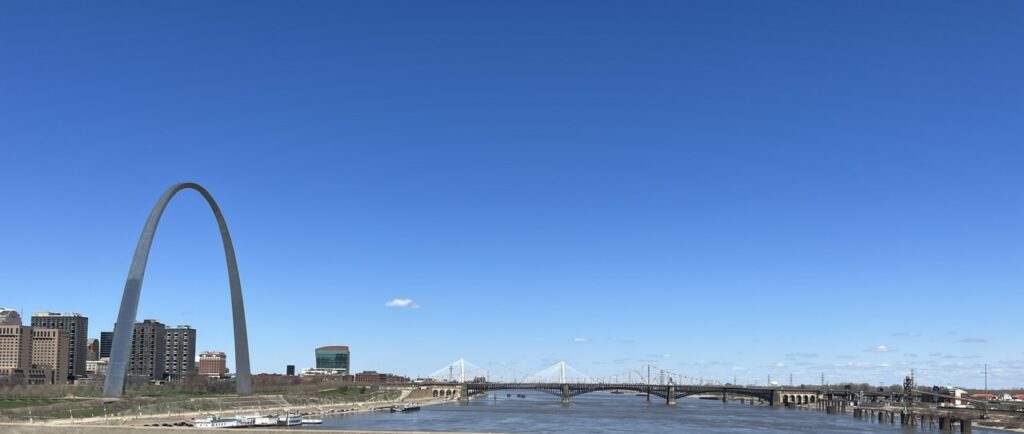
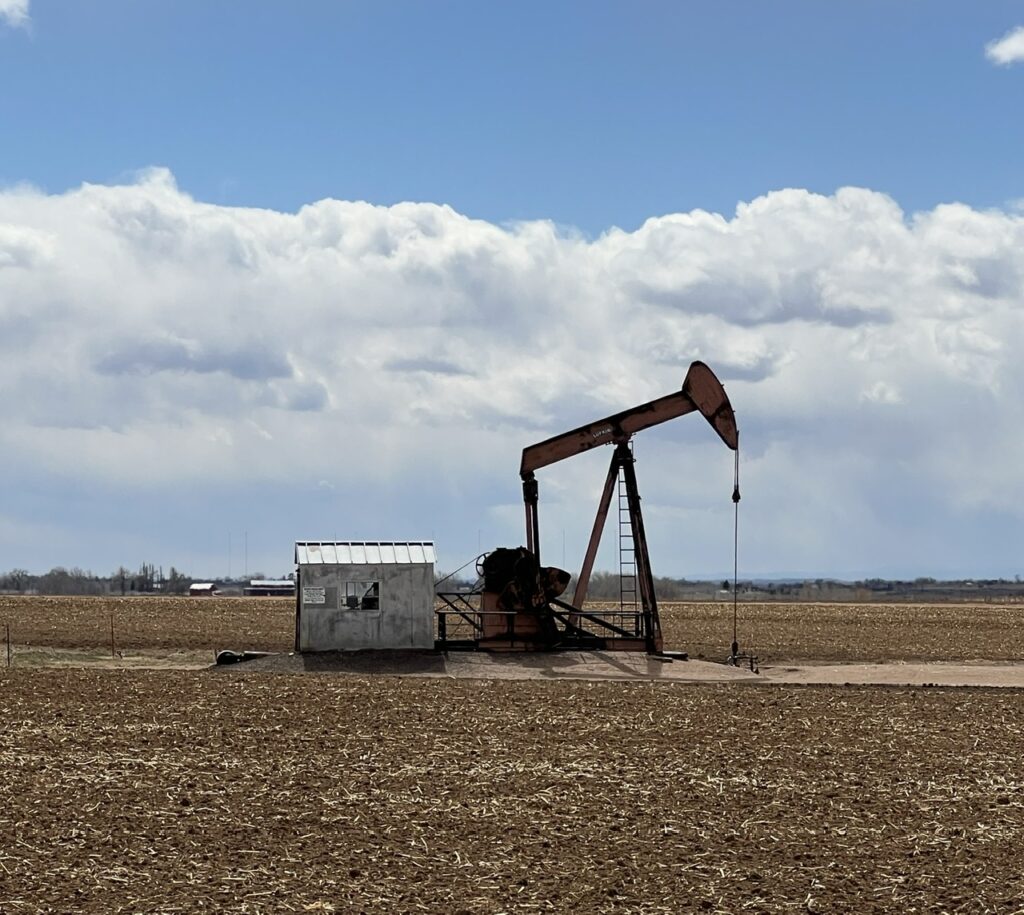
Tennessee quickly passed into our rearview, Kentucky came and went, the southern part of Illinois, and then on to Missouri – at this point the scenery was still interesting and varied as we crossed the great Ohio, Mississippi and Missouri rivers in succession. Beyond the famous arch of St. Louis and on through Kansas and eastern Colorado, it was simply acres and acres of farmland, grain silos, and the occasional oil pumps ( pump jacks ). At least there was now less highway traffic !
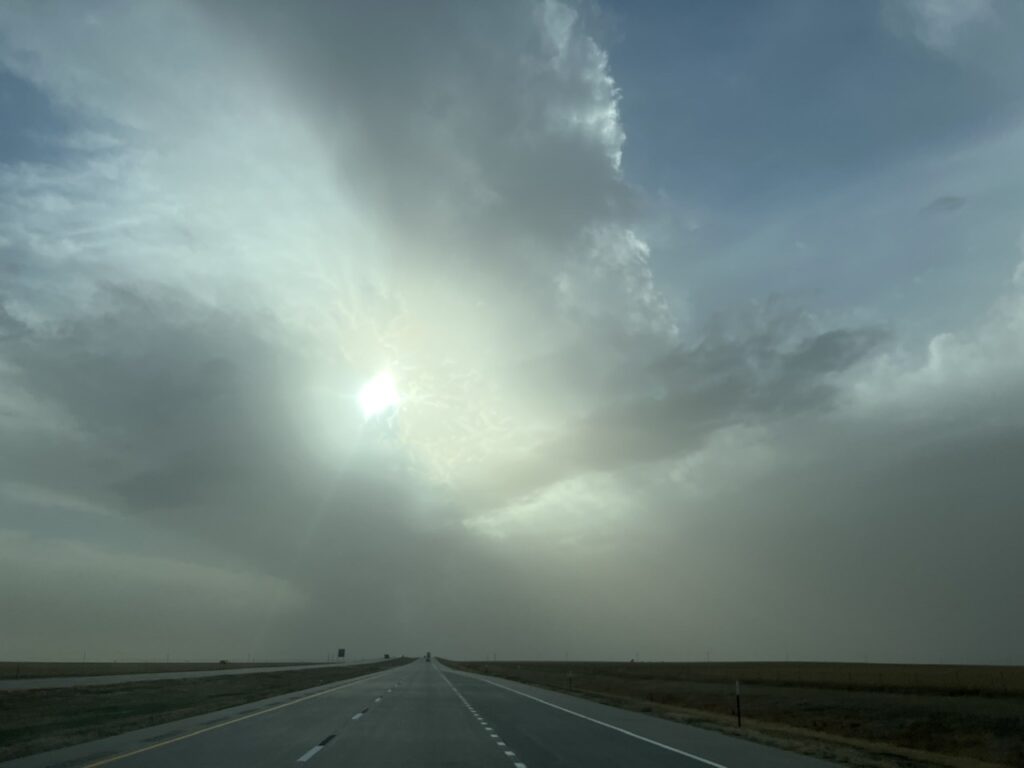
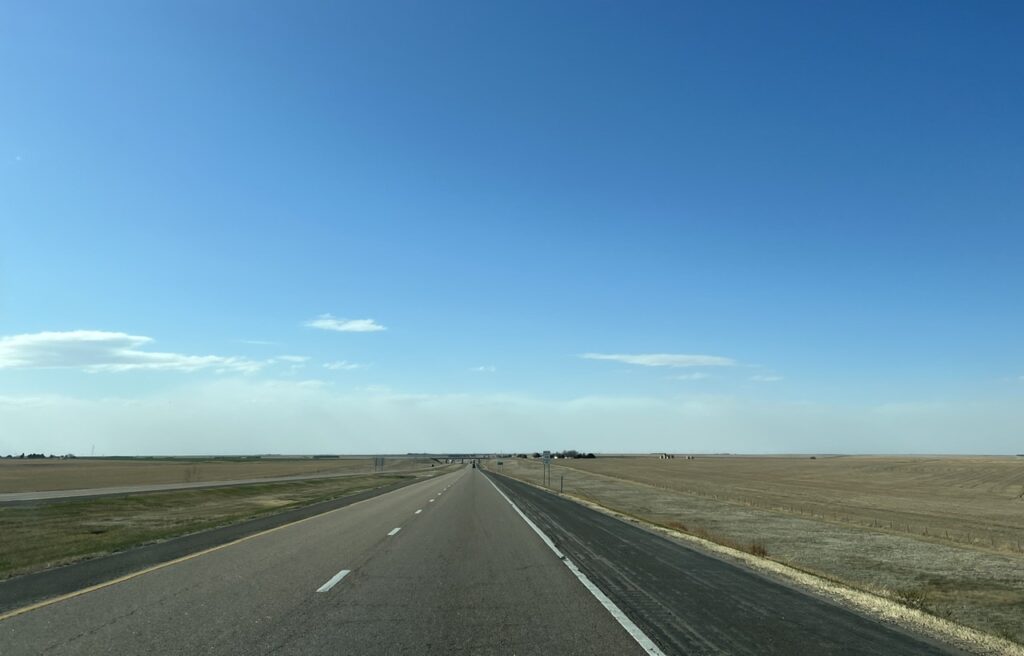
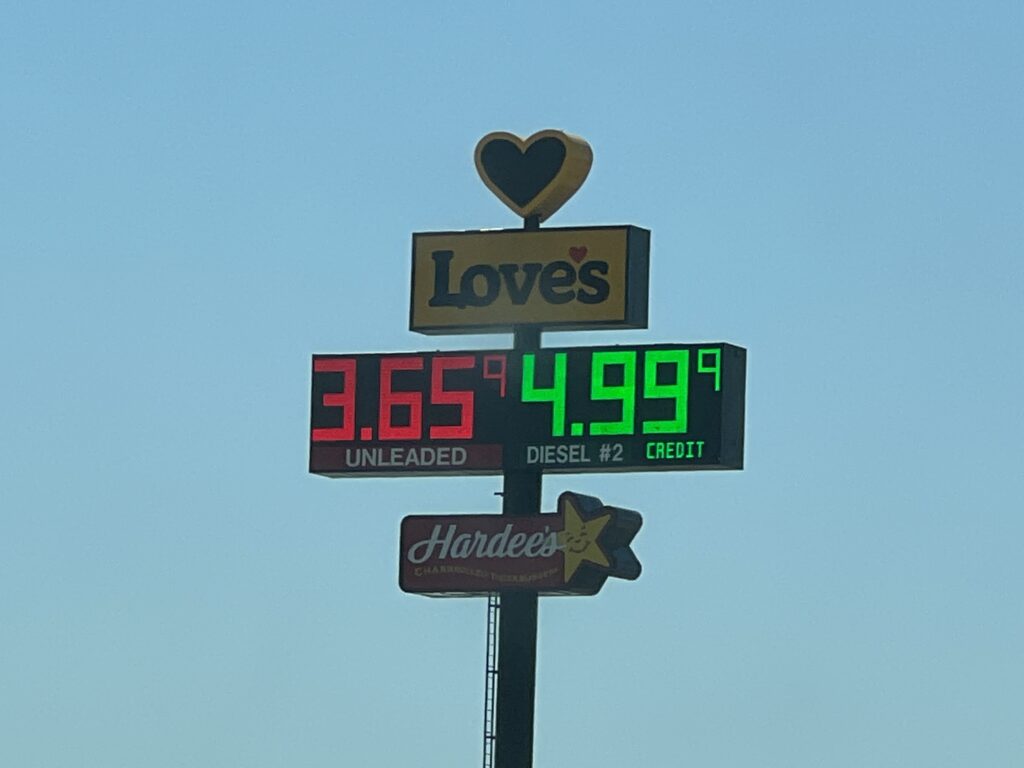
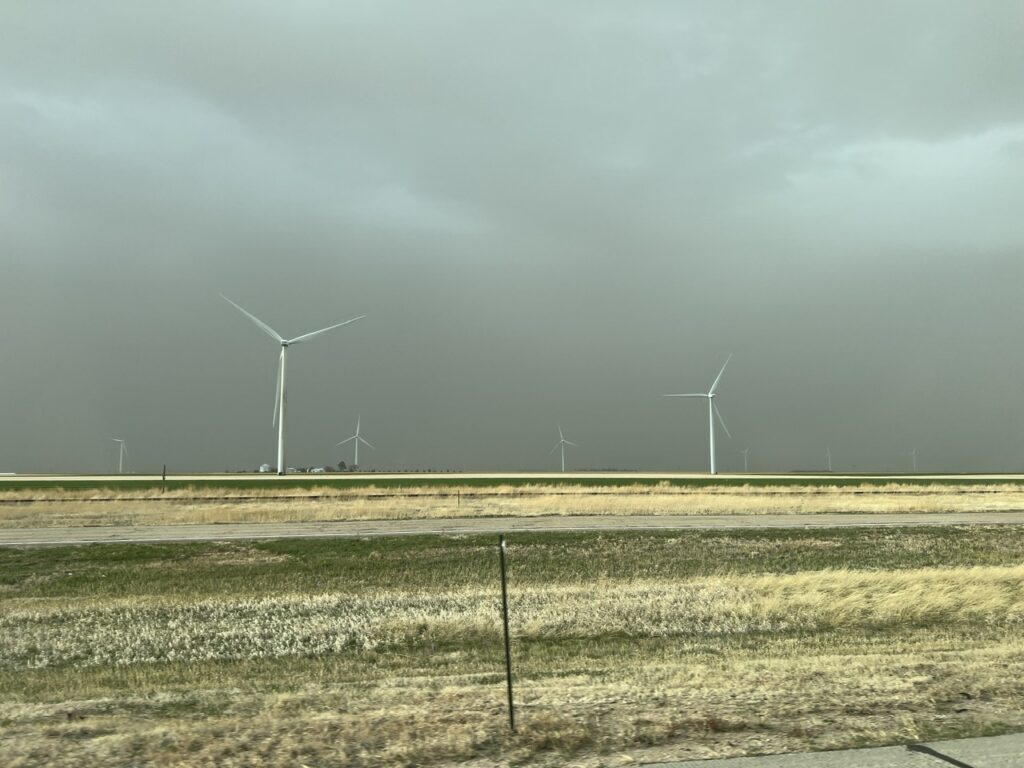
Crossing the Ohio RiverCrossing the Mississippi River at St. Louis.So often we were tempted to detour ! Great cities tantalizingly close- but you can’t get to them all.The sometimes stormy weather made for great photo ops.Quite a few ”endless road” shots as we crossed the country 😊.In South America we occasionally lamented having a gasoline vehicle since diesel was almost always cheaper, often considerably so. We got a little ”payback” in the US – one of the few countries where diesel costs more. Everyone in the US was complaining about high gas/ diesel prices.We saw quite a few oil pumps all the way across Missouri, Kansas, Colorado and into Wyoming.Once upon a time it was all oil pumps in Kansas and Missouri, now there are more wind farms. You’d see them all the way across to Wyoming in fact.
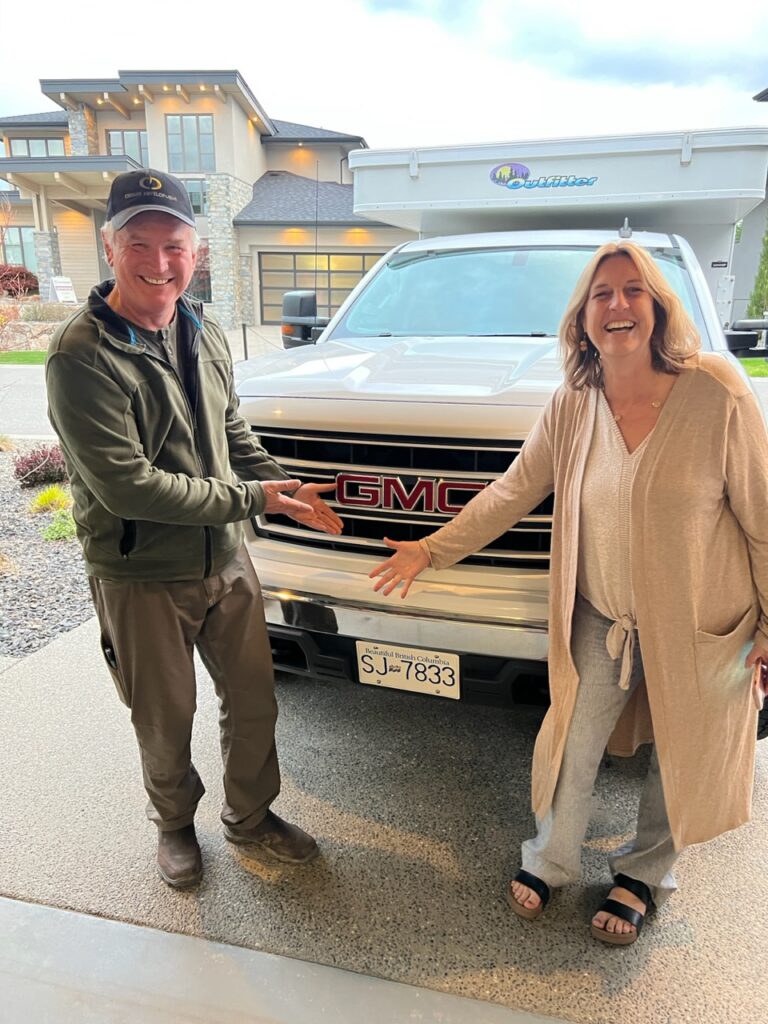
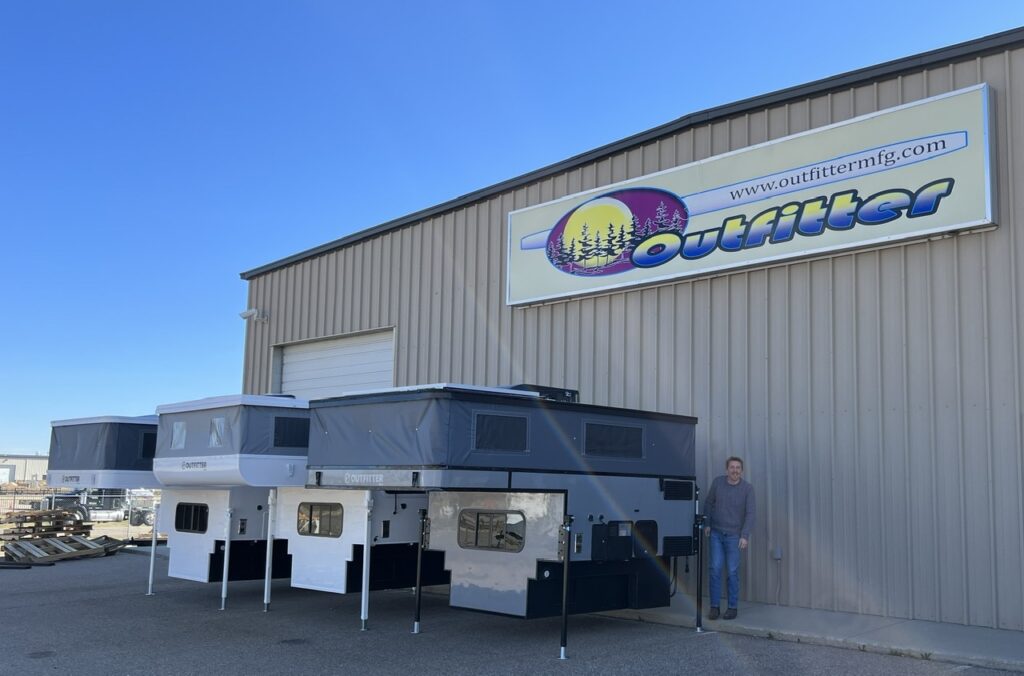
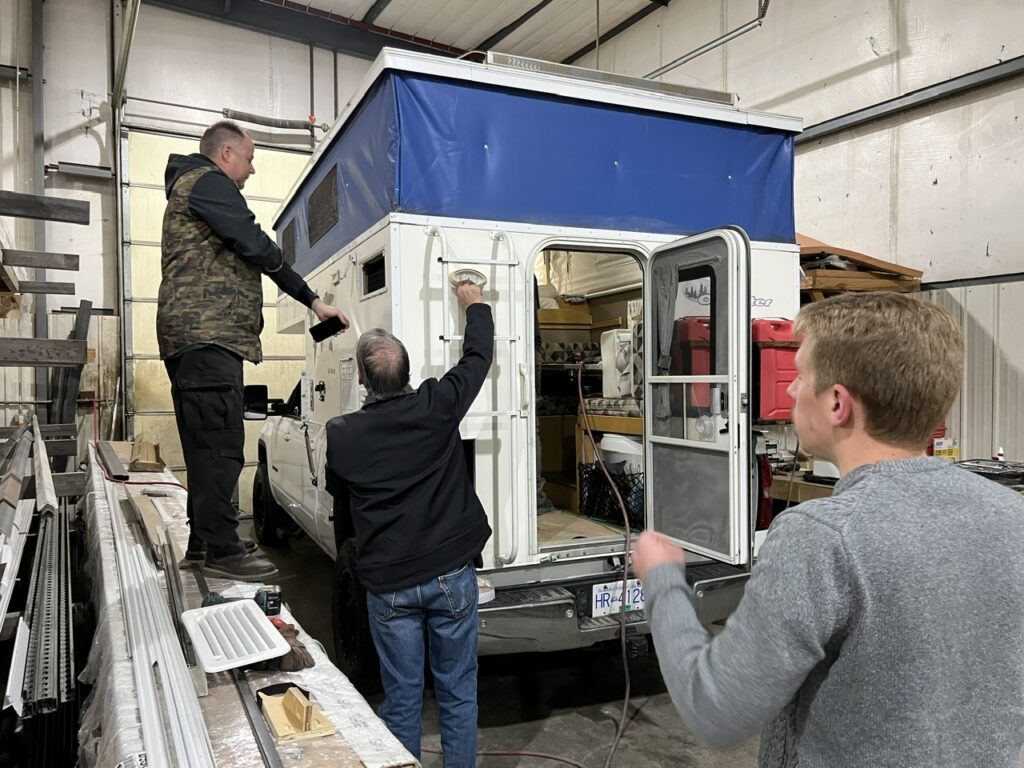
We’d purchased our Outfitter Caribou Lite truck camper from the folks at Outfitter Mfg. in Denver, back in May, 2015 and the rig has served us very, very well. A very robust, yet lightweight camper there had only been the most minor of wear items this whole time but, since we’re not likely to get this close to Denver again for a while, we thought it prudent to stop in and have a quick service call. Scott, Ethan and the team were incredibly helpful, very interested to hear feedback from a couple who’d really “lived” in their product, and quickly repaired and/or replaced the few minor items that had arisen. They are very busy guys these days – some Outfitter models have a 9 month wait list; seems many folks suddenly want a truck camper. Thanks again for squeezing us in Scott !
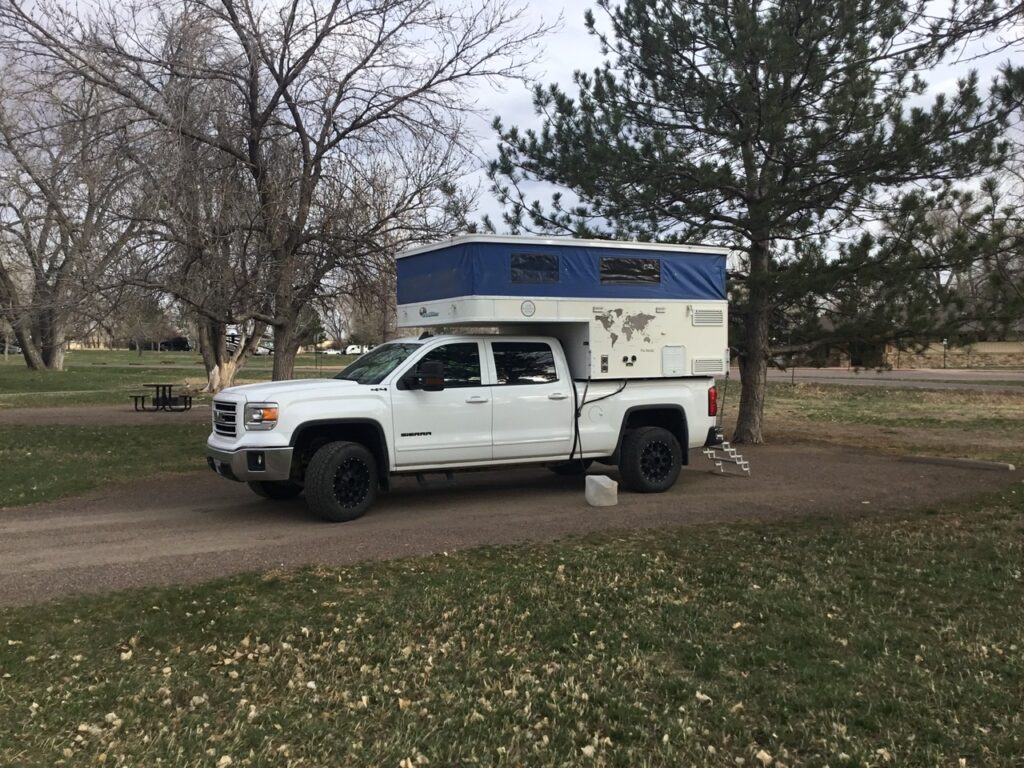
Ethan Bridges of Outfitter Mfg, Longmont ( near Denver ), Colorado Scott, Bob and Ethan at Outfitter making some adjustments to the camper.Camped here at Cherry Creek State Park in Denver. A very nice spot and one of few campgrounds that is more or less in the city ( Greater Denver ).
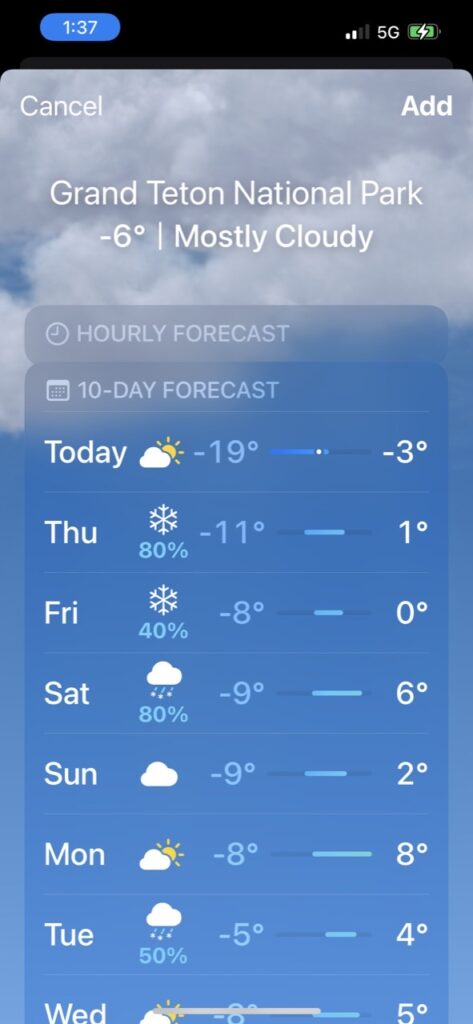
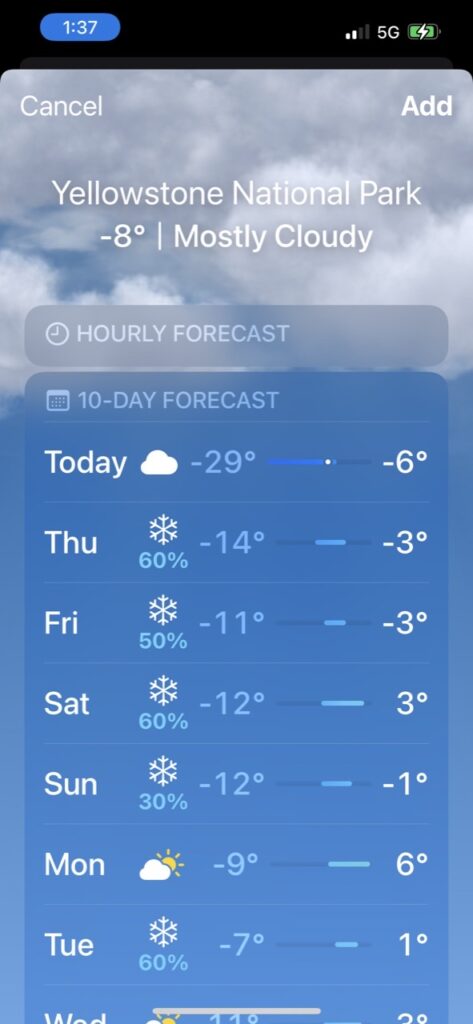
Heading north from Denver one gets to Fort Collins and has to decide which way to go up into southern BC. We’ve done the scenic route through Grand Teton and Yellowstone a few times before but enjoyed it enough to tackle it again – it was our preferred route. Faster, and shorter was the Cheyenne, Casper, Sheridan, Missoula route but there’s just not as much to see. Then we looked at the weather forecast:
Cold for camping at Grand Teton NP………….and REALLY cold in Yellowstone ! We passed.
We might just have tackled Grand Teton in -10 Celsius (14 F ) weather but Yellowstone in -22 Celsius ( -8 F ) was a bit much to bear. That’s capital “C” cold at anytime but considering all our warm weather gear was stolen during shipping it may well have been a very uncomfortable stay ! Google Maps was reset for the more boring, less mountainous, but ultimately warmer eastern route
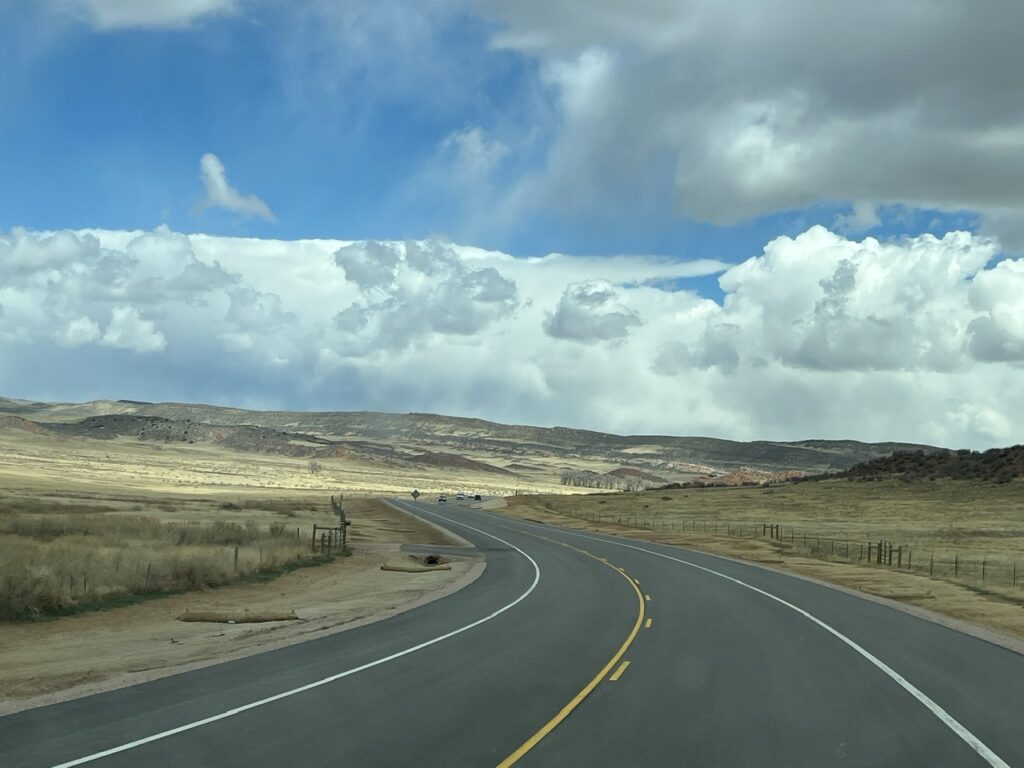
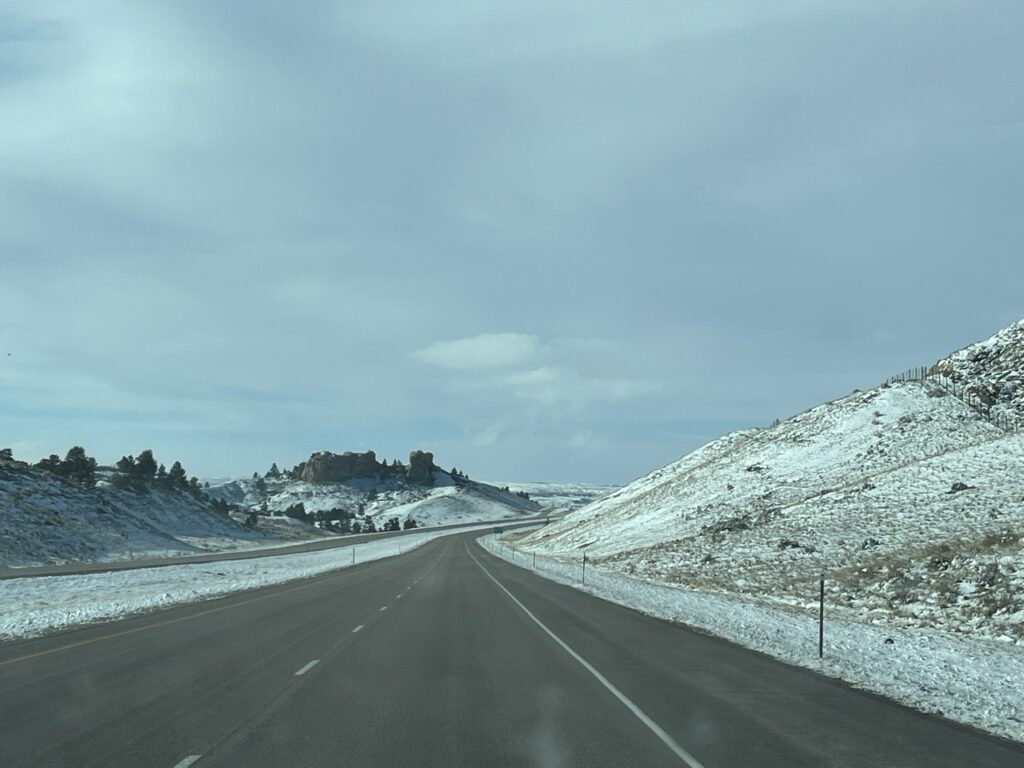
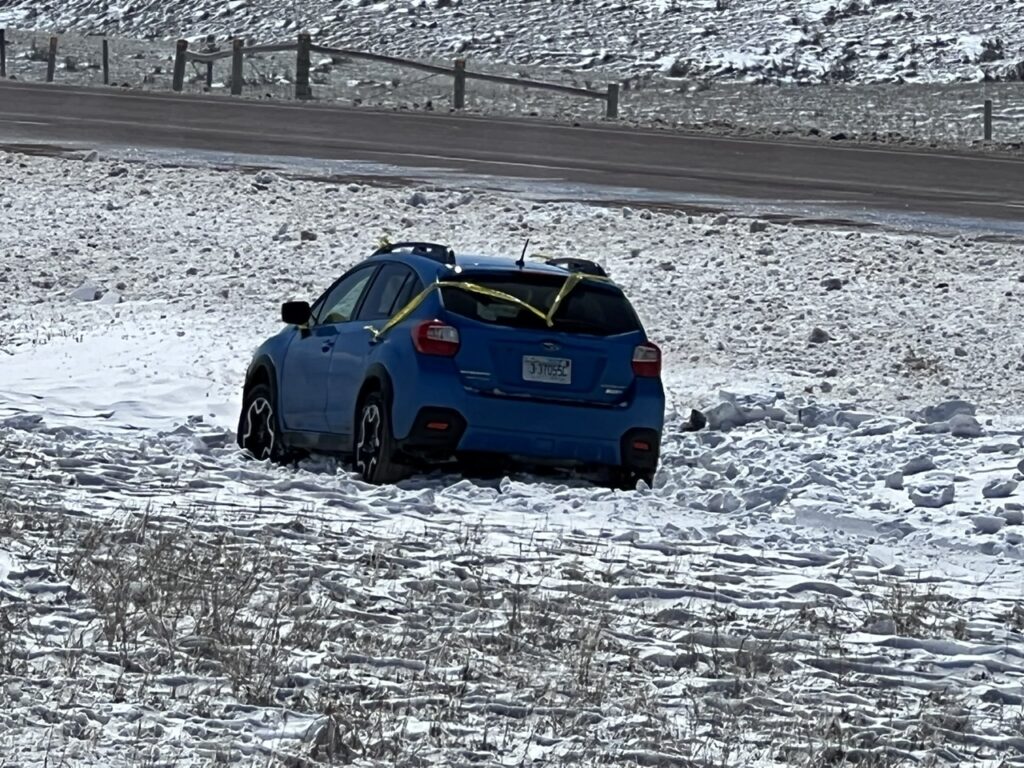
Leaving northern Colorado there was not yet any snow………..but we did not have to wait long. Here just into Wyoming, where it was snowy and very icy on the roads.The roads in Wyoming ( often over 5,000 feet ) were extremely icy – saw this car off the road and two overturned semi-trailers. We took it very slow.
As I closed off this blog we had just reached Montana leaving us still a few relaxed days drive from home. The plan is stop in Missoula and replace as much of what was stolen as we can – of course we’ll load up on our duty free allowances as well ( a rite of passage as you approach the border ) !
Stay tuned for our closing blog next week – we have had an incredible journey traversing the Americas but it’s also very exciting to be going home. More details on that ( and some possible future plans ) next week…….
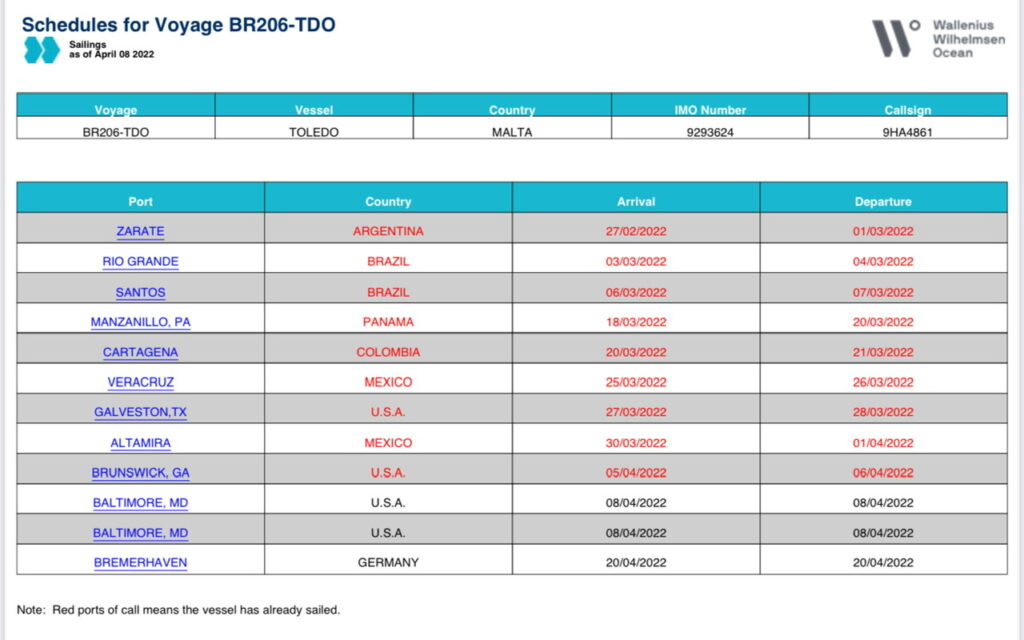
A full week had elapsed between our arrival into Miami before the good ship “Toledo” would deliver our precious cargo just over the state line in Brunswick, Georgia. The originally scheduled 30 day passage from Argentina to the US had, with multiple delays, blown out to 36 days and when pre-departure delivery and post-arrival unloading days were added we’d been just a day shy of 6 weeks without the camper by the time we picked it up. I’ll come back to the camper delivery saga – first some observations after our first week back in North America.
The tortuously slow route of the ”Toledo” from Buenos Aires ( Zarate), to Brunswick, Georgia where we would pick it up.
It’s always great to get back ‘home’ (or in this case at least, just more familIar surroundings). Signs are all in English ( well, most anyway – it is Florida ), you can turn on the TV ( which we had not watched in 5 months ) and it’s all in English, road rules make sense, you can actually find a restaurant that opens for dinner before 8pm ( a near impossibility in South America ! ) and, best of all, your ”regular” size truck will now fit in a ”normal” sized parking space ! All nice, of course, but it comes at a cost – life in North America is a bit less exotic, things are less spontaneous and more predictable, and – holy cow – WAY more expensive ! Throw together Covid-induced shortages, Russian-induced oil price shocks, no camper ( it had been hotels and restaurants every day for a week now ! ), US Spring-Break crowds, and it was …..err, shall we say, quite an adjustment from South America. I think we had been living in a parallel universe of sorts (one we thoroughly enjoyed being in though) !
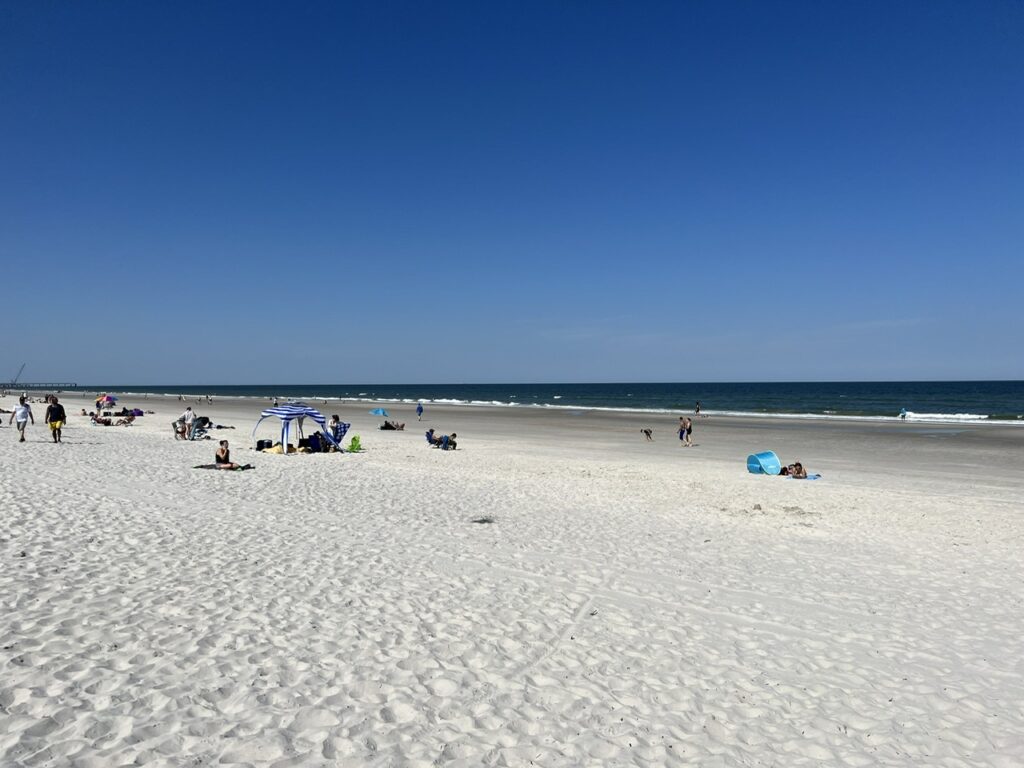
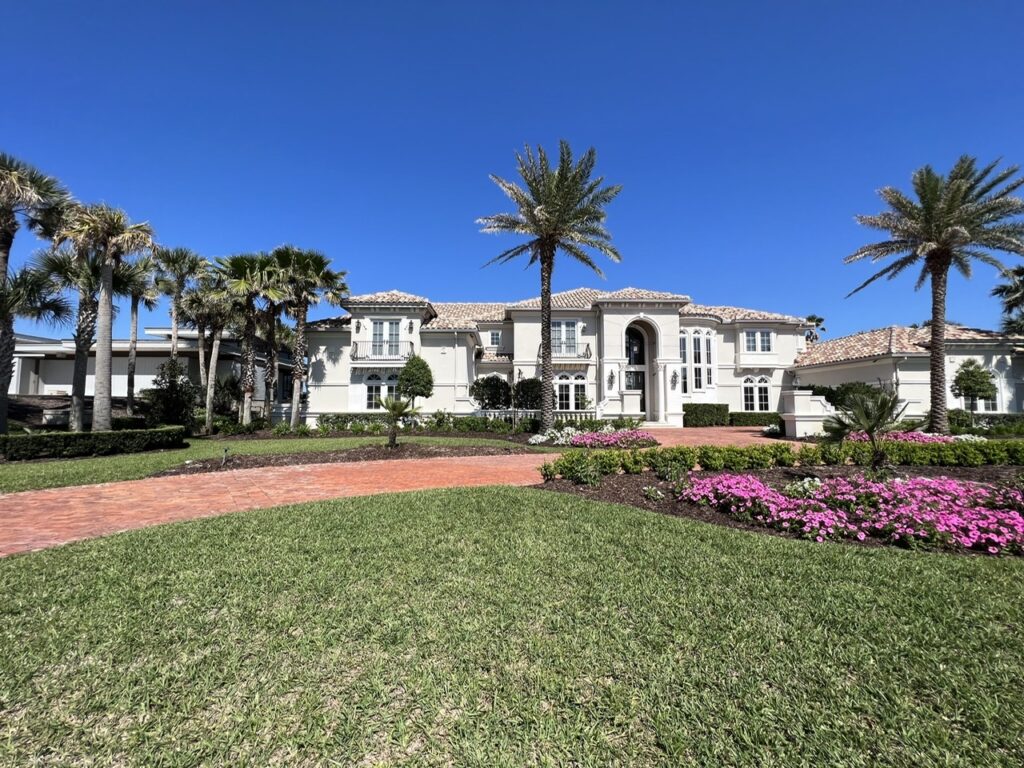
On one of the few good weather days we enjoyed in Florida we went for a walk on the beaches near Jacksonville. Beautiful white sand and they go on forever it seems – water still too cold to swim ( and no one was in the water ).The stretch of coast between Miami and Jacksonville has some stunning homes, this one just south of Jacksonville. Drove the tourist strip – ahh, one can dream…….!
Save for the last couple of days when we did see bright sunshine, our first week back ( spent ambling up the coast from Miami to Jacksonville ) was, quite honestly, a bit of a gloomy one. The weather was mixed at best, we’d been to Florida a couple of times before so weren’t really into doing the full tourist thing, and we’d heard that the ship was now even further delayed. At this stage, we just wanted our wheels again, and to move on – the good ship “Toledo” could not arrive soon enough…!
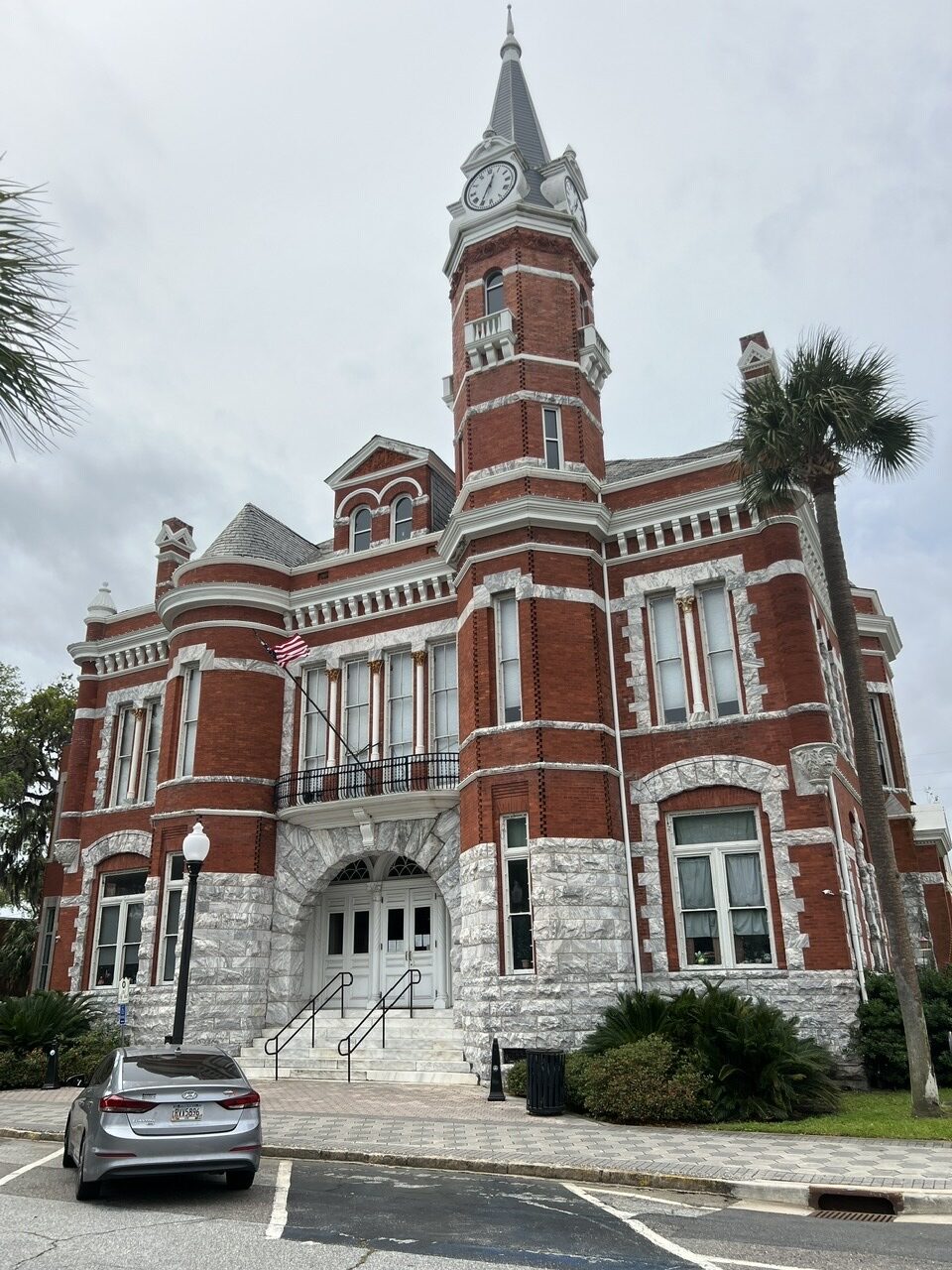
On the Interstate heading north to Brunswick. Not visible in this pic but lots of traffic on the roads with the end of Spring Break and lots of Snowbirds returning north after wintering down south. Much of the weather in Florida looked like this sadly. Very overcast.Brunswick is a quaint, traditional southern city ( more a town really ) and we spent an afternoon enjoying its sights, mostly historical buildings and monuments. Lots of parks and plaques commemorating past events of historical significance.Every time we’d visited a city park in South America it was full of people – it was quiet in Brunswick.The city had an impressive old court house.
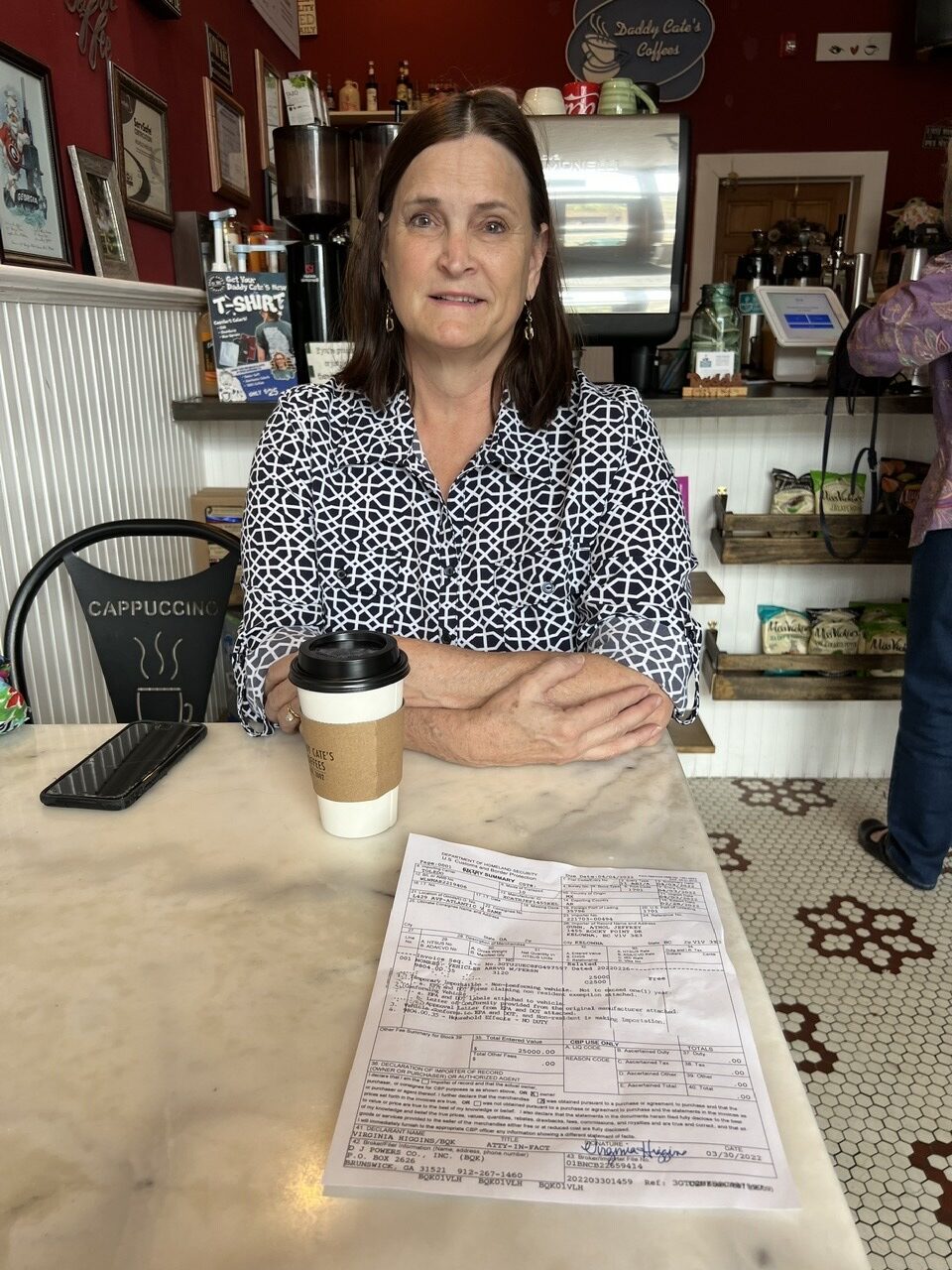
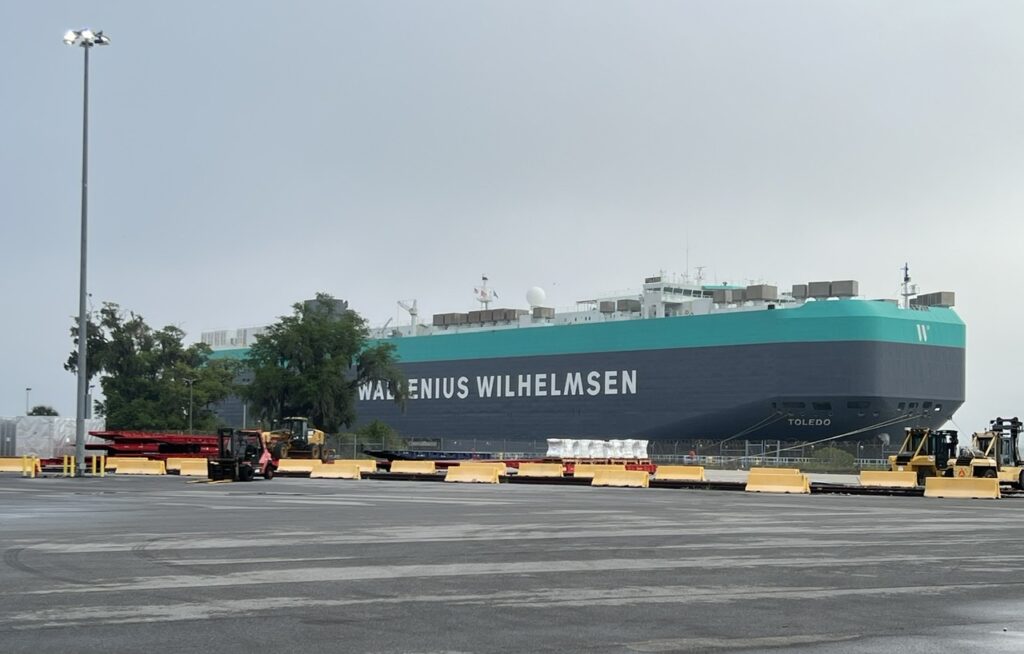
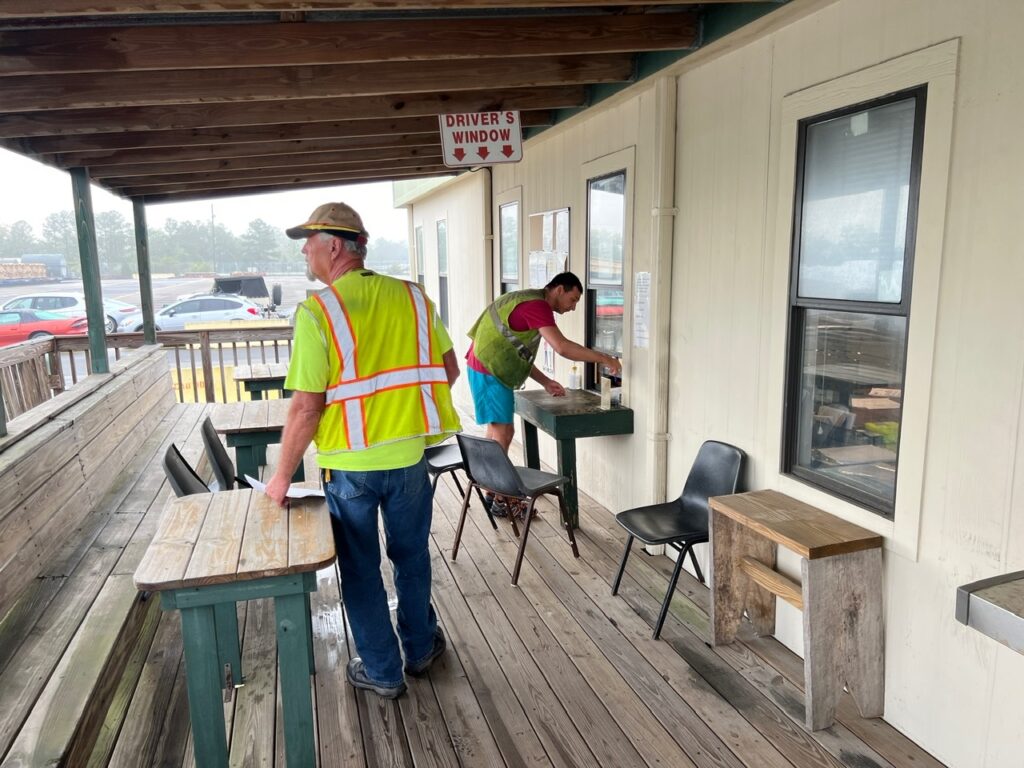
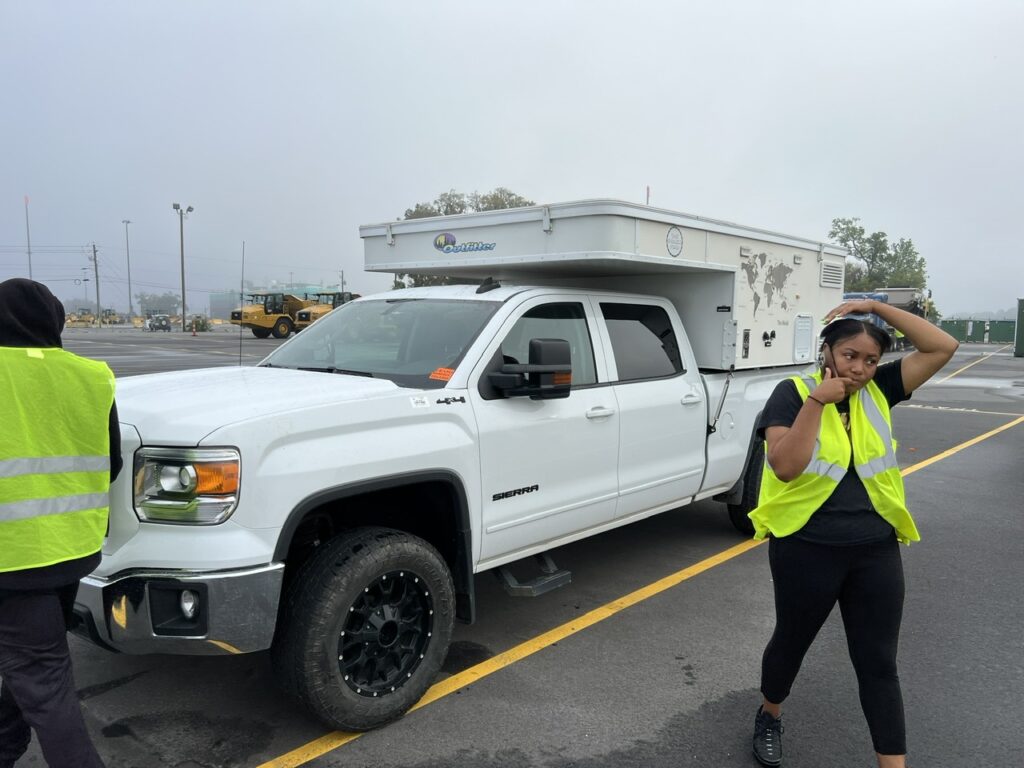
We eventually got to Brunswick ( a pleasant little historically important, Georgian city of about 20,000 ) and the following day were advised that the ship had not only arrived in port, but that the port crew had already discharged our truck camper and it was sitting on the dock ! We could schedule a pick up for the next day. Not only that but it had already been “pre-cleared” by customs ( a random process ) so there would be no lengthy inspections or checks at the port – wonderful news ( a huge thanks to our Brunswick agent, Virginia, who made this part all so easy ) ! We expected this to take at least two more days – the gods were now smiling on us it seemed. Safety vest on ( a port requirement ), port fees paid ( all online, a very seamless process ) I went to the gate to meet our port “escort”. Taylor, the shipping company representative, took me into the port ( only the driver – and no one else – can enter the port ), cleared security and accompanied me to the truck which I could see in the distance as we approached. Could it really be this easy ? There was so much more to the process when we last did this in Cartagena, Colombia.
First stop was to meet Virginia, our port agent, who provided the document that allowed us to pick up the truck. We enjoyed a coffee together and she shared some useful shipping tips.
Upon arrival in the port I could see the Toledo, berthed right alongside 2 other massive car carriers.Inside the port it was very easy – show your ID and documents and they take you to your vehicle.I could see it in the distance – it had been 6 weeks since we left it in a port just like this in Argentina.
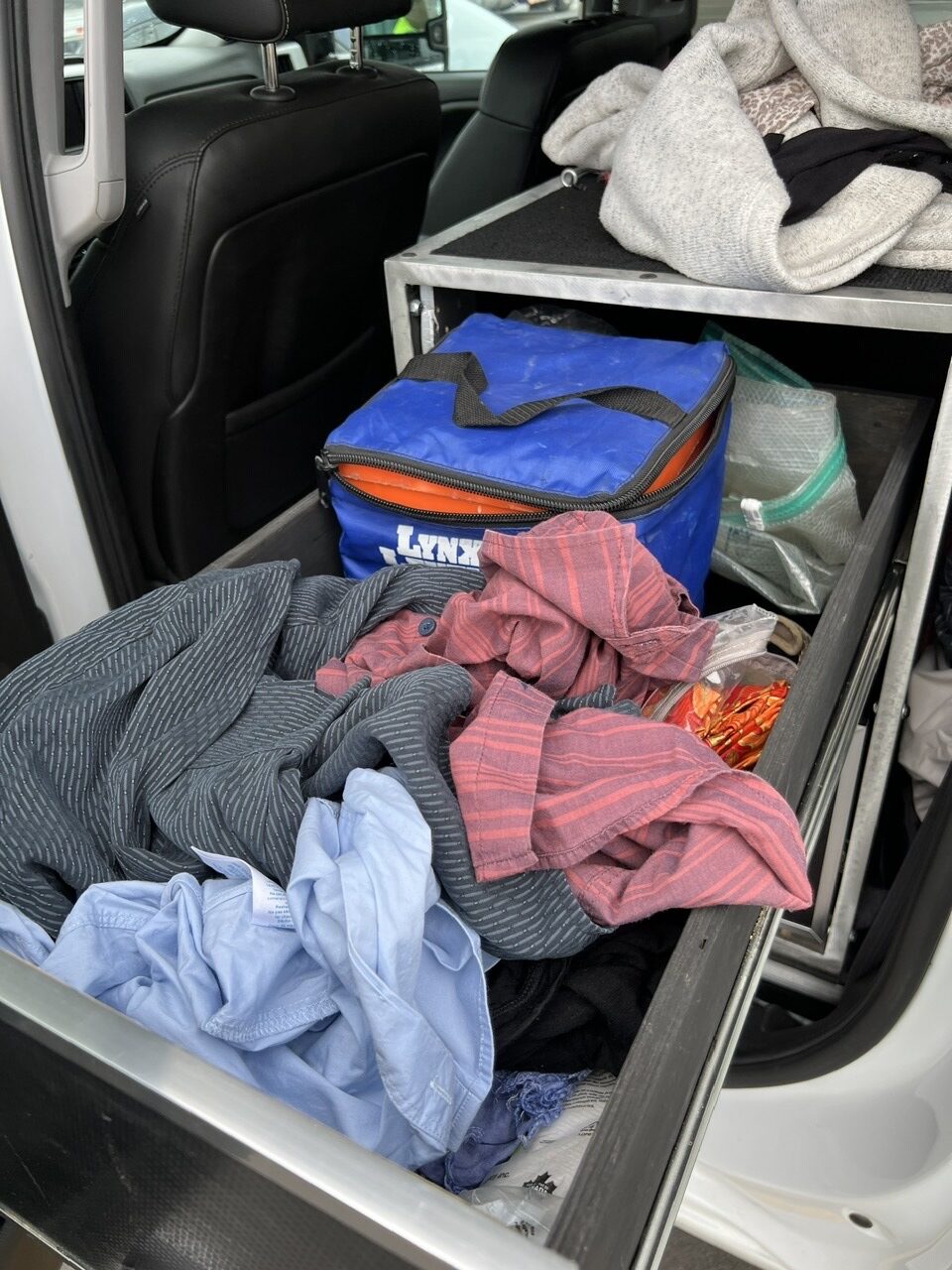
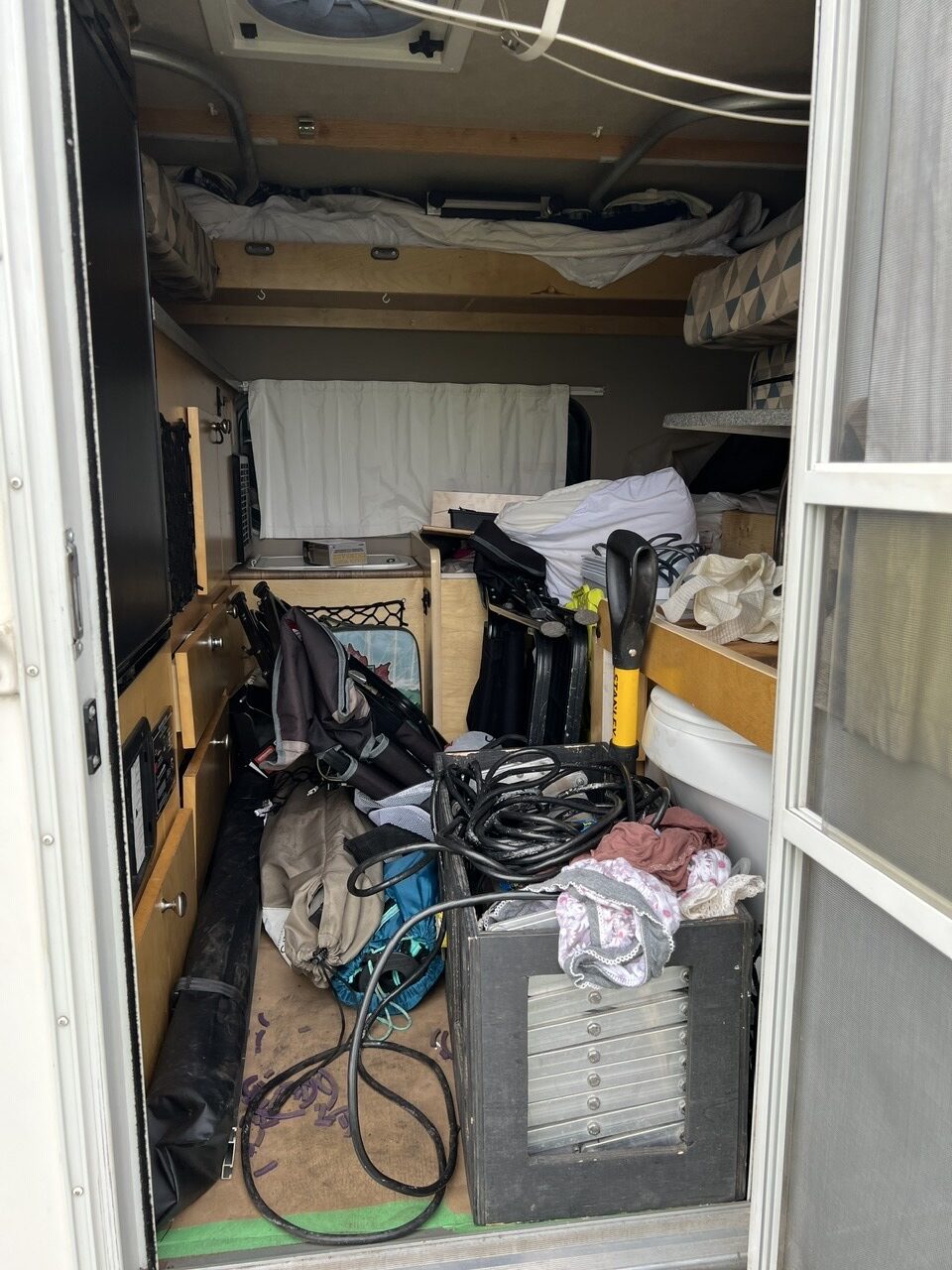
At first glance – all looked well, from the outside anyway. A quick walk around the vehicle revealed nothing unexpected – a great relief. Then, I opened the doors – first to the truck, then the camper. My heart sank……it was immediately obvious that both had been completely pilfered, with things out of place and strewn all around. We had carried all the really valuable stuff ( drone, cameras, iPhones. iPads, laptops etc ) with us and hidden expensive vehicle/camper accessories where they could not be reached with the camper top down, so that helped mitigate our losses. But you can’t hide it all and quite a lot of valuable coats, other clothes, boots, hiking equipment, other accessories along with various odds and ends were gone. Devastated does not begin to describe the feeling.
Not only had they rifled through all our drawers they had moved everything around and left a great mess, perhaps having to stop what they were doing in a hurry.Out stuff was strewn everywhere inside the camper – all had been neatly packed and stored in Argentina.Port staff made some calls to the head office but there was not much that could be done – fill in a vehicle condition report and advise the Georgia Port Authority police they said. That we did.
The port staff were sympathetic but could do little but assist in filling out a claim report – they suggested that it likely happened in other ports en route ( Brazil is notorious for it and our ship stopped at 3 ports there ). We were not the only victims it turned out – another RV on the same ship was also hit, the owner in that case had ( against all advice ) actually stashed cash ( yes, really ) in their rig – it too, was all gone. Perhaps we got off light. The loss of many of these things was not just inconvenient, but an unwelcome additional cost to what was already an exceptionally expensive shipping experience. Hopefully we can recover some through insurance (which we have) – fingers crossed 😌.
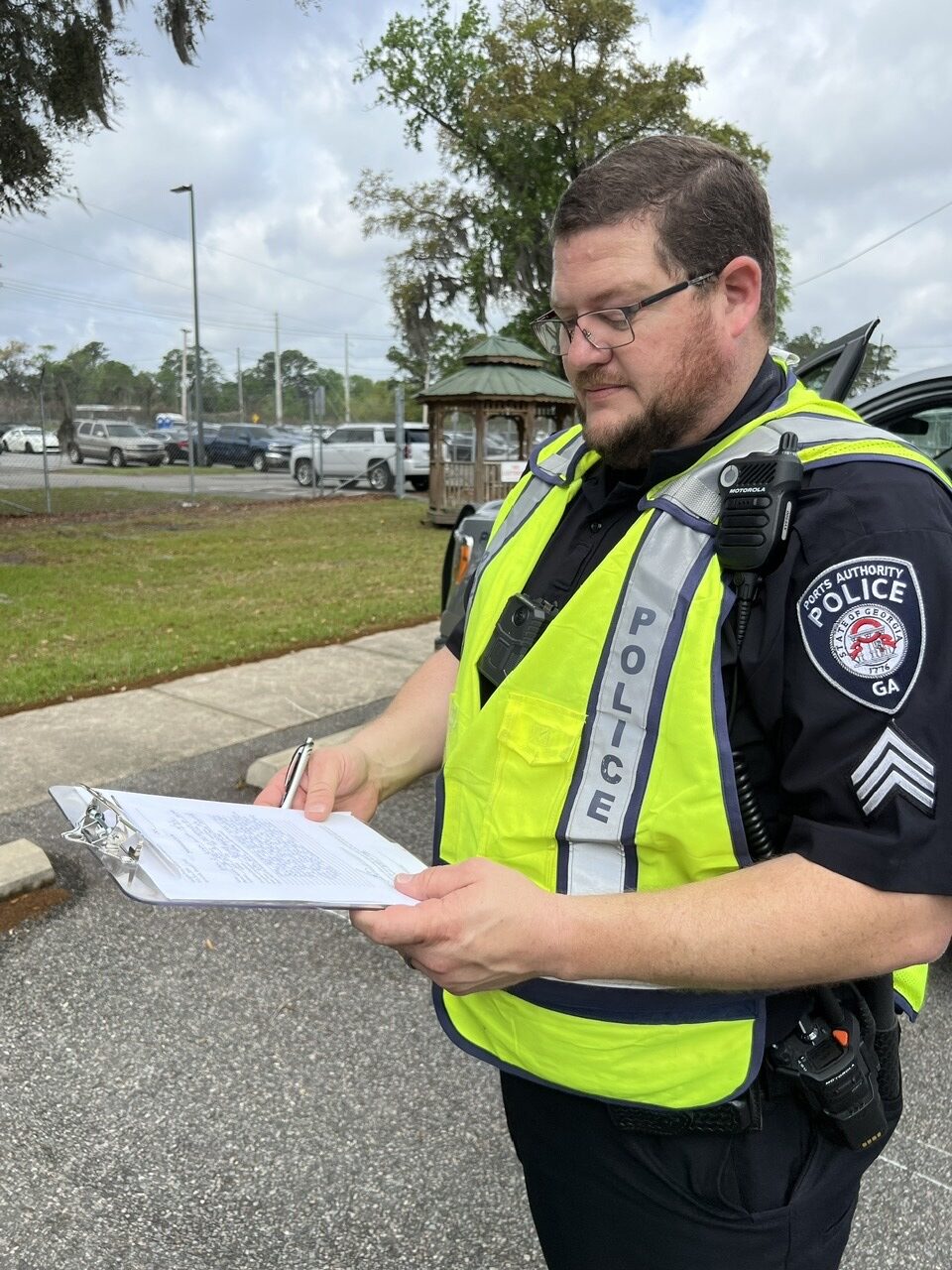
Josh, of the Port Authority police made an ispection, took our declaration and created a file. Now to our insurer. Ughh !
Truck in hand there was now much to do – unload everything we’d been carrying with us for 6 weeks and put it back in its rightful place, reload/replenish all tanks ( empty now of course ), reorganize everything that had not been stolen and lastly stock up on supplies. Licence plates had to be re-affixed as well – finger tight only for now, since they had also cleaned out my tool box during the heist. The process did not actually take that long and all that remained before we could head northwest to Canada was to drop the rental car off at nearby Jacksonville airport, just an hour away.
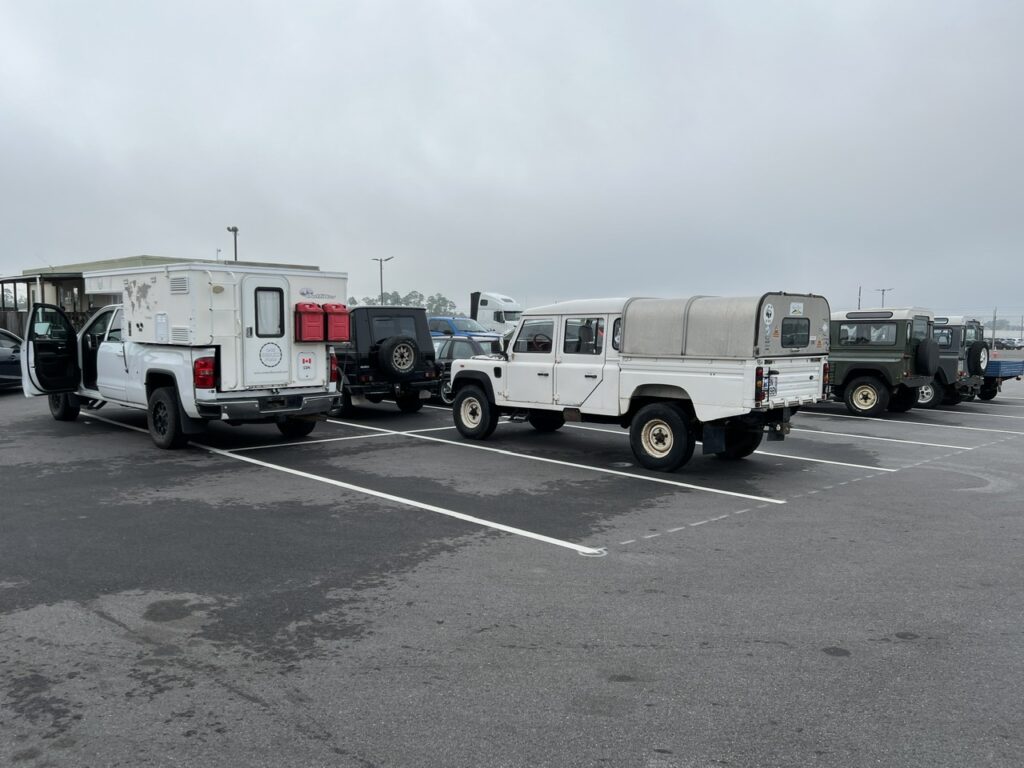
After all was done we collected our vehicle and were escorted out of the port. Noticed a few other overlander vehicles had just arrived as well ( on the other ship that came in from Europe ) – here a few classic Land Rover’s belonging to some French folks.
Must say it was really nice to have our own vehicle back – everything at our fingertips again, and such a nice, comfortable vehicle to drive. We had a permanent place to stay again, our own comfy bed, and the ability to buy, store, cook and eat whatever foods we wanted and now had everything with us ( not just what we could fit in a travel bag ! ); we had really missed that for the past 6 weeks. As this past week wound down we’d put the camper contents theft behind us ( hey, worse had happened to others ) and managed to get on the road back to British Colombia. Not “far” on the road, mind you, but ( as Willie sang it ) at least we were finally ”On the road again”…!
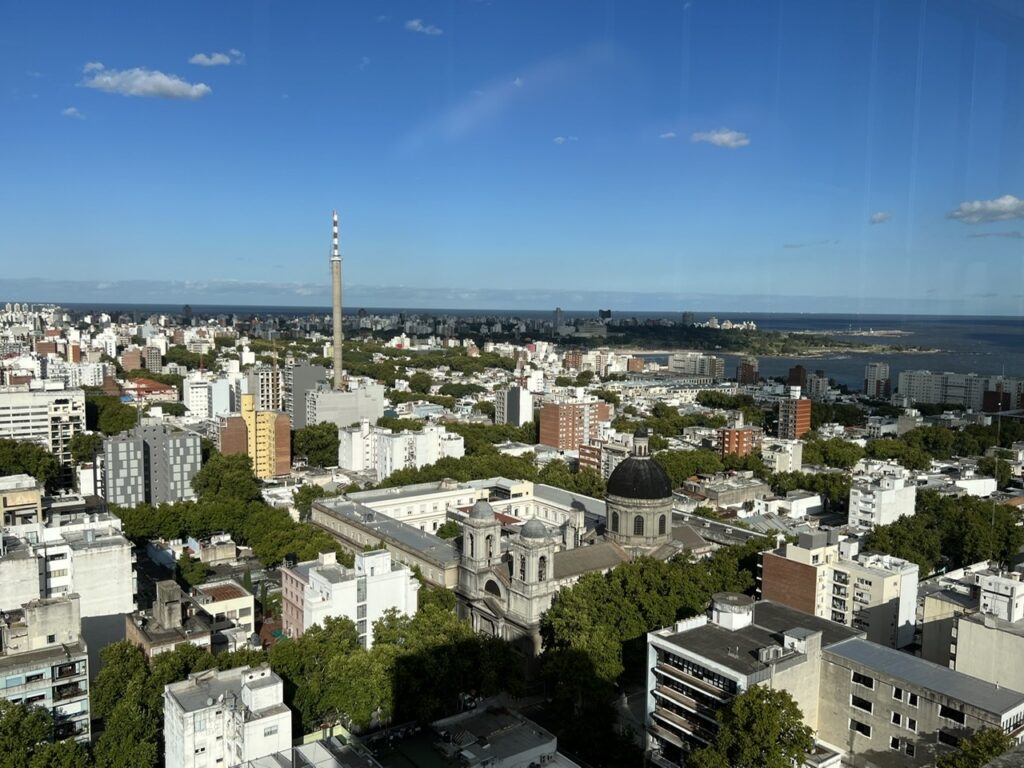
Almost across the street from our hotel in Montevideo was the Mirador Panoramico ( a high rise building with a viewing deck ) so before driving out of the city to Punta del Este we took in the city view from the 22nd floor to get a different perspective on this city of 1.3 million.
Montevideo from the 22nd floor Mirador Panoramico.
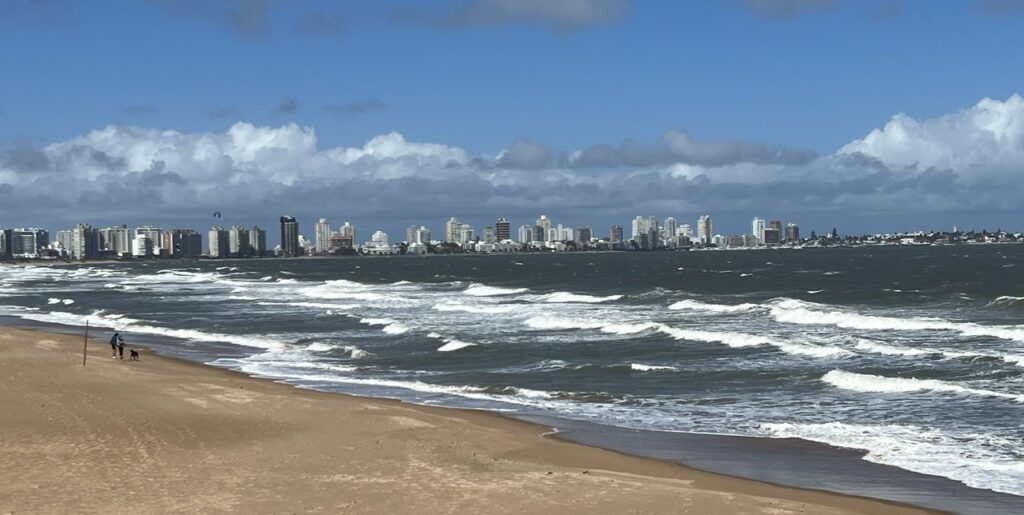
Punta Del Este, ( PDE ) 125 kms straight east, is a beach-side getaway on the Atlantic Ocean that’s long been a summer playground, not just for Uruguayans, but also other South Americans ( especially Argentines ). We found it newer, cleaner and just generally more appealing than Mar Del Plata ( very broadly speaking it’s Argentine equivalent ). Centred on a peninsular at Uruguay’s southern extremity, PDE has a calm western bay side and full exposure to the South Atlantic on its eastern shore with some fairly solid surfing conditions in places.
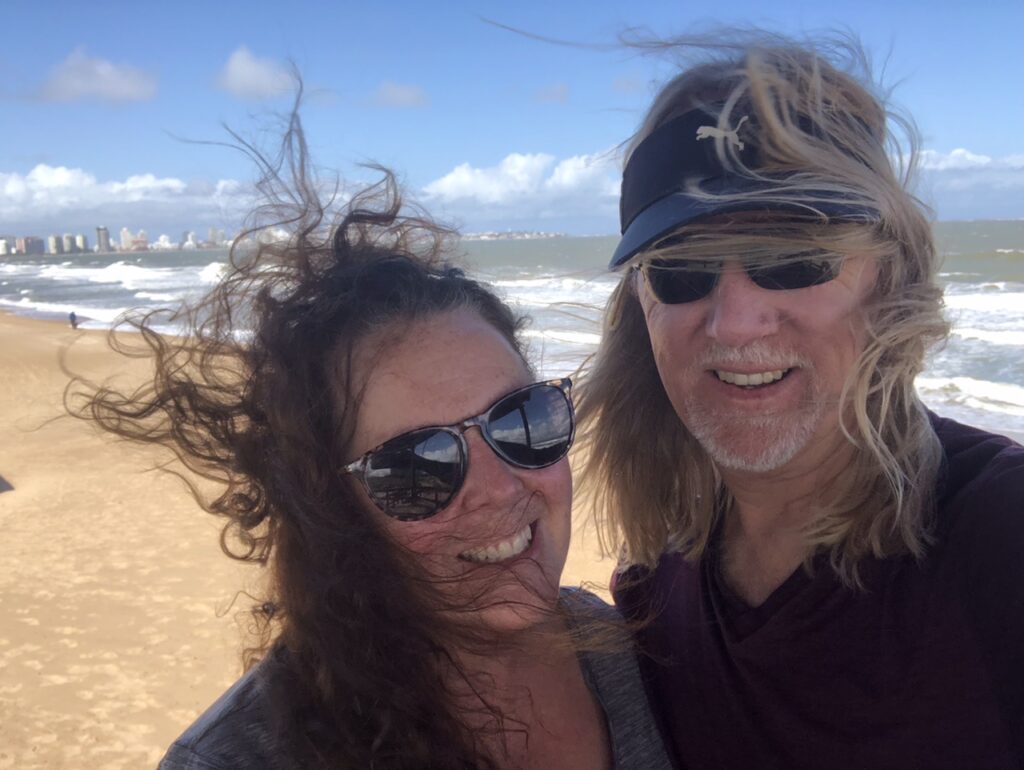
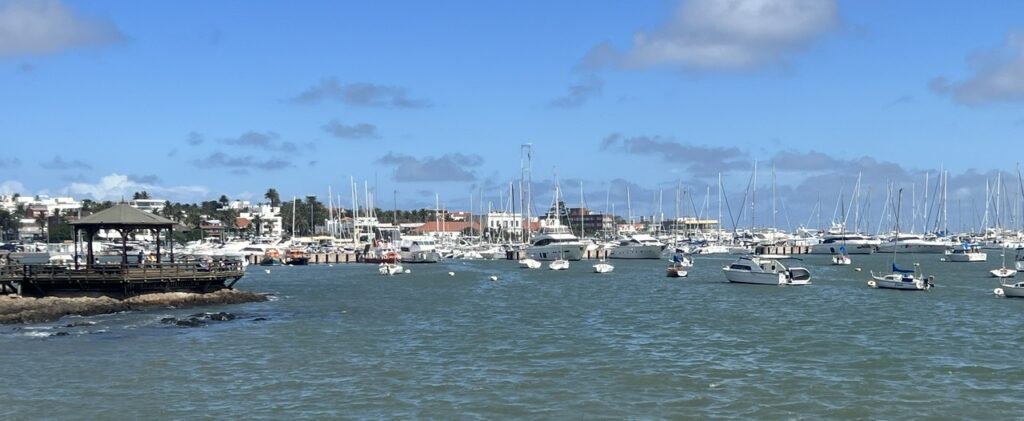
View of Punta del Este as you approach from Montevideo.Lots of beach walks here, but it was windy !Inner harbour, Punta del Este.
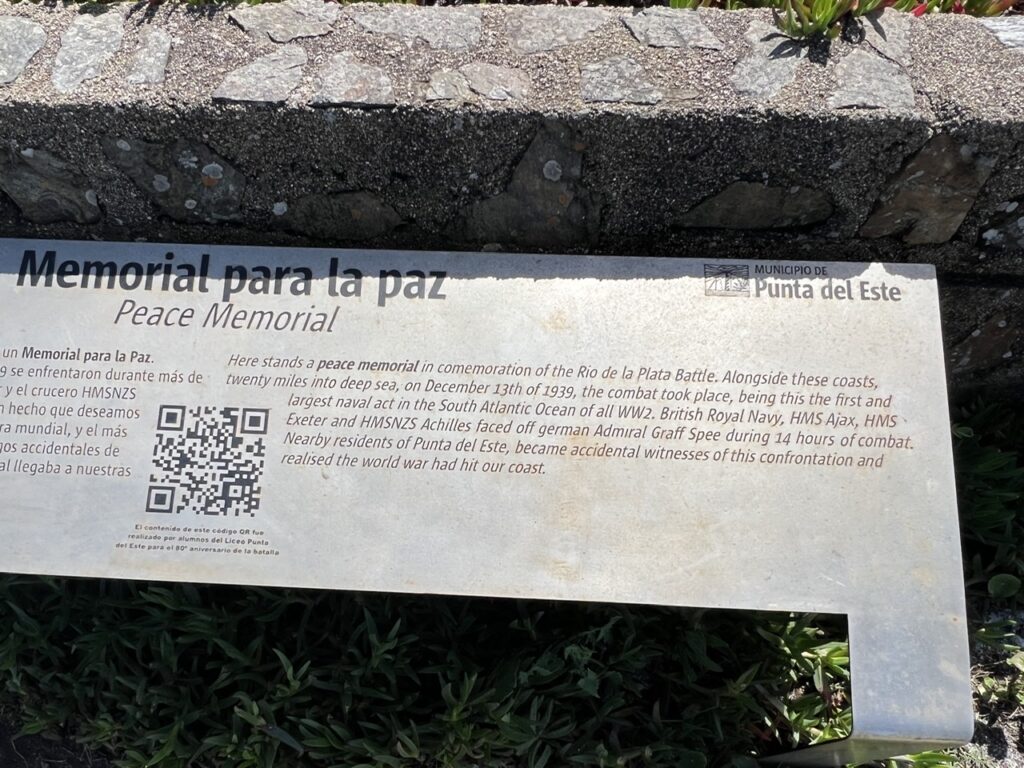
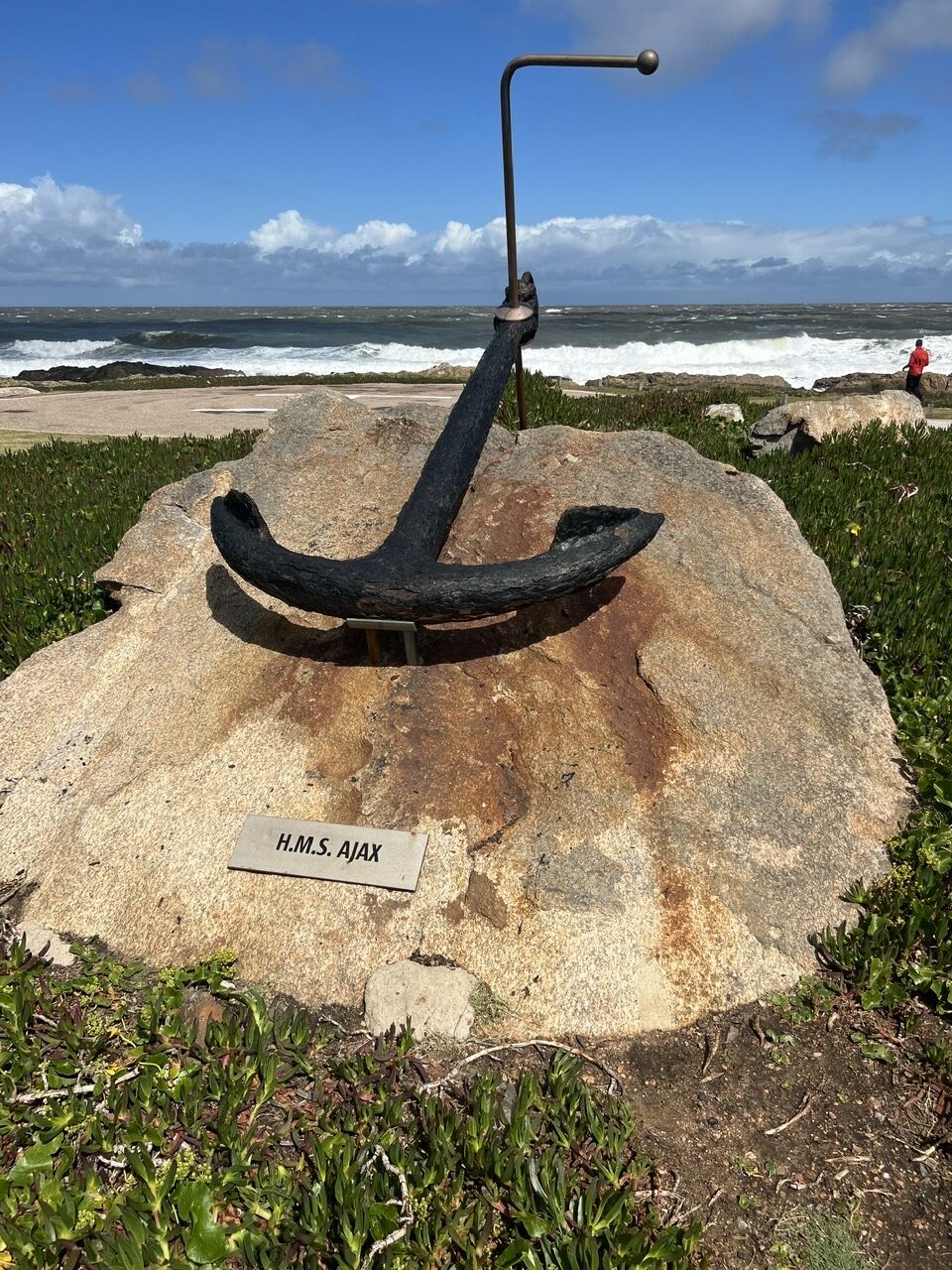
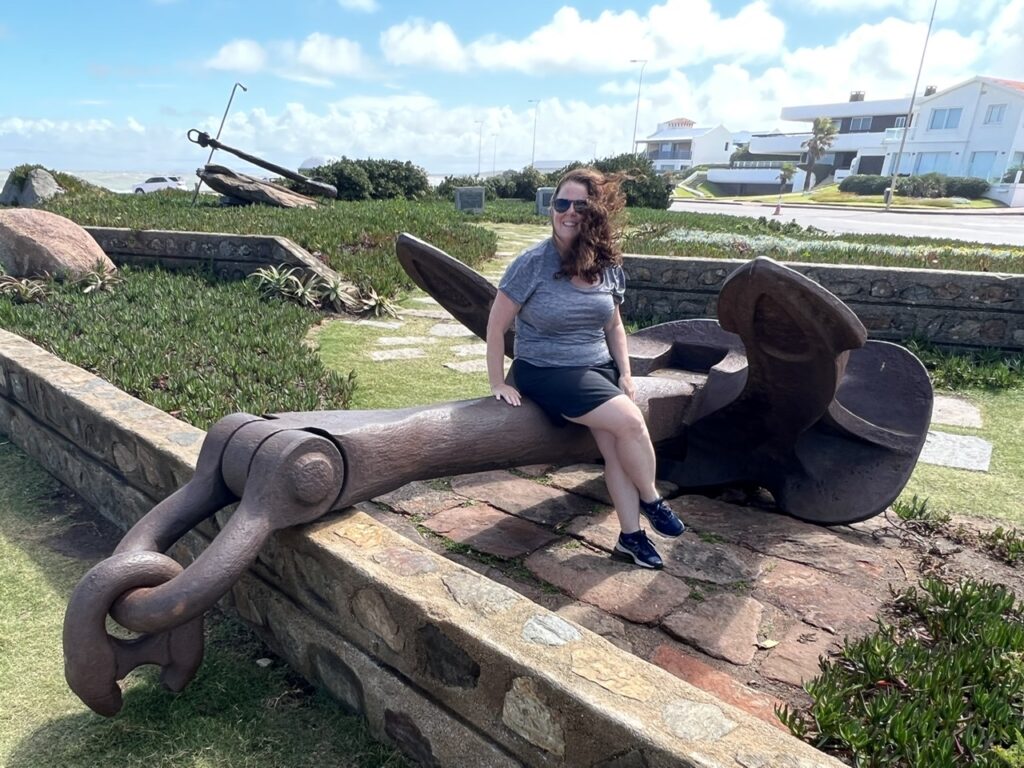
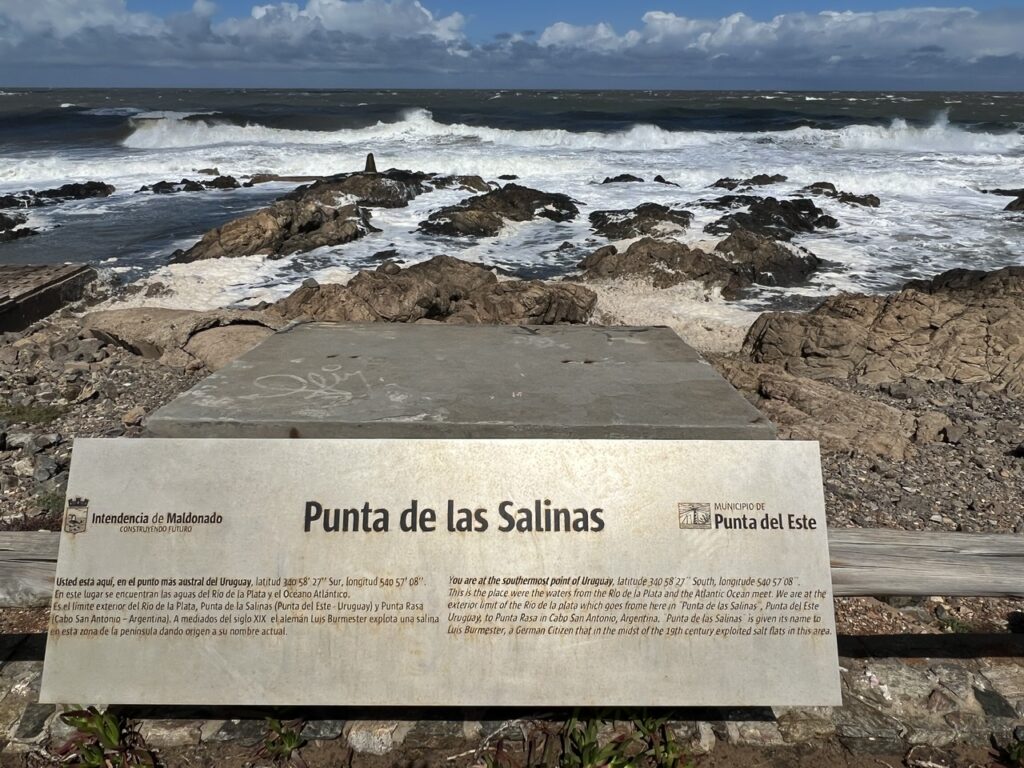
The town delivered better weather than expected in the 4 days we were there although the winds were pretty fierce at times ( making it very popular with windsurfers and kite boarders alike ). The city has a great seashore promenade that wraps right around Salinas Point ( Uruguay’s southern extremity ) and made for an enjoyable afternoon’s walking. Remnants of one of Uruguay’s great historical battles can be found there. While Uruguay was not a combatant, one of WW2’s earliest naval encounters, the Battle of the River Plate ( fought between 3 British cruisers and the German pocket battleship Admiral Graf Spee ) was fought just off this coast in late 1939.
A peace memorial now marks the site of the famous naval battle in WW2.Anchor from the British ship, Ajax, one of three that challenged Germany’s mighty Admiral Graf Spee in the waters off Punta del Este in the early days of WW2. Damaged, the German ship would be deliberately scuttled just days later in the waters outside Montevideo.Another anchor from a ship in the battle.
A plaque noting Uruguay’s southernmost point, Punta de las Salinas, right by the same spot.
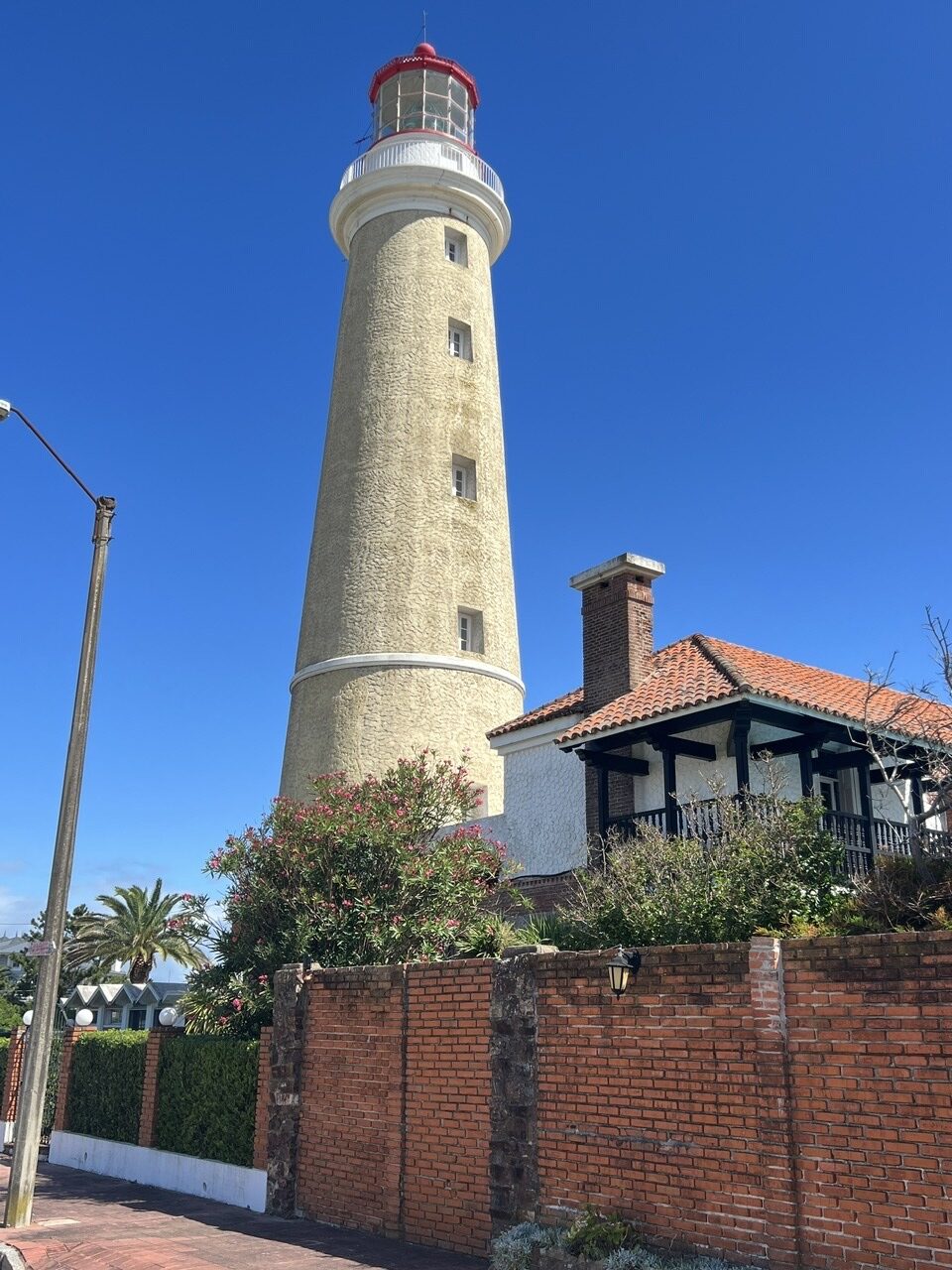
Punta Del Este lighthouse.
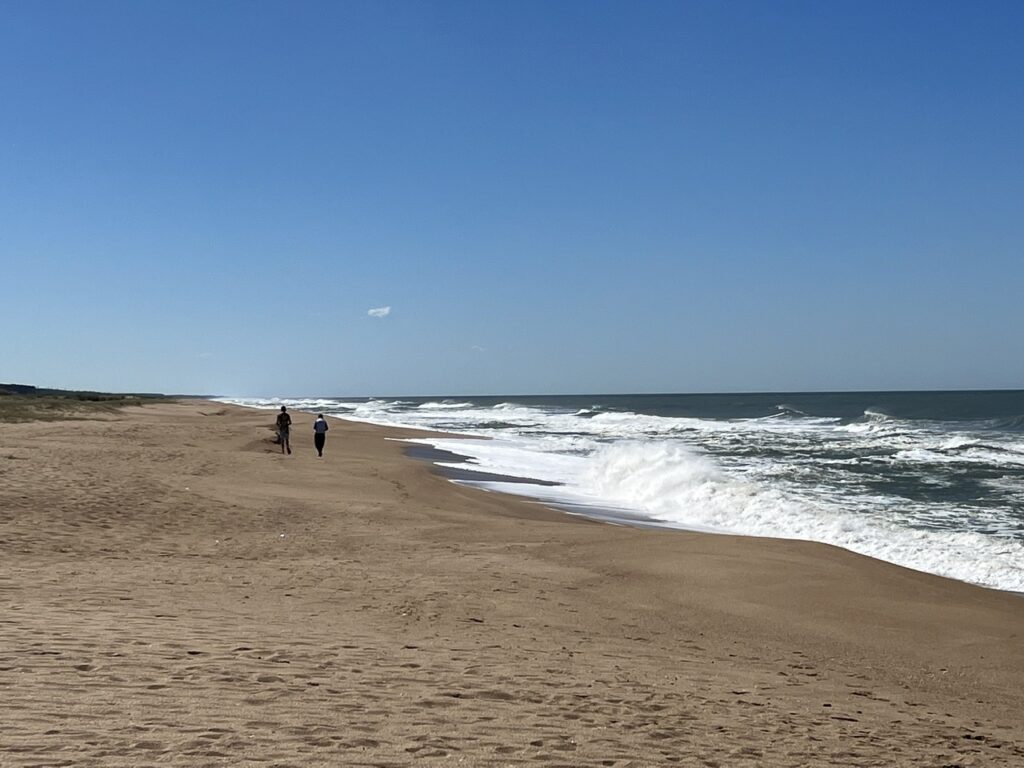
With “wheels” again following a month with none ( we’d rented a car in Uruguay ) exploring the coast of Uruguay was now possible so north we went. The interior of the country is pretty much farmland so offers little to see but it’s coastline is very scenic – reminded us much of small coastal towns up and down Australia’s east coast ( perhaps not so coincidentally since both regions lie at almost the same longitude and enjoy similar weather ). Tested the water but as summer had just turned to autumn it was a little cool for a dip ( and probably a bit rough given the strong wind at the time). It’s pretty much beaches all the way up to Brazil ( and more beaches beyond that ! ).
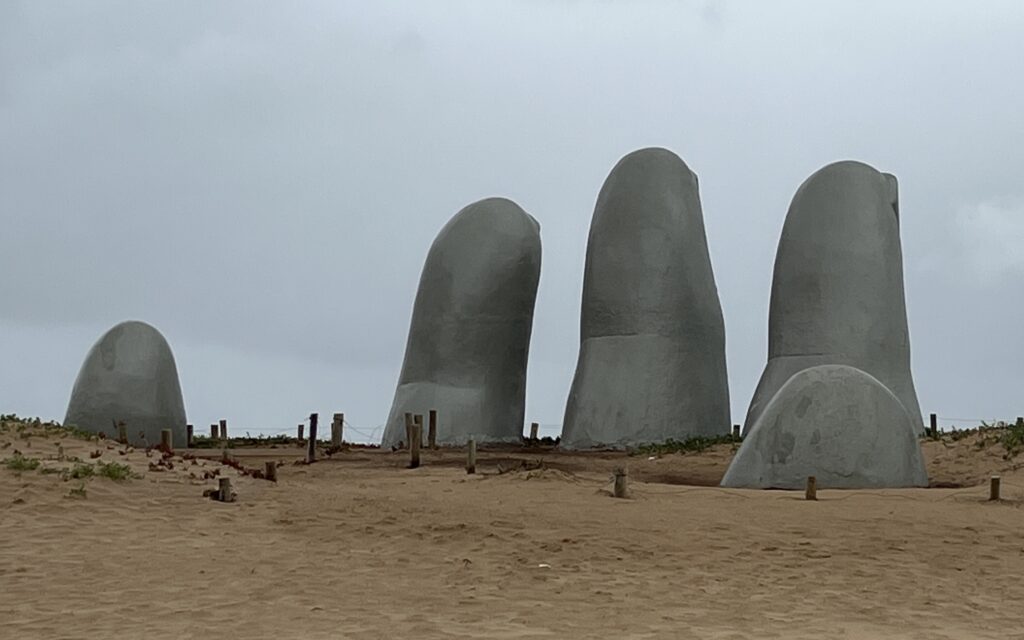
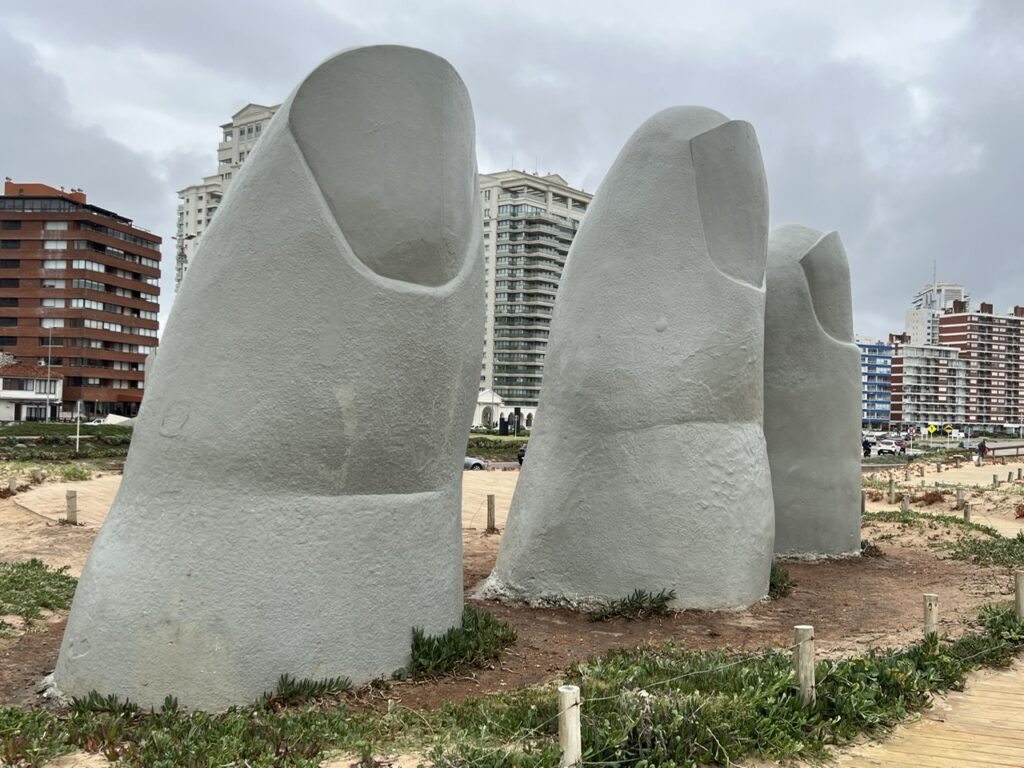
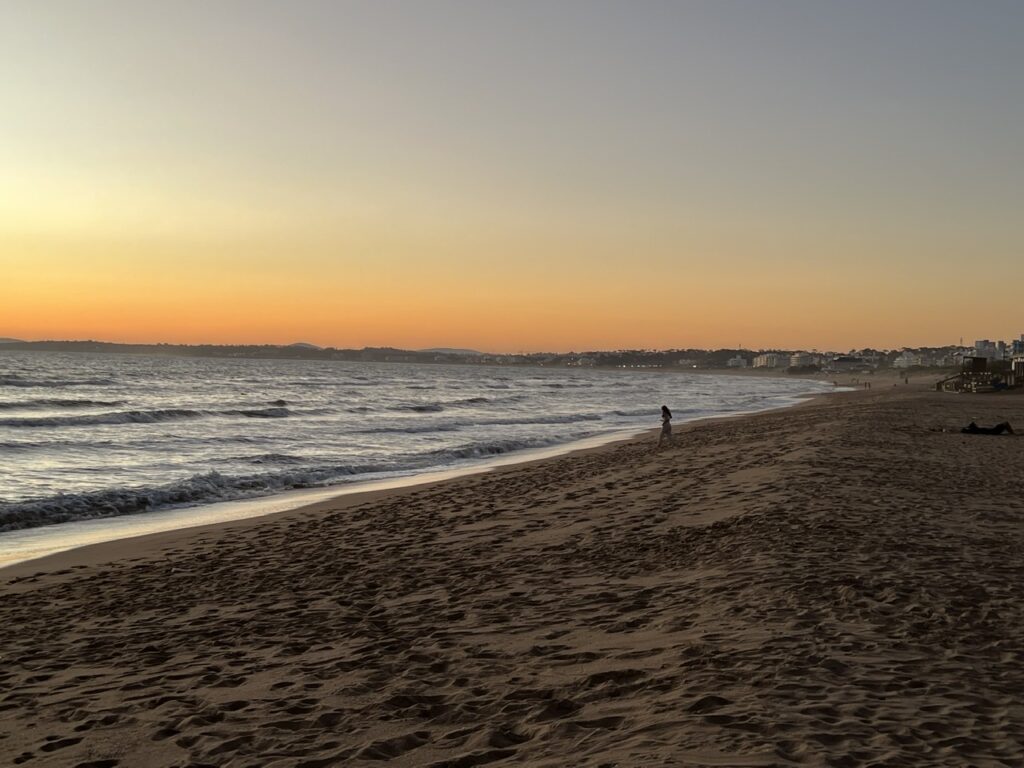
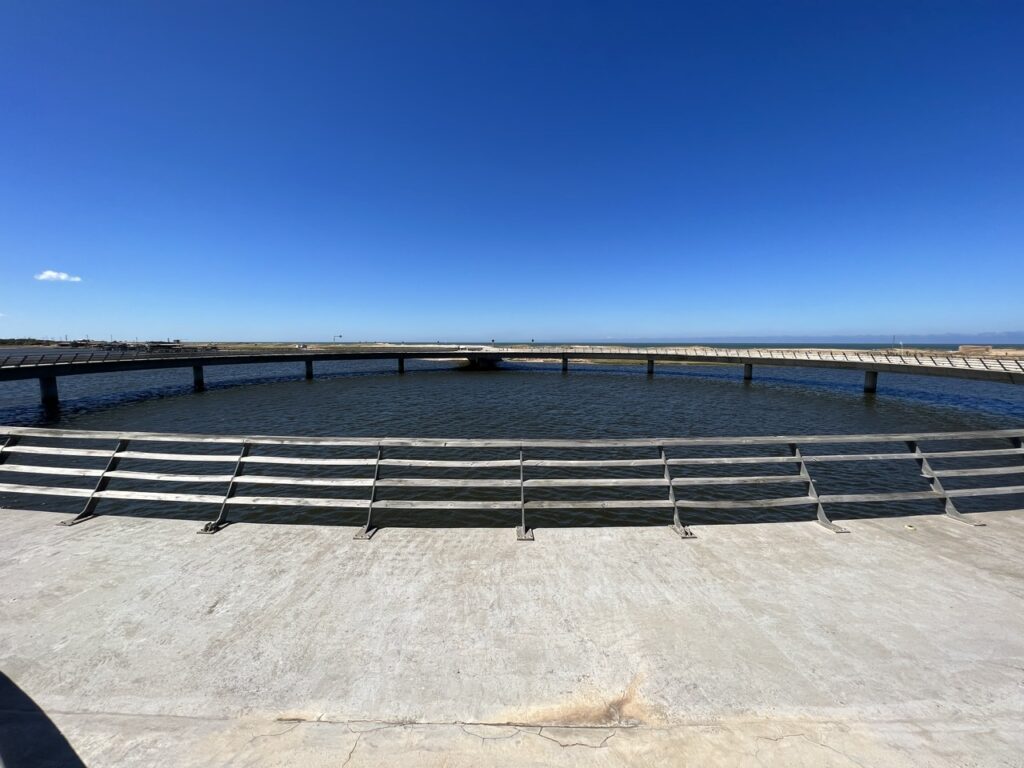
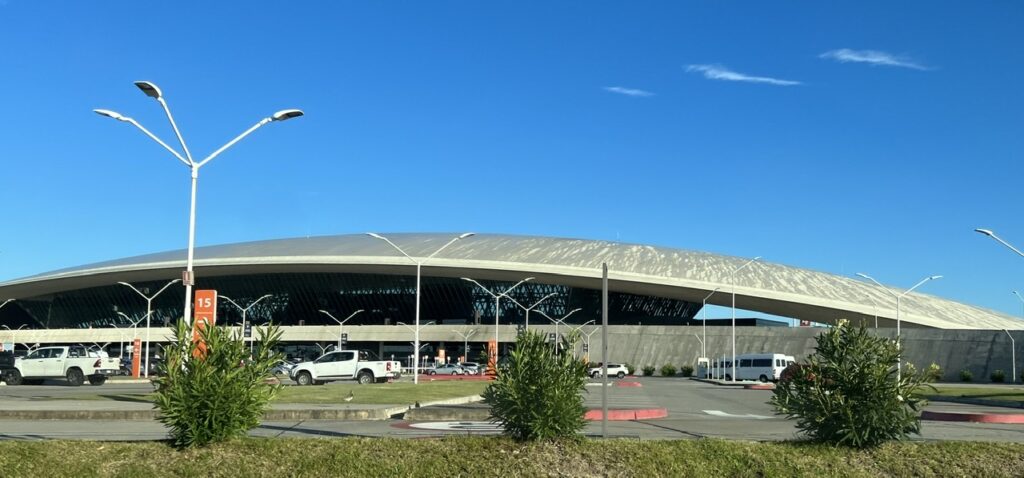
La Mano ( The Hand ) of Punta del Este, a sculpture depicting 5 fingers emerging from the sand. Created by the Chilean artist, Mario Irarrazabal, in 1982 it has since be become one of Uruguay’s best known landmarks.From the back.If you like solitude the Uruguayan coast is your place.Caught some nice sunsets, but the mosquitos came out in droves right about then…!The Laguna Garzon bridge, north of Punta del Este, famous for its circular shape. Rafael Vinoly, the famous Uruguayan architect who designed it also designed Montevideo’s sleek international airport.
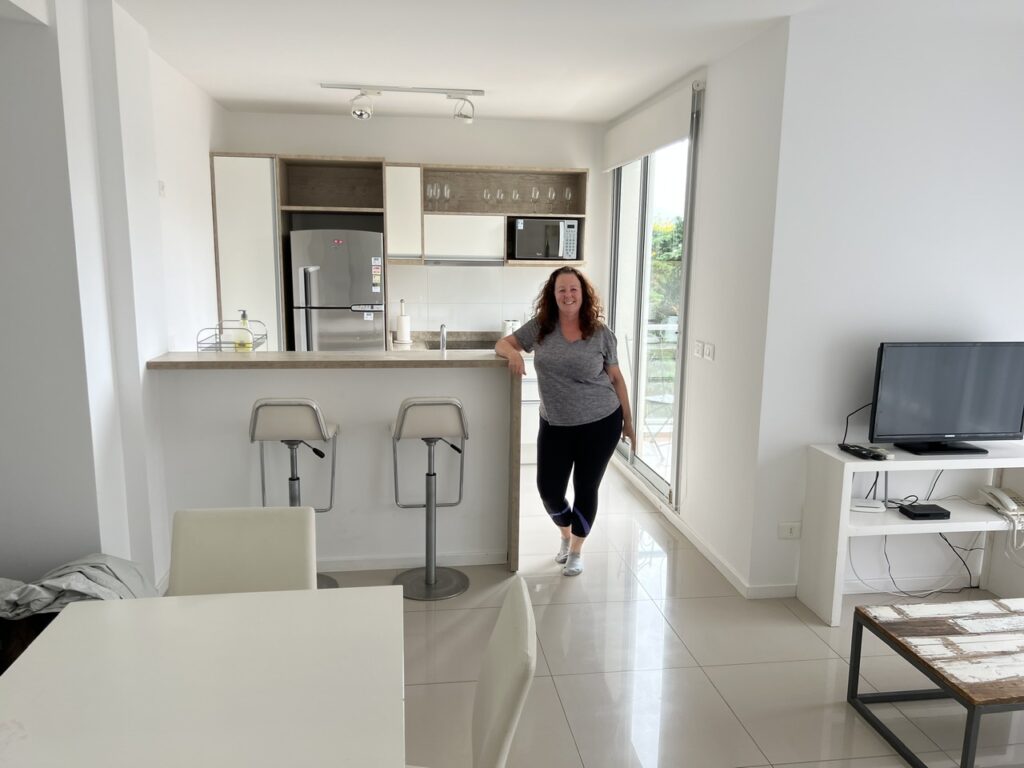
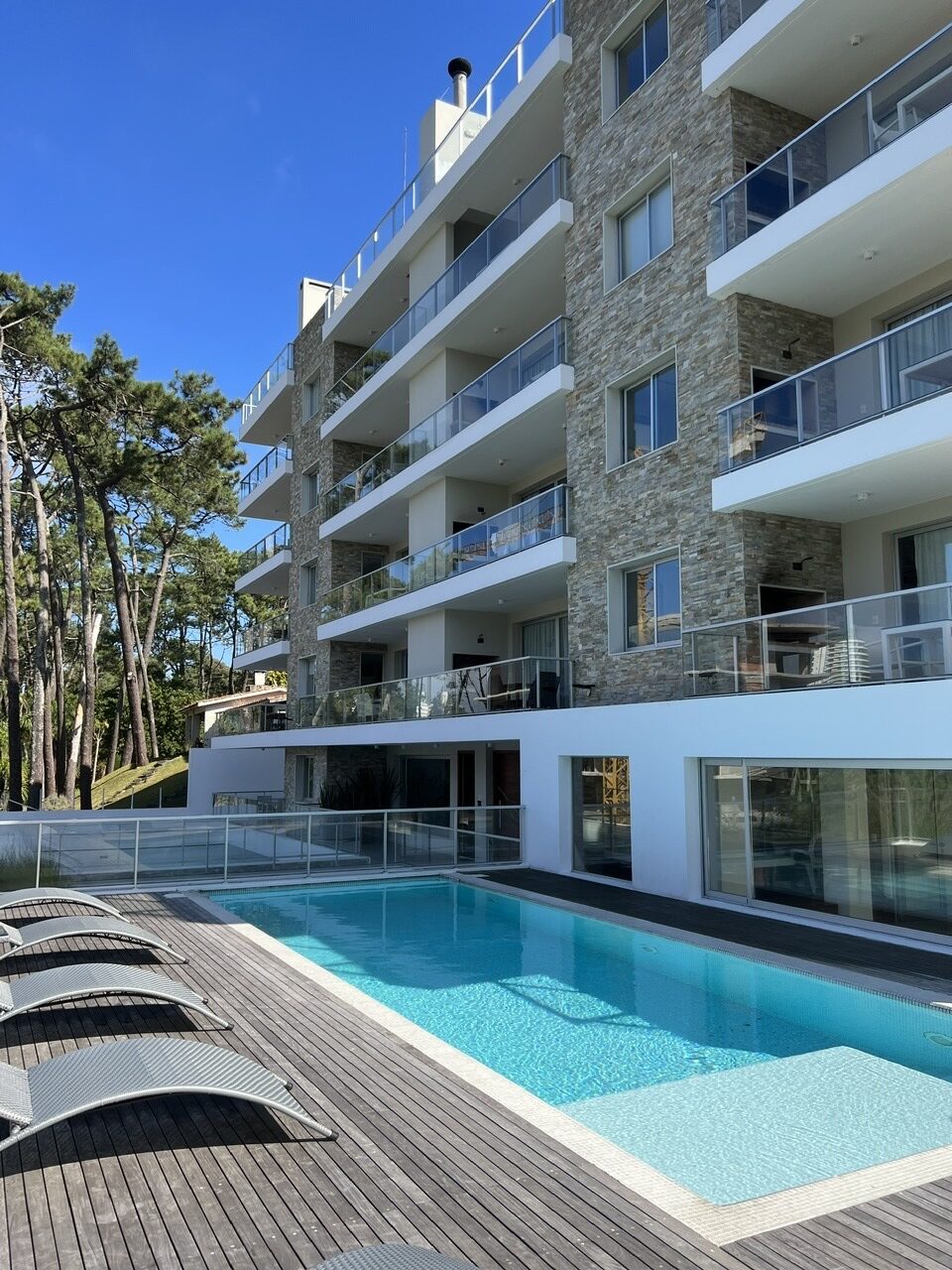
Having had such a wonderful experience with an “apart-hotel” in Buenos Aires we decided to roll the dice again and book one in PUnta del Este and were very happy with it. With these units you forgo daily housekeeping but generally get more space, more facilities and a little more “homey” feel: good for when you are spending more time there.
Inside the unit. Very well appointed, full kitchen and deck.The Emerald Punta del Este apart-hotel had a nice pool, and gym. We found the quality and features they offered to be exceptional.
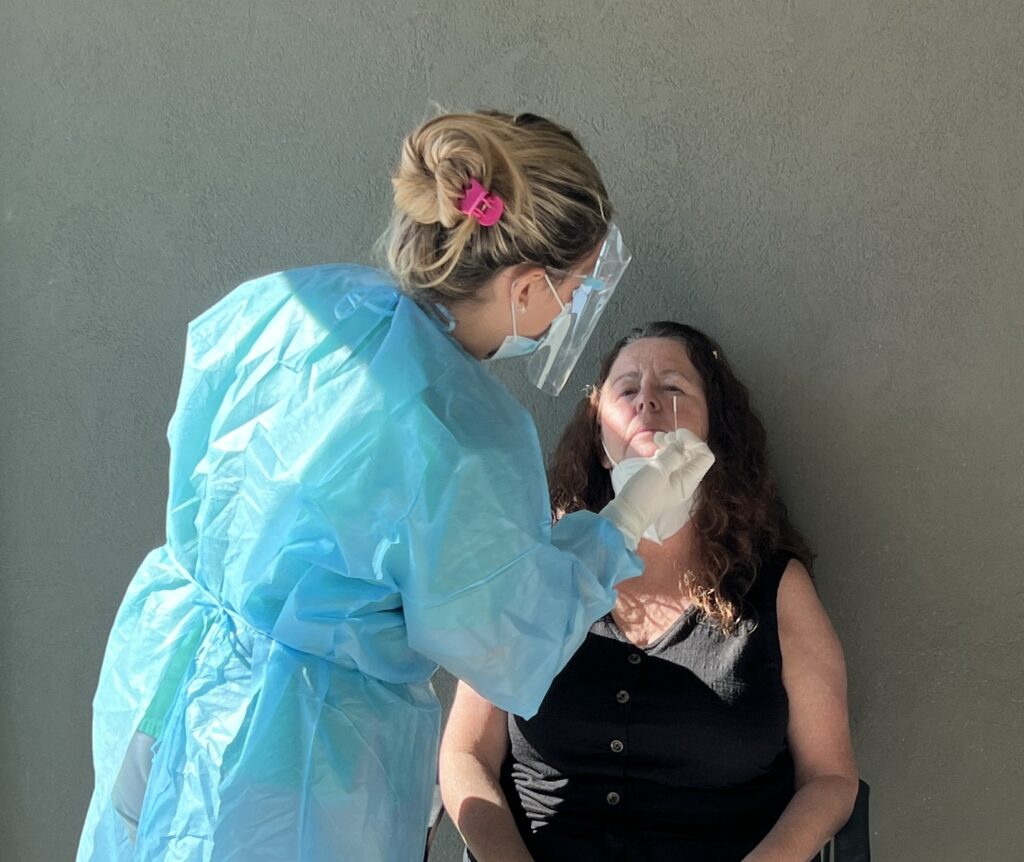
Alas, all good things come to an end and for us leaving Punta del Este was a double whammy- not only were we leaving a beautiful and relaxing part of Uruguay, but (save for one night at an airport hotel) it would also be our last hurrah in all South America. Hard to believe that, yes, we have been back 5 months – where did the time go ? Prior to flying out there was yet another Covid test to do, fortunately another “negative” result ensuring no hassles boarding. Still, anxious moments while you wait for it.
We were getting sick of these Covid tests. This one in Uruguay was our 6th since we re-started our trip in November. They may be cheaper in South America – it does not make them any more pleasant !
Roads in Uruguay ( based on what little of them we saw ) were very good. Here, showing the 4 lane highway between Montevideo and PDE.Somewhat appropriate that we should enjoy a beautiful sunset from the airport hotel. Being our last night in South America, the ”sun was setting” on our Pan American overland journey as well.
Our flight back to North America took us from Montevideo’s modern new airport via Panama where a scheduled 4 hour layover morphed into more than 7 resulting in arrival into Miami at the ungodly hour of 5.15am. At least customs and immigration were not busy so it was a smooth process on arrival. Never had we so looked forward to “crashing” in a comfortable hotel bed !
Montevideo airport: new, spacious, comfortable, stylish and very efficient. Panama’s ? Not so much !Sadly, our last view of South America ( Uruguay’s south coast with Montevideo in the background ).Miami airport is normally a zoo. Barely a soul there when we arrived, the place was deserted ( benefit of a 5am arrival !)
We have some planning to do in the next few days while waiting for the truck – hoping to enjoy a few days in the Florida sun by a pool or beach somewhere before driving up to the shipping port at Brunswick, Georgia and collecting the truck next week. An exciting but also a nerve-wracking time – praying it looks just the same as when we left it back in BA.
A few months back, just after we had reached the bottom of South America ( effectively completing the ”Pan American Highway” in our vehicle ), I penned another article for Truck Camper Adventures magazine covering our experiences, some highlights and relevant tips on the journey. The article is primarily oriented to the needs of those with truck campers ( or similar overland vehicles ) but would have relevance to anyone considering a trip like this regardless of their means of transport . It was published today – link below.
The PanAm completed in April, 2022 and with the truck camper sold, we shipped our new Sprinter van to Australia in late 2022. We travelled there through all of 2023 and into 2024 before shipping it up to North East Asia where we travelled for 4 months between Korea and Japan, before shipping it back to North America. It’s our plan to continue exploring the world in 2025.