Disclosure: This week’s blog is specifically written in order to share details, costs and the relevant processes of shipping a personally owned vehicle ( “POV” in shipping slang ) from another country to Australia.. I’ve thus split this blog into two parts: PART ONE – of general interest to readers who might wonder why we chose the shipping option ( versus others ), and PART TWO – which contains a great deal of detail and specific information ONLY relevant (and of any possible interest) to others who are contemplating bringing their own vehicle in. It will not be of ANY interest to you if you are not considering doing this yourself ( in which case you should pay close attention !) unless, perhaps, you have a particular curiosity about such an endeavor ( and few will ! ).
We relied very heavily on the shared experiences of others who went before us so this is simply a little “paying it forward” with more current information. I know a number of prospective overlanding “shippers” were looking for specific details of our experience, so, in lieu of our regular weekly ( “what we’re doing, where we’ve been” ) blog, here it is ( I’ll return to the regular stuff next week ! ).The extraordinary and unprecedented delays we ( and many others ) have faced in getting our cargo unloaded at the Port of Melbourne through January and February (that’s in 2023, in case you’ve not previously followed our regular blog ) would indeed make the casual reader question why someone would ever take on this somewhat daunting, incredibly time consuming and of course, rather expensive endeavour. The short answer is that if you travel long enough in Australia it actually does make sense, and such extraordinarily long shipping delays are usually very rare – obviously no one plans on encountering them. But, when you are caught up in them, like we were, there is simply nothing you can do but make the best of the situation ( difficult though that was at times !). This was our story.
PART ONE: Our Recent Experience
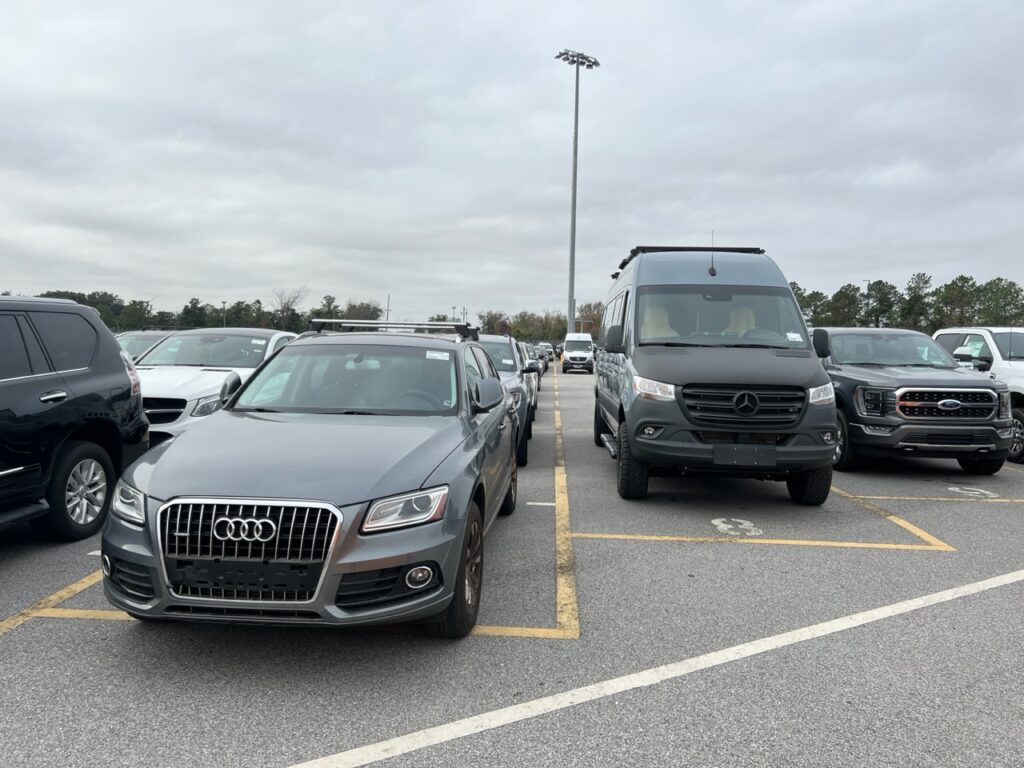
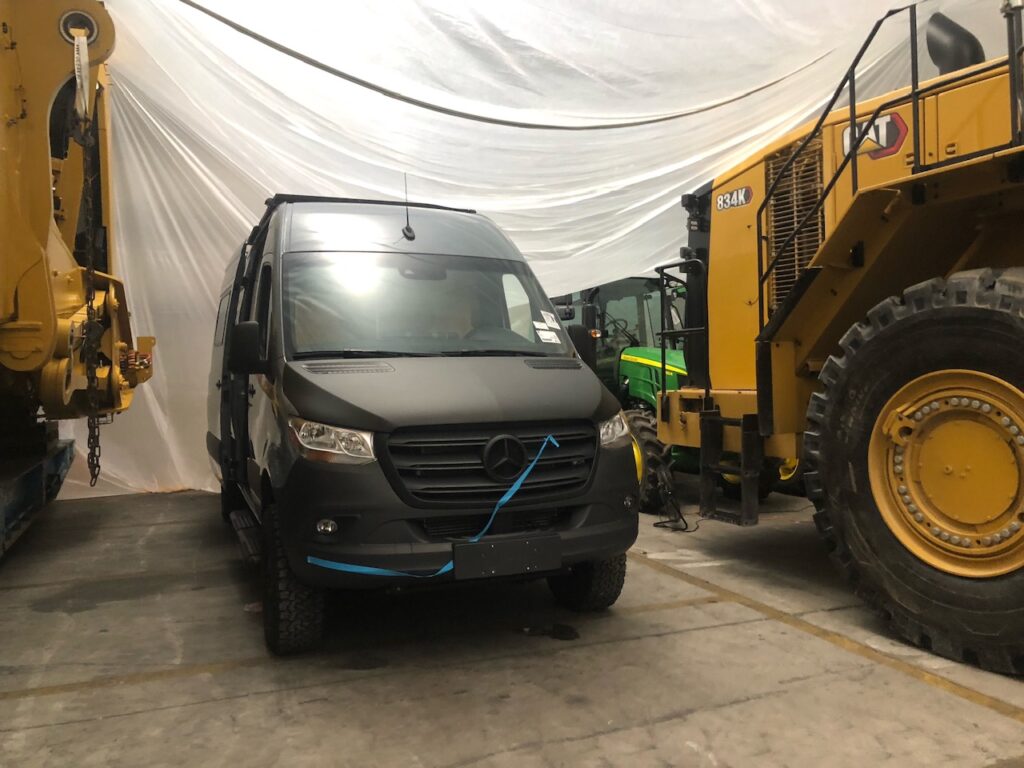
Our van parked on the port in Savannah, Georgia awaiting loading for Melbourne.Fumigation is done on the port of embarkation so theoretically it arrives in Australia ready to go. Our own shipper and other staff we spoke to in Melbourne said ( currently anyway ) almost all cargo is still marked for further washing on arrival.
It’s certainly fair to say that this whole port delay experience ( finally resolved on March 10 after a week of extraordinary stress ) put rather a damper ( temporarily anyway ) on our grand Aussie adventure. The fact that there was significant theft from our vehicle did not help. Obviously one takes with them ( on a plane ) anything and everything one can but weight restrictions mean you are practically limited in that regard. A lot of stuff stays with your vehicle and there was theft from the parts of the van that we simply could not secure. It’s an inherent risk on any RoRo ship since the vehicle is unlocked during the whole passage ( port drivers need to be able to drive it on and off ). We are insured but the deductible is fairly hefty and there are exclusions. We’ll be happy if we recover just most of what was lost. Undoubtedly some of our readers must be thinking, “Jeff, Lois – was it really worth it ?”. Timely then, perhaps, that I address a couple of questions we ALWAYS get asked when discussion comes around to why we shipped our vehicle from North America to Australia.
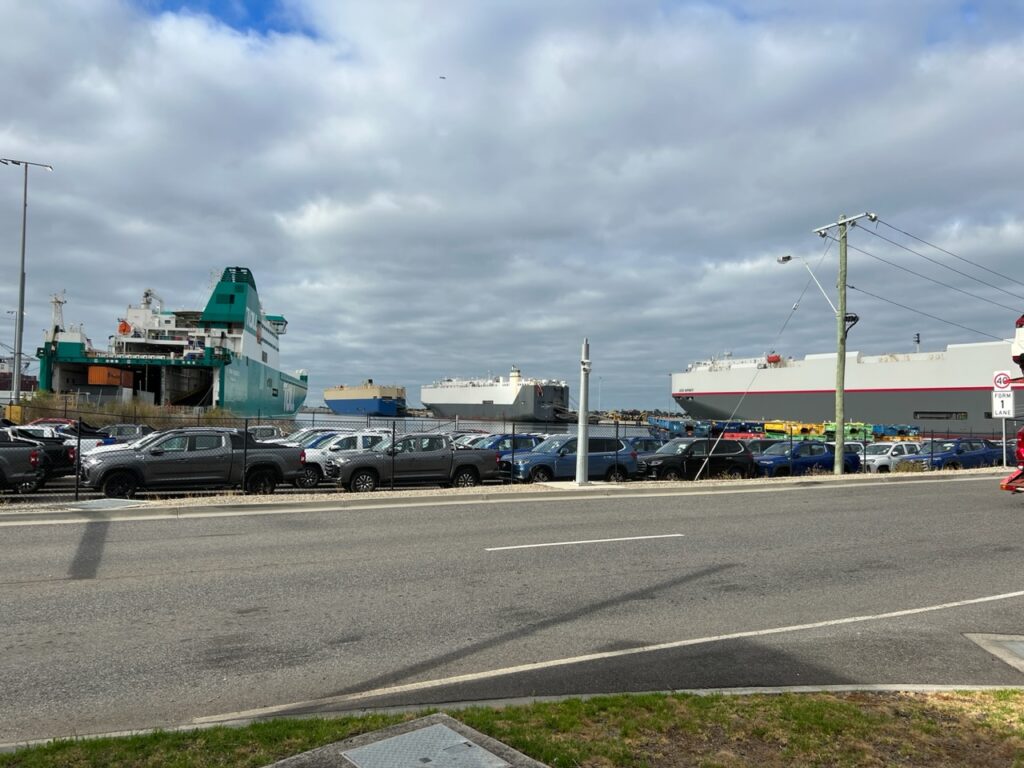
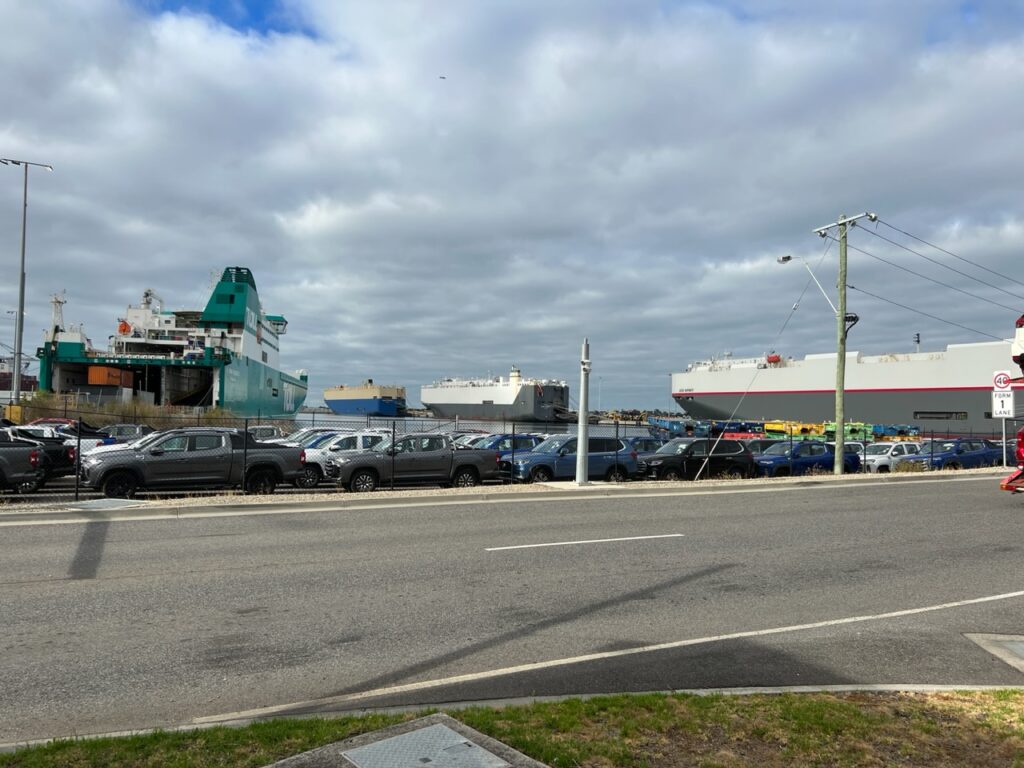
Here, 4 large RoRo ships unloading on the day we picked up our van in Melbourne.In every port we have ever been in, an escort is required for security reasons – Melbourne is no exception. They were extremely efficient in getting us processed and on our way once the biosecurity checks were done. The Port of Melbourne staff were really excellent.
Other Options
The first question asked ( almost always ) is “Isn’t it expensive?”. Yes, it is. And travelling in a rather large van makes it more so ( an SUV with a rooftop tent – a very common overlanding choice – would cost much less ). Shipping RoRo it’s all about CBM ( cubic metres ) – the higher, longer, and wider your rig is the more you pay. It’s different than a container – if your rig fits in one of those ( our van does not, but our old truck camper did ) the cost is the same no matter how much you can stuff in it. Regardless, the absolute cost is essentially irrelevant- the relevant question is how does the shipping cost compare to the two other options for someone outside Australia planning an extended ( in our case up to 15 months ) trip around Australia and wanting to do it in an off-road capable vehicle with the features we wanted. It’s here that the equation generally still tilts ( usually heavily ) in favour of shipping your own vehicle in and out. Let’s take a look:
Option 1:
“Did you look into renting something ?”. Yes, we really do get asked that ! It’s not that the question itself is illogical ( it isn’t ) but rather the implication that we never thought of it. In short, it would be prohibitively expensive to do that. It’s a practical solution for a short trip ( 1-3 months perhaps ) but beyond that, ( even with a healthy monthly rate discount ) costs just go parabolic. It would be ridiculously expensive to rent a basic car for a year ( just $50/day comes to over $18,000 ) but a heavily customized, near new 4×4 camper would easily be triple that – or more. Driving mostly during “high season” it goes up from there. The very basic motorhomes we travelled with in New Zealand, as a simple guide, rented normally for $550NZ per day during the NZ summer months. Prices in Australia are likely comparable. And those were VERY basic vans. Larger, fully equipped, off road capable 4×4 vans are hard to find. We quickly eliminated renting as an option.There’s also that constant feeling you have when renting that “every extra day is costing me X dollars” causing many travellers to rush or take short cuts. Not what we wanted – we’d prefer to take the big financial hit up front and stay longer without the daily cost anxiety.
Readily available, but expensive to rent and smaller than we wanted – something like this will, however, go absolutely anywhere !!!
Option 2:
“Didn’t you consider buying one and selling it before you left ?”. Absolutely, in fact that is what most people end up doing when they realize the obstacles/cost to bringing in your own vehicle. We have actually done that before ( in Europe ). In 1985 ( in our early 20’s ) we bought an older VW Kombi camper in London, travelled Europe and North Africa for 6 months with it, absolutely loved it, then sold it when our trip was done. We paid £900, did not spend a pound on it, and sold it for €750 at the end. A good deal by any measure !
The orange 1973 VW Kombi we purchased in London, UK in 1985. Our first experience shipping a camper anywhere.
It’s hugely common to do that in Oz as well, and there are companies that will actually sell you a vehicle and guarantee to buy it back off you, usually for about 60% of what you paid if you don’t want the hassle of selling it yourself. Simple, fair and actually pretty easy – when you have a relatively inexpensive vehicle. If you move up to a higher end, fully equipped, late model, custom modified, 4×4 camper, you are looking at a very substantial up front investment and thus a commensurately substantial potential loss on sale. Drop just 10% of the purchase price and you are easily looking at a $15-20,000 +loss, in addition to having substantial capital tied up in your Aussie vehicle while you likely have your own vehicle at home depreciating away. And that probable loss assumes you can find a buyer who wants exactly your kind of rig, lives in the city you are trying to sell it in, has the $$ to buy it ( or can finance it ) and wants it right when you plan to sell it. That’s a LOT of stars to align for this to be an effective solution. Get the currency trade wrong and you could easily lose another $10,000 + just on that ( but you might win, too ). Of course you would also need to start thinking about selling it long before you finish travelling with it. Suddenly “buying and selling” ( especially with a higher-end vehicle ) is not as easy or cost effective as you might think. The “Returning to Canada, must sell quick” pitch is not likely to get you top dollar, either ! We thus eliminated the “buying and selling” option almost as quick as the “renting” option.
Ship your own wheels and the world is your oyster !
Further Considerations
Beyond the above analysis, there were several other very relevant reasons why we opted to ship our own vehicle to Oz:
1) We had shipped a vehicle internationally twice before ( Panama-Colombia and Argentina-USA ) and were thus very familiar with the process – this was not our first rodeo. It is not something everyone is comfortable with, and there are risks, but we knew we could live with them.
2) I had put almost a year and a half of blood, sweat and tears into building our rig and was not about to leave it sitting in Canada and then rent/buy another one – quite honestly, it was NEVER going to happen, regardless of how the economic analysis shook out ! It just seemed like the most totally pointless thing to do. For many others this will factor into the analysis as well.
3) Most importantly though, it’s not our plan to just ship it to Australia and ship it right back when we are done. While Covid has taught us all to be flexible in our plans, one can ( and should, I think ) still make plans at least – just be prepared that they may not work out ( been there, done that ! ). Our dream is to continue overlanding after Australia which means travelling through more countries with our van ( ideally via Asia or Africa ). With the world right now in a state of flux ( open warfare in places like Ukraine, Myanmar, and many others ) who knows what way we will take the vehicle back to Canada, but we certainly do hope to travel overland with our van well beyond Australia. Given that is the goal, it’s just totally impractical to either rent, or buy/sell, a 4×4 custom camper everywhere we might go……and that is why no one does.
PART TWO: Is This For Me ?
If you are in the overlanding Australia mindset and still with me, you’ve possibly now convinced yourself ( like we did ) that shipping your vehicle to Australia may be the way to go. Below are some pertinent details from our experience between December, 2022 and March, 2023 using a Wallenius Wilhelmsen Lines RoRo ship. We were advised that the cost was the same whether we embarked from Baltimore or Savannah ( we chose Savannah, it was warmer in winter ) and regardless of which East Coast Australian port we disembarked at ( we chose Melbourne simply because it was the first port of call ). Tacoma, Washington was much closer to us ( as a departure port ) but the freight quote was considerably higher and it involved transshipping in Panama ( hence the added risk of theft and damage as our vehicle was moved from one ship to another in Panama ). What we saved departing from Savannah covered the extra driving cost to get to Savannah ( vs Tacoma ) – and we got to see more of the US and Canada.
The Numbers – What It Cost
For those readers who may have wondered out loud, I hope the above analysis makes some meaning of our crazy lives and why we sometimes do the things we do. For those who wondered just what it did cost to ship a 42 cubic metre ( CBM ) vehicle from the East Coast of the USA to the East Coast of Australia, here is our breakdown, rounded off:
Savannah to Melbourne ( incl. port charges in Savannah plus sea freight ): $7300 USD
Shipping insurance : $850 USD
Quarantine /Ag fees in Australia: $390 AUD
Port fees/Inspections/Cleaning/Port transport fees in Melbourne: $1750 AUD
Using an AUD/USD average rate of $0.67 this comes to : $9,585 USD or $13,180 AUD
Other Costs/Matters To Consider
So, not cheap – but it actually does not stop there. One should realistically also add $500-$600+ USD or so for a Carnet ( which is required for Australia) . Exact cost depends on the country of issue and depends on where you are from. There are some costs for getting to the port of embarkation ( fuel/campgrounds/Ubers – we spent almost $800 USD just in fuel to get to Savannah from Kelowna ) and some further costs for waiting in the port of disembarkation when you do NOT have access to your van – hotels, Ubers and eating out certainly add up quickly. We were fortunate to mitigate these latter costs as we had family to stay with part of the time but still ran up a fearsome tally of expenses due to car rental costs, AirBnB’s, hotels and meals out. These latter costs are often not considered but really should be factored in to any equation of cost/benefit of shipping yourself vs other options.
Administrative Considerations
Planning to stay in Oz for a year or more ( which you likely would if contemplating spending this kind of money just getting your vehicle there ! ) ? Unless you are a Kiwi or Australian ( and most folks doing this are not ), you’ll need Long Stay Australian visas ( 600 Class ) which require an application fee, a 20 page on-line application and, in many cases ( such as Lois’s ) a full medical and chest X ray at a designated doctor in your country who charges a fee to do such tests ( it was over $600 Cdn for Lois all in – and she’s healthy ! ), so count on close to $500 USD per person unless you get lucky and can avoid the medical testing requirement. Mind you, one bears these costs no matter what vehicle option you choose. Chancing it with a standard 90 day tourist visa could backfire if the ABF do not extend it – a risk we chose not to take. Our Sprinter van has to ultimately be returned to Canada of course but as we do not plan to return it directly from Australia it’s tough for me to estimate/quote a round trip cost – something less than double the one way cost though is probably fair.
We found the ABF folks ( Australian Border Force ) super easy to deal with and dealt with them twice. Firstly, when Lois entered on her Long Stay visa – we were prepared for questions about proof of funds, how long she intended to stay etc etc, but she was never asked – not even a stamp in the passport these days ! It took just minutes; very slick.
The application process for this visa can take around 90 days ( it took 55 for us ), so apply early. Their website is top notch and keeps you updated re status every step of the way.
Secondly, it was now my turn, as I had to present the vehicle Carnet to the ABF ( which is done just prior to the expected date of arrival of the ship – we had been in Australia for two weeks by this stage ) – it also could not have been easier. The vehicle is in my name so I asked about the extension process, in case one was to be required – no problem, it could be easily extended for another year. I asked what happened if I had to leave the country temporarily without the vehicle ? Also no problem, the Carnet is not linked to one’s passport, just park it securely, off the street and ensure no one drives it. The only requirement is that the vehicle leaves Australia before the Carnet expires. It was “stamped in” in less than 30 minutes and I was on my way. That legal approval to temporarily import the vehicle is then instantly communicated ( on line ) to the port people and quarantine folks so they know that when the cargo arrives (they still need to inspect it), it is legally approved for import. Key point (and this is true of most Australian ports of entry as I understand it ): the ABF folks that process the Carnet are NOT located at ( or even near ) the port. In Melbourne anyway, they are at ABF ( Customs ) House right beside Tullamarine airport. Plan accordingly. The fellow was super friendly, and no fee was charged. Emails and calls were promptly returned. At this point everything was just running soooooo smoothly.
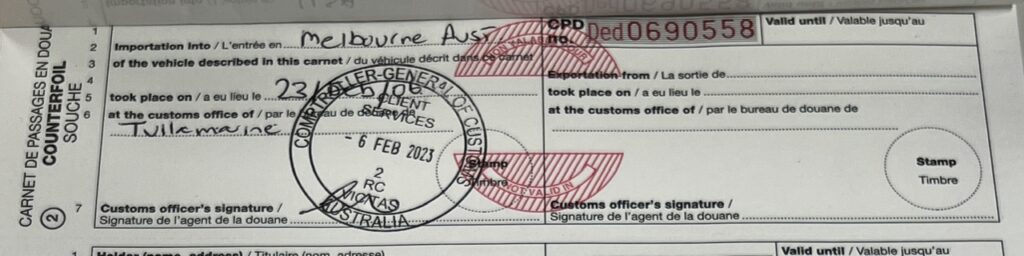
Counter foil from Carnet, stamped “in” to Australia on the left. I’ll require a stamp “out” on the right when it leaves.
If this all sounds too easy and you figured the hammer was yet to drop, you’d be right. As you can see above the Carnet was stamped on Feb 6 and on that day we expected the ship to unload Feb 7 ( which was already much later than it’s originally scheduled arrival date of January 28 ). Here I’ll cut a long story very short – it sat out in Bass Strait for over 3 more weeks, finally unloading in early March with the unloading date pushed back on at least 6 or 7 different occasions. The wait to get it off the ship and just onto the port was excruciating. The physical vehicle inspection process ( by Quarantine ) was also very stressful – no other way to put it. Our vehicle had been thoroughly cleaned ( and fumigated ) in Savannah but despite that we’d been warned ( many times in fact ) that it would almost certainly require additional washing on arrival. It did, so that held things up further as did the fact that the Quarantine folks insisted on us completing a Form B534 ( Statement of Unaccompanied Goods ). The ABF folks had not mentioned this when I delivered them the Carnet ( which in any case already states that the vehicle contains camping goods and other effects ) so it appears that when the vehicle details where uploaded by the ABF to the Quarantine folks, no mention was made of the fact that it was full of all our gear. Quarantine were thus surprised to find so much inside the van. It was then that they asked for the B534 ( which we completed and returned within the hour ), but as a result they wanted a FURTHER inspection of all said contents ( presumably to be able to match what we said was in it with what they actually found in it ). That second inspection took another 3 days to arrange. I’ll save detailing the really stressful next part in the process because in the end it all worked out ok – the vehicle was washed at the port, reinspected, and finally approved for release March 9 – the next day we had it in our possession. Key point, best to come prepared with the B534 whether you are asked for it or not and be prepared to list ( in detail ) all contents of your vehicle. It’s just the way it is. We’ve crossed probably 35 land borders with a camping vehicle full of stuff and made 2 major ocean crossings ( and many shorter international sea crossings ) and never been asked for such detail or any declaration in advance. Just save yourself the trouble and prepare it in case ! It’s important to get your vehicle cleared and off the port quickly because storage charges ( beyond the 3 or 4 free days ) are horrendous – do all you can to make this part move quickly !
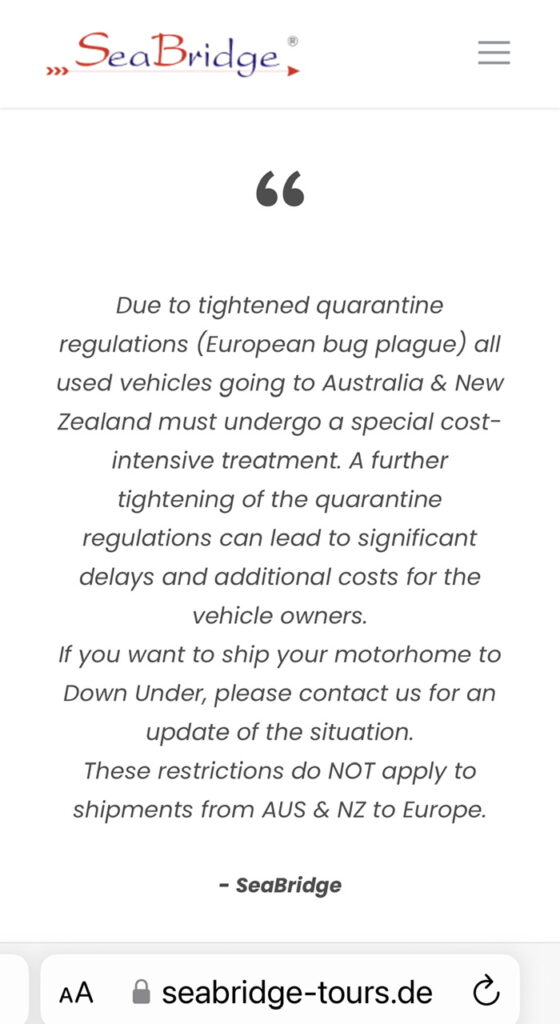
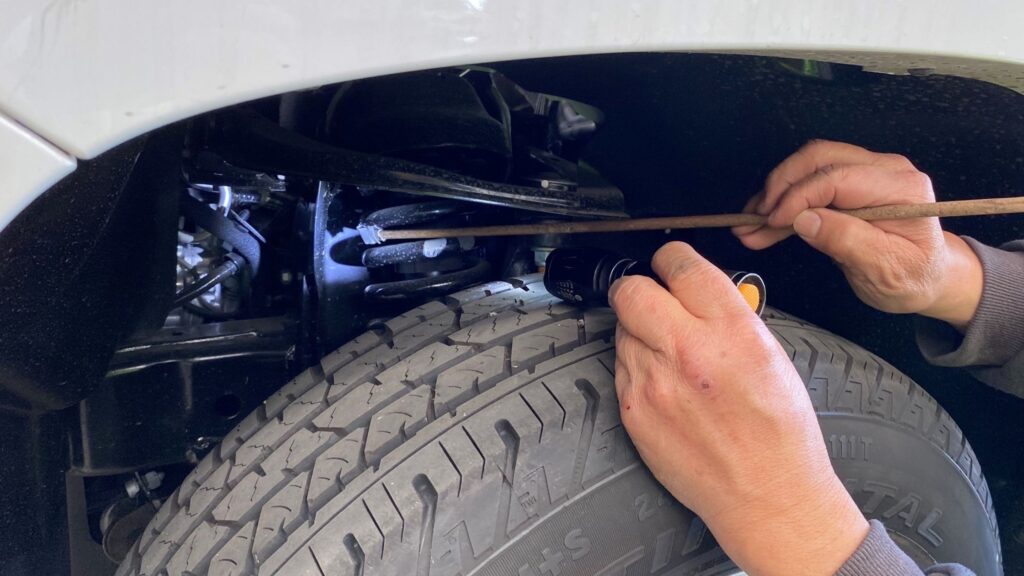
Sea-Bridge, a German outfit, have shipped more than 10,000 campers and vans abroad in the past 25 years and are quite expert at this ( we used them in Argentina ). For a period they were not even accepting bookings to Australia/NZ due to significant delays /costs. They are shipping to Australia again now, but their website still shows this warning.Excuse the pun but quarantine can be this “sticky” – their own website describes the purpose built probes they use ( some with tape on the end ) to find and identify biosecurity risks in generally very inaccessible places. They are good at what they do and are very thorough…!
Insurance
While no one asked for proof of it at any point during the temporary importation of our van, Australian law ( like most countries ) requires that a vehicle have minimum 3rd party liability insurance. I can’t imagine anyone even thinking of driving without it. That is fairly easy to get in Australia ( Shannon’s Insurance were willing to do it for us ) but getting Comprehensive insurance for a foreign vehicle temporarily imported to Australia was MUCH more challenging. Most places we called ( and we called lots ! ) denied it to us since our vehicle either was not registered in an Australian state, or the exact model of our van could not be found on the Australian vehicle database. No match ? No deal ! The very same Sprinter that comes out of the German factory in Duesseldorf is classified by wheelbase in North America ( 144/170 ) but differently everywhere else in the world ( 416, 516 etc ). Ultimately we insured ours with a boutique insurer – KT Insurance – they were excellent to deal with. About 40% more than I pay in Canada but I thought that was reasonable given my other options ( none ! ) and the fact that our situation is a bit, err, “unique” ! I was honestly expecting worse. If your vehicle is more “truck/utility-like” and a 4×4, “Club 4×4” will do it. Ours was too “RV- like”. NRMA in NSW may have done it so they are worth approaching if you come in through NSW ( Port Kembla ). At least they did not flat out decline us like many others.
For those overlanders seriously contemplating shipping to Australia, I’d be happy to share more details of our experience. Contact me through the website at 1endlessroad@gmail.com. We have learned a tremendous amount in this process and it would be a shame for all those learnings to go to waste. The quarantine side of the experience is BY FAR the most challenging part ( and probably the reason many people who overland other countries baulk at shipping to Australia )- do not underestimate how seriously the Quarantine folks take their mission, it is unlike anywhere else in the world with the possible exception of New Zealand. It’s not just me emphasizing that- shippers will ALL tell you that ( my own shipper did ), as will anyone who has done it and posts on various overlanding FB groups will bear it out. The recent finding of harmful Asian snails on a shipment of new Chinese cars has caused many more vehicles to be inspected, and this has caused the port unloading backlogs that we were caught up in, so part of our delay may have just been unfortunate timing. The process I have described above likely won’t change but at some point the serious backlogs they are facing now will clear up. Check with your shipper in advance of your proposed departure so you can better manage your delivery expectations – good luck !
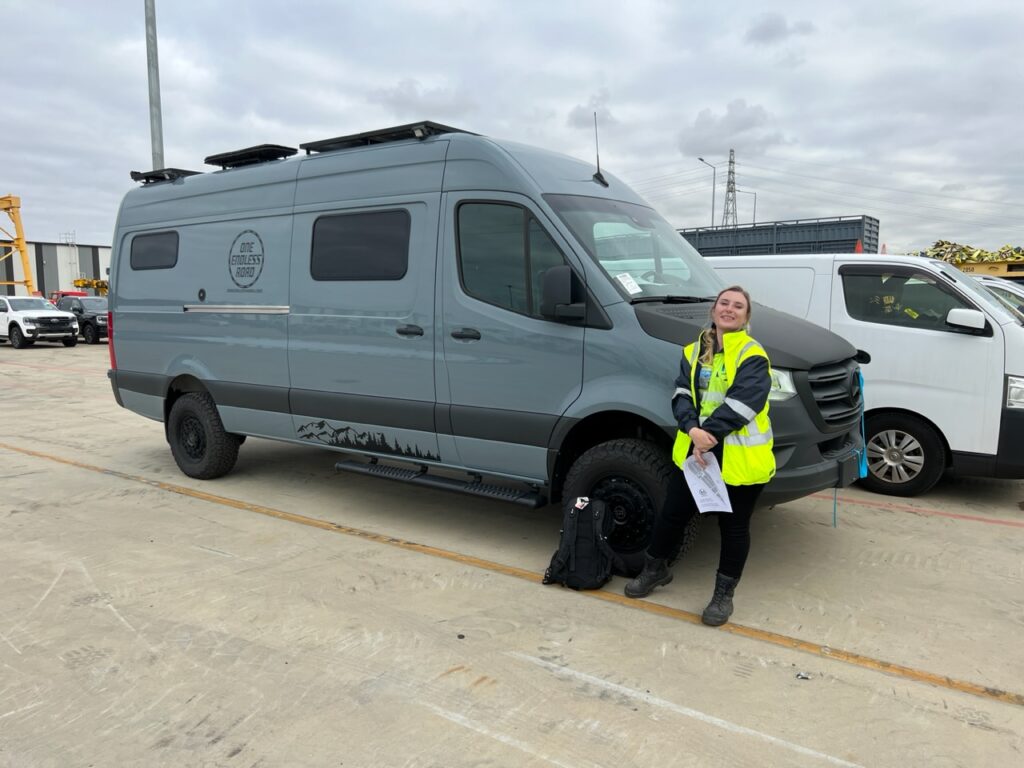
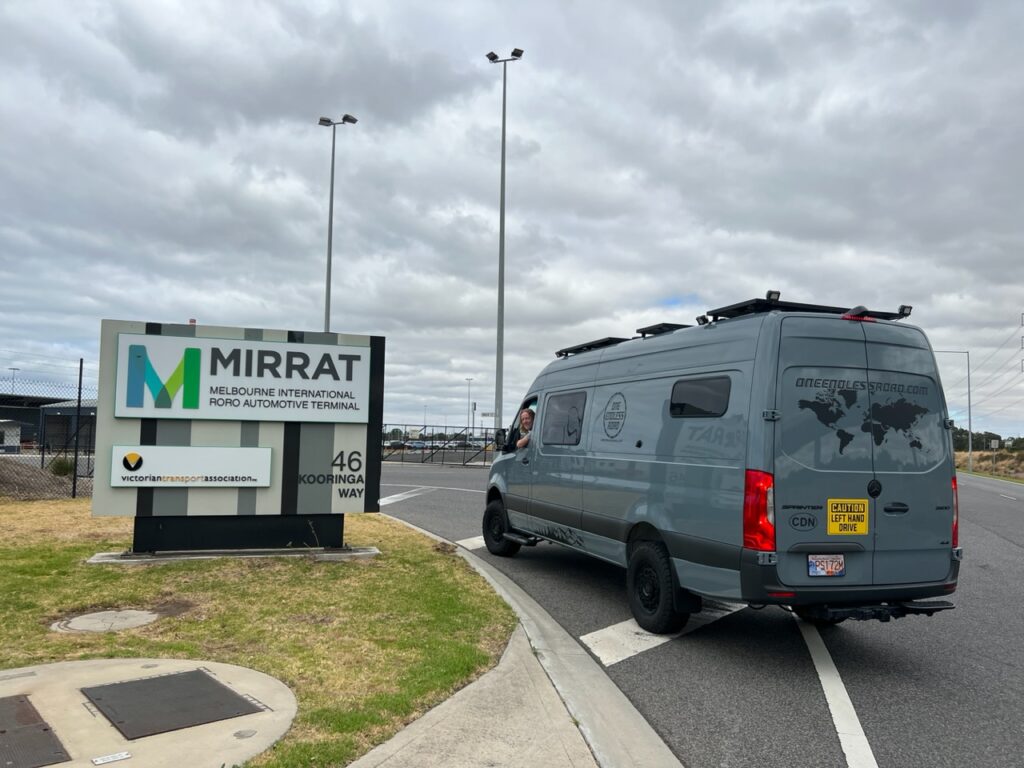
Leaving the Port of Melbourne – on this happy day it just all seemed suddenly very worthwhile !
Hope this helps answer some readers questions, and for those overlanders looking to do this I hope it helps in your considerations. As for the “Jeff/Lois, was it really all worth it ?” question, we are very confident that by the time we leave my amazing homeland, having explored it thoroughly, the answer will be a resounding “Yes !” – you can count on a full and detailed analysis of that when we get to that point. For now, we have a lot of country to explore.
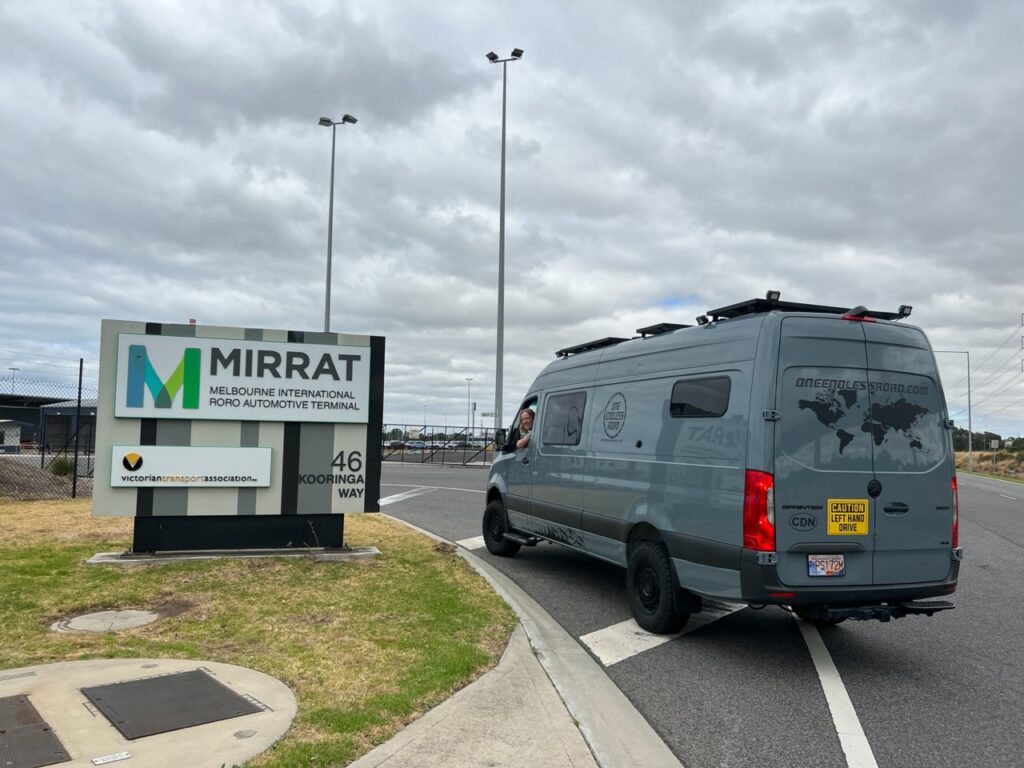
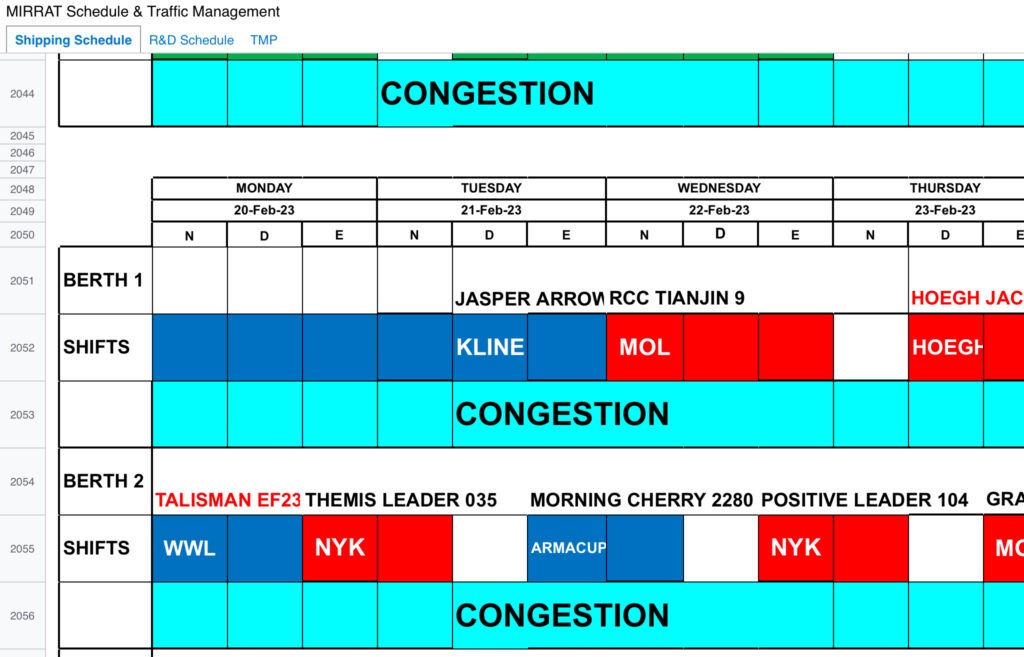
Forgive me borrowing this week’s banner from the classic Peaches and Herb song, but after 84 days apart ( we last saw our rig on December 14 in Savannah), over a month of which the Talisman sat just waiting in Bass Strait, and an at times traumatic experience getting through quarantine, our Sprinter was finally delivered to us on Friday, March 10 at the MIRRAT terminal ( for RoRo ships ) here at the Port of Melbourne. Hallelujah!!!!! To say we were overjoyed after such a long (and at times very tense) wait would be an understatement – we were deliriously happy to at last have our van and thus our travelling independence back !
A view of the Port of Melbourne. Nice to be on the inside looking out after so long on the outside looking in !
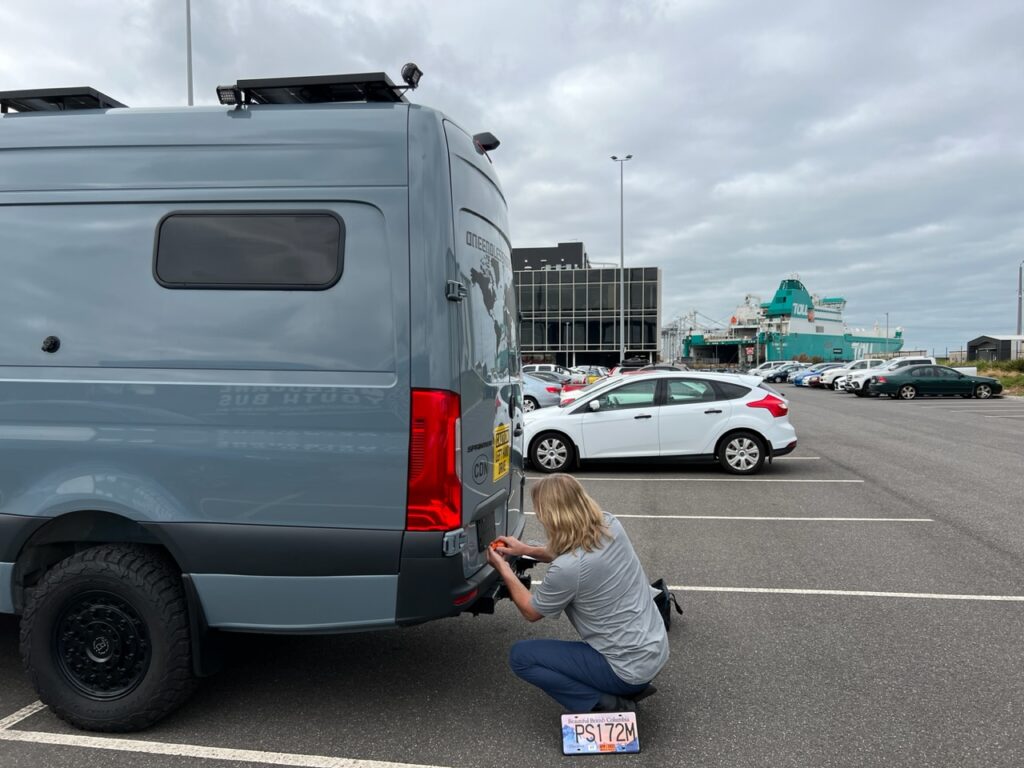
Reinstalling the Canadian licence plates on our van which we had carried with us on the plane. A favourite target of port souvenir hunters and VERY difficult to replace in Australia !!!
The good news ( and it’s mostly very, very good news ) was that the van itself was in great shape outside – no obvious nicks, scratches, bumps or bruises . I say that because the “Port to Port” insurance policy that we had purchased specifically excluded coverage for any such minor issues and they are unfortunately quite common. So it was nice to escape that. The van started immediately, ran well and seemed to have lots of battery charge in it which, of course is another concern after such a long time of inactivity.
The not so good news ( in the scheme of things, not so horrendous but something that is always a huge risk on any RoRo passage ) – things were stolen from inside the van and it was obvious that the thief/thieves knew where to look. I had designed an impenetrable barrier to the garage area of the van where most ( larger ) valuables were kept so that saved us a larger loss, but the lock to the seat of our sofa (which was where we kept the smaller things we could not carry on the plane ) was bypassed when the intruders simply lifted the whole top of the seat frame ( by force ) and plundered what was in there. Frustrating, since we now need to deal with a claim and try to itemize everything that has disappeared ( easier said than done).
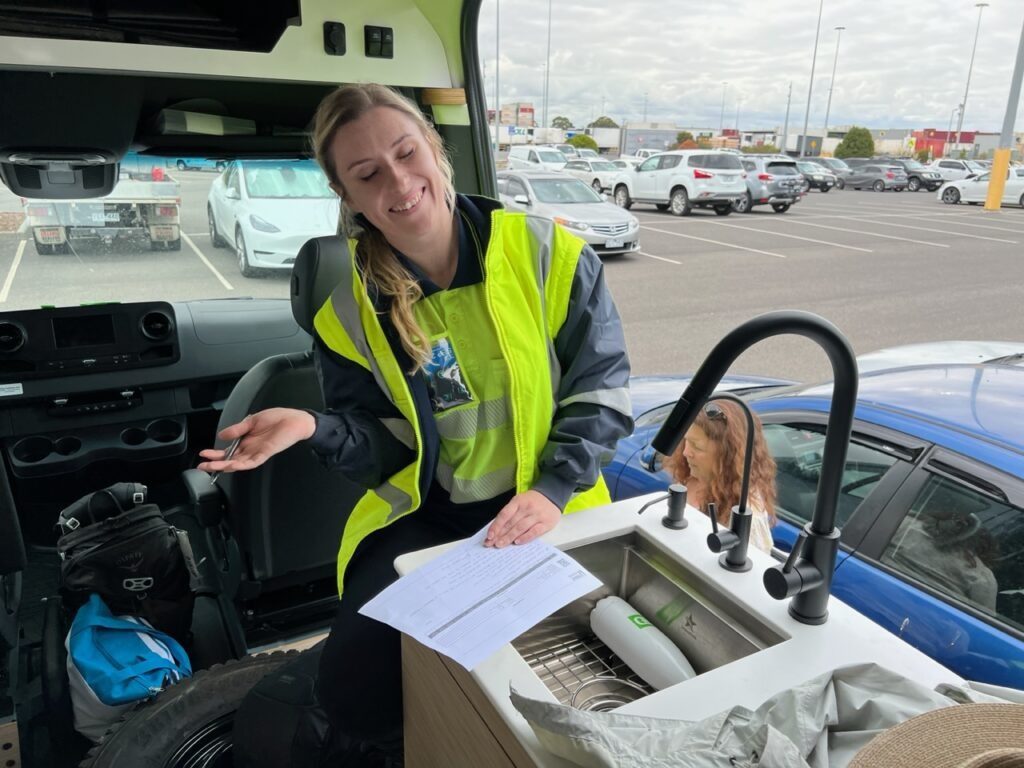
Mirren, from the Port of Melbourne ( Mirrat ), came to document the loss/slight damage inside the vehicle. The staff were very timely and organized. She mentioned that such issues with campervan contents are not uncommon.
For all that, we are just glad to be mobile again and nothing was taken that prevents us travelling or that cannot ( fairly easily ) be replaced here – we are very thankful for that. We thought back to a Swiss couple we met back in Argentina whose van travelled from Europe to Montevideo, Uruguay by RoRo ship. Their skylight was smashed to gain entry – the damaged skylight itself made travel difficult and was very hard ( and very expensive ) to replace in South America, in addition to some more significant valuables that disappeared as well.
So as not to make this an interminably long blog ( nor to take away from the overall feeling of delirious happiness we feel !!) I’ll document the final stage of the shipping saga next week (possibly in a dedicated edition ) for the benefit of those overlanders following our shipping experience to Melbourne ( and/or for those readers simply interested in the minutiae of the process ! ).
Leaving the Port of Melbourne – we had waited a long time for this moment !
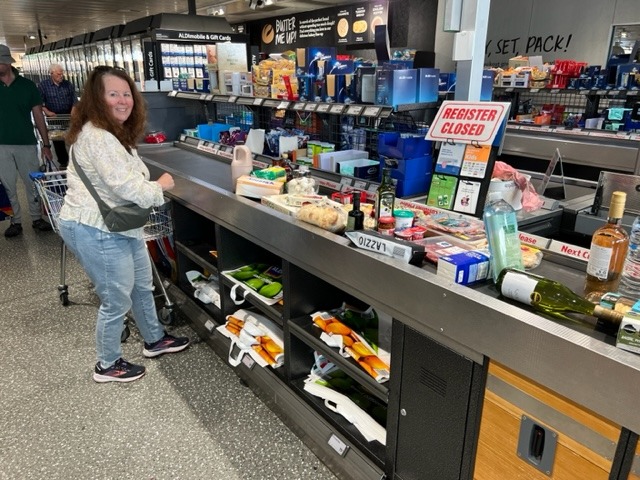
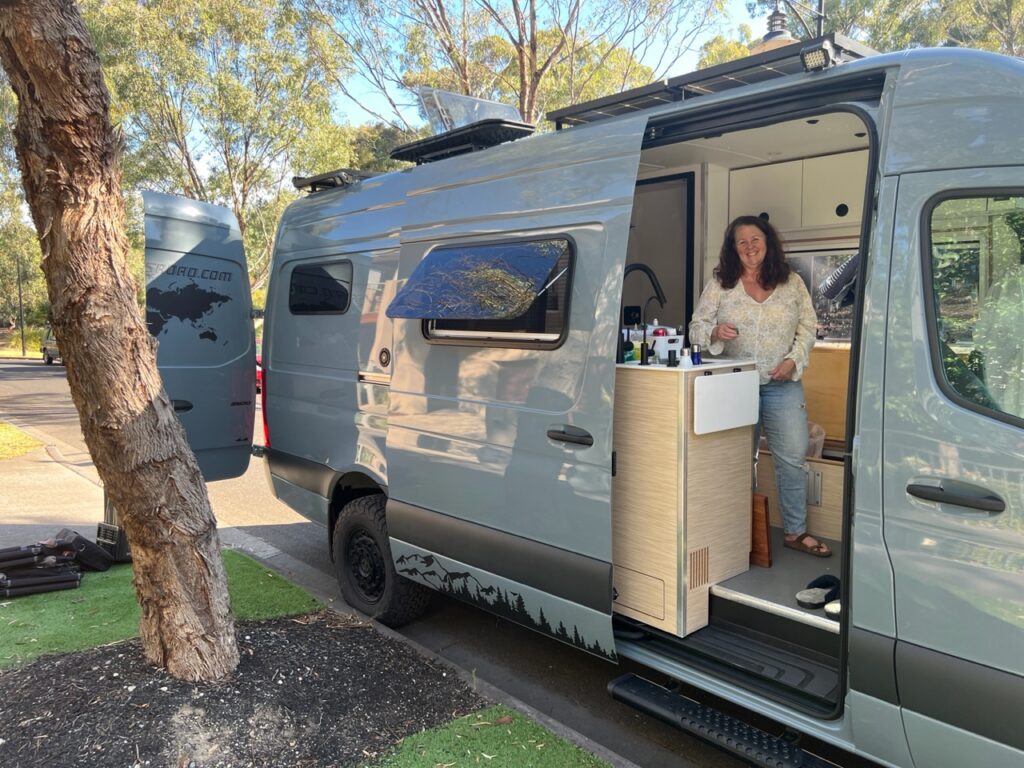
The port collection process was very easy and ( apart from the time needed for the port staff to witness the loss ) quite fast – staff were super friendly and sympathetic especially knowing how long we had been waiting. With the van in our possession ( and constant reminders from Lois to “stay left” ) we drove off port, over the giant Westgate bridge and on to Maribyrnong (a suburb of Melbourne). A pit stop at Aldi to stock the van with groceries, then another stop to fill it with diesel after which we drove straight to the home of Darryn (my nephew) and Rebecca, where we were delighted to be able to park up in front of their house so we could unpack, clean and repack as well as make some electrical modications necessary for us to be able to charge the camper batteries on the Australian 240v system. Darryn’s an electrician – which helped immensely !
So much to buy when starting with a completely empty kitchen and fridge ! Lois at Aldi, Maribyrnong.Parked in front of Darren and Rebecca’s house – let the repacking begin !
Both Lois and I are so thrilled to close off this week’s blog with such great news – there were honestly days when we questioned it would ever come ( but you know what they say – “Good things come to those who wait” ). I have included a few pics below of some travels we did in our last few days in Forbes and Temora, and of the journey from there back to Melbourne; those early days of the week seem almost forgotten given the excitement of Friday.
We now look forward to a couple of days in Melbourne to get settled into the van and then to finally, finally getting on the road again – a huge thanks to our family and friends who helped us so much along the way and especially to Kristy, the most patient and helpful shipping agent we have ever known !!!!
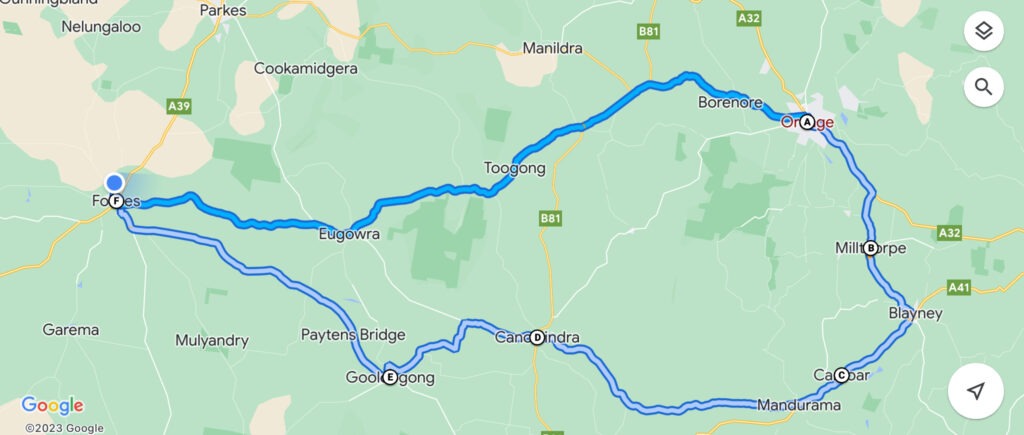
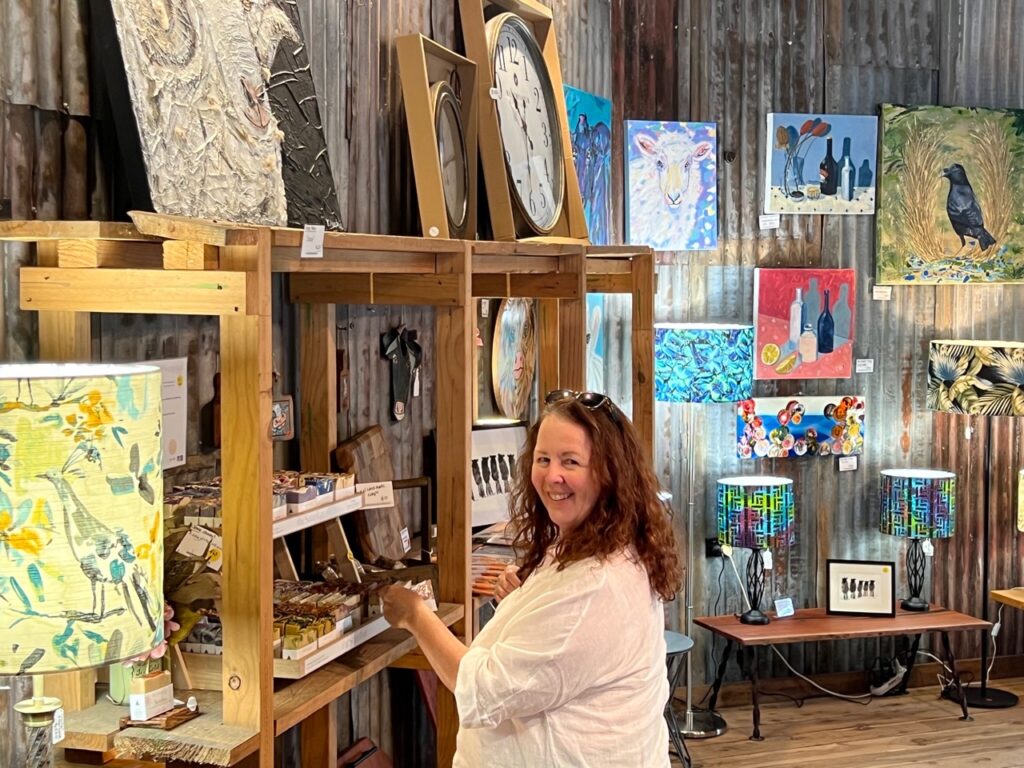
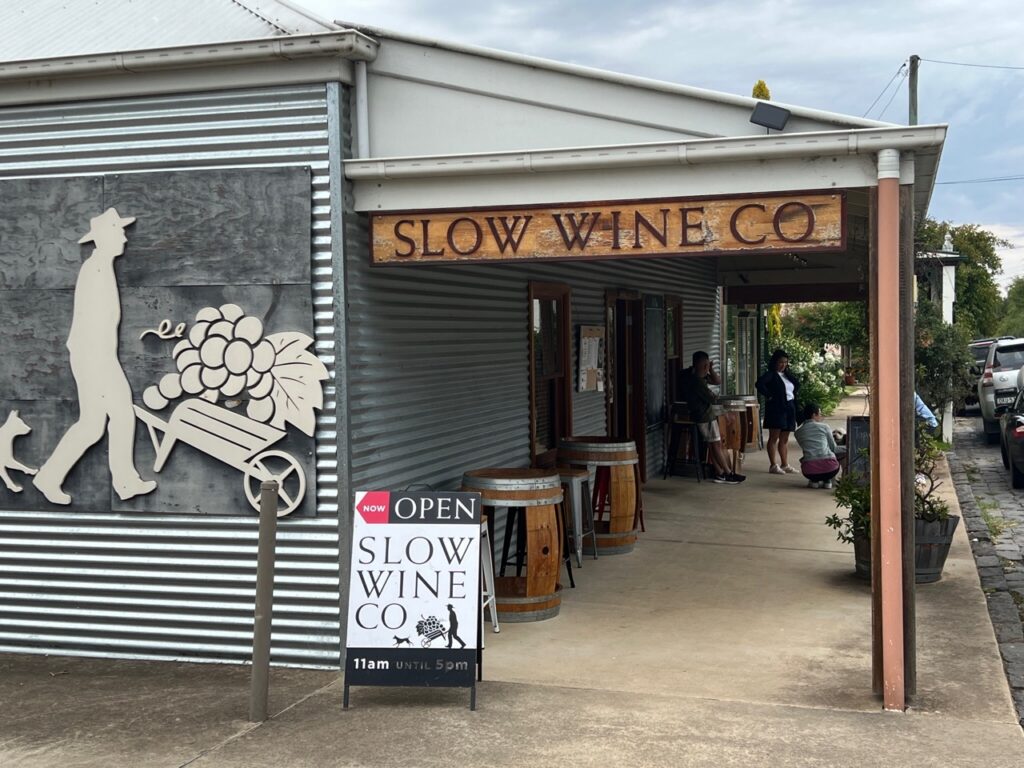
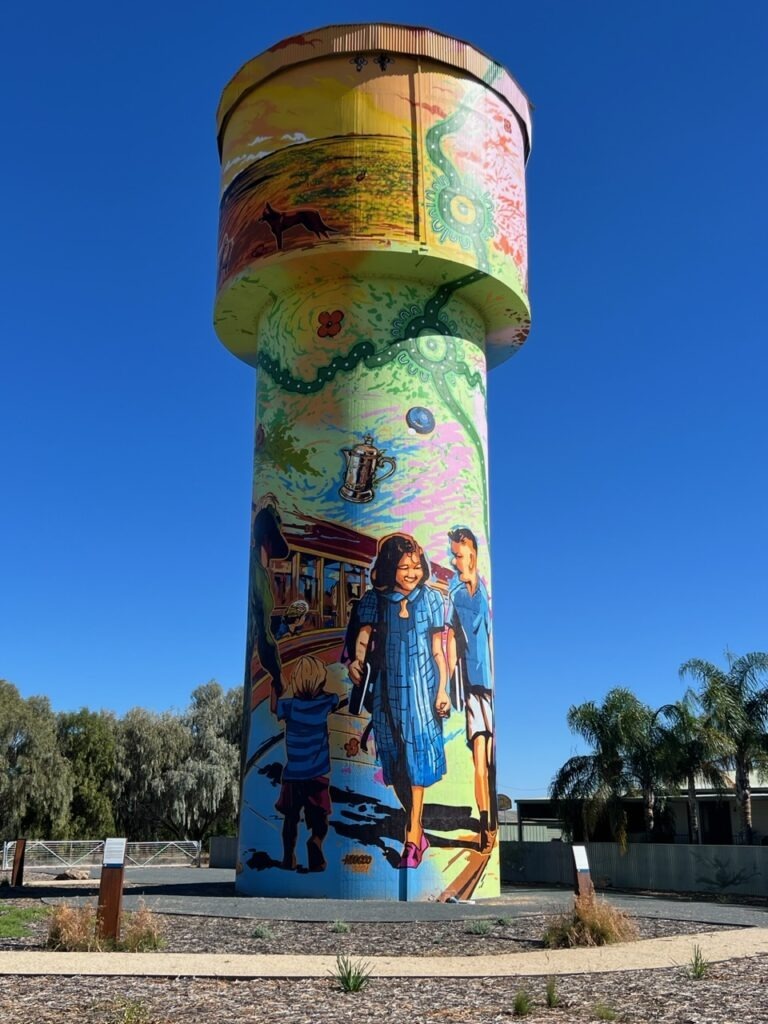
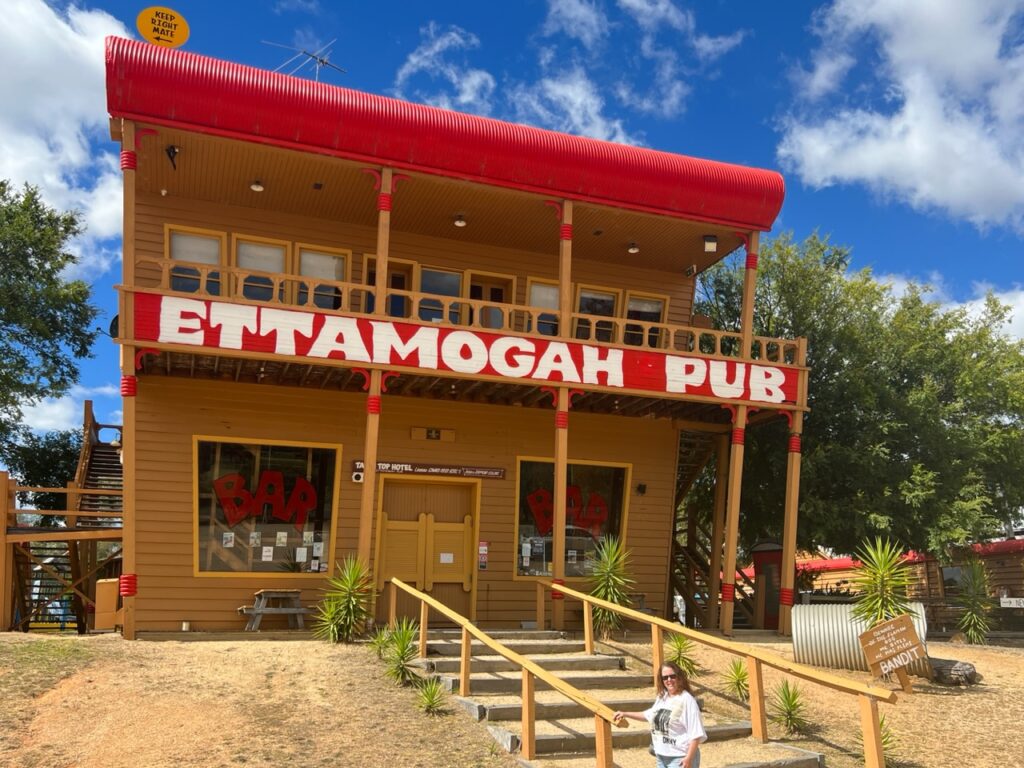
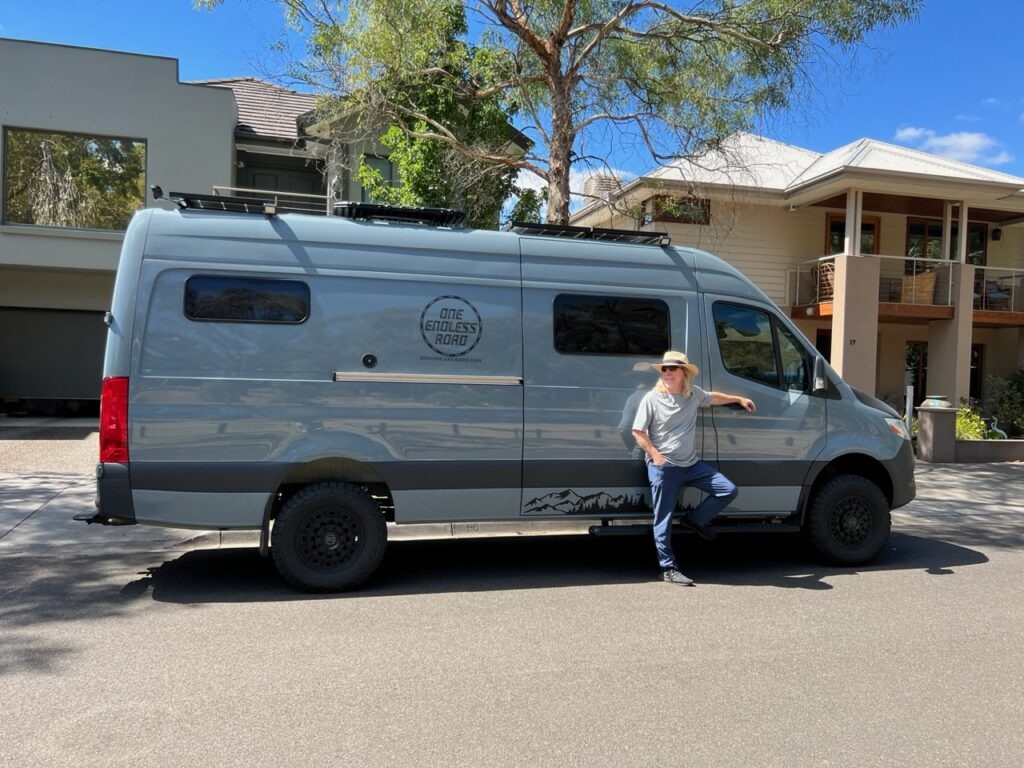
Our final local exploration trip from our Forbes “base”. Wonderful to explore so many small towns during our “wait” time, places I knew of but had not visited in so many years.Lois enjoying the “crafty” stores in MillthorpeInterestingly named Millthorpe winery.Another example of silo art, this one at Yerong Creek en route to Melbourne.The mythical “Ettamogah Pub” a famous Aussie institution ( near Albury ).Our feature picture this week- so happy to finally be settled in Melbourne, WITH our rig !
While we have patiently continued the waiting game in Temora, there has been some progress with our ship – read Postscript: Shipping Update ( at the end of the blog ) for the gripping details. Other than that, a pretty short blog along with a very slight change of location.
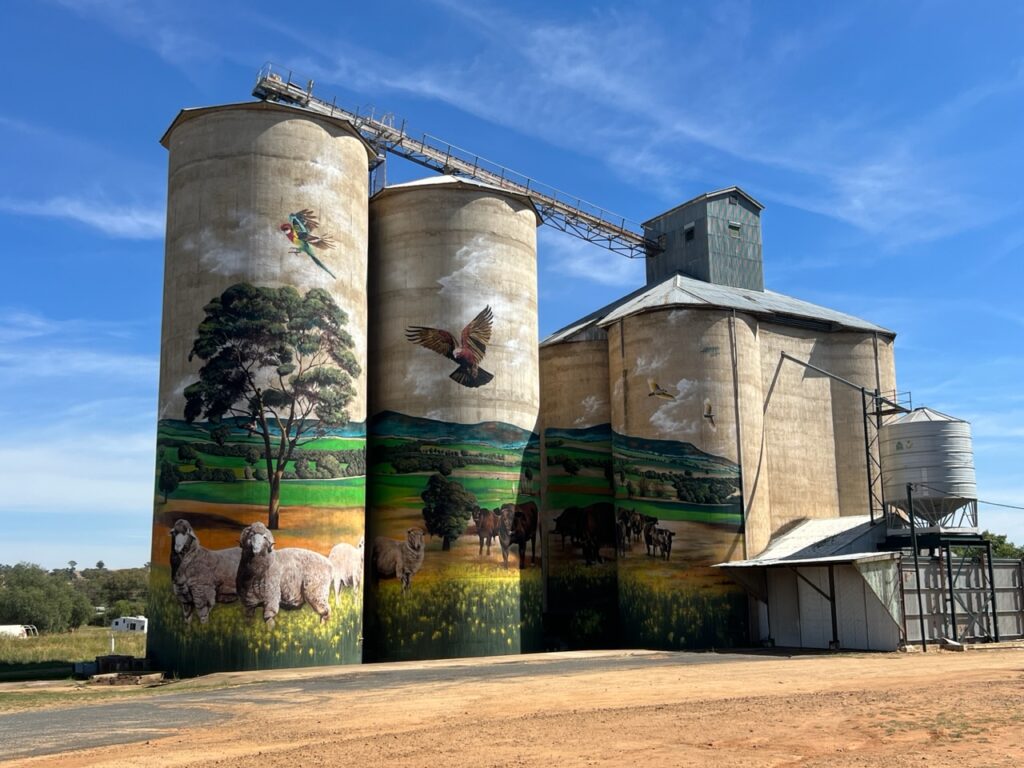
We have, of late, been very fortunate ( and extremely delighted ) to be able to spend more time with family so we split this week between Temora ( my brother ) and Forbes ( my sister ). The communities are very close by so it’s easy to get from one to the other – passing the quaint town of Grenfell on the way we checked out what would become the first of (what should be ) many examples of unique “silo art” in NSW and Victoria. The images below show what else we have been up to.
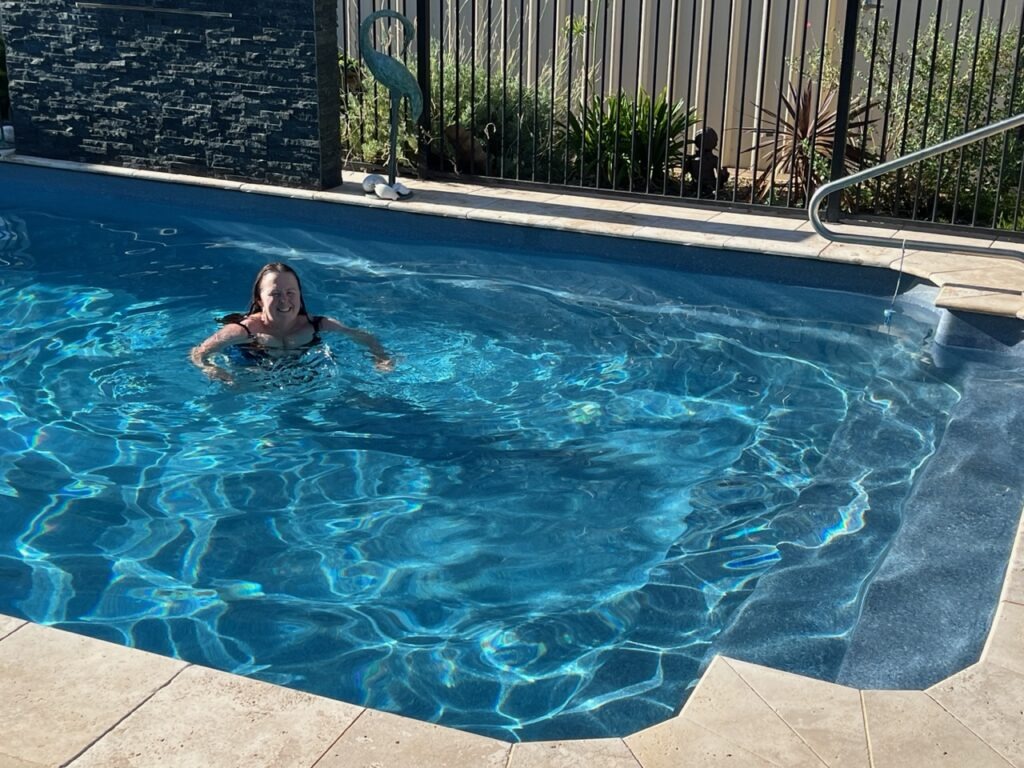
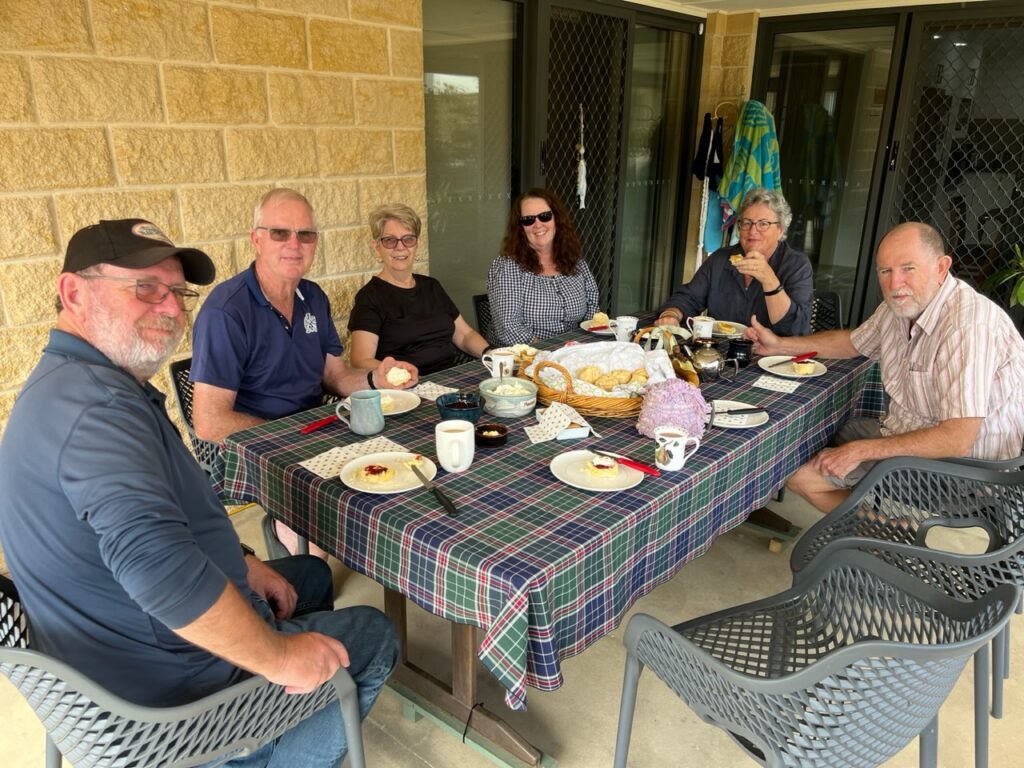
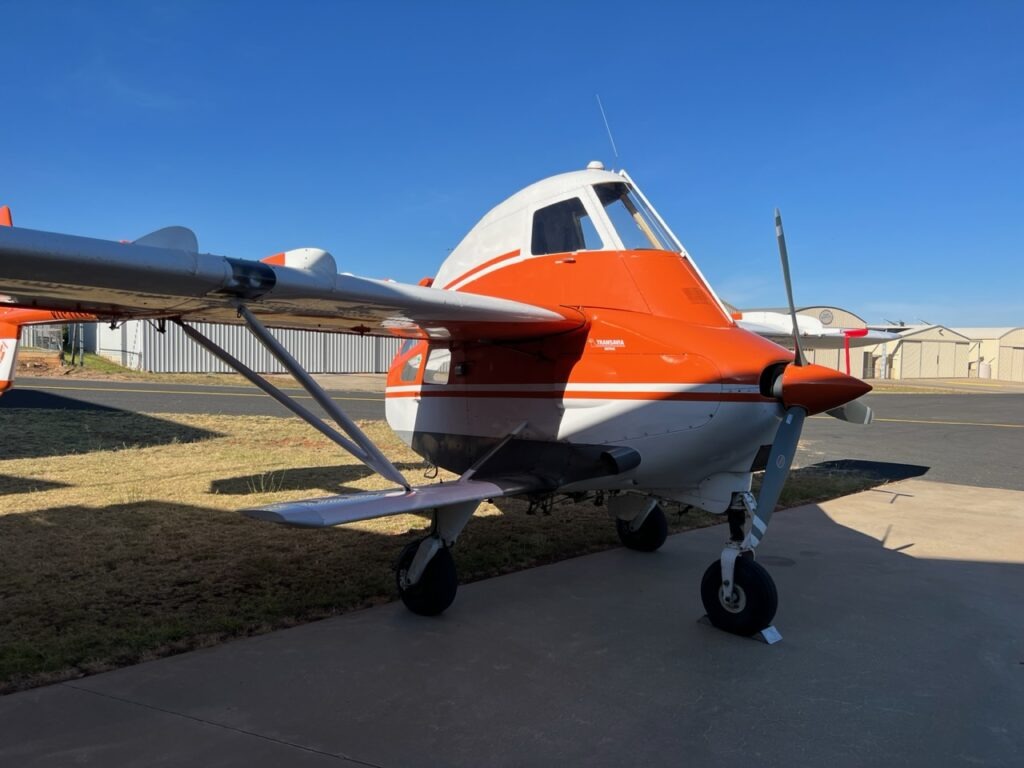
Lois enjoying a little pool time in Temora – perfect on 30 degree days ( 86F).Delicious Aussie scones and tea with my brother and his wife and the neighbours (all aviation enthusiasts of course ).One of the guests for scones owned this unique plane, a TransAvia crop sprayer ( one of just a few left in the world ). Known as an AirTruck, it’s practical but does not win any prize for aesthetics !
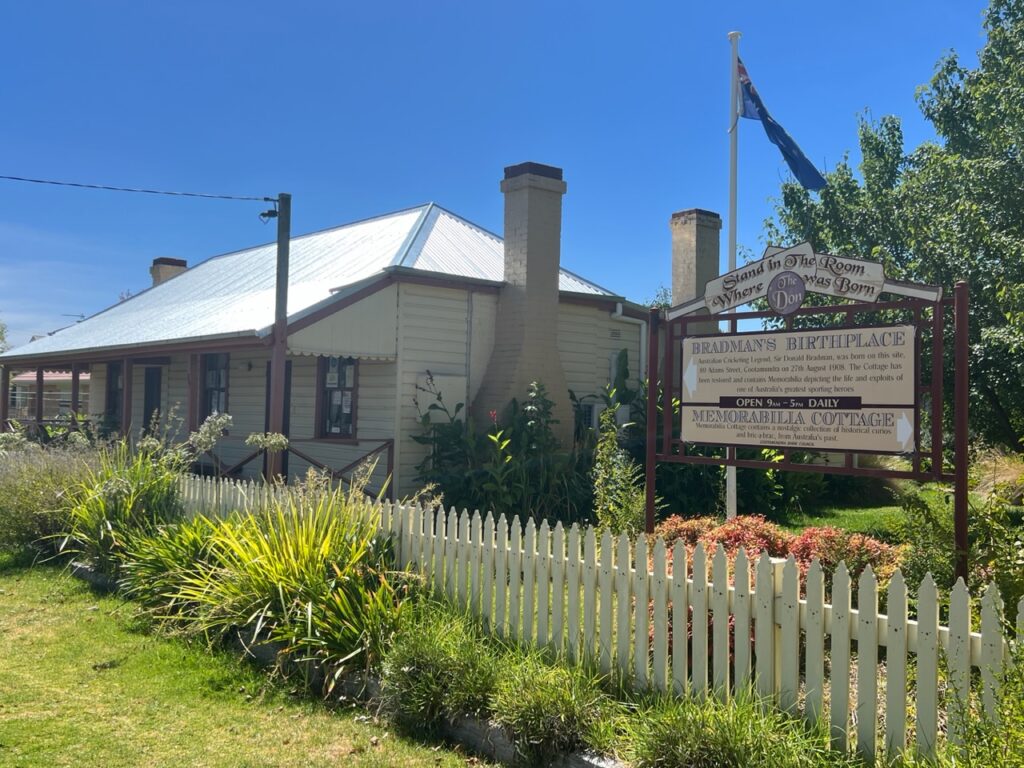
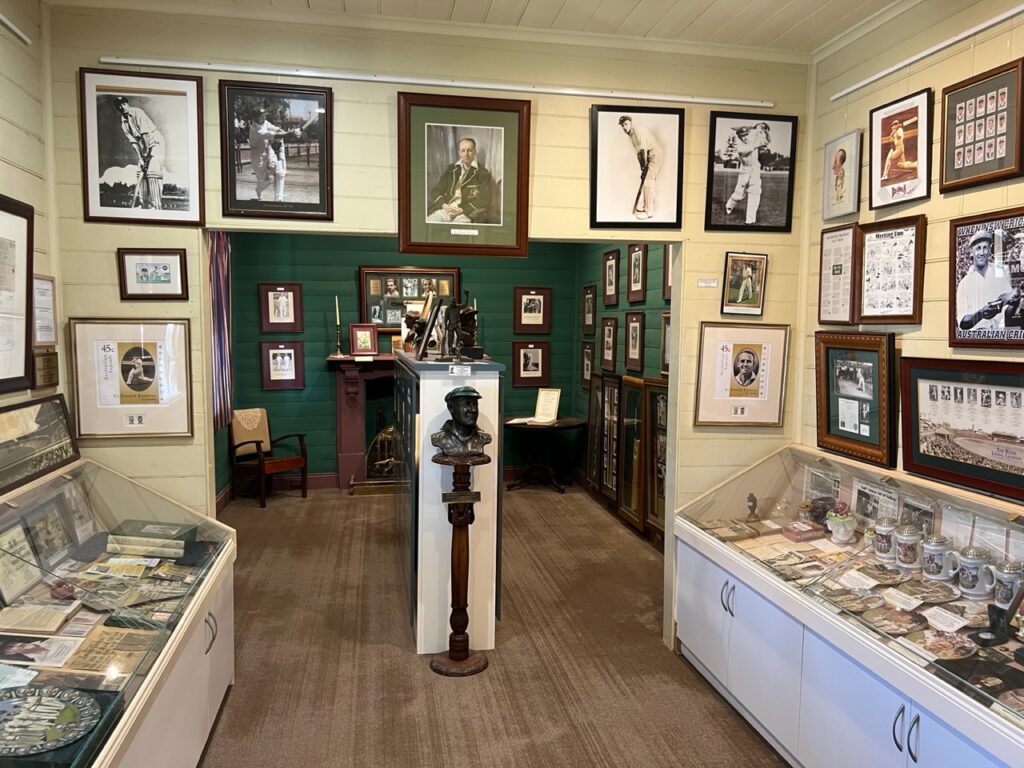
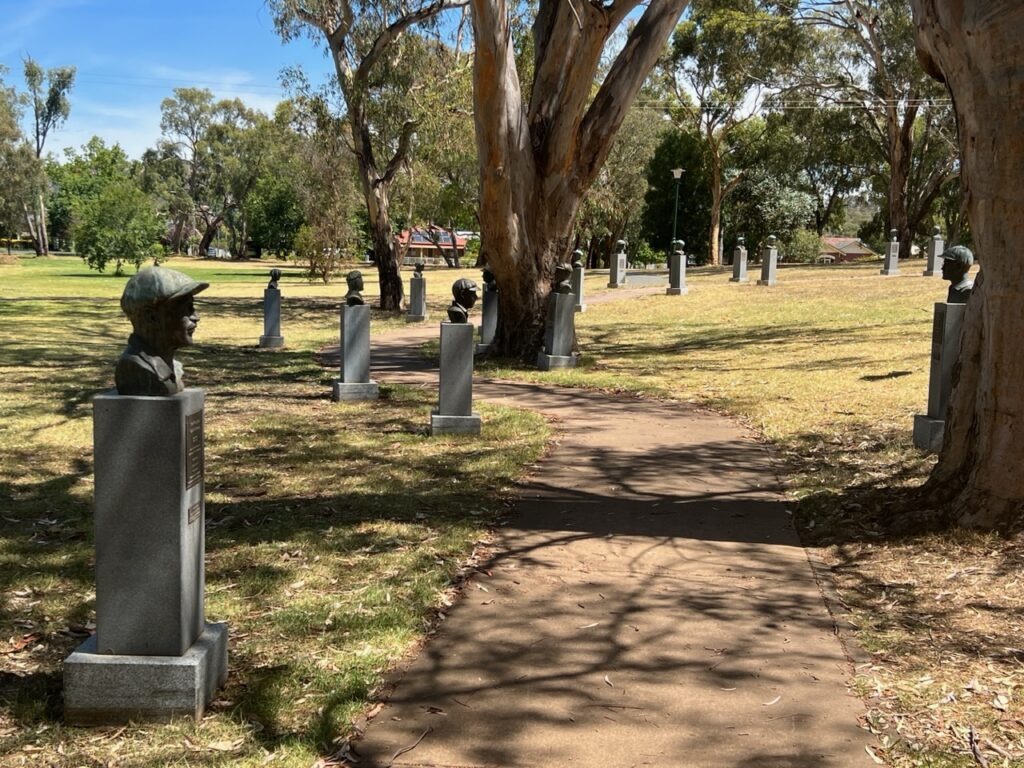
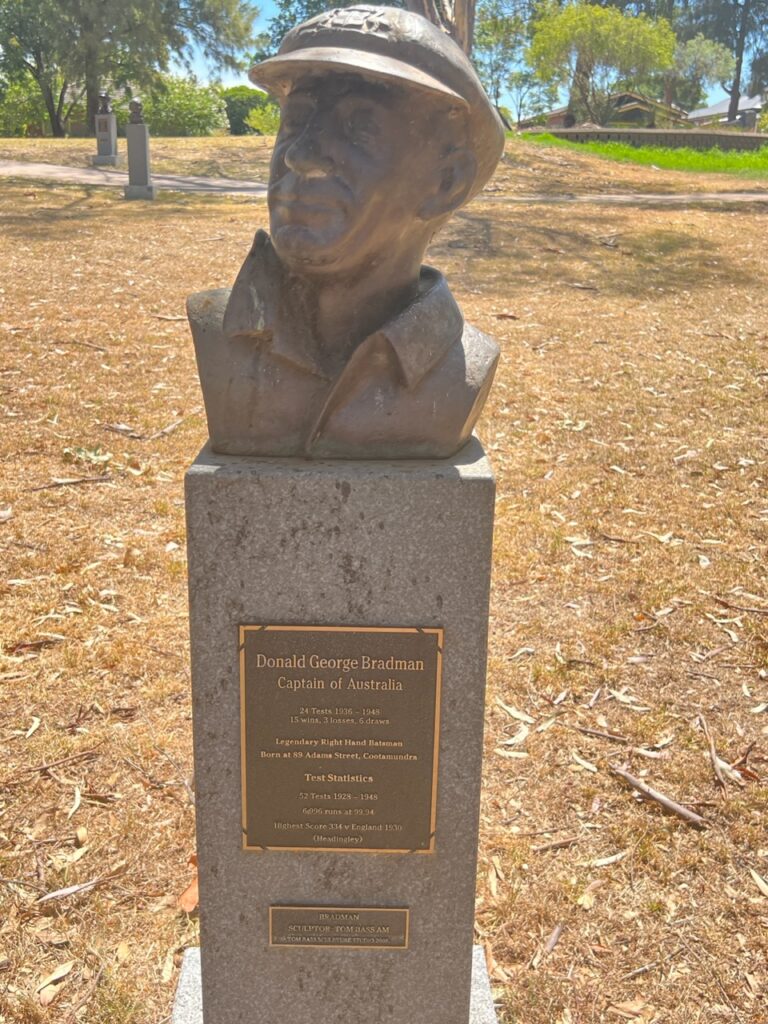
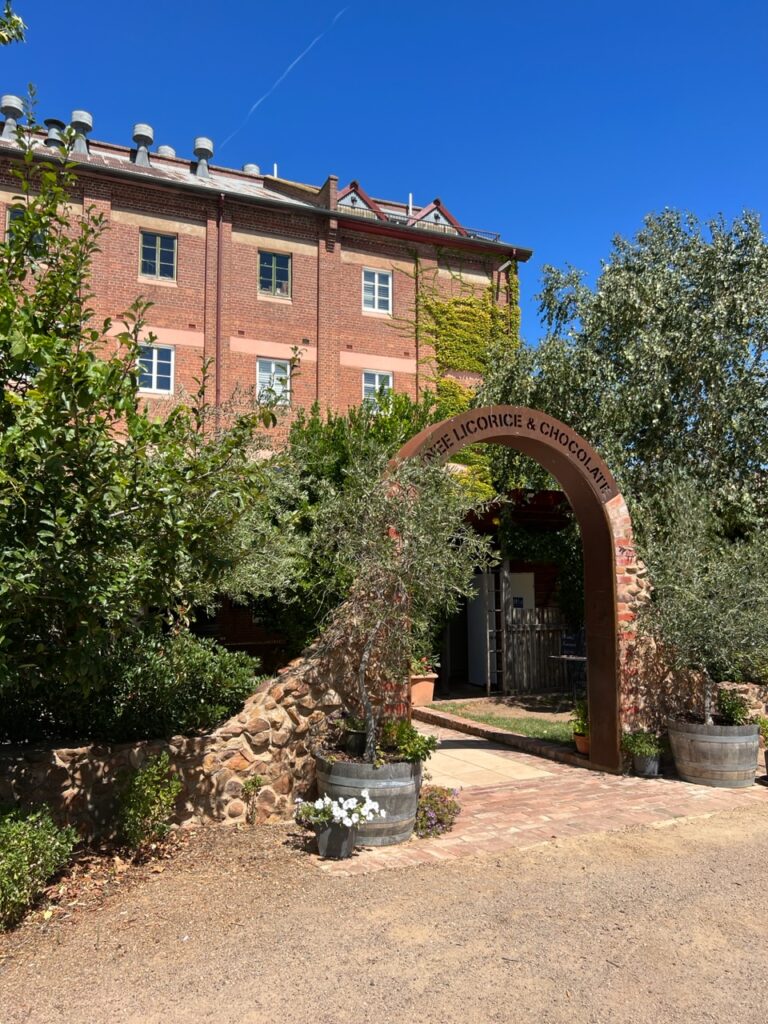
Through the week we took the opportunity to travel to a couple of nearby communities, Junee and Cootamundra to take in some local attractions. Junee is renowned for its chocolate factory ( yes, we just seem to keep finding them ! ) and Cootamundra for both the Australian Test Cricket Captain’s Walk and, perhaps more famously, as the birthplace of Sir Donald Bradman – THE most legendary cricket player of all time. In more global terms, Bradman is to cricket as Babe Ruth is to baseball or perhaps Pele is to soccer – an icon in the annals of the sport, idolized by cricket fans all over the cricket playing world. His childhood home is the attraction and has been tastefully converted to a museum honoring his life. Very impressive !
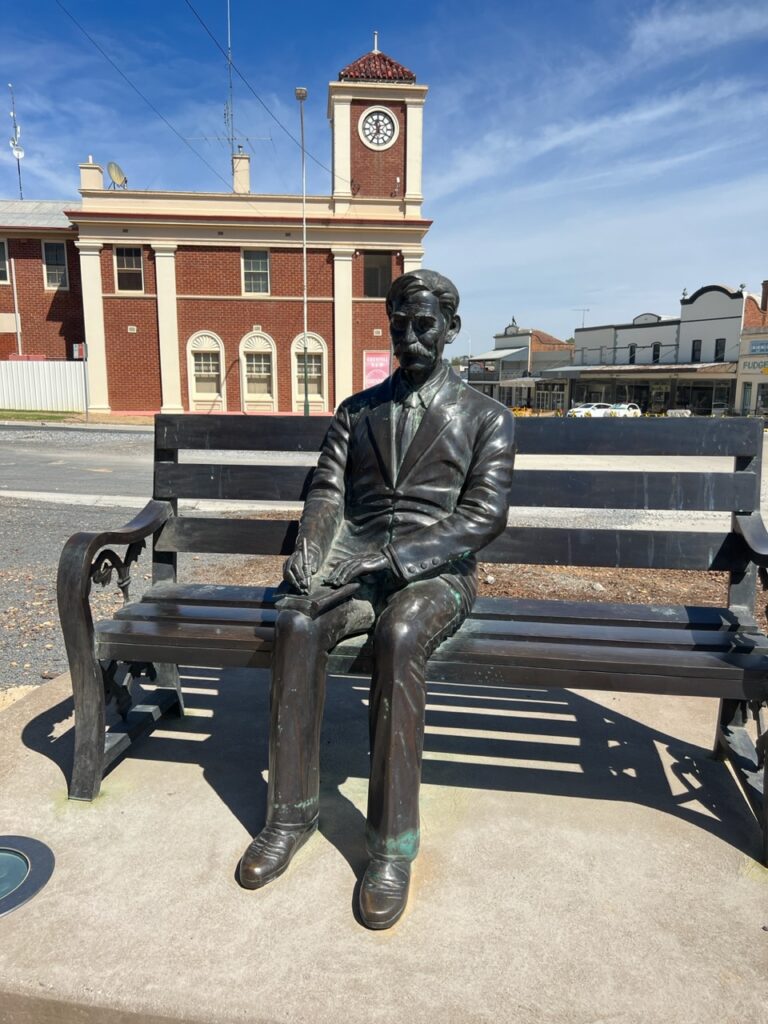
Grenfell’s colorful silo art. There are now many of these that make a tourist “silo trail” across much of Australia. Thanks for the book, Anne, we look forward to seeing many more !Henry Lawson, a very famous Australian poet, hails from Grenfell, probably its most famous son. Memorialized on a bench in the town.Sir Donald’s childhood home ( now a “shrine” to the great man himself ).Inside the museum.A bust of every Australian cricket captain is placed on a walking path in Cootamundra. The most famous one is below !Don Bradman himself.The Chocolate Factory – from outsideThe Chocolate Factory is a local success story, having been created from the remnants of an old flour mill. It’s now a major employer in the town – and the chocolate is excellent !
Postscript: Shipping Update
Mixed news ( at best ).
The good first. Our vehicle is finally off the ship and on the port in Melbourne. That’s far more exciting than you might imagine given we have watched it float on a car carrier in Bass Strait for a month..! Now the bad. It has been inspected and, as we had been told to expect ( by EVERYONE ! ) it did not pass the initial rigorous quarantine inspection. To put this in perspective, a month or so back some new cars that arrived on a ship from China were shipped right back to China because they did not pass – yes, NEW cars ! Vehicles that fail ( our shipper advised that was 98% of anything used ) usually go off port to a Quarantine Dept approved wash bay but that has not happened because there was some confusion over the fact that our van contained personal effects ( it’s full of them obviously, as with any overlander’s camping vehicle ). As such they called for a “re-inspection” of those goods which has set us back further. Frustrating ! More details on that as it unfolds next week.
As an aside, it has now been almost 11 weeks since we left our van on the dock in Savannah, 5 weeks since the ship arrived just offshore of Melbourne, and almost a week since it was offloaded at the port. It all seems to have taken sooooooo long. Our plans for Tasmania (the booking was made 7 months ago) have been cancelled since we were not able to make the initially scheduled departure date ( Feb 28 ), nor even the revised date ( March 3 ). Incredibly disappointing. Hard to make firm plans for anywhere else until we get our rig. Sigh…………
Given the extraordinary delays in unloading the Talisman I decided to research what was happening in the nation’s ports – I came across an online article that pretty well spelled it all out ( see the link to it in the Postscript: Shipping Update section at the end of this blog). It’s a short but instructive read on exactly why we are caught up in this incredibly frustrating situation.
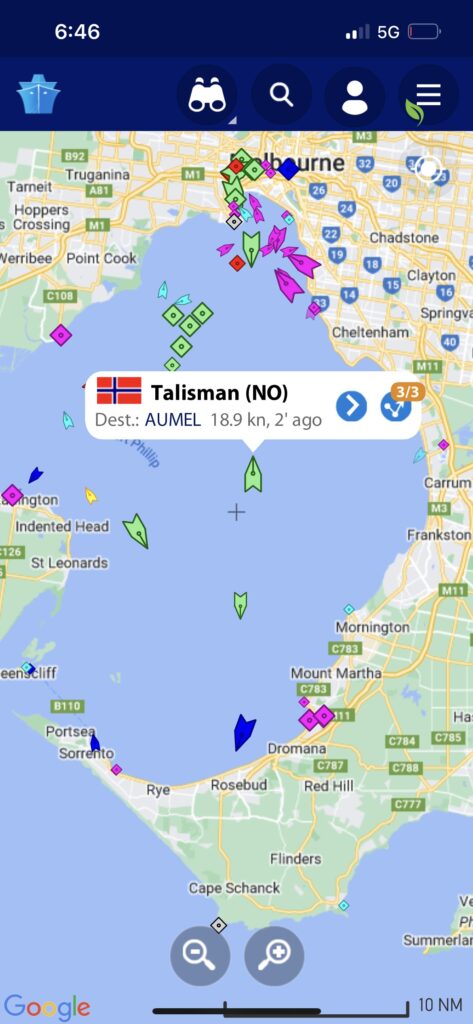
Melbourne’s notoriously fickle weather had been typically changeable this past week as we looked around the area for things to do to. Fortunately it had been mostly fine (changing really only from good to excellent), so on that front we’ve had little to complain about. Lots of days in the 30’s ( with one nudging 40 ) so it was nice to have a pool given the higher temperatures. Not as nice as our beach-side AirBnB, but “any port in a storm” as the saying goes ( can’t believe I’m now making “port” jokes about this train wreck of an unloading experience ). With our AirBnB available again by the end of last week we happily made the move back to Aspendale. Not only is it a very nice spot but we could actually look into the bay and see the comings and goings of all the marine traffic in Port Phillip Bay – one of these days the name on the ship passing by must surely be “Talisman” !
After a few days back in Aspendale ( which included a beach closure due to a shark sighting and some wonderful travels into the nearby Dandenong Ranges ) news reached us that the unloading of our van had been even further delayed. At this point the decision was made to employ a little “reverse psychology”. Staying in Melbourne and patiently waiting ( for over 2 weeks ) had not served us well so we packed up, grabbed a rental car, and drove back to Temora – surely, we thought, as soon as we leave Melbourne there’d be some movement at the port !
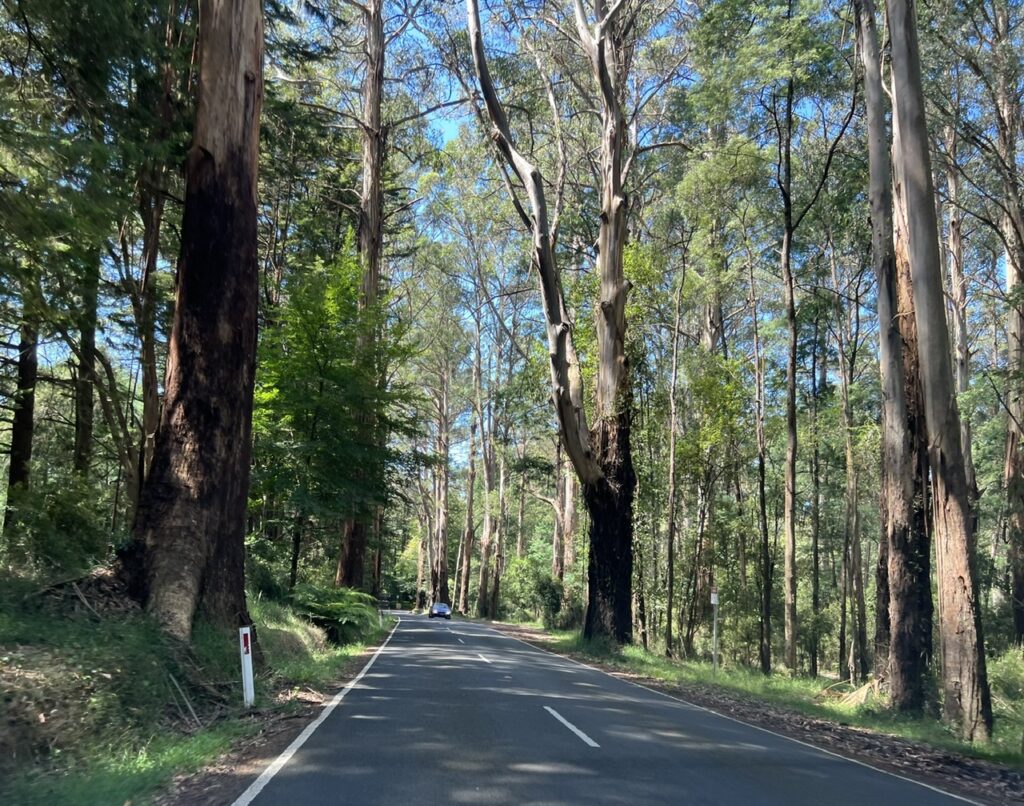
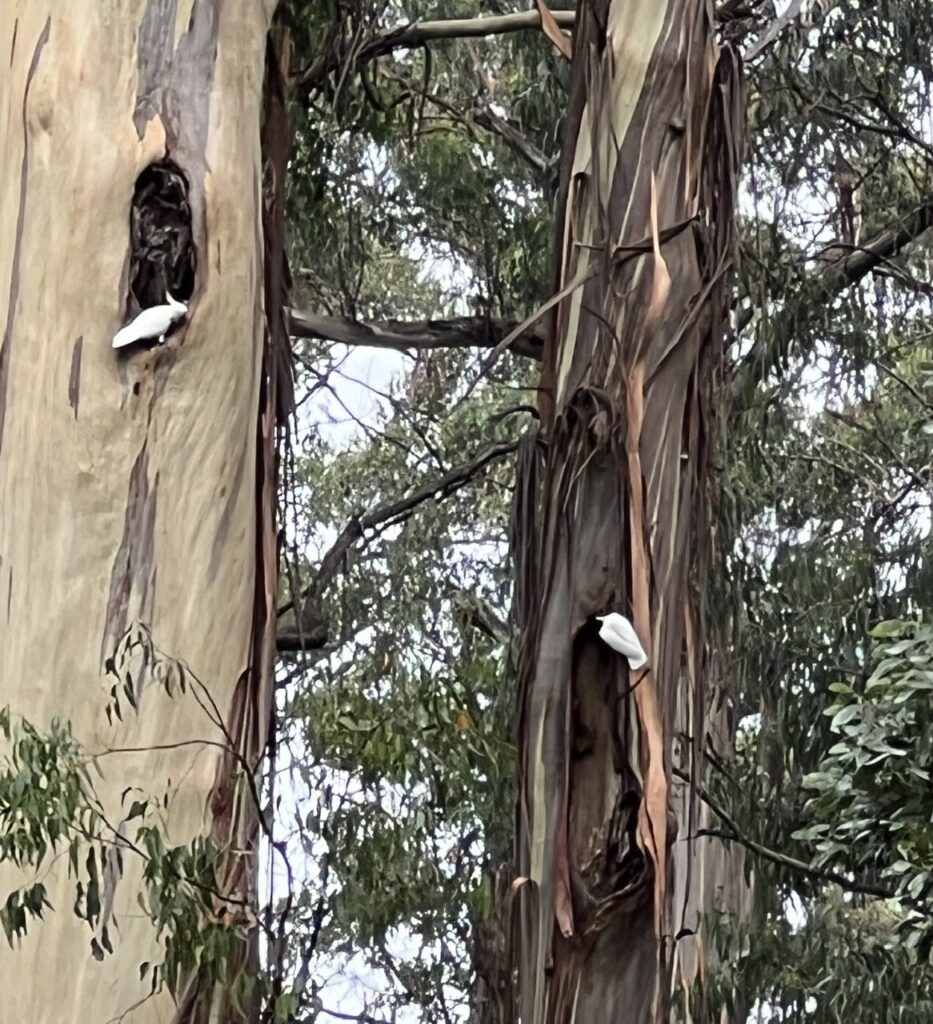
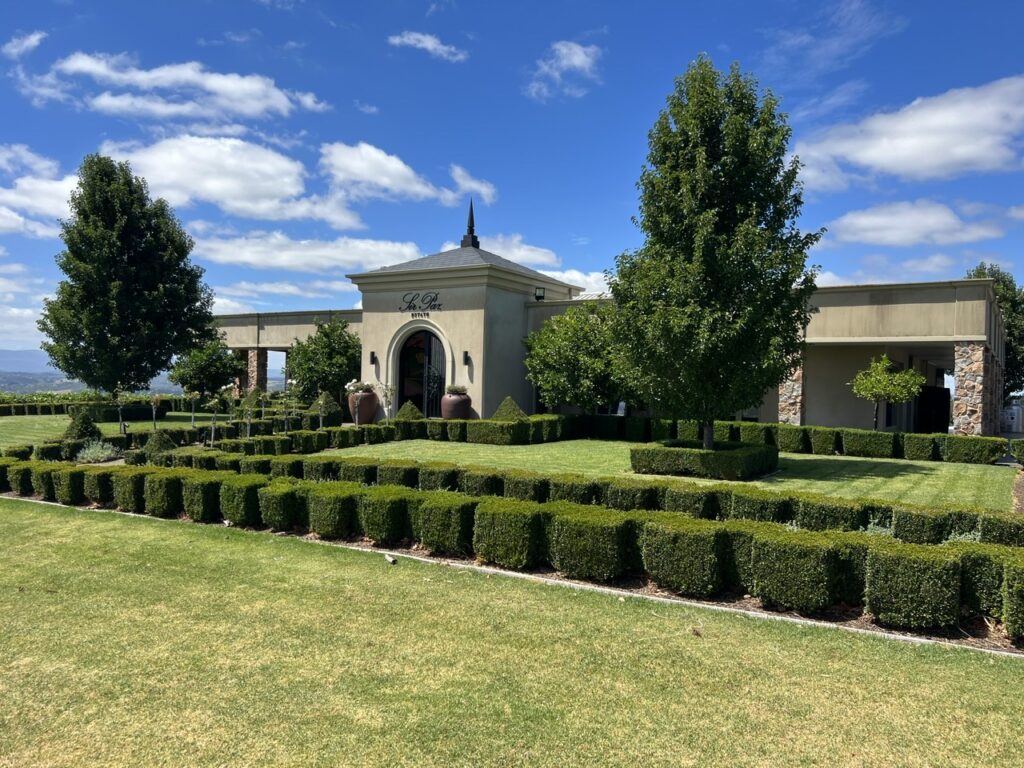
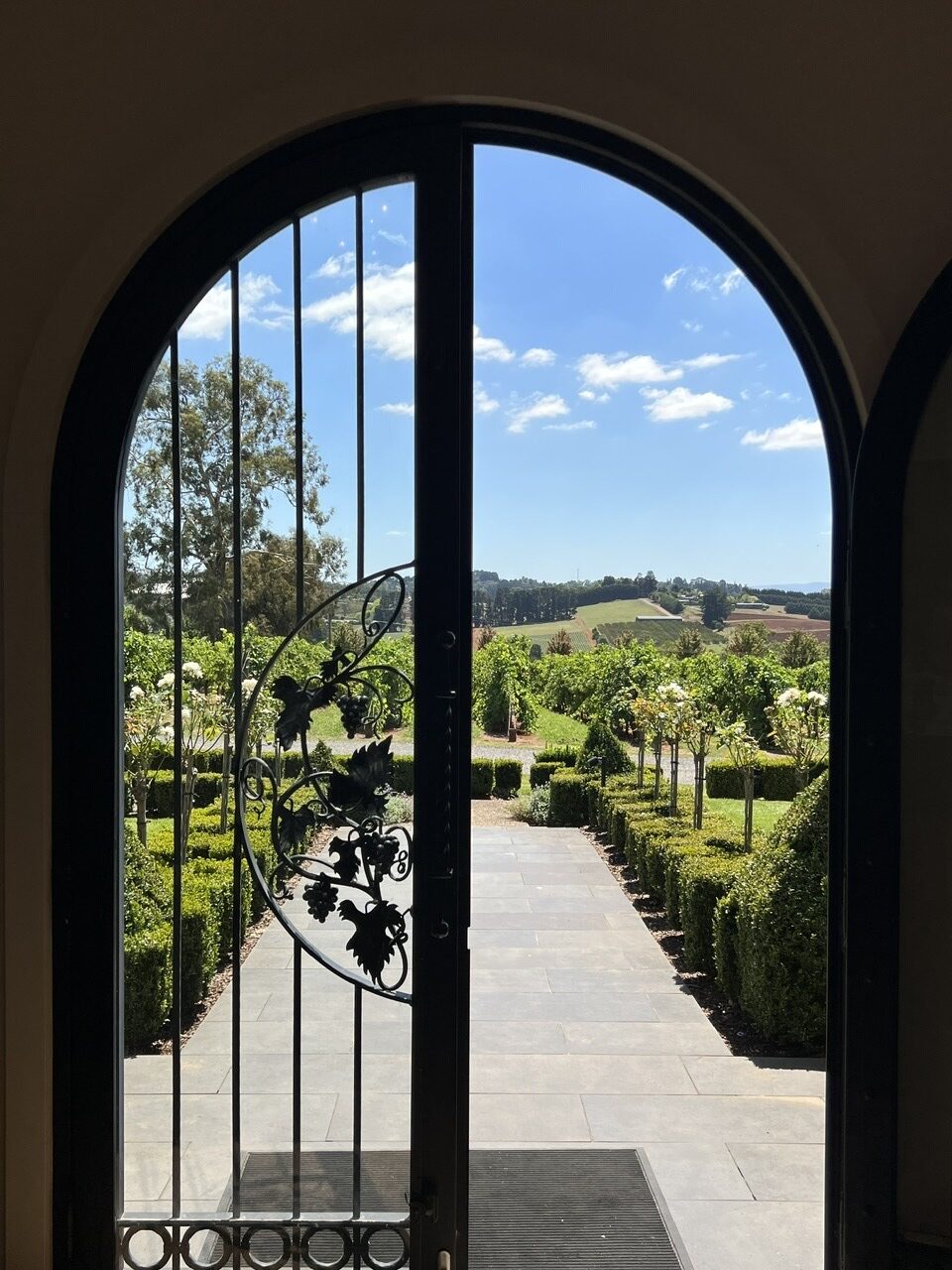
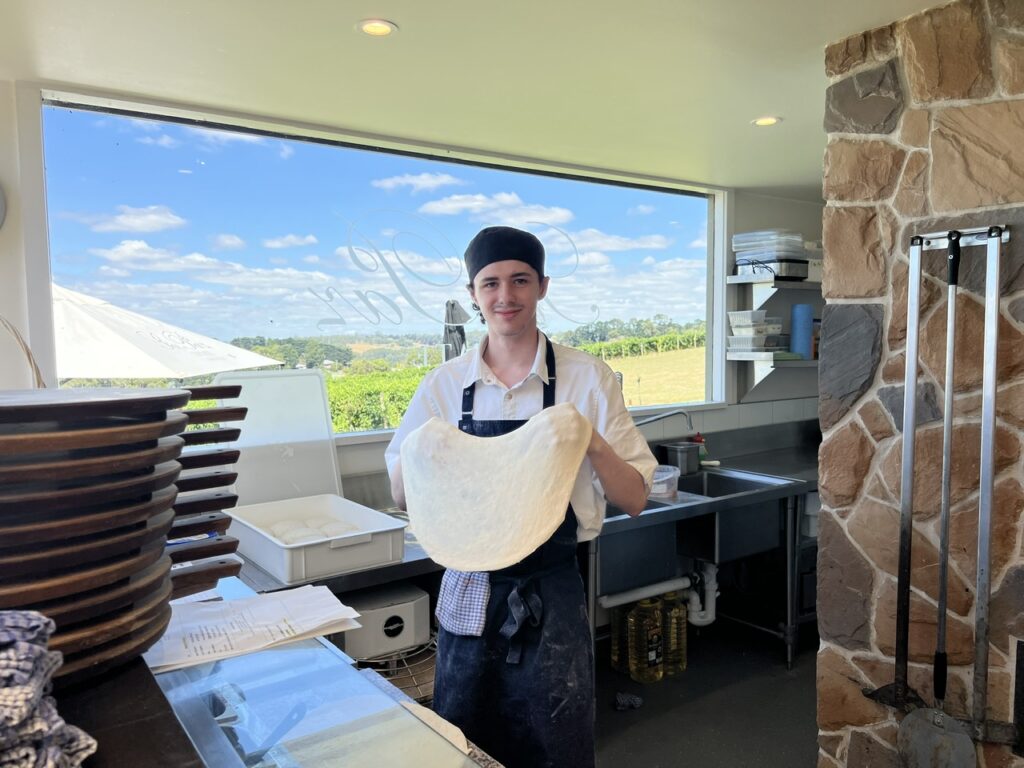
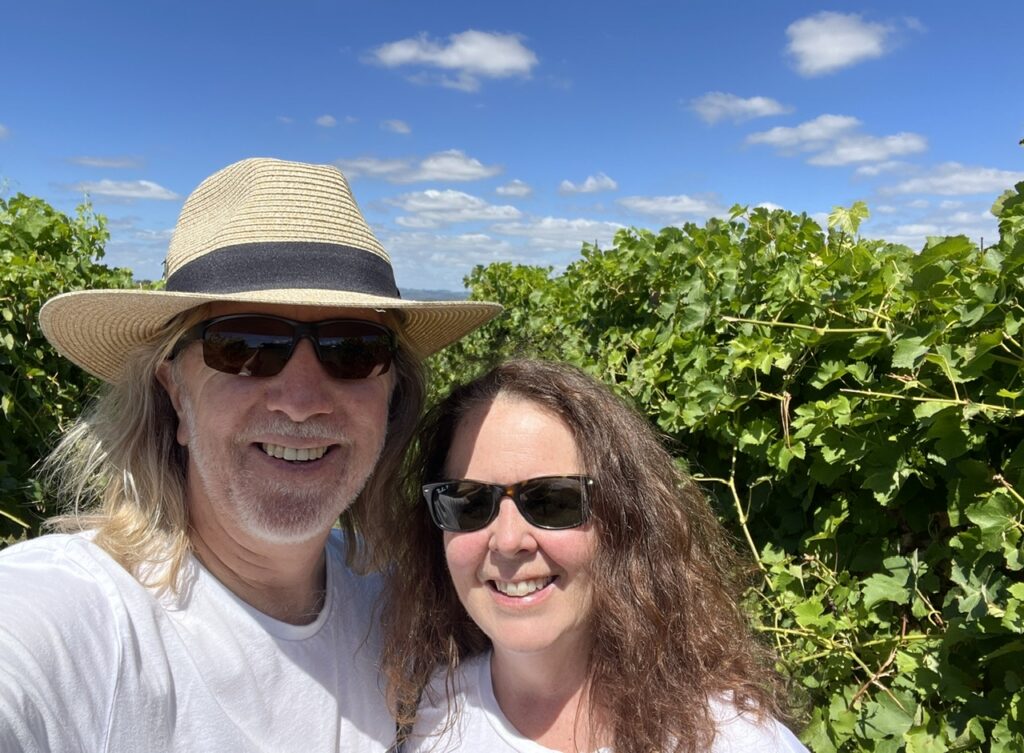
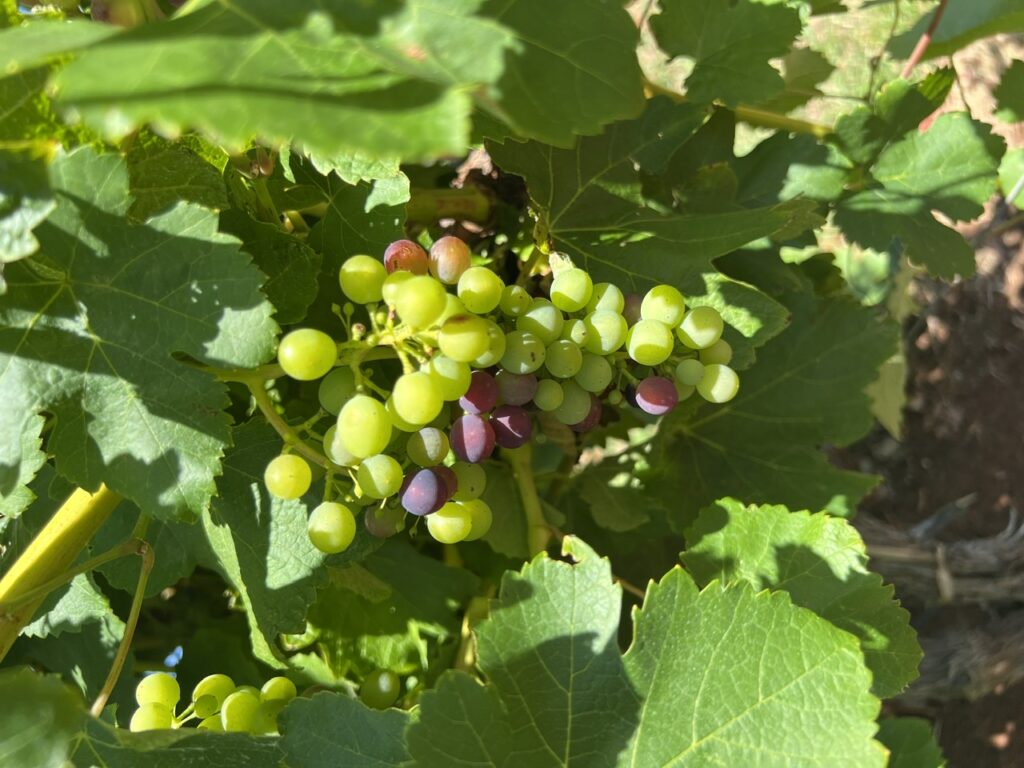
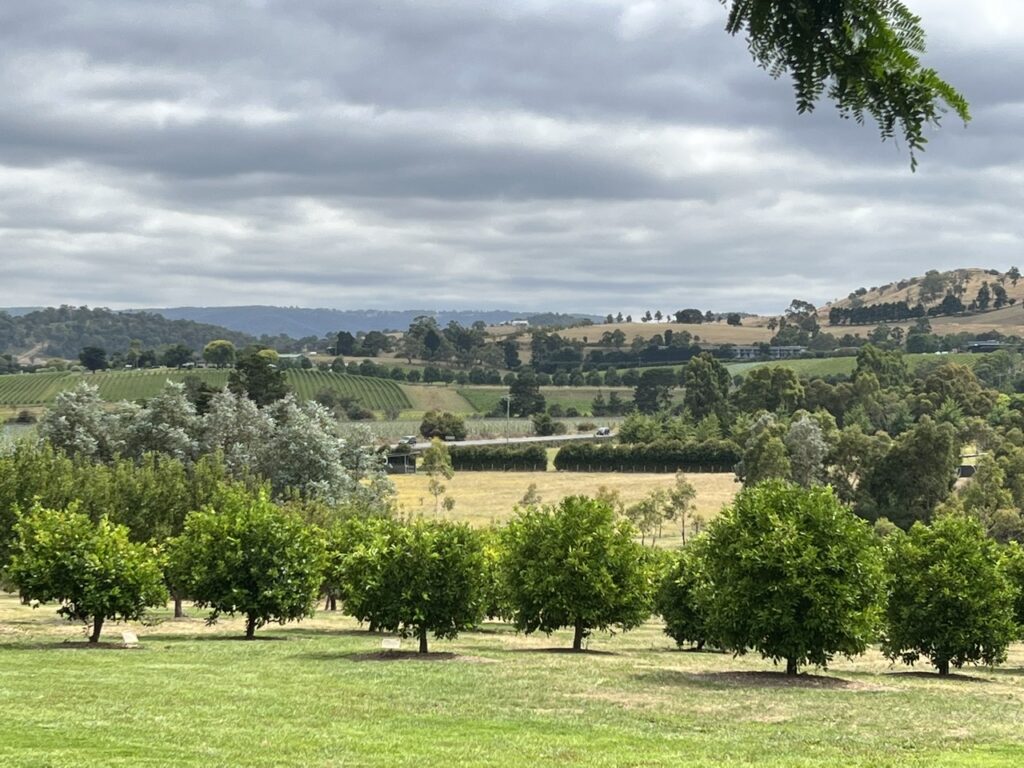
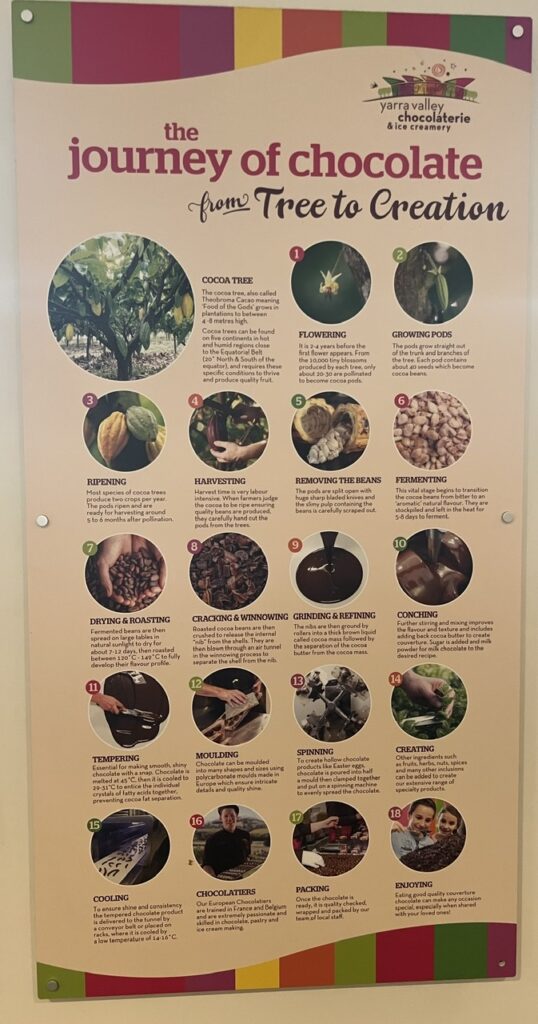
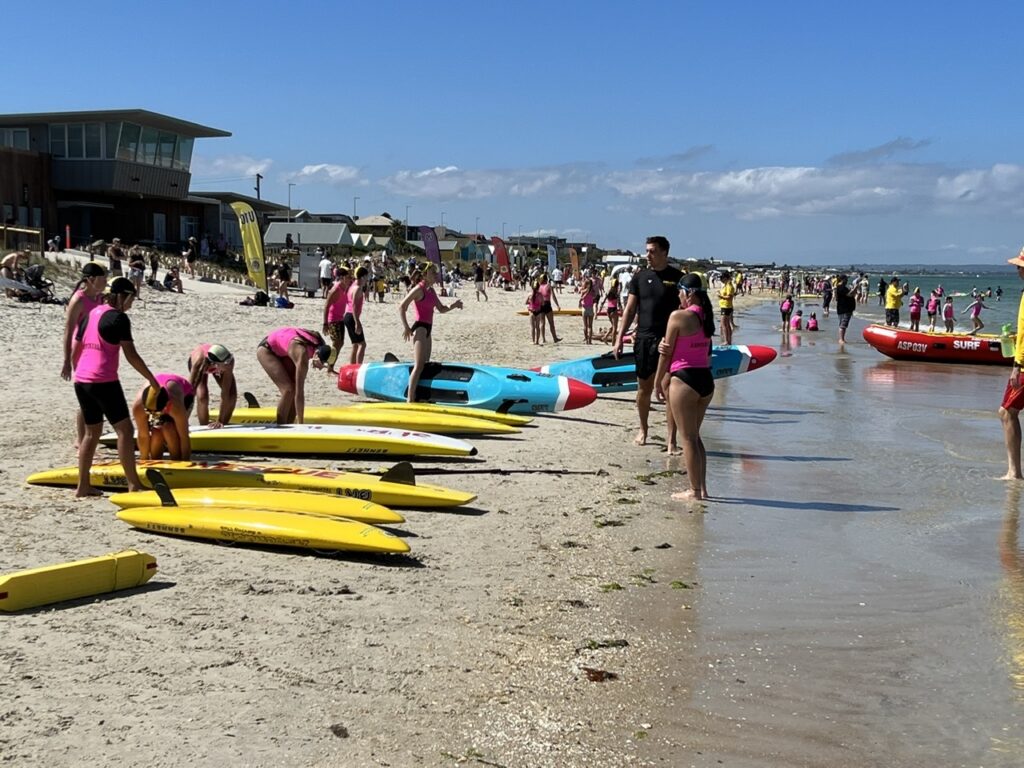
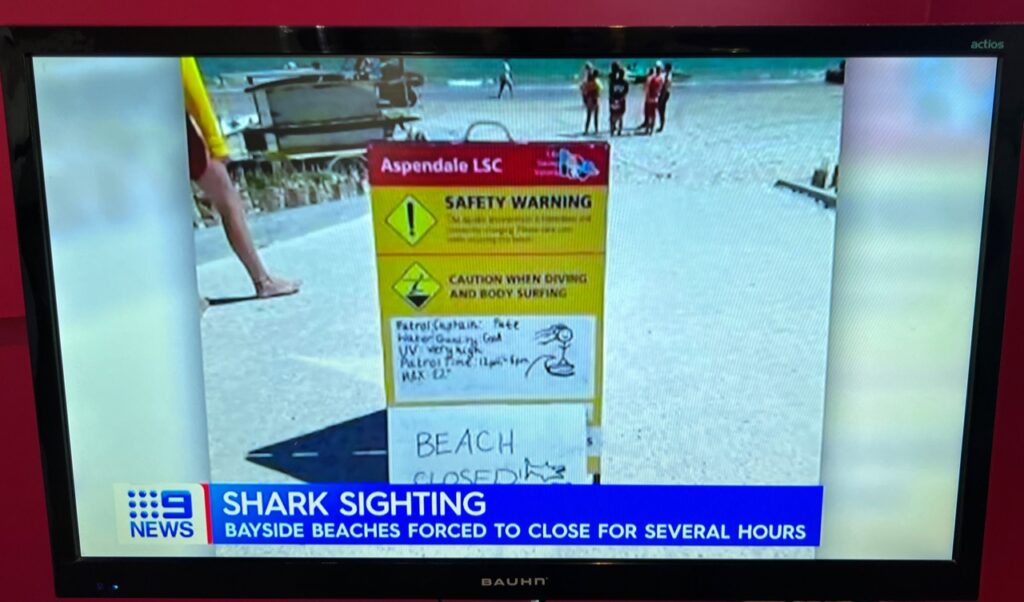
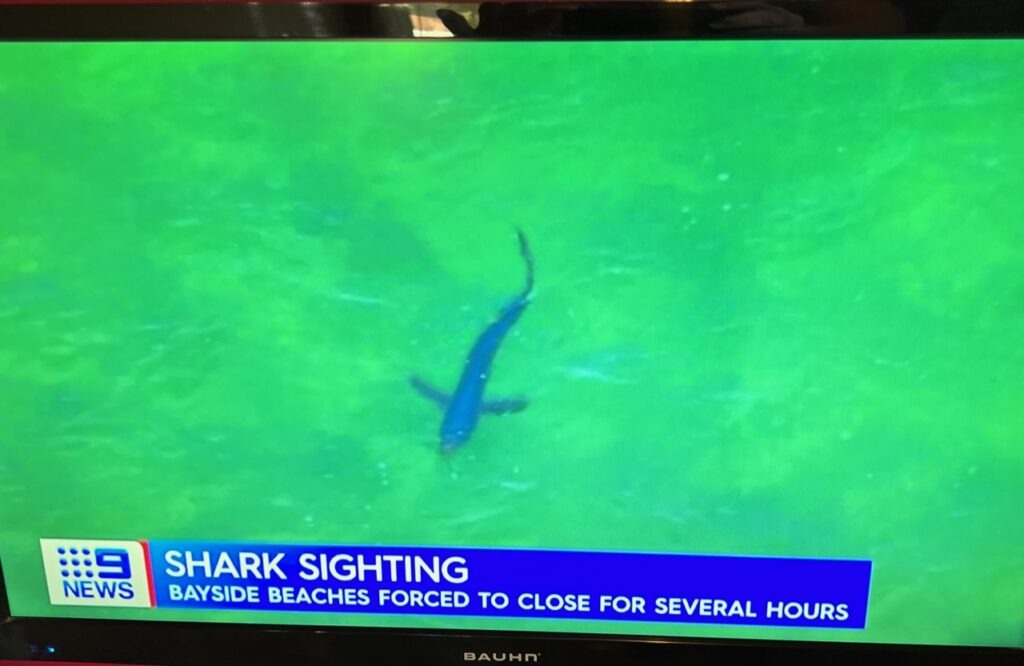
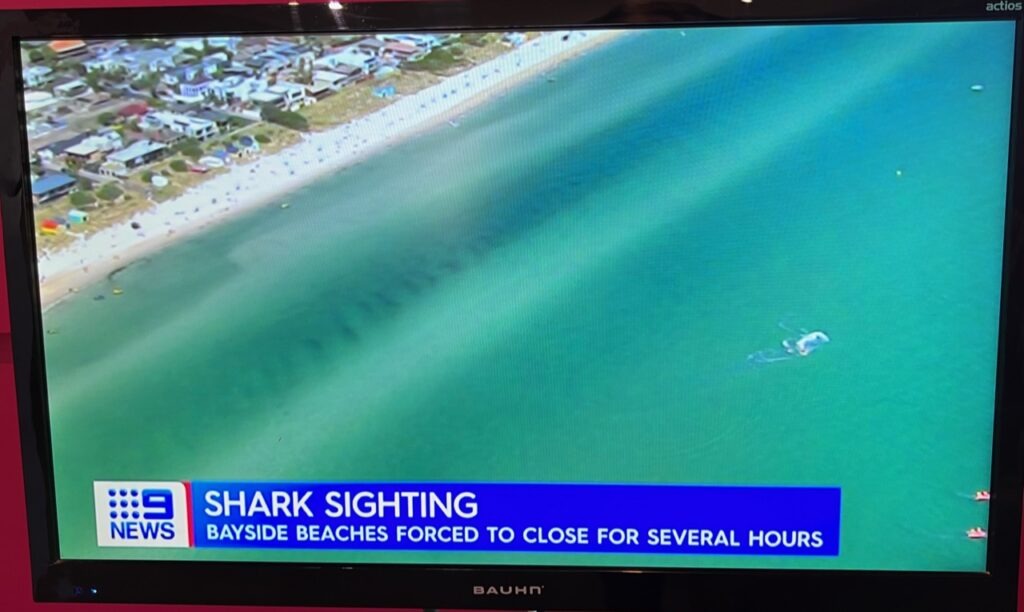
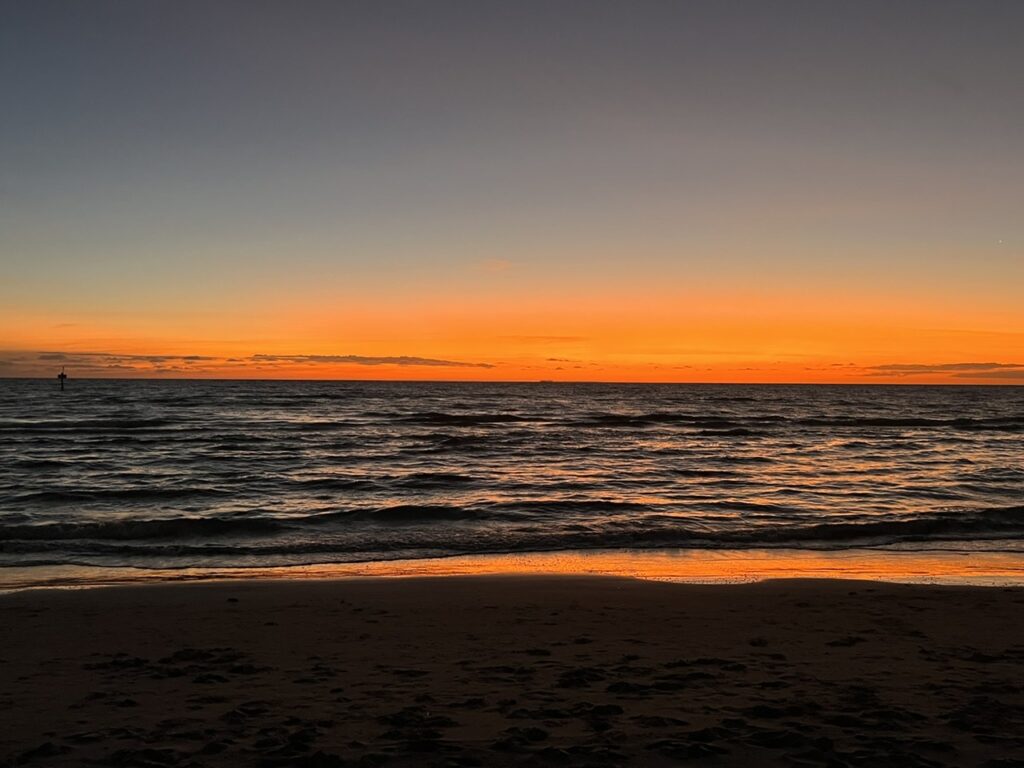
Near Olinda, Dandenong RangeWhite cockatoos, Dandenong Range.Sir Paz Winery, Yarra ValleySir Paz Winery.We enjoyed wine tasting here complemented with a delicious brick oven pizza. A nice view to enjoy while preparing the crust.Wandering the vines, Sir Paz.Shiraz grapes, Sir Paz.Hugely popular with Melbournians, the chocolate (and ice cream) at the Yarra Valley Chocolaterie was divine. The place was absolutely packed – we could see why. View from the Chocolaterie.You could watch the chocolate making process and learn a bit of the history of chocolate.On this particular day Aspendale beach was packed and lots of young kids were doing surf life saver training. Within an hour the beach was empty as a result of a shark sighting !The shark was sighted just in front of the Aspendale Surf Club. Caught this clip on our TV as we went back home.Turned out to be a “Blue” shark, not usually dangerous, but a frightening thing to bump into if you were in the water ( the fin looked just like all other sharks !!!! )Lois had asked if sharks could come in this close – the beach is very shallow as you can see. “Unlikely”, I answered.A beautiful sunset on our last night in Melbourne ( for now anyway ! )
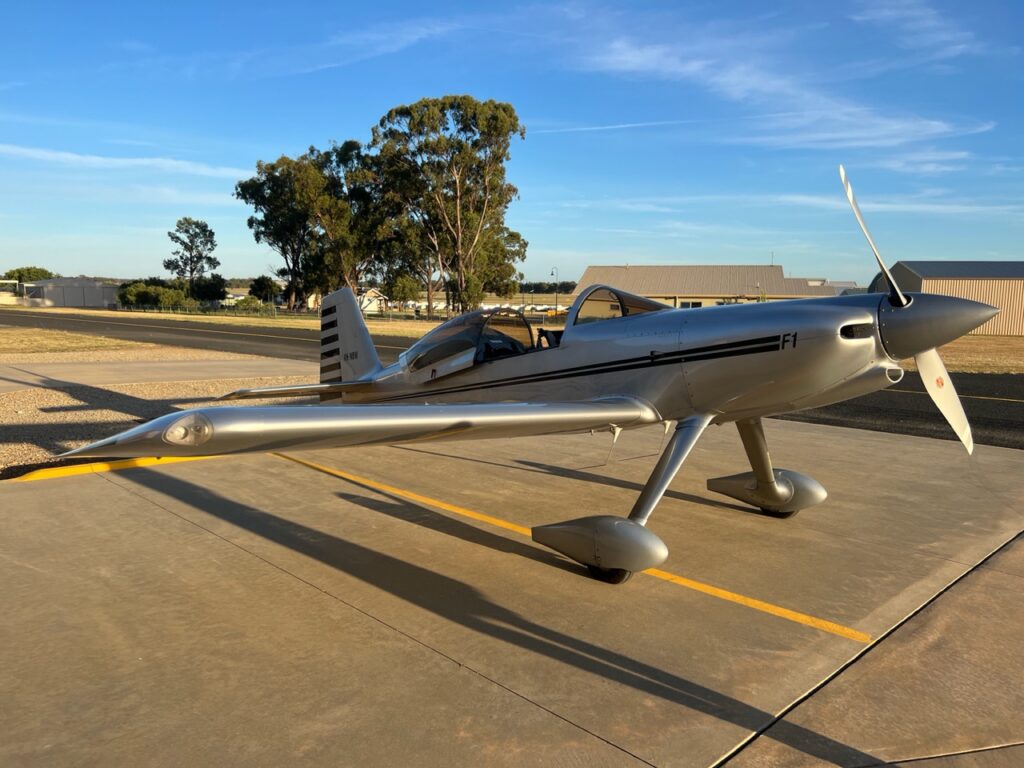
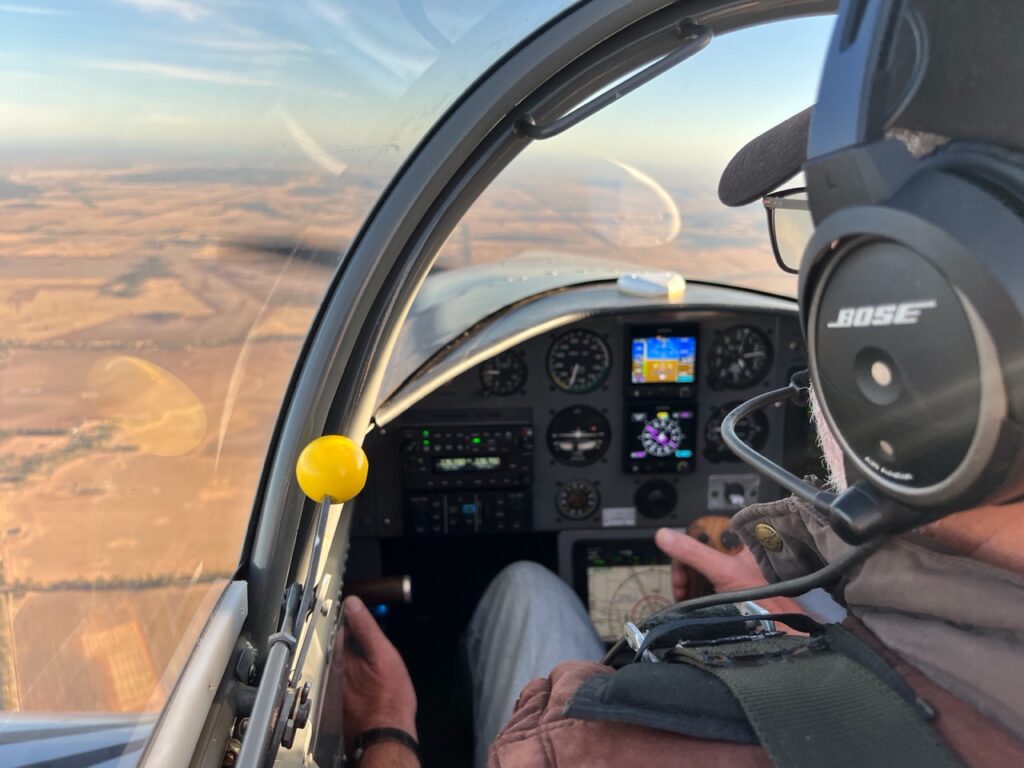
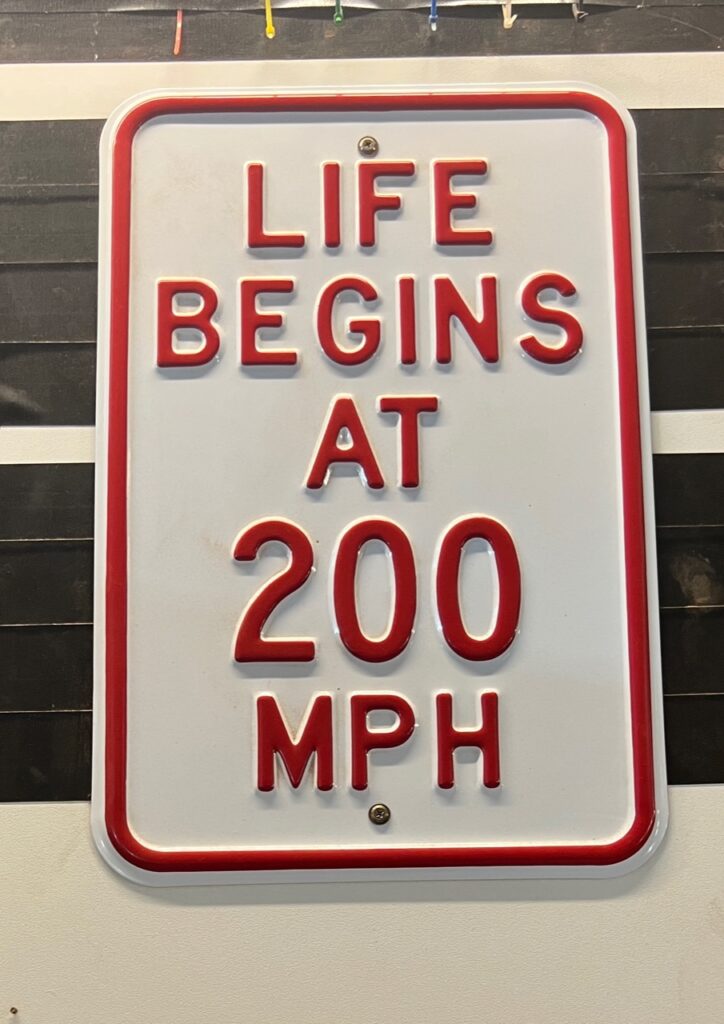
Little did we know that in addition to spending some more quality time with my brother, Ian and his wife, Anne that there’d be even more aviation joy ahead while in Temora ( hard to top the Spitfire’s we saw flying around during our last pit stop here ). Their immediate neighbour at the Airpark ( Nick ) owned an F1 Rocket experimental plane and invited both Lois and I up for a couple of aerobatic flights. To say it was the thrill of a lifetime would be an understatement. Absolutely stunning to experience rolls and loops with an unforgettable view of Temora from 1,400 metres, inverted, flying at 400km/h and experiencing 4G forces while entering and exiting the loops ! A few images below and a great video of what a loop looks like in an acrobatic plane:
Rocket F1 planeIn the air with Nick piloting.Sign in Nick’s hangar – and his plane goes faster than that !
Lois, in the Rocket F1 doing a 360 degree roll.
Lois, doing a loop…….inverted, at 400km/h, over Temora.
Now I can’t imagine anything that could top the experience of flying upside down and doing rolls and loops at 400km/h on a perfect Temora day. Well, there is one thing…..getting the keys to our rig next week (fingers crossed ). Stay tuned, and wish us luck !
Postscript: Shipping Update
The article referred to it as “A Total Ship Show”. Two weeks back, Josh Dowling of drive.com.au ( one of Australia’s most widely read motoring sites ) completed an investigation into the ever-increasing delays of new car deliveries into Australia ( our van is caught up in all this). If we needed to better understand why we are where we are then we got our answer in that article. Actually, there was more than one article – another here ( and at least one TV spot ) addressing the issue of long delays in Australian ports. If you’re interested in reading about any of it, take a look at either article. They certainly explained a lot of things for us.
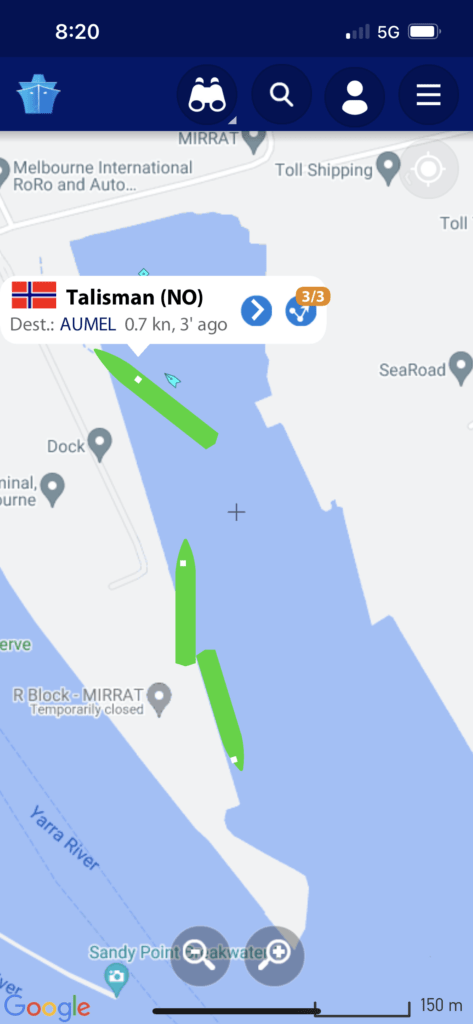
In the first few days of the week ( we follow port traffic updates regularly ) the news went from bad to worse until late in the week we saw, for the first time in almost a month, that the Talisman had finally moved from Bass Strait and into Port Phillip Bay and simultaneously the Port Scheduling app showed that it’s “berthing” was being prepared. Hallelujah ! After the delays we had endured this was indeed great news. By week’s end the unloading was near complete. Next step will be an inspection by the quarantine folks on Monday at which point they decide whether our vehicle is clean enough ( so we get the keys and can take it ) or if it requires further cleaning and thus needs to be trucked to a certified offsite washbay before re-inspection by the quarantine folks. Let’s hope we have it all done by the next blog !
We looked at the app to see that finally our ship was inside the bay and heading to the dock, getting ready to berth. It has been such a loooong wait.A day we had been dreaming of for almost a month – the Talisman finally berthing in Melbourne.As the Talisman finally berthed in Melbourne, (almost a month after it arrived off the Australian coast) we began to think that there might at last be light at the end of the tunnel. Still some major steps before we get our hands on the vehicle, but it just might be (as Churchill famously said) at least the “end of the beginning” of this long, drawn out process of getting back in our rig !
To be honest, we’d been more than just a little disheartened this past week after the ongoing unloading delay outlined in the last blog ( I dare not even mention the “s” word – we just call it a “transportation delay” now, it’s so depressing ). It’s typical when things go wrong on the road to start feeling sorry for yourself ( and we certainly did some of that ) but there’s nothing Iike a truly traumatic event ( or two ) somewhere else to put your problems in context. The tragic Turkish earthquake and terrible New Zealand cyclones this past week really have put things in perspective ( those and a litany of other problems around the globe ). Reality check time – our problems are actually truly trivial.
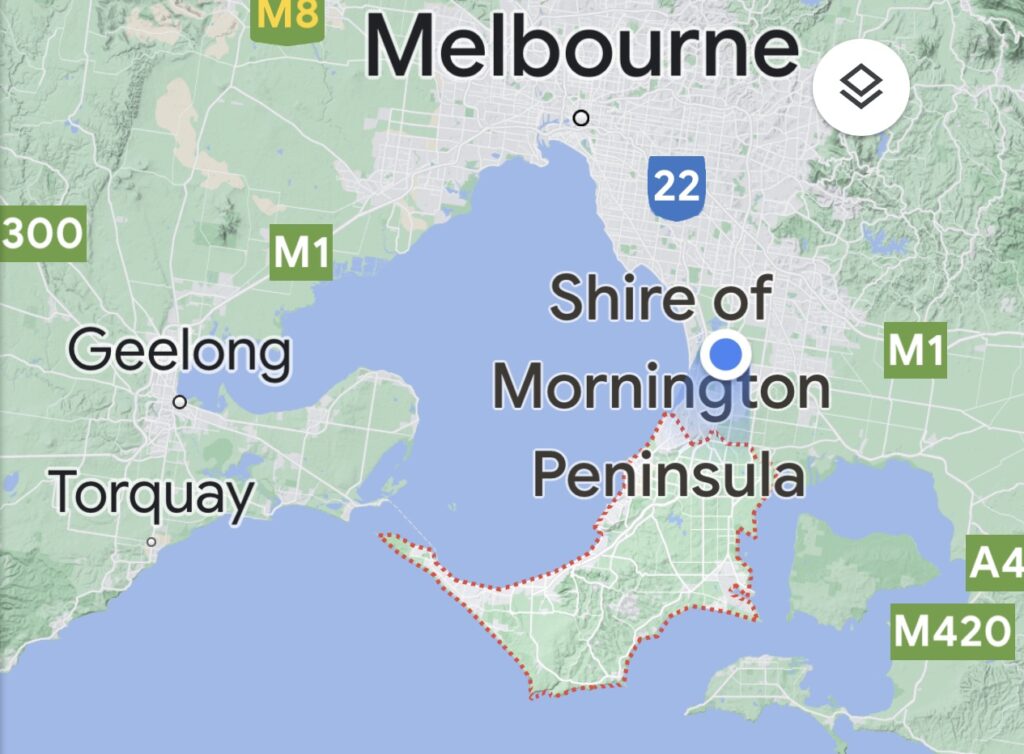
Map showing Mornington Peninsular map ( relative to Melbourne ). Phillip Island is the “island” just to the bottom right, connected now by a short bridge to the mainland.
“Seven miles from Sydney and a thousand miles from care” was an old marketing slogan used for years by the Manly ferry to draw visitors across Sydney harbour to Manly’s beautiful seaside beach. I was reminded of it as we used the past week to explore the beautiful Mornington Peninsula, which is ( in some ways at least ) to Melbourne what Manly and its surrounding beaches are to Sydney – for many, a nearby escape from the hustle and bustle of big city life.
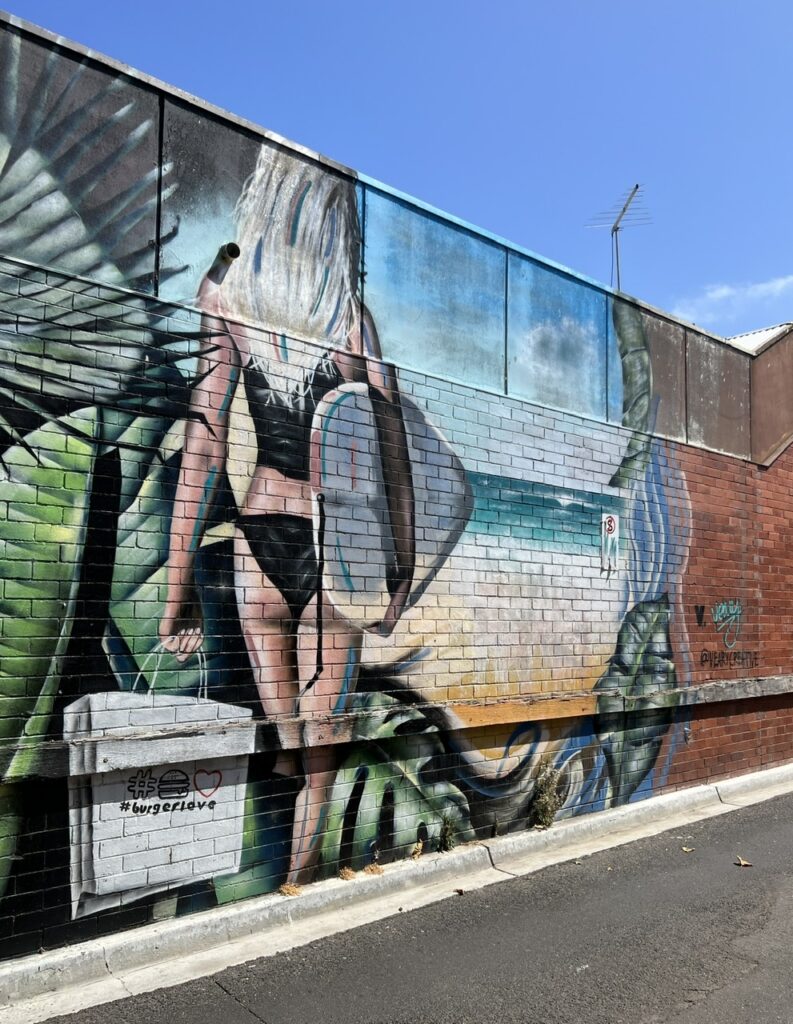
Exploration of the Mornington Peninsula ( and nearby Phillip Island ) was in our plans with our van, but in the circumstances ( no van ) we decided to simply explorewithout it. A couple of judiciously timed car rentals and some long walks allowed us to explore the area quite extensively in the end. Having moved away from the seaside and further down the peninsula, it seemed Frankston was a good place to start since it was close by. While I would not call the city itself a holiday destination ( the good stuff is further down ) the sculptures and murals for which it is renowned (among other things) are worth a look as one passes through.
Frankston muralFrankston muralFrankston mural.And one of the rather eclectic sculptures in Frankston…!
Further down the coastline it gets more interesting and we really enjoyed the scenic beaches, the Bass Strait coast, the many hikes and walks as well as the sighting of much more fauna than we had expected. There’s also a great deal of history in the area, some of which dates to the very earliest days of Victoria as a British colony ( “Australia” as a country was far off in those early days ).
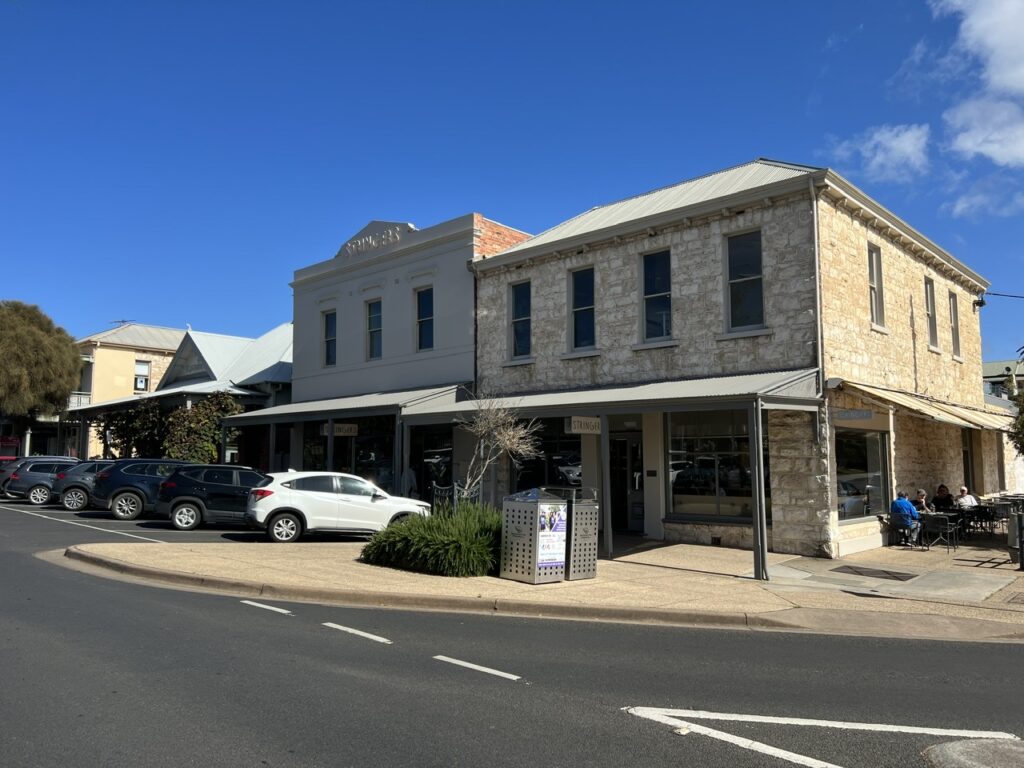
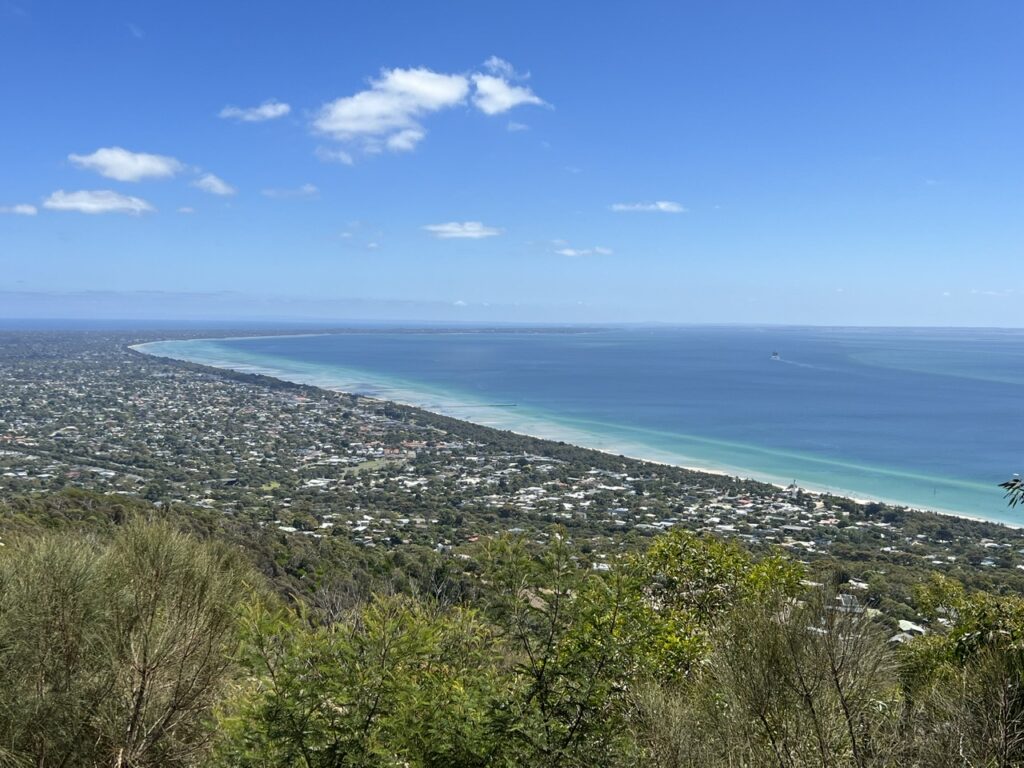
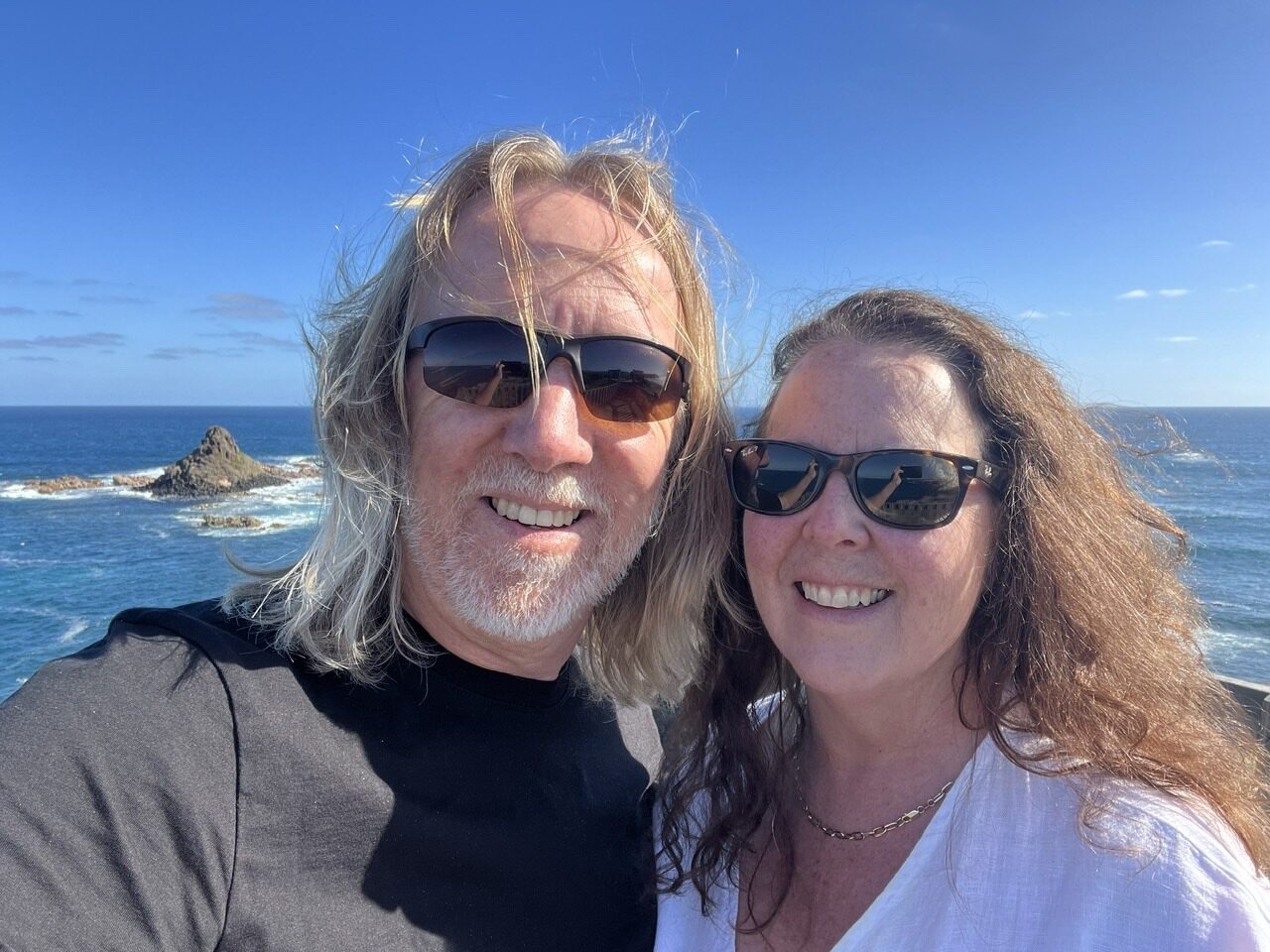
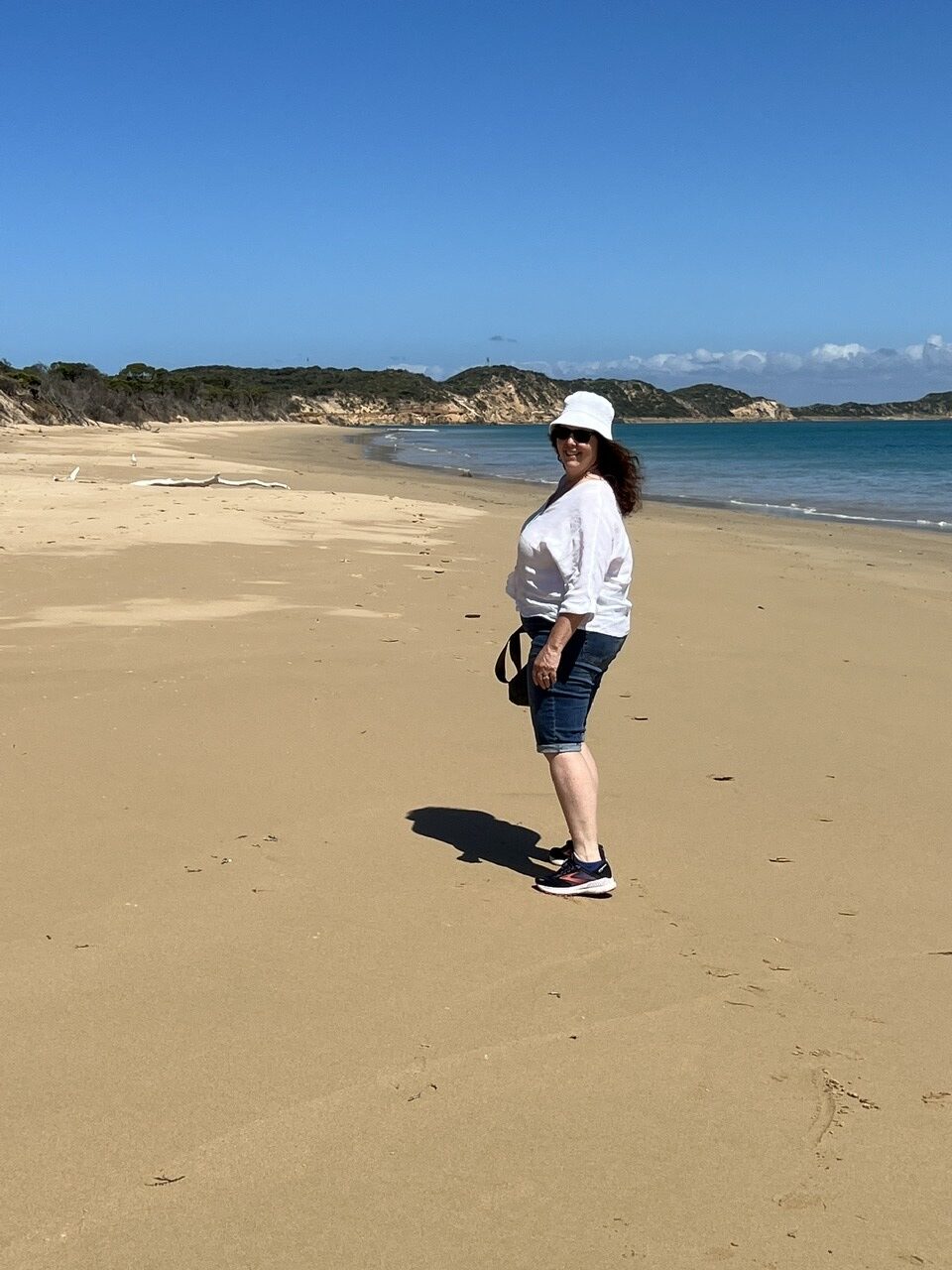
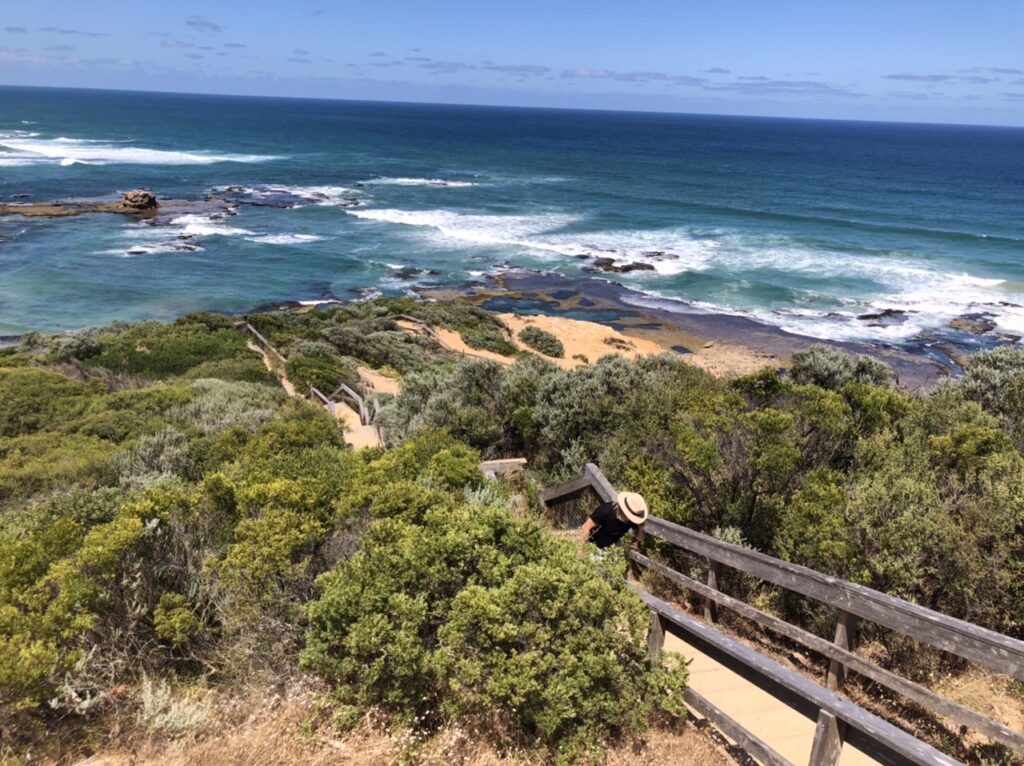
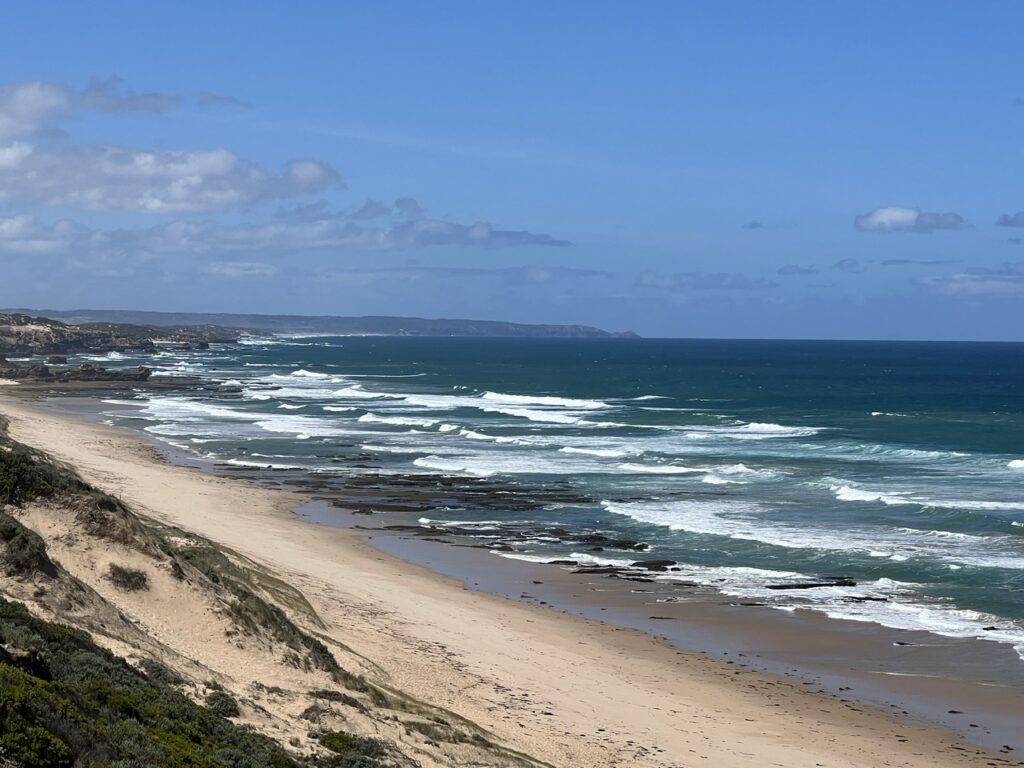
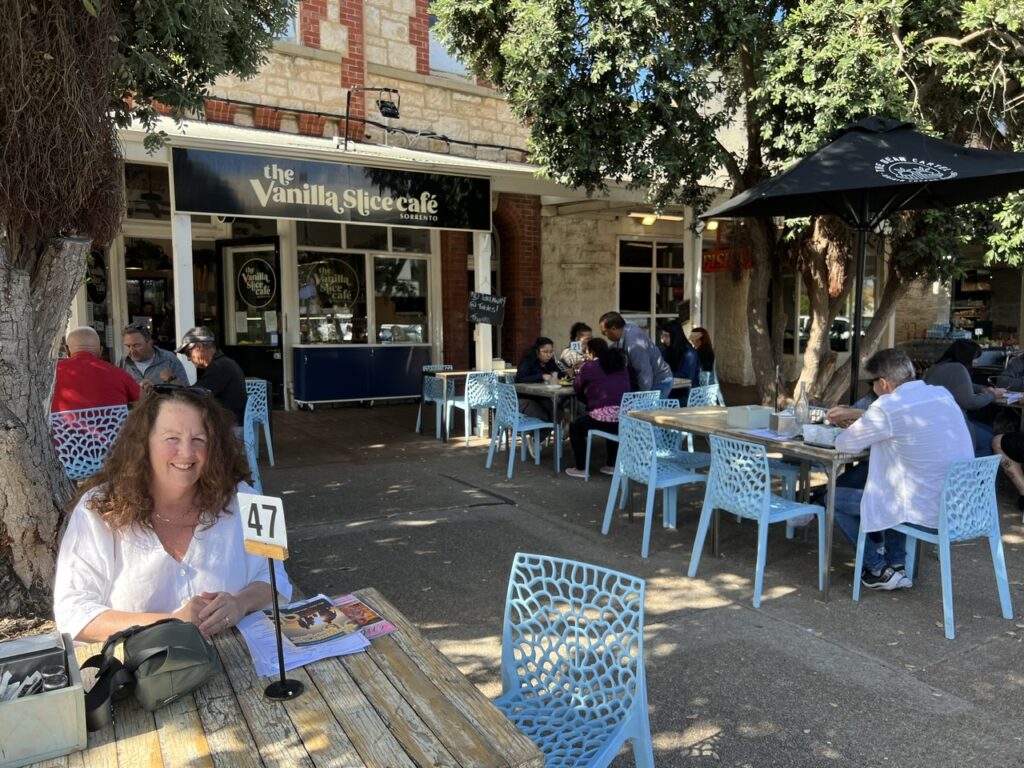
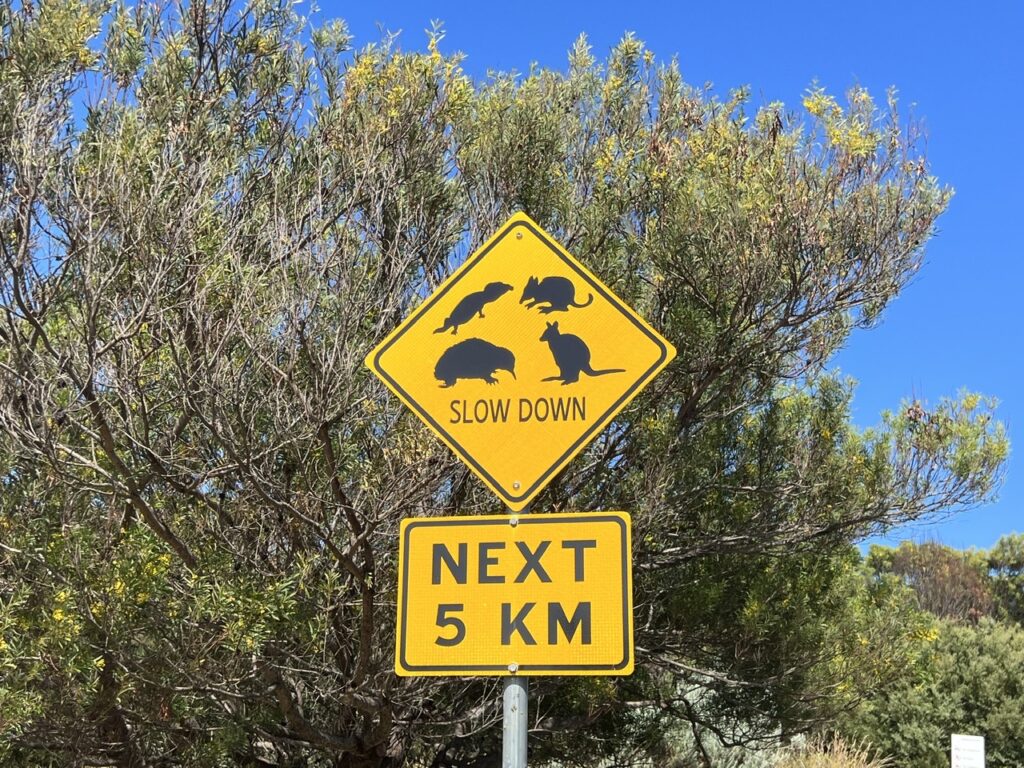
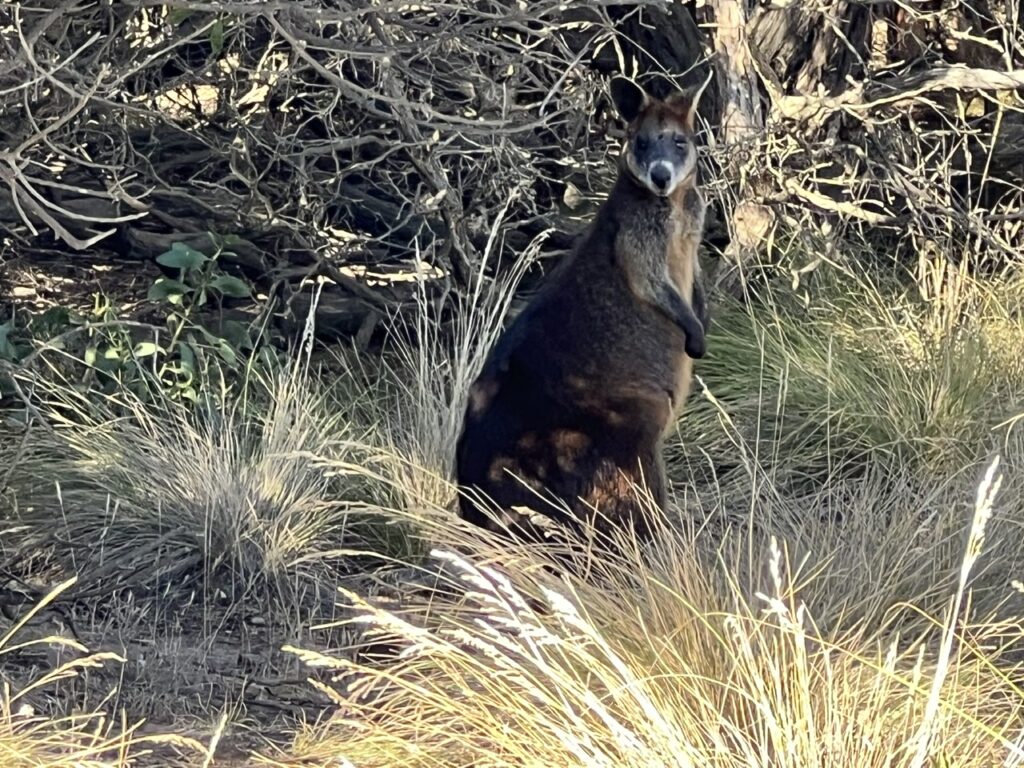
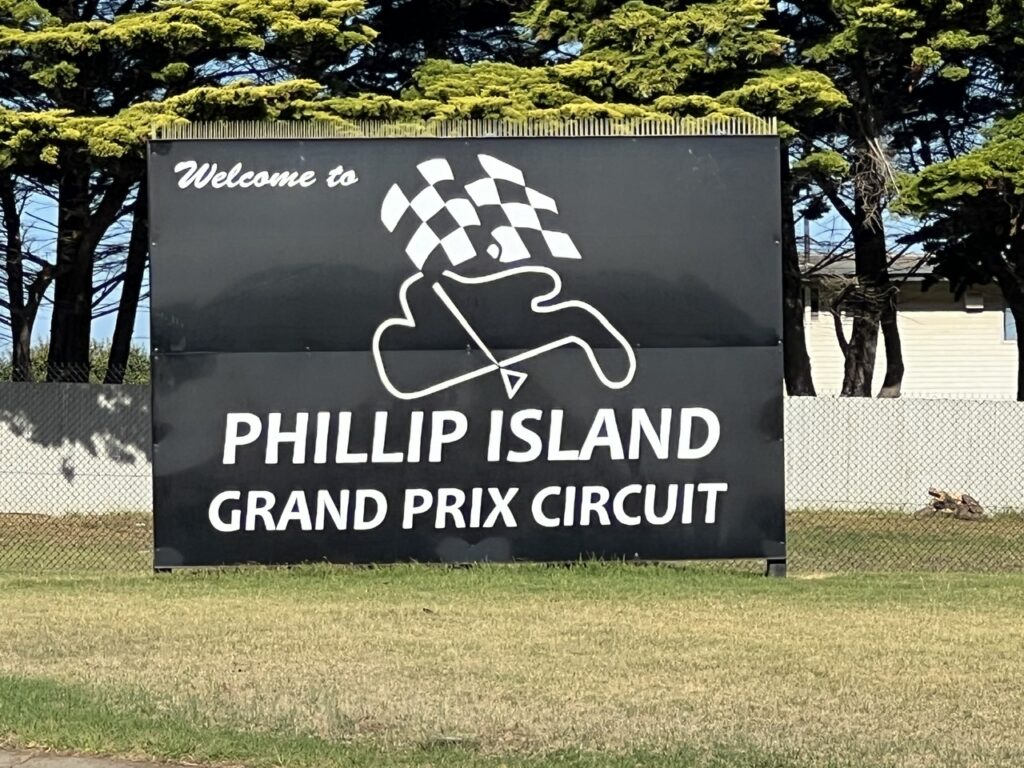
Historic buildings, Sorrento.Smack bang in the middle of the otherwise very flat Mornington Peninsula sits a rather abruptly positioned outcrop known as Arthur’s Seat. You can drive, or “gondola”, up for some pretty amazing coastal views.The coastal walks were very impressive with lots of points of historical significance. The area was some of the earliest settled when the British first came to Australia. A windy day though !Valentines Day 🙂 – Point Nepean beach.Lois, Point Nepean beach.Part of the coastal walk system near Point Nepean – steep in places !An oceanside beach, Mornington ( they refer to them locally as “back” beaches versus the much calmer “bay” beaches inside Port Phillip Bay).Sorrento cafe – Melbourne’s cafe culture seems to extend down to Mornington ( they are everywhere ). Lois loves sampling coffee, especially the cappuccinos!Approaching the National Park ( and on nearby Phillip Island), signs caution drivers to watch for local wildlife, these four types in particular- we saw many wallabies and one echidna ( only two out of the four) 🙁On the drive out the Pyramind Rock there were lots of wallabies around. Much smaller than a kangaroo but otherwise broadly similar to the untrained eye.An echidna – unlike a porcupine ( to which they are sometimes compared ) the echidna cannot eject its spines.I’d actually forgotten, until we drove right by it, that Phillip Island ( just off the Mornington Peninsula ) was home to a Grand Prix circuit ( mostly for motor cycles but cars race there too ). Motorcycles were practicing while we were there- loud !
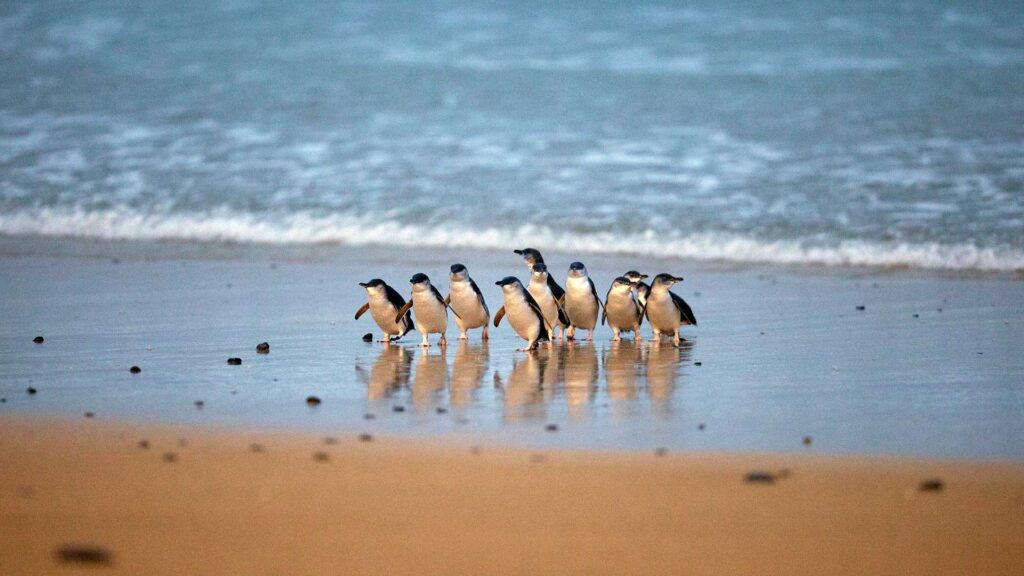
While Phillip Island has many attractions, undoubtedly one of its most well-known is the Parade of Penguins. The picture below shows exactly what they look like when they emerge from the sea. It’s hilarious to watch them waddle out, waddle back in, and then waddle out again before summoning the courage to eventually cross the beach ( where the risk from predators is highest ).
Little penguins coming ashore, Phillip Island (picture courtesy of Parade of Penguins website – no visitor photography allowed after sunset !)
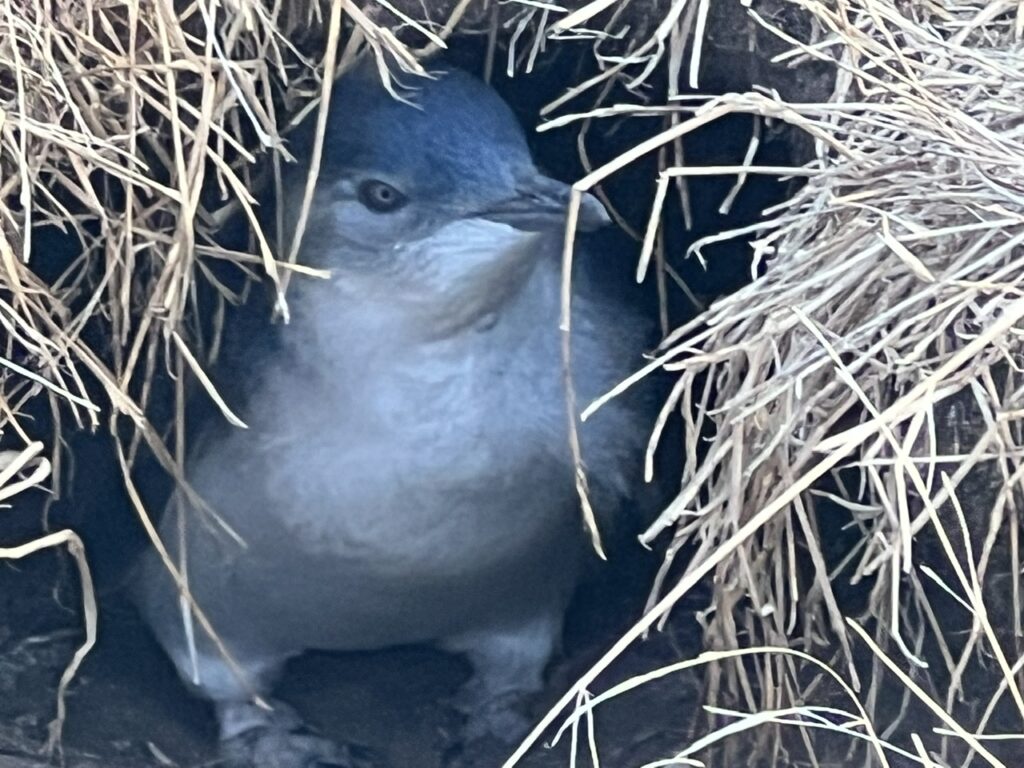
We were not allowed to shoot pictures or video of the penguins after sunset ( which is when they waddle ashore ) but peeled this video off YouTube to show what the experience was like. Very impressive…!We managed just one picture of a penguin in its nest while there was enough light. No pics allowed after sunset.
Technical sidebar: ( a read only relevant to those with an inquiring electrical mind ! )
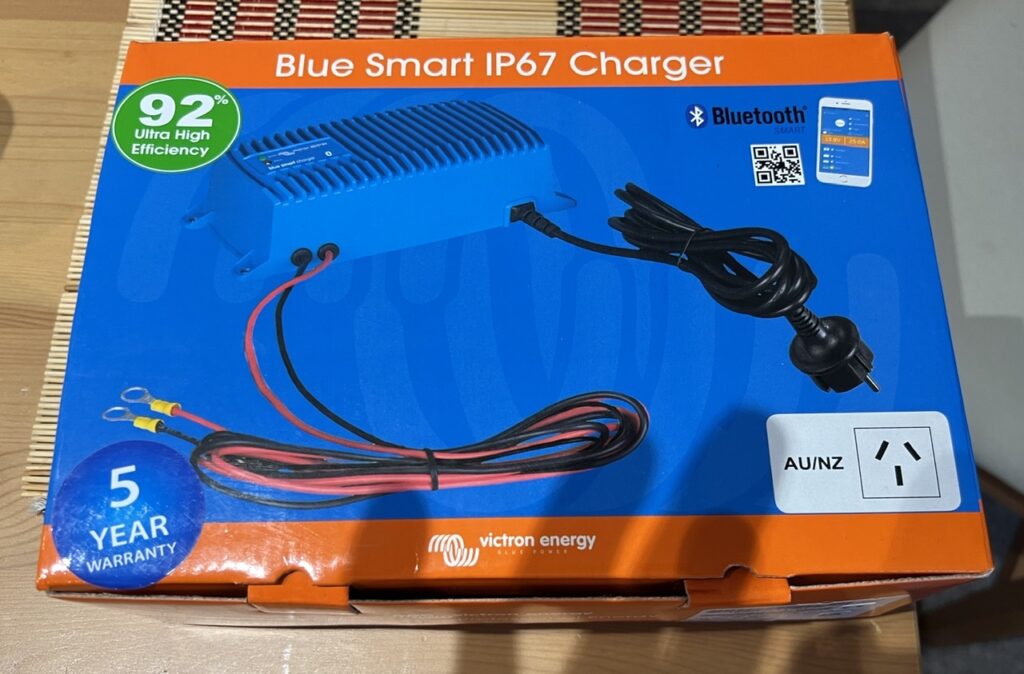
In the expectation that we should ( hopefully ) soon be reunited with our vehicle it only made sense to use some of this enforced downtime to get as much done as we could in advance of it being released. One of those things was to solve the issue of charging the vehicle’s leisure batteries from an Australian mains/household supply. Not an issue when we are driving ( charge comes via the vehicle alternator and onboard 40 amp DCDC charger ), nor when we are stationary on a sunny day ( 700 watts of rooftop solar and 300 watts of external solar should do it ) however there will be times when one ( or both ) of those options is not available and we need to “plug in”. Not a problem in our 120v AC world ( US/Canada/Central America and parts of South America ) but in Australia ( as in most of the rest of the world ) it’s all 240v AC. What to do ? There are really only 3 options: A) do without the plug in option, B) get a step up/step down converter, or C) get a 240v (input) charger that will tide us over while in Australia. Doing without was not a viable option. The step up/step down converter, while giving us “constant” AC power, would have to be very big, very expensive and very heavy to handle the draw of several of our appliances so was also ruled out. A local ( lithium compatible ) charger with 240v input was sourced, with the bonus being it was a Victron unit and thus compatible with the whole electrical system we have. Many thanks to Paul at Retropower in Clayton ( Vic.) who not only provided us a new 25amp Victron unit, he delivered it right to us ( service with a smile ) ! So, while we will never be “plugged in” in the strict sense of the word, when we do have access to 240v AC power, the 25amp charger will keep our batteries topped up sufficiently to match/(or limit ) the battery drain from the fridge, cooktop etc. via our inverter – hopefully anyway !
In anticipation that the van will arrive ( someday ! ), we sourced a secondary 25amp Lithium battery charger that will run off the Australian 240v AC system. The one in the van of course, is 120v AC.
Postscript: Shipping Update
Back in August, 2022 when we pre-booked the ferry from Melbourne to Tasmania, we had hoped to get a nice short connection with the ferry from Melbourne to Tasmania. The Talisman from the US was scheduled to arrive in Melbourne on January 25 and we could not get confirmed ferry passage on to Tasmania until Feb 28. That left us an awkward month in between where we could not ( effectively ) roam too far from Melbourne. Never, not in our wildest dreams, did we anticipate things would be so delayed with unloading the Talisman that it would potentially jeopardize us actually being able to make that Feb 28 departure date for the Melbourne to Tasmania ferry ! Sadly, that is now exactly where we stand. Unless we have a very speedy customs/quarantine clearance at the Port of Melbourne next week it could be a “salt into the wound” experience – getting out of Melbourne port too late to catch the ferry to “ Tassie”. For over-height vehicles like ours changing the dates ( out and back ) is next to impossible. So, very nervously, we just continue to wait……..and wait.
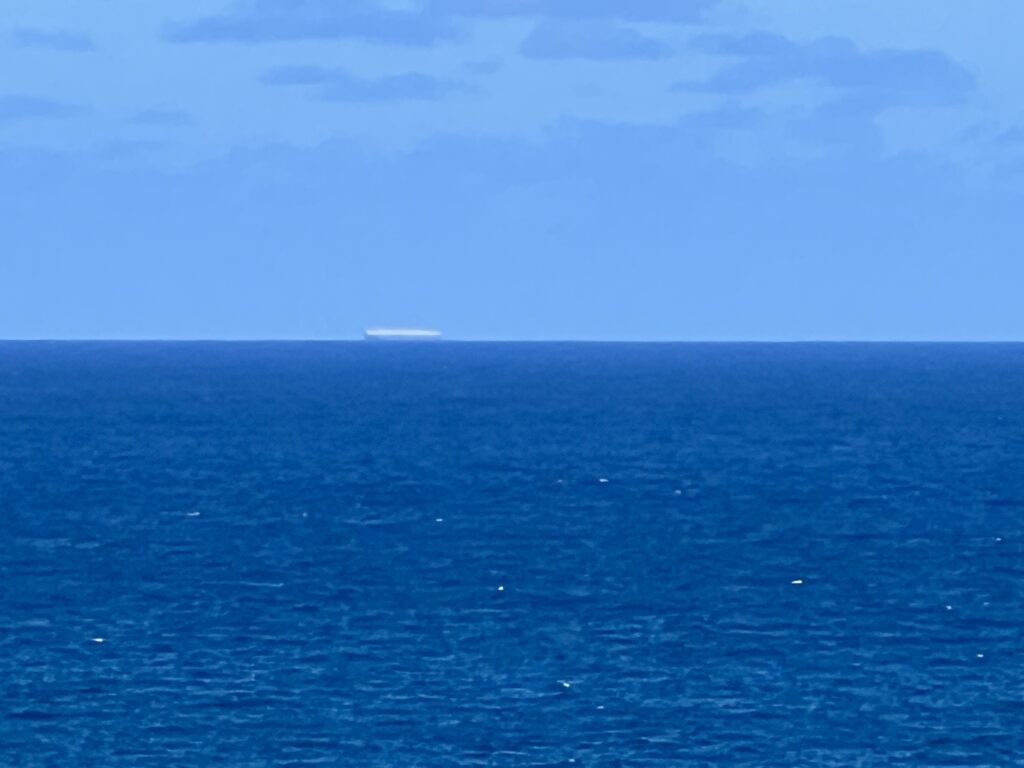
Current status of the Talisman for unloading. It’s literally been one step forward and then two steps back all week. Feb 20 is the new projected unloading date now 🙁That’s it…..tantalizingly just offshore. Actually visible a few days ago when we walked the headland on the Bass Strait side of the Mornington peninsula.
Not sure where the time went but it seems suddenly we looked at the calendar and it was time to head to Melbourne for a long-anticipated rendezvous with our rig – or so we hoped anyway. The “car switch” a week before meant we now had a Victorian-plated vehicle making a convenient one-way trip from Forbes to Melbourne possible ( no need for what would have been a long detour via Sydney ).
For those readers not so familiar with the geography of Australia, we are currently in the South East corner of the country. The white dot is Sydney, “A” is Forbes, “B” is Temora and the blue dot is Melbourne.Our route from Forbes to Melbourne via Temora, travelled this past week.
Forbes lies on the main highway between Brisbane and Melbourne so it’s a very well travelled route. Given it’s about a 7 hour trip from Forbes and I have an older brother in Temora ( 90 minutes South-West and more or less on a direct route to Melbourne ) it made good sense to stop in for a quick overnight visit and shorten what would have been a longer journey from Forbes (and it’s always wonderful to catch up with family).
Over the past 25 years, Ian and his wife Anne have travelled Australia probably more extensively than anyone I know so it was extremely helpful to be able to lean on them for some route planning regarding our own upcoming adventures. They were full of great tips on possible routes, seasonal travel considerations and a requisite list of “must do’s” – the family barbecue was a real Aussie treat as well. They have a large hangar-sized workshop at their place and have generously offered us the use of it to do some minor finishing work on the van when it lands in Melbourne ( so we expect to be returning to Temora )- these were just a few weather related things we could not do before we left Canada. My god, that now seems so incredibly long ago ! Little did we know that Temora had an unexpected surprise in store for us – and if you’re an aviation buff it does not get better than this.
Sign outside Temora promoting its aviation museum.
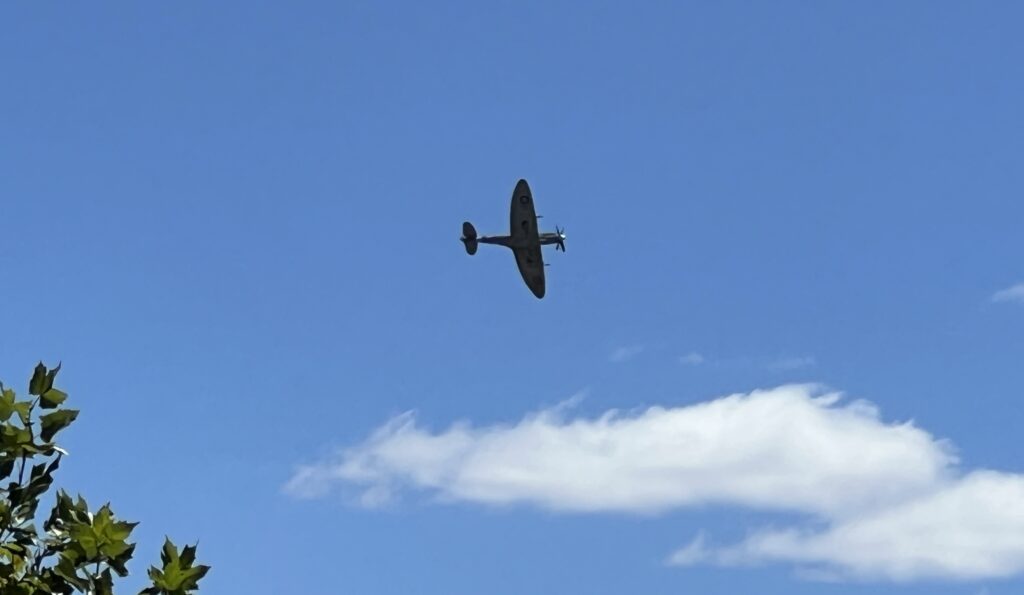
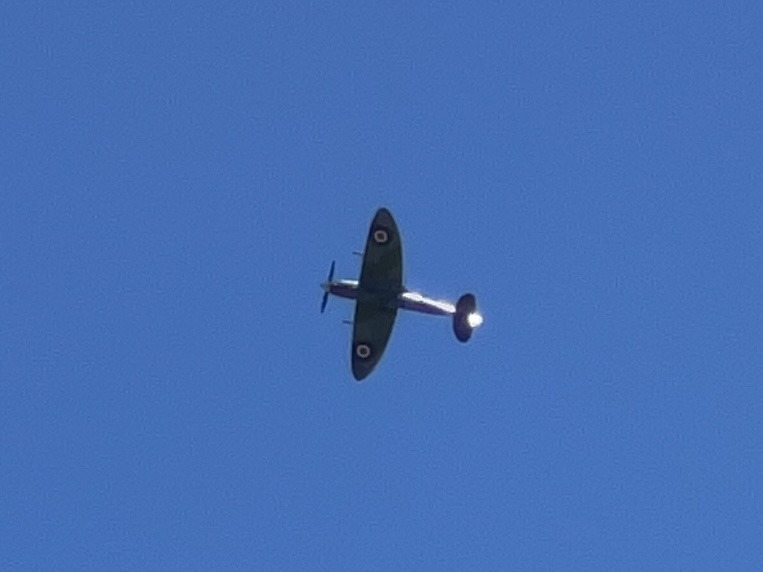
Sometimes your timing works and sometimes not but on the day we arrived the gods were really smiling on us. I’m an avid WW2 aviation fan and it just so happened that many WW2 planes ( from the Temora Aviation Museum ), would actually be in the air on the day we arrived. Apparently pilot accreditation dictates certain minimum flying hours be done in these classics – and today was the day. We’d visited the air museum on an earlier trip so knew they had some pretty special planes, a couple of flying Spitfires among them. To say we were all entranced as the Spitfire did some climbs, rolls and low altitude passes would be an understatement ! Simply incredible, especially the throaty sound of that Rolls Royce V12 Merlin powering what I consider to be the most iconic of WW2 planes, through the sky. Just priceless to see and listen to it doing its moves right above their house. And, not even a crowd – Temora folks are quite un-fazed by it all, this is a regular occurrence and quite routine for the locals. While the two pictures below were shot with just an iPhone at great distance ( apologies for the grainy quality ), the unmistakable shape of the Spitfire is clear, as are its markings.
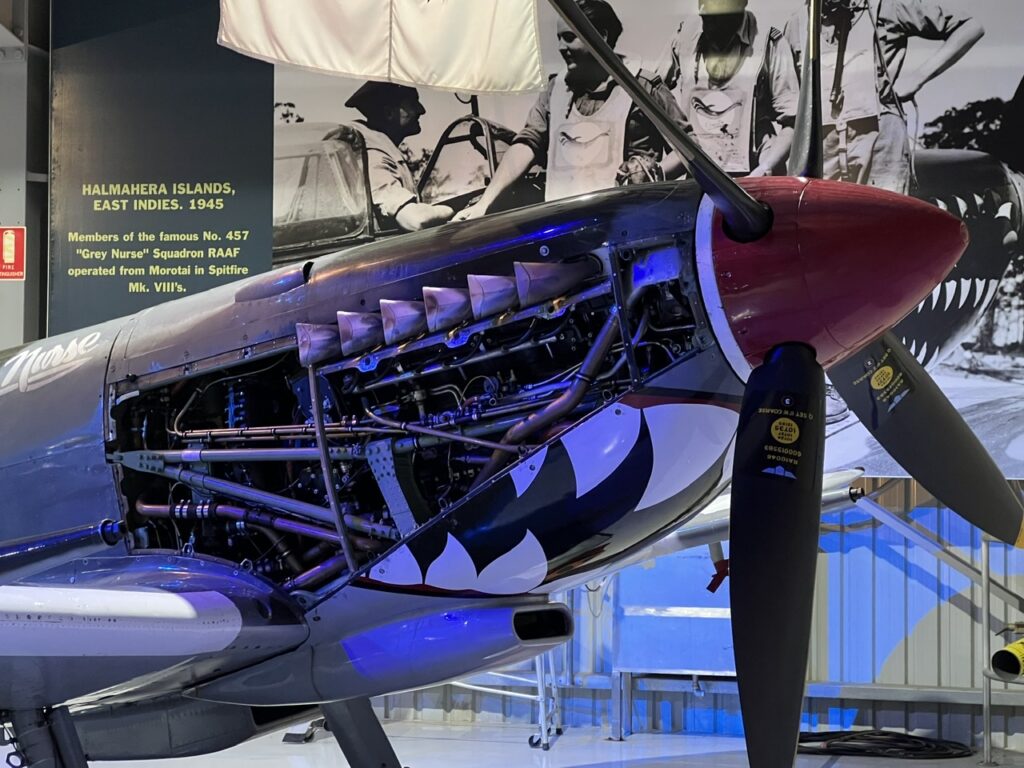
Close up shot of a Spitfire in the Temora Aviation Museum, cowling removed showing the V12 Rolls Royce Merlin engine.Spitfire in the air over Temora on the day we visited.Who could mistake that unique wing design !
As beautiful as the plane was to watch, I could have stood blindfolded and enjoyed it as much – it was all about the unmistakable roar of the V12 Rolls Royce Merlin engine for me. Managed to capture a bit of it on the same iPhone…….you’ll hear the plane coming before you see it ( crank up the volume on your speakers now and look above the middle of the roof in the short video below ):
Spitfire over Temora.
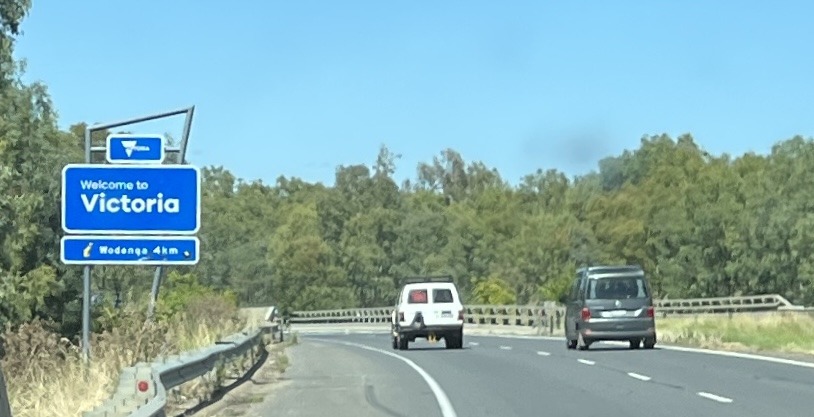
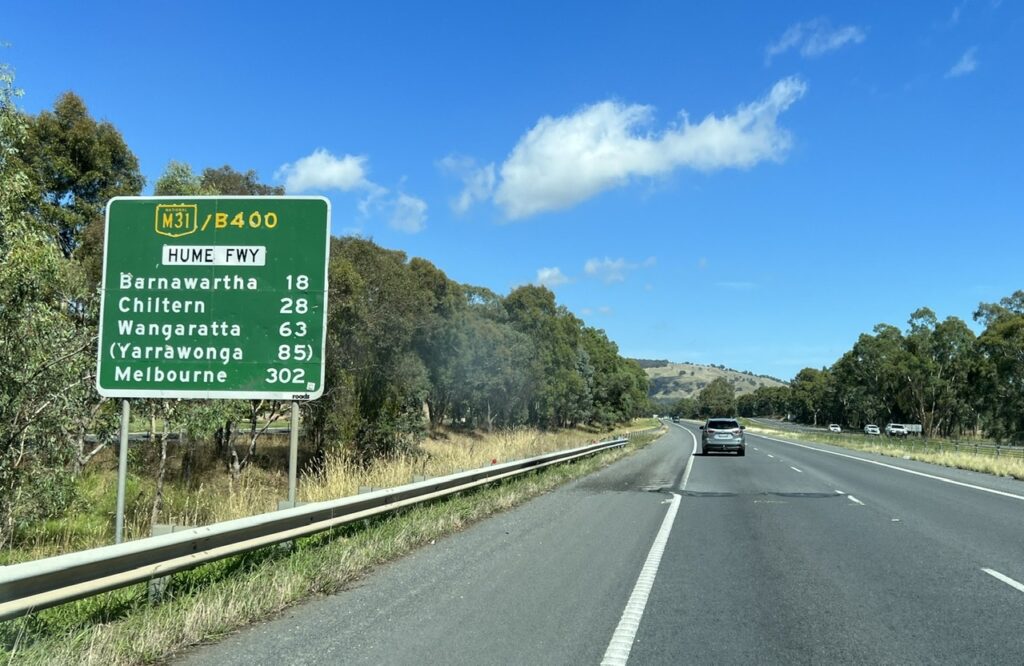
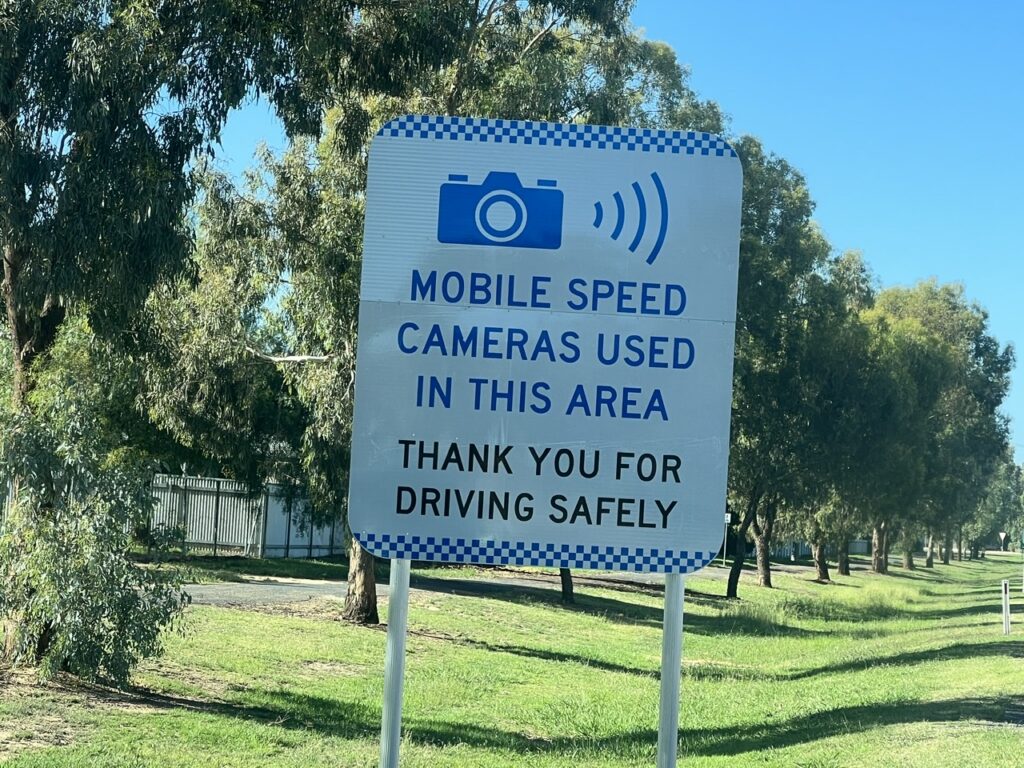
Certainly hard to top that for excitement and nothing on the 5 1/2 hour drive to Melbourne did though it was a pleasant drive through countryside we had not visited in a very long time. Quaint, historic towns, some of Australia’s richest agricultural land and crossing the mighty Murray River ( which divides New South Wales from Victoria ) were some of the highlights. One thing, though, did stand out, and it has since we started driving in Oz – the national campaign against speeding. I don’t think we have ever seen as many signs, as many cameras, nor ( thankfully ) have I ever noticed so many people obeying the speed limit !!! Back in the day there was always a crazy speeder or two that would pass you – we noticed none in 6 hours on the road. They have been in for quite a while now and most drivers are simply used to them, but I found the omnipresent speed cameras rather nerve-wracking, constantly wondering if I might have been just a few kms over the limit as I drove by. We are used to the the police still having to catch you and ticket you ( now seems almost old fashioned ! ) but here you simply get your infraction notice/fine in the mail ( with the attendant demerit points ). Many, myself included, don’t like it – but it’s certainly effective.
Welcome to Victoria !Once we crossed into Victoria it was a 4 lane highway all the way to Melbourne.One of the many, many speed warning signs.
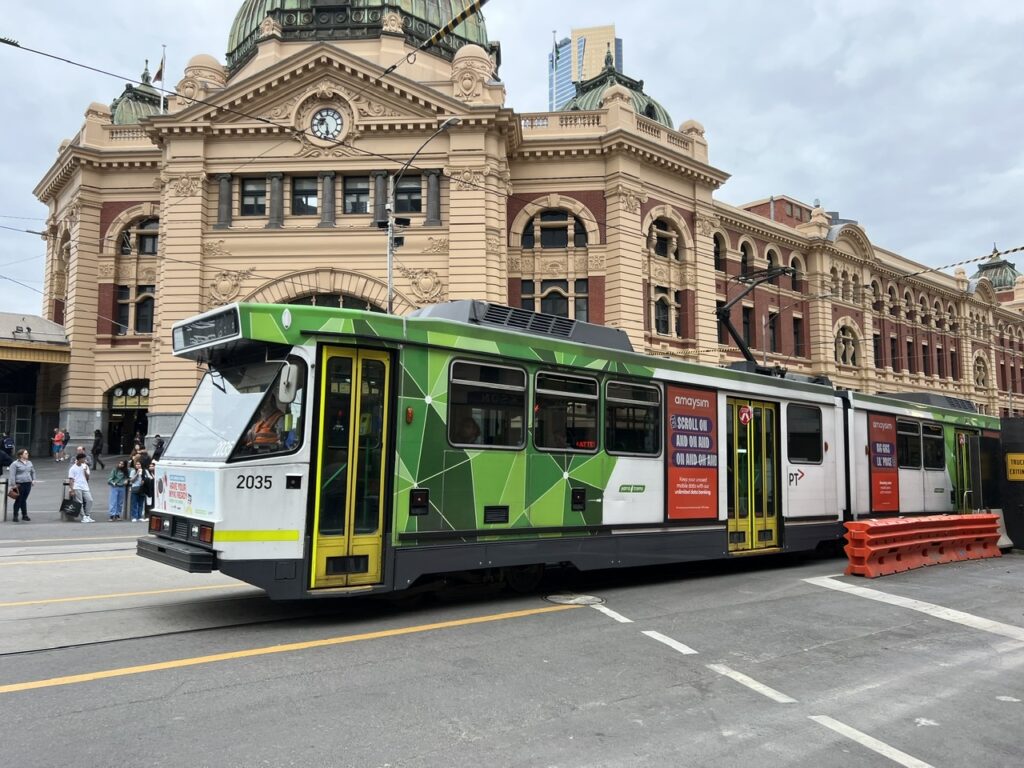
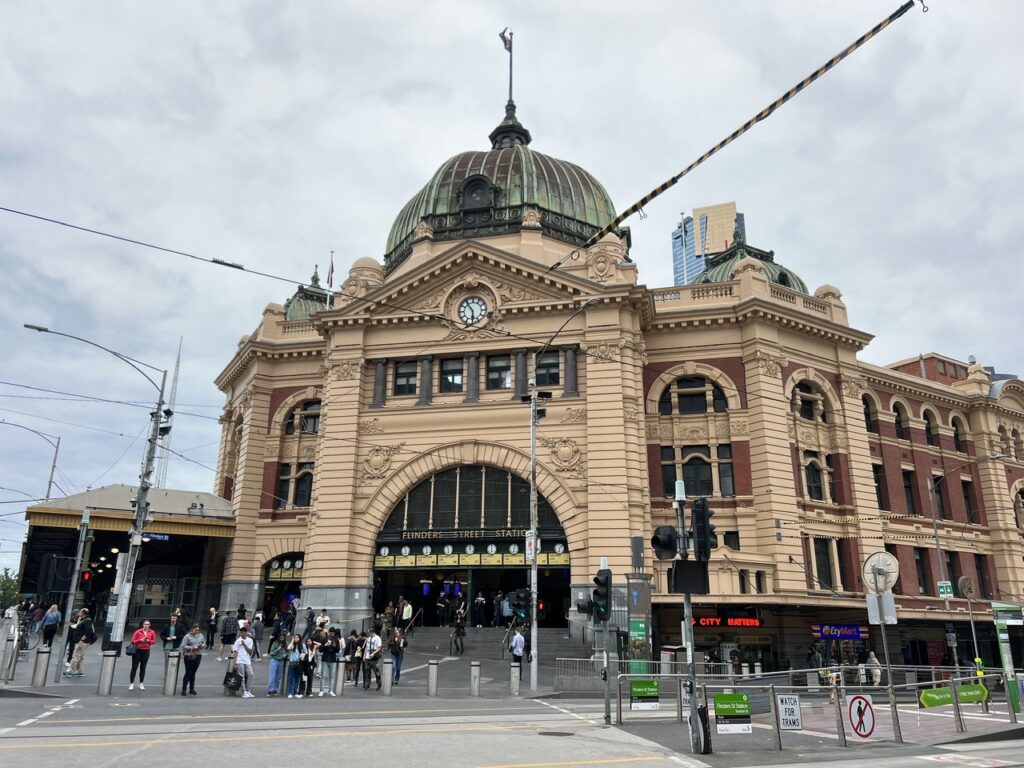
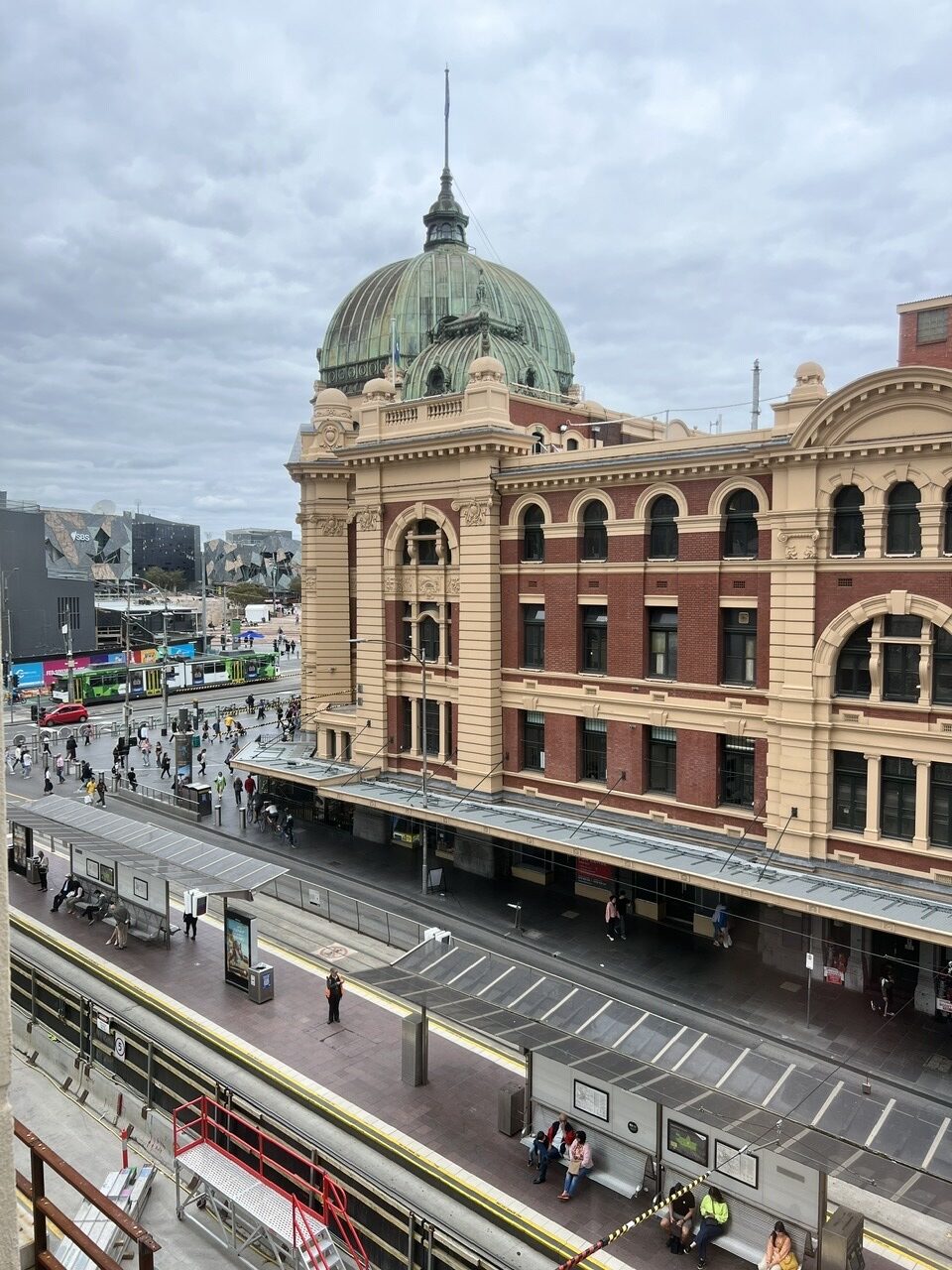
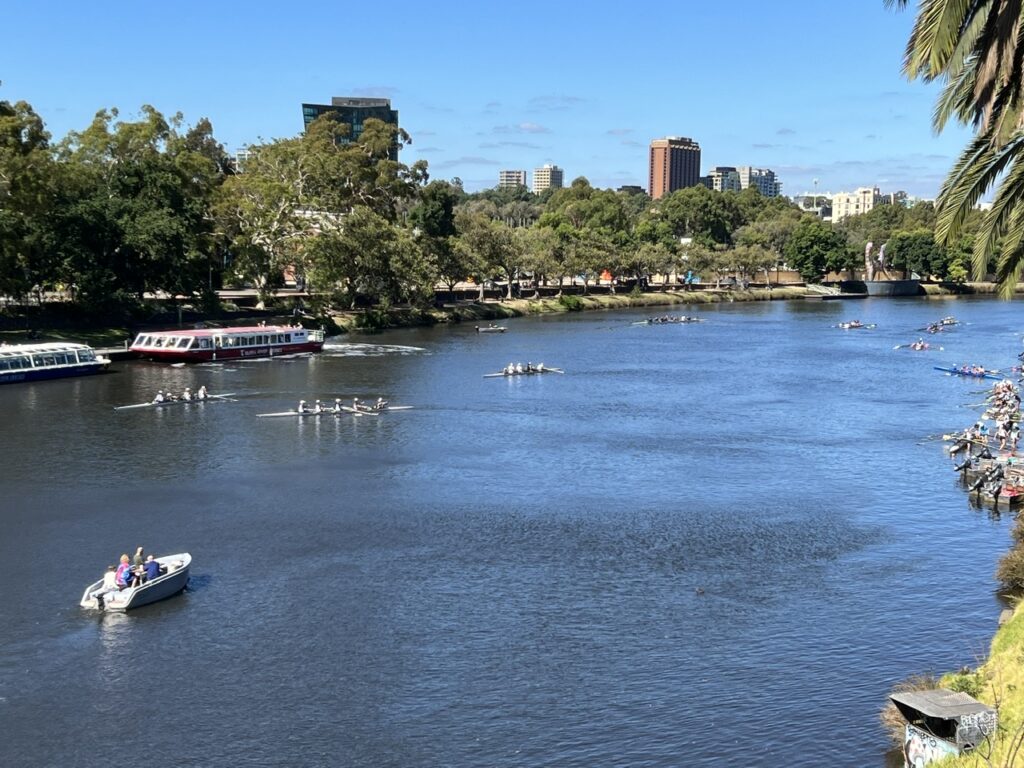
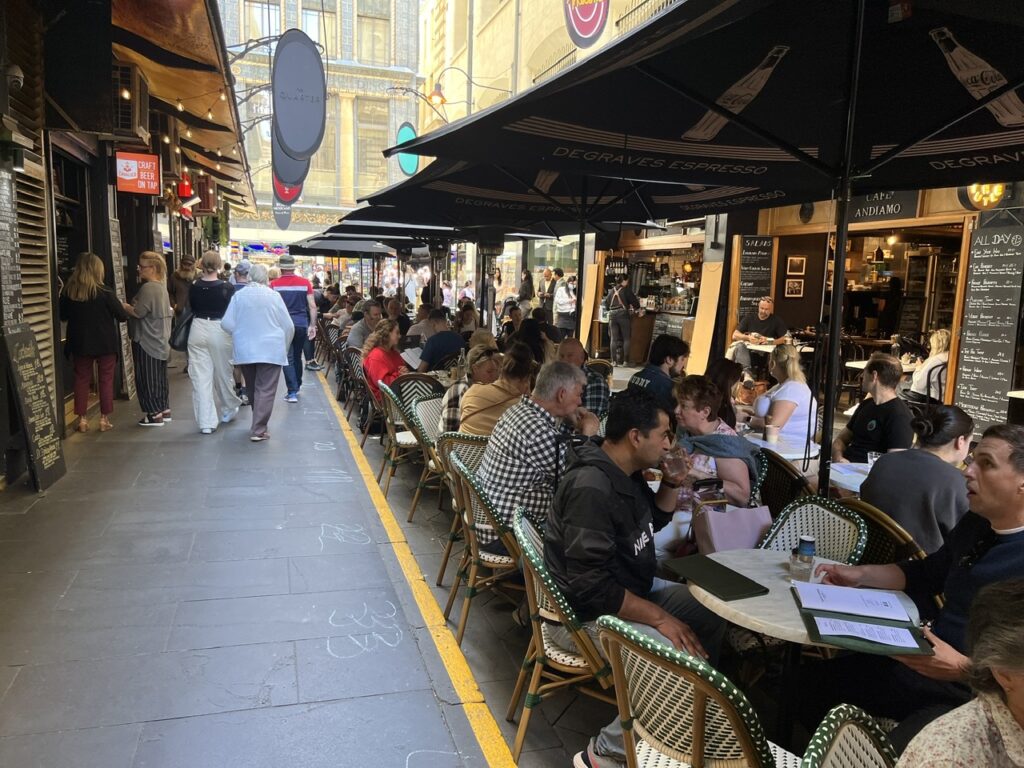
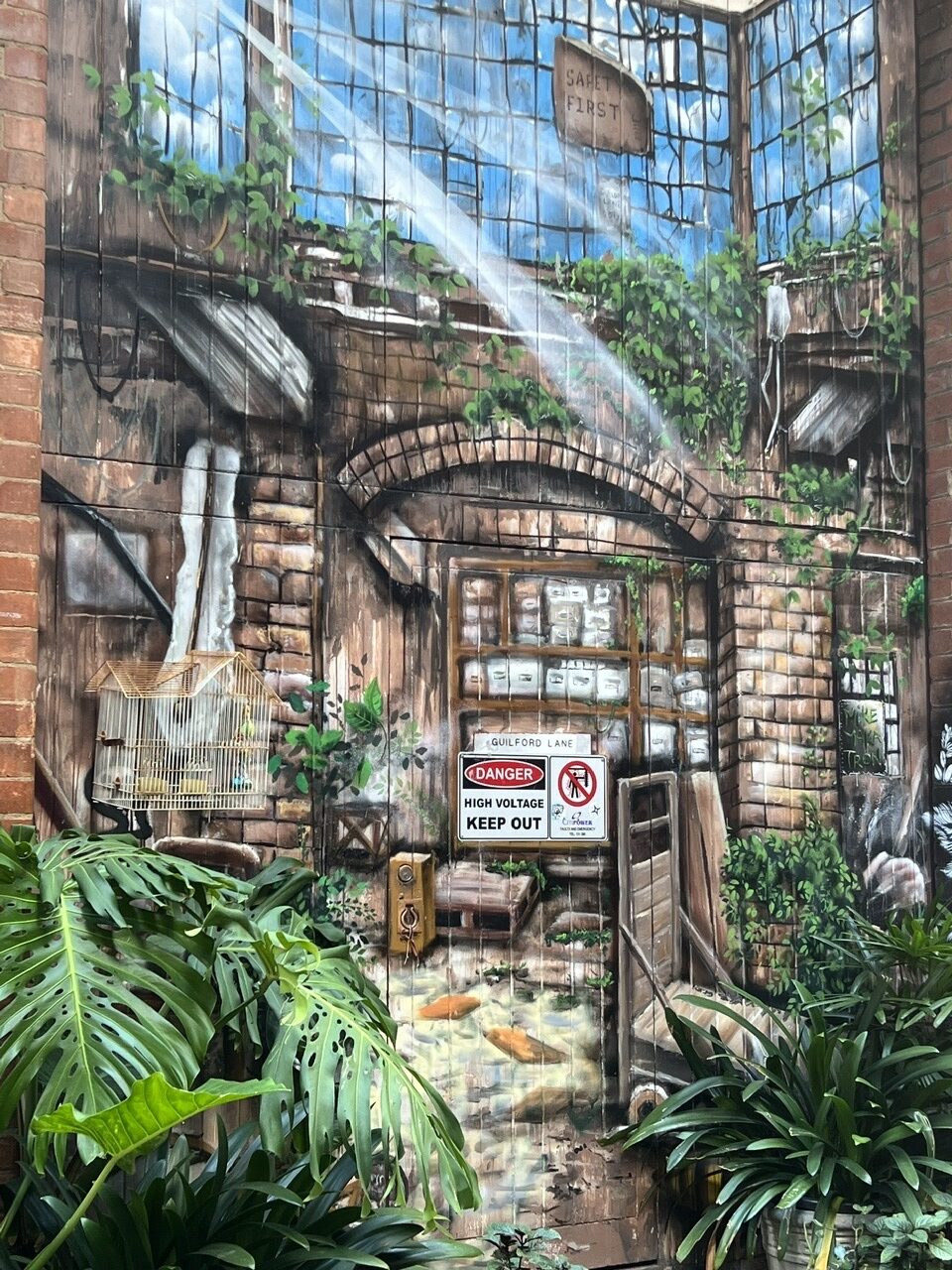
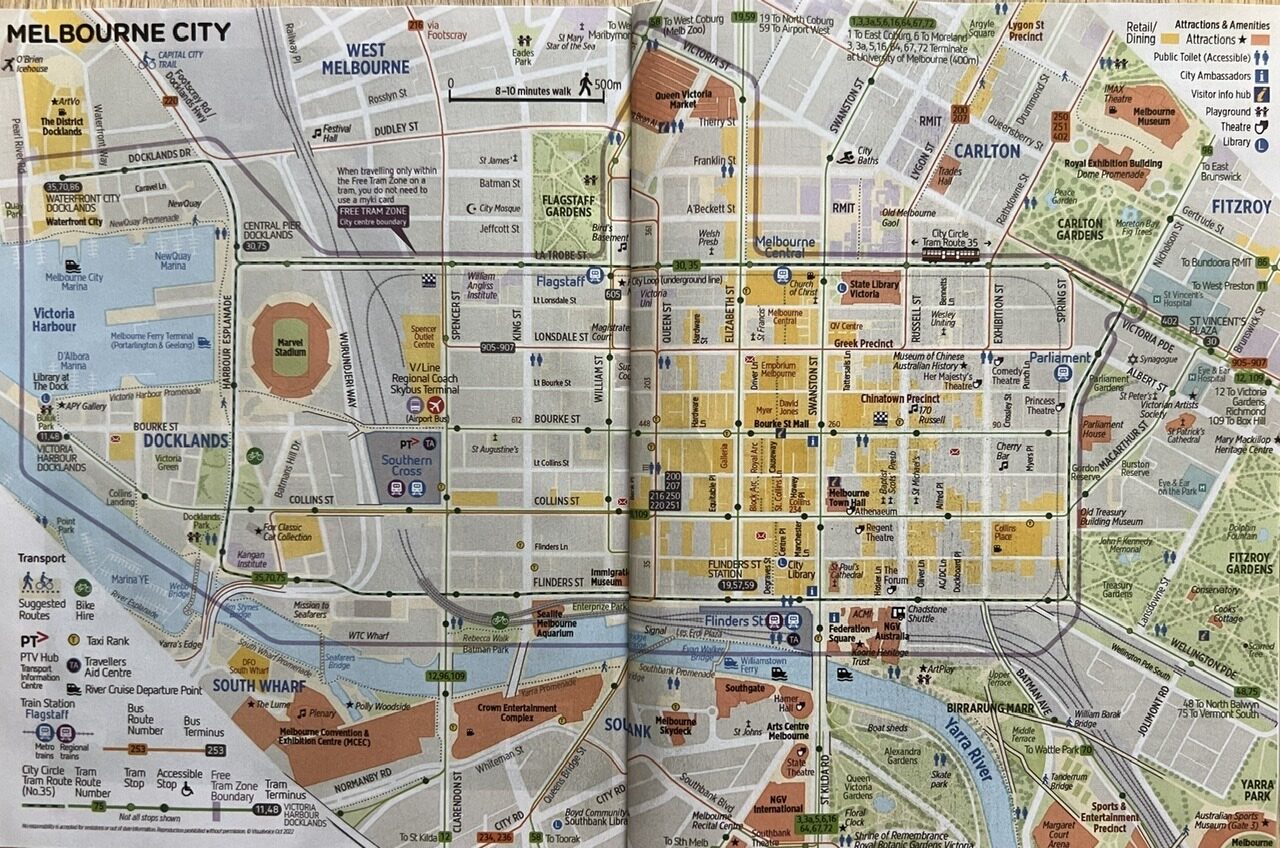
Rental car returned to Melbourne’s Tullamarine airport, it was straight in to the city for the first few days where we’d booked a great little AirBnB right in the heart of a Melbourne – directly opposite Flinders Street station in fact ! A great location from which to explore all downtown Melbourne’s sights, we were kept busy wandering it’s beautiful parks, legendary laneways, the Yarra River, museums, classic old buildings and simply soaking up the ambience that radiates from what must be Australia’s most multicultural city. There is so much to do here !
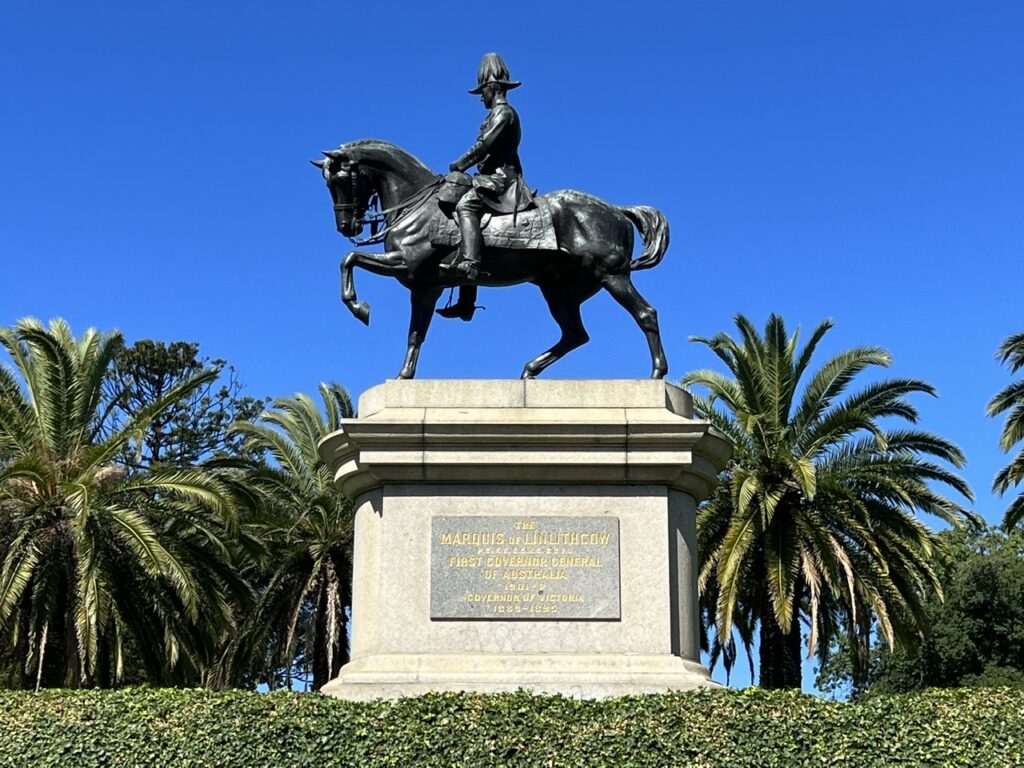
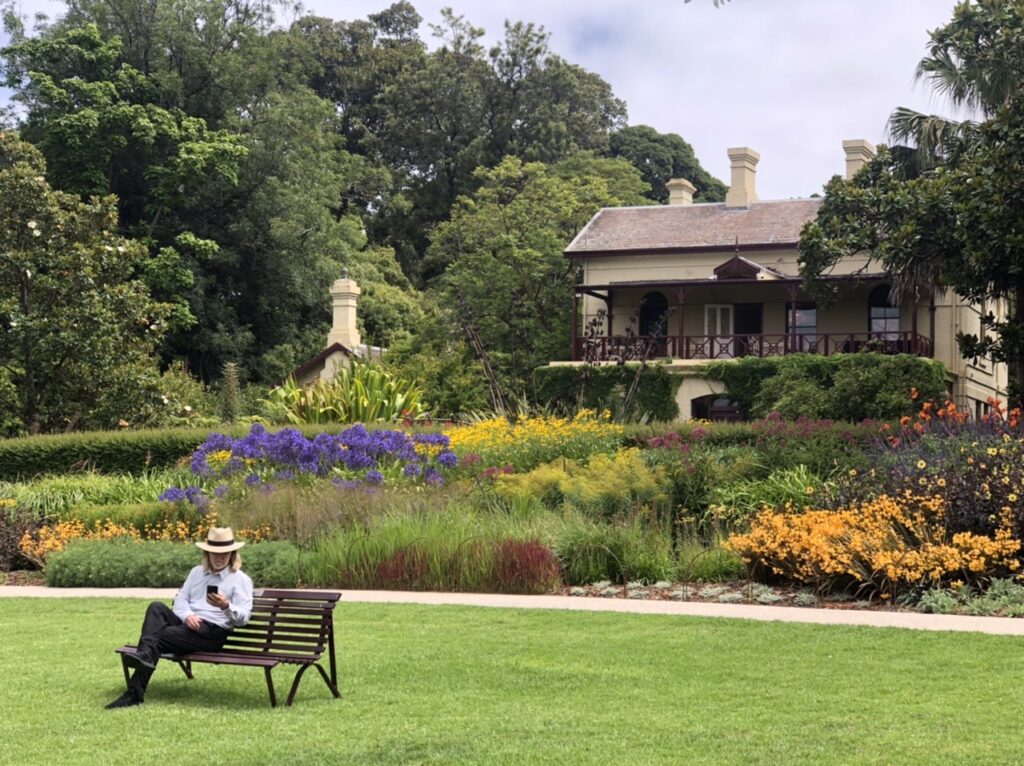
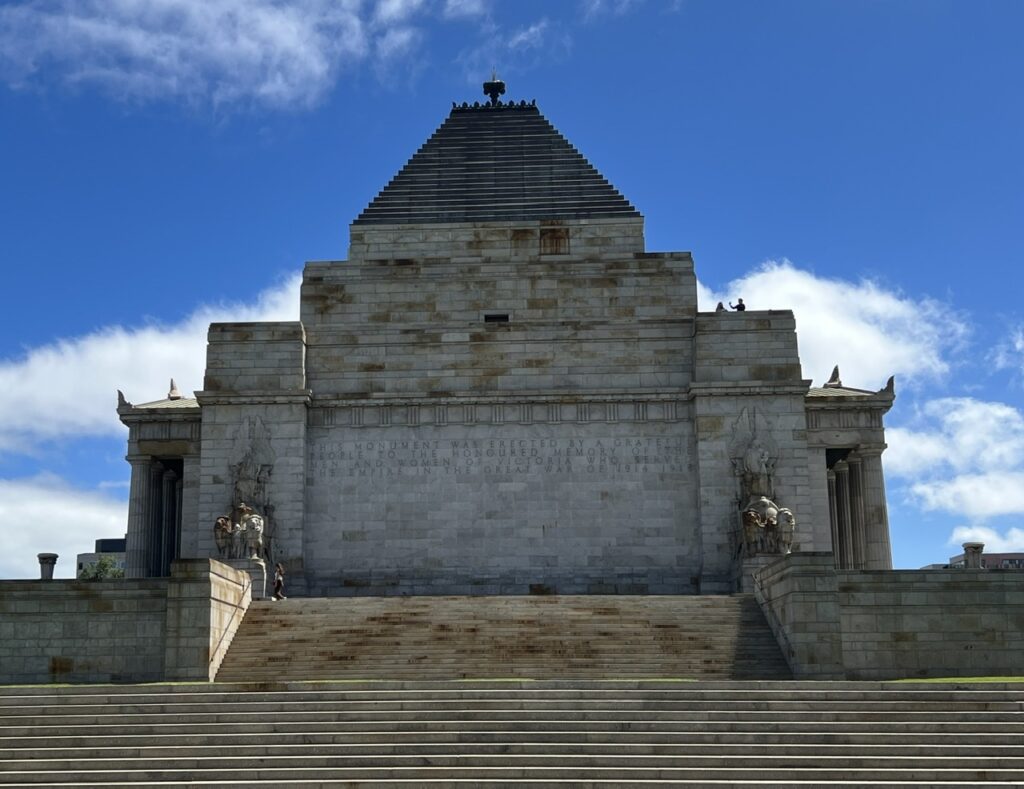
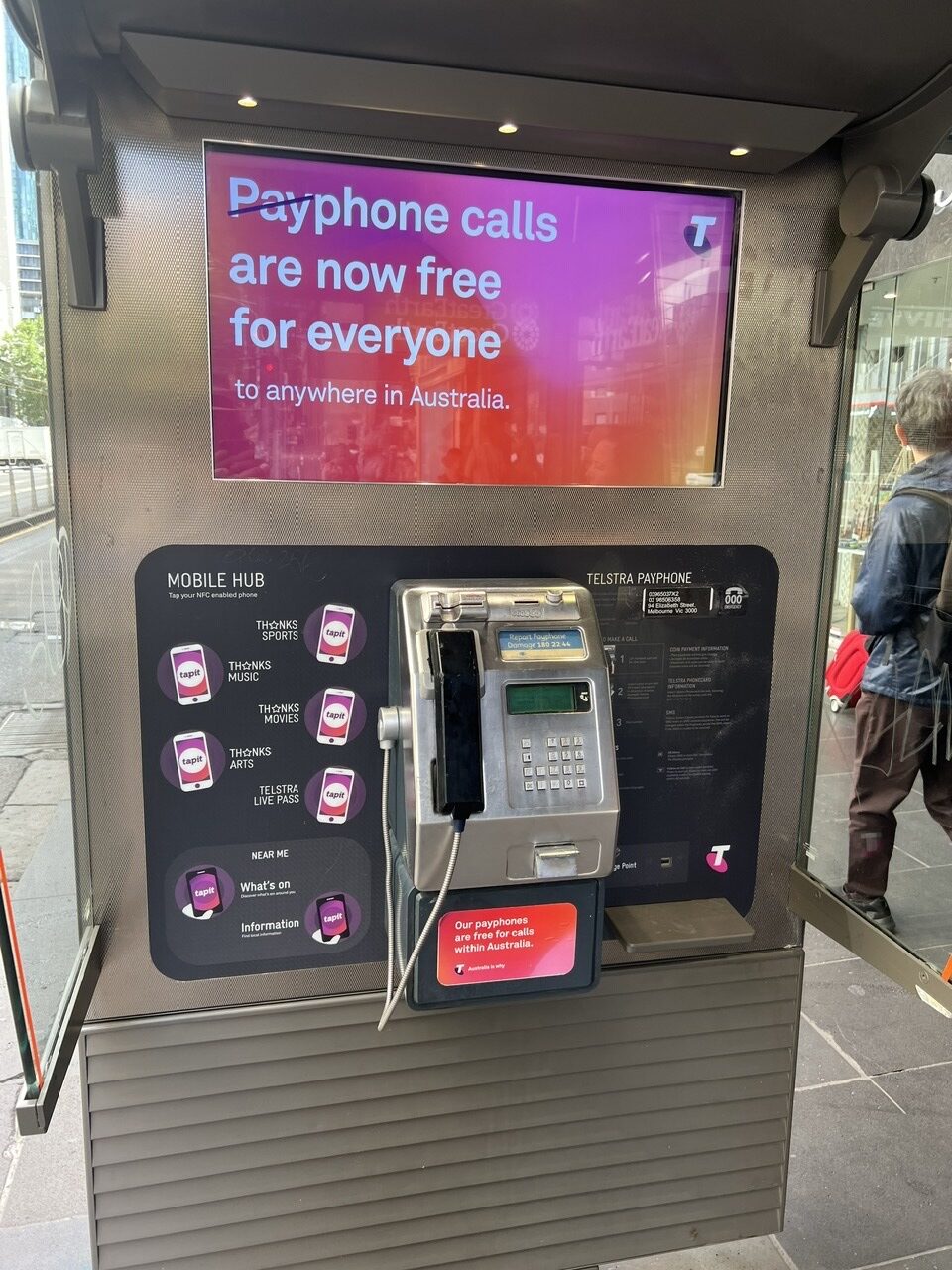
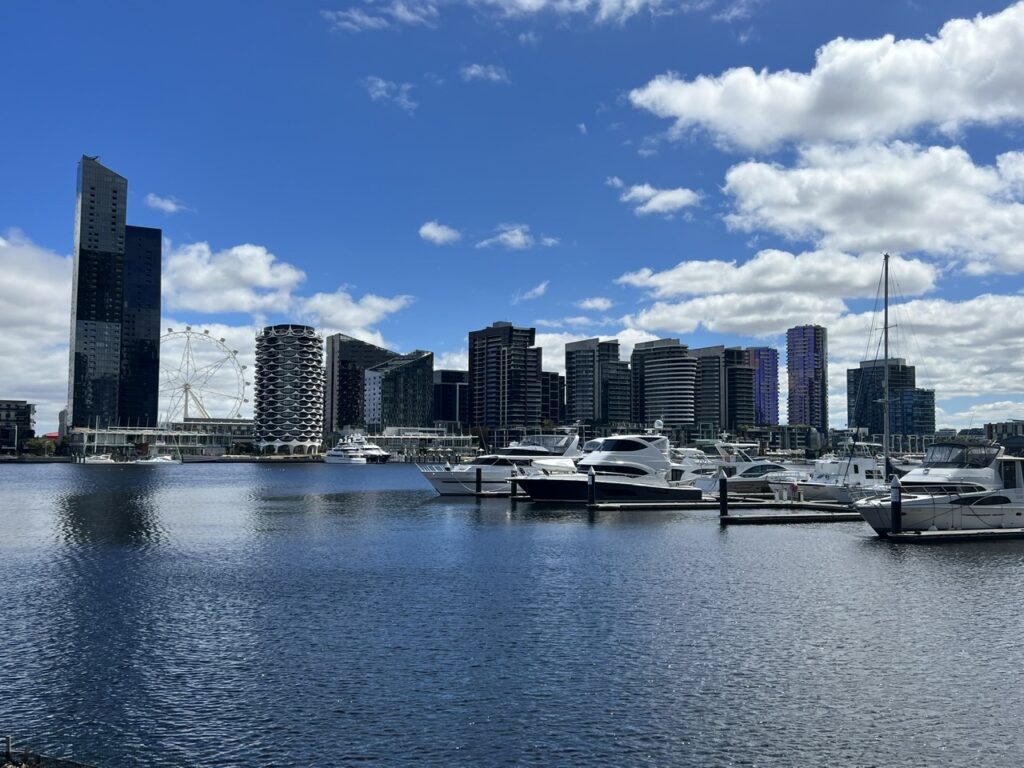
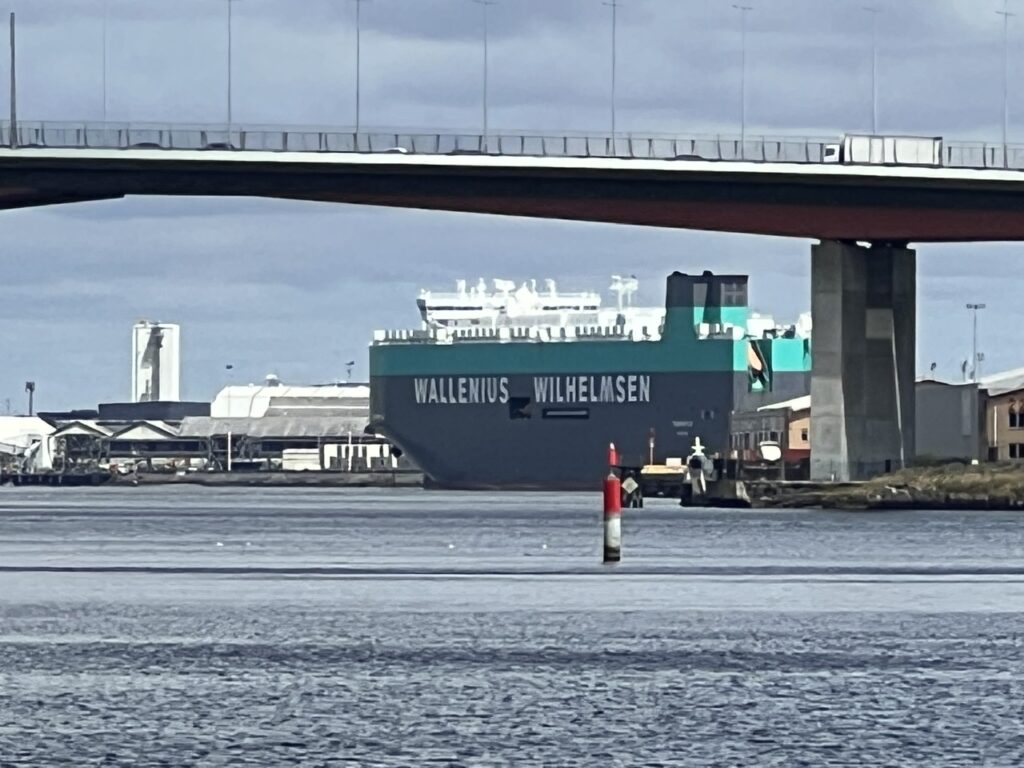
Melbourne streetcars (trams). Free to ride all over the downtown area – very tourist friendly !Flinders Street station, the heart of Melbourne.View from our Airbnb.Rowers, out in force on the Yarra River.One of Melbourne’s many legendary downtown “laneways”. Great open air restaurants and superb coffee everywhere ! The city has a very European feel which sprang from post-war waves of immigration, largely from Southern Europe. Now immigrants come from all corners of the globe.If not cafes and restaurants, murals and vegetation bring the laneways to life !The first picture we took after crossing to the South side of the Yarra River. We had lamented how overcast it was, then barely 10 minutes later the weather improved. It’s often said “If you don’t like the weather in Melbourne, wait 5 minutes and it will change !” It would appear to be true.It lightened up for this shot ( on the other side of the bridge )….then look what happened just minutes later ( below ):Queen Victoria GardensA Melbourne fountain, near the Queen Victoria Gardens.The Marquis of Linlithgow, Australia’s first Governor General.Botanical GardensShrine of Remembrance, a very impressive exhibition of Australia’s military sacrifices.The phone company ( Telstra ) is very kind to people who don’t carry mobile phones..!As is the City of Melbourne – downtown core tram rides are all free in the zone marked by the grey line. It’s a very easy city to get around, and very tourist friendly.The revitalized Docklands area was impressive.While walking to the Docklands area we could see ships in port. Here, a Wallenius car carrier, just like the Talisman. Sadly it was one of her identical sister ships.
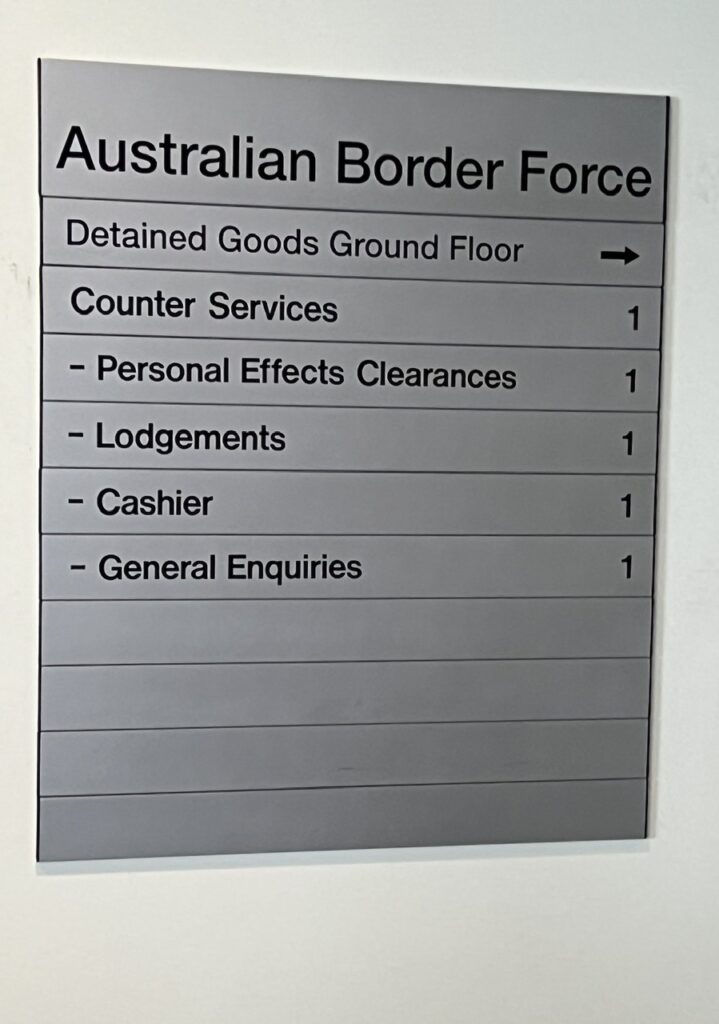
An important step in Melbourne ( before our vehicle was offloaded at the port ) was to have our Carnet reviewed and processed – that’s where the ABF ( Australian Border Force ) approve the “legal” aspect of the vehicle’s temporary entry to Australia. It involved a long haul back out to the ABF building near Tullamarine airport but the officer was super friendly and had it all done in about 40 minutes. While that was a critical step in the importation process out of the way, it is the next step that is the challenging one – getting the vehicle through the port and the quarantine inspection. More details on that in the latest shipping update in the blog postscript below ( honestly, it’s a skip unless you are intrigued by the machinations of Melbourne’s port – that’s why I always put it at the end 🙂 )
Just follow the signs, see the officer, hand over all the documents and you are done ! This part of the process was refreshingly fast and easy.
We were not entirely surprised to see the port unloading process delayed ( quite seriously ) so opted to spend the rest of the week out by the beach. A second AirBnB was found, right by Aspendale beach, so for the rest of the week it was time to relax and enjoy some swimming, long beach walks and beautiful sunsets over Port Philip Bay.
If you are going to be stuck in Melbourne you might as well enjoy what it has to offer !
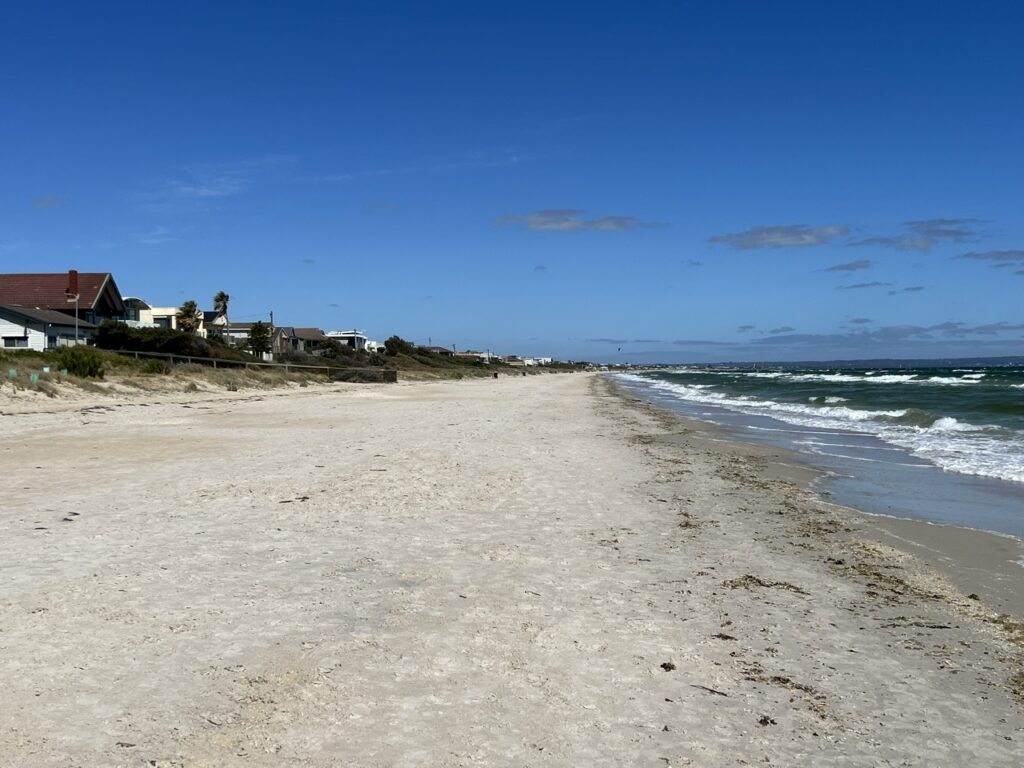
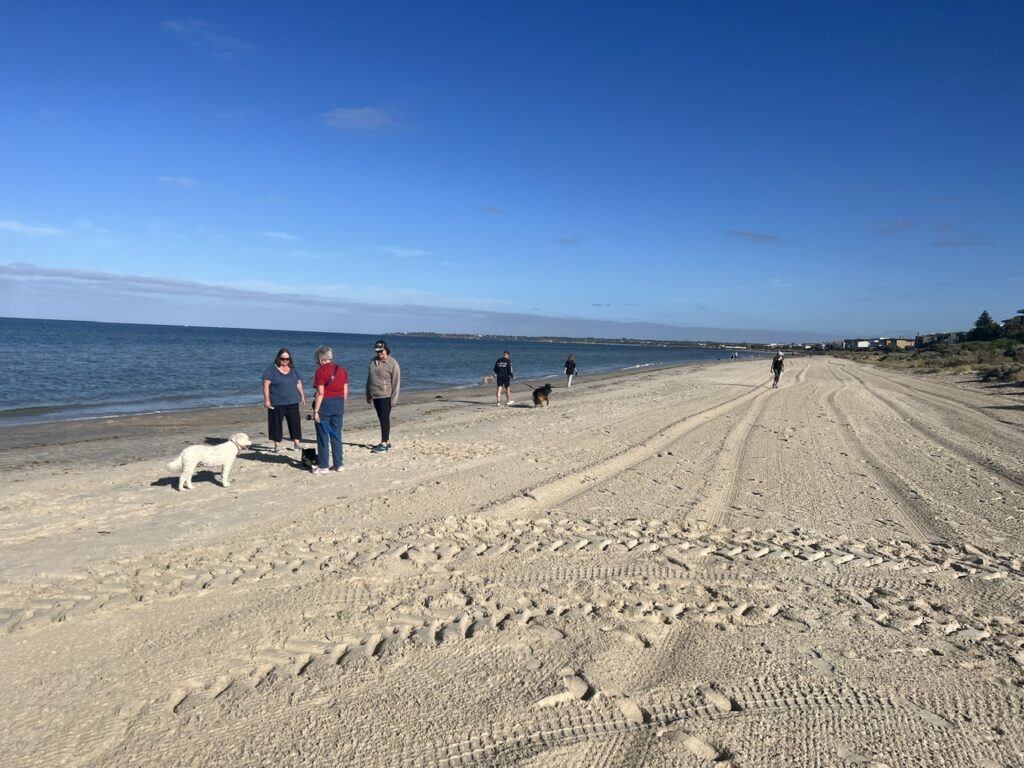
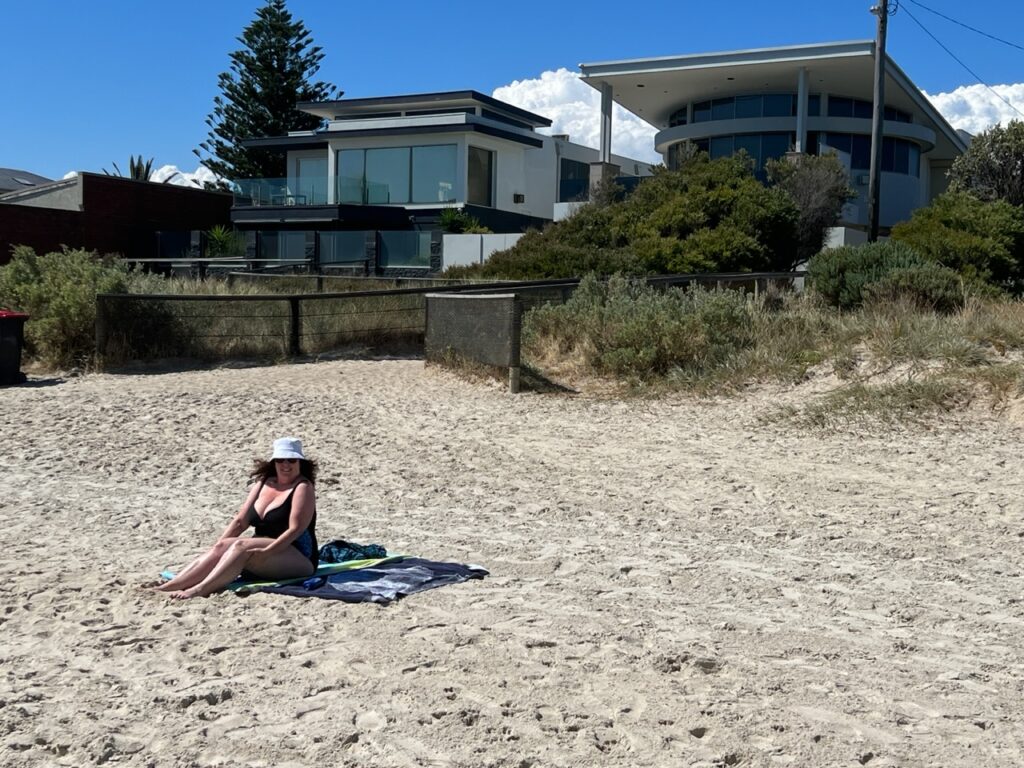
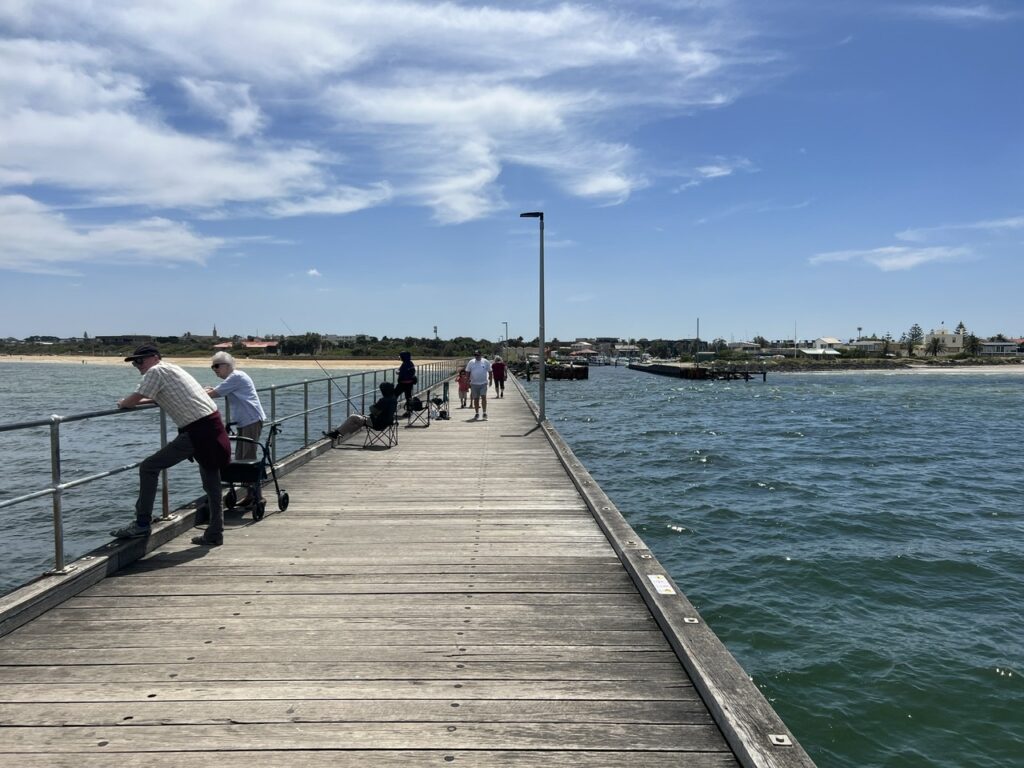
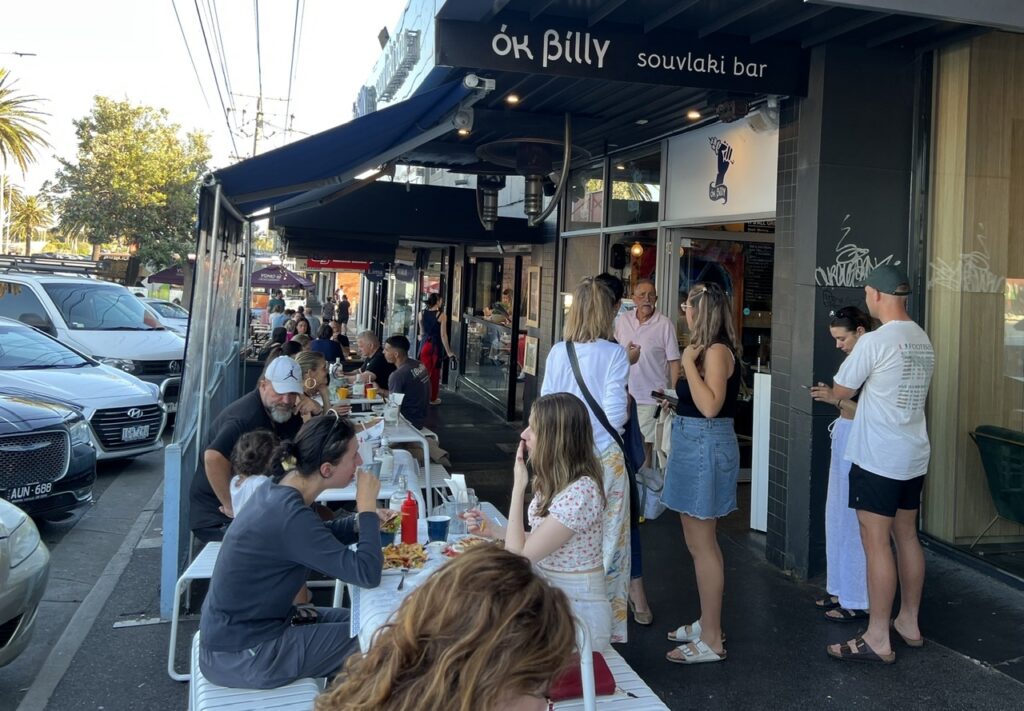
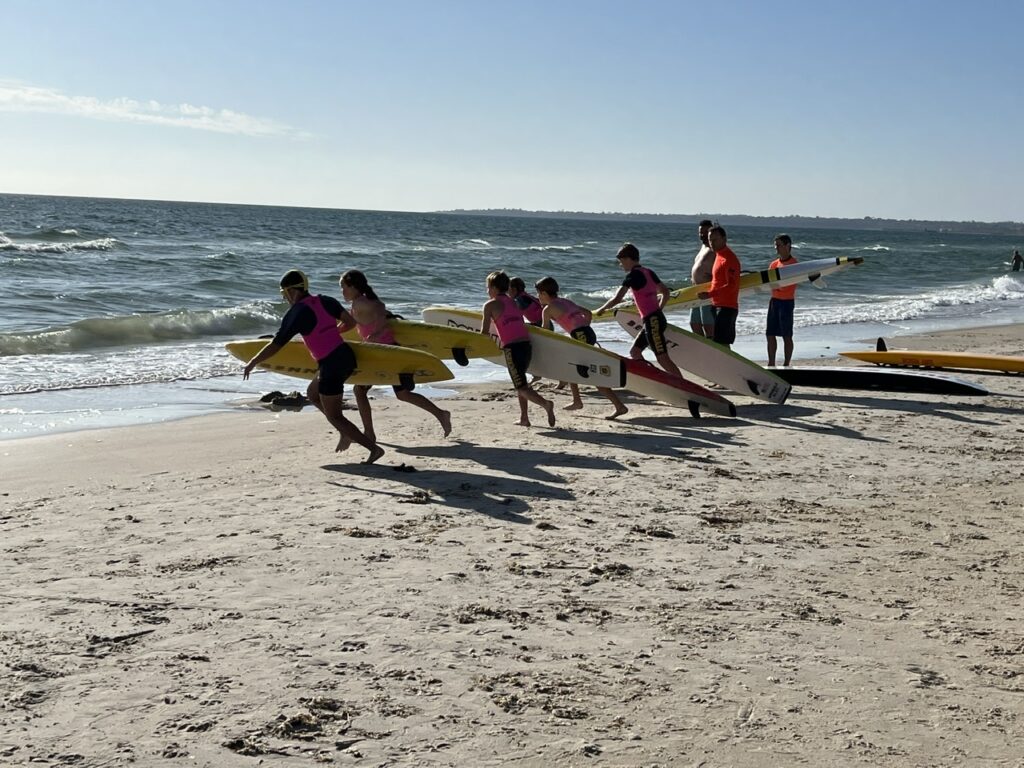
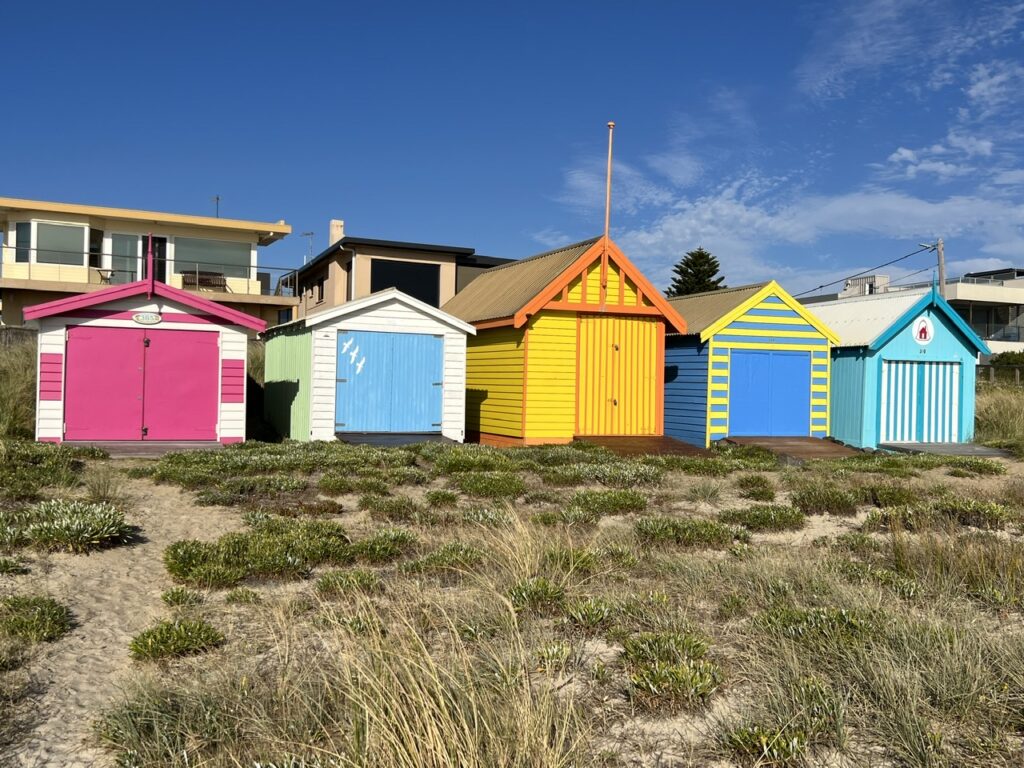
Our beachside AirBnB- owned by a wonderful couple originally from New Zealand, the front part of the house is a self-contained AirBnB unit.Looking towards Frankston on the Mornington Peninsula.Aspendale beach.Water was warm but I could not drag Lois in.Lois on the beach.Locals fishing at nearby Mordialloc pier.Billy Souvlaki Bar, Mordialloc – a favourite local sidewalk eatery which we liked.Local kids being taught surf life-saving in the great Aussie tradition, Aspendale beach.Colorful beach sheds on Aspendale beach.
Postscript: Shipping Update
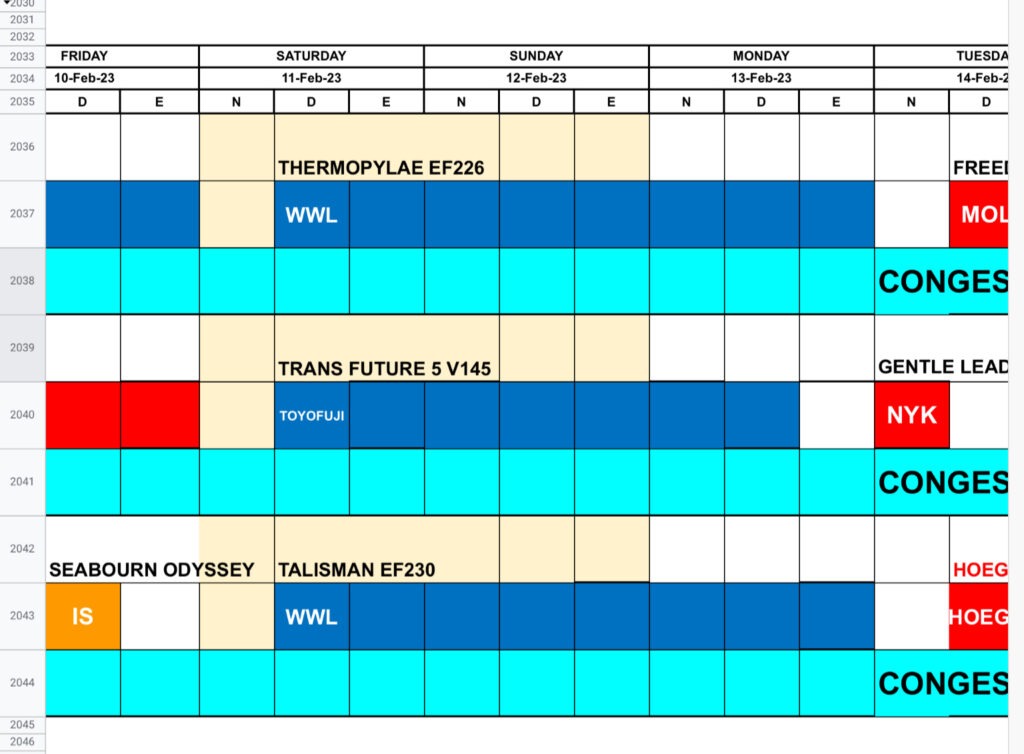
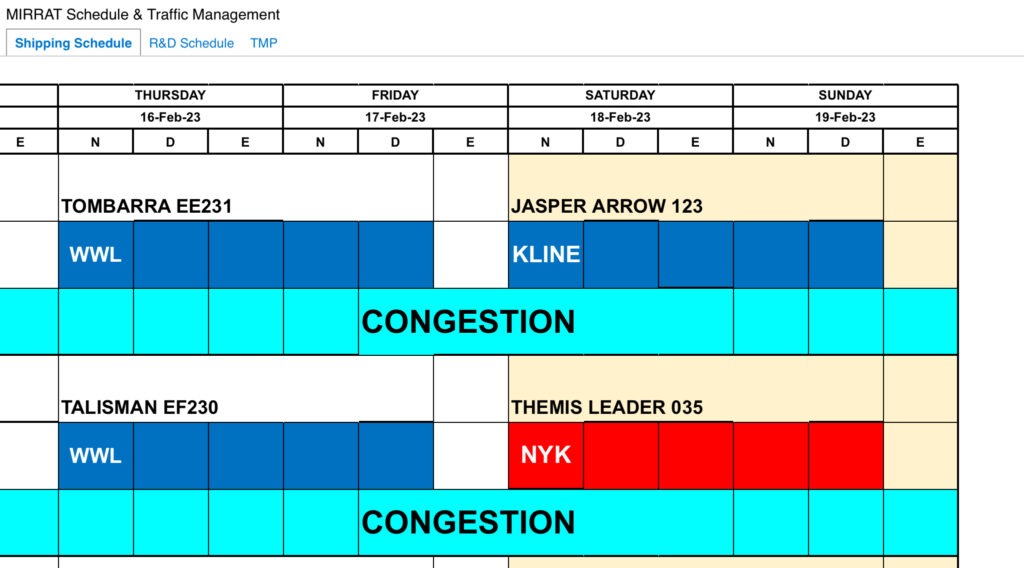
Many years ago a children’s song became popular – you know the one, “The Song That Never Ends ( It Just Goes On And On And On !)”. I think of it every time I look at the unloading schedule on the Port of Melbourne website – our ship delayed again and again and again, it just goes on and on and on !!! It truly is beyond frustrating. January 27th initially, then pushed back almost 2 full weeks to February 7, then again to the 9th, then the 11th and now February 13th ( meaning it will likely be the 15th at best before we see it and that’s if, and only if, further cleaning is not required by the Quarantine folks ). Fingers crossed we get lucky on that !
The Talisman, whose unloading is now delayed through to Monday next week.
“Post” Postscript – Further Shipping Update:
Just prior to posting this blog I took one last look at the Port of Melbourne unloading schedule – the “Talisman” ( in a particularly cruel irony, the name means ‘good fortune’ ) has beeneven further delayed, now not expected to finish unloading until Friday, Feb 17, meaning the earliest we’d get our van would be the following week. The original unload date was January 27… 🙁
To follow our ( seemingly never-ending ) shipping drama please see the postscript at the bottom of this blog. It’s so depressing I simply could not bear to put it front and centre in any update. That said, it does dictate our life right now so it can’t be ignored. What’s important I suppose is how you make use of the down-time while you simply have to wait. And wait. And wait.
For the most part we’ve been doing the only thing we could which is to enjoy time here with family and friends ( and that has been absolutely wonderful ) while taking in a few local sights and making nearby road trips, some of which were on our larger travel itinerary anyway. Travelling around the Forbes area has been truly enjoyable, the weather superb, the sights always interesting and, because I was born and raised in the town, much of it has been ( as noted in the title of this week’s blog ) a bit of a walk/drive down memory lane. Previous trips home have almost always been fleeting so our shipping-induced “long stay” this time around has allowed us to explore and visit at a much more leisurely pace. After the slightly more hectic pace of our New Zealand travels, that’s actually been rather refreshing.
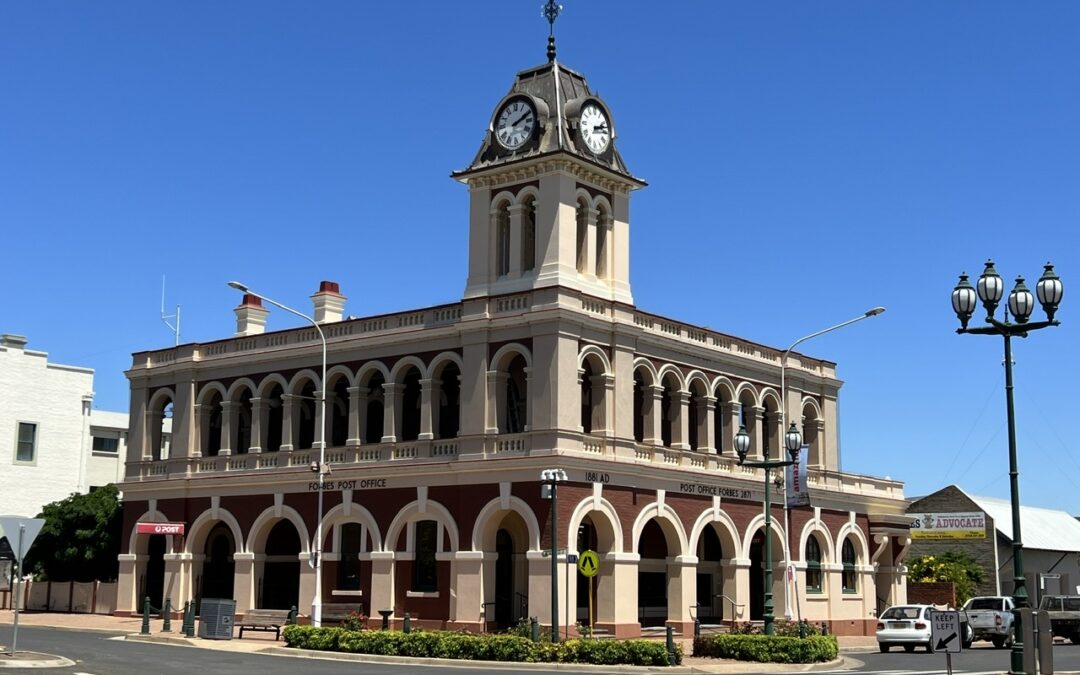
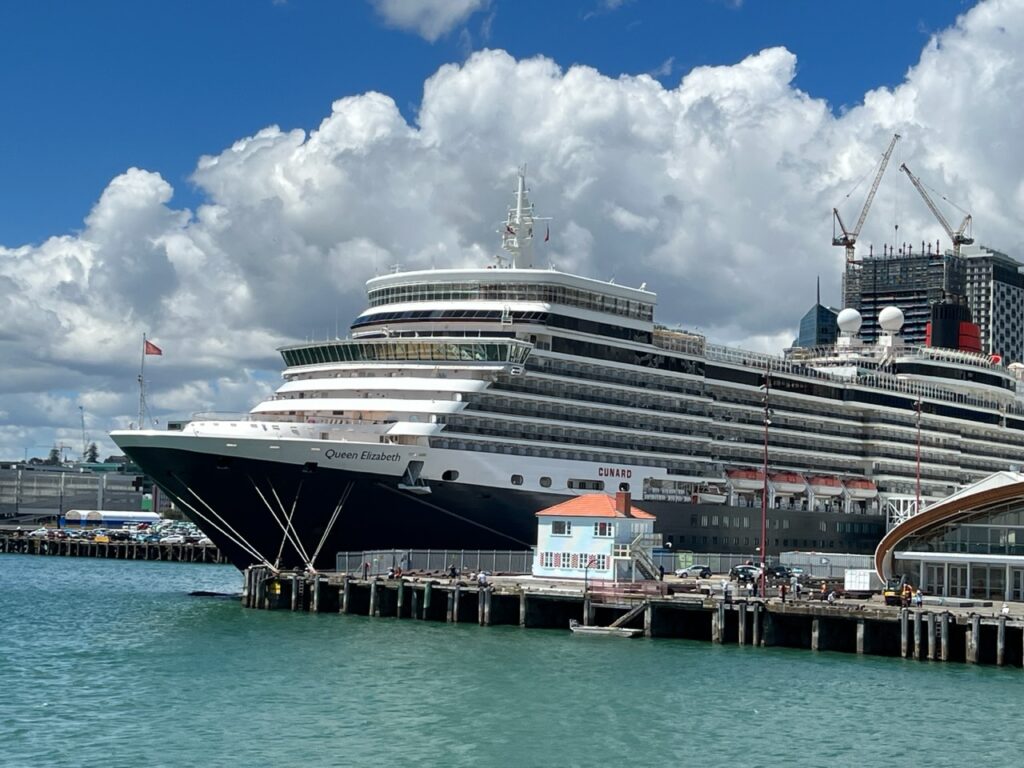
Australia Day festivities in Forbes with Lois, my sister Kaz and my brother in law, Peter.It’s great to be home and to enjoy classic Aussie treats – Lois insists this doesn’t count as “grocery shopping”..!The town of Parkes, just north of Forbes is home to a large radio telescope. It played an important role in the first moon landing in 1969, a story rather irreverently told in the Aussie cult classic movie, “The Dish”. While set in Parkes, the movie was substantially filmed in Forbes.Lois and my sister Kaz, downtown Parkes.Albert’s legendary “Rabbit Trap Hotel”.Lois in the bar. We enjoyed a great steak sandwich here.Local Albert legend, Jason Owen ( whose family owns the Rabbit Trap Hotel ), was runner-up in “X Factor-Australia” a few years back. His run to 2nd place in the show generated much interest in the town of Albert ( population 12 ) and the hotel specifically. People still drive from miles around to have a drink at this local ‘institution’.Mel B ( of Spice Girls fame ) judged the Australian “X Factor” show. She visited Jason in Albert.Lots of long endless roads in NSW. This one just outside Albert.Directions to the toilets in a fuel station in Trangie – Aussie style !“The Goanna” metal sculpture near Forbes.….and a close up look reveals the amazing detail and intricate welding required for the project.“Bird in the hand” sculpture near Forbes…….One has to be careful walking though the Australian bush.The small town of Trundle, rumored to have the widest Main Street in Australia , ironically named Forbes Street. The town was certainly very quiet.A scenic view of the Blue Mountains en route to Sydney from Forbes. A vehicle switch necessitated a quick return trip during the week.Thanks to old friends Justin and Angie for arranging our first car.Passed through CircularQuay, downtown Sydney and when returning the car, noticed that the Cunard ship “Queen Elizabeth” seems to be following us around the Pacific ( last spotted in Auckland harbour ) !Beautiful rural sunset in Forbes.My old school.The beautifully restored Forbes Post Office. The town retains many classic period buildingsForbes Town HallVictoria Park, ForbesMemorial at the place near Forbes where infamous local bushranger,, Ben Hall, was shot.
By the end of the week plans were being hatched for our road trip to Melbourne. Based on the procedures outlined by our shipping agent ( who has been absolutely wonderful in guiding us through all the steps ) it looks like vehicle collection in Melbourne is going to be at least a multi-day affair ( Carnet review and quarantine checks are separate parts of the process ). Hopefully we can minimize that, get back in our vehicle ASAP and just be on our way. We should know that by the next blog !
Postscript: Shipping Update
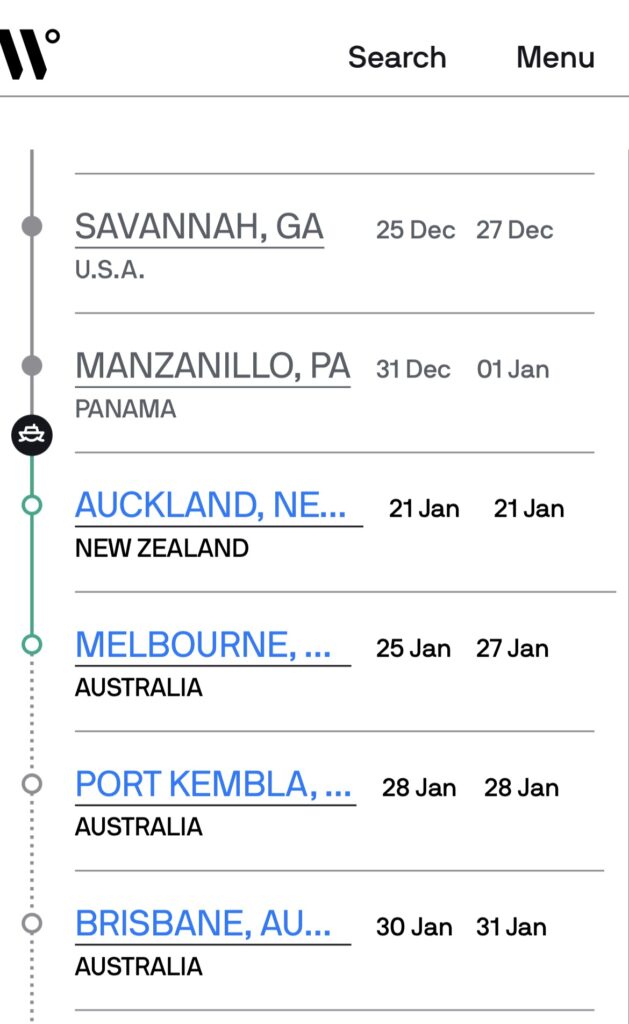
Preliminary excitement at the possibility of our camper being unloaded on January 25 ( based on ETA’s provided through the Wallenius shipping website ) was quickly tempered; first, disappointment that the ship was sailing very slowly towards Melbourne ( making the 28th a more likely arrival date ), and second, via a call from our shipping agent – while the ship would arrive off Melbourne close to its original ETA, cargo unloading was going to be delayed almost 2 weeks ! The revised unloading date was now February 8 with the real possibility of further delays beyond that if secondary cleaning was required.
Port of Melbourne scheduling site: Not only can we track when the ship arrives, we can track when it is scheduled to unload – good to know, but it does not help much when that date is so far away !
To say that was a bit of a gut punch would be an understatement. The whole uncertainty thing is beyond frustrating from a travel planning standpoint but there are 3 issues in particular that are especially disappointing. Firstly, this was cutting into prime summer travel time ( something we had timed our planned arrival to maximize ). Secondly it was burning up precious “Carnet” time (think of that as the time-limited “visa” for our van). Finally, and depending on how long this process drags on, it is squeezing the time we had allowed between arrival in Melbourne and then getting on the ferry to Tasmania ( during which we had many other things planned ).
This whole port congestion thing has been an ongoing issue around the world since the onset of Covid 19, and, like Covid itself, is very contagious. The Talisman will now be seriously delayed into every port on the rest of its route, as will dozens of others. Melbourne is by no means alone and at various times the same thing has happened to ports in other countries – that’s little consolation when it is wreaking havoc on your own long-held plans.
Tormenting to see the Talisman, still just off the Melbourne coastline, but it might as well be a million miles away – so near, and yet SO FAR !
Sydney surely ranks among the most stunning cities in the world to arrive in by air ( or sea for that matter ). When approached from the Pacific it’s exciting to catch that first glimpse of coastline, admire the miles and miles of golden beaches and ( still ) be amazed by so many red tiled roofs…! I gaze in awe though, when the plane banks around ( as it often does ) giving a birds eye view of magnificent Sydney harbour, the bridge and especially the Opera House. Along with Ayer’s Rock ( Uluru) it’s probably the image most people associate with Australia. Hard not to get a bit sentimental whenever one comes “home” ( no matter where home is ) and I’ll confess, as an Aussie, that I often find myself humming a few lines of that Peter Allen classic ( de facto national anthem ? ) “I Still Call Australia Home”, to myself. The song became so popular in fact that QANTAS featured it prominently in at least one of its marketing campaigns. I’ve included a clip below – Aussie readers will know the clip well and our many non-Australian readers can just enjoy the song ( it’s only 3 minutes ) and get a glimpse of some of the stunning scenery and amazing sights that we have come so far to see. Enjoy…….
Sydney was, of course, our first stop and just an easy 3 hour flight across the Tasman from Auckland. Uneventful, other than being a bit late, the flight got us in, bags came through OK and Lois’s long stay visa was processed in minutes. Could not have been easier ( hope our van is processed as quickly ! ). Given our long term plans it was reassuring to have had this special visa done well in advance.
Our dear friend Roxanne ( who we were delighted to host in Canada just a few months back when she joined us for our daughter’s wedding ) was expecting us and, as always, it’s so nice to be greeted by good friends. A relaxing evening of catching up was followed by a scrumptious breakfast at one of Balmain’s many funky boutique eateries before a short visit with other good friends, Justin and Angie. We’ll have more time for a detailed catch up with both ( and hopefully many other Sydney-based friends ) when we get our van and can spend more time there – for now the plan was simply to move on to Forbes and rest up a bit after almost 2 weeks of pretty continuously moving.
We were excited to catch up with Roxanne when we landed in Sydney. She even provided this little Aussie welcome treat tray ( knowing my penchant for chocolate !).We enjoyed breakfast with Roxanne and her nephew, Gus, at this nearby boutique cafe.Roxanne’s place in Balmain. The weather was awesome for our short stay in Sydney.
I come from a beautiful town in Central Western NSW called Forbes; as the local saying goes, “You can take the boy out of Forbes, but you can never take Forbes out of the boy”. There’s definitely truth in it and while our travel plans in Australia are expansive, both Lois and I were truly excited to be spending time in Forbes with the many, many friends and family that are still lucky enough to call it home. It’s where we plan to spend most of the time between now and when the “Talisman” unloads our van onto the docks in Melbourne ( more on that saga later – for those specifically following the shipping side of this trip see the postscript at the end of his blog ). Forbes is ( usually ) an easy 5 hour drive but torrential rain slowed us up just a bit. The last thing needed was rain since the whole area around Forbes had been severely impacted by heavy flooding only months earlier, evidence of which was still apparent in nearby towns we had to pass through, and ( as we would later see ) in Forbes itself.
Crossing Sydney’s iconic Harbour Bridge on the way to Forbes.Once out of the city it did not take long to see some familiar Australian signs ( but we saw no kangaroos ).We’d seen kiwi signs in New Zealand ( but no kiwis ), hopefully we’ll see koalas in Australia ( likely not on these roads but they can be seen around Cape Otway in Victoria ).Forbes ! The arrival sign may not be that imposing but……….the locals all know exactly where Forbes REALLY sits among the world’s great cities ( poster in Forbes shop ).
My younger sister Kaz always opens up her wonderful home to us and this visit was no exception. Great to catch up with her, my other sister ( Sue ) and all the kids and grandkids as well as many old friends who still live in, or near the town. The rest of the week gave us plenty of time to catch up with all. It’s just the kind of wonderful small country town you can return to after many decades away and feel like you never left – priceless ! Many relaxing days here with Kaz and visits to other old friends and a few local sights during our first week back.
Kaz outside her home in Forbes.Good friends, Maria and Dennis, hosted ourselves, my sister, my cousin John and a couple of other good friends (who had just left). They are doing a stunning renovation of a classic old Australian home in Canowindra ( near Forbes ).Us, at Maria’s, with good friend Vicky.
With our ship’s unloading delayed ( see below ) we’ll spend a bit more time in and around Forbes in the coming week before making our way to Melbourne as the ship docks. It seems like an eternity ago that we parted with our van in Savannah and now it’s just off the coast of Australia. Small world…….!
Shipping Update:
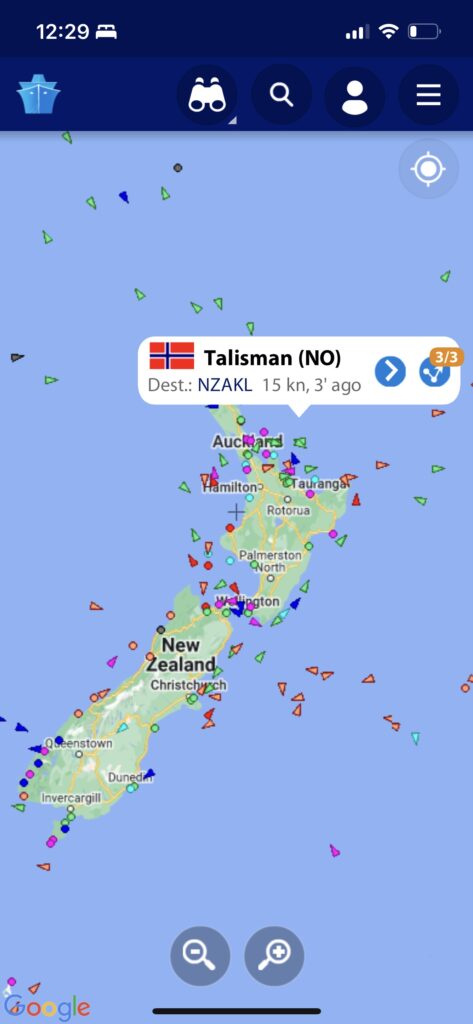
What’s that old saying, “When it seems to good to be true, it usually is” ? Alas, so it goes with our shipping saga. The Talisman arrived early in New Zealand and left in time for a January 25 arrival in Melbourne, fully 3 days earlier than originally expected when it sailed from Savannah. Wonderful, we thought ! Then we noticed it proceeding very slowly across the Tasman Sea to Melbourne. Reason ? Port congestion in Melbourne. Ughh ! So much congestion, in fact, that it will likely sit outside the harbour until it’s expected day of cargo discharge on February 7 ! Won’t bore people with the minutiae of why, how etc…..it just is ! More details next blog when there will hopefully be an update.
Our ship, “parked” off the coast of Melbourne with many others waiting for its slot on the Melbourne docks.
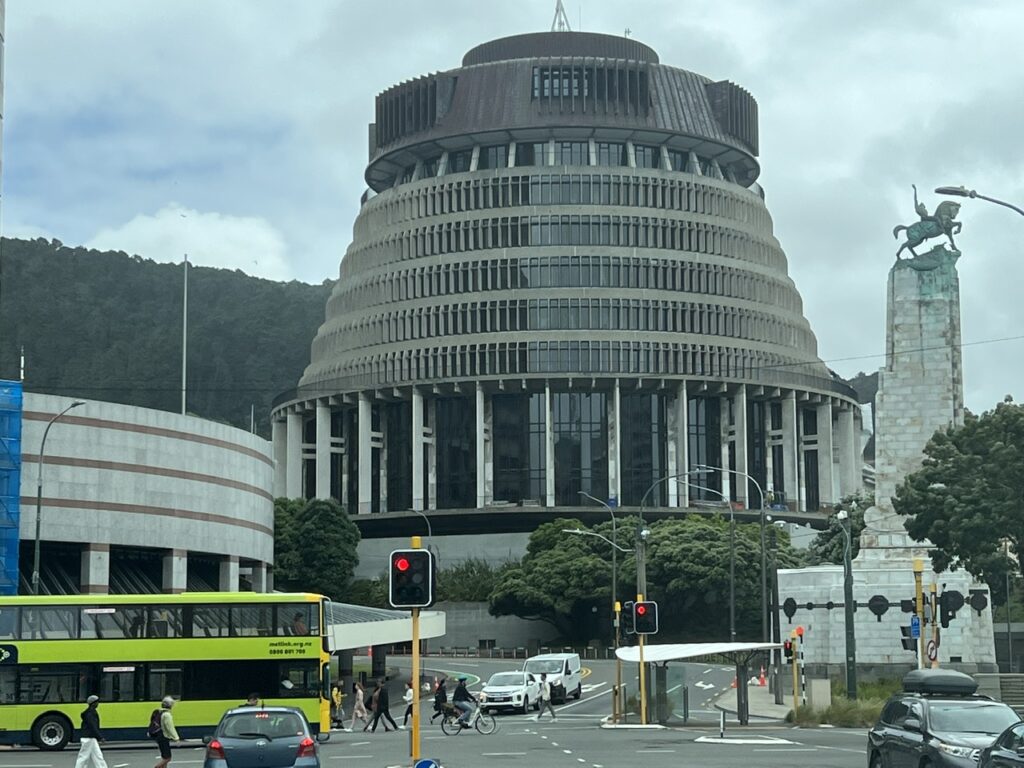
Barely minutes from the ferry dock in Wellington one comes face to face with Wellington’s iconic “Beehive”, as the Executive Wing of the New Zealand Parliament Buildings is colloquially known. The building is open to the public for regular tours and hoping to get in for one ( but managing our expectations ), we “sheepishly” ( no pun intended ! ) inquired if a walk-in opportunity was possible. Unfortunately, all tours for that day were full. Not to worry, it would give us more time to make our way up to Napier, which was, in any case the prime attraction for us on the North Island.
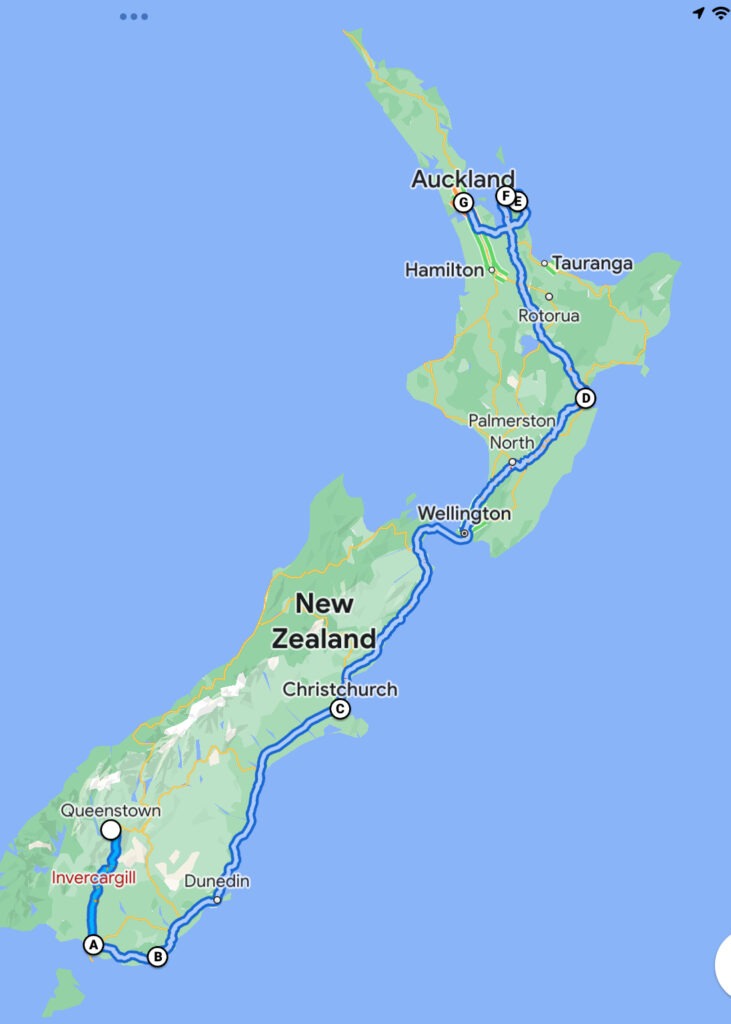
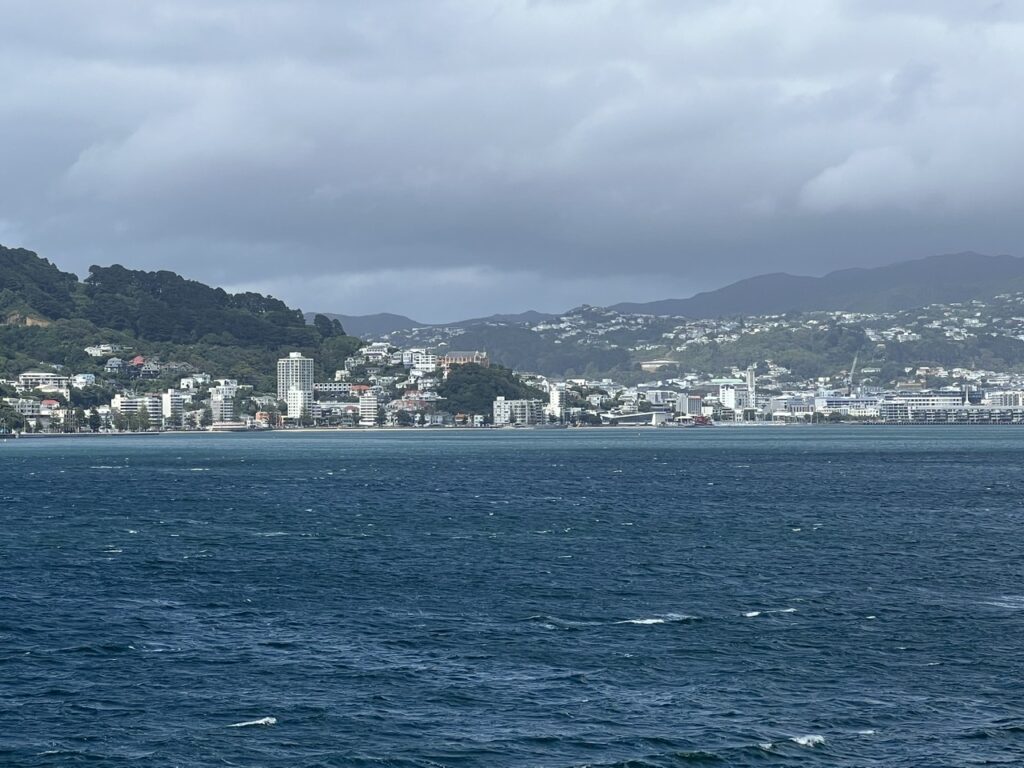
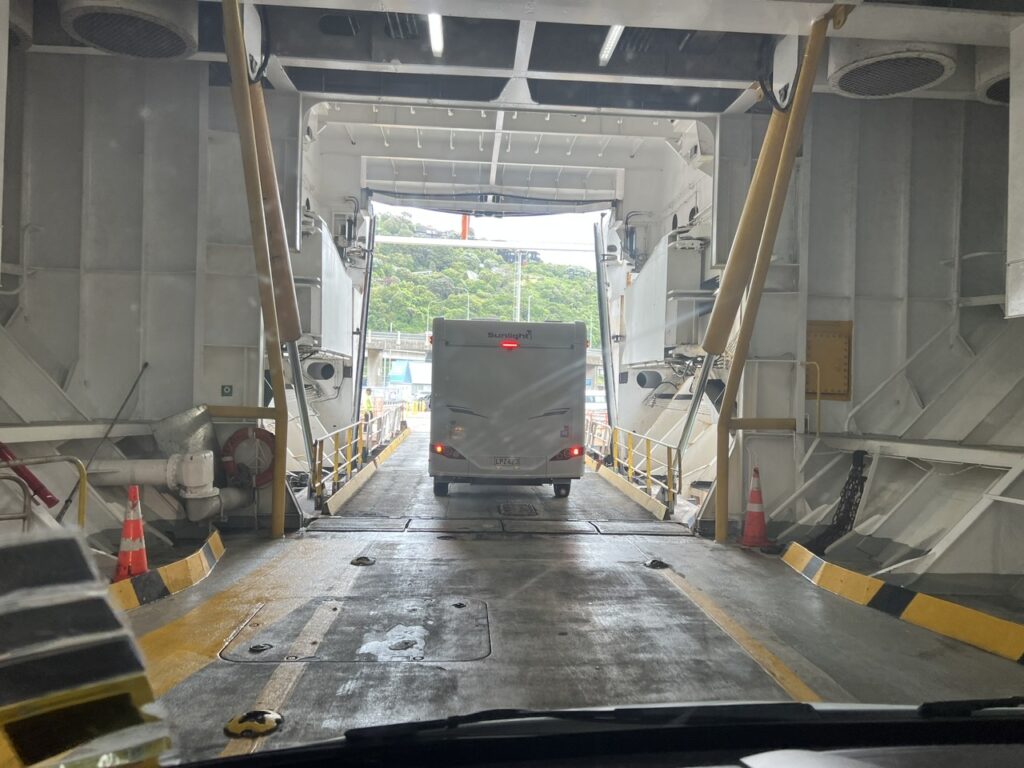
Arriving in Auckland, we flew first to Queenstown to start our journey in the South. We followed the route in blue through both islands.Approaching Wellington harbour. Unloading from the ferry on to the North IslandThe Beehive.
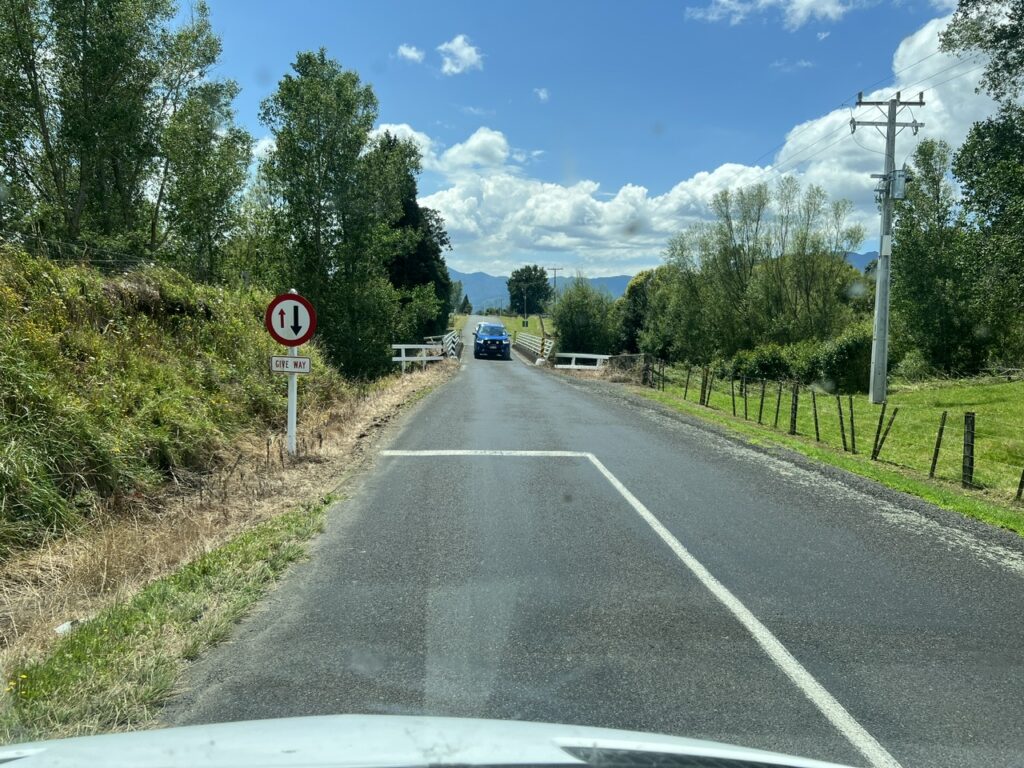
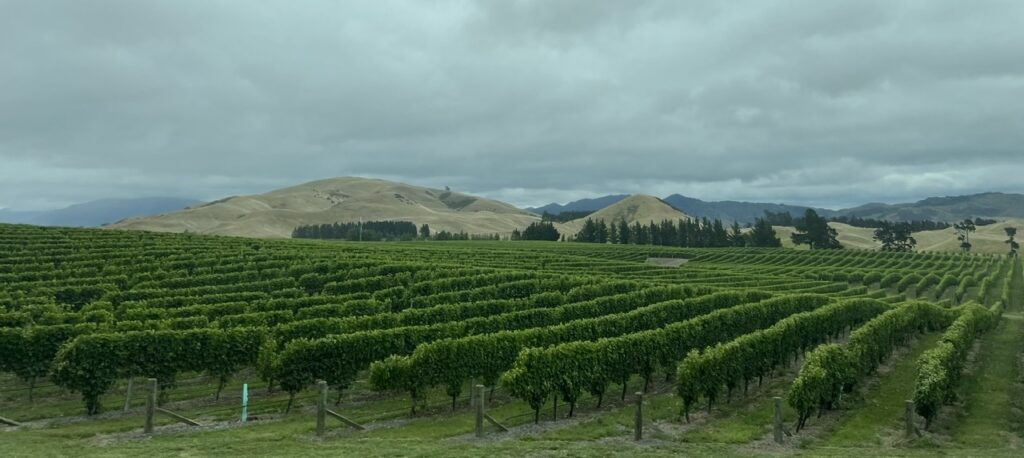
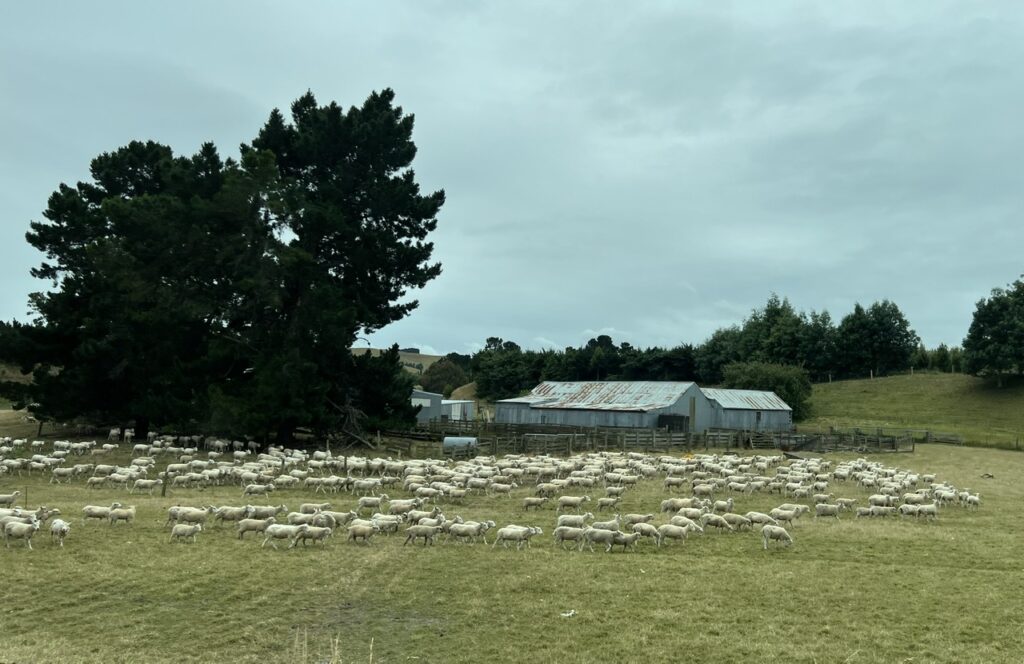
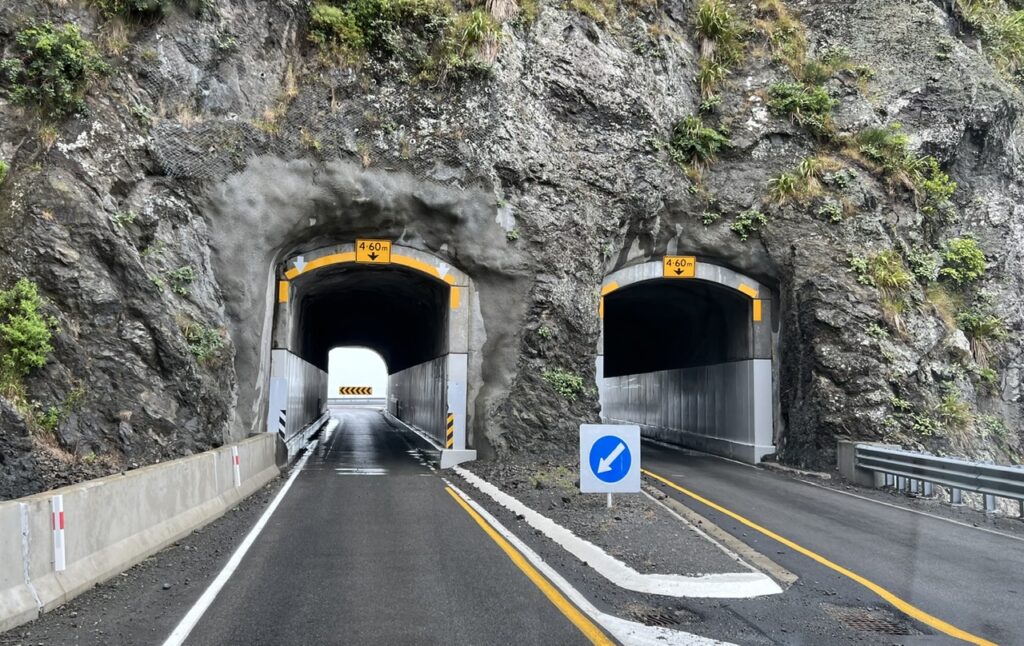
The scenery heading North-East was generally rural ( and consistently green ! ) with Palmerston North being the only town/city of any size in between Wellington and Napier. Heavy rains and floods in the days before had forced us to take a slight detour giving us an even more “rural” perspective on the North Island. While the road out of Wellington was a typical 4 lane motorway that soon gave way to more typical, and often windy, two way arterial roads. Like in the South these roads included quite a few of the the country’s notorious “single-lane” bridges. Essentially a two-lane highway becomes a single lane road on many bridges. No problem to navigate on longer, straight roads but can be hair raising when approaching from almost blind corners. There is a defined priority etiquette and people seem to generally obey it.
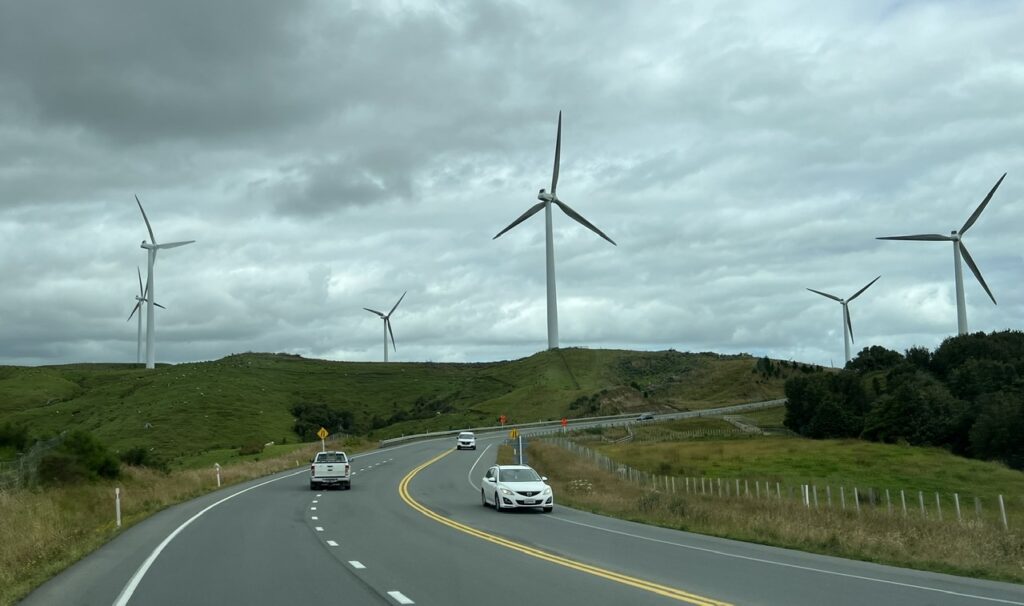
Waiting our “turn” on a single-lane bridge.New Zealand is not blessed with oil but has a natural geothermal source of energy ( much of the country is volcanic) and in many places now wind power generators.
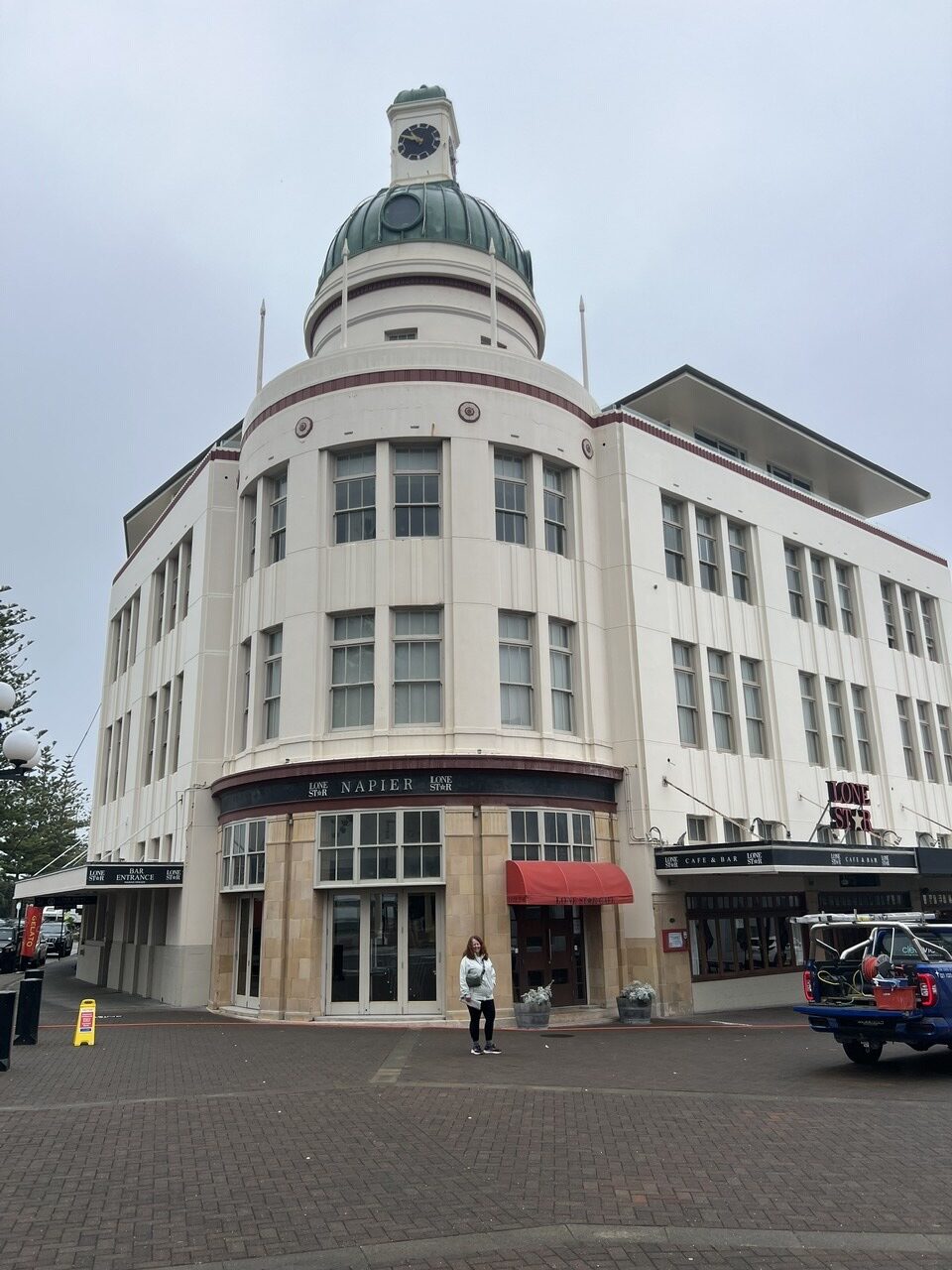
“Art Deco, short for the French Arts Décoratifs, and sometimes just called Deco, is a style of visual arts, architecture, and product design, that first appeared in France in the 1910s, and flourished in the United States and Europe during the 1920s and 1930s.” (Wikipedia).
Who would have known ( in the early 1930’s) that this contemporary architectural theme would soon have a profound impact on a small, and otherwise relatively unknown, coastal city in New Zealand ?
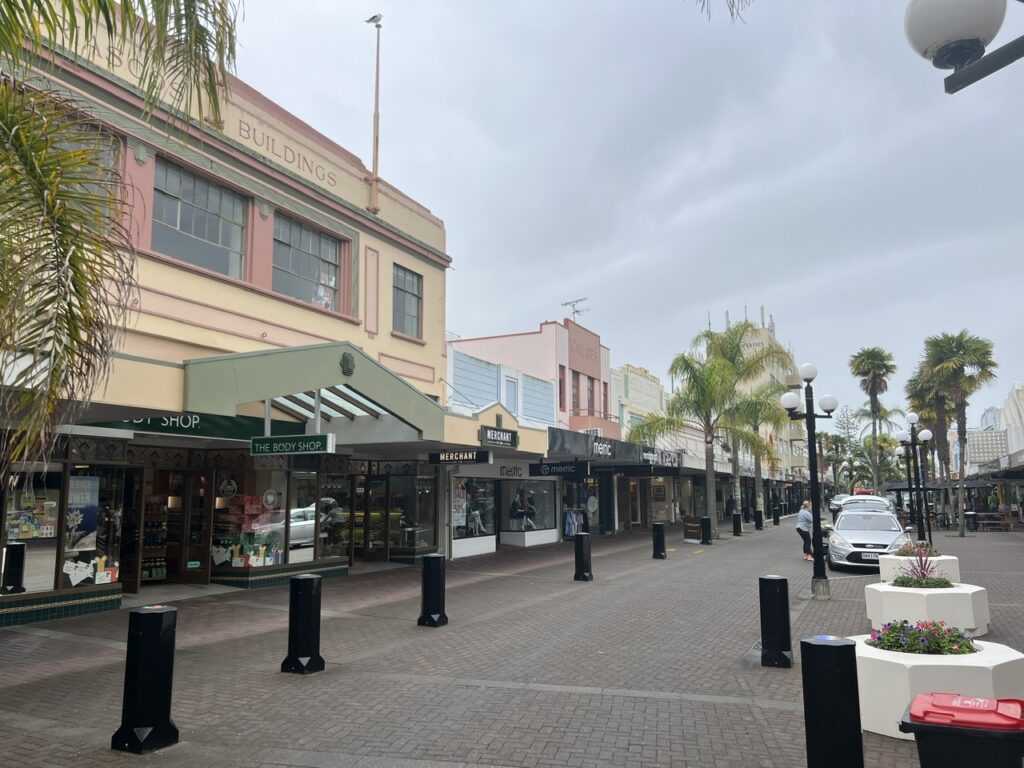
To this day New Zealand’s deadliest natural disaster, the great Napier earthquake (measuring 7.8 on the Richter scale ) devasted Napier in the early hours of February 3rd, 1931, killing 256 people. The town and surrounding area was obliterated. What happened next, though, ties in to the Art Deco trend that was sweeping the world. Napier now had to be rebuilt from scratch and the town leaders and architects of the day aggressively adopted the Art Deco theme. As a result, much of Napier ( and most of its public buildings as well as many of its commercial ones ) were built in the Art Deco style. Napier, to this day, is recognized as one of the best preserved Art Deco cities in the world and attracts devotees of the style from all corners of the globe. If you’ve ever been to the South Beach area of Miami, you’ll immediately recognize the style. Distinctive and iconic, Napier’s city leaders have done an outstanding job of preserving ( and promoting ) this unique heritage. While examples appear elsewhere in the country, due to the tragic events of 1931 nowhere else in New Zealand has the range of examples that Napier does. We love the style and spent hours wandering the town just soaking it all up. Some of its building are the most photographed in the country.
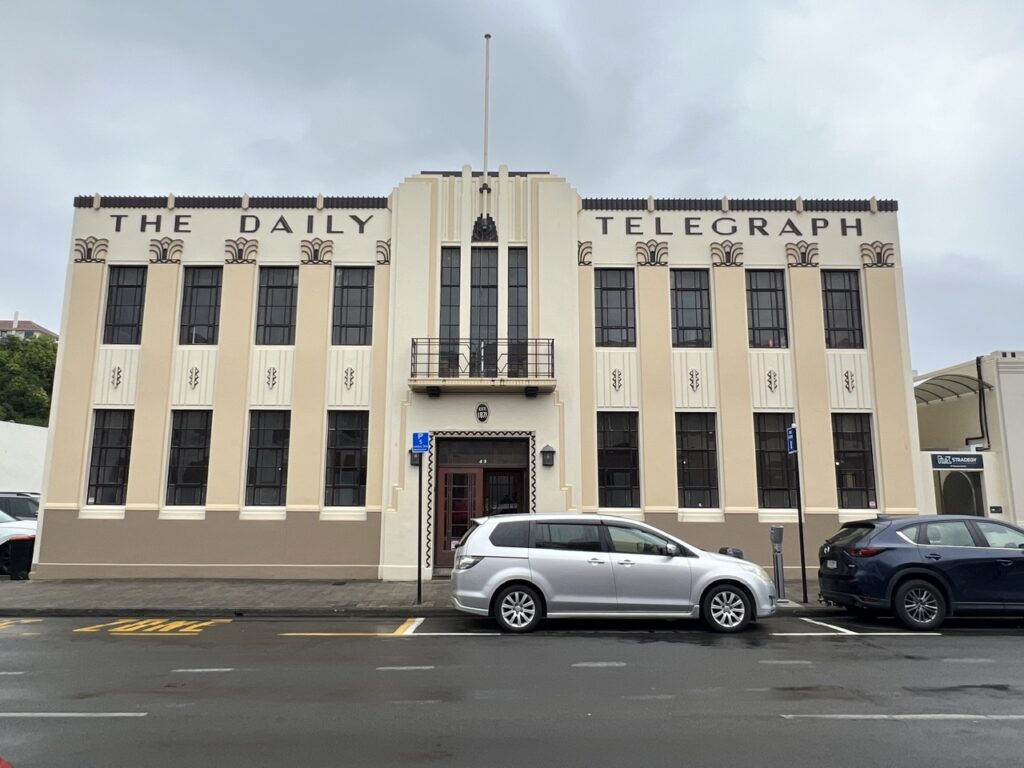
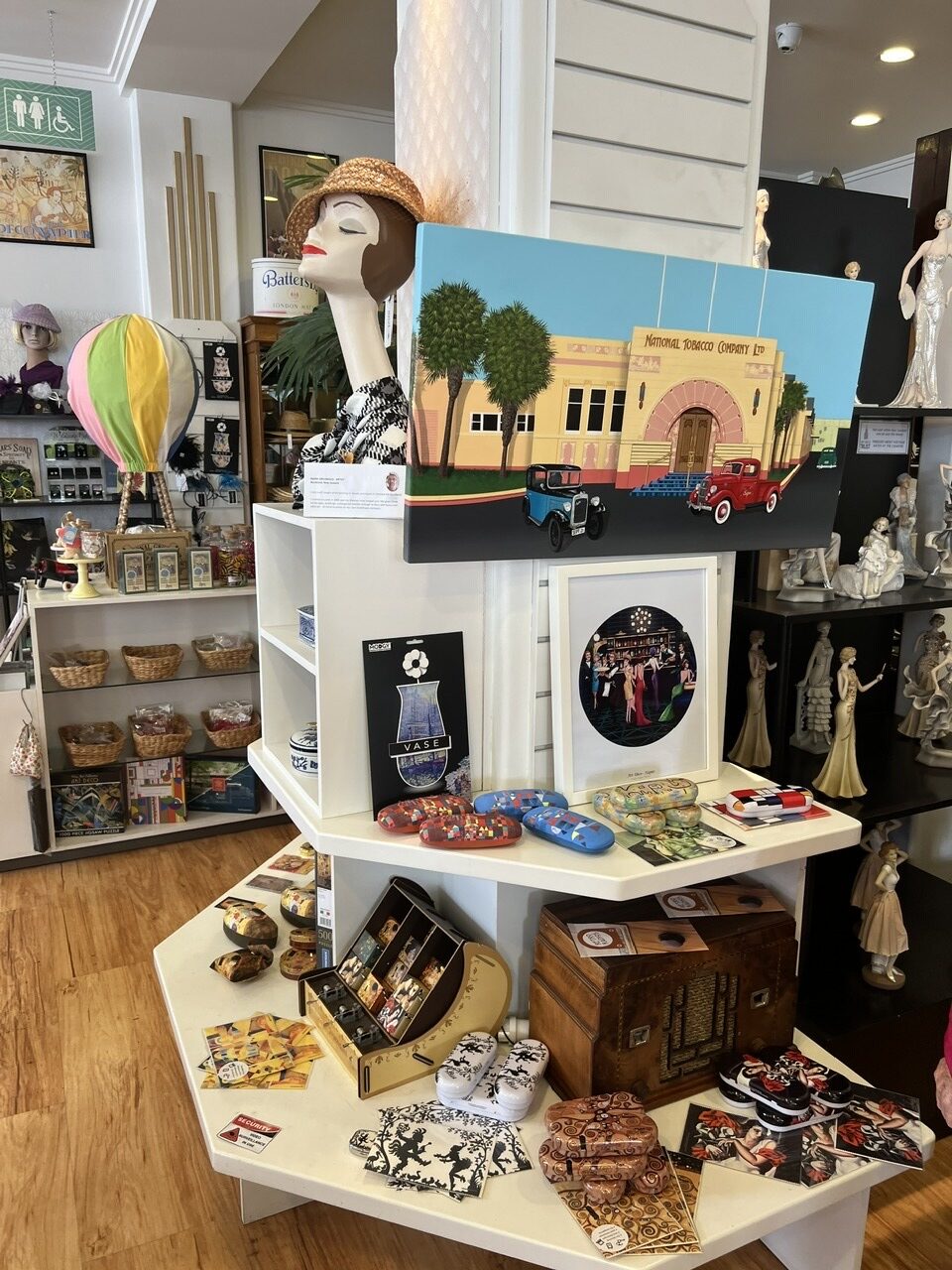
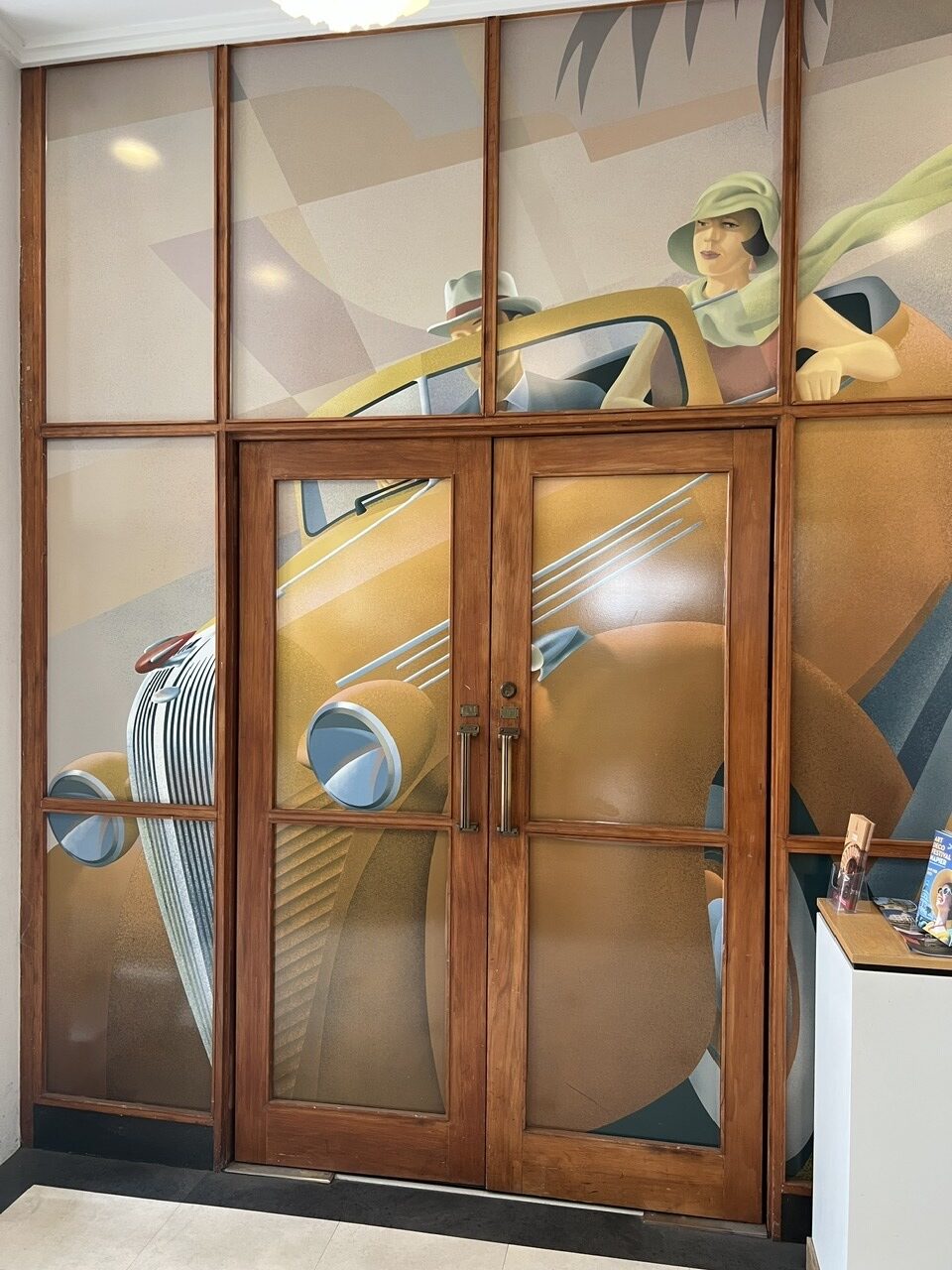
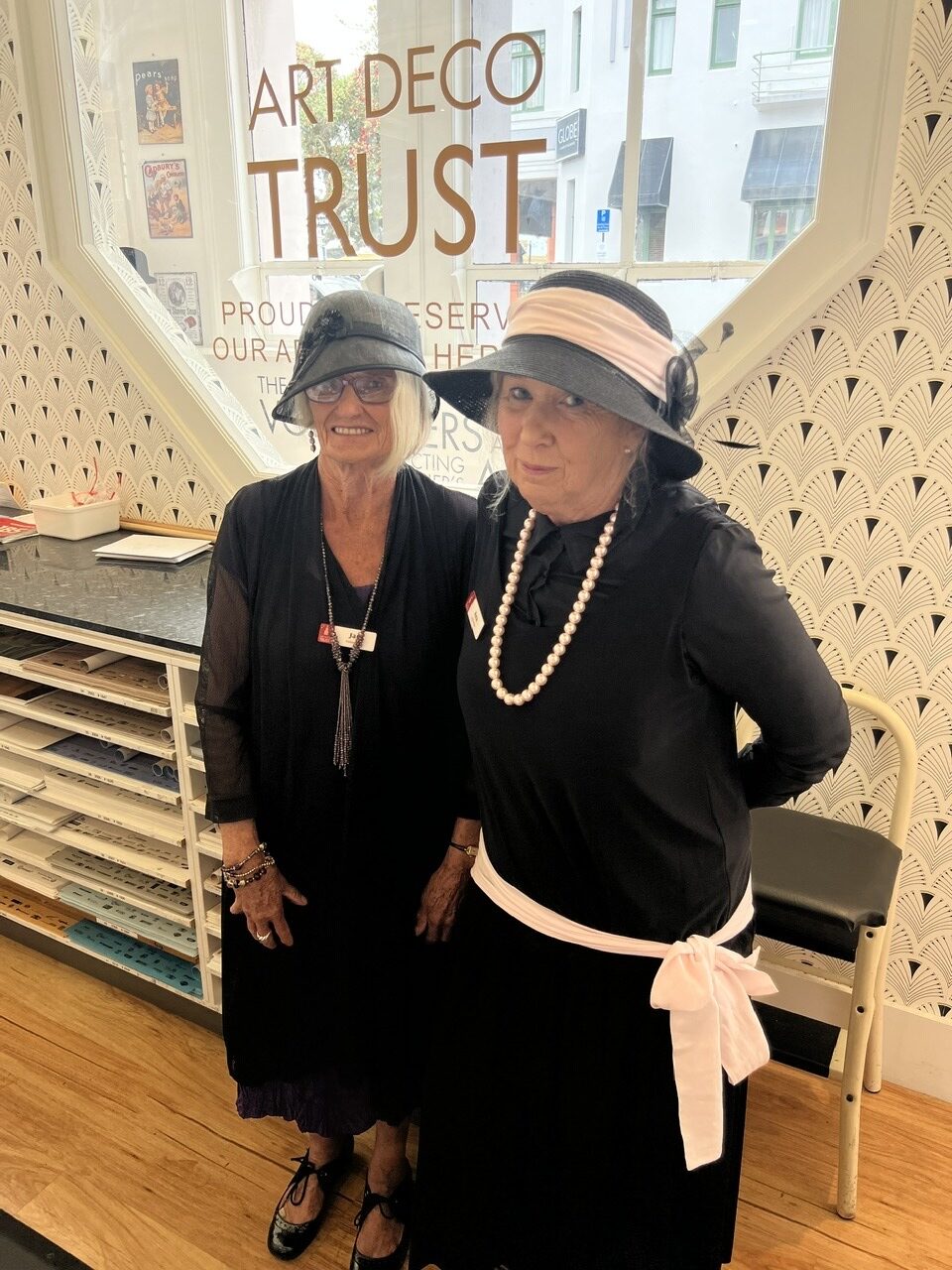
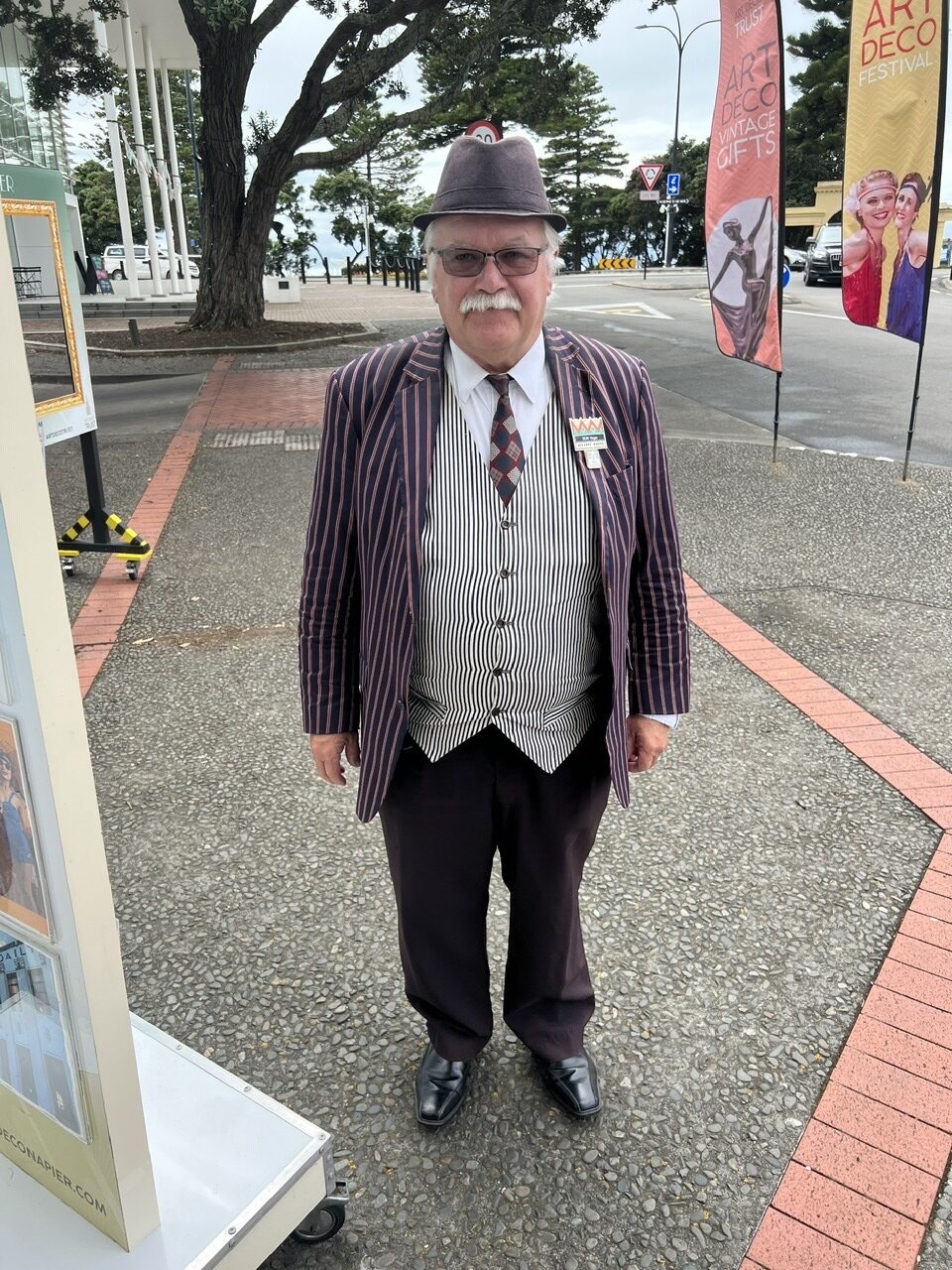
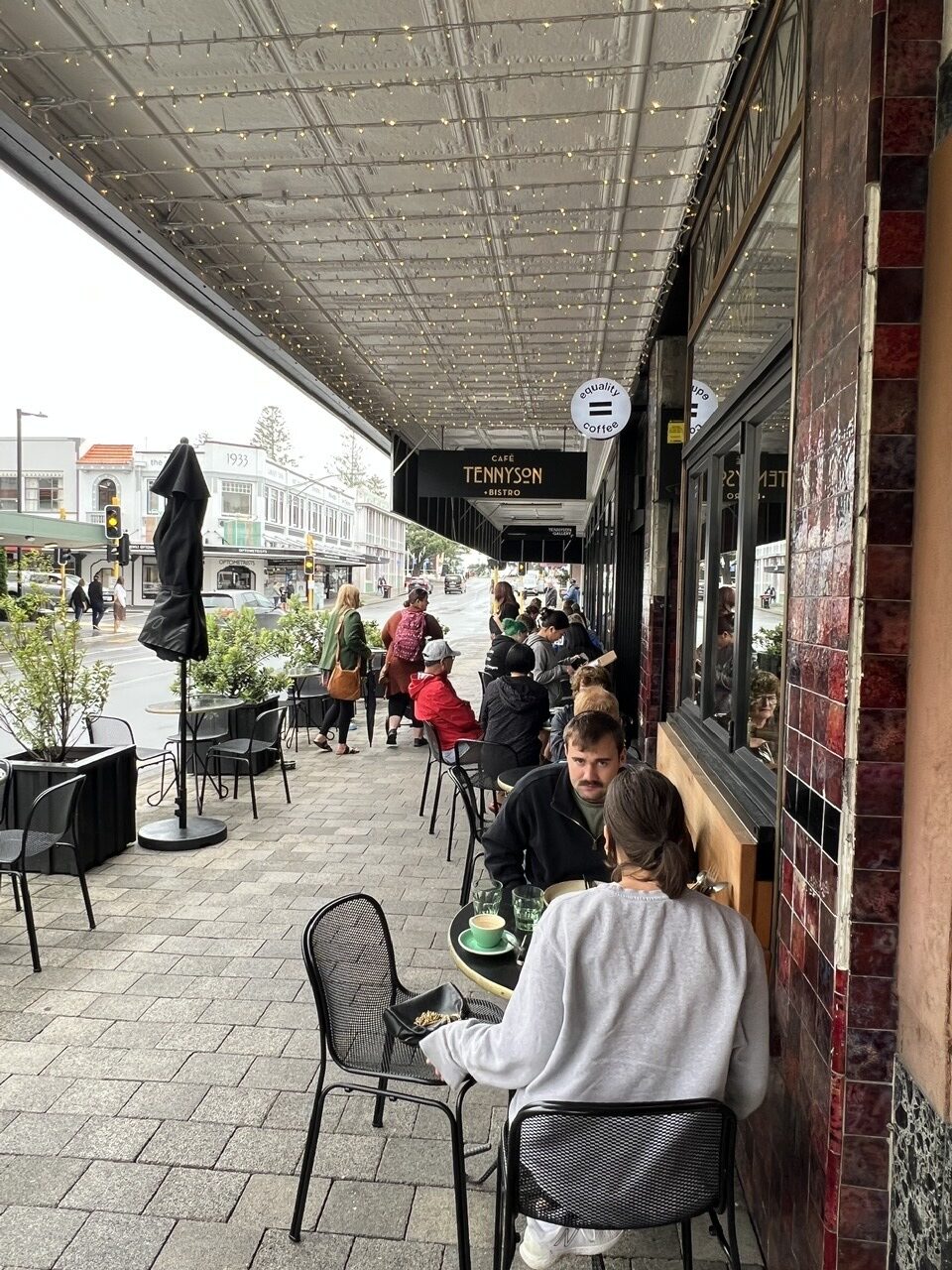
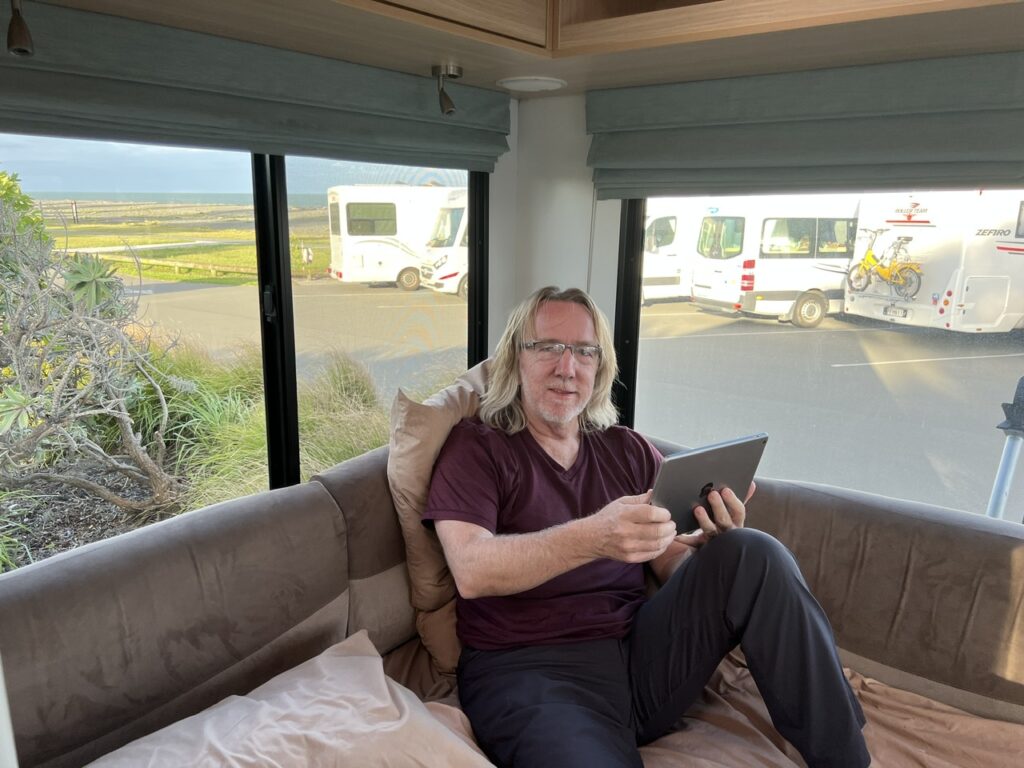
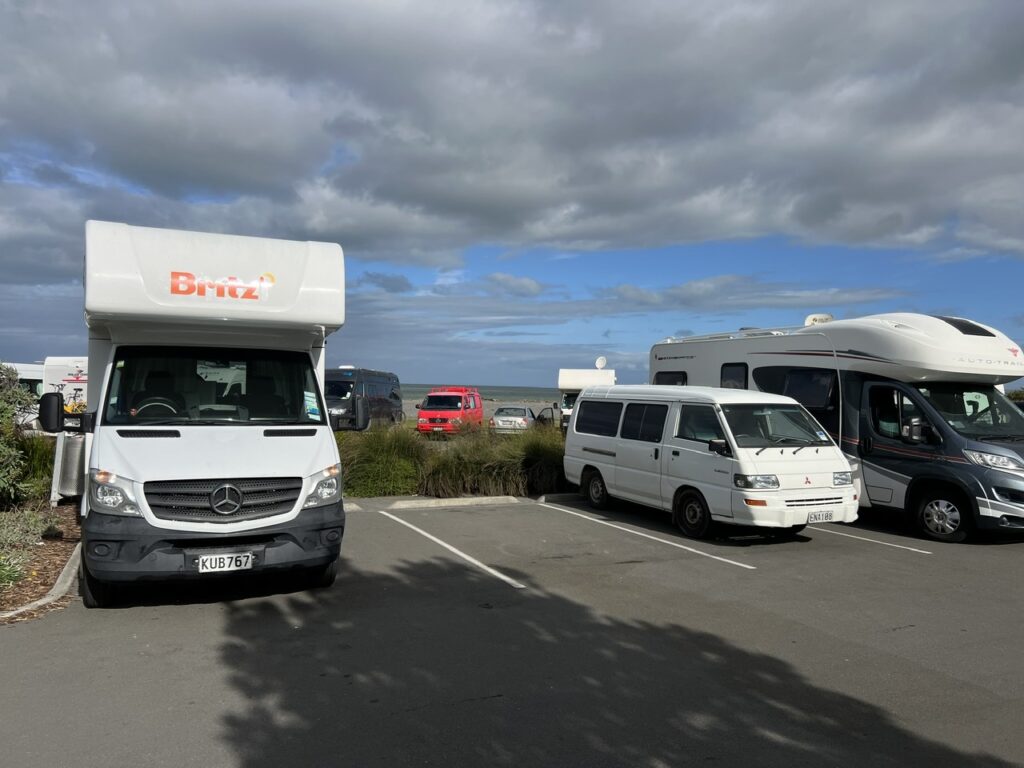
Napier buildingEven the shopping streets display Art Deco features.Napier’s “most” photographed Art Deco building. While the Daily Telegraph newspaper itself was established in 1871 ( see plaque above the door ) this building was rebuilt in the early 1930’s AFTER the earthquake.The Art Deco Trust building had a store full of Art Deco materialWe were very impressed by the wall art. So 1930’s !Authentic Art Deco period attire worn by all staff at the Art Deco Trust building. They proved to be experts on their subject matter. That went for the ladies…….….and the man !As mentioned, almost of all of Napier was rebuilt in the 1930’s ( see sign on building ) in the Art Deco theme. All Street name signs are in Art Deco as are many business name signs. Lots of funky cafes sidewalk here.Flowers, Bluff Hill, NapierYours truly, relaxing in the van (probably working on the blog you are reading now).Another great freedom camping location , this one in Napier, right on the beach. We had lots of company.
Our travels in New Zealand were impacted by the cyclone-like weather that had rained down upon the North Island just days prior to our arrival. Gisborne, just to the North, was our our next planned stop where we had long looked forward to a reunion with Carol ( a very good friend from our days in Japan in the mid-80’s ). Sadly, the road between the two cities was cut and we had to settle for a FaceTime call. Lots of catching up was done and it was wonderful to reconnect after so many years. Funny how, in such circumstances, it is so easy to simply pick up right where you left off ( our last visit, we eventually determined, was in 1996 ! ).
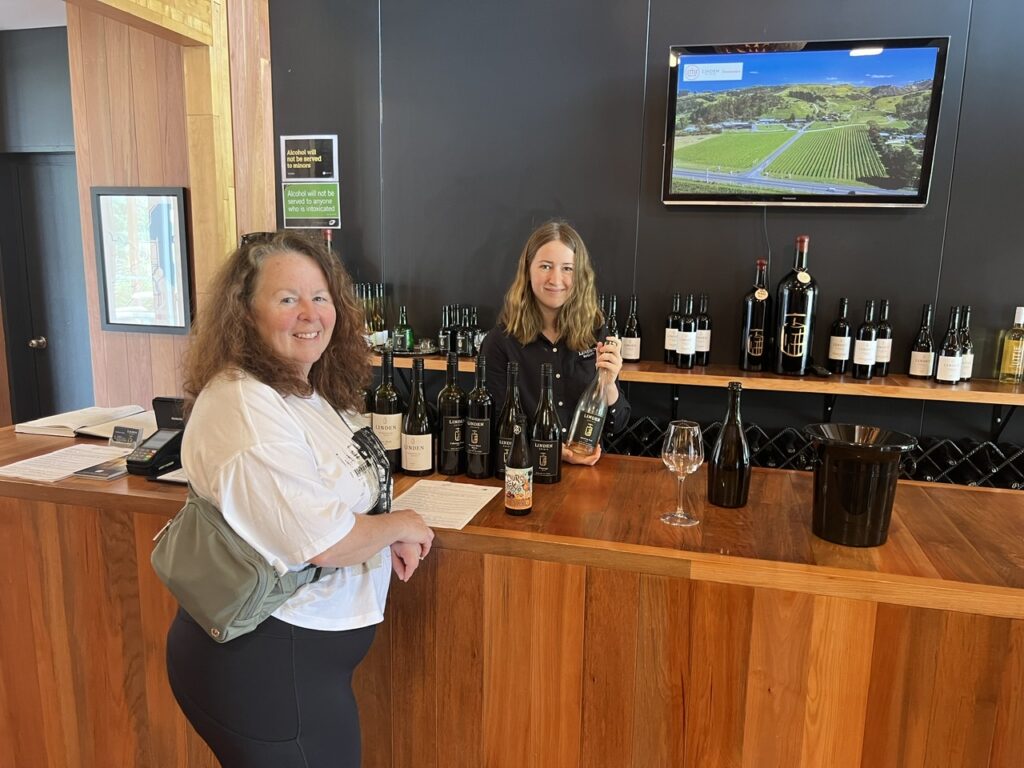
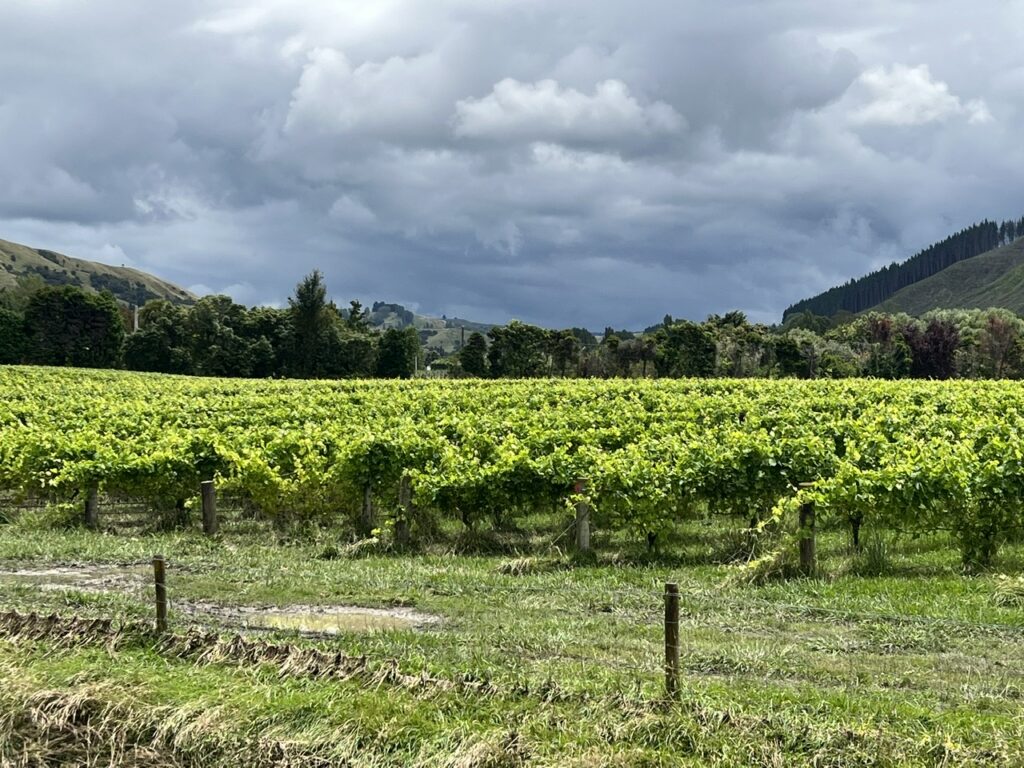
The Napier region is famous for wine. Here, Lois sampling some of Linden Estates’ finest.Linden Estates winery, Napier.
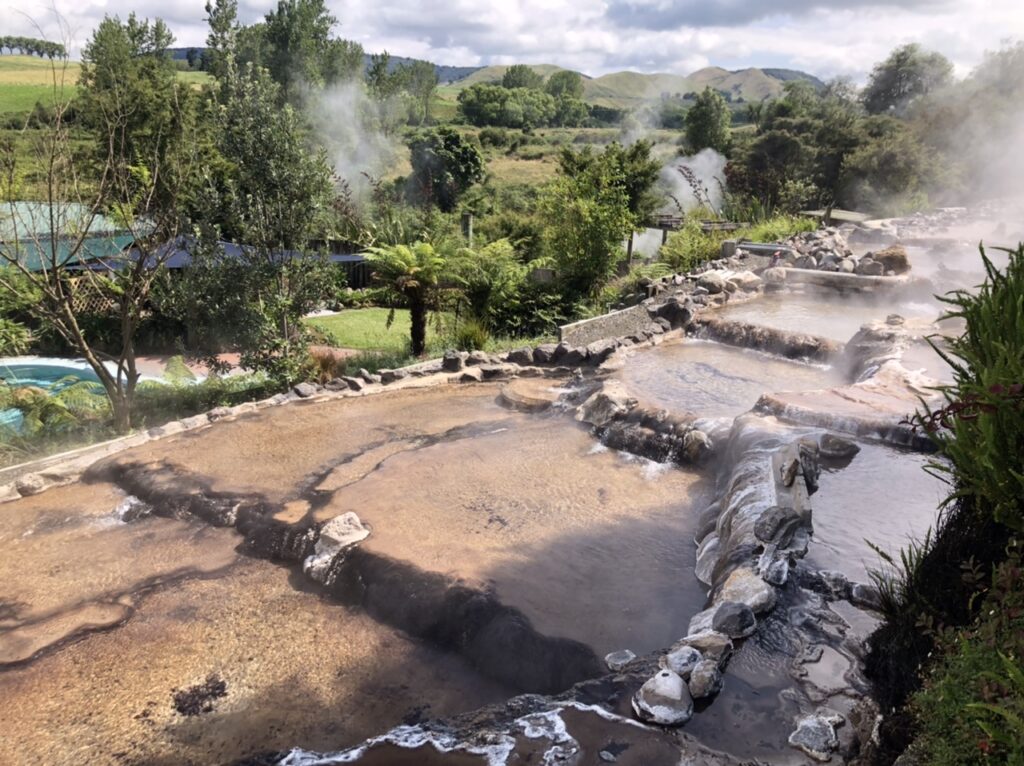
In the same way both of us had missed the far South in previous travels here, we’d also both missed New Zealand’s famous Coromandel Peninsula and wanted to make sure we got to it this time. It too, had been cut off by the same North Island storm and floods just days earlier but fortunately the roads had been cleared enabling us to visit this time. Cutting through Rotorua ( where we overnighted ) we detoured to the Waikete Valley to enjoy the area’s famous thermal hot pools before continuing North up to the town of Whitianga in the Coromandel area.
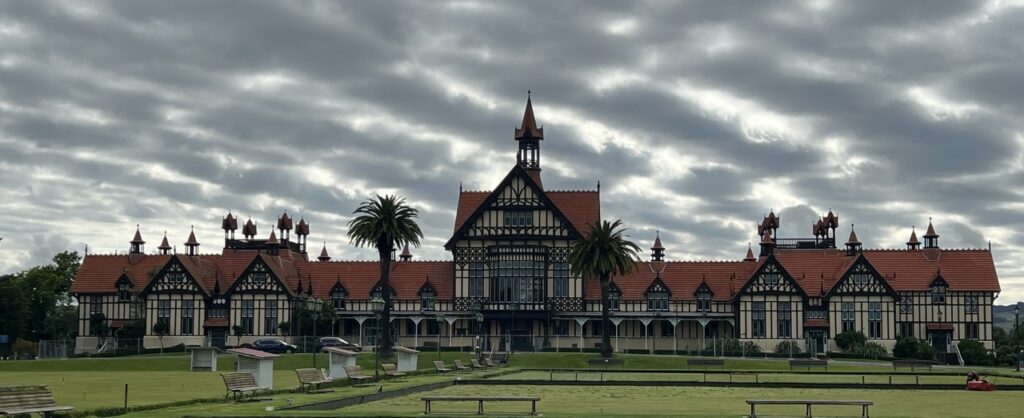
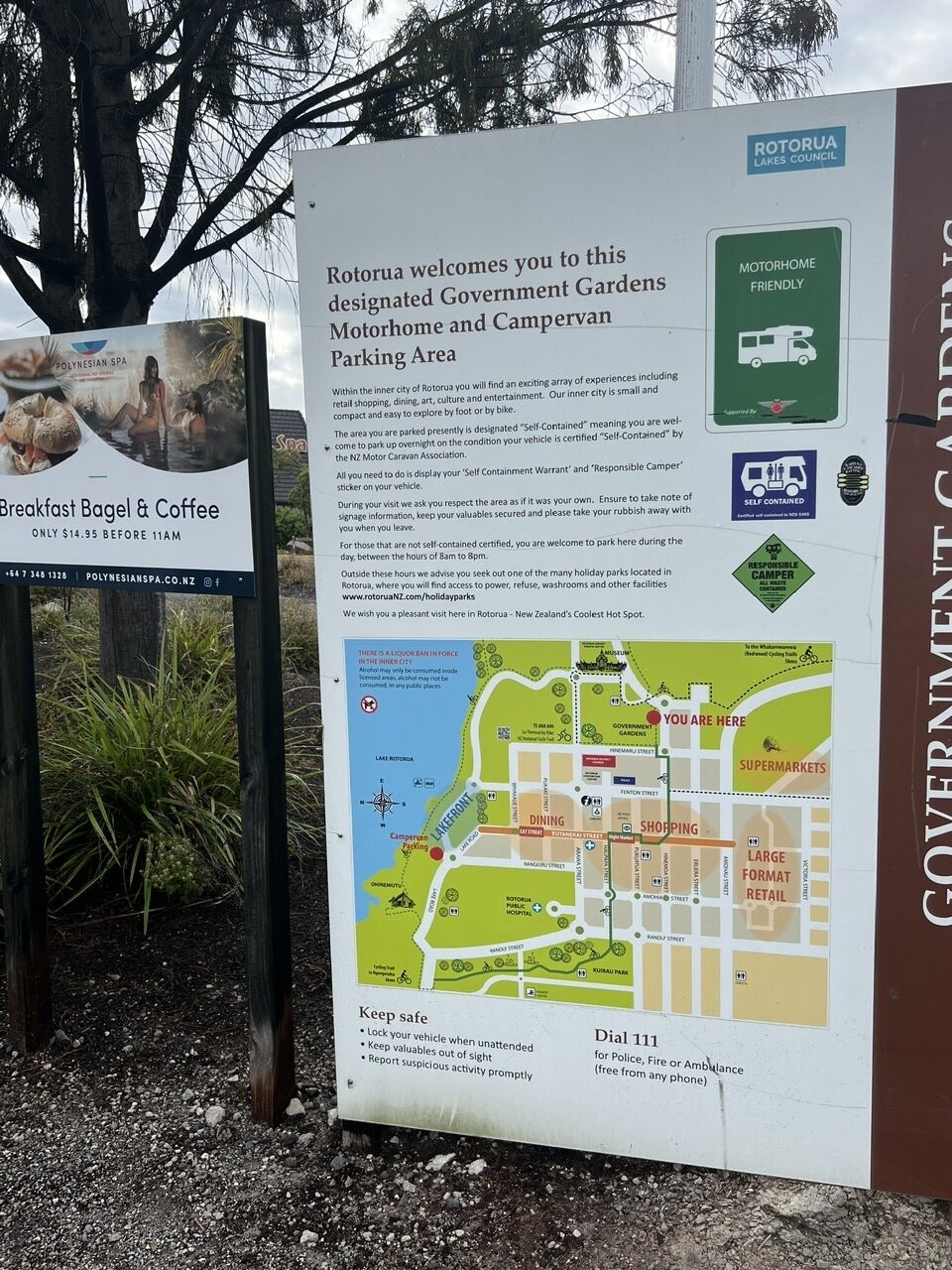
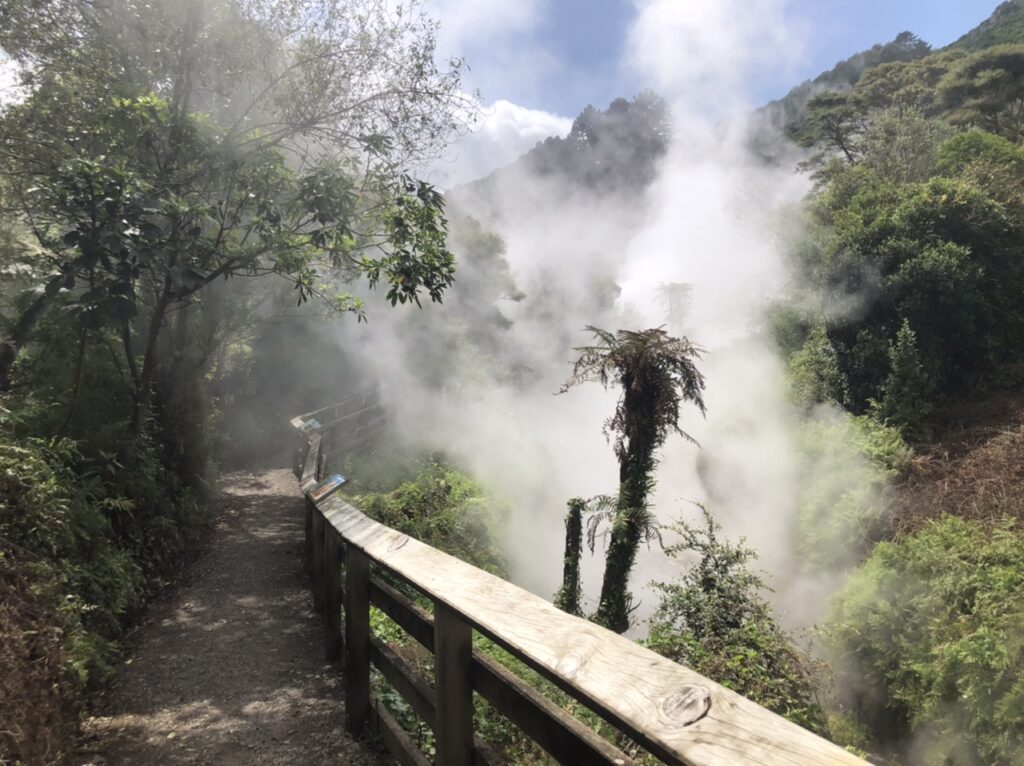
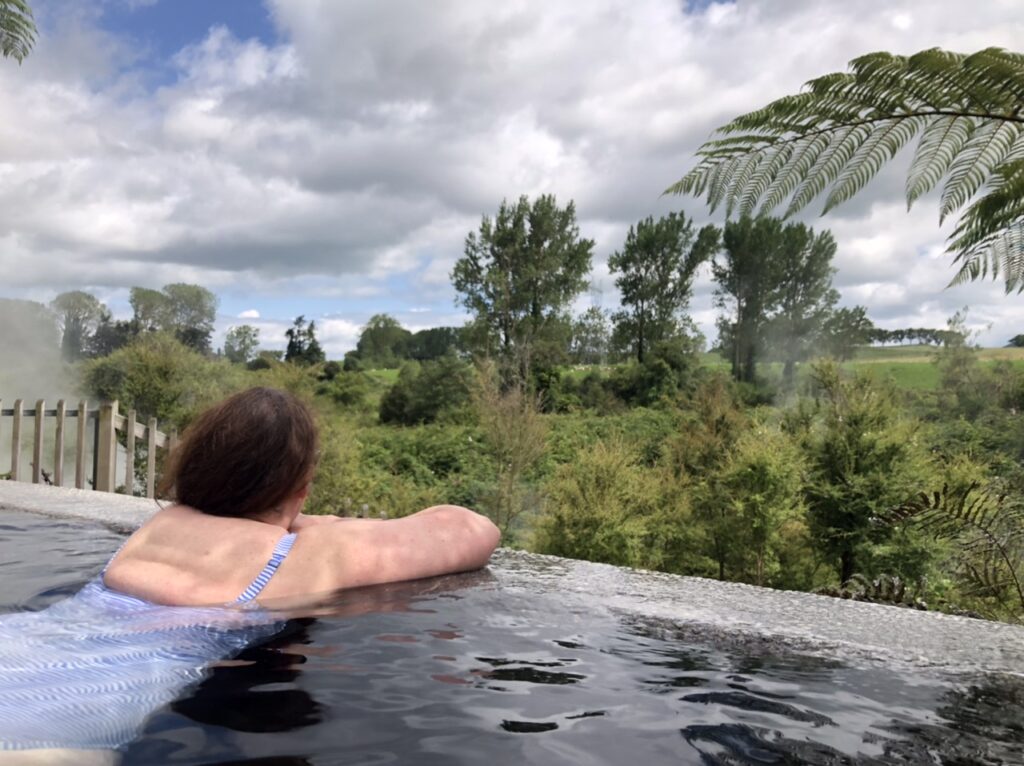
Originally a Bath House, this beautiful Rotorua building later became a museum. Sadly it was damaged in an earthquake and is now fenced off. Considered the most impressive Elizabethan building in New Zealand it still looks striking.Everything a traveller needs is well sign-posted in New Zealand. Here, our freedom camping site in the Government Gardens, in the heart of Rotorua, across from the Polynesian Spa and just beside the iconic Bath House building. A perfect location!Waikite Thermal Pools, Rotorua.Thermal pools, Rotorua.Lois relaxing in the thermal pools, Rotorua.
Prior to reaching the Coromandel Peninsula there was a rather lengthy but reasonably scenic drive up through route 2 and 28 to reach the Coromandel area. Easy travelling, as it was mostly flat agricultural land with no major cities in between, though we passed pretty towns and a large waterfall along the way.
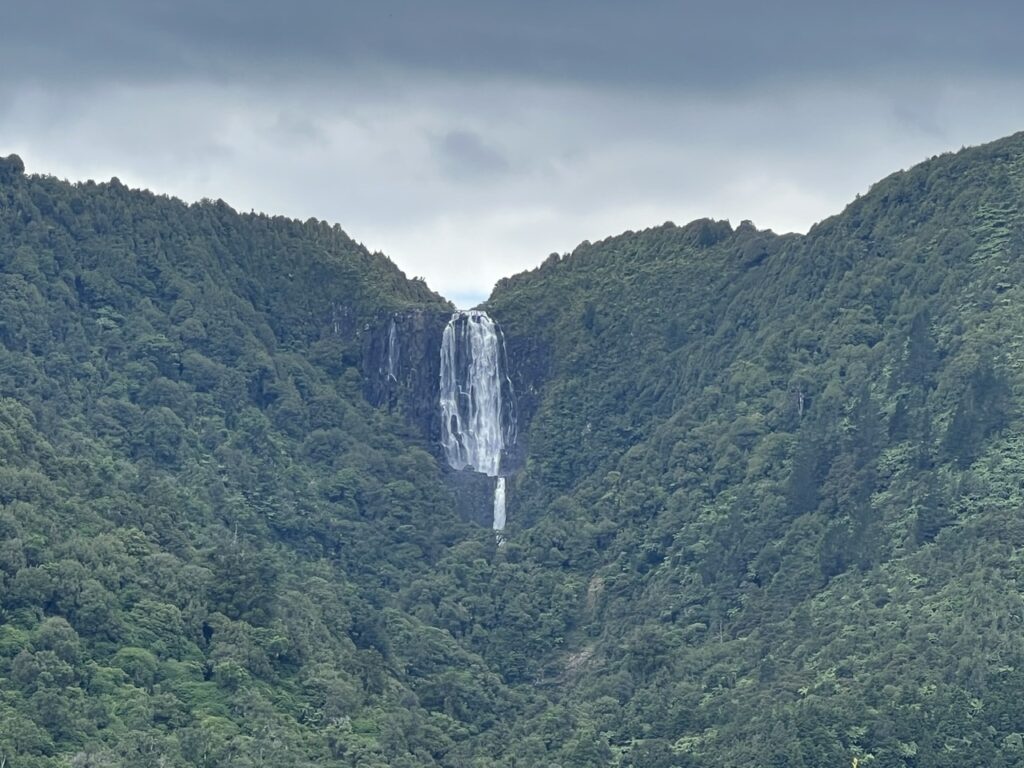
Town of Te Aroha. Typical of many smaller towns which look so very similar to towns in Australia. The signage, the building styles and the angled parking especially.Fitzgerald Glade, near Tirau on Route 5.Wairere Falls.
While the South Island probably gets the nod for the best beauty and roadside scenery in New Zealand, the Coromandel Peninsula in the North must rank a very close second – the area is simply stunning. I’ll let the next few pictures tell the story – it’s a major draw for Aucklander’s many of whom have cottages/cabins ( “baches” in Kiwi slang ) in the area. We could have spent much more time here !
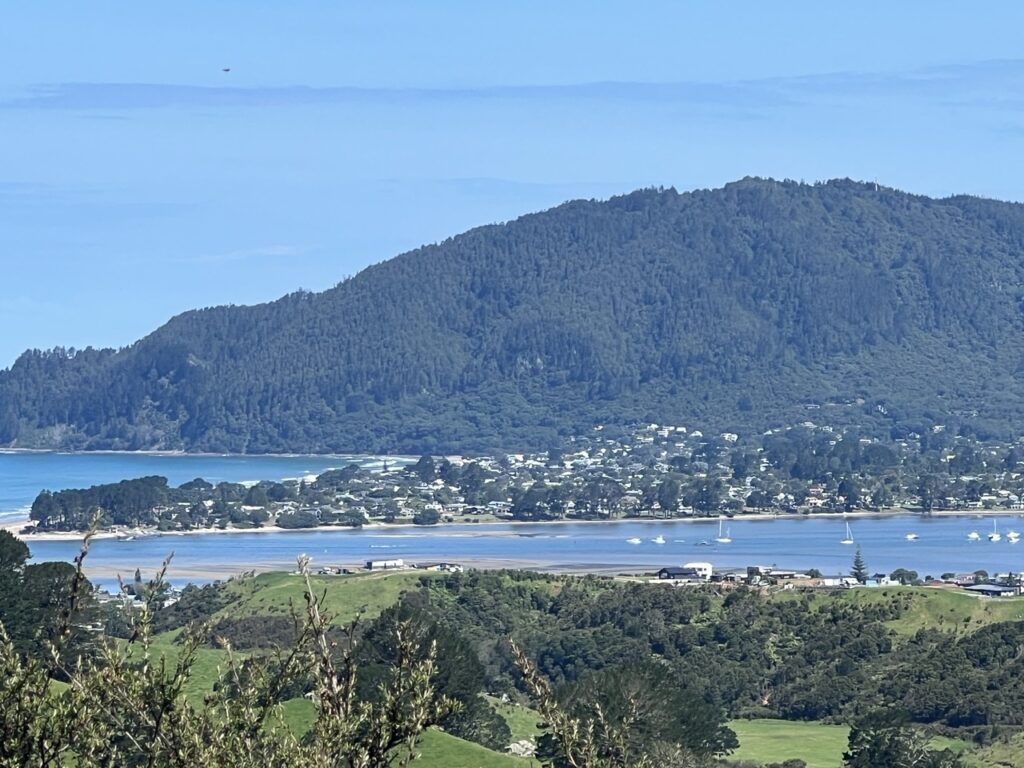
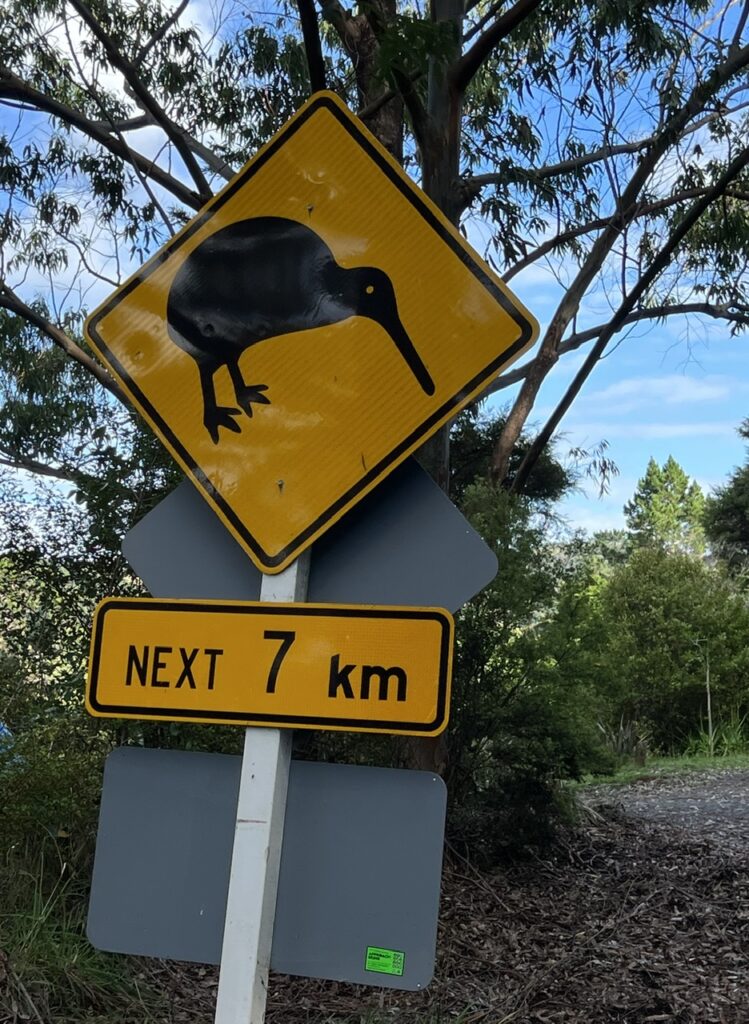
Coromandel coastal view.Whitianga, Coromandel Peninsula.Coromandel coastal road.Coromandel coastal view.Despite driving the 7 kms and scouring the road no kiwis could be seen ! Far more likely at night. The only place in New Zealand we saw kiwi signage was on the Coromandel Peninsula.
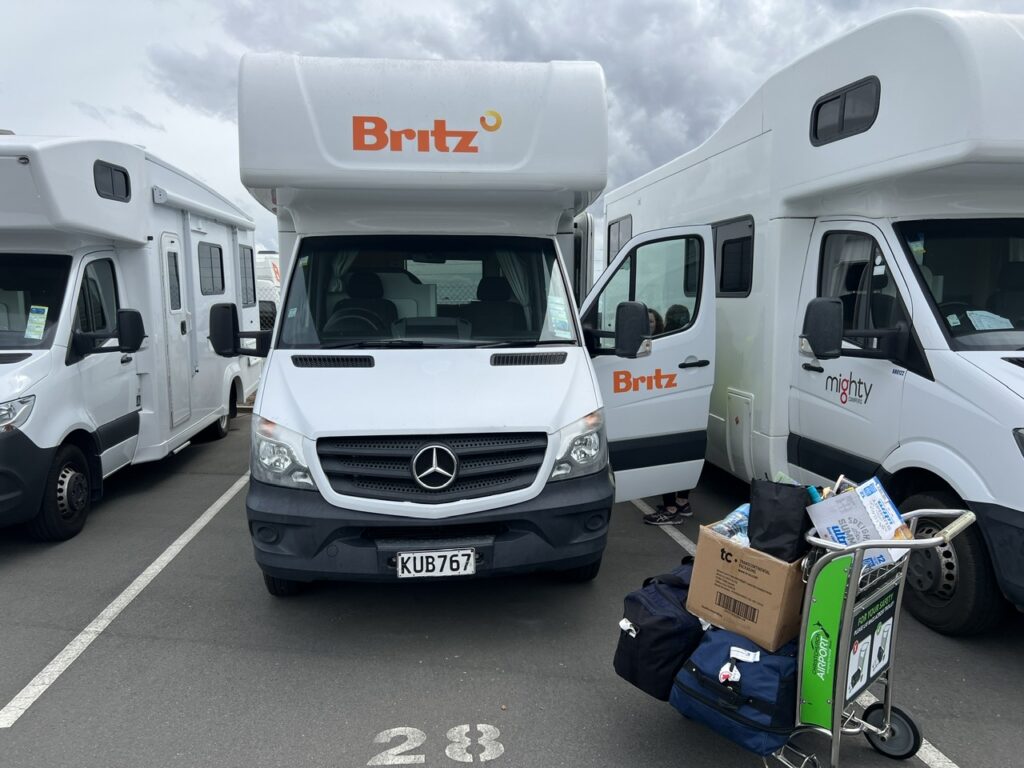
From Coromandel it was an easy 2 hour drive back down to Auckland where we ( sadly ) bid adieu to our van delivering it back to the folks at Britz. Having spent almost 2 weeks in their vans we can both attest to what an incredibly enjoyable and easy way that is to see New Zealand. Highly recommended – we’d do it again in a heartbeat.
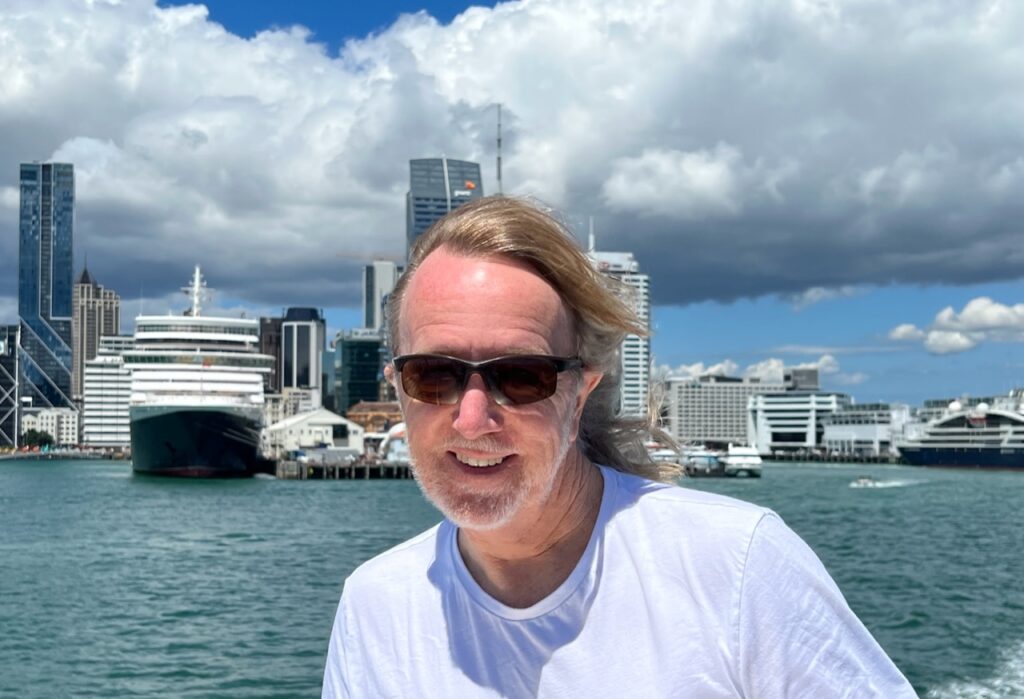
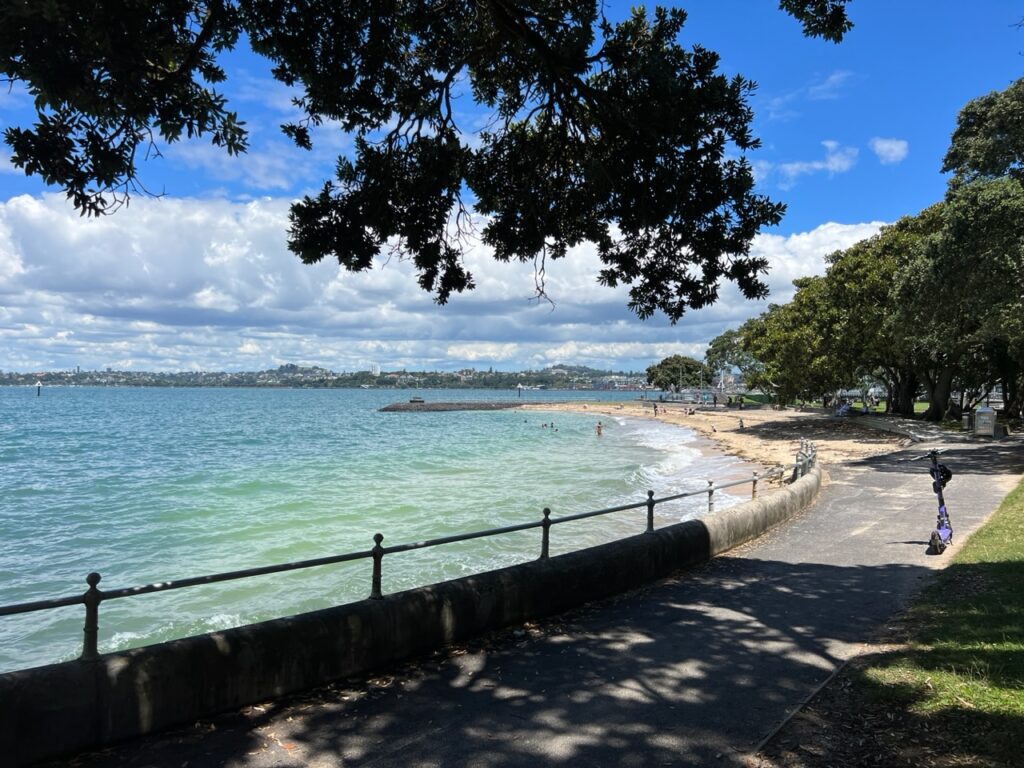
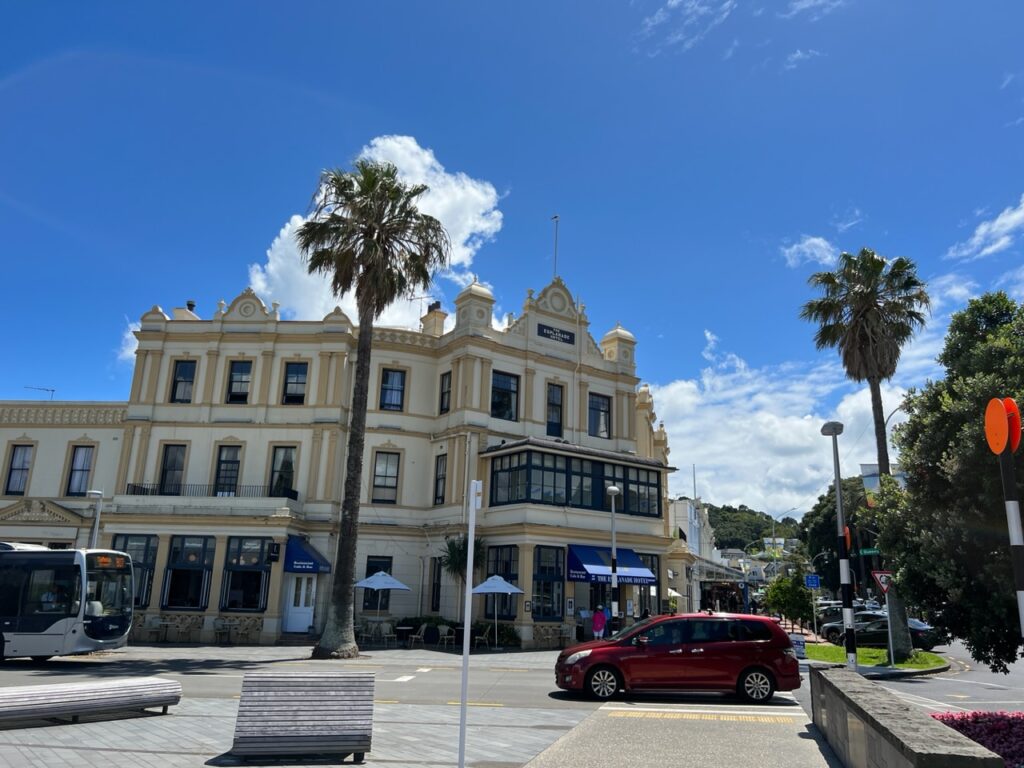
Our last days in the country were spent in Auckland, exploring more of its sights, this time in considerably better weather. Folks had suggested we get out on the harbour ( Auckland’s setting is stunning, attracting private yachts and cruise ships from all over the globe – the Cunard “Queen Elizabeth” was in port while we there, as was the “Le Laperouse” a French Antarctic adventure cruise ship ) and on our last day we did just that – the quaint seaside community of historic Devonport lies just to the North of Auckland and we had a very enjoyable day sampling it stores, sights and restaurants while ambling along its tree-lined foreshore.
Leaving Auckland ferry terminal for the trip across to Devonport on the north shore. That’s the Cunard “Queen Elizabeth” docked in Auckland. A massive cruise ship ! The much smaller Le Laperouse is on the right of the picture.The Queen ElizabethDevonport foreshore. It was a beautiful day for beachside walks.Devonport’s classic Hotel Esplanade. There are so many striking similarities between Auckland and Sydney, both stunning harbour cities.
All good things must come to an end, though, and so it was with our impromptu New Zealand detour. We absolutely loved the country, it’s people were incredibly hospitable, travel was “uber” easy and it’s natural beauty unquestioned. I hope it wasn’t be our last visit as there are definitely a few corners we’d like to explore further. As we started to prepare for Australia we took a look at the progress of our ship ( the Talisman ) as it made its way across the Pacific; we had not looked for a while but seems it is now 3 days ahead of schedule so we might, with luck, just get to pick it up a bit early. Fingers crossed !
Talisman’s arrival in Melbourne has come forward 3 daysAt time of writing the ship had crossed the Pacific and was about to dock in Auckland harbour. Next stop….Melbourne !
Queenstown, is by any measure, located in one of the world’s most beautiful settings. Perched on the azure shore of stunning Lake Wakatipu, set against the backdrop of the South Island’s ( usually snow-capped ) “Remarkables” mountain range, the city draws tourists from all over New Zealand and all corners of the globe. Whether you come for the skiing in Winter or the plethora of outdoor activities in Summer, the place has something for everyone. If you’ve not been to New Zealand, think of Banff ( or Whistler ) in Canada, Lake Tahoe in the US or a dozen other year-round global tourist meccas where you can get your adrenalin rush in all manner of ways. It was great to revisit the place ( 45 years since I’d been and 40 years for Lois – scary when you can look back that far and actually still remember it ) – it’s just as pretty as ever, but with a whole lot more tourists. One of those times when you kind of wish you weren’t there in the middle of high season. This time we contented ourselves with the gondola ride to the top of Bob’s Peak and a celebratory drink in the lounge up top, soaking in the unforgettable views.
In Queenstown one is implored to “Live More and Fear Less” by going bungy jumping. We thought we might live longer by NOT bungy jumping.Downtown Queenstown. It reminded us so much of Banff.
Campervan collected, historic Arrowtown was the next stop – a tastefully restored old mining village just outside Queenstown. From there it was immediately south towards Invercargill but the first night with “wheels” was spent in a wonderful “freedom camping” campsite just outside Kingston recommended to us by some folks in Queenstown. Right on the shores of the afore-mentioned Lake Wakatipu it is one of many such campgrounds which are hugely popular and dotted all over the country……we’d find many more in the days ahead.
Classically restored building in Arrowtown.Downtown “Arrowtown”.Our first night camping in NZ. Could not have picked a nicer location, right on the shore of Lake Wakatipu. Our van in the middle.
Invercargill, though, was the real attraction, but just before visiting the city we had a brief pit-stop to make visiting a young Kiwi who had stayed with us in Canada many years ago. Matt gave us a big New Zealand welcome and we enjoyed catching up with him over a fine “cuppa” on the family property just outside the city. Matt, the hospitality was awesome and the travel tips much appreciated – so great to see you, however briefly!
On the way to Invercargill we passed passed what at first looked like a bus stop – actually, an outdoor laundry !….and a little further on, a quaintly named small town !Family friend, Matt Wild, on the family property near Invercargill.
This most southerly city in New Zealand is home to the late ( though still legendary) Burt Munro ( he of “The World’s Fastest Indian” fame ). Sir Anthony Hopkins played Burt in the movie and many relics from the movie along with a host of original “Indian” motorbikes owned and raced by Burt can be found among an amazing collection of other classic motorcycles in the E Hayes Hardware store in downtown Invercargill. Burt tinkered with Indians for years before ultimately setting a land speed record on one during races on the Bonneville Salt Flats in the late ‘60’s. The movie chronicles the story of Burt’s life – if you haven’t seen it, check it out; it is, as the movie poster says, “One hell of a true story !”. A quick glance at the guest book showed people coming from all corners of the globe to visit this “shrine to the god of speed !”.
“World’s Fastest Indian”, movie poster.The E Hayes hardware store in Invercargill where it can all be seen.Burt, and the original.A replica of the actual bike – believe this was the one used in the movie.The 1920 Indian motorcycle modified by Burt for the record.
Between Invercargill and Dunedin, along the bottom of the South Island, lay the Catlins region, an area we’d heard much about but which neither of us had visited during previous travels to NZ. A little less worldly-known than other highlights of New Zealand but no less beautiful, we ambled through its multitude of natural attractions over the next two days – coastal walks, dunes, petrified forests, playful seals, quaint towns, short hikes, stunning waterfalls and windswept coastal views kept us occupied as we meandered along the South Island’s most southerly ( and very narrow and windy ) road. Thanks for the great tips Matt, we absolutely loved the area, it was everything you said it would be.
Rural scene, so classically New Zealand.….and somewhere, always a “black sheep”.En route to Invercargill, one passes beautiful farming land and thousands of dairy cows.Lighthouse, Catlins region.At the very bottom of the South Island lies Slope Point, its southern extremity. The winds are gale force – I arrived with a visor but left without it.Matt had told us there have been many deadly accidents in NZ involving foreign tourists not familiar with driving on the left. There are now many signs and road markings reinforcing the need to “keep left”, especially near intersections.And “keep left” road markings as well. You see these everywhere.Waterfall, Catlin Coastal Rainforest.Catlin Coastal Rainforest.Beautiful ferns seen during in a hike in the Catlin Coastal Rainforest.Most places in New Zealand have designated “freedom camping” spots, often in stunning locations. Here in the far south we were camped near Curio Bay along with many others. The rules are pretty easy to live with.Petrified logs, Curio Bay, Catlins region.Nugget Point Lighthouse, Catlins region.Rock outcrops, Nugget Point.One of the stranger signs we have seen, on the way to Nugget Point. We never saw any crossing the road !South coast scene, South Island.Stunning beach scenery near Papatowai. We were surprised to see no one surfing.
Lois had an old high school friend that had moved to New Zealand over 30 years ago and settled in Dunedin. Given Dunedin lay directly in our path up to Christchurch we squeezed in time to enjoy a delightful evening with Kim and Kari while catching up on old times. Wouldn’t have missed it for the world – one of the joys of travel is reconnecting with old friends who have ventured to different corners of the globe but it’s amazing how easy it is to just pick up where you left off, sometimes decades ago.
Welcome selfie with Kim and Kari in Dunedin.
Dunedin is a pretty easy drive north to Christchurch- scenic for the first couple of hours, less so in the last couple and with some of the South Island’s most historic towns en route, Oamaru and Timaru among them. Detours through them revealed some outstanding period buildings and, as seems to be the norm for New Zealand towns, everything clean and beautifully restored.. or maintained.
One of Oamaru’s classic buildings, the “Opera House” ( formerly Town Hall ). The town is famous for the incredible condition of many of its heritage buildings.A beautiful misty morning as we drove from Dunedin to Christchurch.
Dropping the first van in Christchurch gave us the opportunity to take a break from the road and relax in a nice hotel. We’d looked forward to seeing Christchurch and wondered how it would look not too many years after the massive earthquake that flattened much of the downtown and especially ( and heartbreakingly ) it’s eponymous cathedral. We can say with authority that the damage has been all but totally repaired, the city looks great, and the famous Avon River still flows through it; the cathedral however will be a much longer term project and remains far from complete, still covered in scaffolding.
The Avon River, Christchurch.Queen Victoria, ChristchurchChristchurch Cathedral, as it was before the earthquakeAs it is today. Many years of work have gone into restoring it but many more remain.
We wrapped up our time in Christchurch sharing dinner with a young Kiwi couple we’d met in California just prior to crossing into Mexico during the early stage of our Pan American adventure, back in 2019. We’d followed each other’s Covid hiatus sagas and given our common interest in van builds we jumped at the opportunity to connect when we realized our paths would cross again in New Zealand – what a small world it is. Renee and Carl, I hope our paths cross again, it was wonderful to catch up with you both!
Jeff, Renee, Carl and Lois in Christchurch.
Picking up our new van was as straightforward as the last one. With some basic instruction and “how to” guidance, a simple knowledge test and repeated reminders about “staying on the left” we were on our way. Like the last one, this was a big van, a 6 berth – the layout was identical – the only difference being this was a Mercedes Sprinter and the last was an Iveco. At least we were familiar with Sprinters.
Loading up the second van in Christchurch. There are so many camper vans on the road in New Zealand – seems the whole world has descended on New Zealand to rent a van !
After a run of great weather, most of the journey north was in rain with only intermittent breaks of sunshine. With our Cook Strait ferry crossing booked for the next morning we had to get to Picton ( or at least Blenheim ). This part of the South Island took us past some impressive coastline ( managed some dolphin spotting near Kaikoura ), lush agricultural land ( and ever-present sheep ) along with some very pretty parts of New Zealand’s wine country. A consistent theme about New Zealand is simply how pretty ( and mostly very green ) it is everywhere.
The Marlborough region in the Northern part of the South Island is famous for winemaking, many beautiful vineyards were visible from the highway.Along with the ever present sheep farms.Building some of the roads on the South Island was quite a feat of engineering and we drove through many tunnels. These ones seemed barely big enough for the van we were driving.
With some flooding in the far north it seemed prudent to stop in Blenheim for the night and with an early start we got to Picton and the “Interislander” ferry. This would take us across the typically rough Cook Strait to Wellington, a 3.5 hour crossing. Fresh in my mind was this crossing ( in the opposite direction ) back in 1978 when most of the folks on that passage were violently seasick. Approaching the check- in booth we noted that the crossing conditions on this particular day called for “moderate” swells, the swell index showing just 3 little wave lines. When we realized each line represented 1 metre it became obvious we were in for 10 foot swells which seemed rough to us. The forecast was accurate, it was not too rough, and the big ferry handled it with ease.
Waiting to load on the Cook Strait ferryA 3 metre swell on the day we crossed. Seemed scary but was not bad at all given the size of the ferry.Leaving Picton.
Cook Strait conquered, our van was unloaded on to the dock in “Windy Wellington”, New Zealand’s capital city – the North Island was now ours to explore. More on that next week !
The PanAm completed in April, 2022 and with the truck camper sold, we shipped our new Sprinter van to Australia in late 2022. We travelled there through all of 2023 and into 2024 before shipping it up to North East Asia where we travelled for 4 months between Korea and Japan, before shipping it back to North America. It’s our plan to continue exploring the world in 2025.