Having completed a detour around Tokyo when coming down from Nikko, only a couple of places of personal interest remained before we essentially called “time” on our Japan travels and focused our remaining time on getting the campervan booked on a ship out. That would ultimately prove more challenging than we had initially anticipated – but I’ll leave further details on the shipping saga for the appendix at the end of this edition.
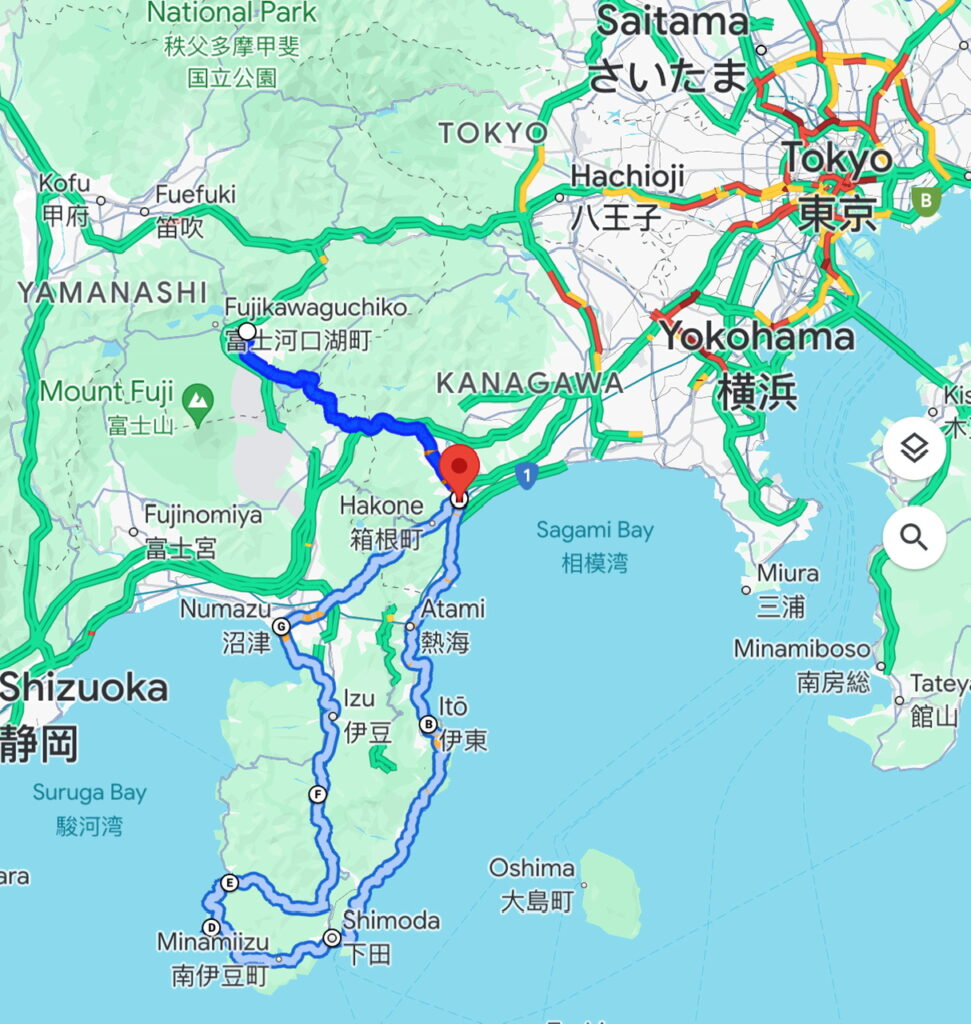
Our route ( in blue ) over the past week, primarily in Hakone and the Izu Peninsula.
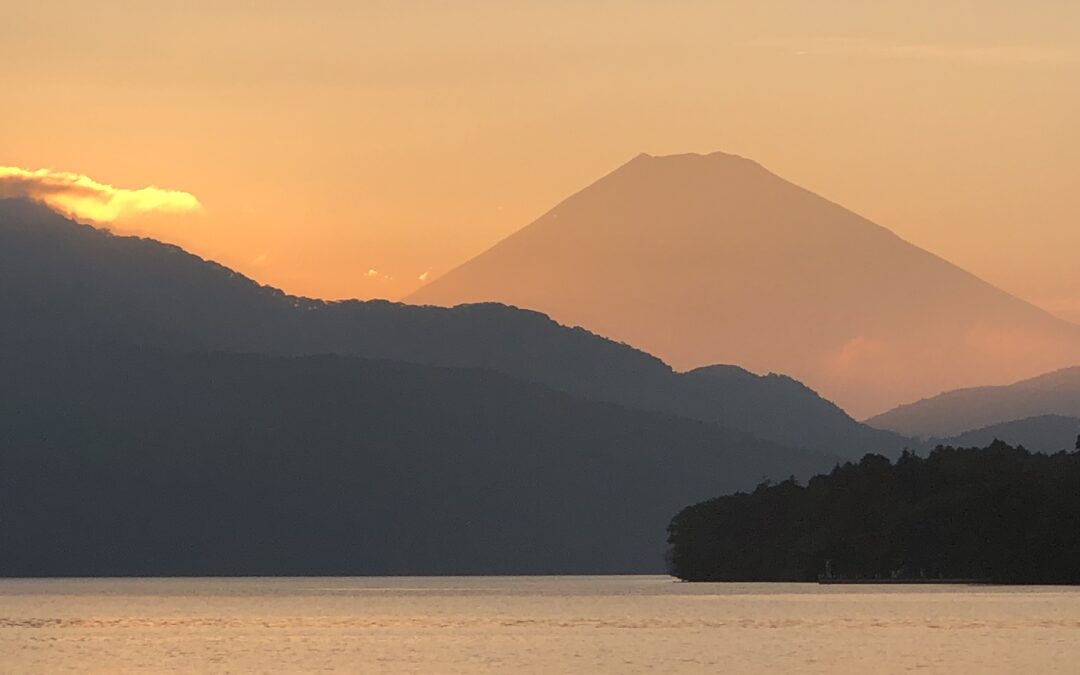
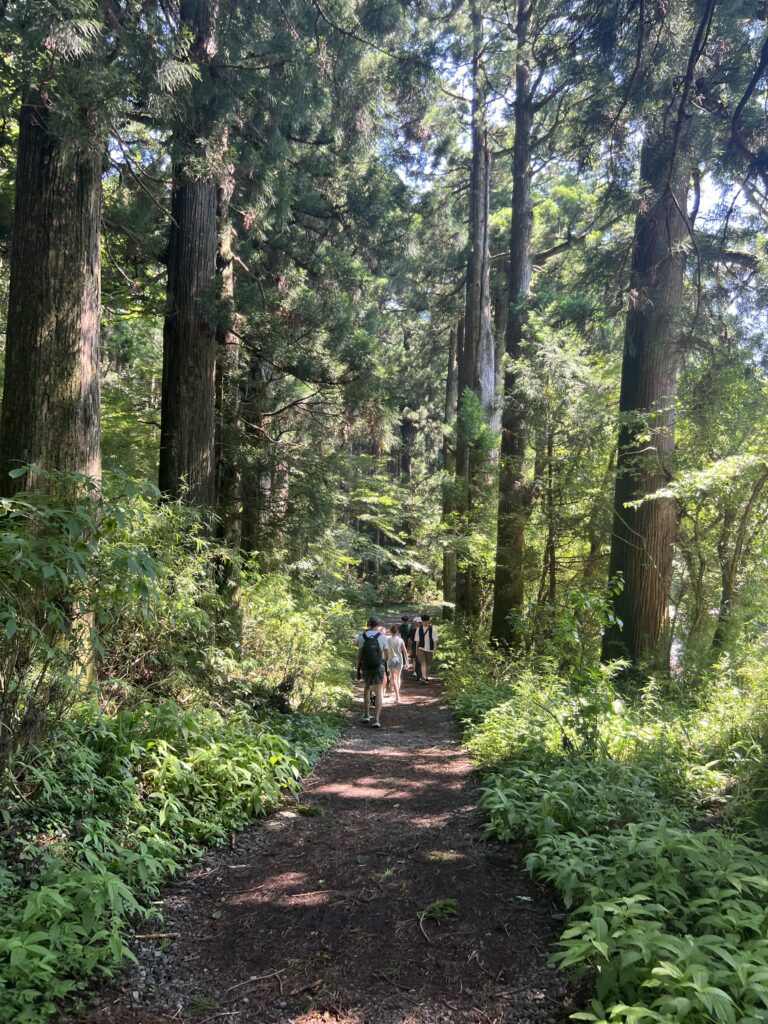
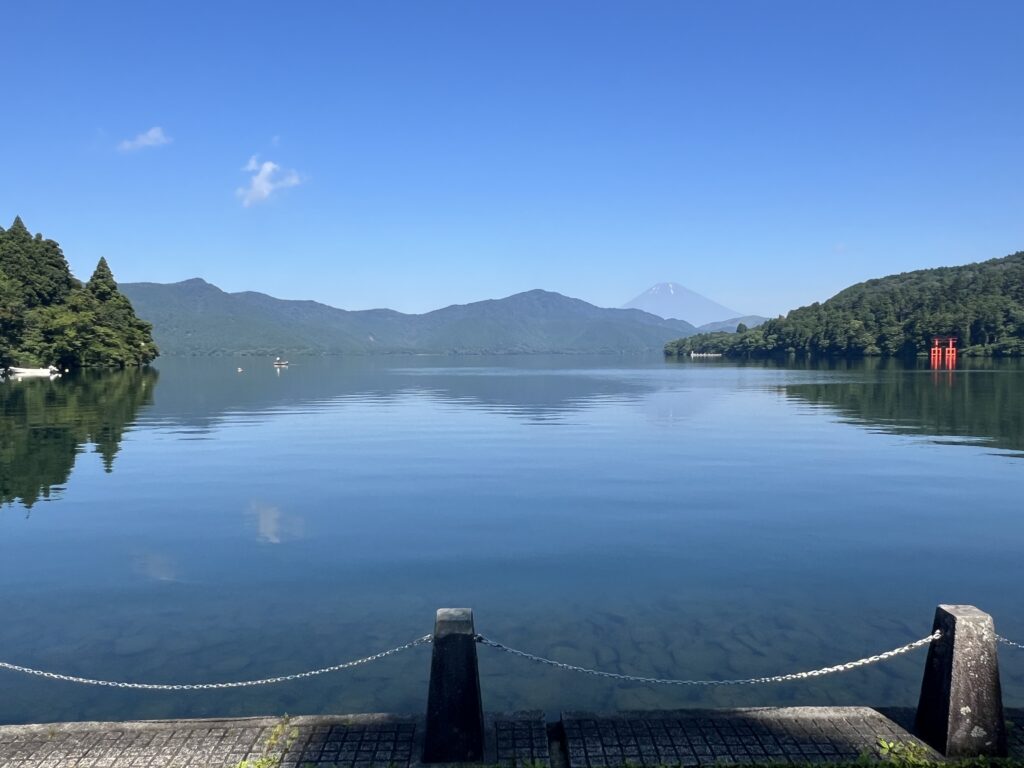
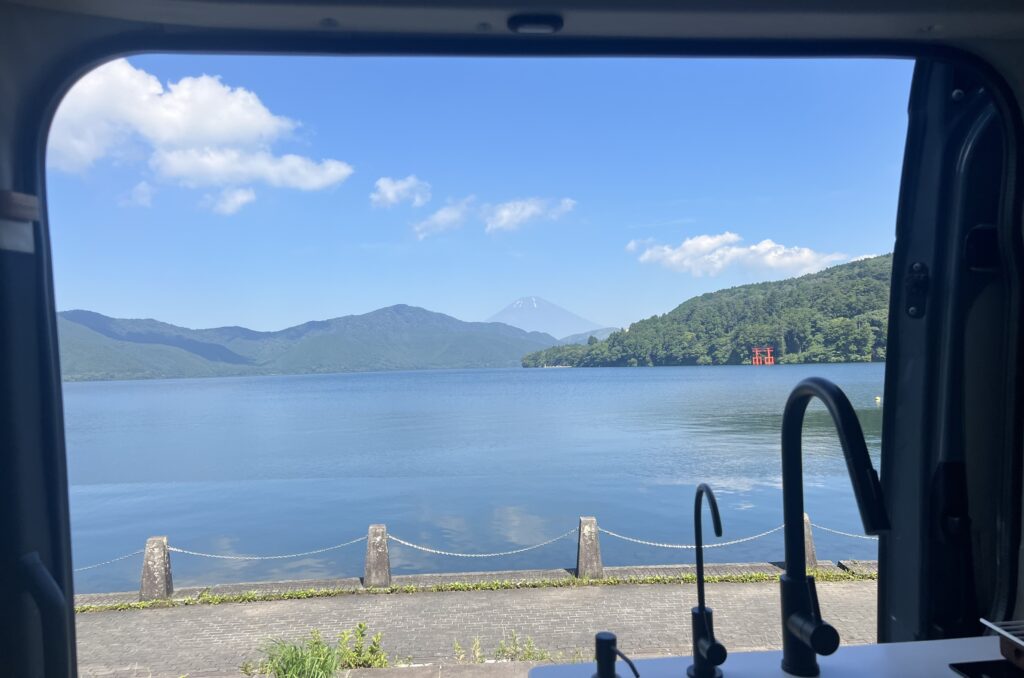
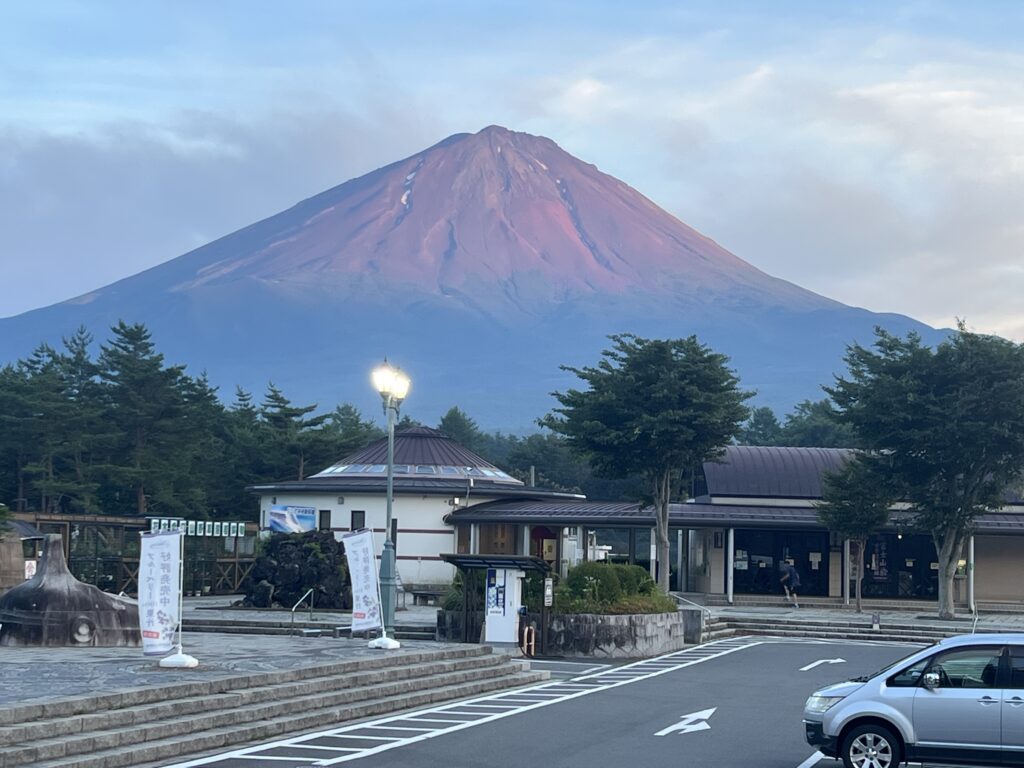
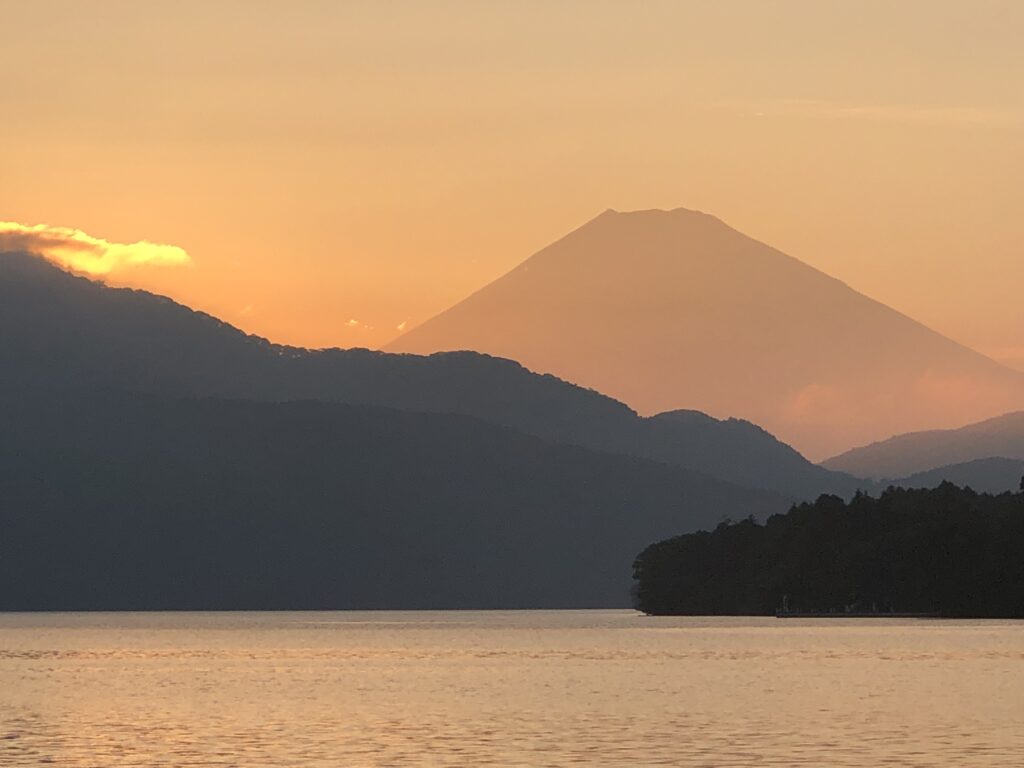
Southwest of Mt Fuji and another weekender favourite of Tokyo-ites is trendy Hakone. Sharing Nikko’s elevation ( and hence moderated climate) Hakone sits on delightful Lake Akashi and offers visitors an especially appealing view of Fuji – a different side than we had seen previously and in this town as a backdrop to a calm, warm and picturesque lake. The bonus here was that we got to camp up for a couple of nights right by the lake with Mt Fuji as a backdrop each morning we opened the sliding door of the van. Hakone has a couple of particularly interesting “drives” with many younger Japanese using the winding mountain routes and steep hill climbs to test out the capability of their vehicles – something difficult to do elsewhere ! Hakone was on the original route between Kyoto and Tokyo in the Edo period and elements of that historic road can be explored still – a section of cedar lined trees being especially noteworthy ( walks along which provided us some cool relief from what were becoming oppressively hot and humid days).
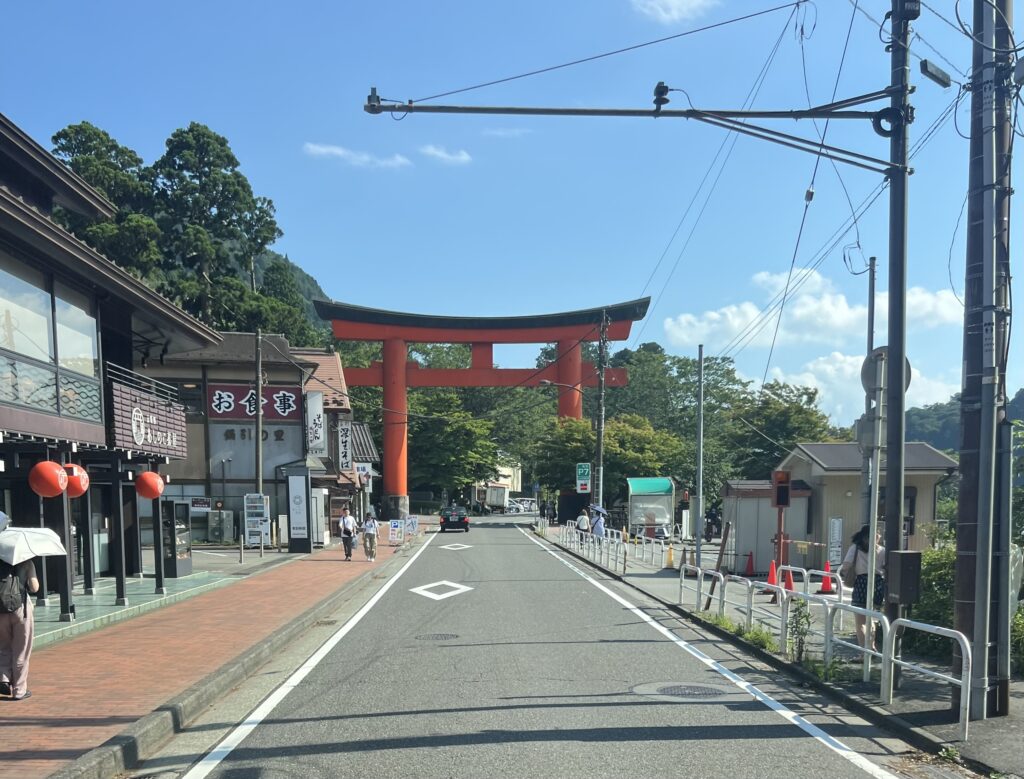
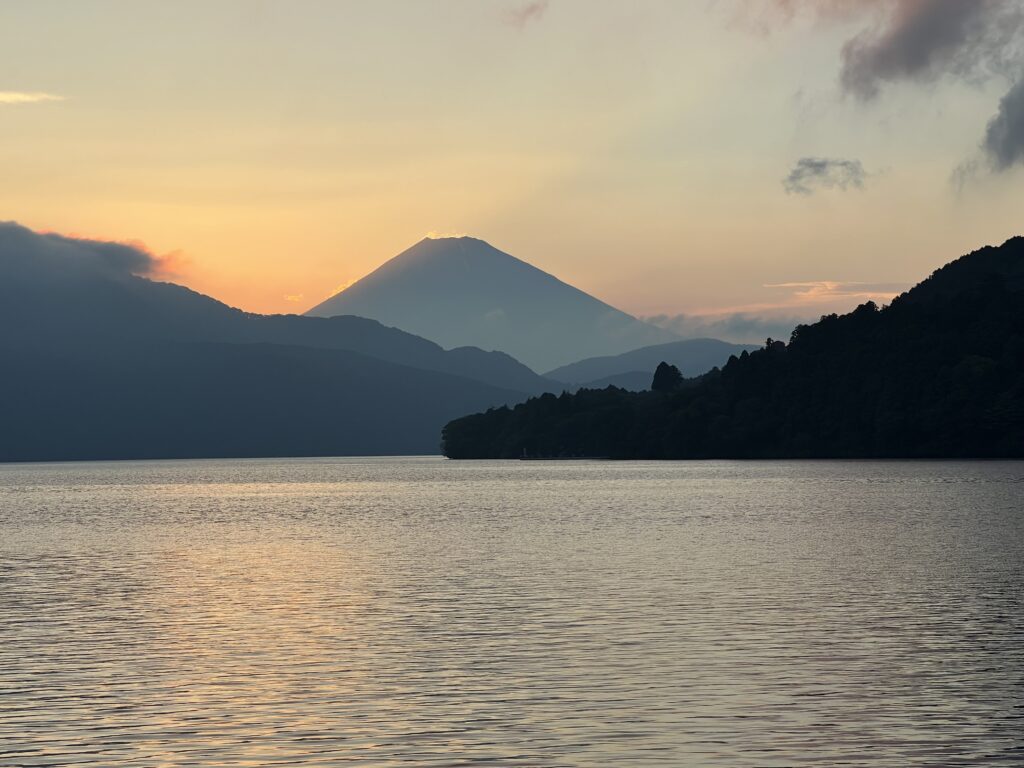
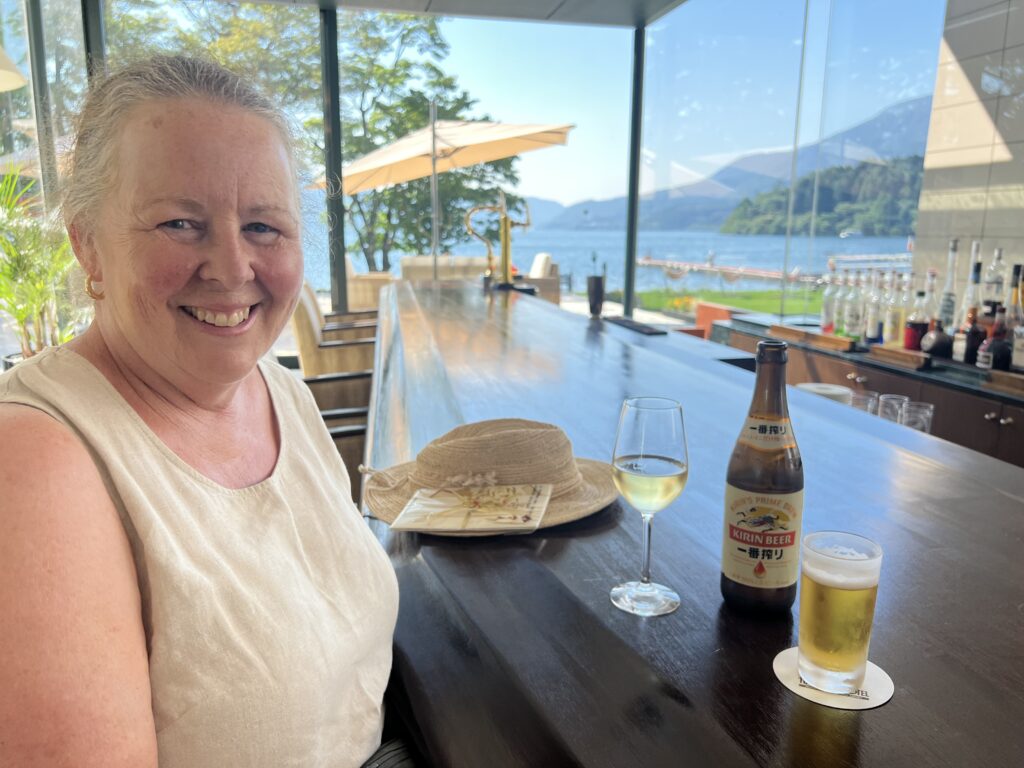
Arriving in Hakone through the local tori gate.Beautiful old cedars lined the roads around Hakone, making for pleasant walks when we wanted to go into town ( we were camped by the lake about 1km out of town). Important, since it was hot there !View from our van, camped in Hakone, Lake Ashi, with a view to Mt Fuji in the distance.One of the prettier spots we parked up at in Japan, here in Hakone.……and the sunsets were pretty cool, too.With a preliminary “I think I’ve got you on the ship” email from our shipping agent, we decided it was time to celebrate. Here at the beautiful Hotel Hakone
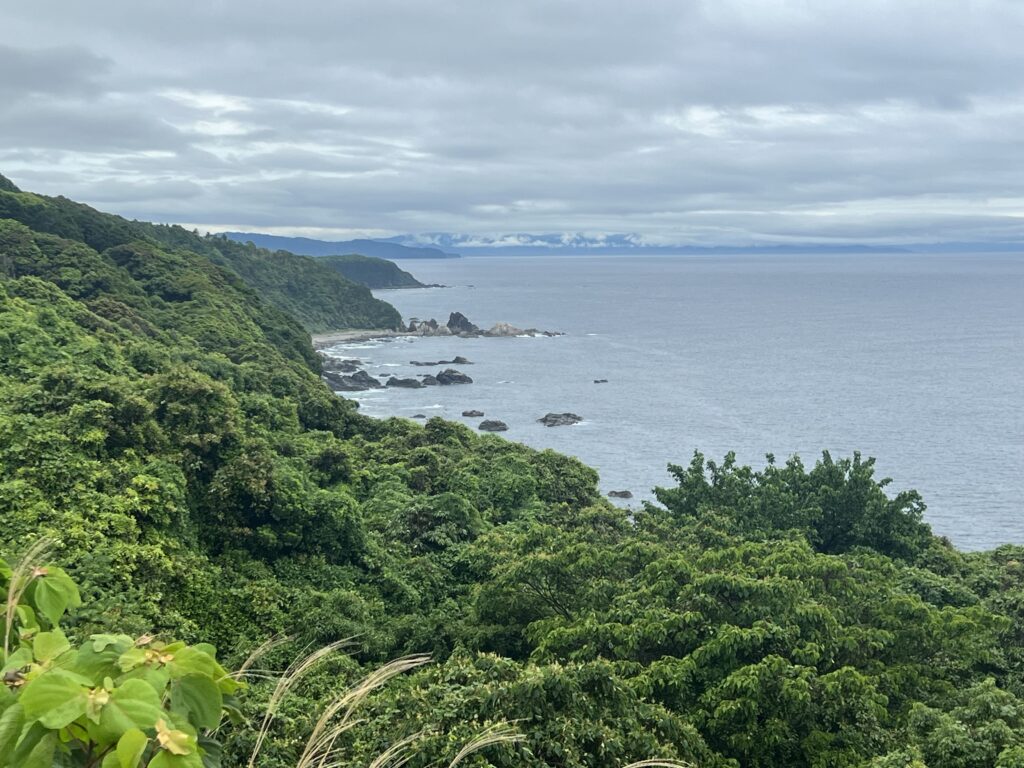
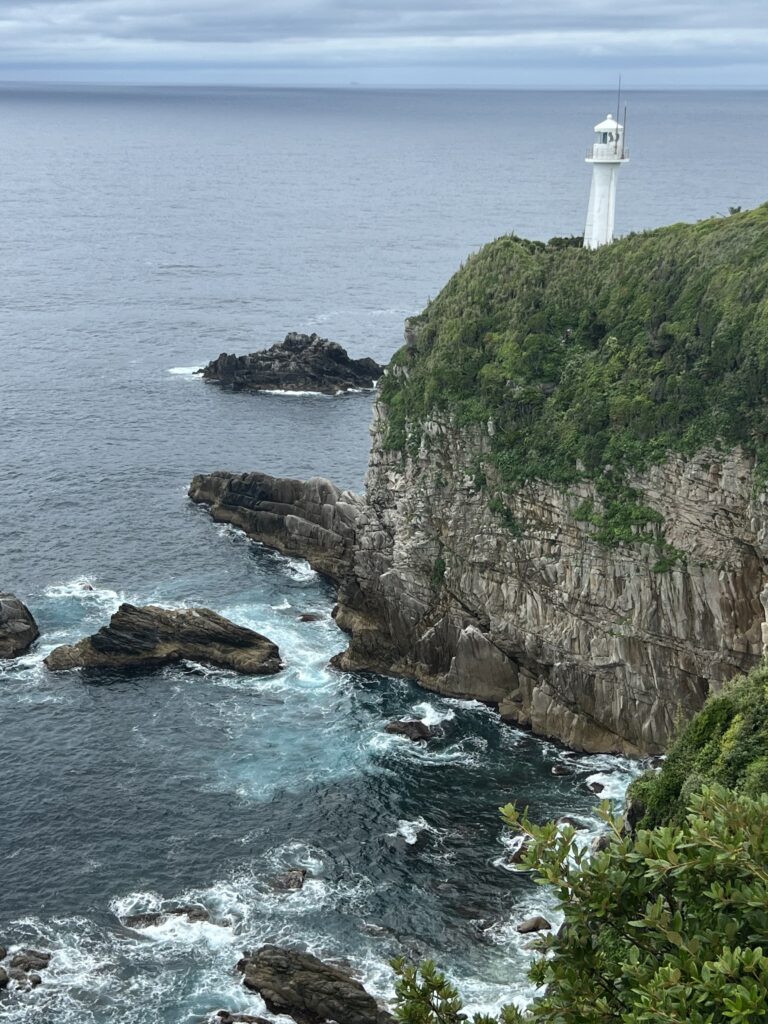
Leaving Hakone, but not quite ready to head into the heart of Tokyo just yet, our last few days here were spent around the pretty Izu peninsula. Another of those areas frequented by the Tokyo weekend getaway crowd, Izu offered up some unexpected surprises, unique roads, and cooler weather not the least of it. Famed for its rugged coastline among other attractions, the area around Shimoda was not just scenic but also offered up a couple of historic connections I’d not been aware of ( one with a “Shogun” connection ) – the inland parts offered refreshingly cooler elevations good for sleeping at night.
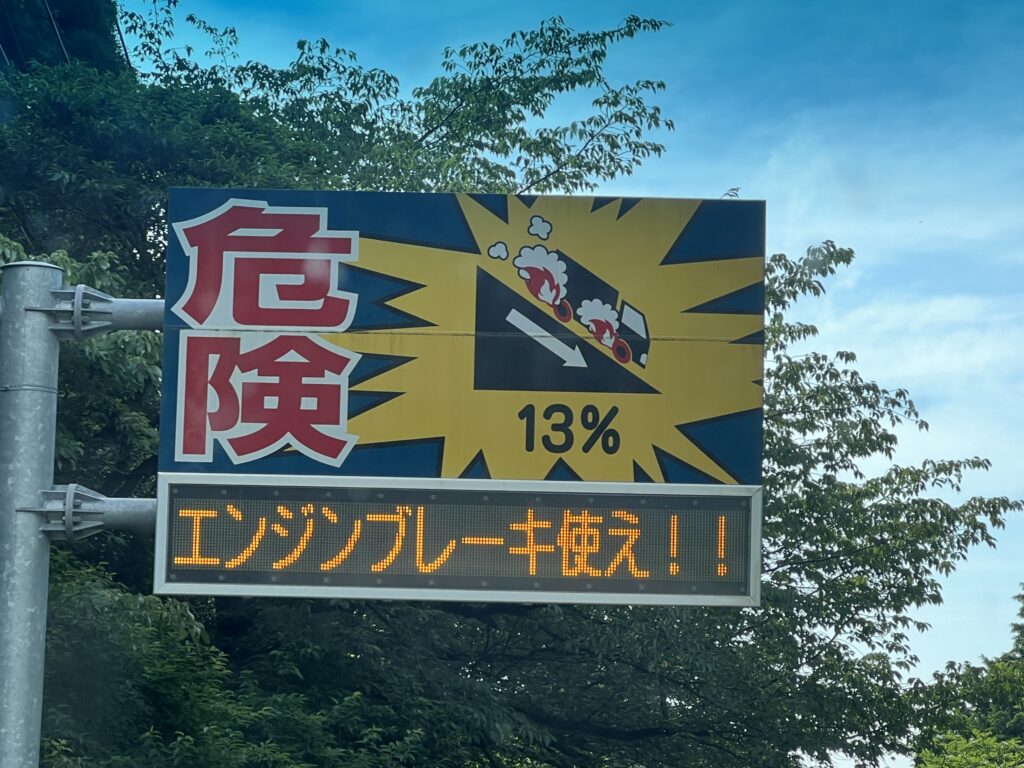
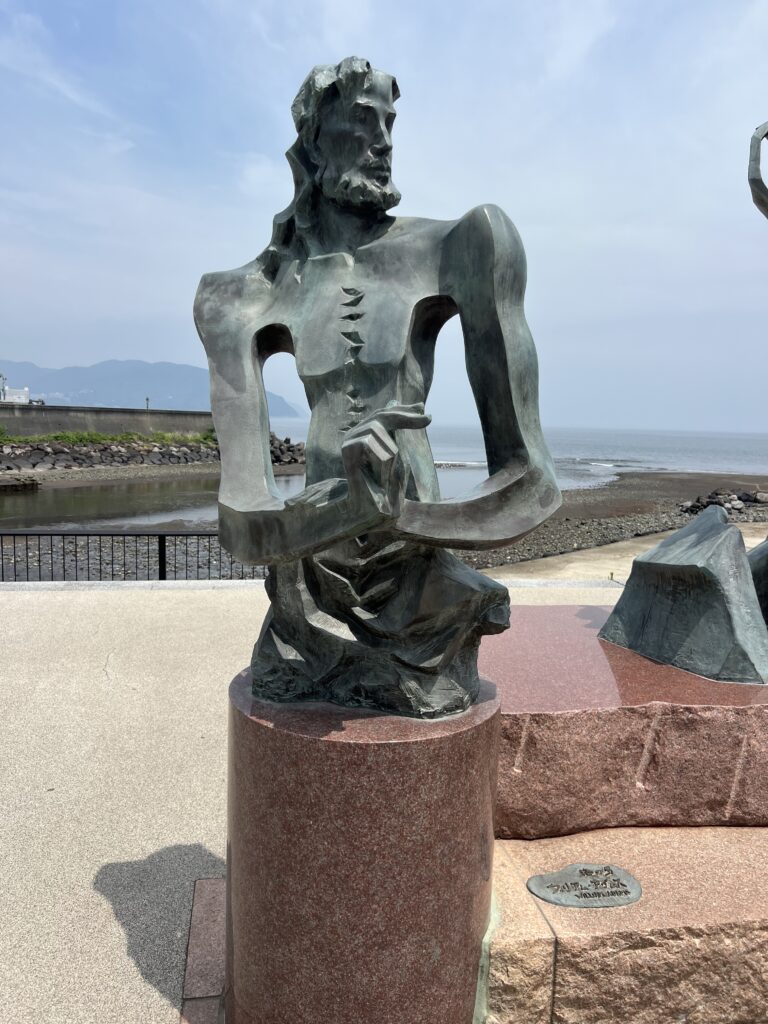
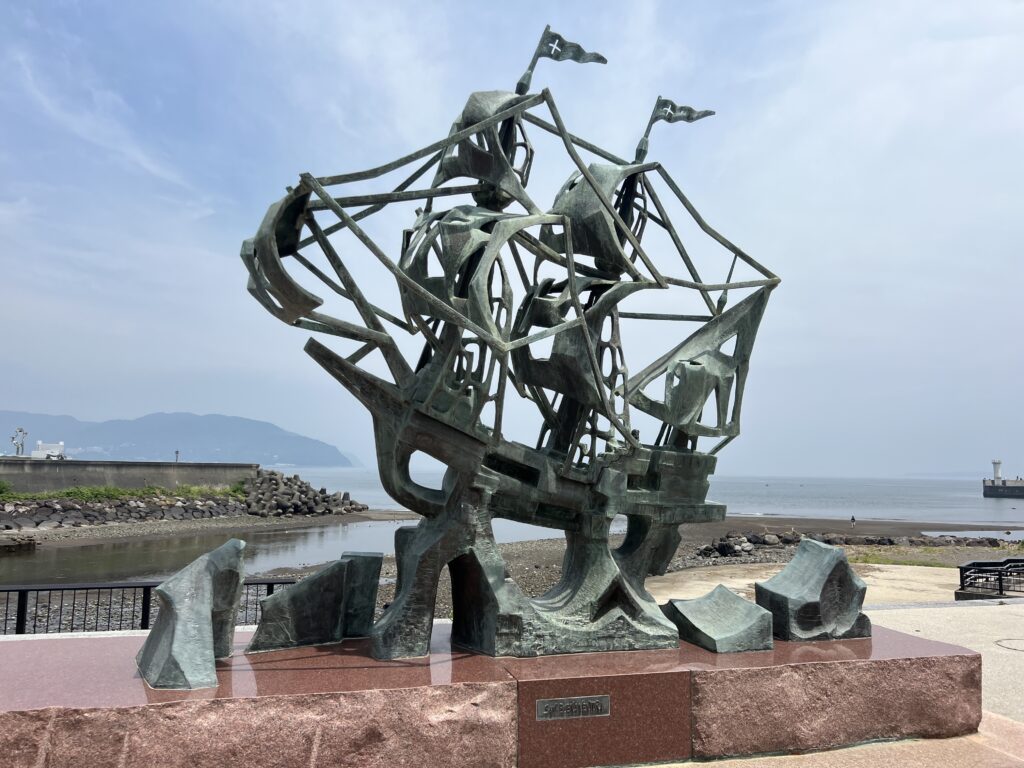
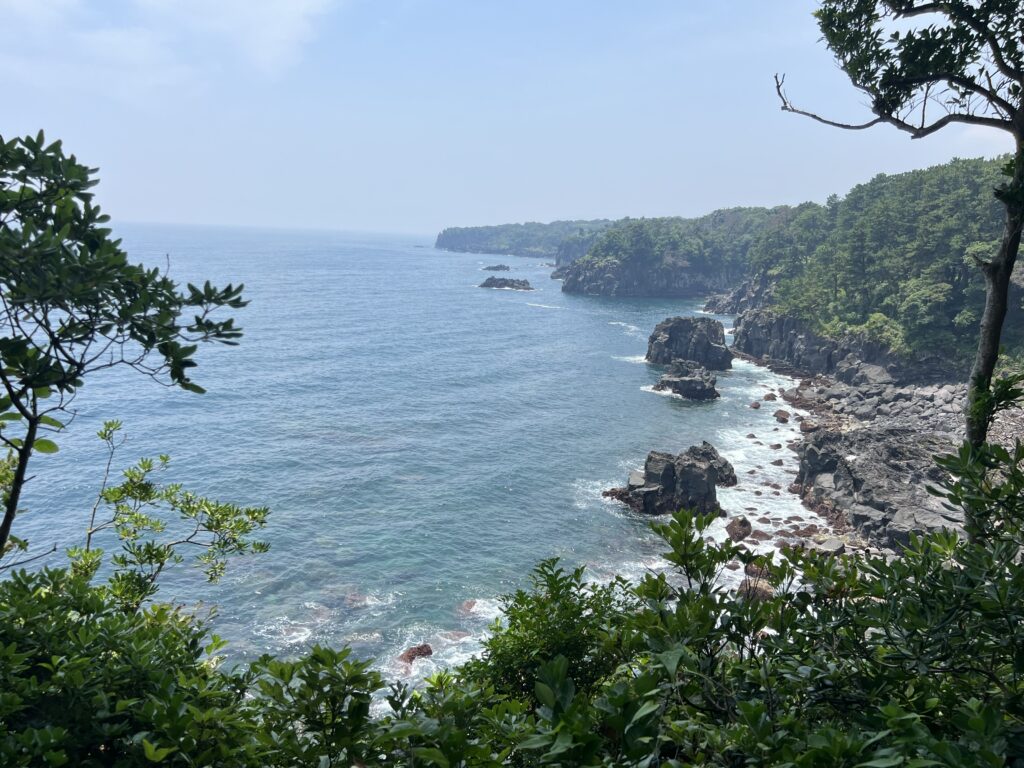
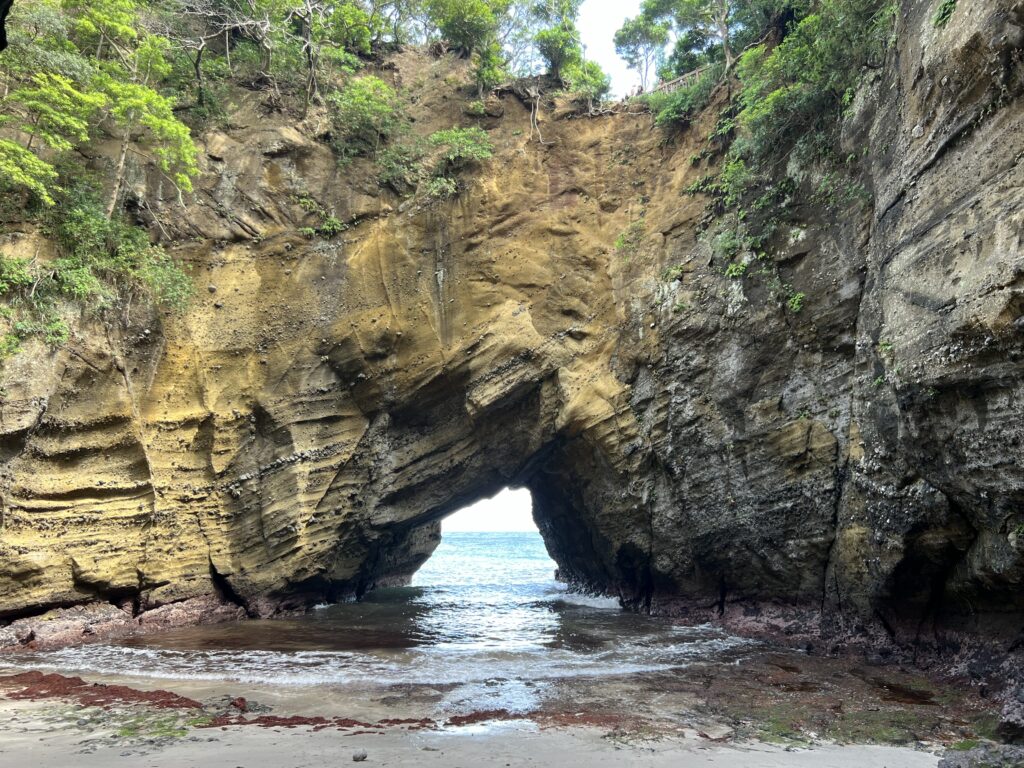
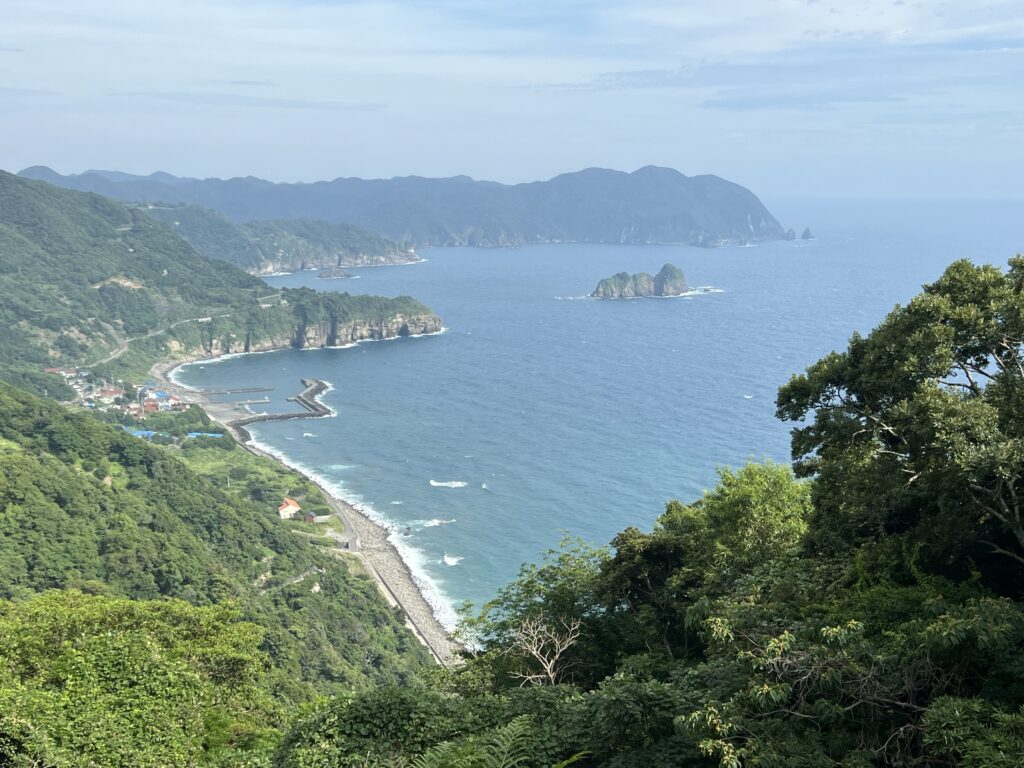
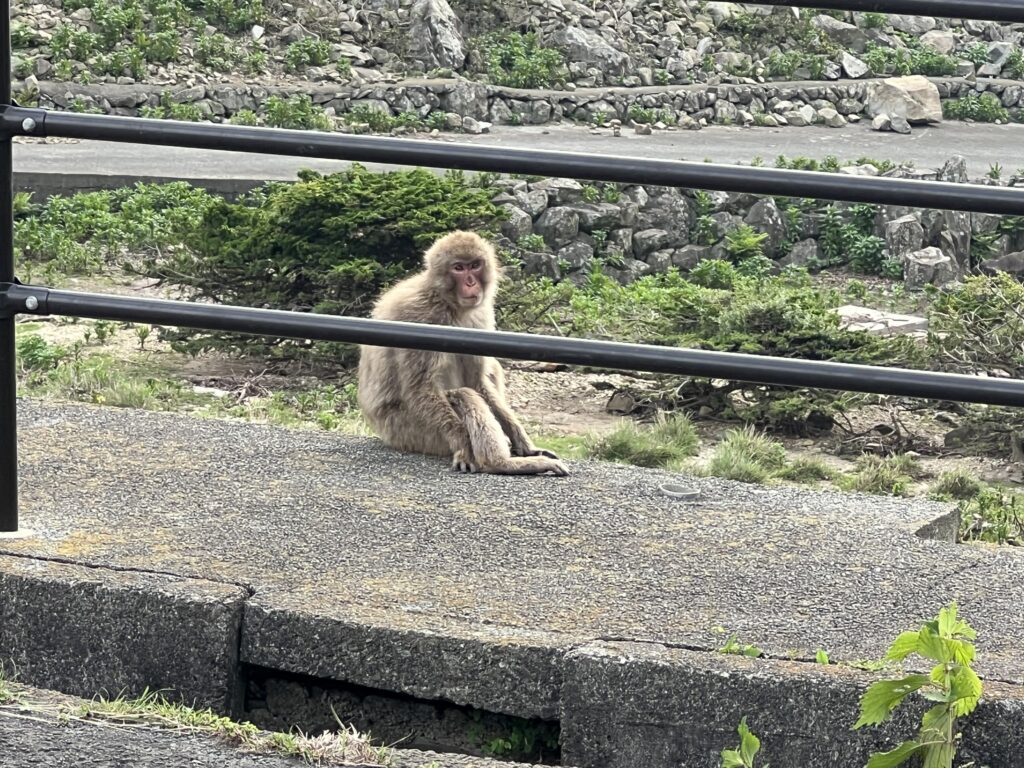
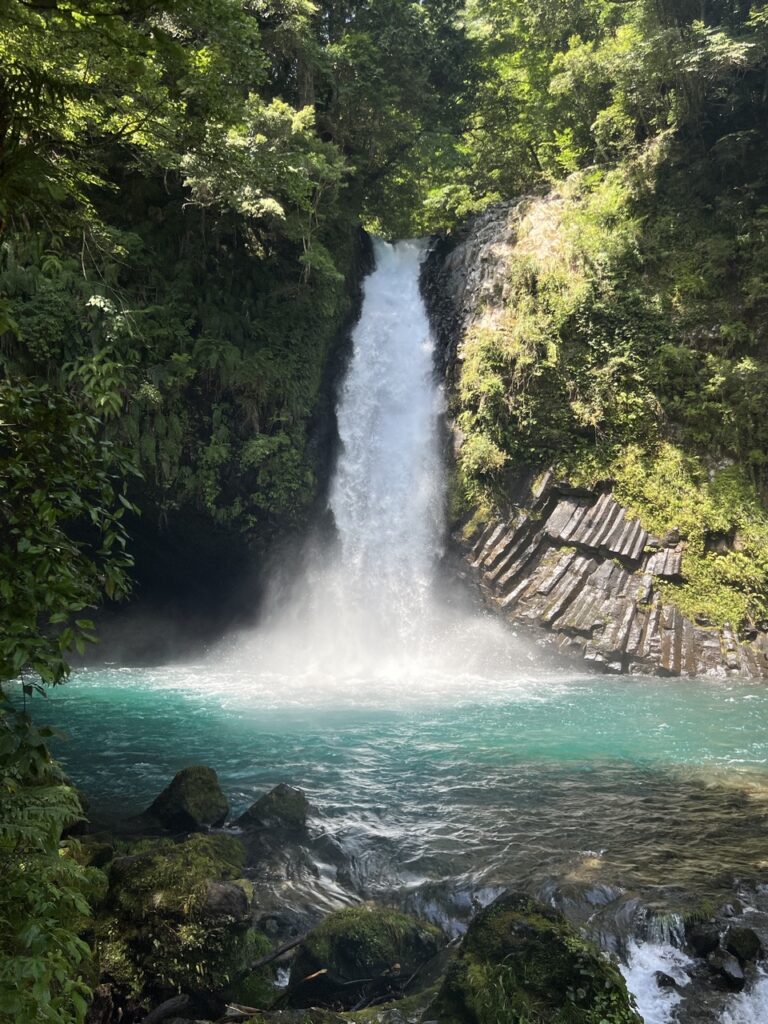
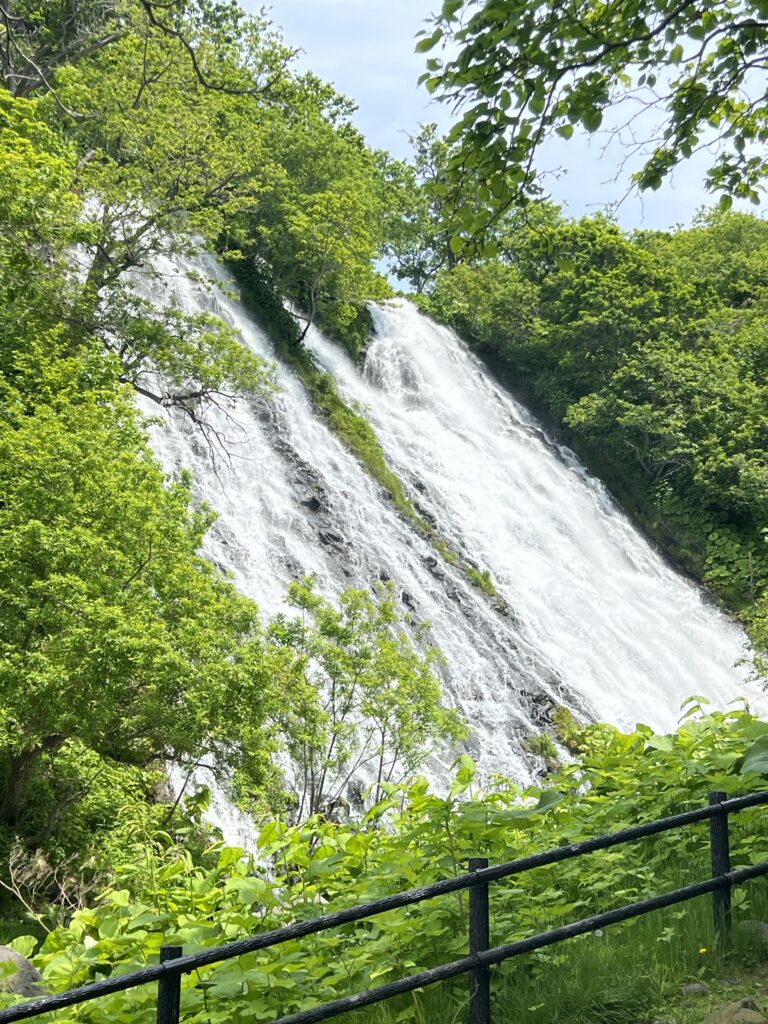
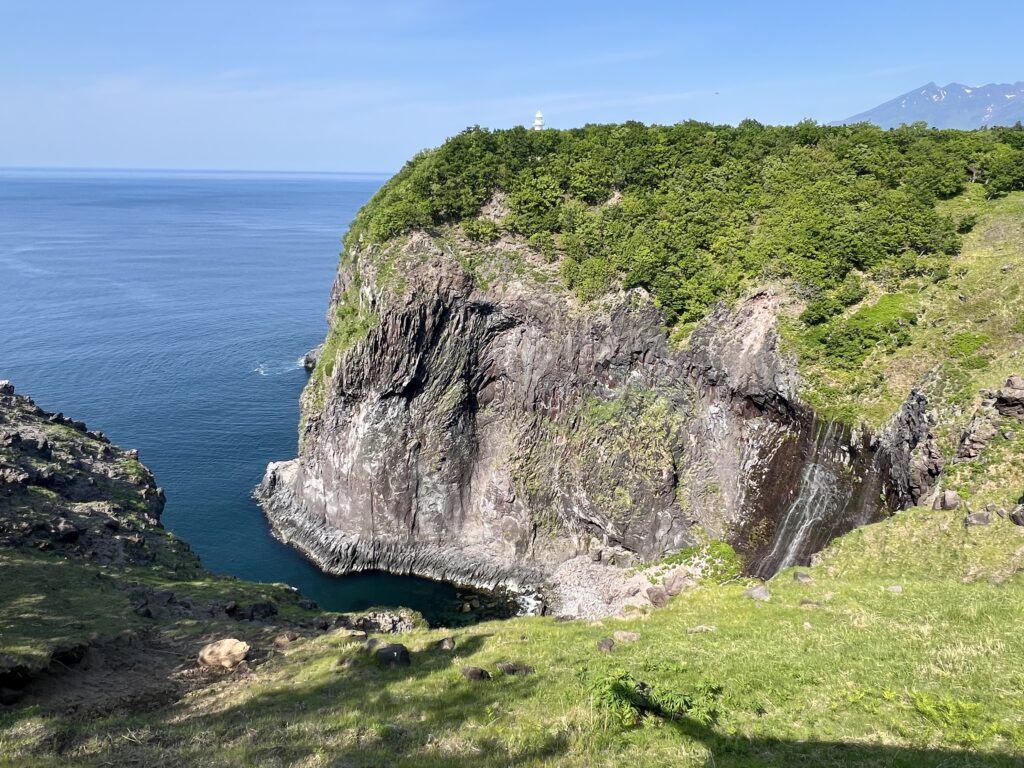
Leaving the elevated Hakone area there were some truly steep climbs and descents at times. The sign above warns that it is a rugged area, dangerous and to use engine breaks ( which we did constantly ! ).If you’ve watched ( or read ) “Shogun” this is a bust of the original Will Adams who was shipwrecked in Japan during the Edo period when it was closed to the world. Near Shimoda.Here, Will’s I’ll-fated ship, the De LiefdeRugged coastline near Shimoda.Coastline near Shimoda.Ditto.Drove down a tortuously windy road to see the monkeys at “Monkey Bay” only to find it had closed minutes before our arrival. Very graciously a few monkeys came up from the beach to see us anyway !The beautiful Joren Falls, Izu Peninsula. On a boiling hot day it was heaven to be standing here. We were not in a rush to leave.
Shipping Update:
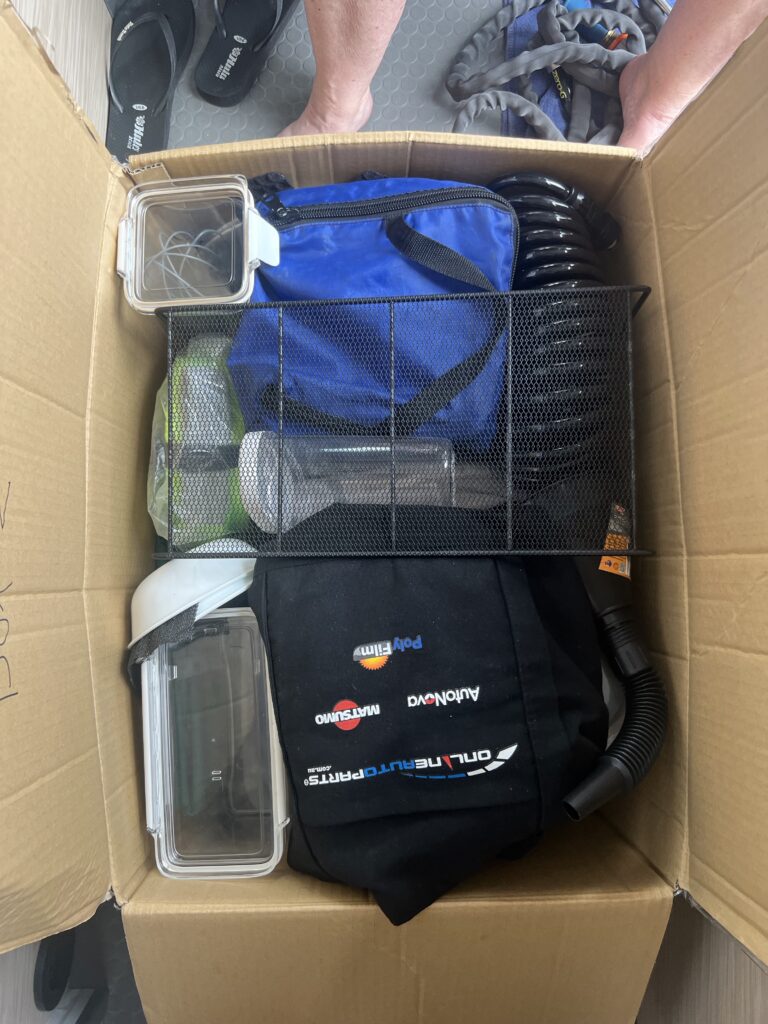
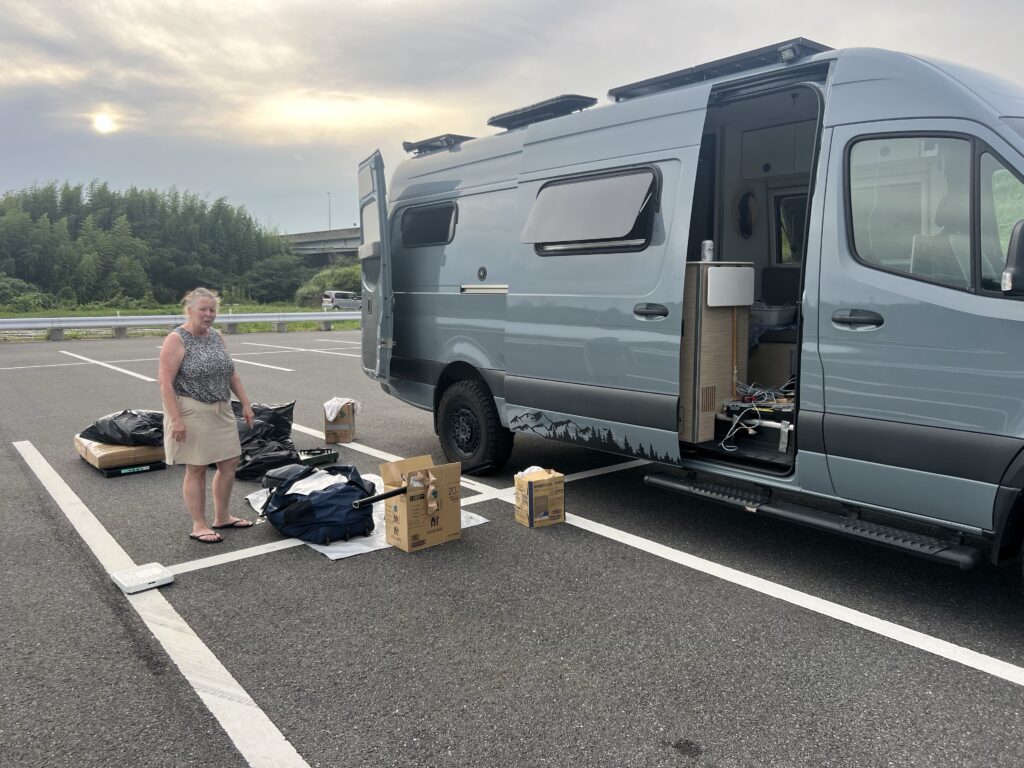
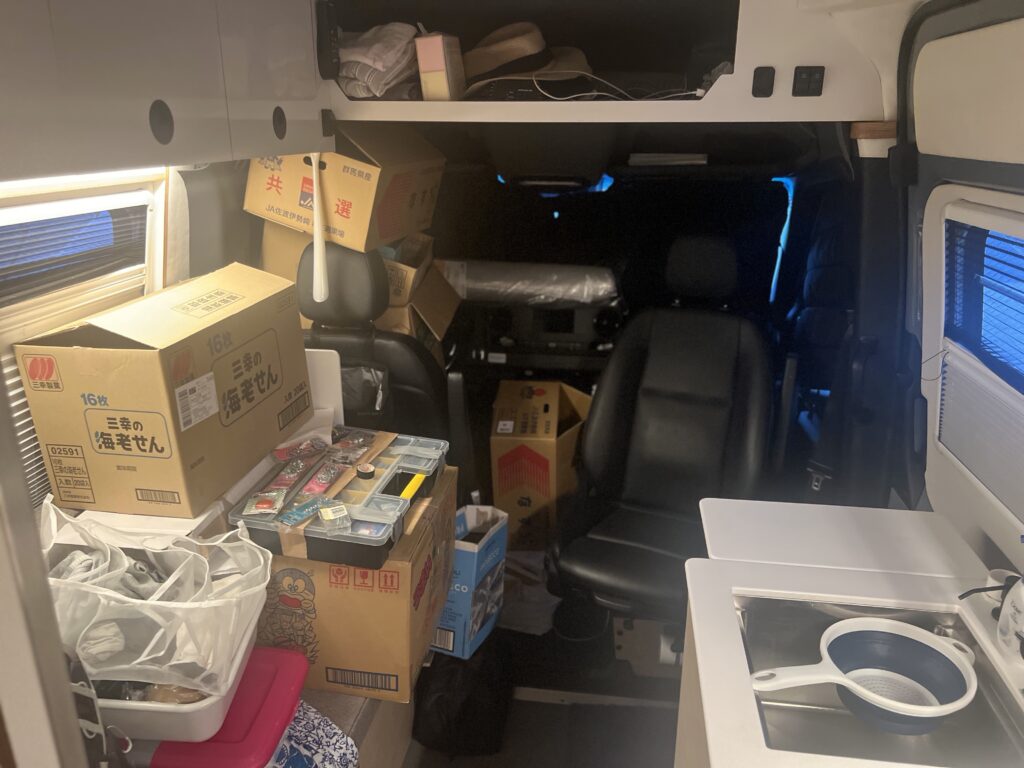
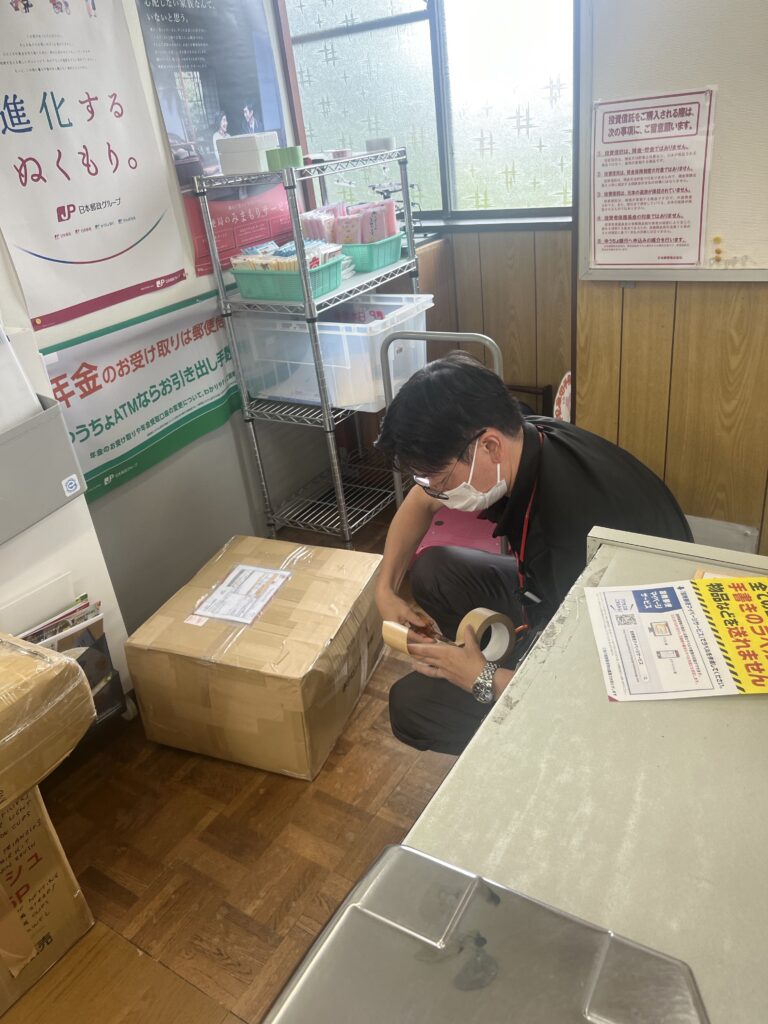
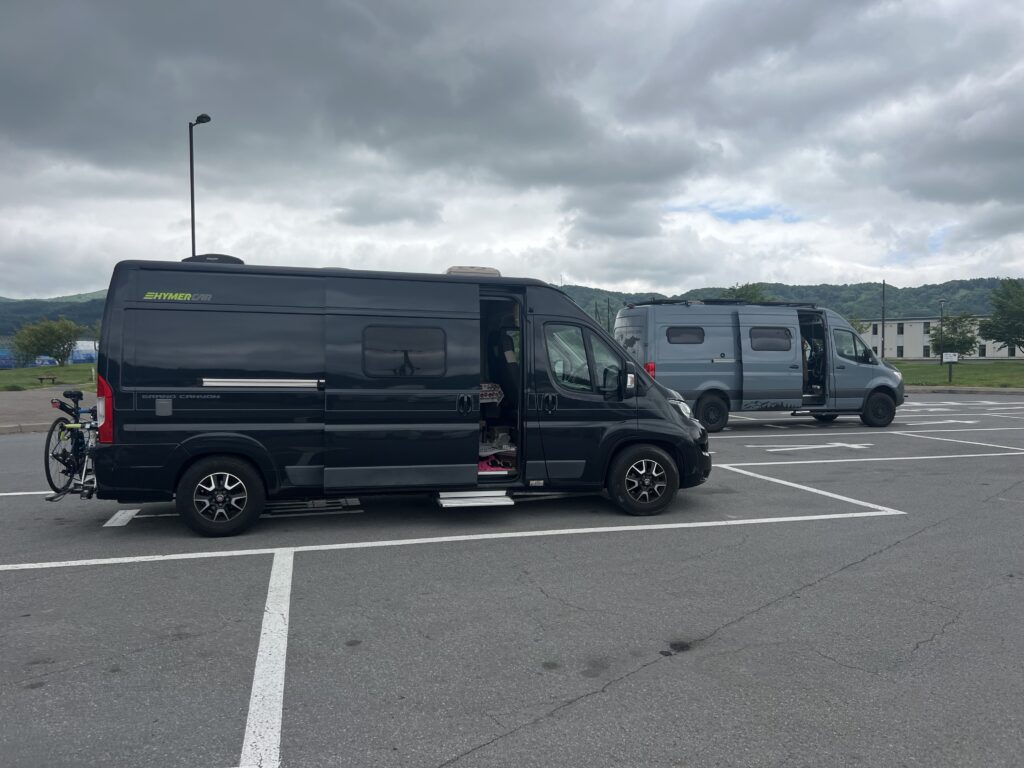
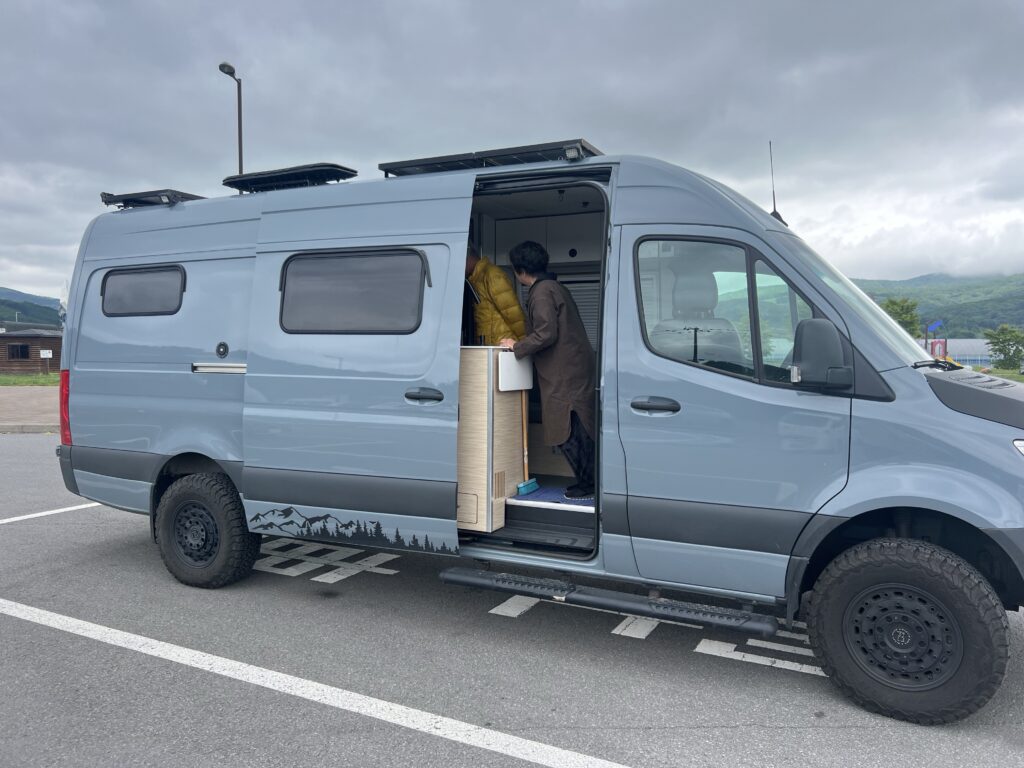
While Izu was definitely worth the detour further south, we were also simply playing somewhat of a “waiting game” while in the area. We had requested a late July shipping date out of Japan, but all reports were that getting “space” would be extremely difficult and if we did get space it would be confirmed only a few days prior to sailing. To state the blindingly obvious, that is highly unusual (but it is what it is) and puts huge pressure on us. The need to stay close to Tokyo ( specifically Yokohama ), to have the van “shipping ready” at a moment’s notice, and ( in a final cruel twist ), to ideally have the van “empty” when shipped all made this past week pretty crazy – trying to enjoy our time while working with everything half boxed up made for some cozy living in the rig. No idea why the RoRo shippers out of Japan are starting to ask that camping vehicles be empty ( really tough in a motorhome ) but we are hearing of it elsewhere, too. Whilst one’s van “might” escape a thorough customs inspection, or shipping line examination, the risk of having your contents confiscated (and then to be charged for their disposal !) was a risk we did not want to take. As such, much time was spent tossing what we did not really need, determining that which we could take on a flight and that which would need to be sea-mailed home. This took many days, the task being spread out over various locations where it was possible to spread things out, and on days where it was not raining- absolutely NO FUN ! We ultimately filled 6 large boxes that were sent via Japan Post, dutifully recording their exact contents for later explanation to Canada Customs. Anyone who owns any type of RV can imagine the herculean task that was – we now get to sweat it that they make it back safe and sound. Here’s a glimpse of how that exercise looked:
Trying to find the right combination of weight and size of the various things to send. We got to know Japan Post’s parcel rules intimately ! Maximize weight, minimize number of boxes was the goal.If the look says “Jeff, I’m so over this !”, that’s because it is exactly what she WAS saying !By the end of the week, when we went to bed, this is what the rest of the van looked like in the midst of trying to get everything into boxes. Ughh ! Sort of like living in a house while renovating it. Not easy……..The extremely detail- oriented fellow at Japan Post graciously added extra tape to some of the heavier boxes. Their allowance was quite generous, up to 30kg per box, although we never exceeded 20 ( risk that someone drops it ).
With the news of a firmed up shipping date looking better as the week rolled on, it now made sense to park up the van on Tokyo’s outskirts and head into the city for a good look around given we’d be leaving Japan as soon as the van was delivered to port. More on our last days in Tokyo, the final “pack”, and the final shipping resolution in the coming blog.
Following what had been an interesting previous week, albeit travelling through a less notable area of the country, this last week took us to two of Japan’s finest (and arguably most famous), sights – historic and stunningly beautiful Nikko, followed by that most iconic of all places and images associated with Japan, Mount Fuji.
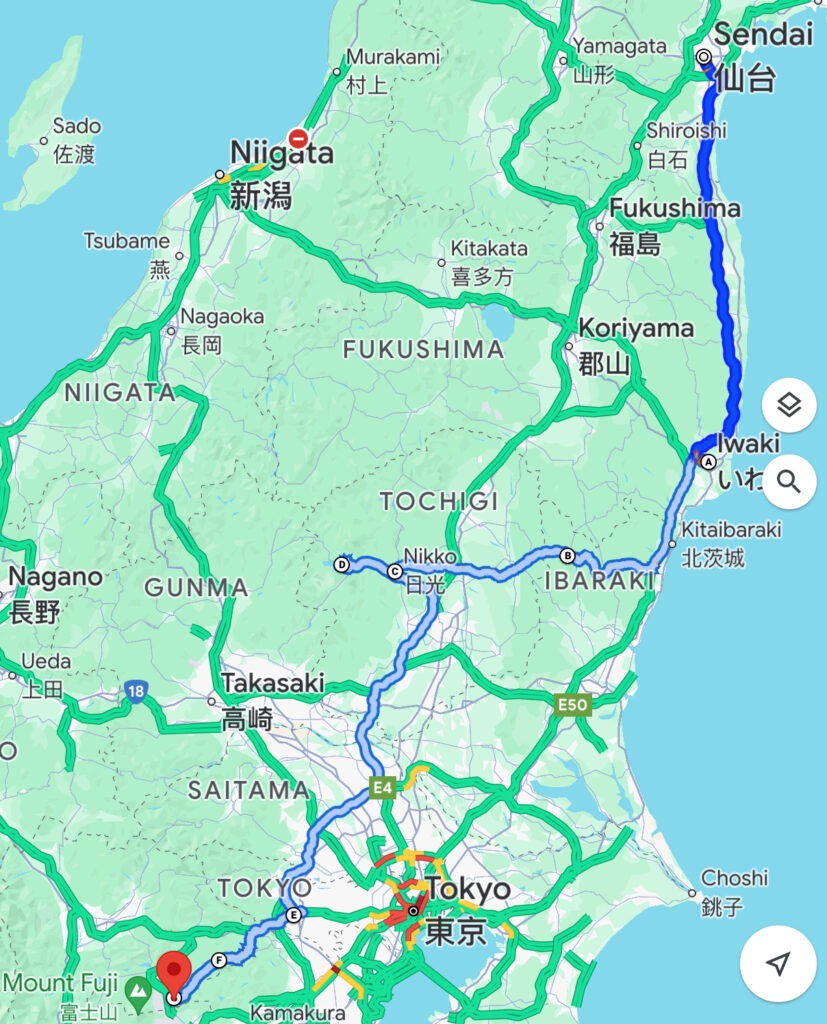
The blue road shows our route through Nikko and on via the edge of Tokyo to Mount Fuji.
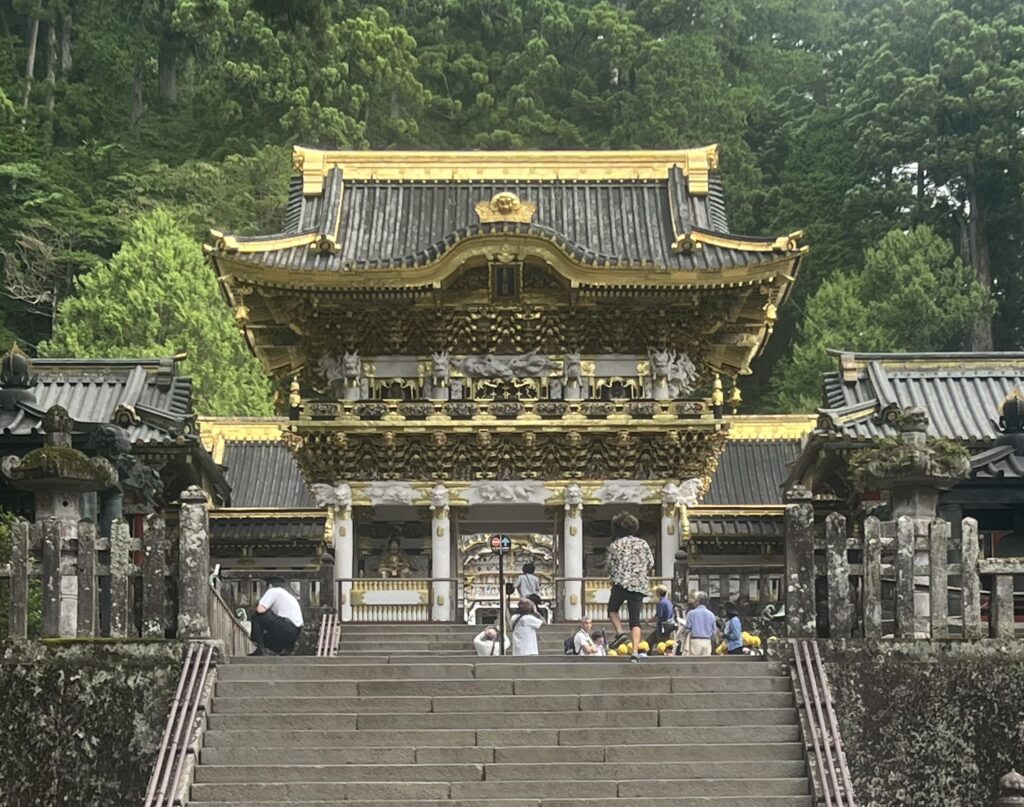
Fortunately last week’s travels took care of the bulk of the long drives that we should have to do here in Japan (seems strange, I know, but despite the fact that distances aren’t great here, travel is slow away from the expressways, especially when you get up into the mountainous parts). Following the east coast most of the way south from Sendai we cut inland near Iwaki for the tortuously windy route up to Nikko. It’s a long haul up, but it’s Nikko’s higher elevation that is part of the appeal. Famed primarily for its great shrines, cedar rows and nearby Lake Chuzenji, Nikko has a revered place in Japanese history. Home of Toshogu, the famed Shinto shrine was established in 1617 as a lavish memorial for Tokugawa Ieyasu, founder of the Tokugawa shogunate which ruled Japan throughout the Edo period. Nikko also attracts folks from the nearby Tokyo area who at this time of year are sweltering in the oppressive humidity associated with Japan’s rainy season. We know it well and had begun to feel it ourselves so it was a definite relief getting to Nikko’s cooler climes.
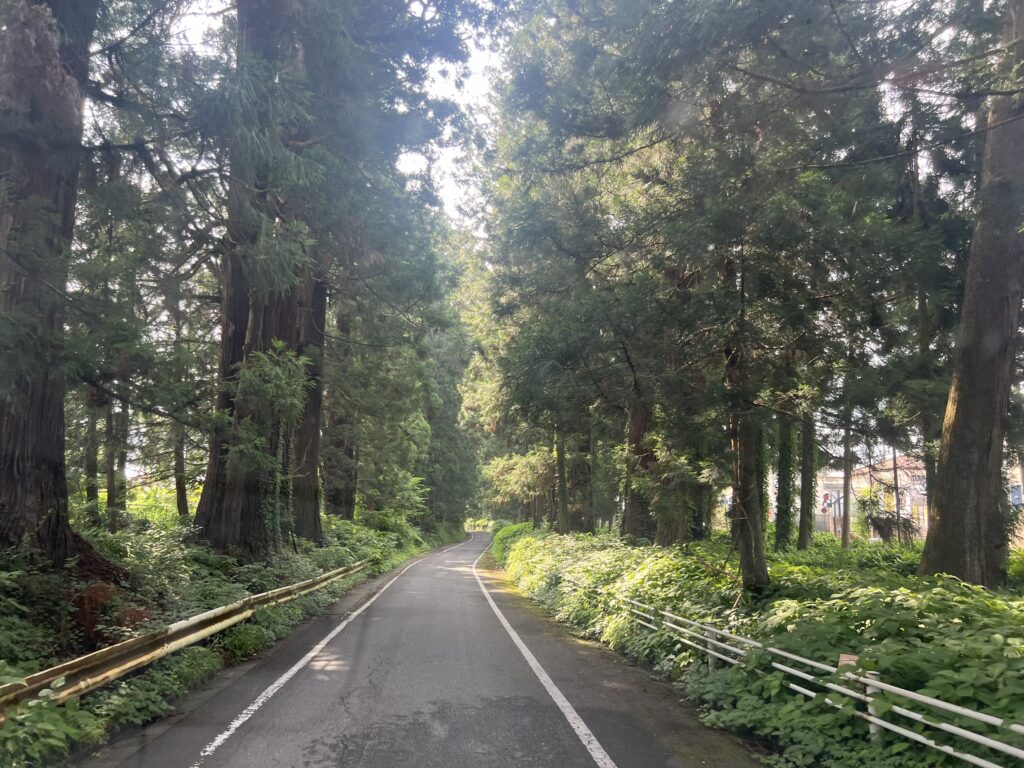
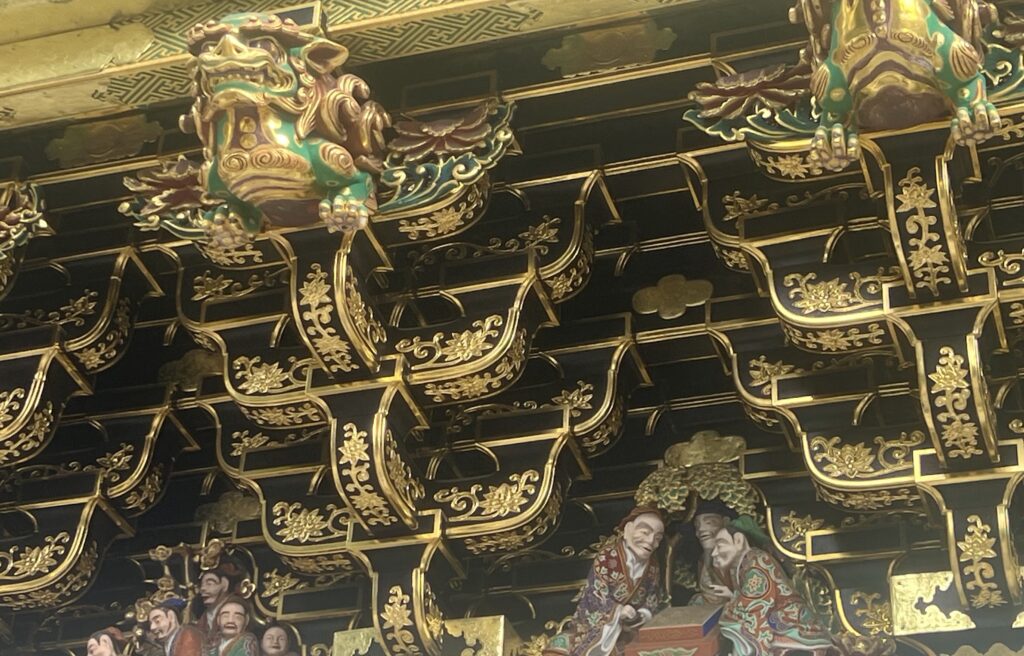
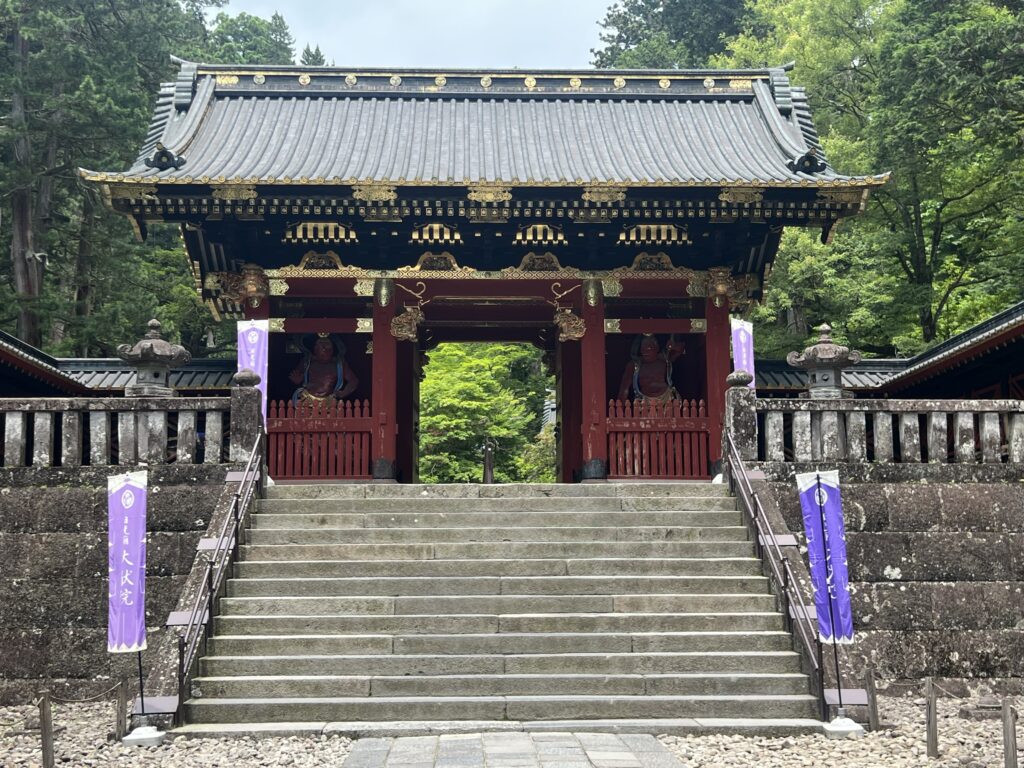
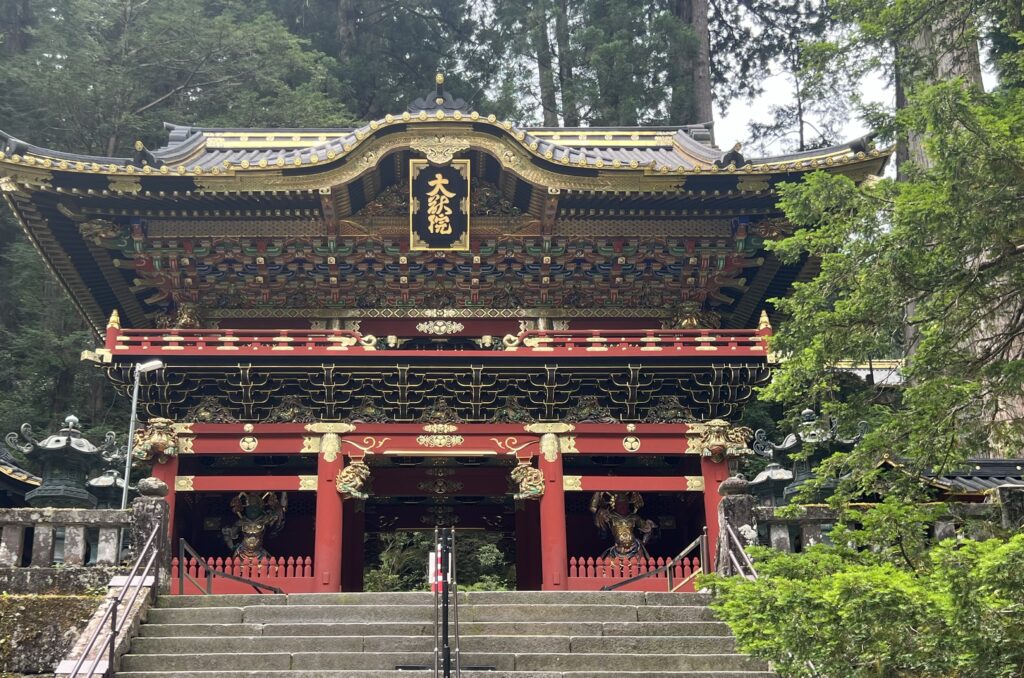
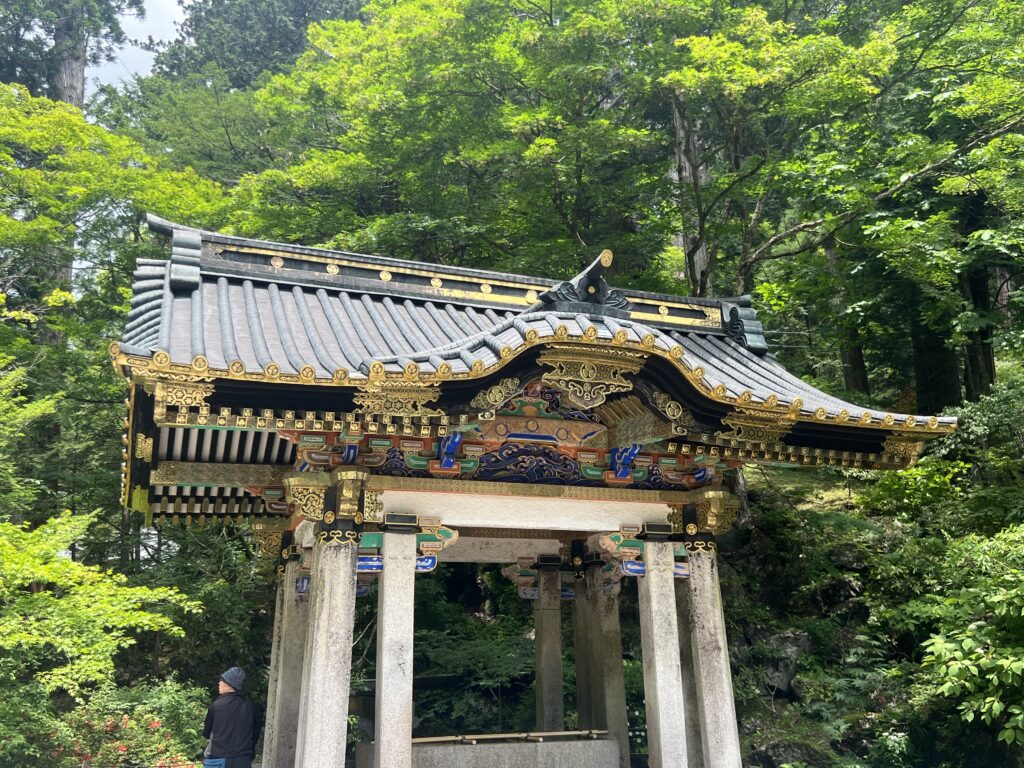
Nikko’s cedar- lined approach.Yomeimon Gate, Nikko Toshogu Shrine.The intricacy of design is incredible.Part of Taiyuin Shrine, NikkoTaiyuin Shrine, Nikko.Part of Taiyuin Shrine, Nikko.
Ian McQueen ( author of Lonely Planet’s ‘Japan’ travel book ) aptly describes visiting Nikko as “sensory overload”. I’d been before, in 1983, but this was Lois’s first time so it was interesting to get her impressions – and she did not dispute his. Whether it’s the stunning beauty or grandeur of the various shrines, it’s spiritual relevance to the Japanese, or perhaps just the fusion of nature ( it’s very beautiful here ) and historic Shinto structures, Nikko really does take your breath away. Combine this with the fact that you get cool relief from the torpor-inducing humidity of early July in Japan and Nikko is an easy place to just “chill” ( if you’ll excuse the pun ! ).
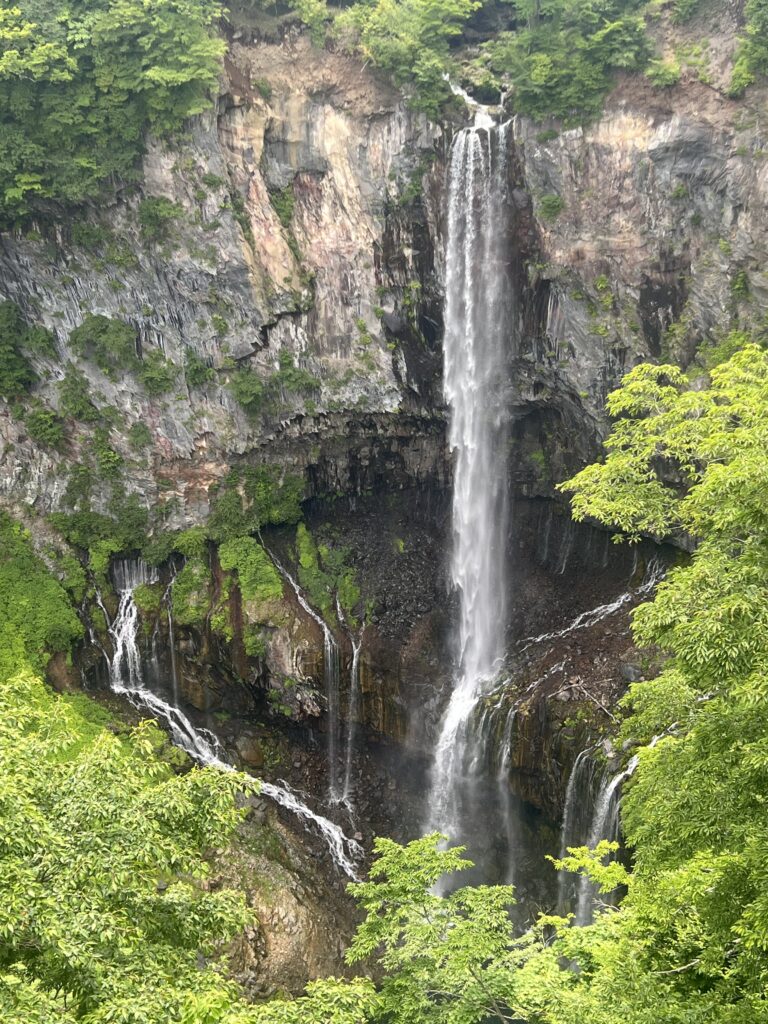
It’s not far up the mountain to Lake Chuzenji and while famous enough to once host part of a G7 Ministerial Meeting, we actually found it a little disappointing. The day was hazy, which didn’t help, but it was just a bit run down and had clearly seen better days. Also a bit of a holiday spot for Tokyo-ites, Chuzenji’s best sight, in our opinion, was pretty Kegon Falls, a thundering cascade you will hear well before you see it.
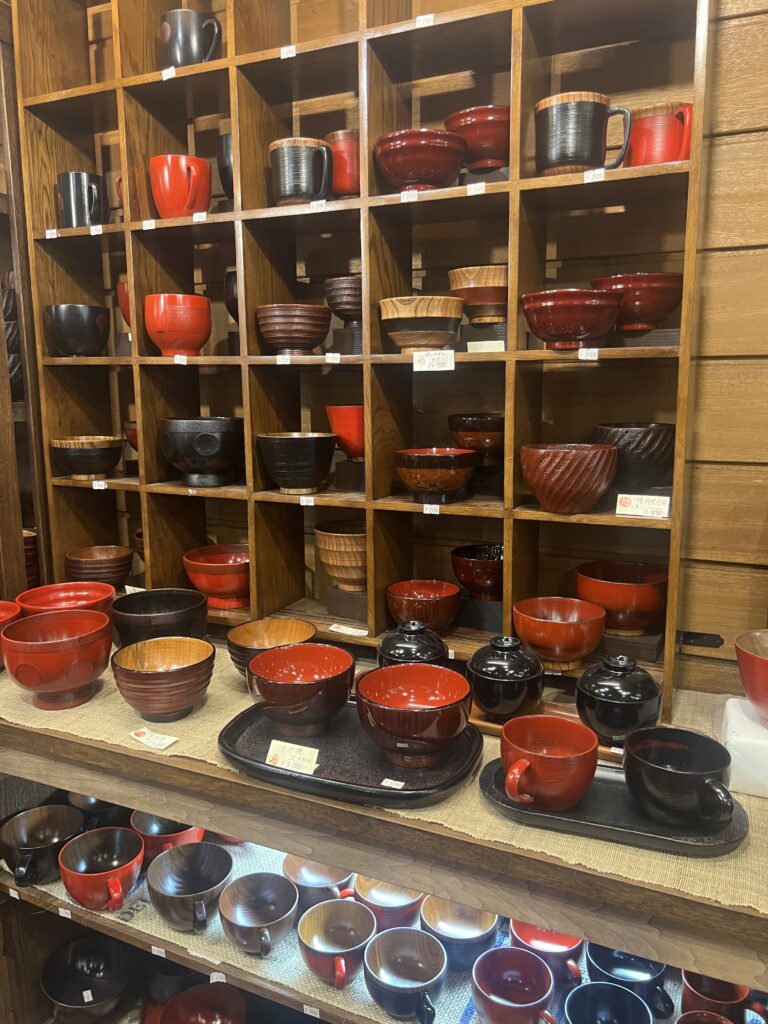
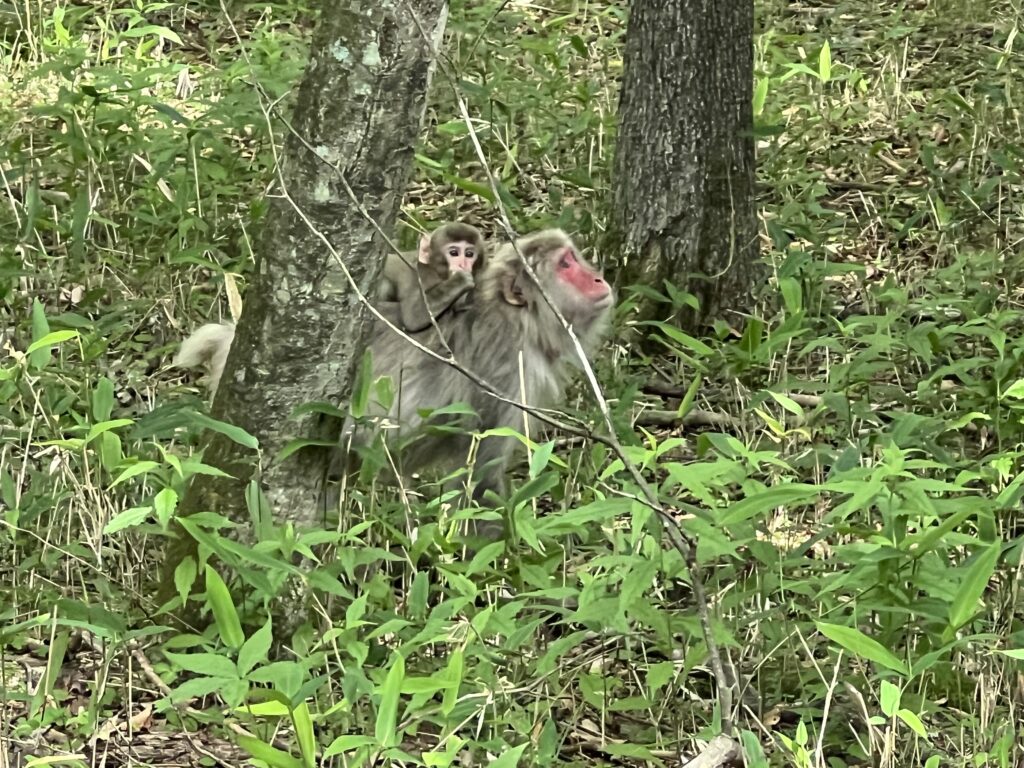
Most definitely the highlight of our detour to Chuzenji, the impressive Kegon Falls.Lacquerware is a specialty in Japan. It’s beautiful stuff and lasts forever- we still have, and regularly use, a set we bought in Japan almost 40 years ago. Here at a store in Chuzenji.While we were underwhelmed by Lake Chuzenji, it was nice to see some local wildlife at least.
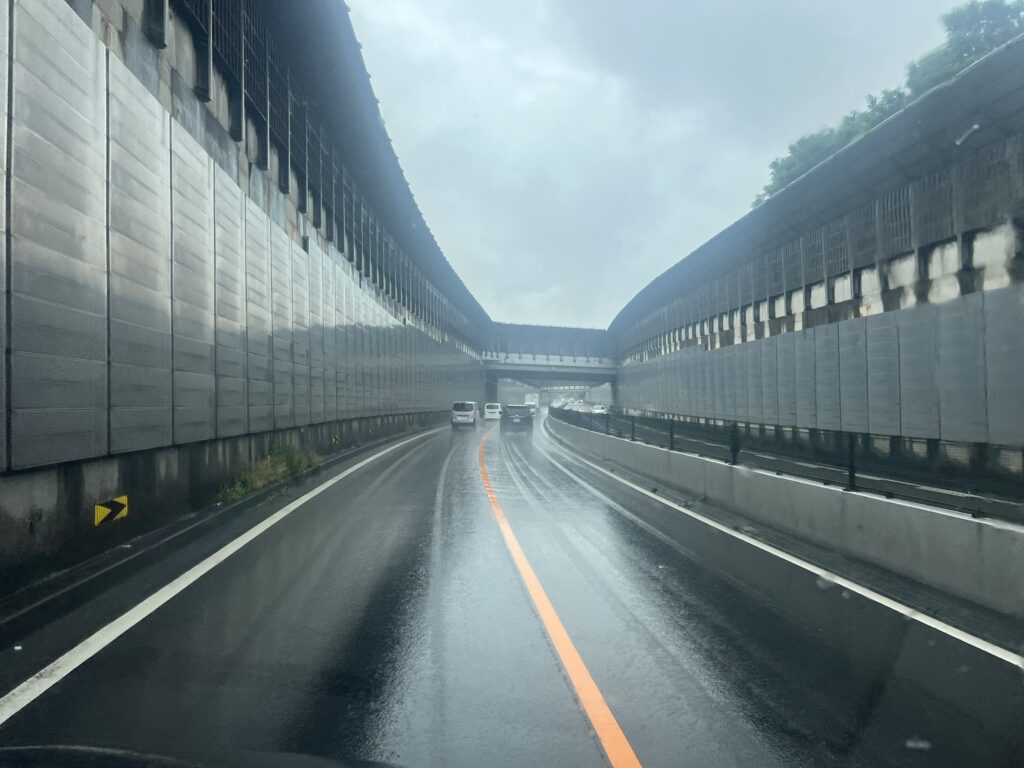
With only Mt Fuji ( and the nearby Hakone area) left on our planned Japan itinerary, we sought a way to get there from Nikko while skirting metropolitan Tokyo ( which more or less lies in between ). We’ve comfortably driven every other major Japanese city ( some just as congested ) but Tokyo’s size is on another scale – you can be stuck bumper to bumper for hours just in suburbia here ( and we were, as it turned out, on a rainy and overcast day ). We’ll need to go to Tokyo again ( or close, at least to nearby Yokohama anyway ) when we ship out, but for now we tried to avoid as much of it as we could. A grinding drive it was, but we survived the journey there and parked up for a few days in the Lake Yamanaka area, ready to explore “Fuji”.
It seemed almost claustrophobic at times driving around Tokyo, so we avoided as much of it as we could.
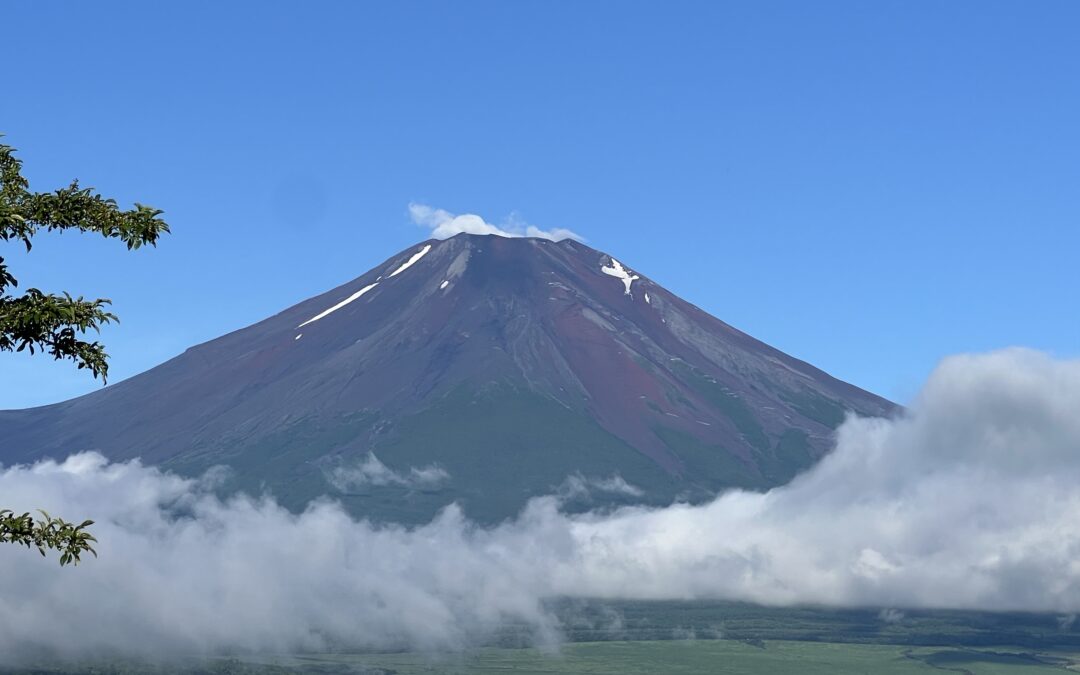
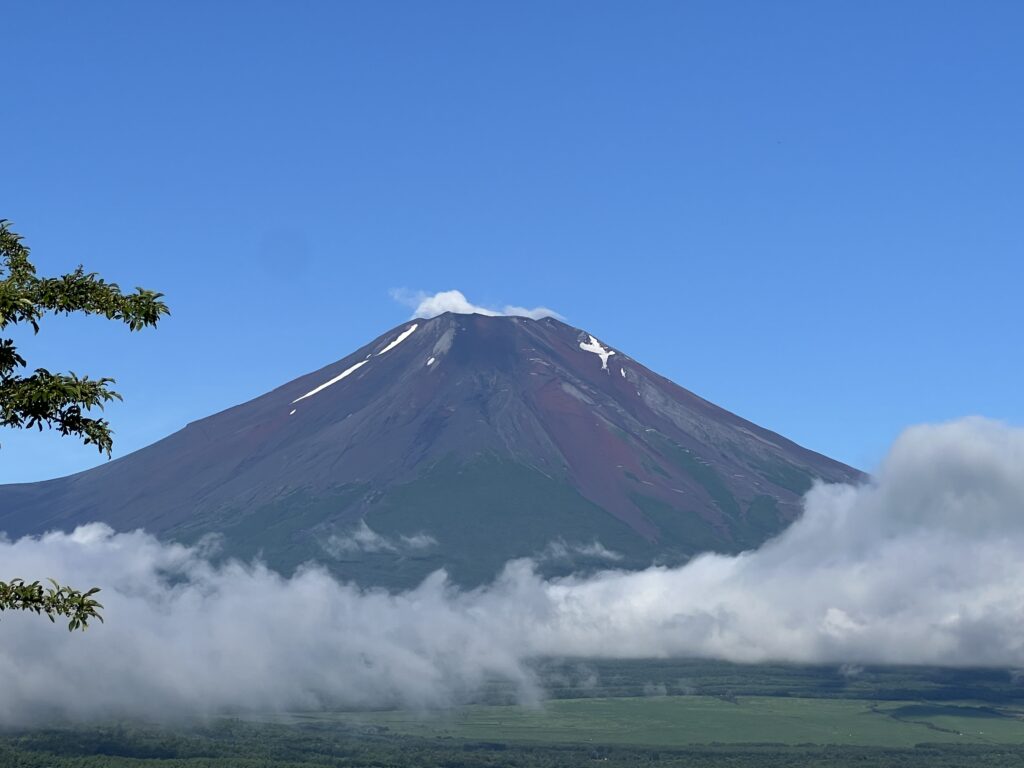
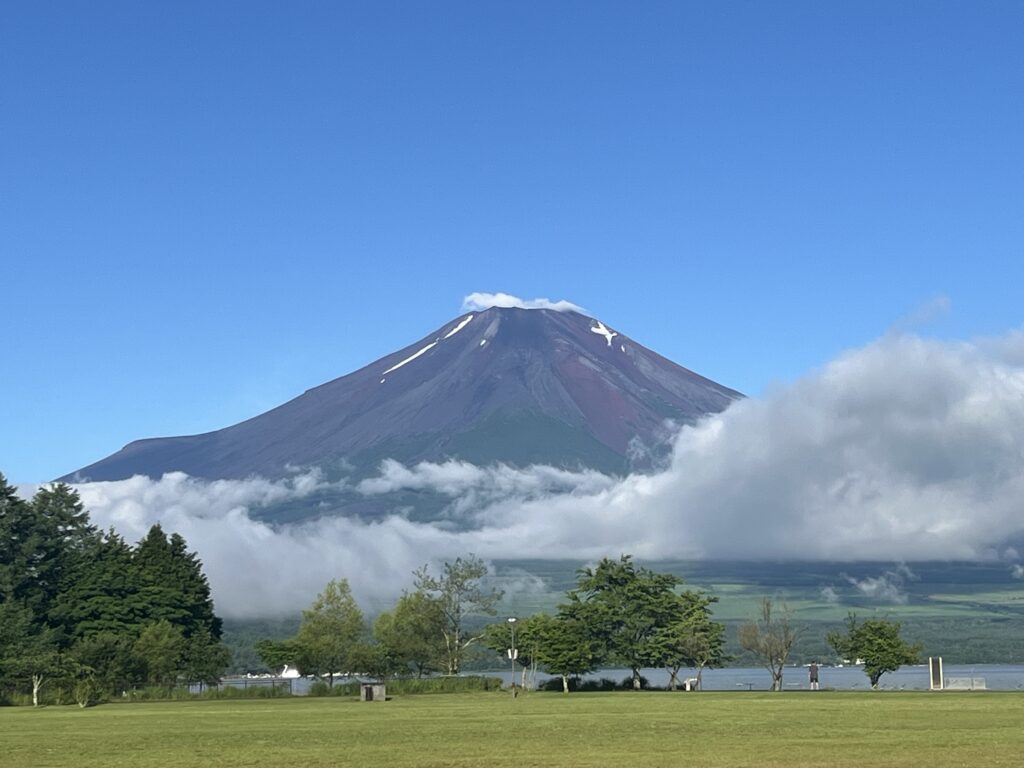
Everyone wants that clear, snow-capped view of Mt Fuji on a cloudless sunny day of course, but locals will tell you that is very rare. I once got most of that from a Shinkansen ( Bullet Train ) window, but even then there were still clouds. During this visit it would be days before Fuji fully emerged so we could see her completely and while we eventually got the full sun ( and very little cloud ) view, there was of course precious little snow, it now being the middle of summer here. We moved around a bit in the area, camping at different sites, exploring the “5 Lakes” area around the base of Fuji and found this a most enjoyable period of the Japan experience so far; we met some interesting folks, slowed the driving pace down ( almost to nothing ) and made good progress each day in preparing the van for shipping ( I’ll add some “shipping” context in the next blog ) – a fairly big task !
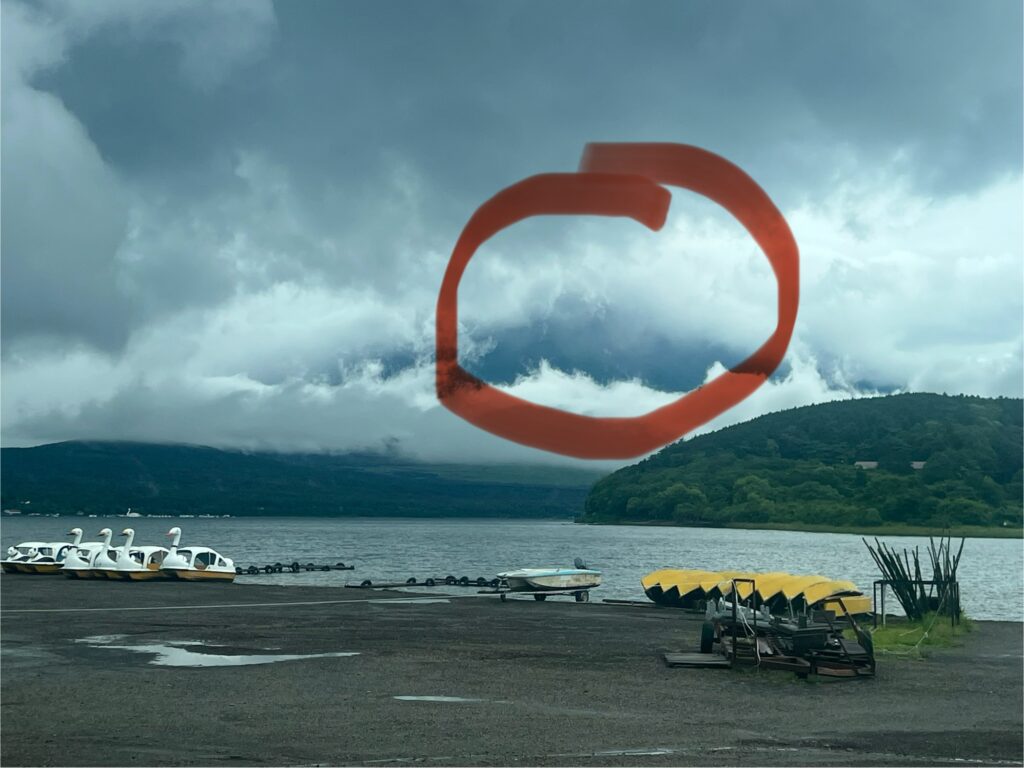
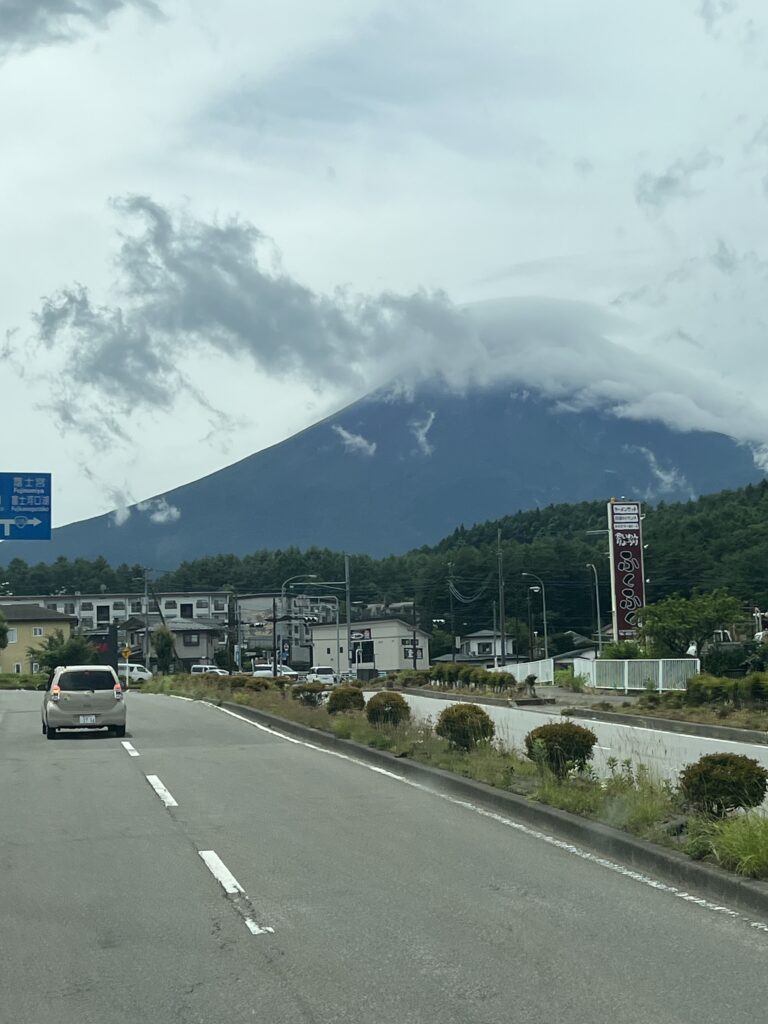
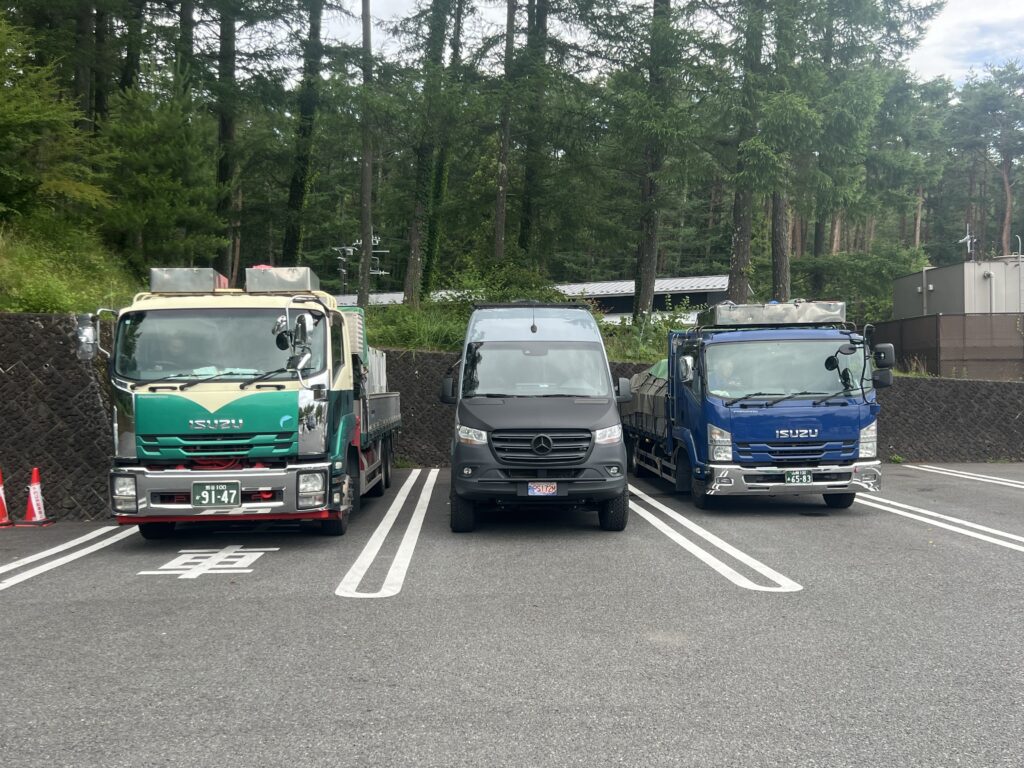
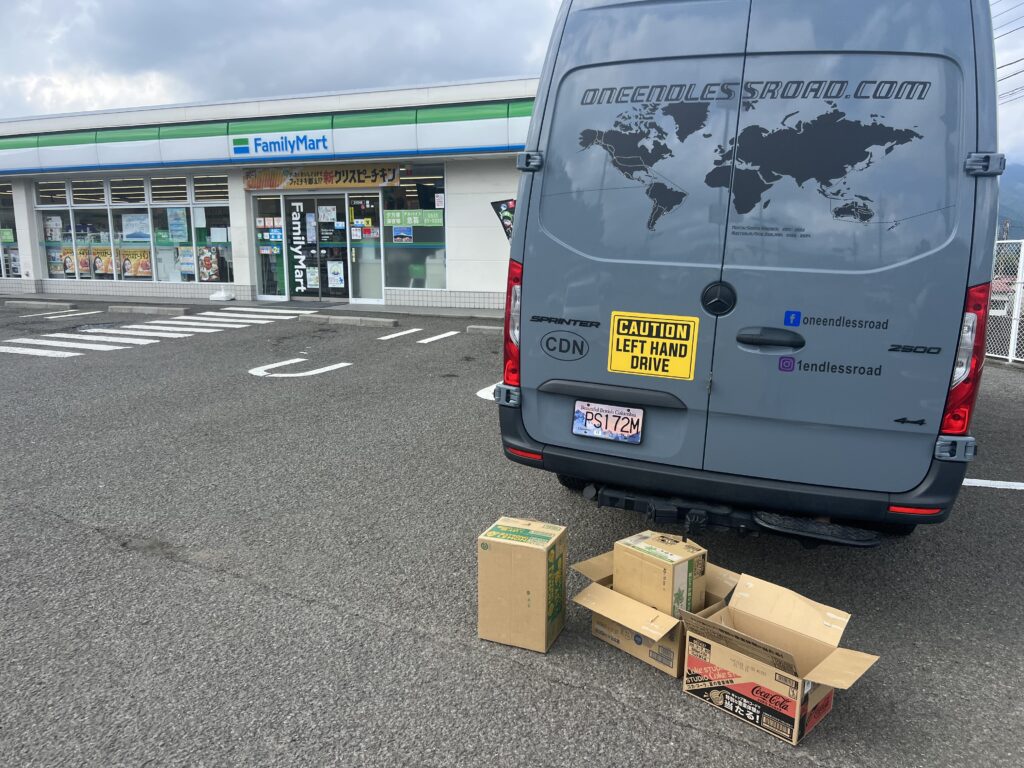
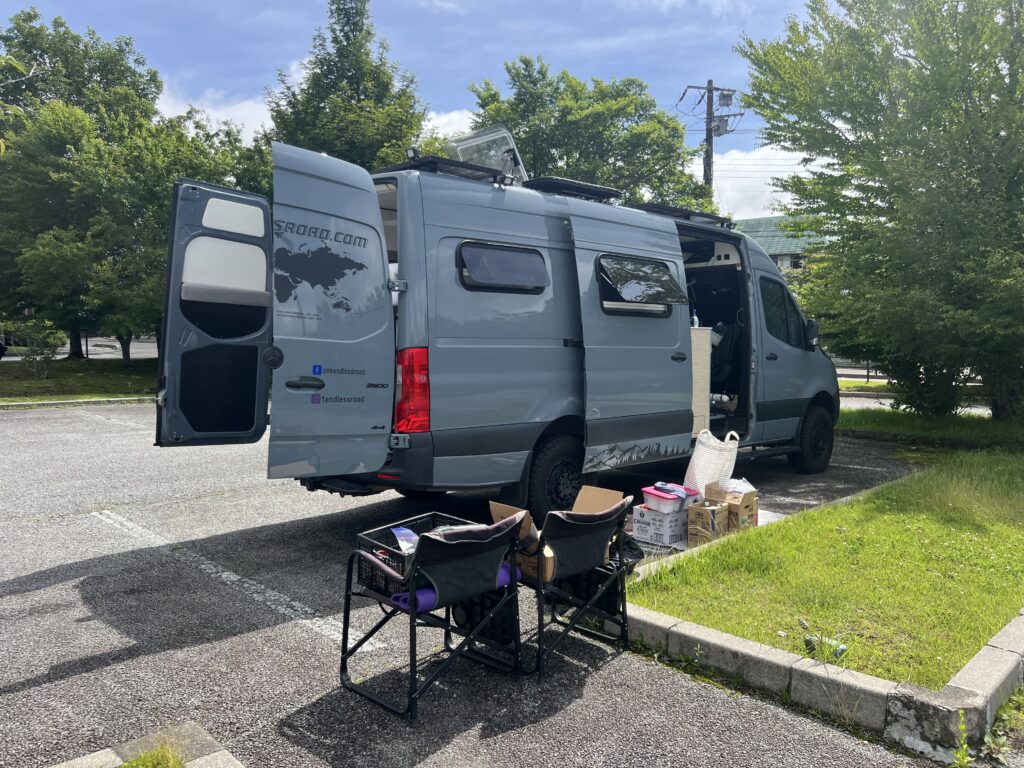
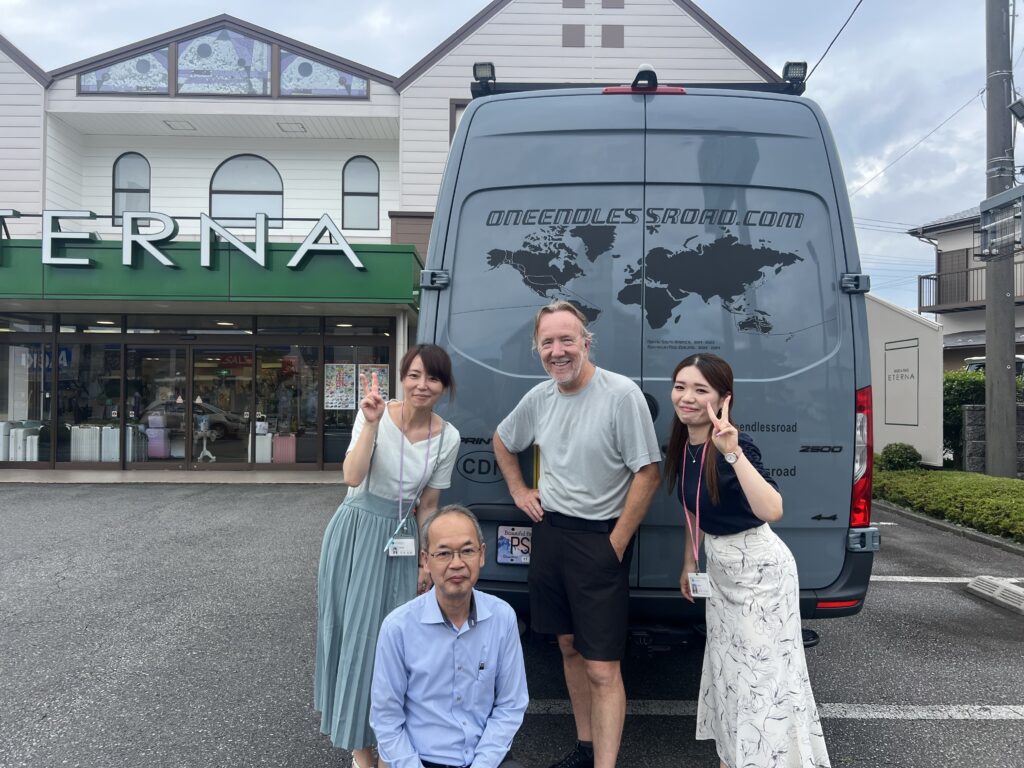
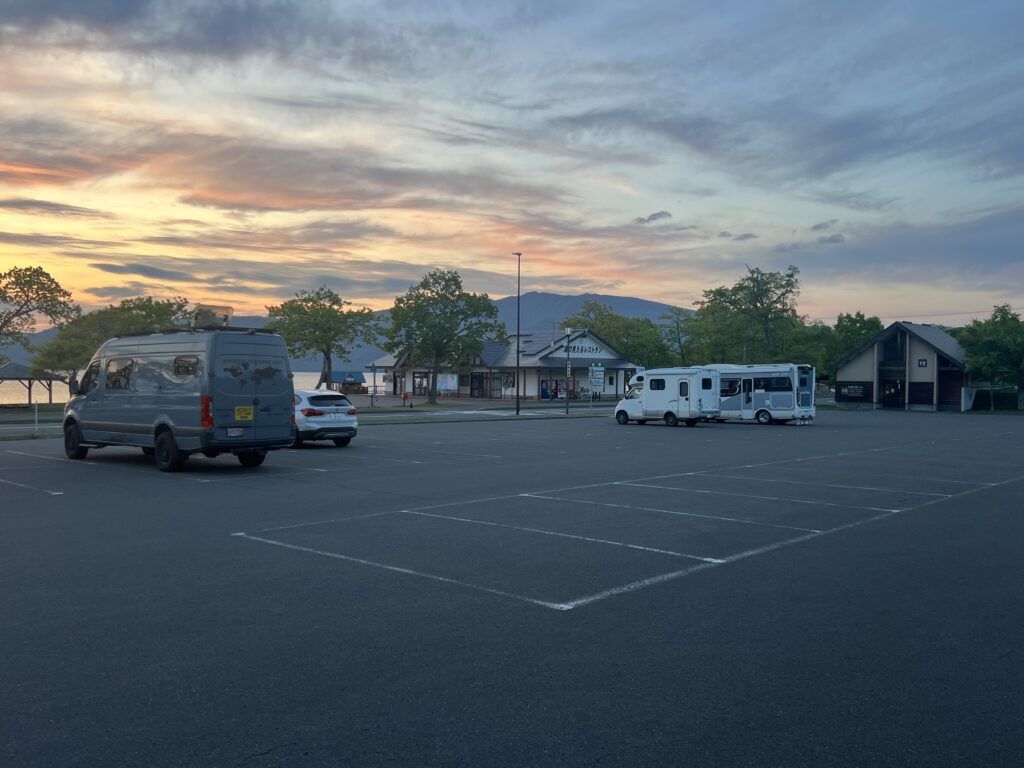
Upon arrival at Lake Yamanaka, this was our “view” of Fuji….we were told it was ‘somewhere’ behind the red circle !A couple of days later it had improved somewhat, and you could make out most of the mountain. The peak, however, remained shrouded in cloud.Generally the Michi No Eki’s ( Roadside Stations ) provide a safe, secure, flat, and usually quiet night to park up. We generally seek to avoid the big trucks but sometimes they just find us ( especially when we park in the long bays ). Little sleep while these guys idled their engines most of the night. This place was close to Fuji but we still could not see the mountain due to visibility ( or lack of ).We did a lot of packing, repacking, sorting and cleaning while waiting in the Fuji area. For security and sorting different items ( what stayed and what came with us ) we needed lots of cardboard boxes. Very helpfully supplied by a nearby Family Mart. But we still needed at least one big box……….more on that later.One day we found a great, quiet, level place to park up, when it was NOT raining, where we did a big shipping prep. We seemed to be quite an object of curiosity to the locals.We needed to find one large, simple duffle type bag to carry extra stuff and struggled to find one in the mall. We then chanced upon this little shop which provided exactly what we needed – and the staff took great interest in our Japan travels !An early morning, sunrise view, from Roadside Station Narusawa.Pretty sunset view of Mount Fuji.One of our best views, from Hirano Beach on Lake Yamanaka.Another, from close by.
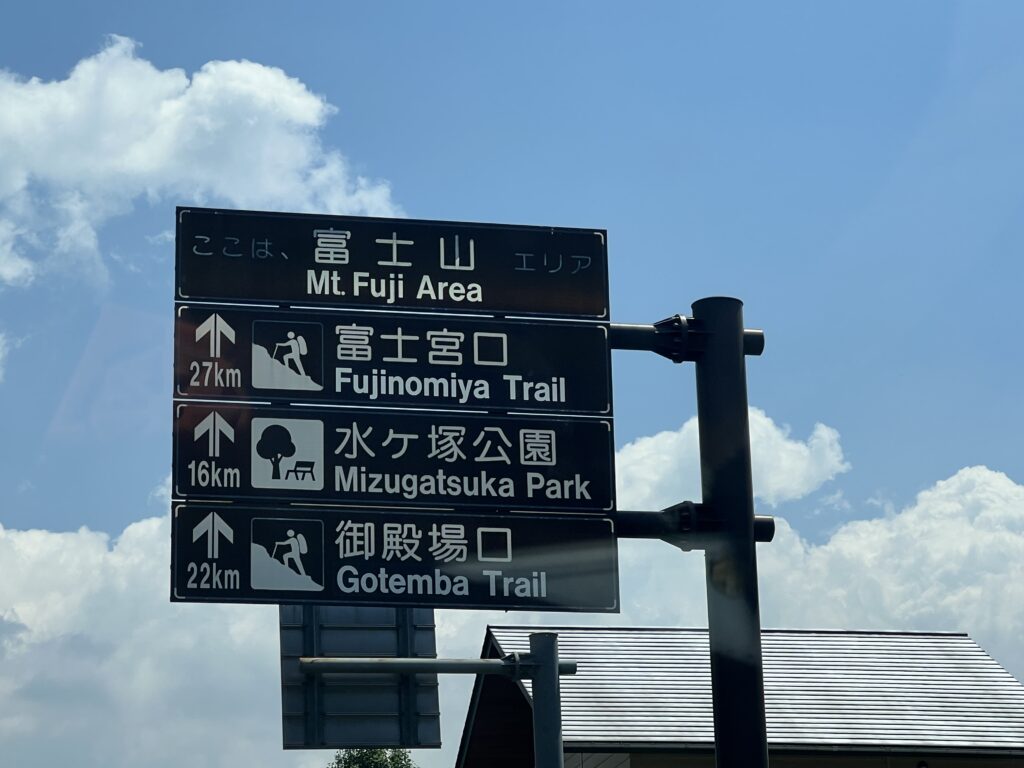
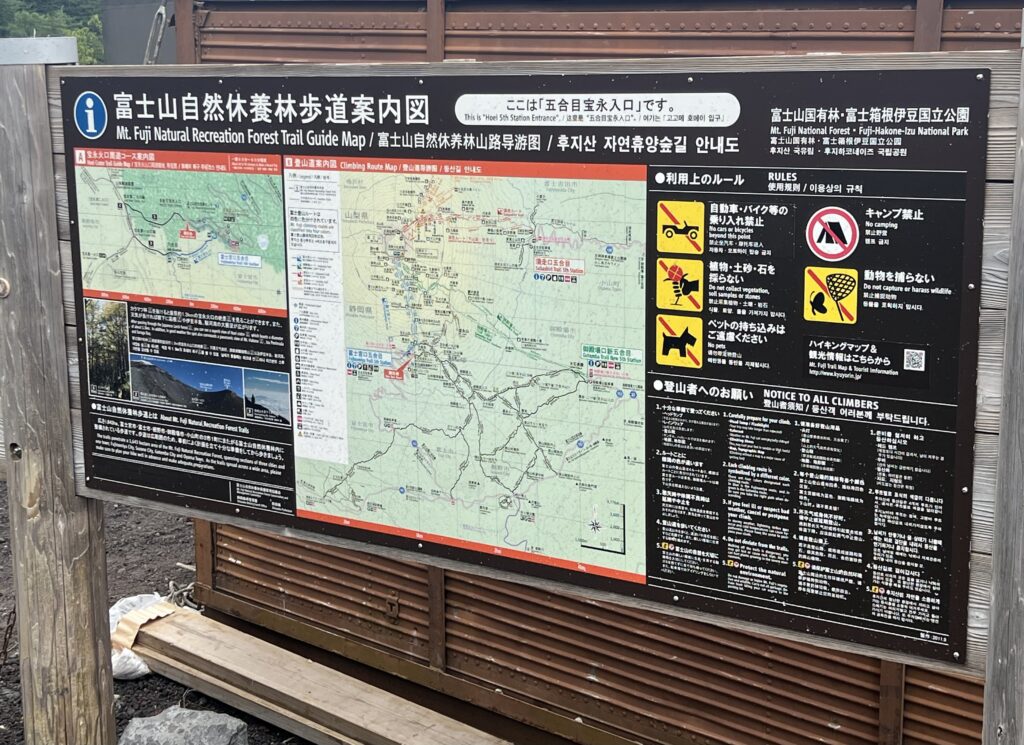
Once we finally got some nice views from the base ( the best place to view it ) we decided, on a particularly fine day, to drive up as far as we could – to the “5th Station”, or “Gogome” as it’s known in Japanese. We knew it would be cooler at least and even if we were not set up to climb to the top there were shorter hikes from the 5th Station and the views down would be spectacular……or so we assumed. A good thing our expectations were managed, as it turned out – no sooner had we begun to ascend the Fuji Skyline Road than thick clouds wafted in and blocked any visibility. From the highest (5th) station we could see absolutely nothing at all ( making any hikes rather pointless ). Well, at least it was cooler up there !
Fuji’s reputation for bashfulness is well-deserved it would seem and she was most temperamental during our visit.
A multitude of hiking options in the area. A very reasonable looking day at this (low) level.This map would have been most useful – if we could have seen anything at all ! Surprisingly quite a few still set out to hike when we were there.View from the 5th Station parking area – practically ZERO visibility. A somewhat disappointing end to our Fuji visit.
Finally, here is a short video clip of the week that was- enjoy.
From the Fuji area, as we await onwards shipping confirmation, we’ll head east, then south to explore nearby Hakone and the Izu Peninsula.
Till next week….
Appendix: Another “Only In Japan” experience
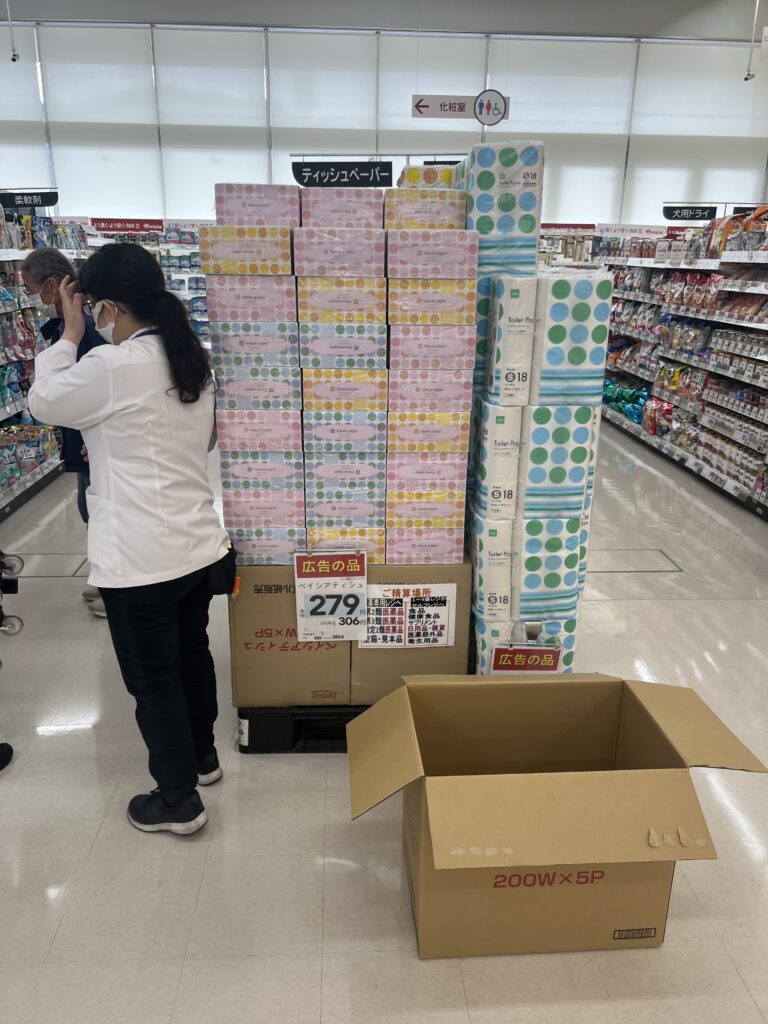
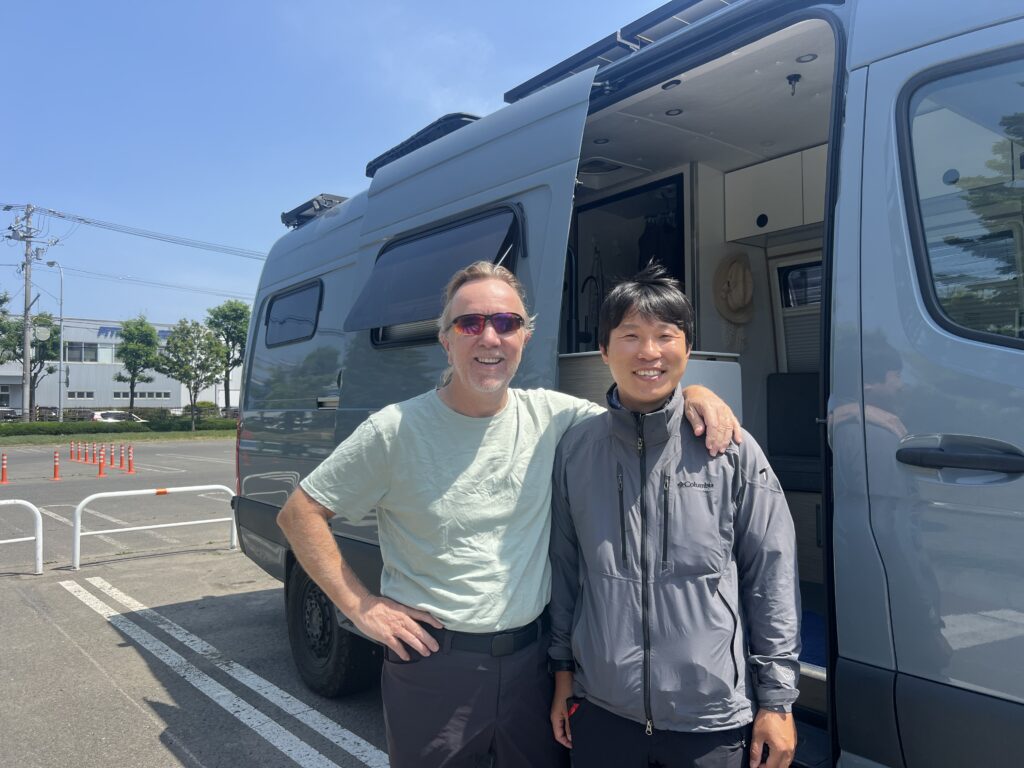
So I spoke above about preparing the van for shipping – among other things that involves boxing a lot of the contents and in the process of doing so different sized boxes are needed. In one of the images above the van is parked outside a “Family Mart” convenience store since the staff there willingly gave away as many of their small packing boxes that I needed. Small boxes, though, are in plentiful supply – what I sorely needed was at least one much larger box and they had none. I was kindly directed to a larger supermarket nearby. After wandering around it I noticed a large display of regular tissue boxes. It was obvious from the packing boxes underneath the stacked tissue boxes that they had all come in a very large box – precisely the size I needed.
I approached a staff member to ask if there were any such empty packing boxes in the back. She understood and ran out back to check. Returning a few minutes later, head bowed, she apologized profusely advising there were in fact none. I thanked her for looking and went elsewhere in the store. Not two minutes later she had chased me down, and beckoned me back to the “tissue” department. There, right in front of me now, was a large empty tissue packing box. At first I was puzzled – had she not just looked and said there were none ? Indeed, she had said that. But, then I noticed that the tissue box display had grown very considerably in size – it was about 4 tissue boxes higher than when I had arrived, and, frankly, almost toppling over ! Yes, you guessed it ( and it quickly dawned on me ) – she had gone out back, gathered a couple of colleagues, pulled a full packing box off the rack, brought it out and emptied it on to the rather significant tower of tissue boxes that were already there – all, so I could have an empty packing box ! Now, I was polite, and definitely as charming as I could be, but I’d never graced that store before, nor would I likely again. I was, most definitely, just a visitor. It didn’t matter – this is just the kind of thing I/we have experienced so many times here that it just speaks to the culture of helpfulness in this amazing country. I’ve said it before, but I need to say it again – only in Japan !!!
This large empty packing box was “created” just for me !
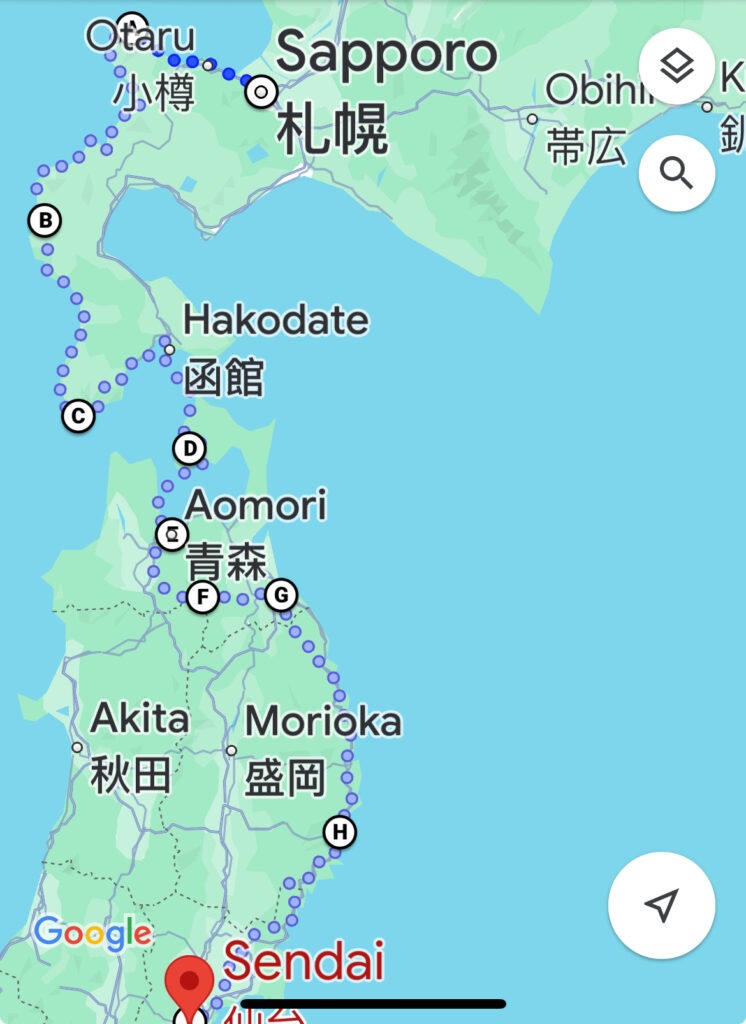
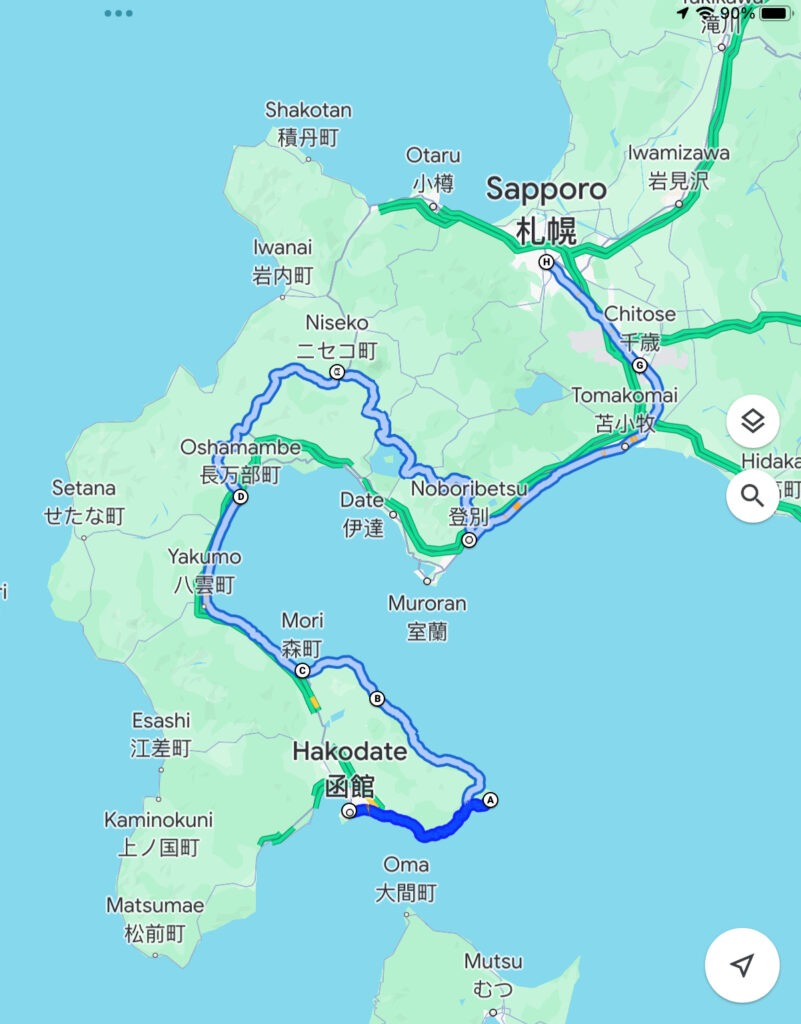
Just the south western corner of Hokkaido remained in our travel plans here and while our expectations for this area were muted, as often happens there were some very pleasant surprises – some even quite quirky ! This was the route that took us back to Hakodate and onwards down the east coast of Honshu:
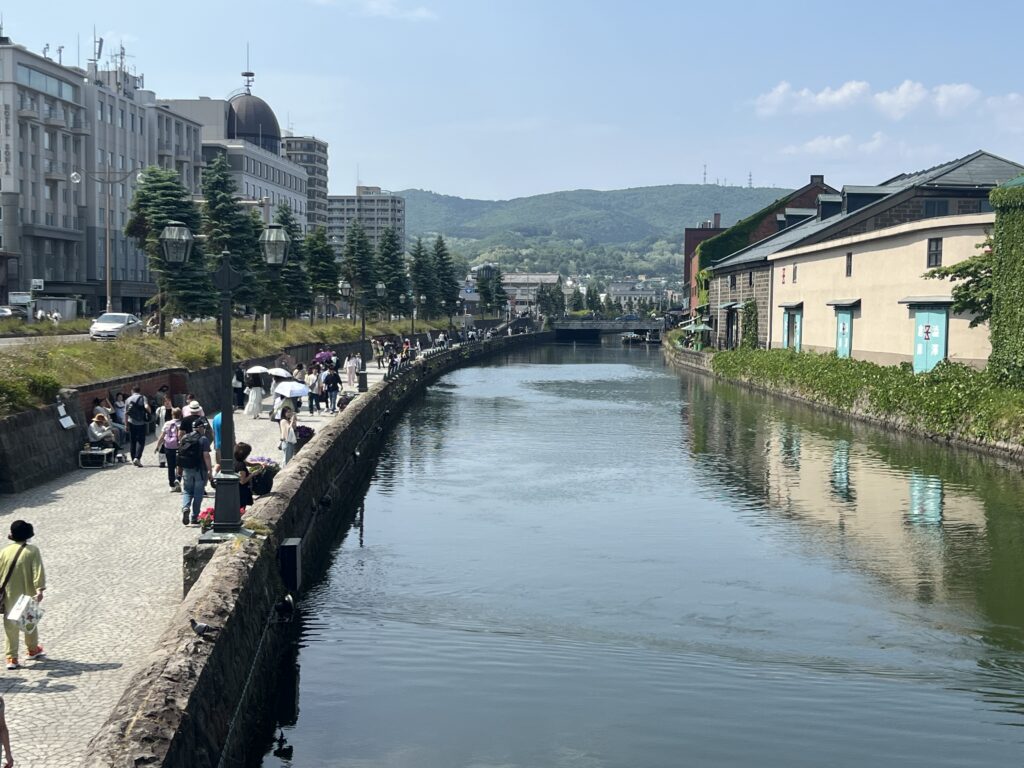
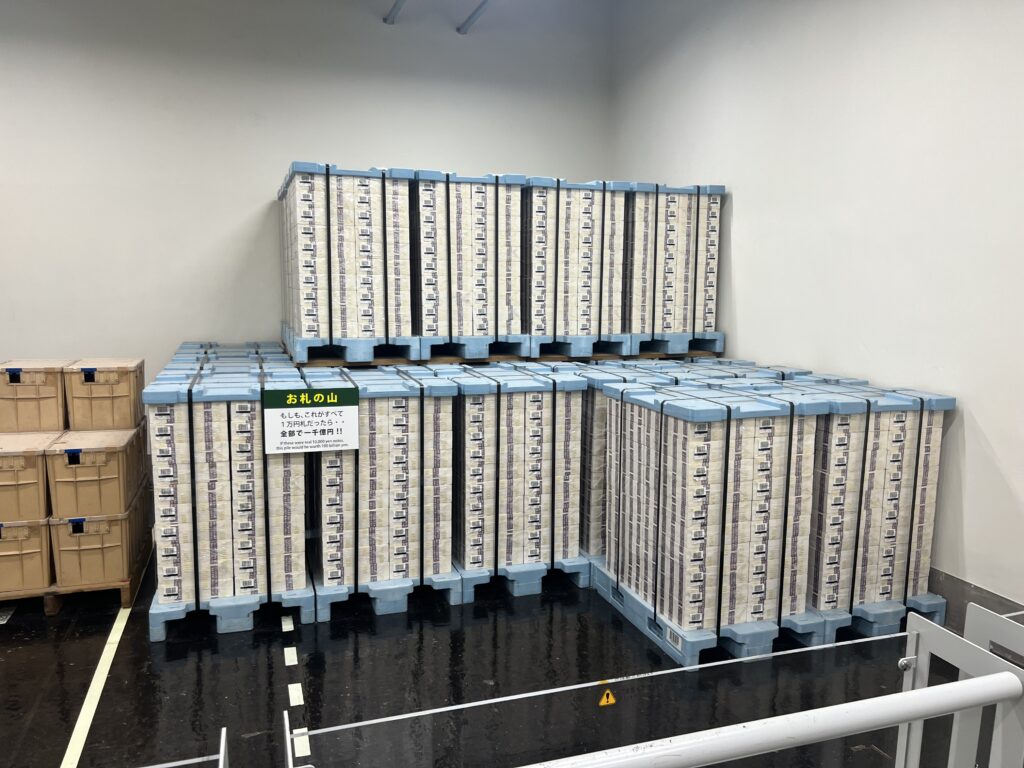
Otaru, essentially the port for Sapporo, was one of those surprises – some interesting history from the Meiji era, a beautiful canal setting, magnificent old early Meiji era “Western style” commercial buildings and a rather fascinating display of Japan’s modern monetary system in a building which used be the Hokkaido branch of the Bank of Japan – replete with a display of Japan’s soon-to-be-released new currency notes and a room where you can see what 100 billion yen looks like. You can also try to lift 100 million yen in currency notes ( actually, not too difficult ! ).
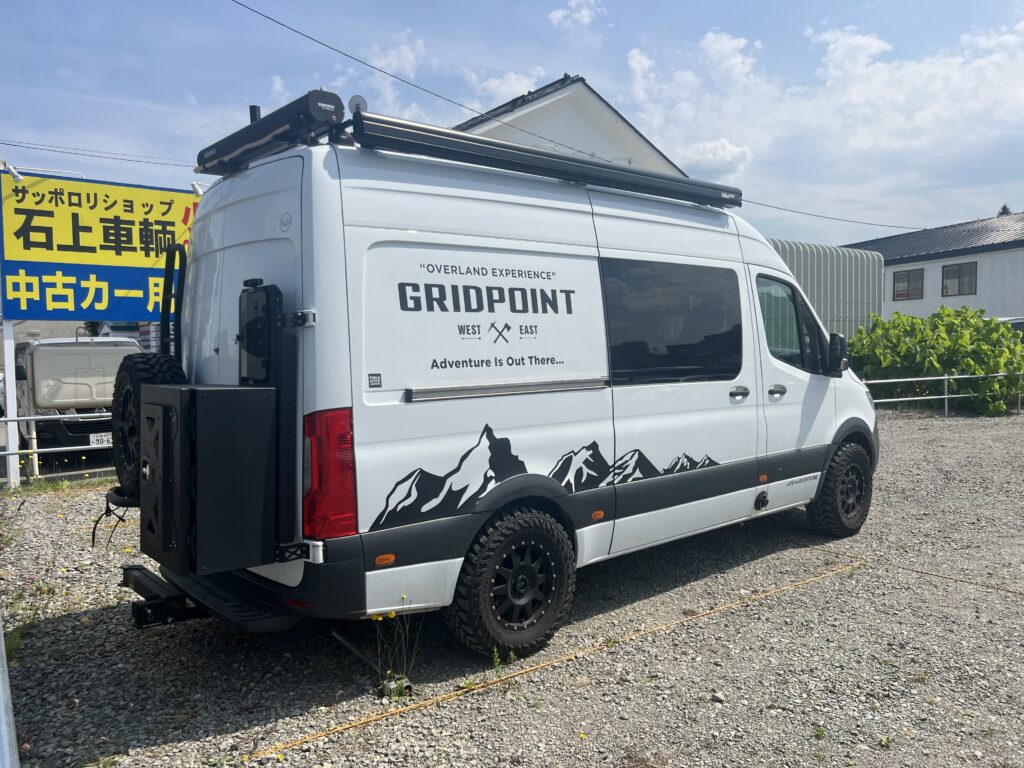
Historic, trendy Otaru, essentially Sapporo’s port and famed for its beautiful canal.While the Japanese love Mercedes vehicles ( and you see plenty – they are known simply as a “Benz” here ), the Sprinter is completely unknown. When these guys passed us on the street we got a hugely excited wave. Saw it parked later here, the only Sprinter we’ve seen in Japan.A tour of the old Bank of Japan building was interesting – ever wondered what 100 Billion yen looks like ? Like this !
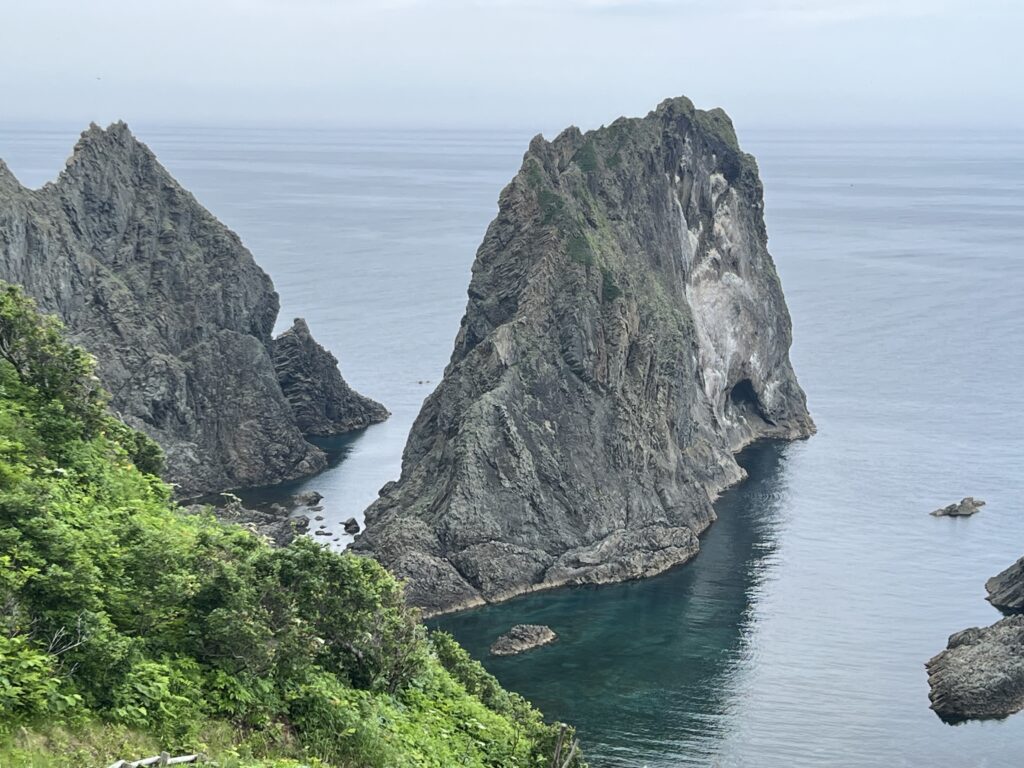
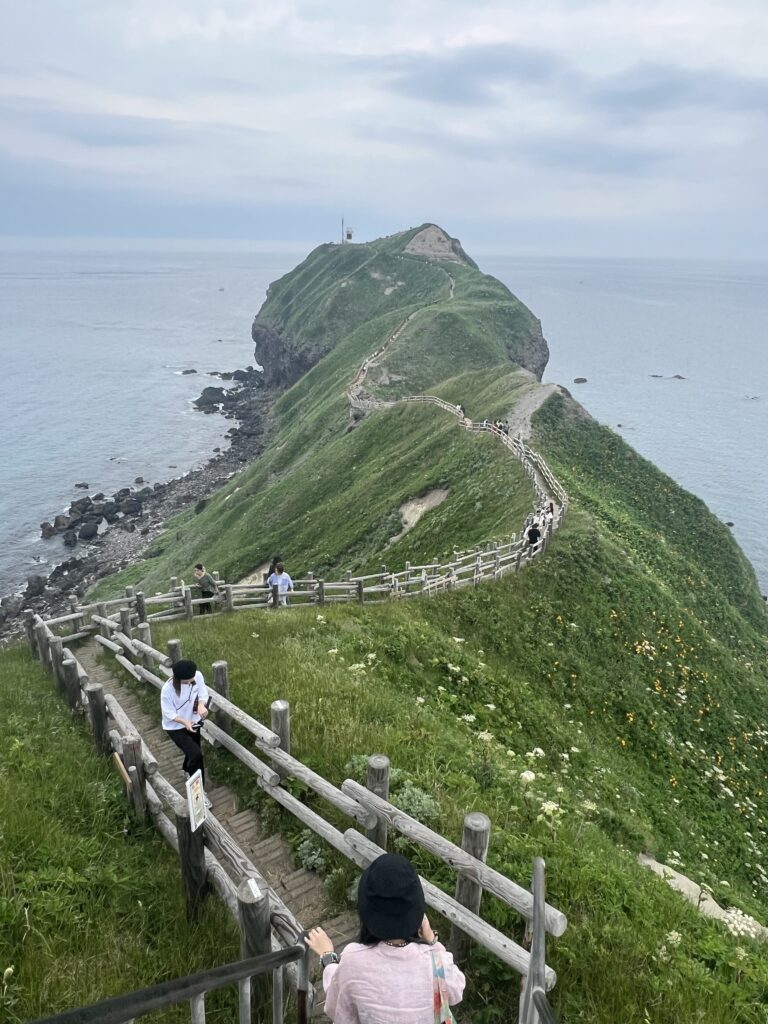
Taking the western route around the Shakotan peninsula, a miserable day notwithstanding, we got to admire this wild and somewhat remote corner of Hokkaido and took in a few of the available hikes, travelling on after that down the western side to Matsume, and on back to Hakodate.
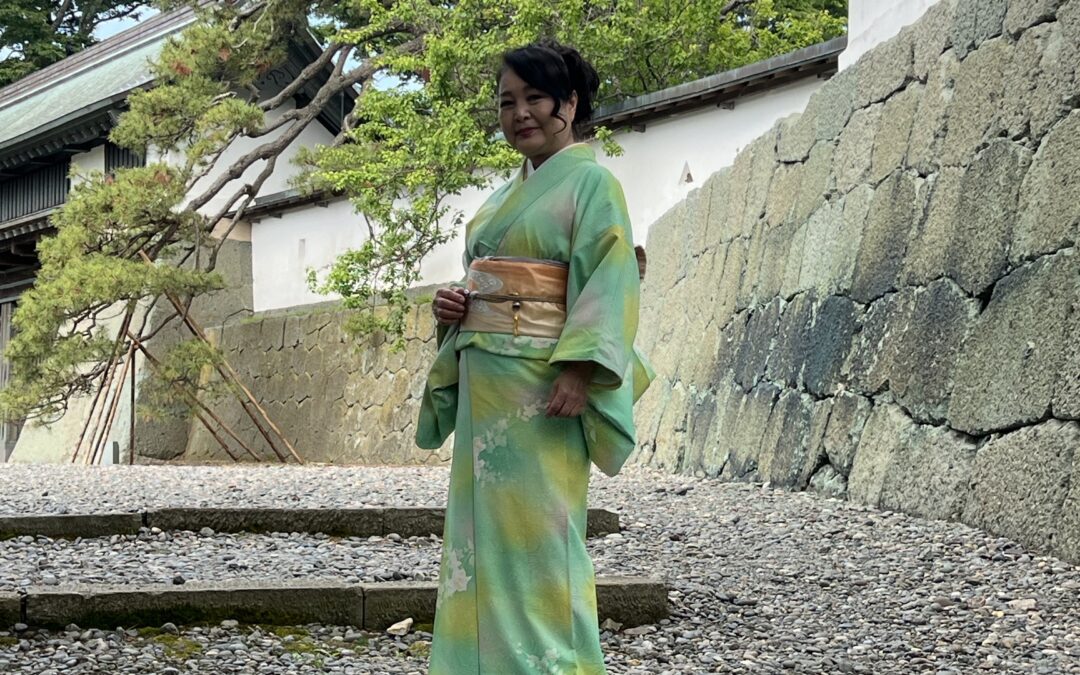
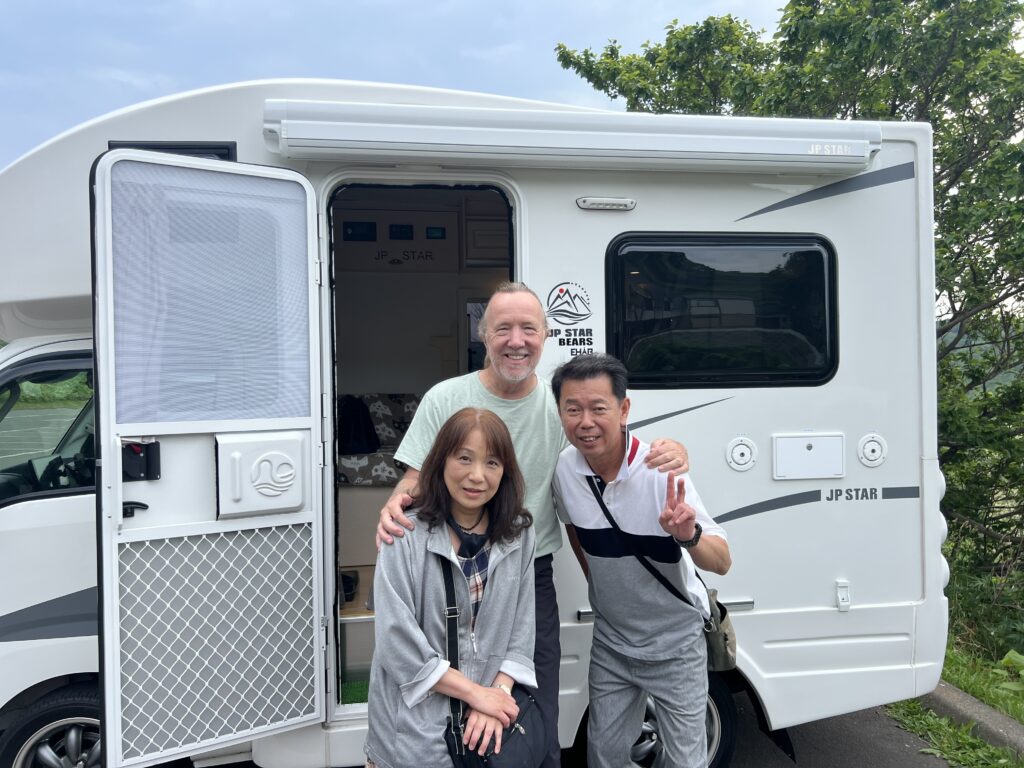
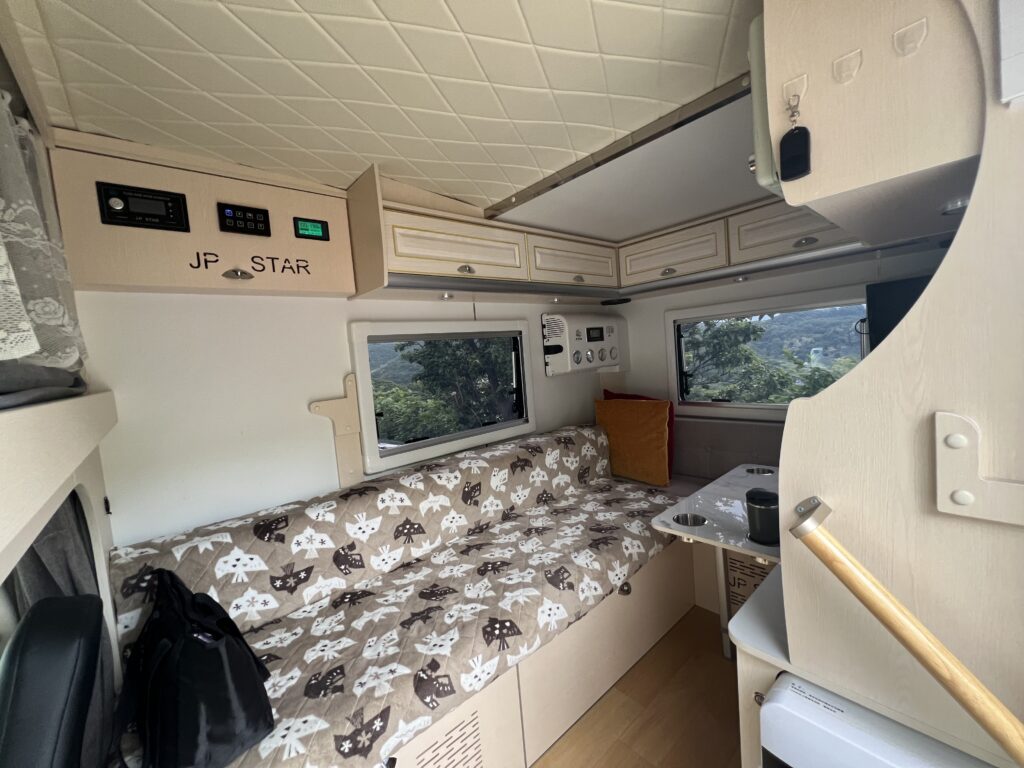
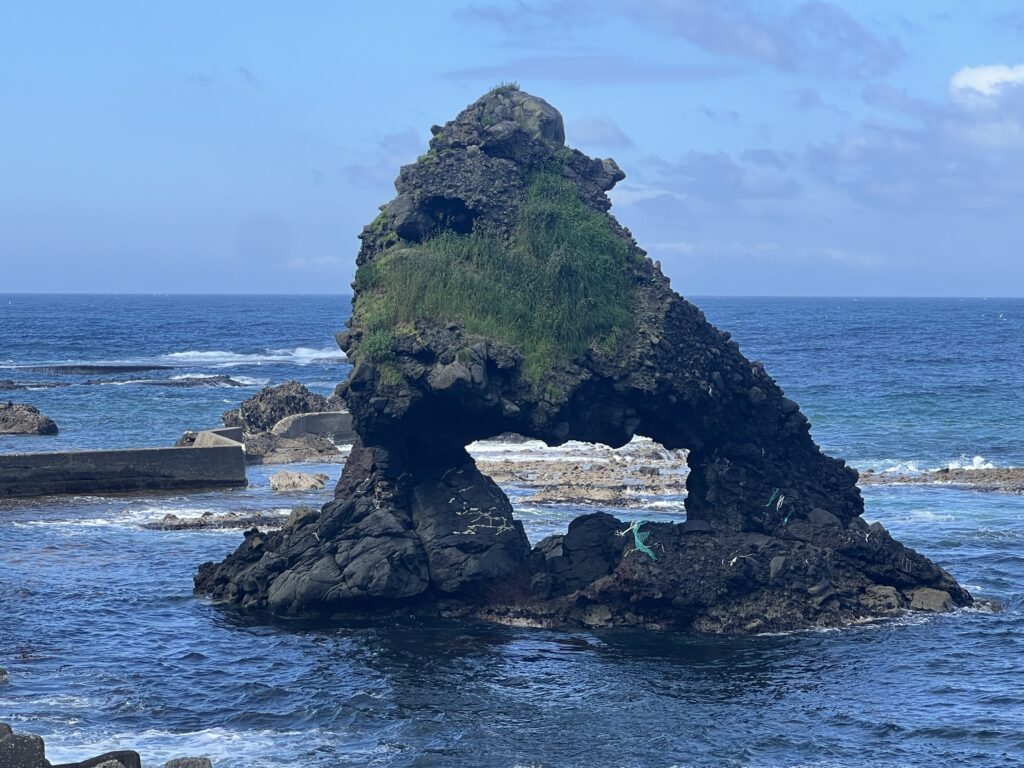
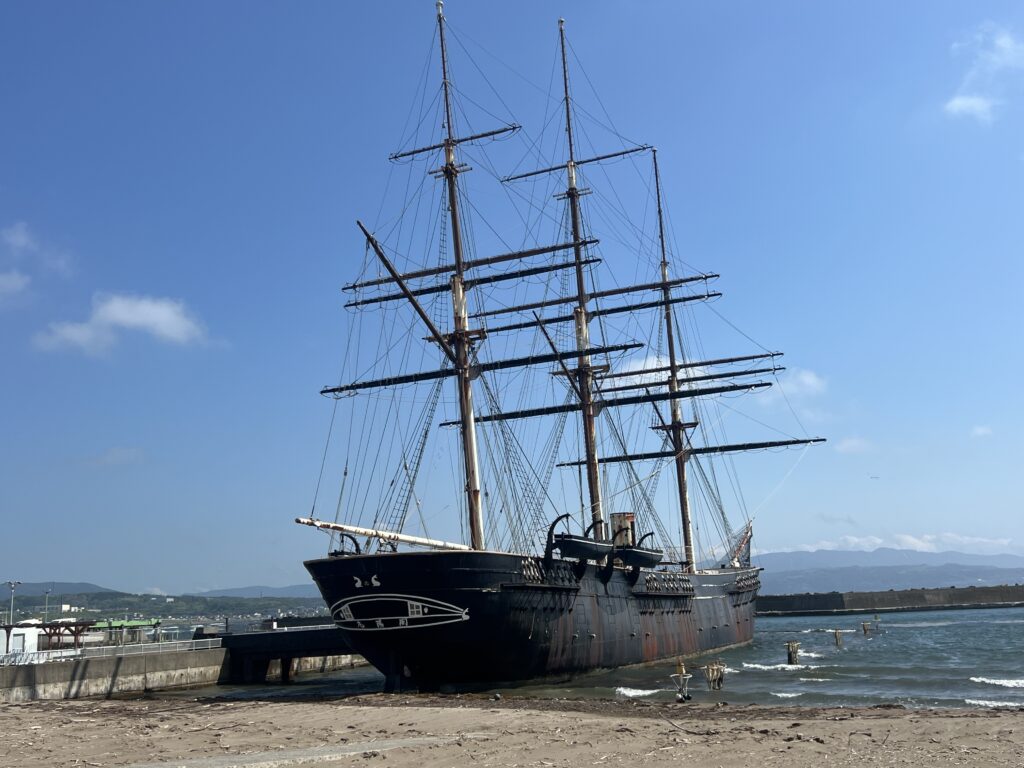
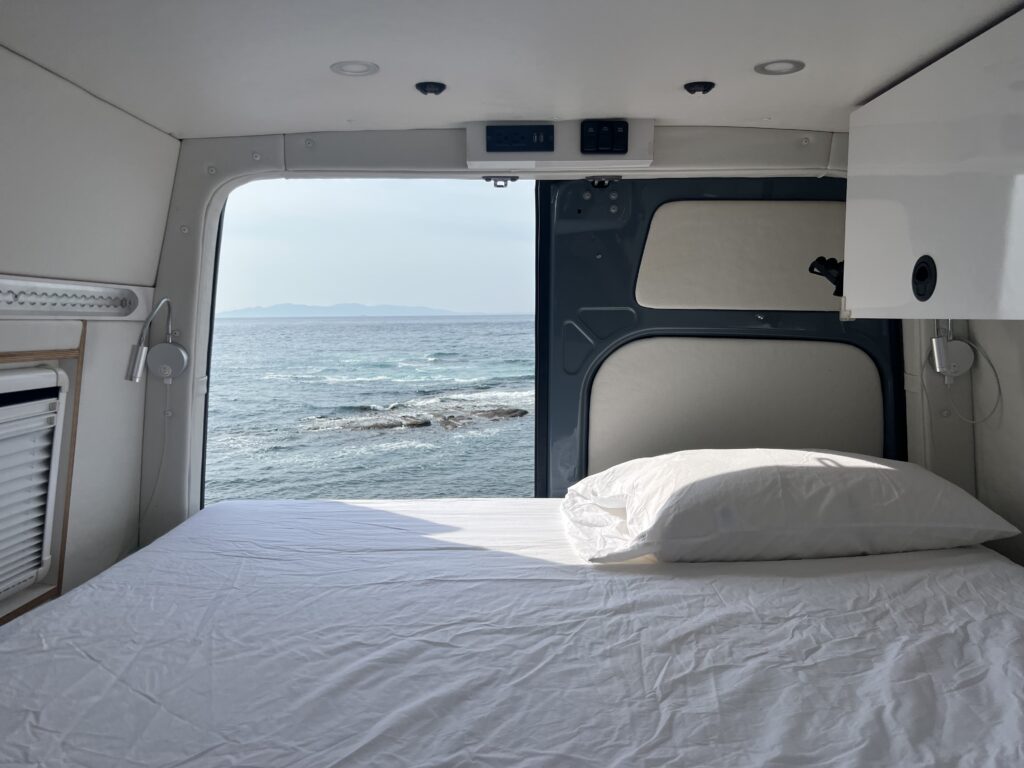
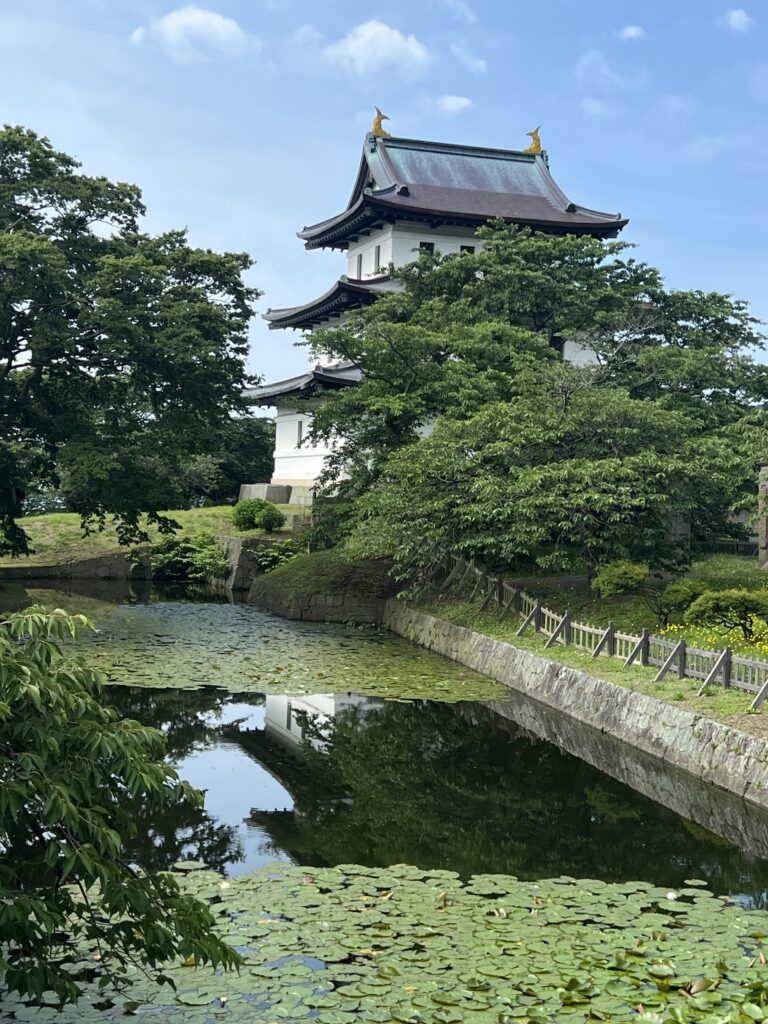
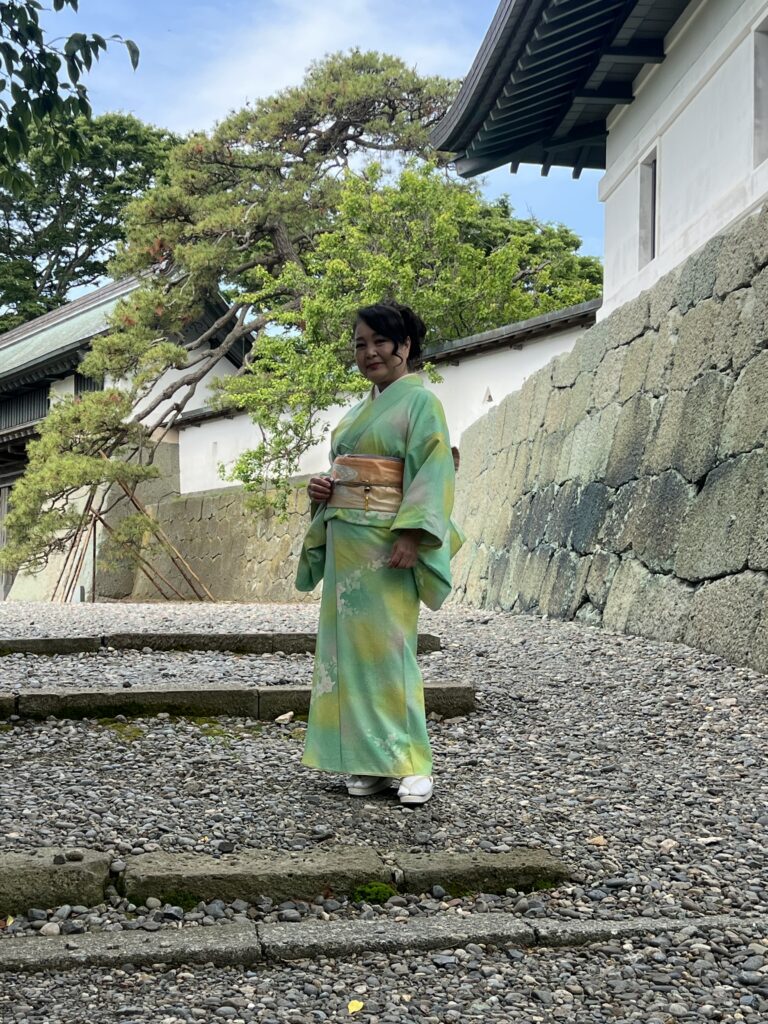
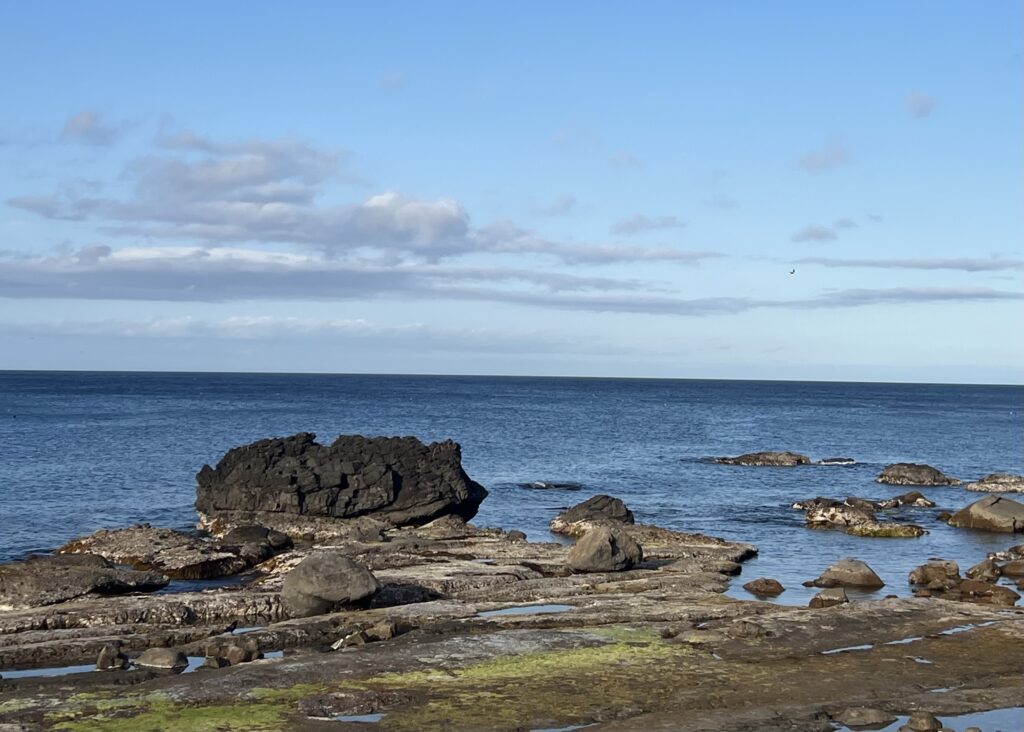
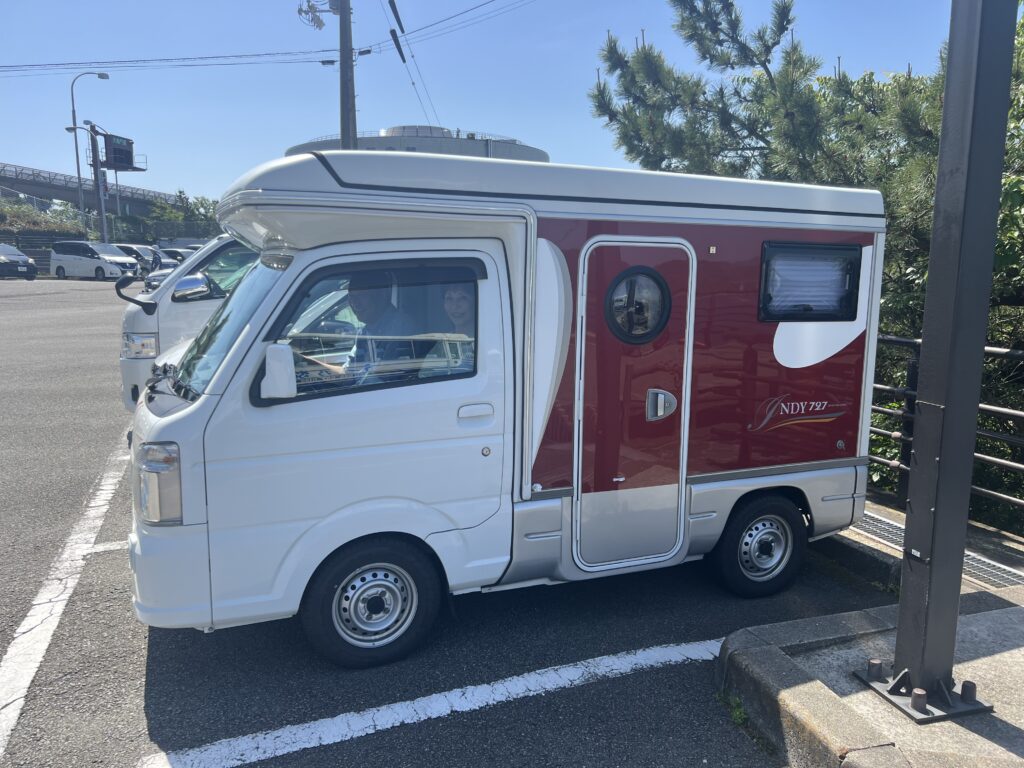
Cape Shakotan.We’d always wondered what these tiny Japanese campervans looked like on the inside. So, near Shakotan we met this couple…..….and they showed us theirs. Much more space than we thought, no shower/toilet but did have A/C.Cape Kamui, Shakotan. We got drenched on the walk back !Setana, coastal rock. The area is known for its unusual formations.“Kaiyomaru” a Meiji era ( Dutch built ) ship that had sunk off the Hokkaido coast in the early Meiji era. Here, in Esashi.Occasionally we got to park right by the ocean – the sea breezes were wonderful with the rear door(s) open !Hokkaido’s only castle- the least impressive one we saw in Japan ( at Matsume ), but hey, they have a castle at least !While the castle was a reproduction and not too impressive, the lady dressed in a full kimono added some authenticity.
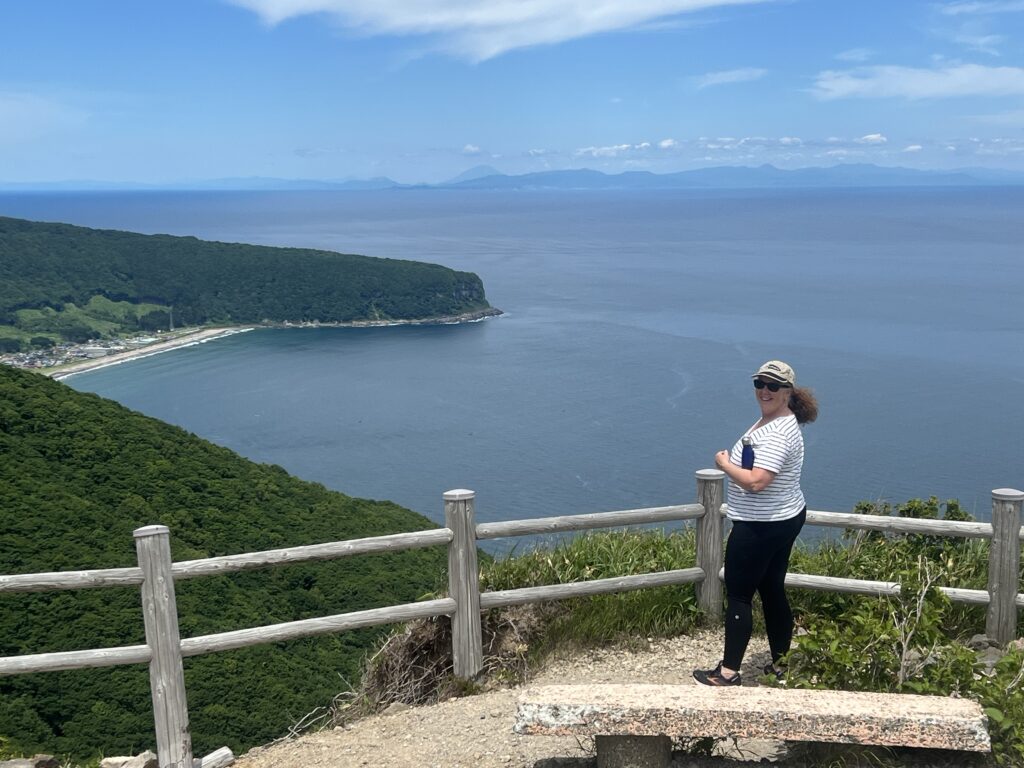
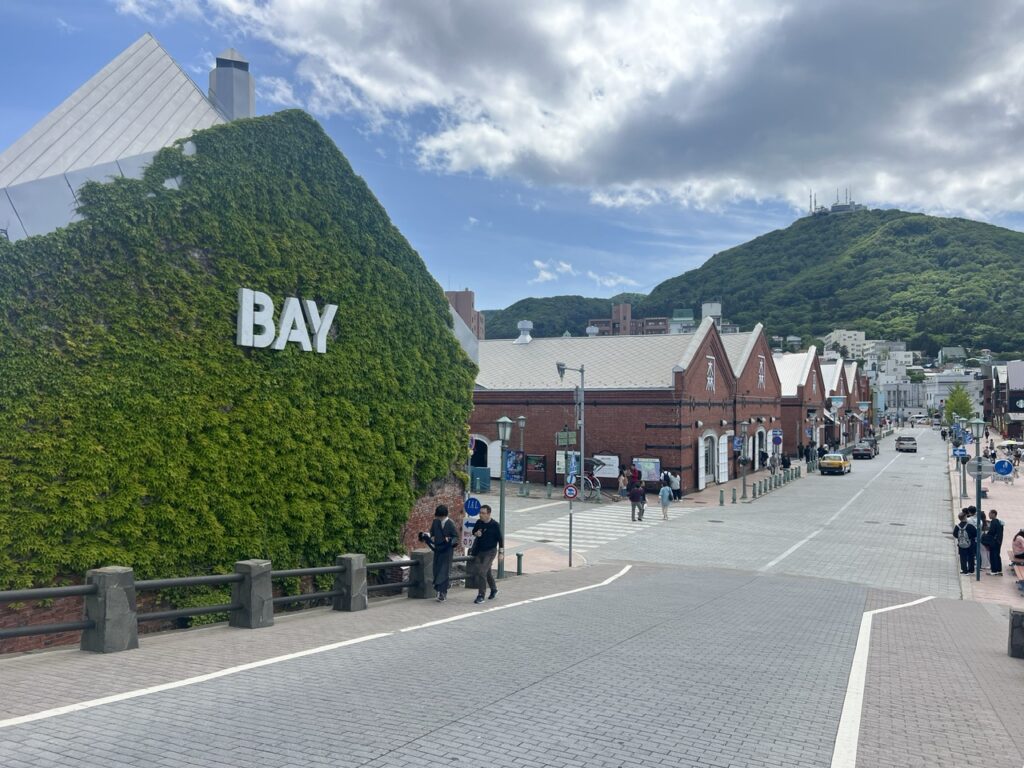
Back in Hakodate we caught a few of the things we missed first time around and took the time to revisit the natural oceanside onsen near Mt Esan, as well as doing the hike to the Mt Esan lookout. A clear day with great views all the way across the Tsuruga Straits to Honshu where we would be sailing the next day. Here, there was some dread since the spectre of an overzealous ferry worker insisting we were millimeters over the magical “7” metres was fresh in our minds. Not to worry this time – the young lady came out, did a quick measure and called it “6.8”. Pretty happy with that, since we know it’s at least 6.95 !
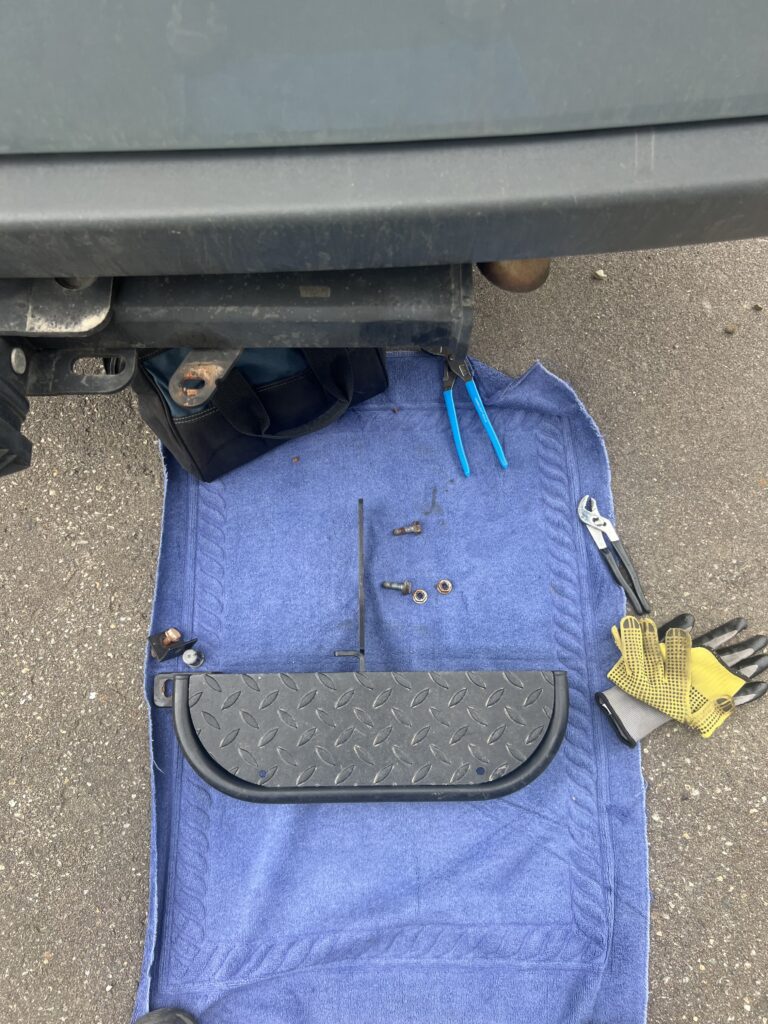
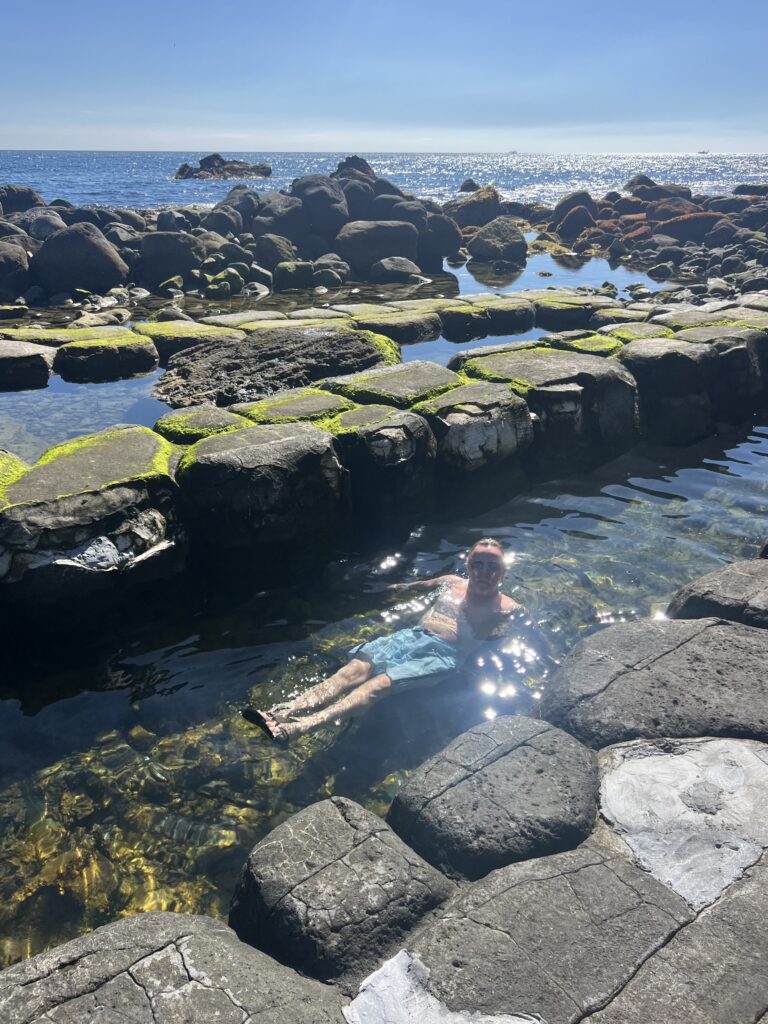
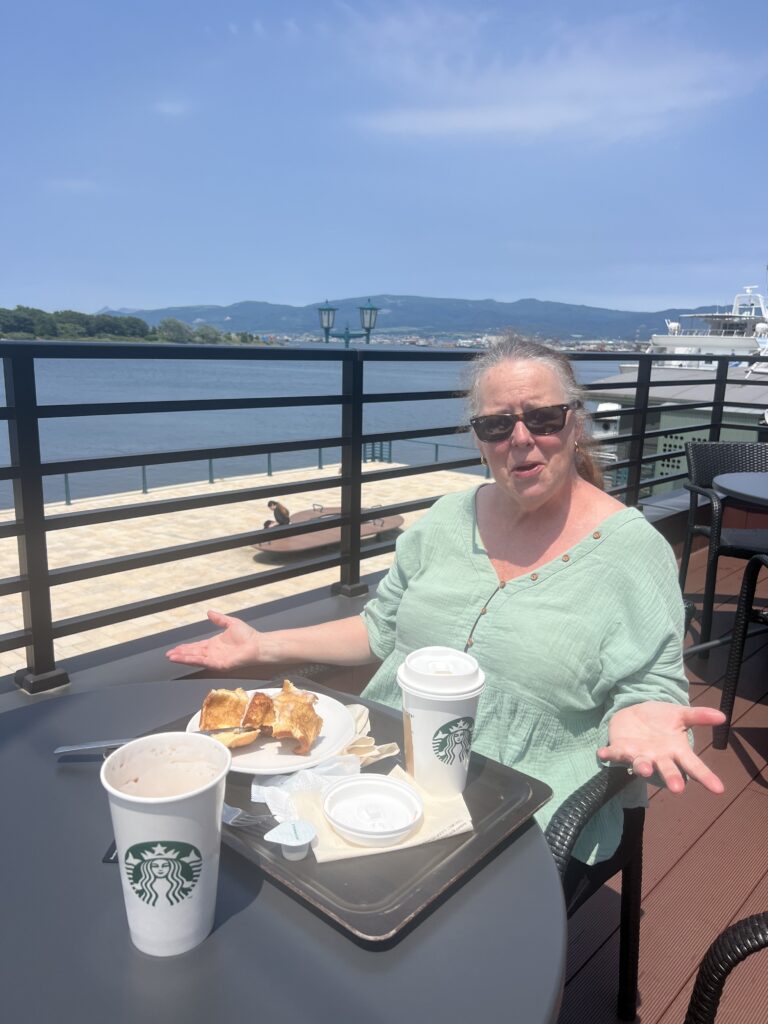
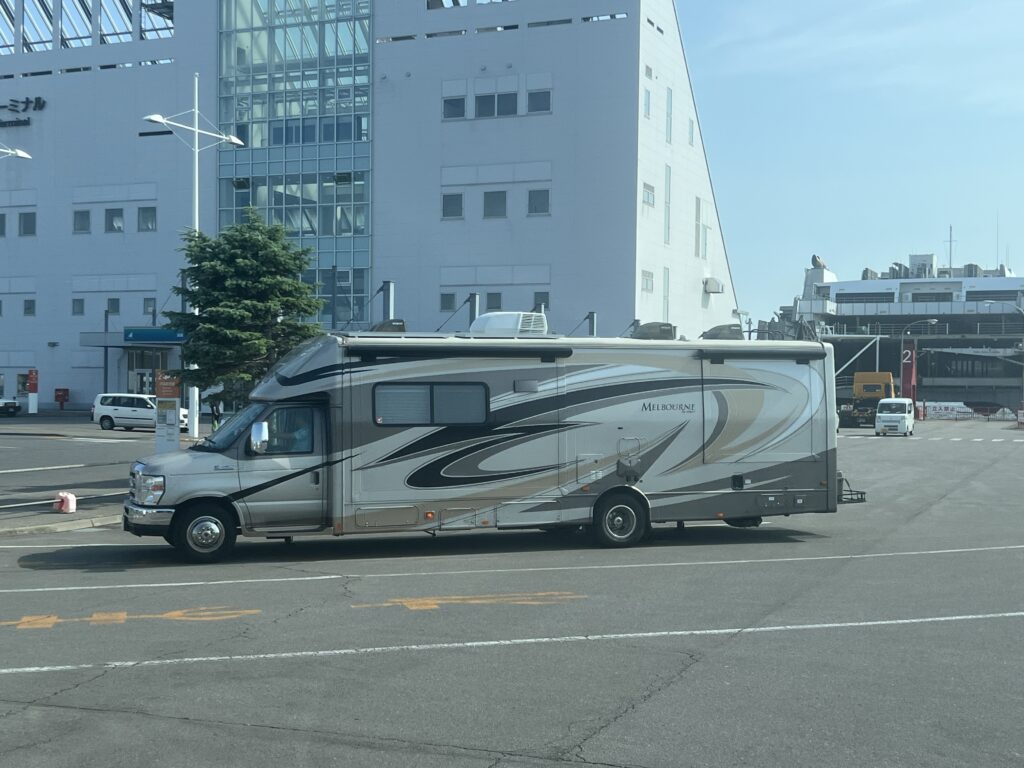
Took the precaution of removing the troublesome rear step to ensure the van measured under 7 metres for the return ferry. This time they called in 6.8……go figure !One last dip in our favourite Hokkaido seaside onsen before returning to Honshu.Great views back to Honshu from the lookout at Mt Esan near Hakodate.“Does it get any better than this ?” ( Lois at Starbucks on a sunny Hakodate day by the harbour).Took this pic of a North American motorhome coming off the ferry in Hakodate. Now, you do NOT see many of these here but I’m keeping it on hand to show Japanese folks what a “big” ‘motorhome really looks like. Ours is NOT big..!
Just over 3 weeks after arriving in Hokkaido our van was pointed southwards again for the return to Honshu, taking the same, short, Hakodate-Oma route that brought us here. It was smooth again, as it was before, and 90 minutes after leaving the ferry unloaded us in Oma – this time, though it was absolutely 100% full ( getting near peak season ).
With only a few exceptions the next week would take us steadily southwards, generally following the eastern coast of Honshu ( we came up the west side) aiming for Sendai ( about a third of the way to Tokyo ) by the end of the week. This we managed, and, like south western Hokkaido, this generally less popular part of Japan wowed us with scenery and sights that exceeded the expectations we had – frankly, it was an area that we’d thought we would just more or less transit with legendary Nikko being our next major site/attraction. I think some of the images below can best tell that story – if Japan has taught us one thing it’s never to underestimate what it has on offer !
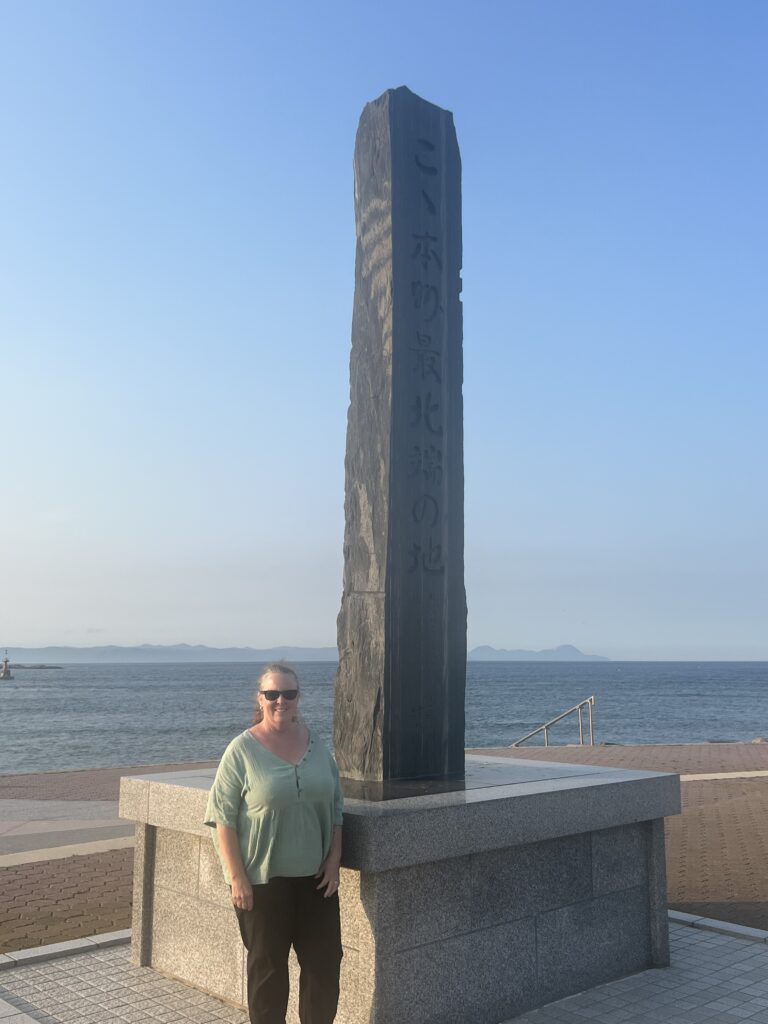
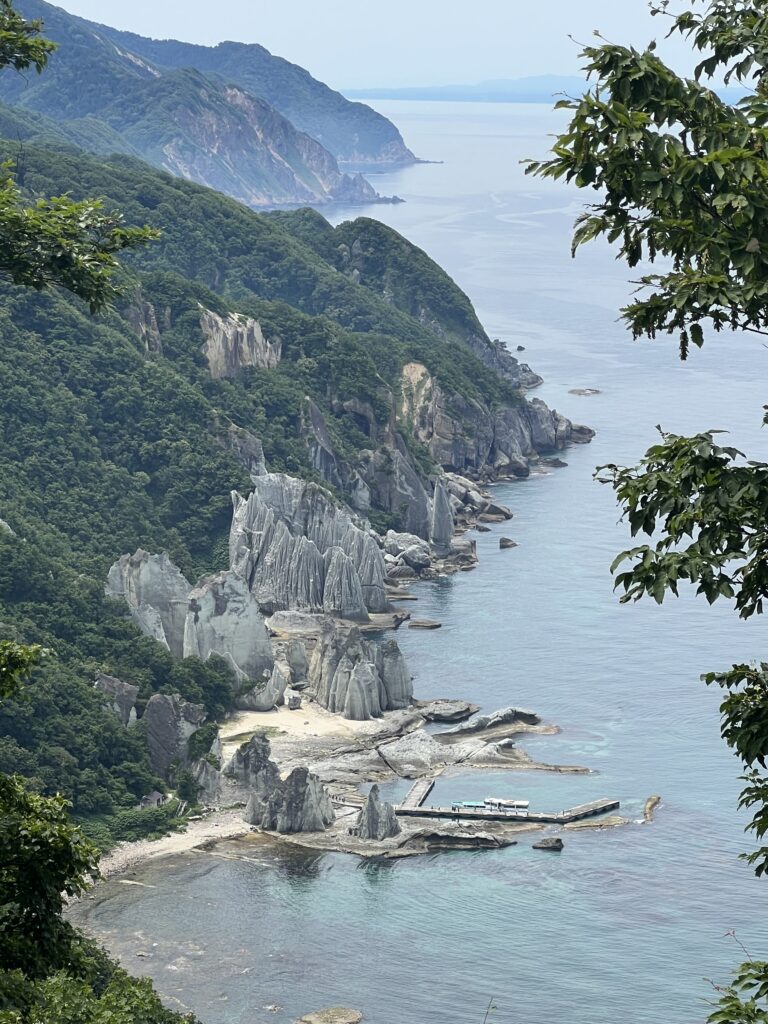
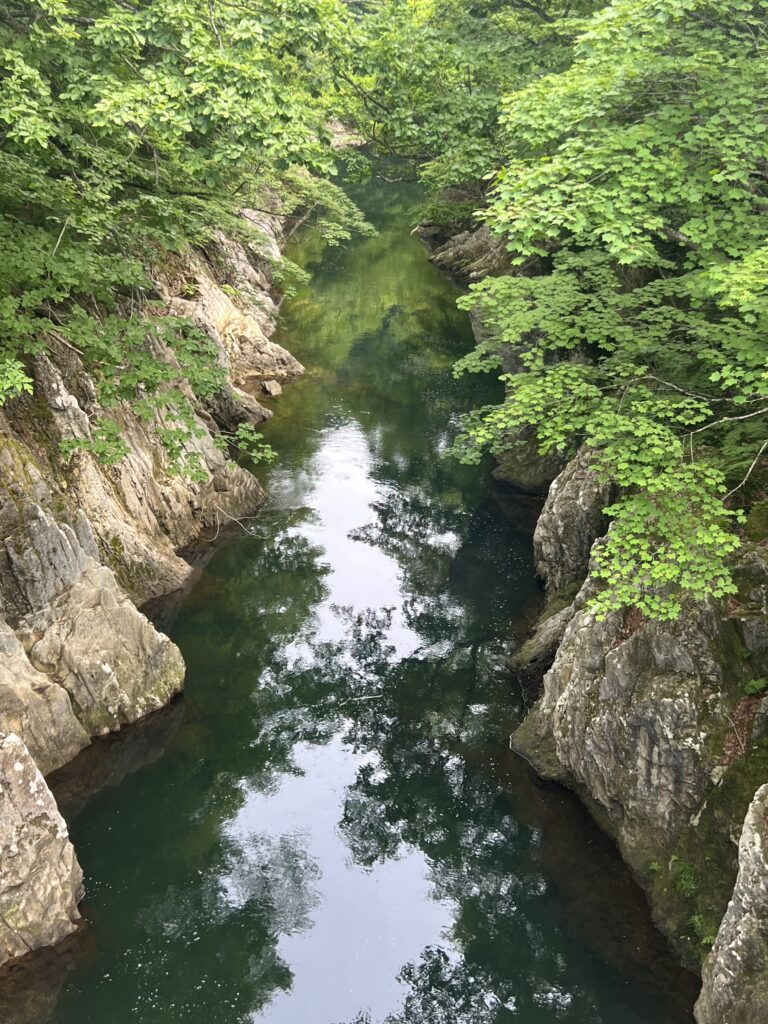
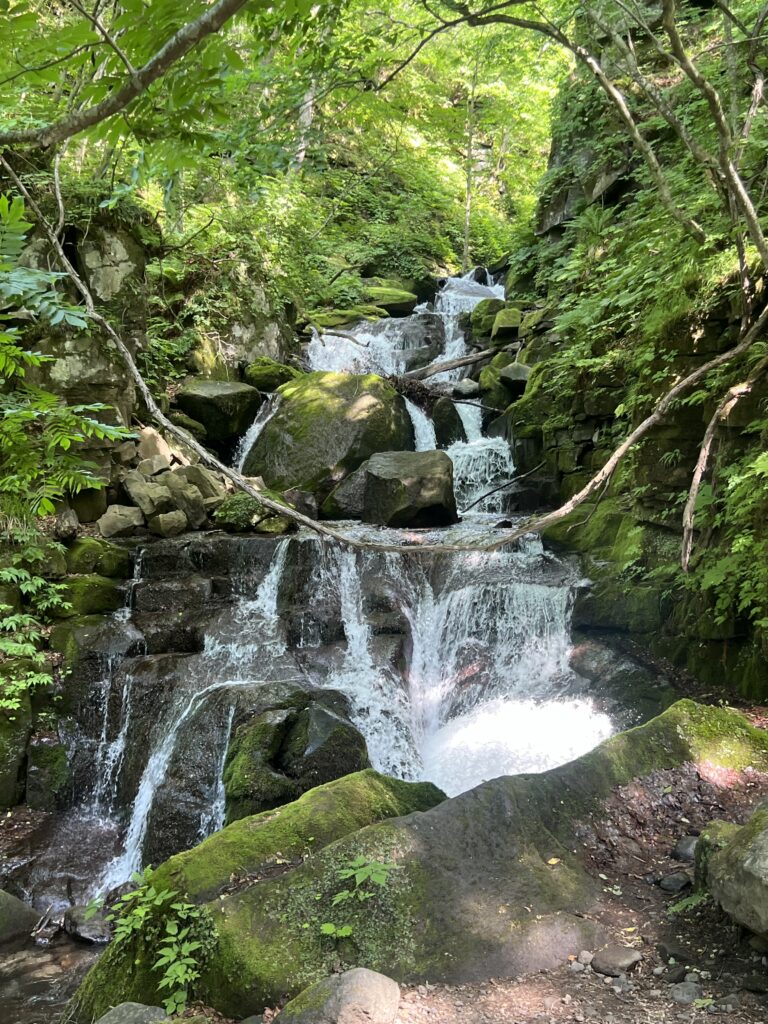
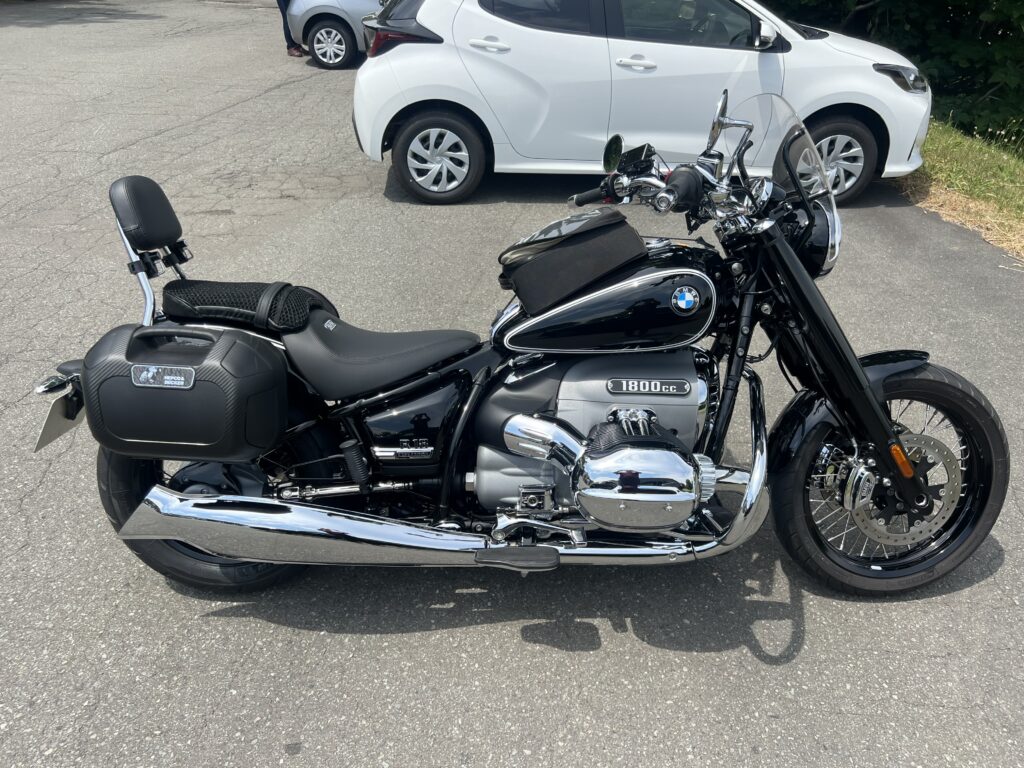
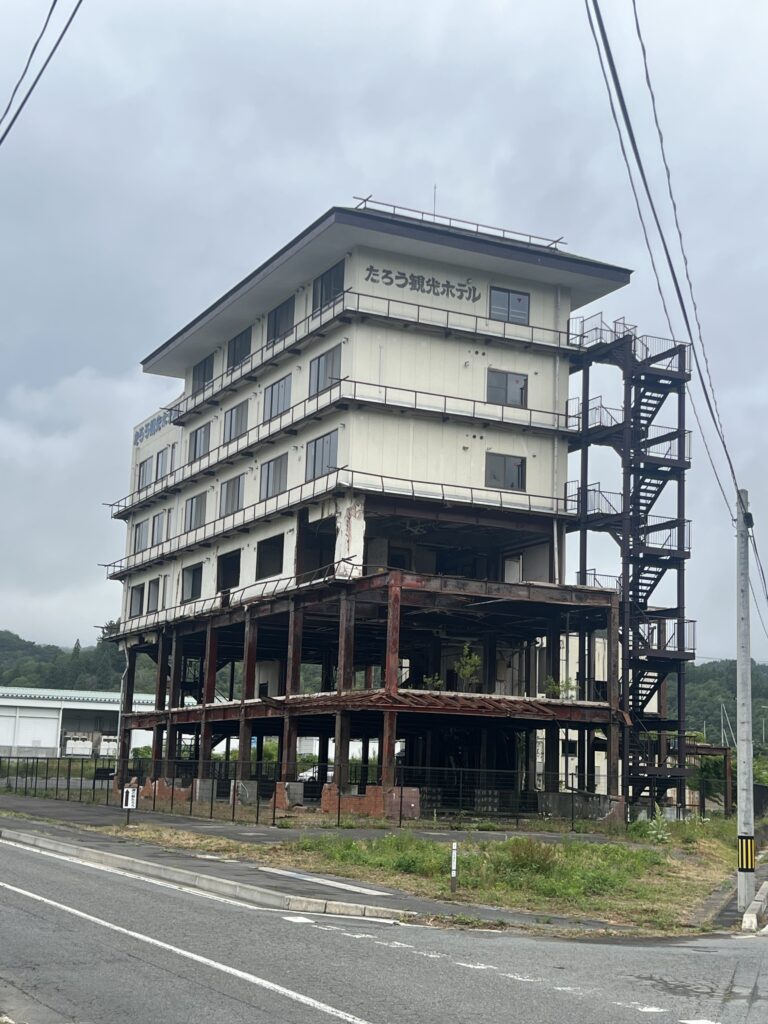
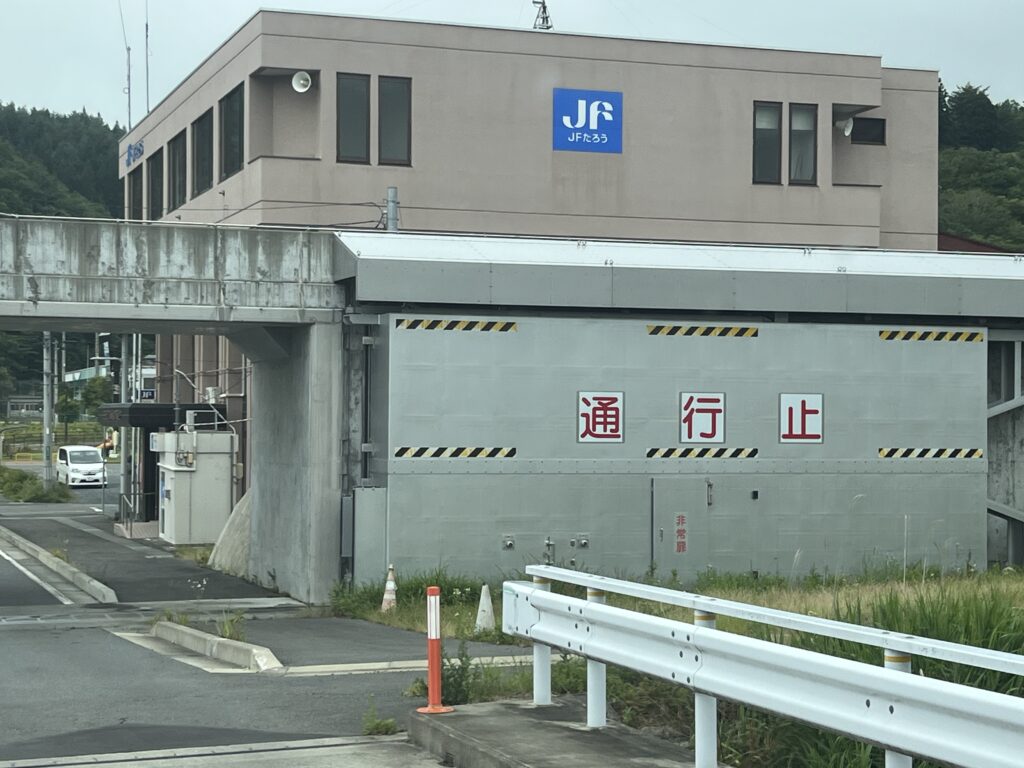
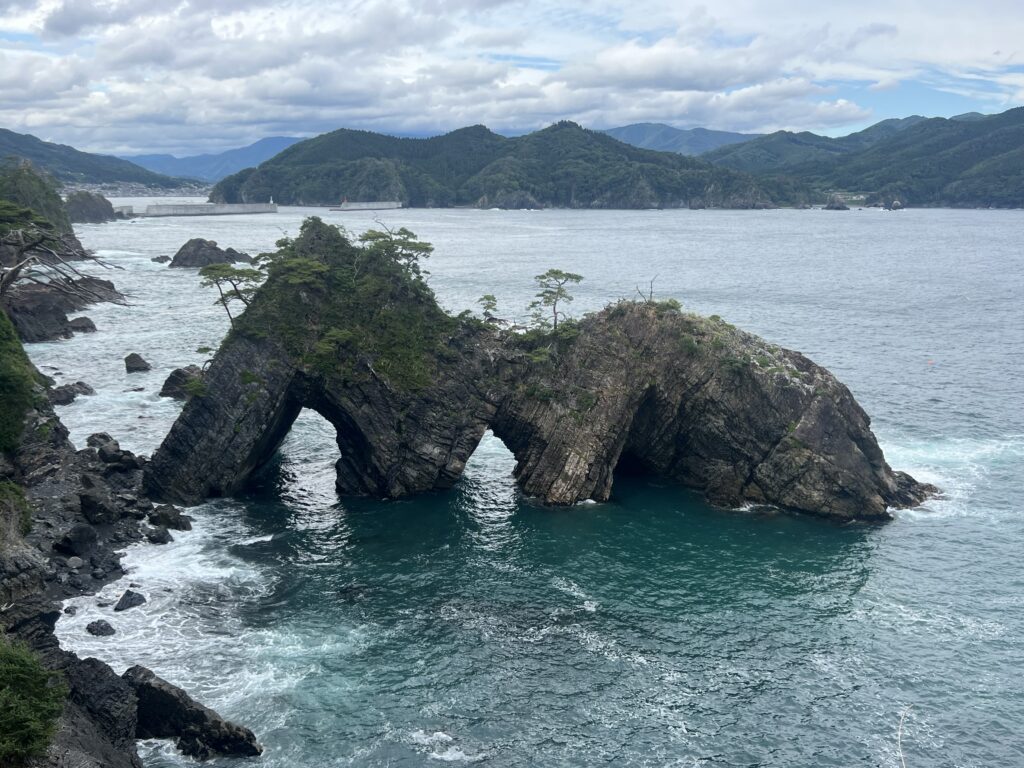
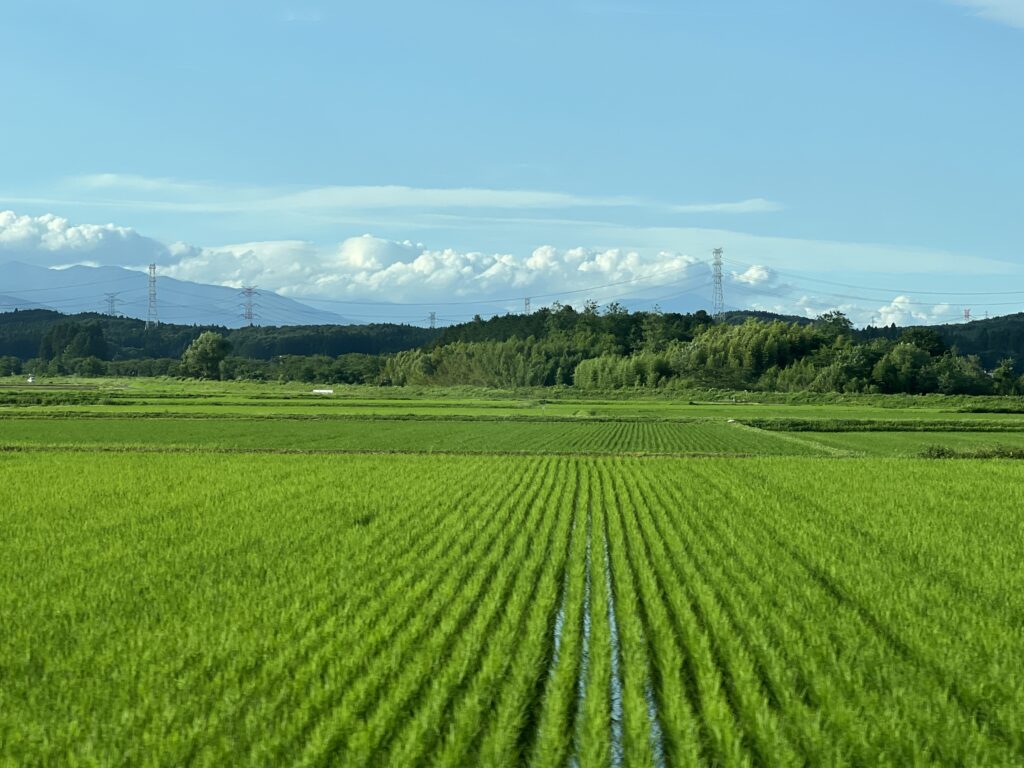
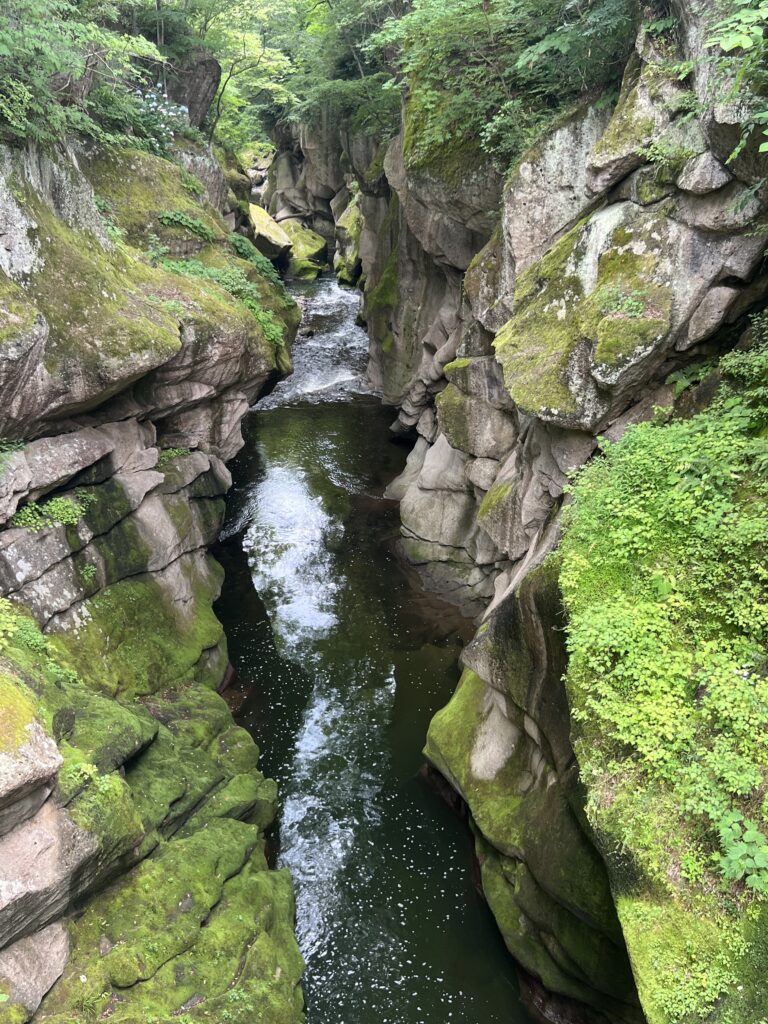
Just a few minutes north of Oma ferry port is the marker for the northern extremity of Honshu. Went take a peek and found all our ferry companions camped there ( so we did, too).The coastline south-west of Oma is spectacular in places – here at Hotokegaura.The inland areas south of Oma were pretty as well. Here at Kawauchimachi River.Choshi Otaki waterfall on scenic Route 102 through Oirase Gorge.Throughout Japan we have seen some of the biggest, fanciest, most exotic foreign motorbikes – always to be found in great numbers on any scenic road.Formerly a hotel, this building has been kept as it was after the 2011 Fukushima earthquake. Water reached the 4th floor. As we drove through this area it was incredible to see so much devastation. Many buildings left and not rebuilt, and many businesses shuttered.In some highly exposed areas, concrete walls and barriers now exist to protect against such events in future. This huge iron door slides across to protect the town.The northern Honshu coast was full of surprises and beautiful sights – here, Anatoshiiso Rock, just north of Sendai.The beautiful islands of Matsushima, outside Sendai.You might think we’d get sick of seeing rice fields ( there are so many ) but the lush green color and perfect symmetry made for postcard-like images.Rairaikyo Gorge, Sendai.
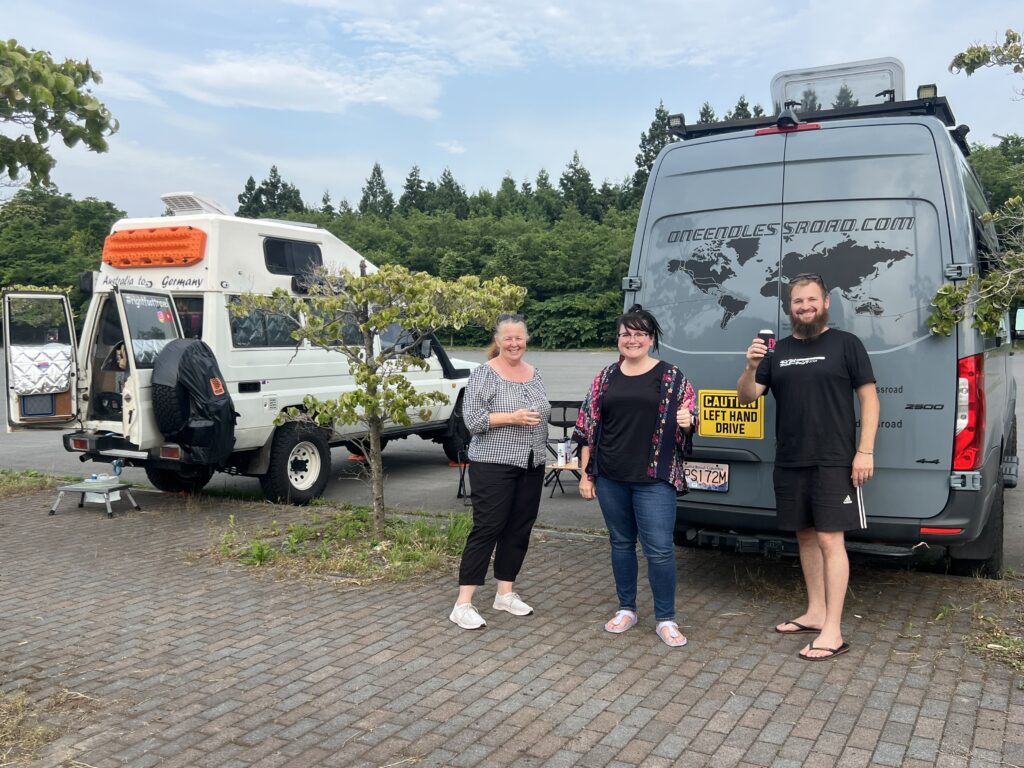
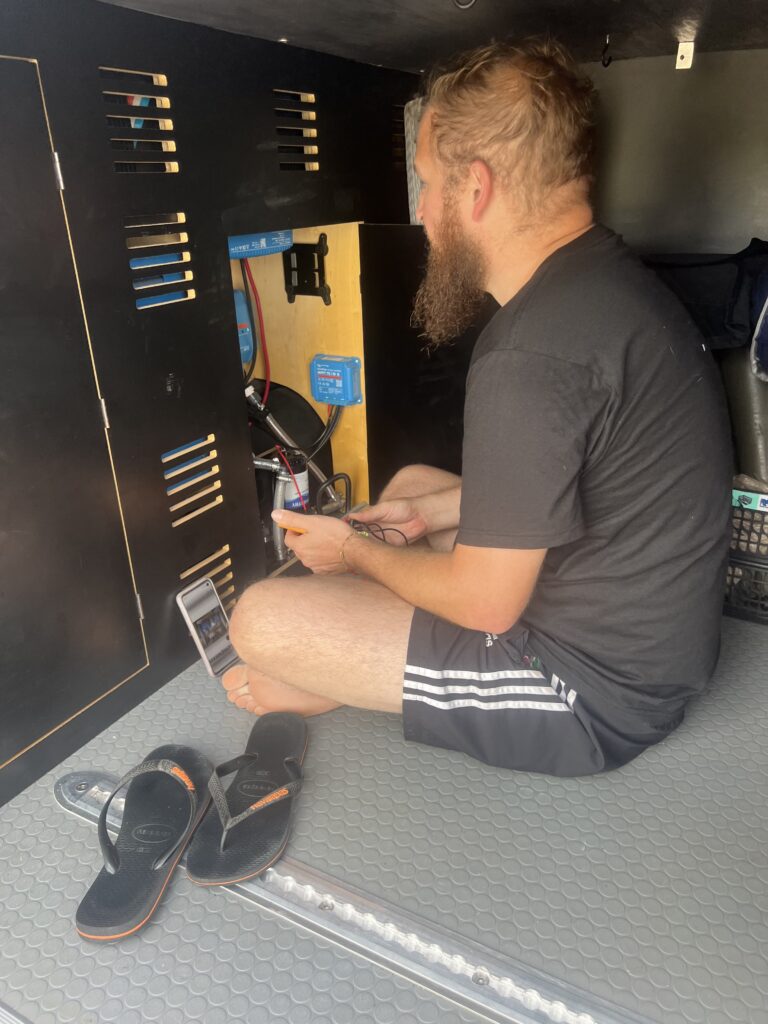
Beyond just the sights and scenery ( never dull here, even when it rains ! ) there was a well-anticipated moment for us just north of the city of Hachinoe – the opportunity to cross paths with Andy and Serena ( of RightFootTravel ). A young Aussie couple travelling in a Landcruiser “Troopy”, we’d initially connected through their Facebook post on an overlanding site we both belong to. We’d arrived in Japan just ahead of them, shared some tips, then kept in touch and vowed to connect in person if it was at all possible. Turned out that Hachinoe was the place – they, heading north to Hokkaido, and we heading south after travels in Hokkaido. Just a great evening spent camping together, sharing tips with each other and other tales from the road. Andy ( an electrician by trade ), also took some time to “reset” my solar system, part of which had not been fully functional – amazing what a difference it is having 700 watts of solar pumping out the amps compared to the 100 watts we had been living with ( so simple when you know what you are doing ! ). Thank you Andy, and good luck to both as you trek west after Japan ( they ship to Korea, travel there as we did, then ship to Vladivostok for the overland trip to Europe via Mongolia and Kazakhstan ) !
The first, and so far the only overlanders we have met in Japan – Andy and Serena, here camped with us in Hachinoe.Forever thankful for the solar help – thanks again, Andy !
From Sendai, our next week will take us back to the Tokyo area ( but not to downtown Tokyo just yet ! ) via spectatcular Nikko.
Almost forgot…..here’s a minute and half of our week condensed. As we are in the final stretch of our time in Japan we covered quite a lot of ground last week to get closer to Tokyo. It’s from there ( well, Yokohama, which is next door ) that we hope to ship out in a few weeks.
Till next week…..
A Random Act of Kindness ( Classic Japan )
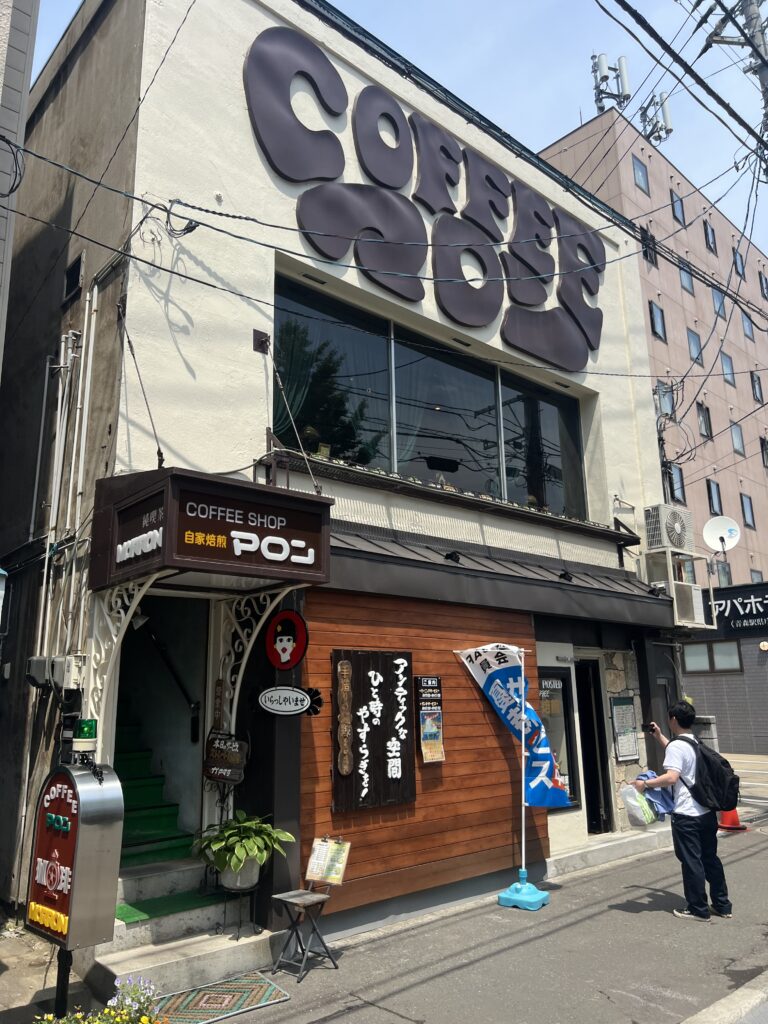
While in Aomori we wanted to find a really good coffee shop and the tourist folks directed us here to Cafe Maron. Not only was the coffee and hot chocolate to die for, but it was here we had another of those “only in Japan”experiences.
Cafe Maron, Aomori.
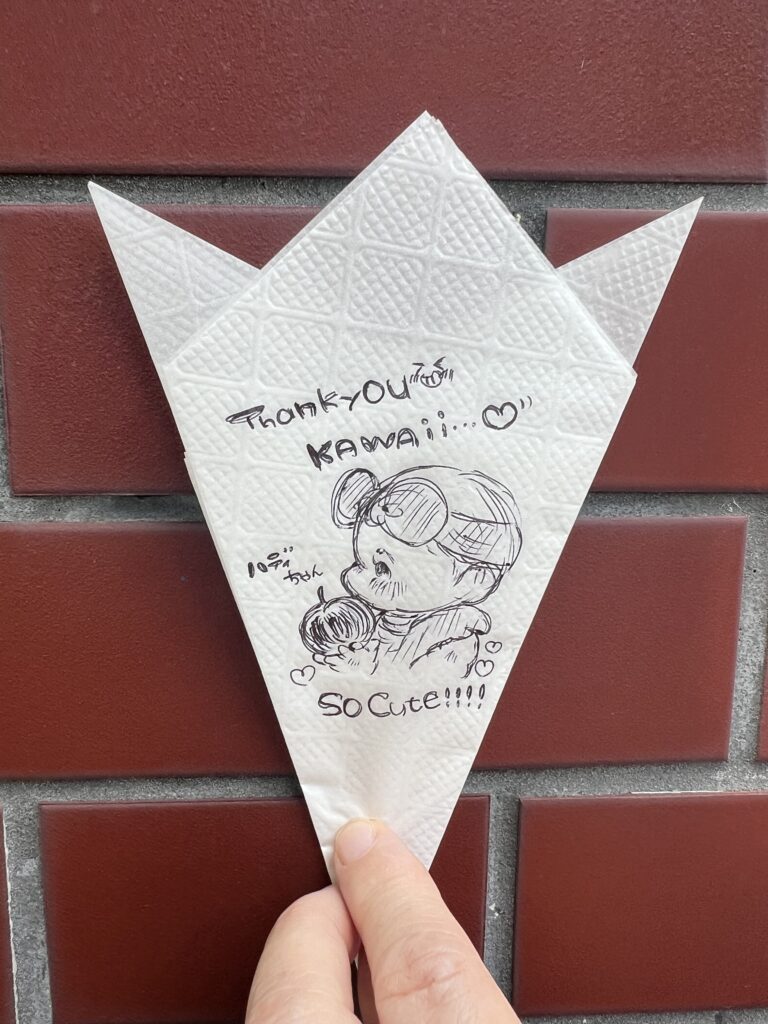
Lois and I keep a picture of our new granddaughter (Hadley) on our phone screens and the waitress happened to notice her picture on Lois’s phone ( sitting on the table ). She commented on how “kawaii” ( pretty, cute ) she was and we chatted for a minute about her.
Screenshot of Lois’s cell phone “wallpaper”.
She took our order, then went away to have the drinks prepared. She then brought us the drinks, we enjoyed them immensely, and once we finished them, I asked her for the bill. A few minutes later she came with the bill, but with it was a folded napkin with a sketch on it. She had drawn our granddaughter, based only on her memory, and a brief glimpse of her, from 30 minutes earlier. We were both quite touched, and of course have kept the napkin which we will take home and give to our daughter. It’s a small thing, I suppose, but just typical of the kind of thing Japanese folks have done on a fairly regular basis to make our already incredible experiences in this country even more wonderful and personable. It kind of made our day…….
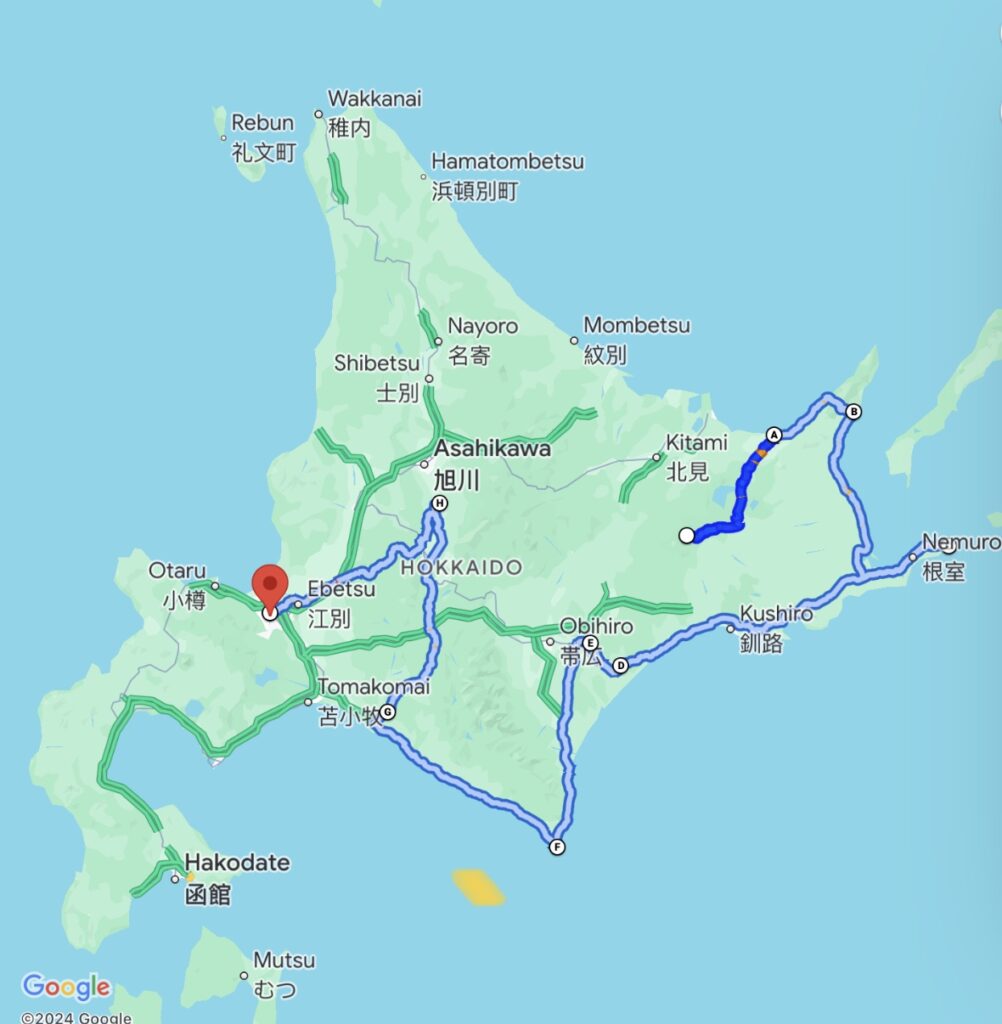
The stunning lakes and outdoor onsens on the Akan National Park were definitely hard to leave but the next area of Hokkaido to explore would offer equally beautiful attractions and reminders of some Cold War challenges between Russia and Japan that linger to this day.
Our route over the last week, in blue; from Akan National Park, east through Shiretoko, Nemuro and back to Sapporo along the (often barren) south coast of Hokkaido.
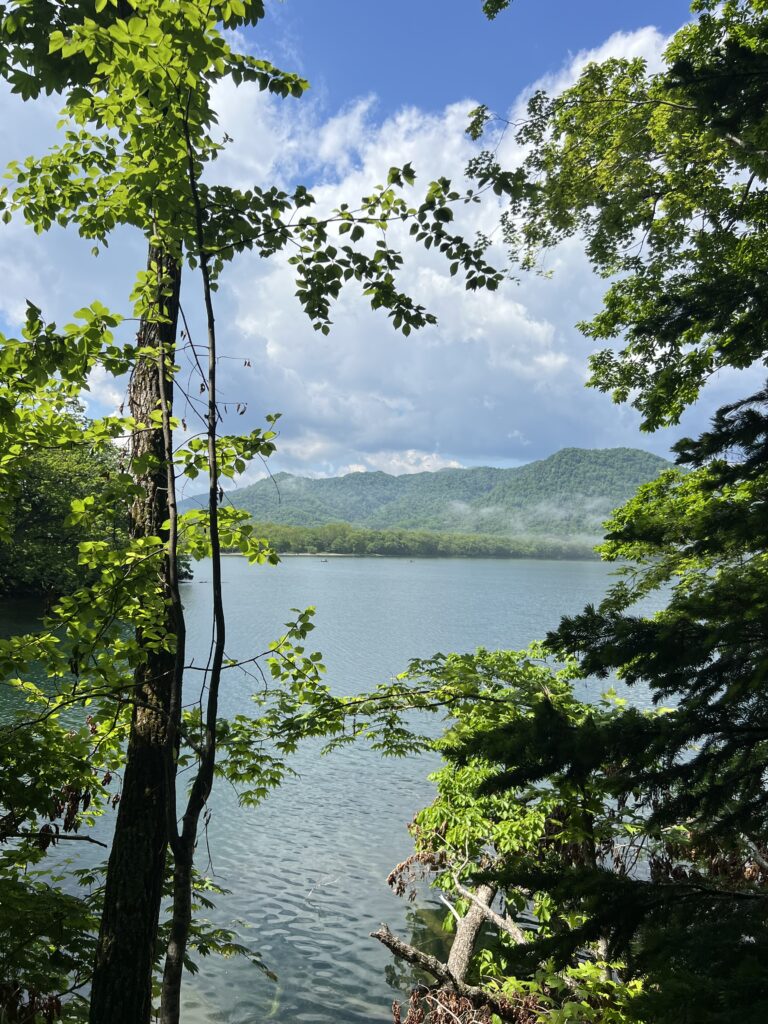
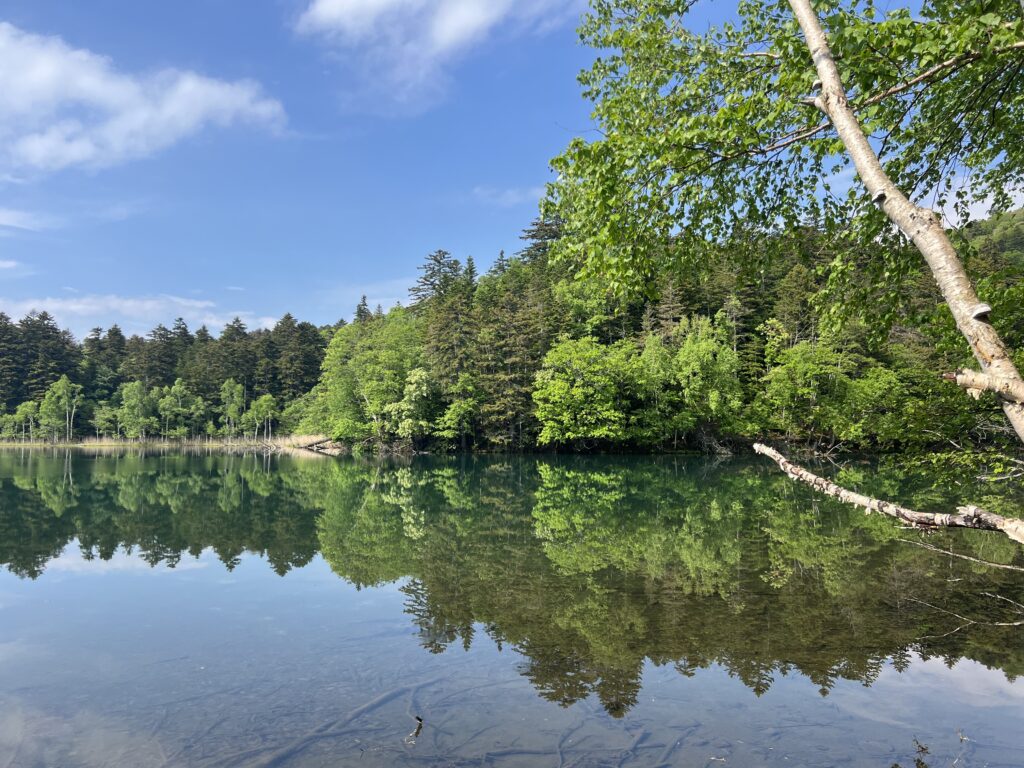
Just before leaving Akan there was time to explore and hike around one of its smaller, but no less beautiful lakes, Lake Onneto. Almost missed it but certainly glad we didn’t. Also enjoyed a nice hike on the Wakoto Peninsula of Lake Kussharo.
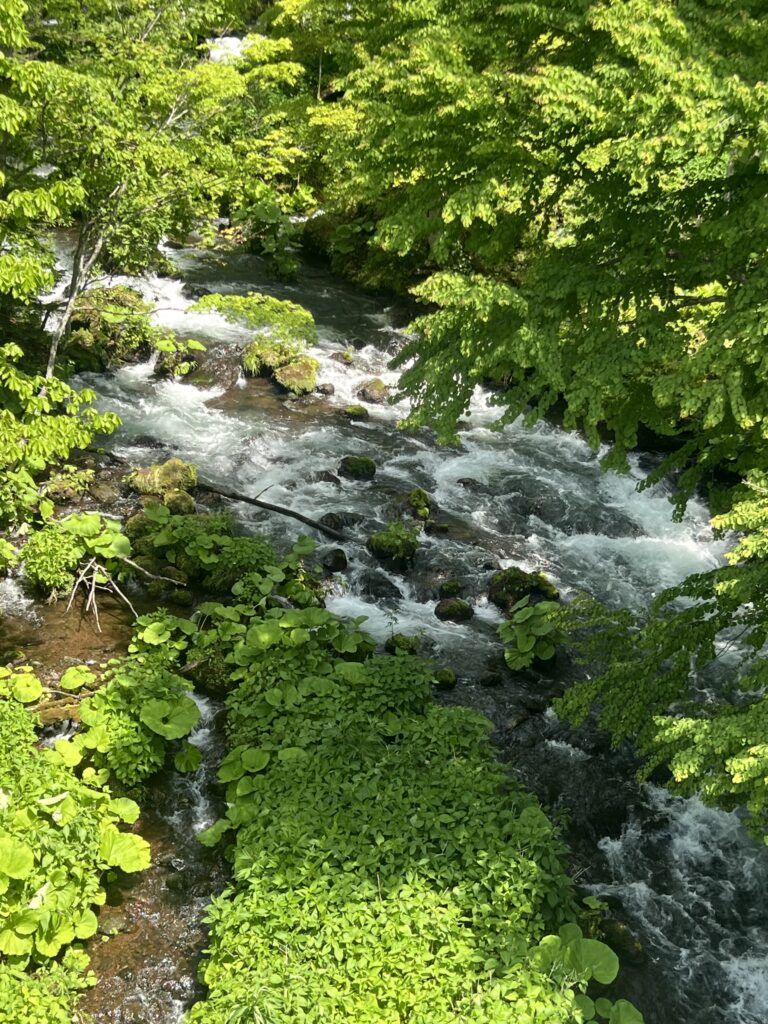
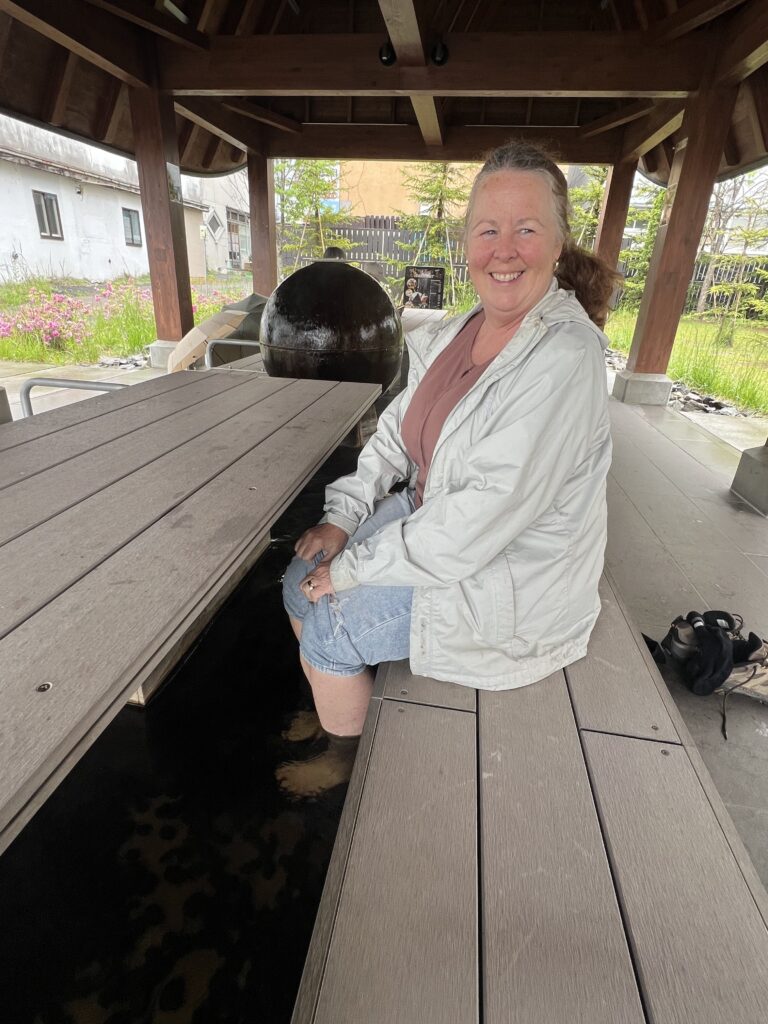
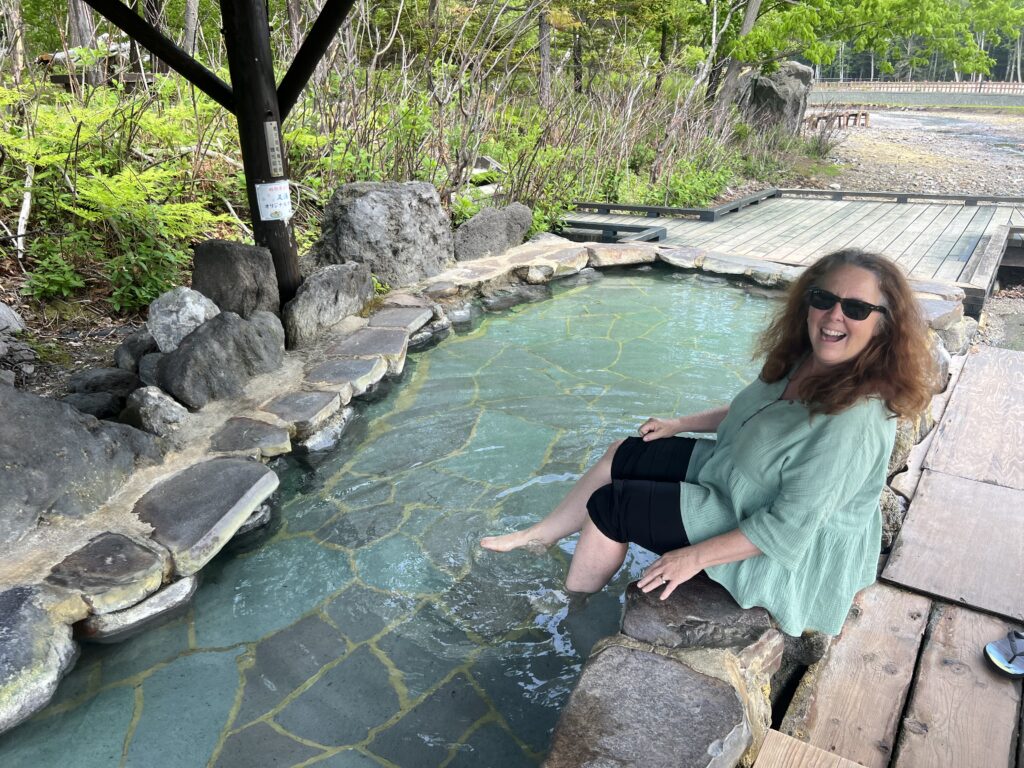
Wakoto Peninsula, Lake Kussharo.Near Lake Akan, Akan NP.Lake Onneto, Akan NP.Marimo Foot Bath, Akan NP. Lois just could not stay away from these places ! Admittedly, very soothing after long walks.
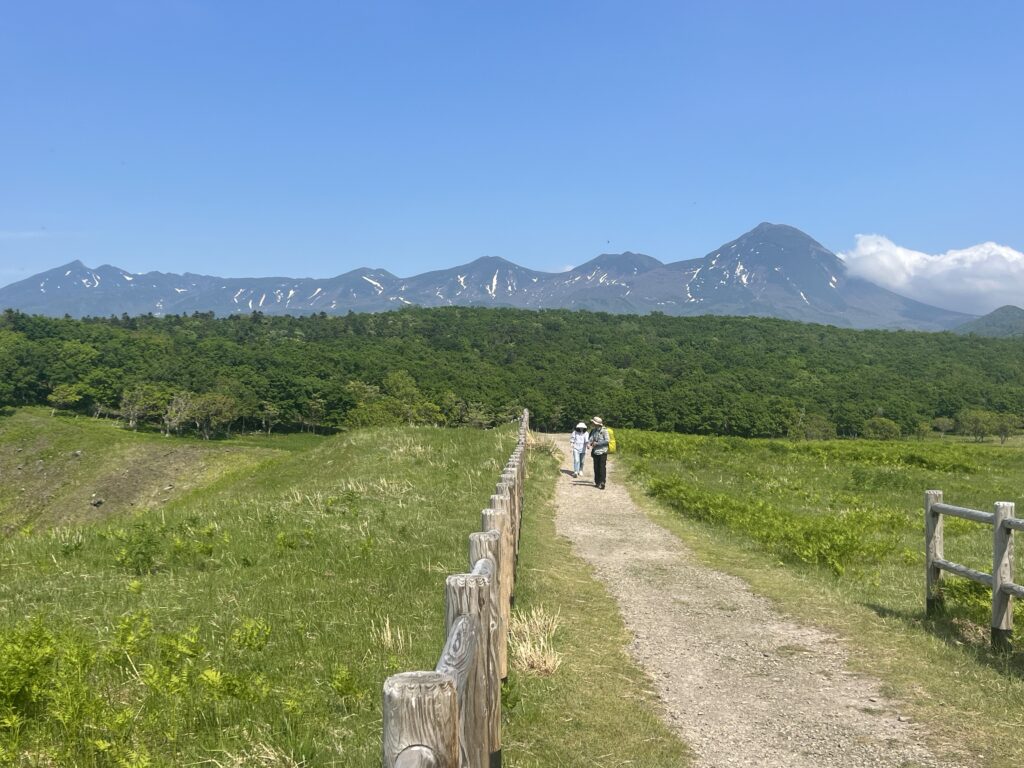
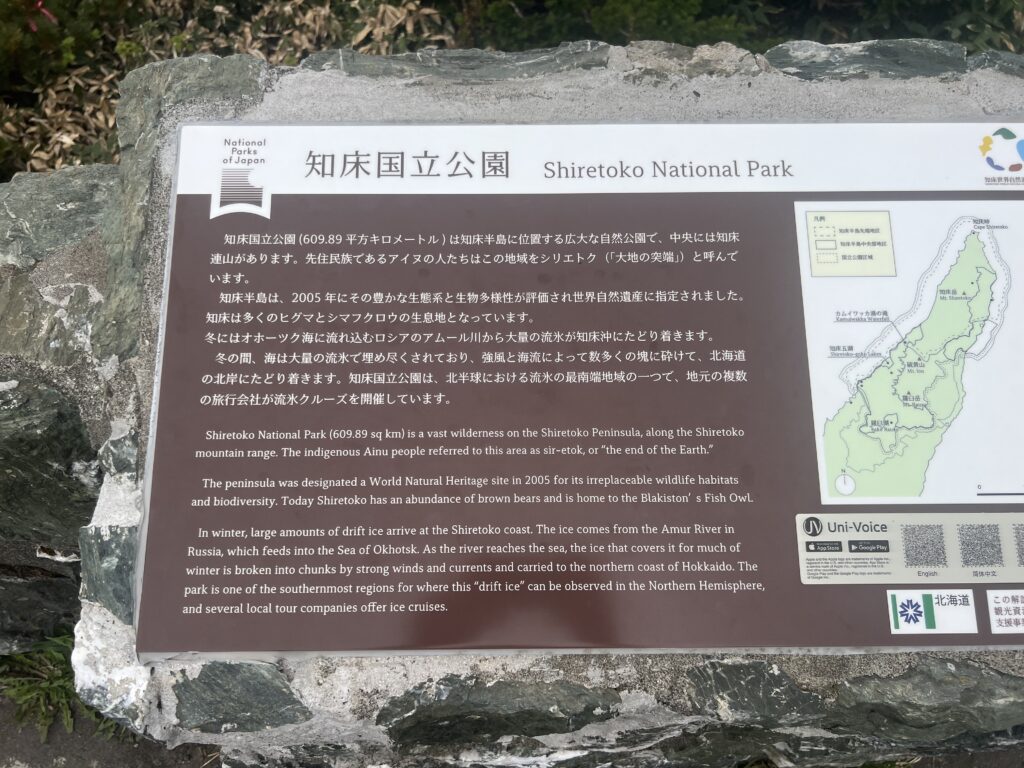
East of the Akan National Park area lies Hokkaido’s Shiretoko Peninsula. One can drive only halfway out the peninsula – the eastern half is a National Park and home to an amazing variety of wildlife ( including brown bears and orcas ). Willing hikers have access to it all ( but it’s a long way to the end ! ), while boat tours on the north side generally see the bears and on the south side have an excellent success rate spotting orcas and other whales. Given that we almost have brown bears in our back yard, that was of little interest but the whale watching opportunity we did not want to pass up. Sadly, Mother Nature rained on our parade here ( again!) – both tours were cancelled while we were there. Crossing Shiretoko ( via the Shiretoko Pass ) was some consolation, it being one of the more spectacular drives in Hokkaido.
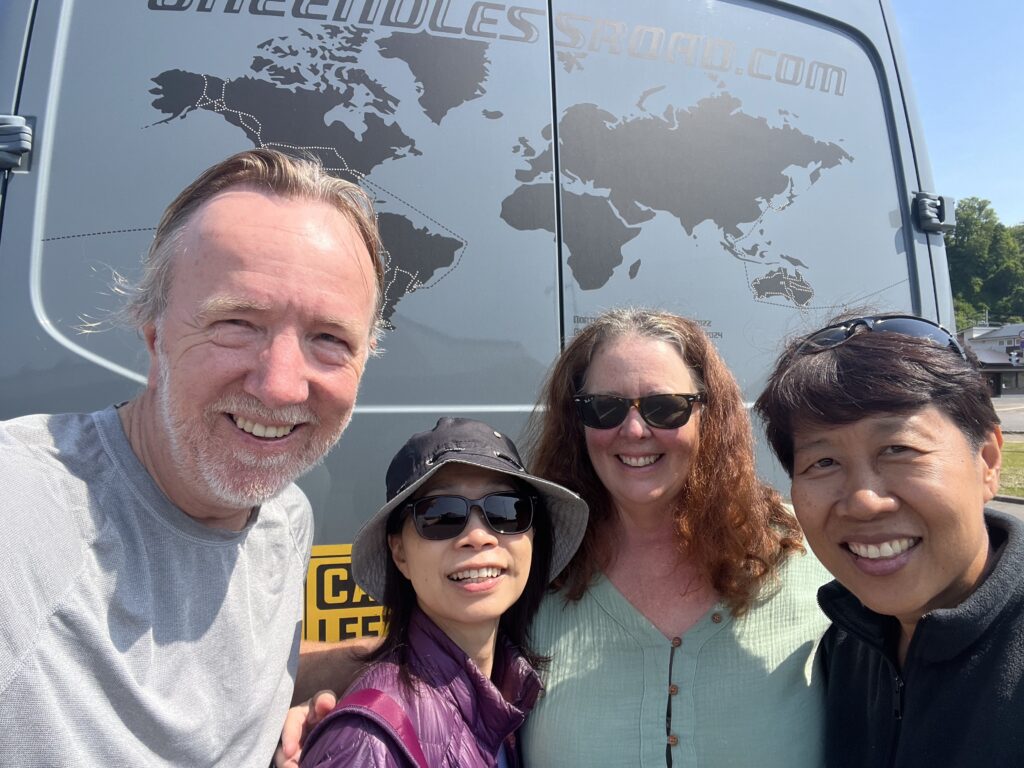
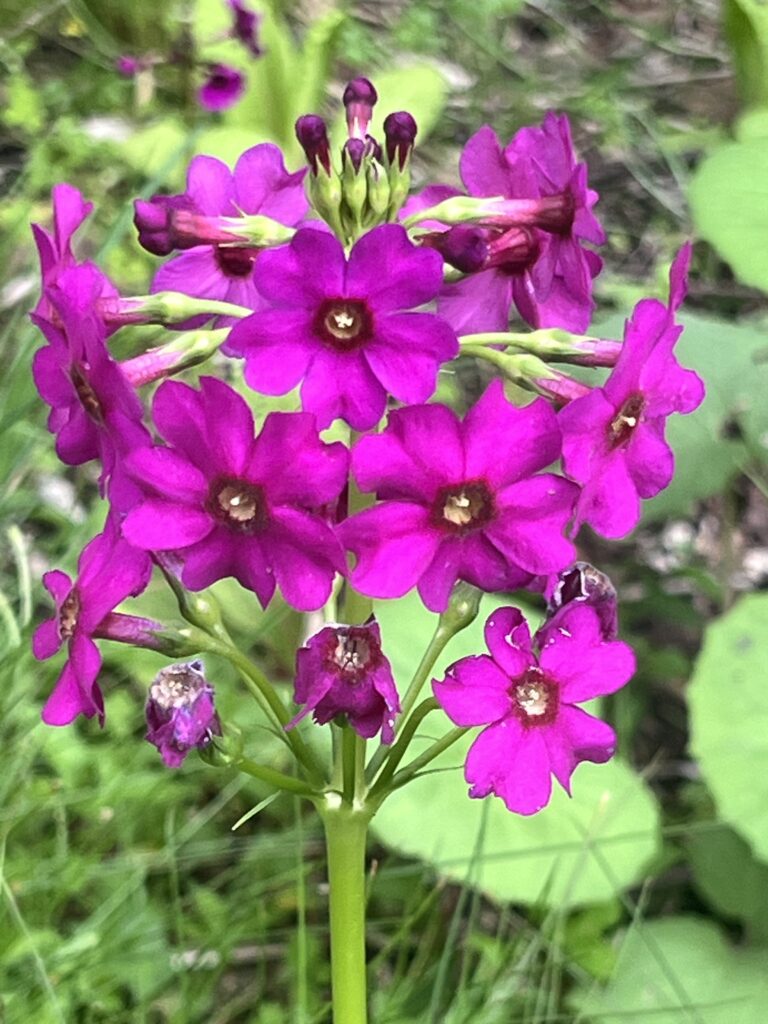
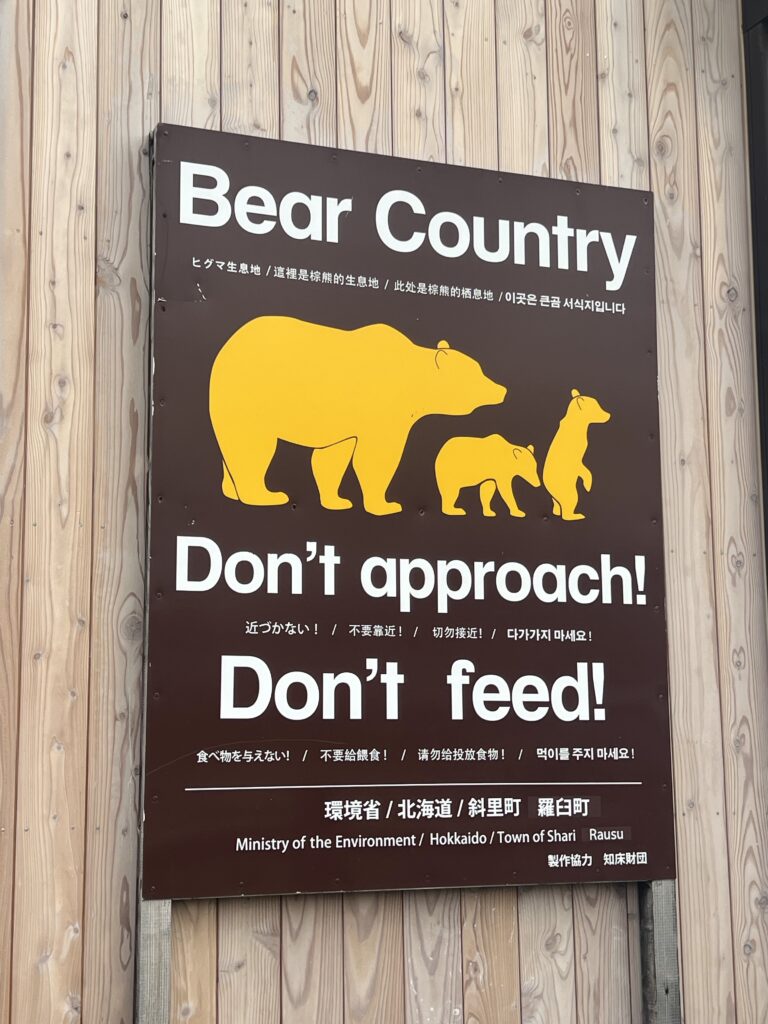
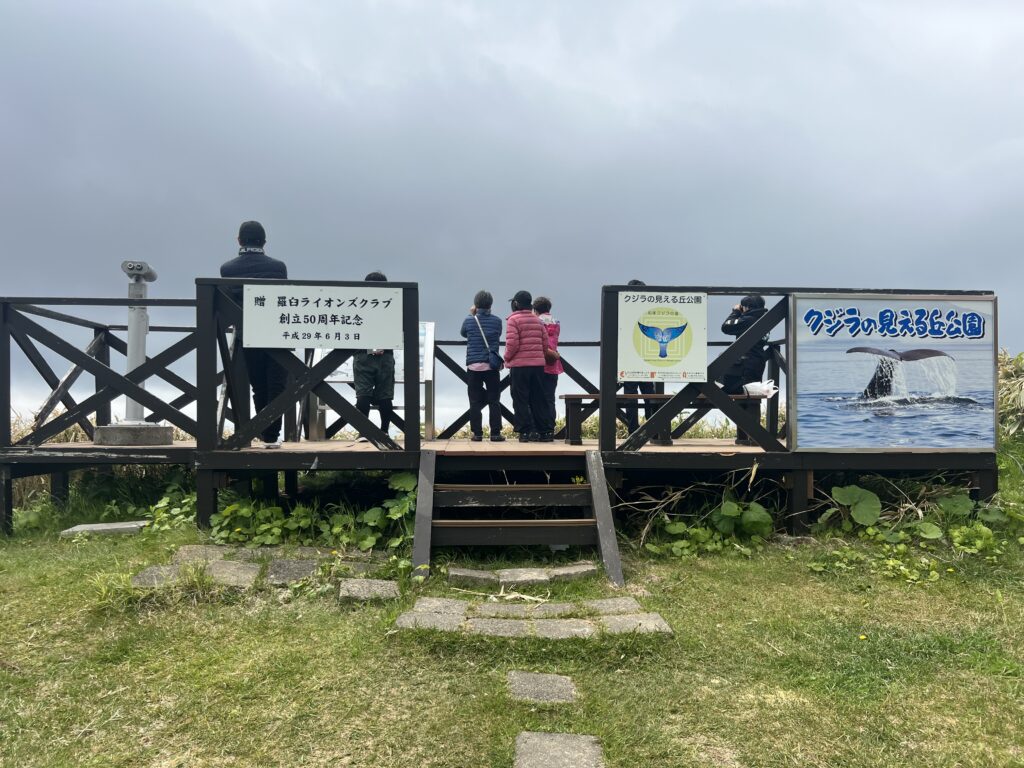
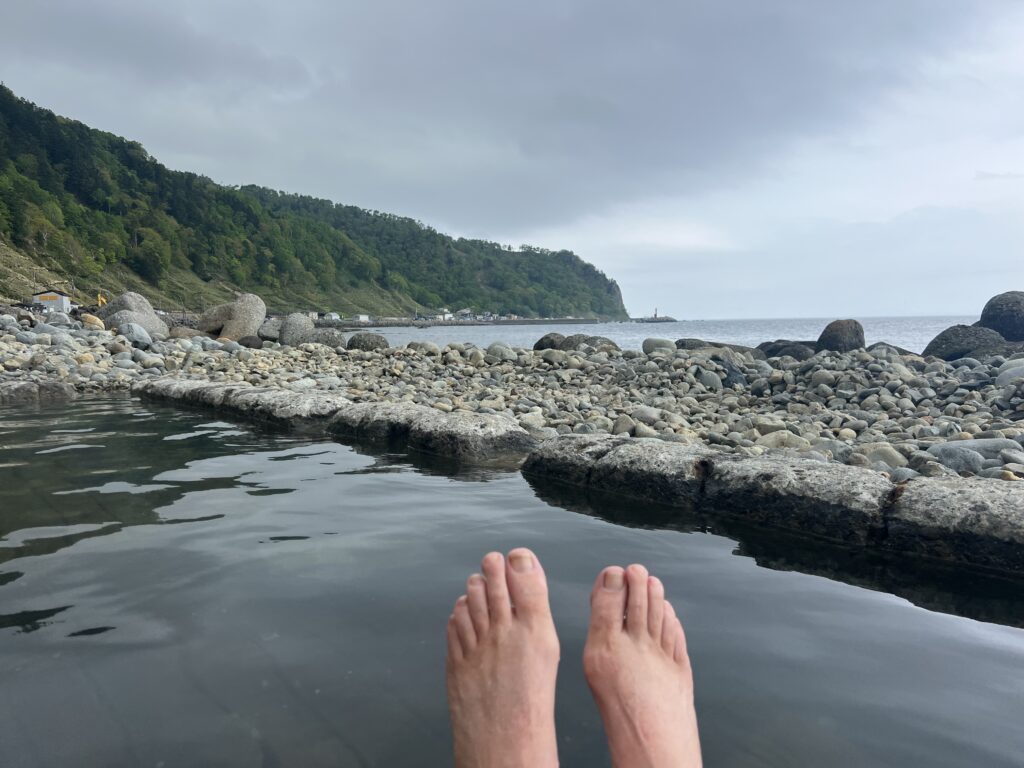
Oshinkoshin Waterfalls, Utoro, Shiretoko Peninsula.Furepe Falls just visible on this shot across the coast in Shiretoko NP.Here on the Shiretoko Peninsula with a couple of ladies from Singapore also travelling Japan in a van.A hike on the Shiretoko Peninsula.Shiretoko NP.Not just wildlife but plenty of beautiful flora in the area as well.You can’t say you were not warned ! Such signs are everywhere.The whale watching tours were cancelled when we visited ( high winds ) so we took a look from shore. Sadly, none visible.Ditto. More unhappy campers !A delightful seaside onsen just north of Rusau on the eastern side of Shiretoko. All to ourselves…..bliss !
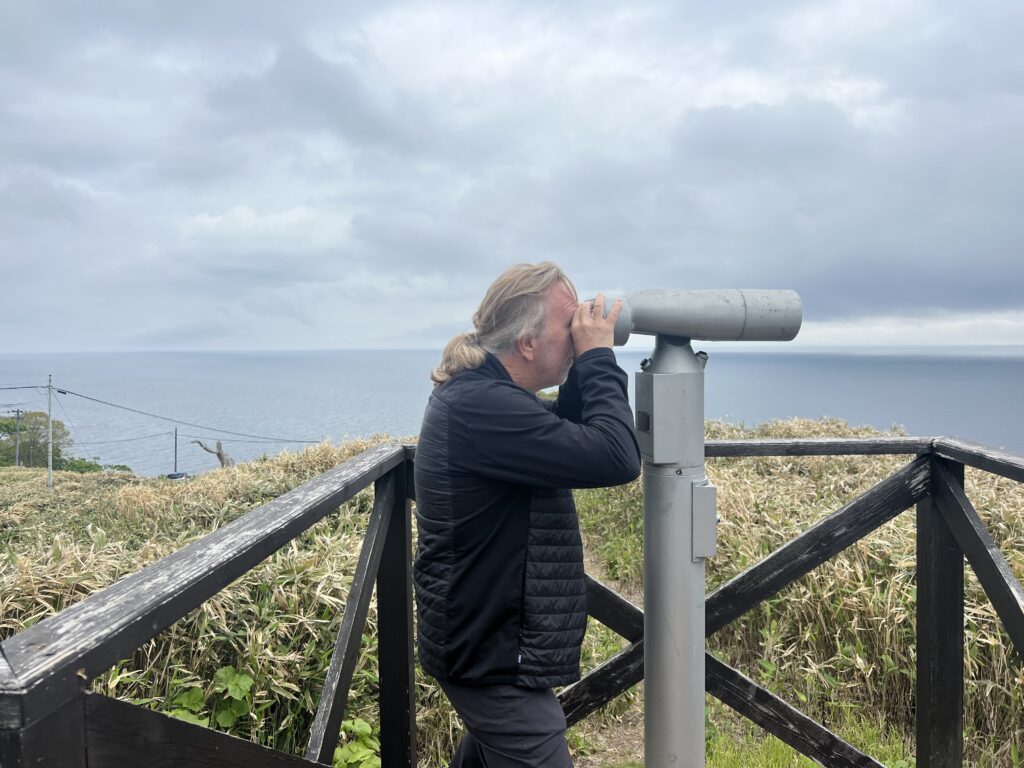
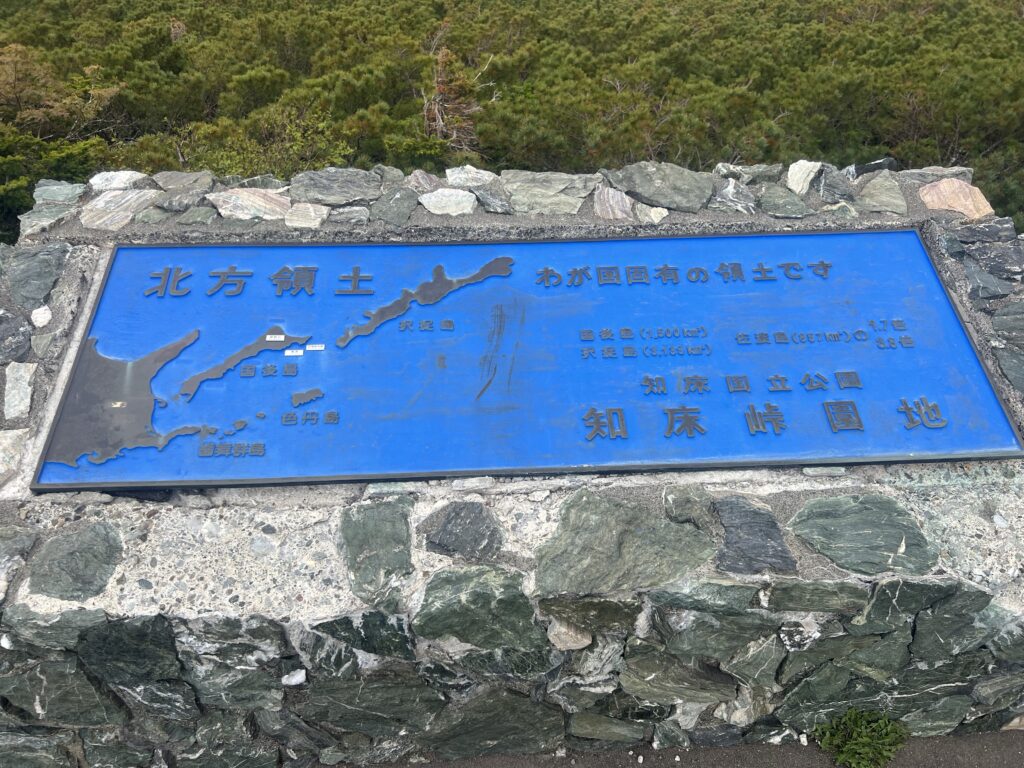
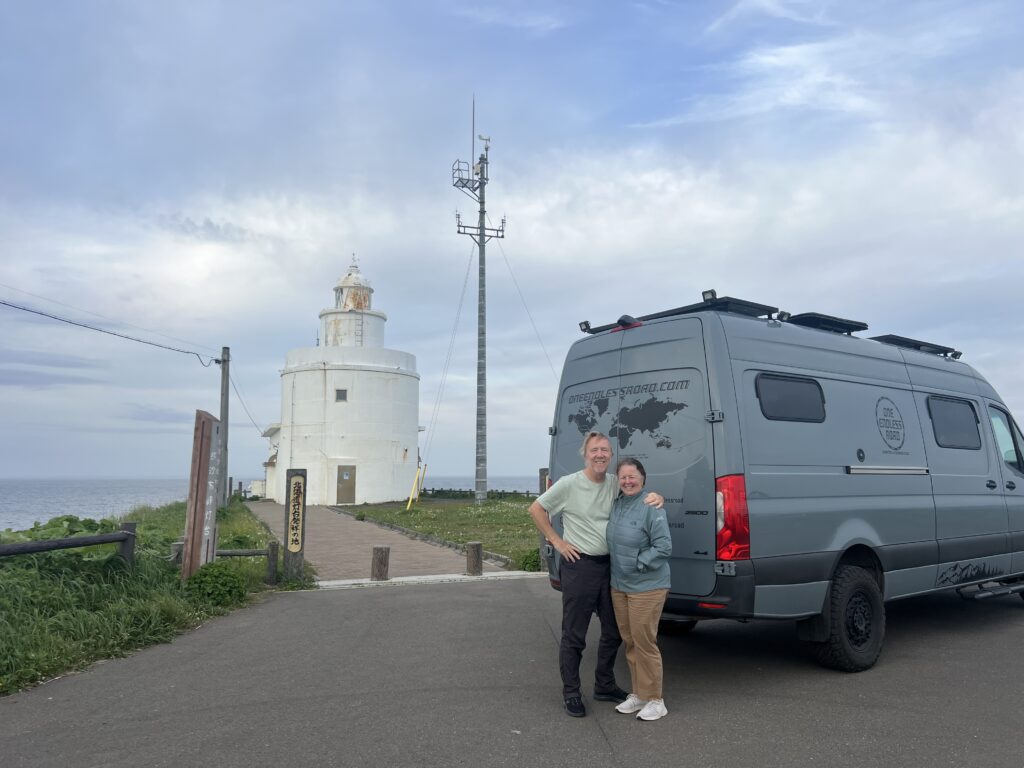
South of Shiretoko lies the Nemuro Peninsula, less spectacular scenery-wise but still known for its beauty and wildlife and also for the fact that it is not just the very eastern end of Hokkaido but as far east as one can go in Japan. Many Japanese are attracted to the Cape Nosappu Lighthouse, but there are also plenty of reminders in this area of Japan’s lost “Northern Territories”, a group of 4 Japanese islands stolen by the Russians at the very end of WW2. Every Japanese learns about them and while it’s unlikely the Russians will hand them back anytime soon there are plenty of plaques and memorials to be seen hoping for their eventual peaceful return to Japan. From Nemuro, Kunashiri Island ( largest of the 4 ) is easily visible and only kms away at its closest point.
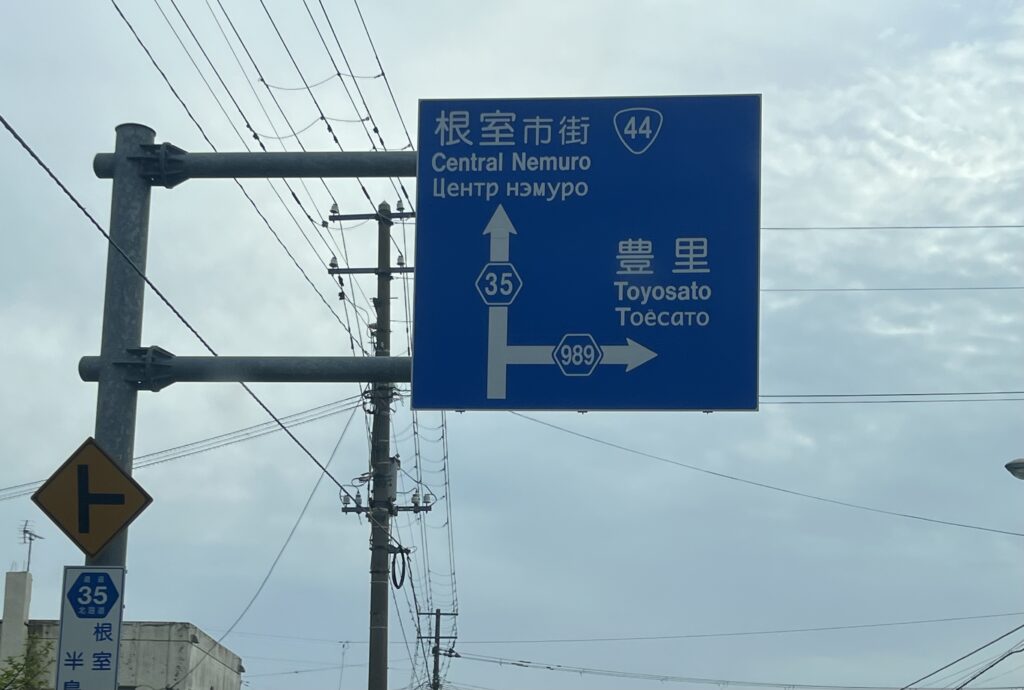
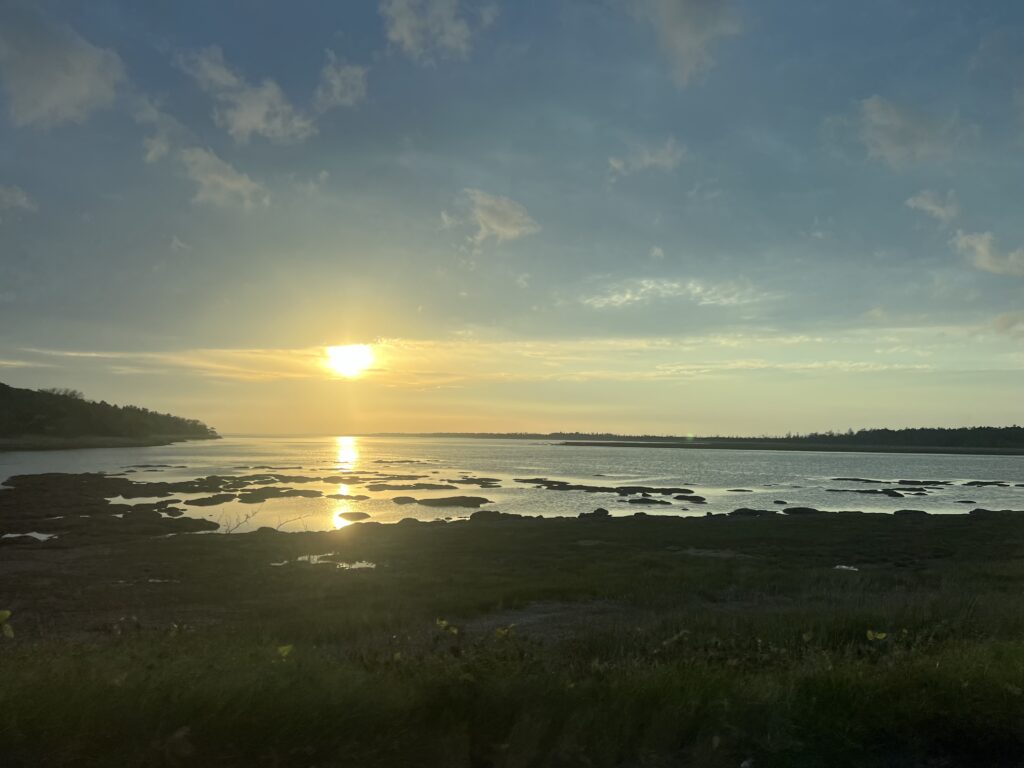
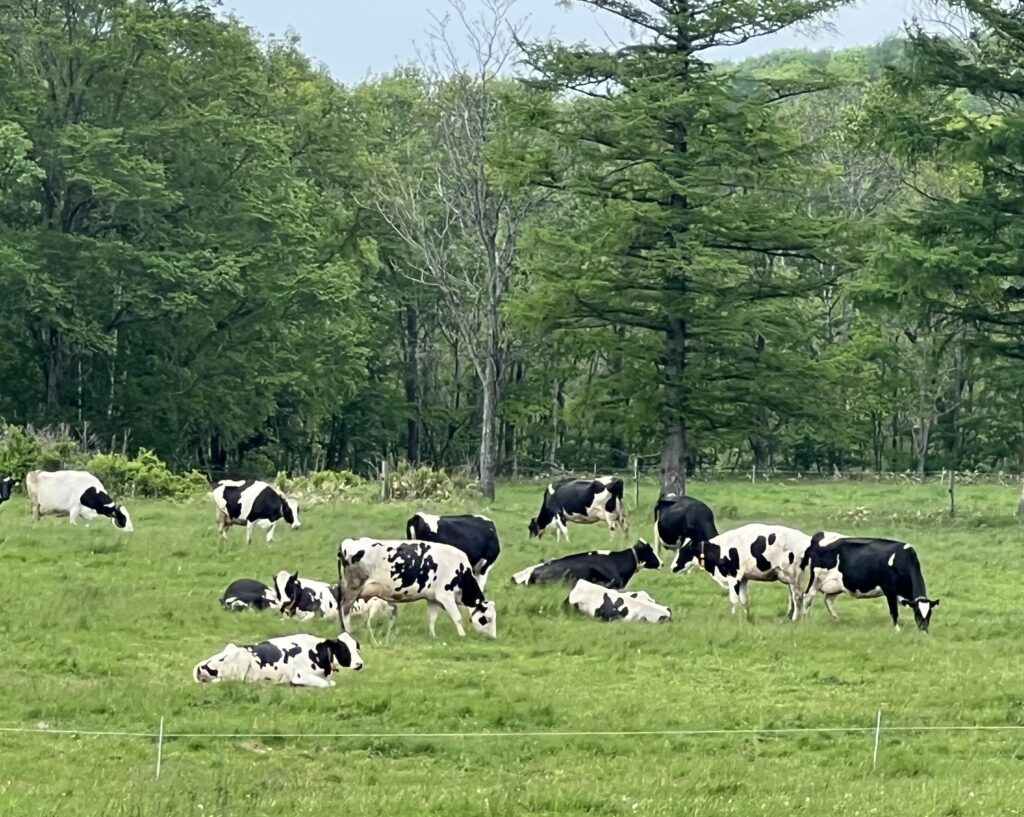
One of many plaques we saw around Nemuro highlighting Japan’s 4 nearby islands still occupied by Russia.Heading southeast we also visited Nemuro and Cape Nosappu, Japan’s eastern extremity. Kunashiri island easily visible from this point ( but controlled by Russia ).Kunashiri – so near, but yet so far.Like Wakkanai to the west, towns in Nemuro often showed street names in Russian.The sunsets in Hokkaido were often stunning. Here, at Nemuro Bay.A typical Hokkaido farm scene – their butter is famous in Japan, and excellent.
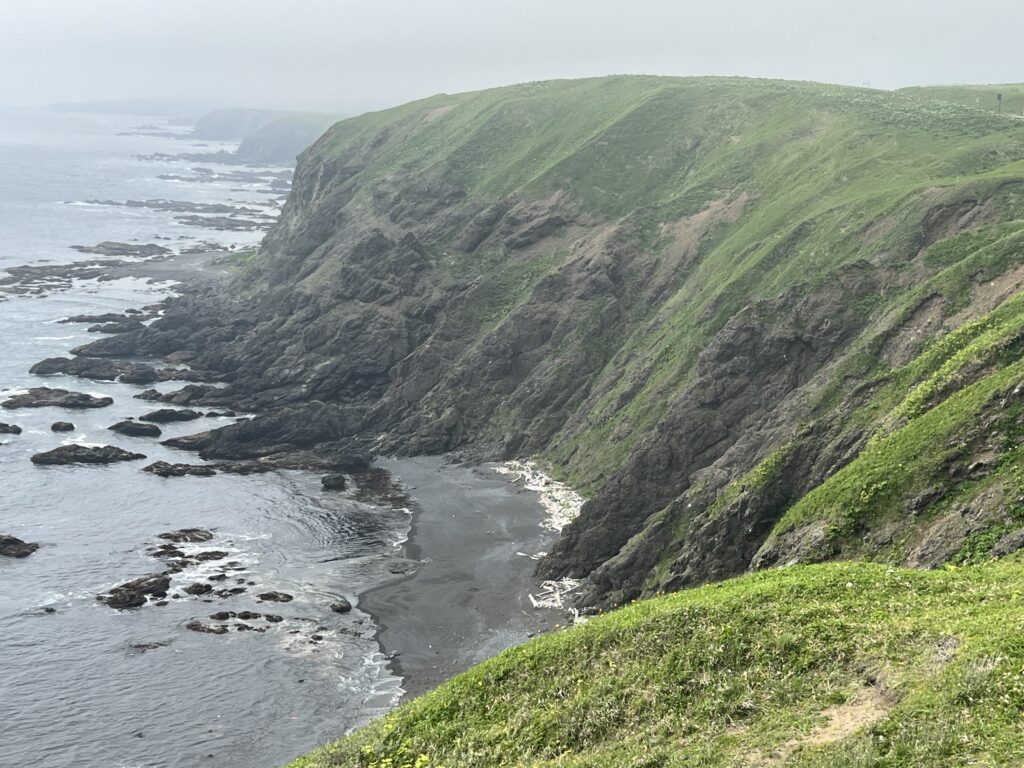
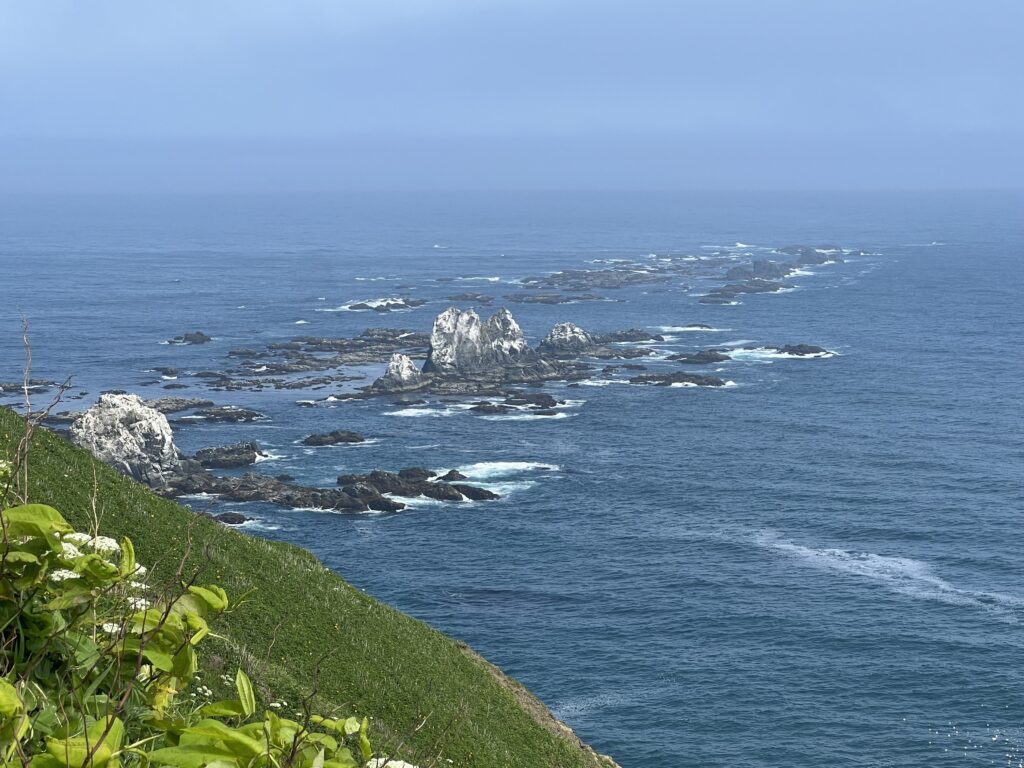
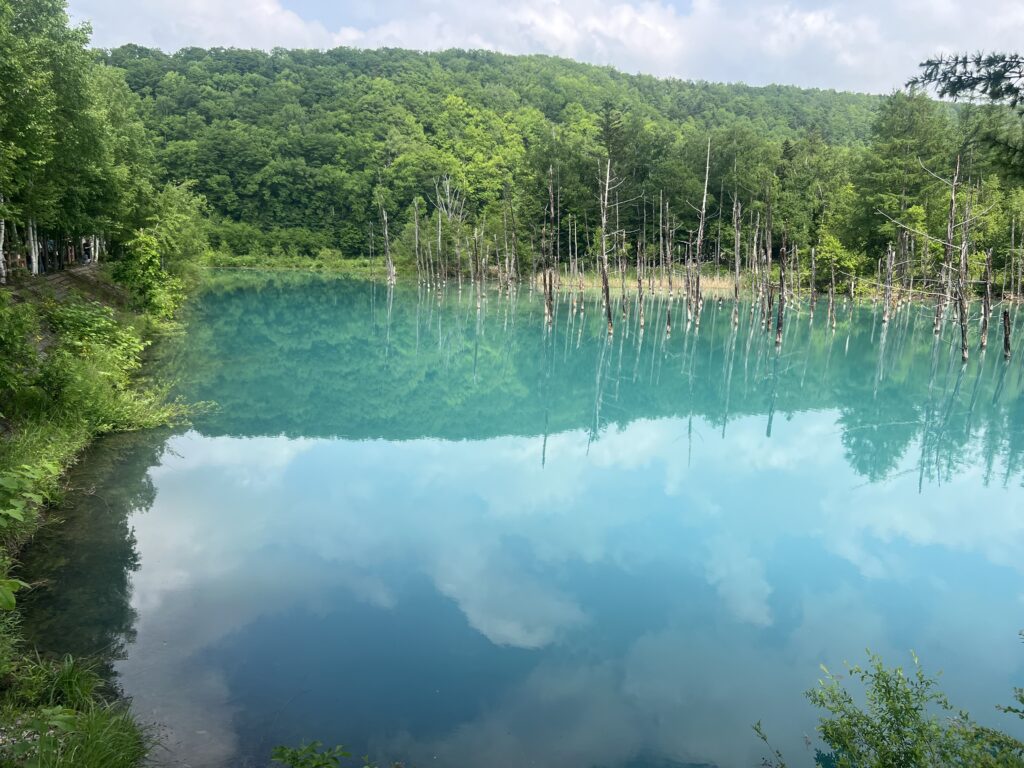
Leaving Nemuro our route turned back south west in the general direction of Sapporo, ending there – some notable highlights on our last days included the wetlands near Kushiro, the unique coastal rock formations at Cape Erimo, and ( while quite a detour inland ) the incredibly picturesque Blue Pond of Biei.
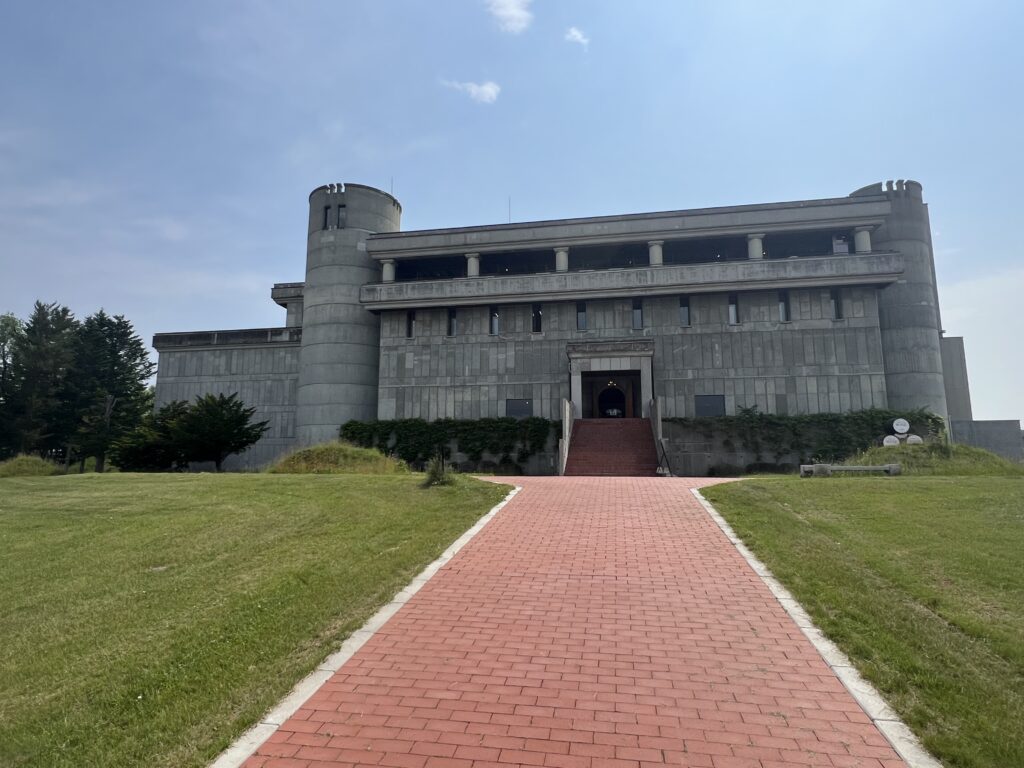
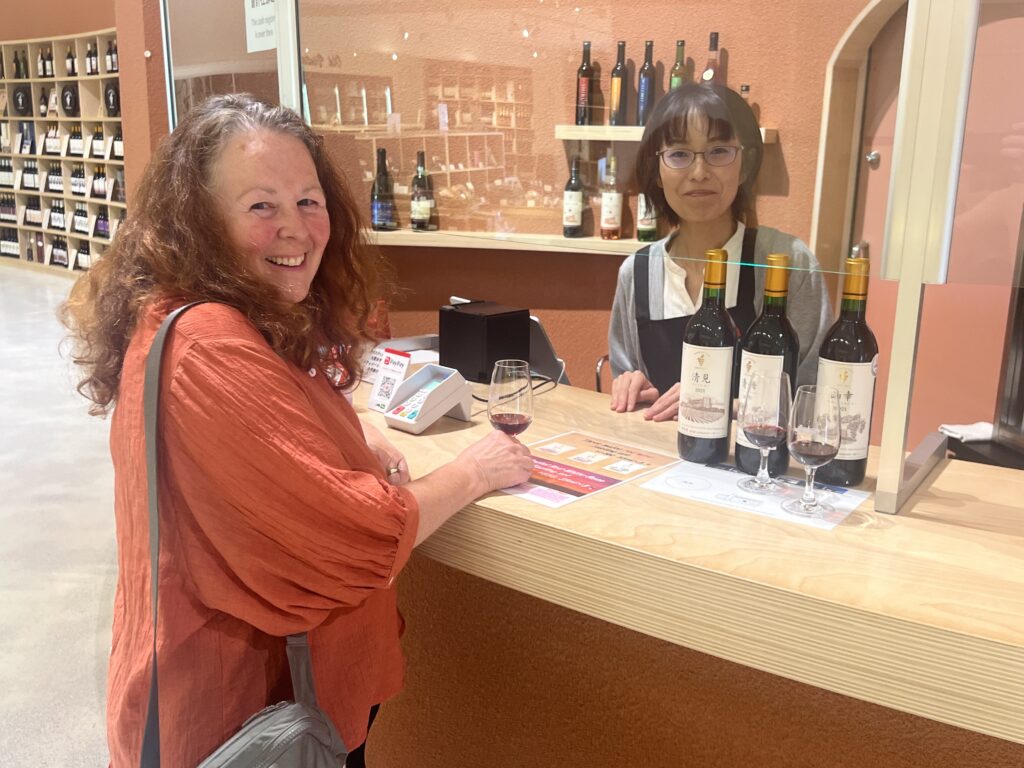
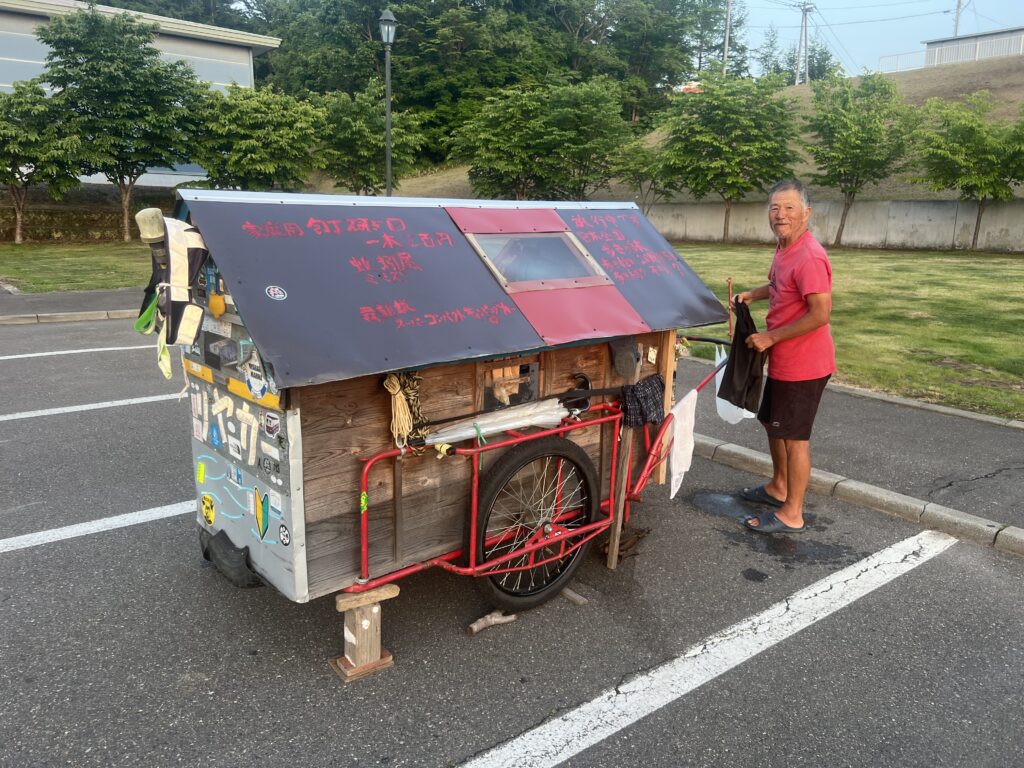
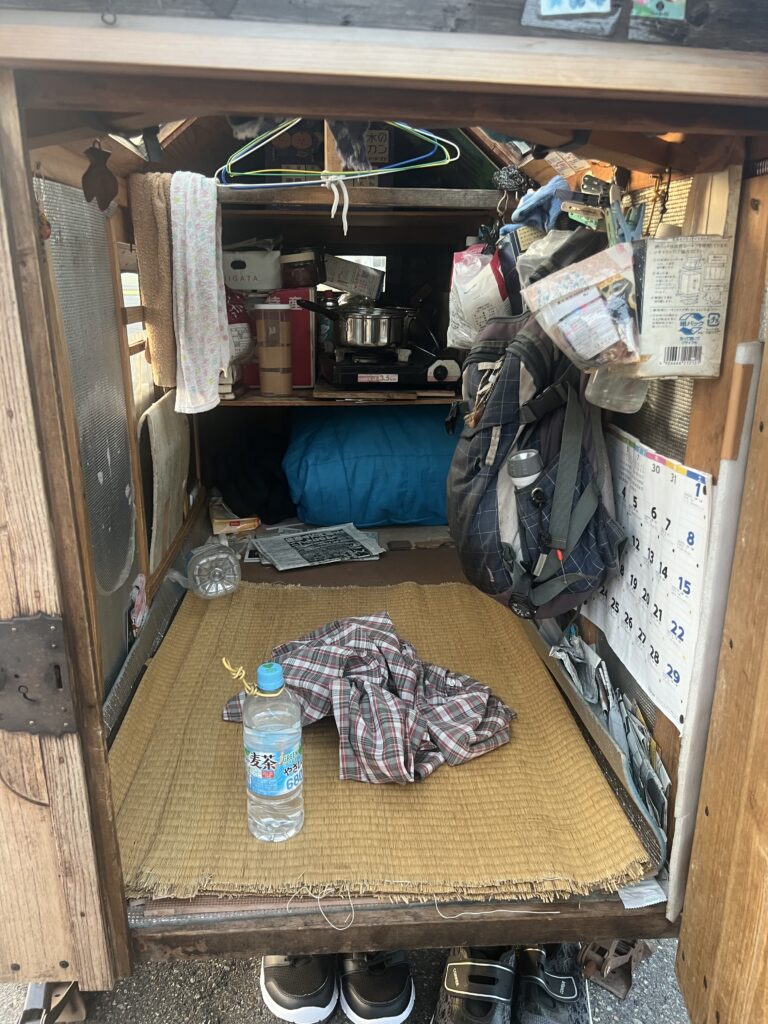
While crossing Hokkaido’s south coast we’d read about the Ikeda Wine Castle – a rather large but uninspiring fortress-like building, more so than a castle.Lois tried the wine. Well, we love their beer, and their sake, but we think Japan should just keep importing its wines !One evening, parked up at a Michi No Eki, I met Mr. Sato. He liked our van. He spoke a little English and told me he had always been a “hippie”. He has lived for 7 years in his rig and has pulled it all over Japan ( like a rickshaw ). It was amazing what he fit into it, and still found room to sleep in it himself. See below. A most interesting fellow to chat with.While “conformity” is a huge part of the culture in Japan, there are some who always break the mold. Interestingly, the few we have met have always been somewhere on the road.Cape Erimo, coastline.Cape Erimo, very unusual coastal scenery, very wild and remote. And windy !The Blue Pond of Biei.Here in Sapporo with our Korean friend, Min. After first meeting on the ferry from Korea we have crossed paths since, first near Kobe and now again in Hokkaido. It was wonderful to reconnect.
We’ve been blown away by the beauty and diversity of wildlife and landscapes in Hokkaido – it truly is a completely different side of Japan than the other 3 main islands. After Sapporo, we’ll wrap up our Hokkaido adventures taking the west coast route back to Hakodate and the ferry on to Honshu.
Till next week…
Follow Up On The Issue Of “Garbage”
Last week’s blog prompted some commentary about “where” exactly we do dispose of our daily garbage ( guess I should have expected that ! ). So, we do the following:
We minimize what we create – picking up fewer brochures at tourist offices, we ask the always over-zealous store clerks NOT to wrap stuff ( which pains them !), and even unpack boxes and wrapping material before we leave the supermarket.
We dispose of it frequently in very small bags that fit in the small garbage receptacles you mostly do see ( on the very rare occasions you see them at all ! ).
We look for bins saying “combustibles” ( general burnable trash ) in every 7/11 and supermarket we visit ( every time, always ). These aren’t everywhere but we see them just enough to keep on top of it. Secret is not to accumulate too much ( at which point the simply difficult becomes altogether impossible ).
When we fuel up we ask fuel stations if they can take a bag ( once you are a customer they feel more obliged to help ). This sometimes works. They have their own garbage bins (being a business), but never on display.
When we see cleaners ( as we sometimes do ) who collect stray trash around toilets they always have a big garbage bag and they will take it – can’t count on that, though.
Lastly, when desperate, we visit tourist info centres and ask them where we can get rid of garbage. Once, one such employee actually took a bag from us feeling so embarrassed that their city no longer had garbage cans generally available.
Read about the history of why there are almost no garbage cans in public here ( at least it’s one story, we’ve heard others but this one seems to best explain it ). It’s actually a very sad terrorism-related story but the “solution” certainly seems to be somewhat of a sledgehammer approach. I’d never have guessed this is why there are almost never any garbage bins in public areas here, but there you have it. Now you know why !
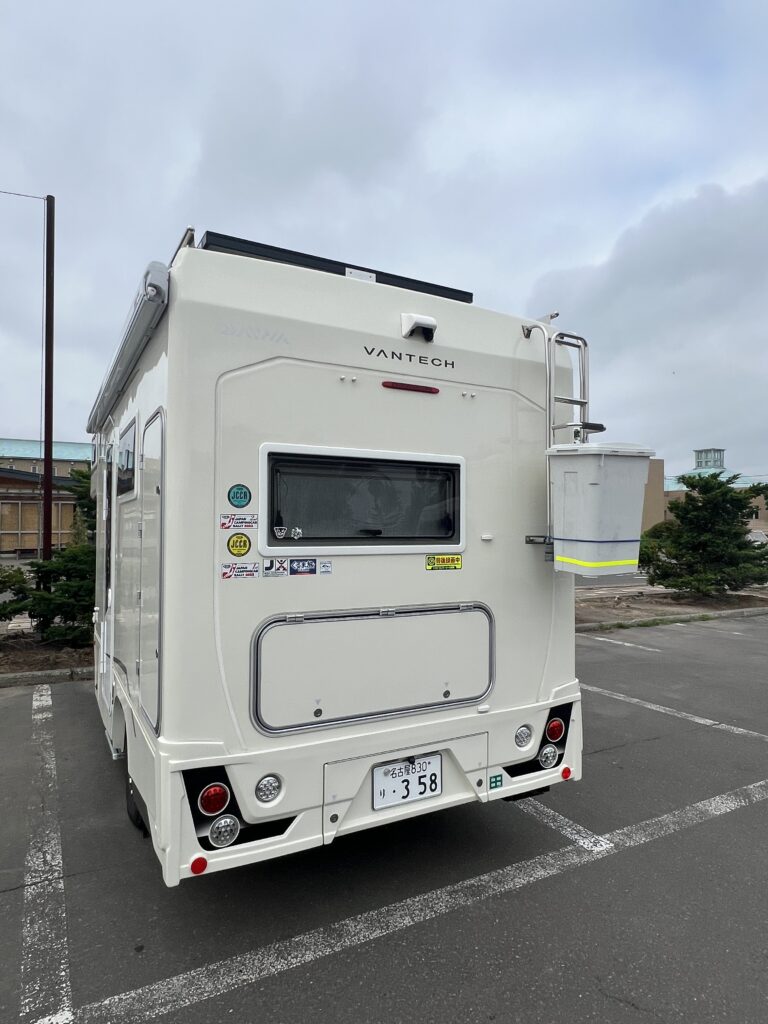
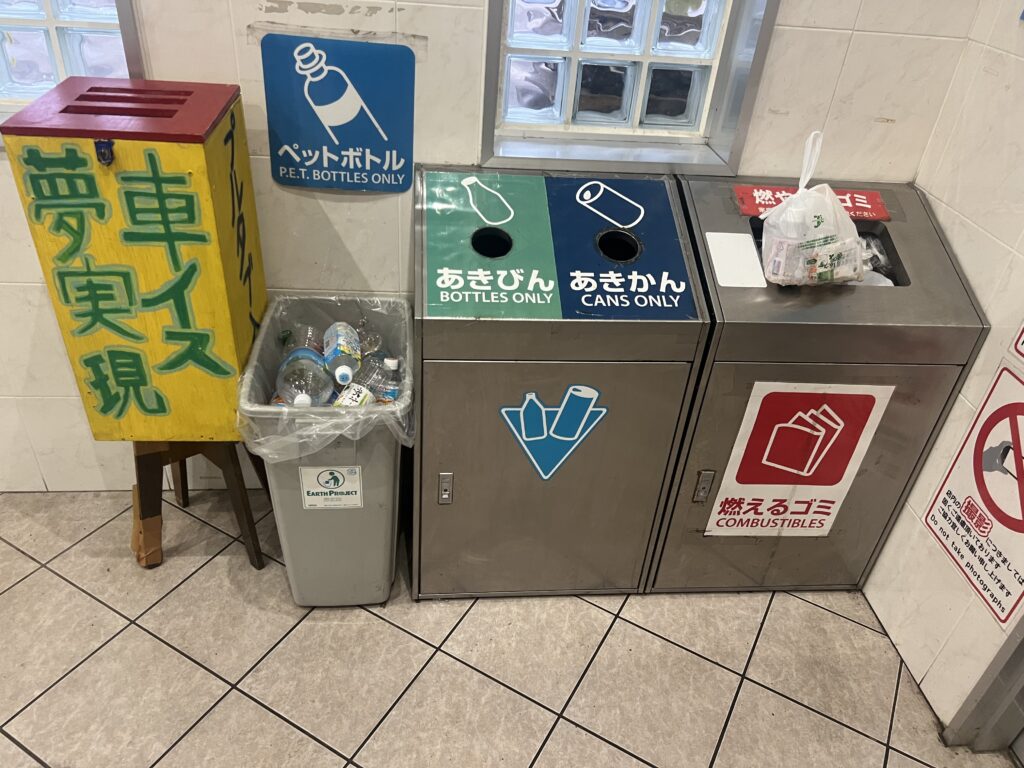
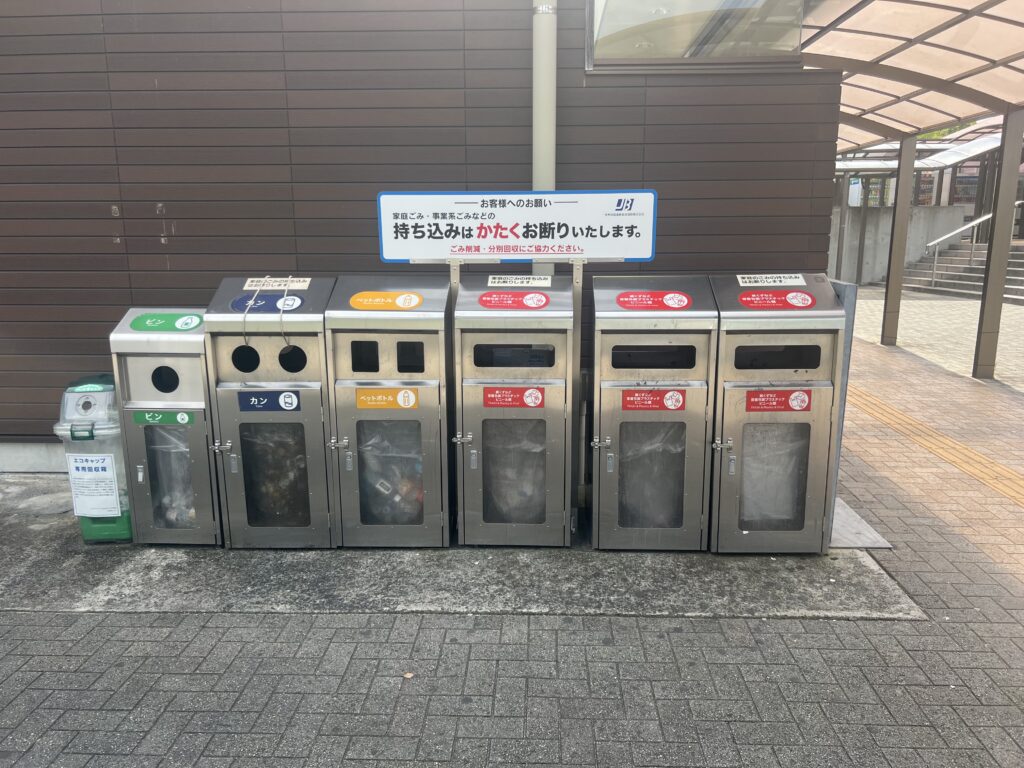
We’ve seen this a few times – Japanese campervans with a decent sized garbage can attached to the outside of their rig. Presumably so they can carry it until they get home and put it in with their household garbage collection !Here, at a Michi No Eki, not just recycling bins but also a decent sized bin for regular garbage ( labeled as “combustibles” ) – the latter we don’t see very often and when you do it’s quickly filled, as it is here.
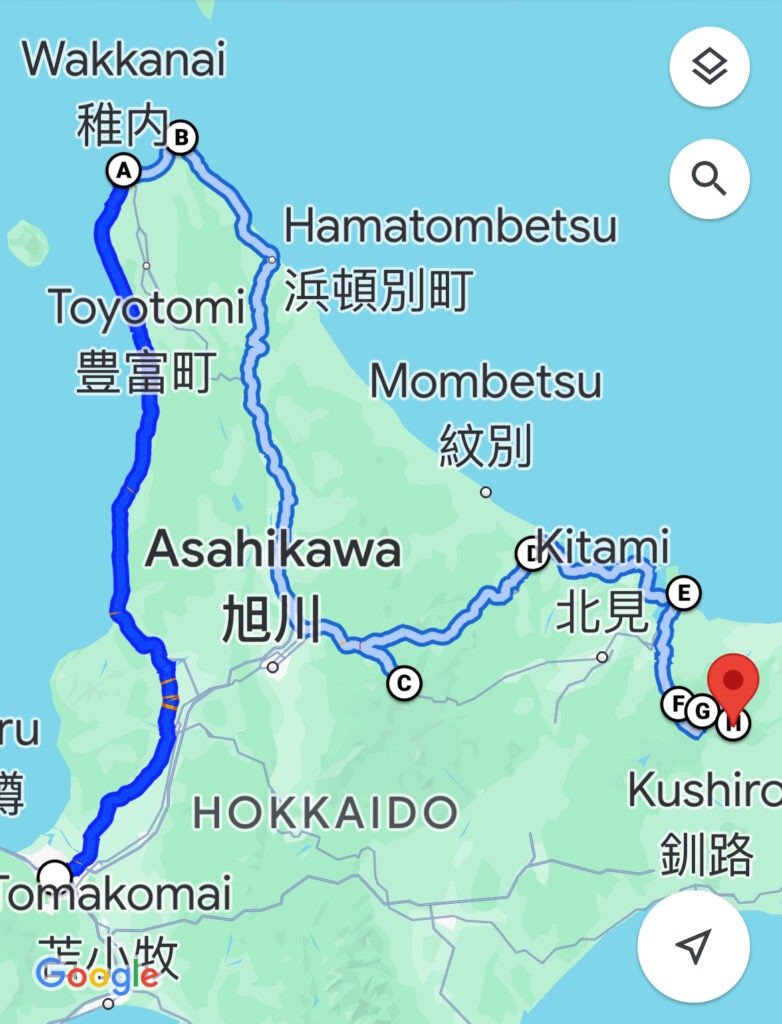
Come to Hokkaido and in the eyes of the Japanese it’s a bit like exploring the Wild West – some remote, forbidden frontier where most people just don’t go. Head to the very northern tip of Hokkaido and you are really living life on the edge – quite literally. Wakkanai is that kind of place – a long, often rather desolate, but then at times scenic excursion more or less directly north of Sapporo.
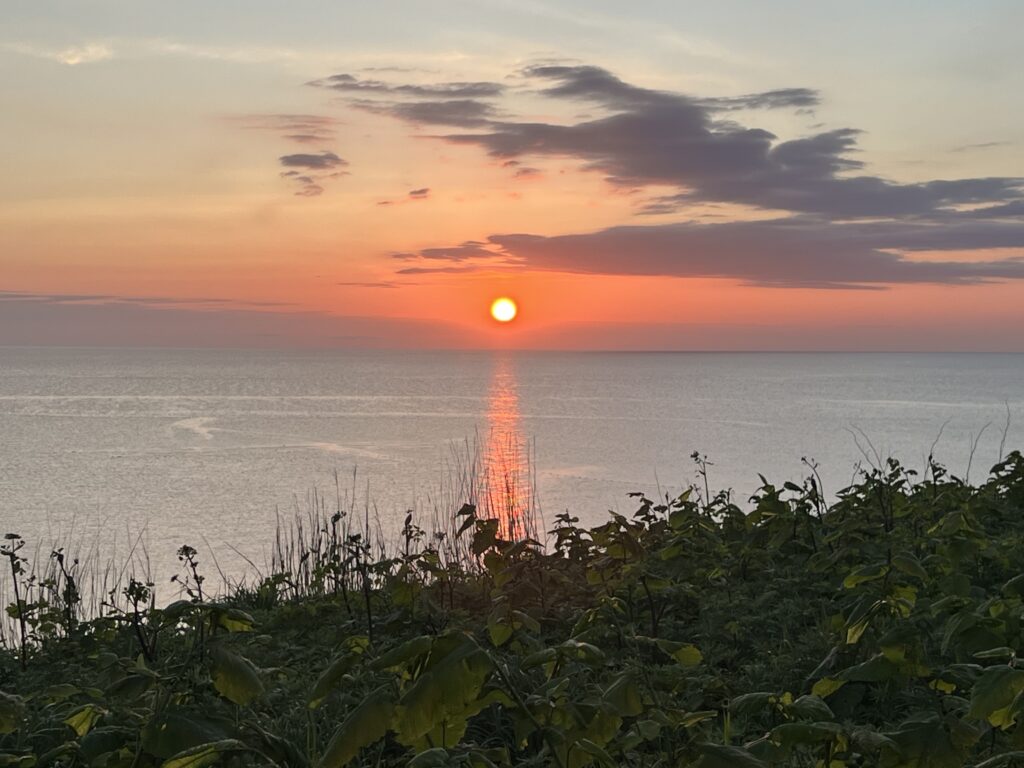
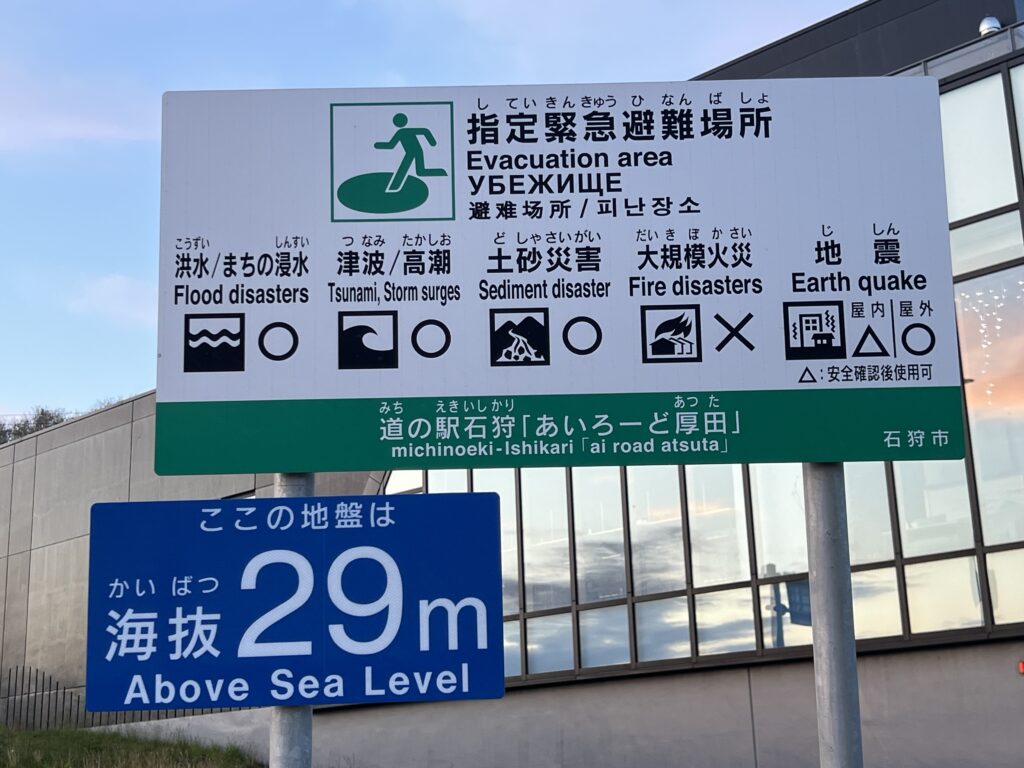
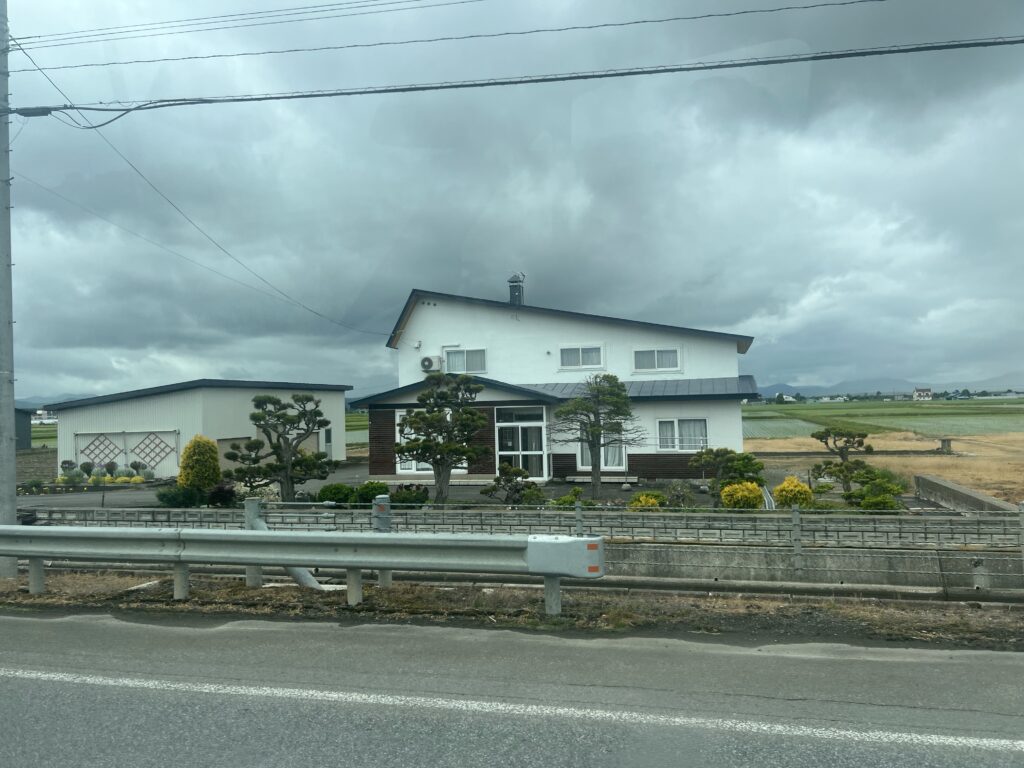
Beautiful sunset over the Sea of Japan, Ishikari, on the road to Wakkanai.But, so many things to worry about here !! They warn you about everything.Houses are completely different here in Hokkaido. They don’t look like this elsewhere in Japan.
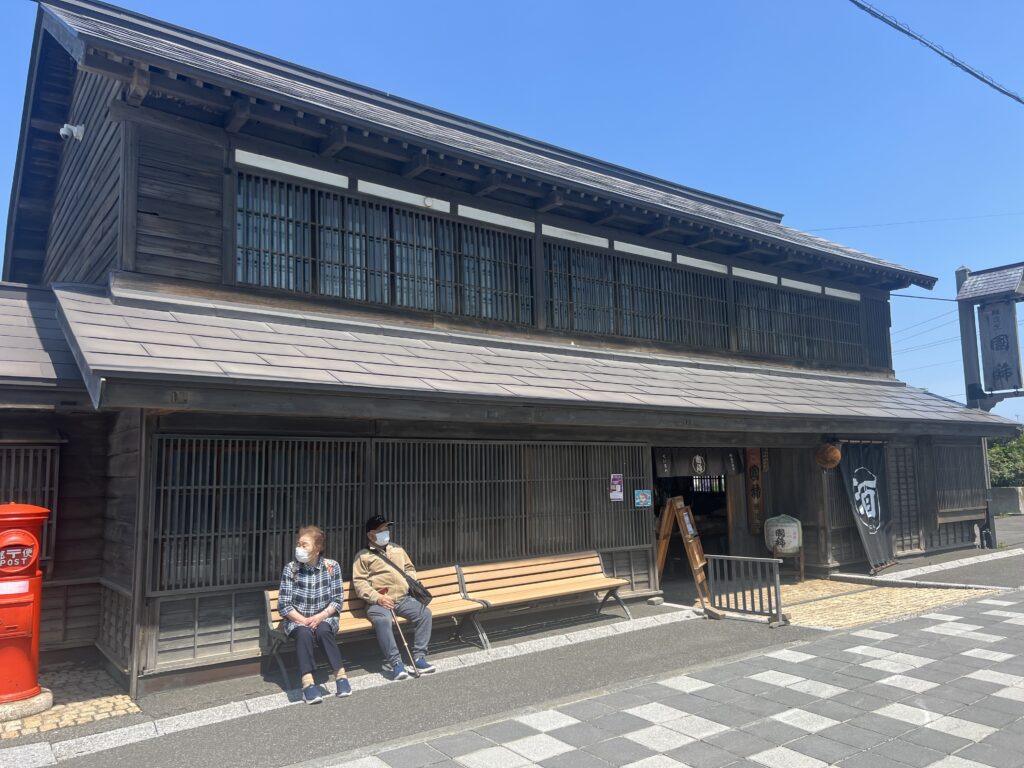
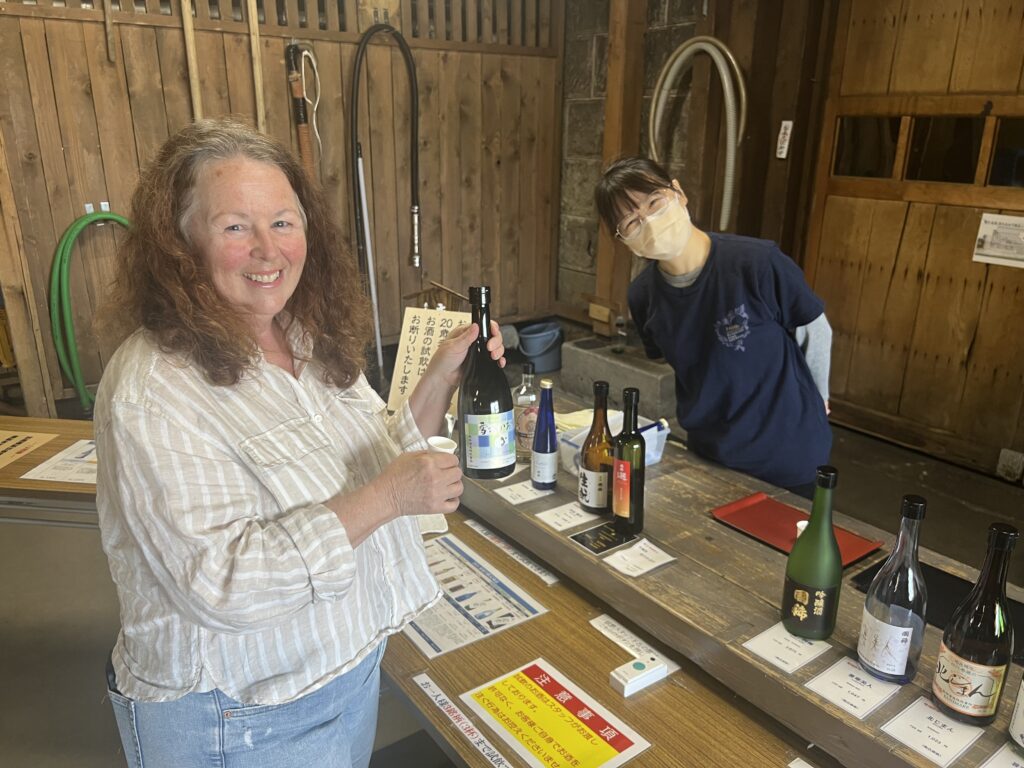
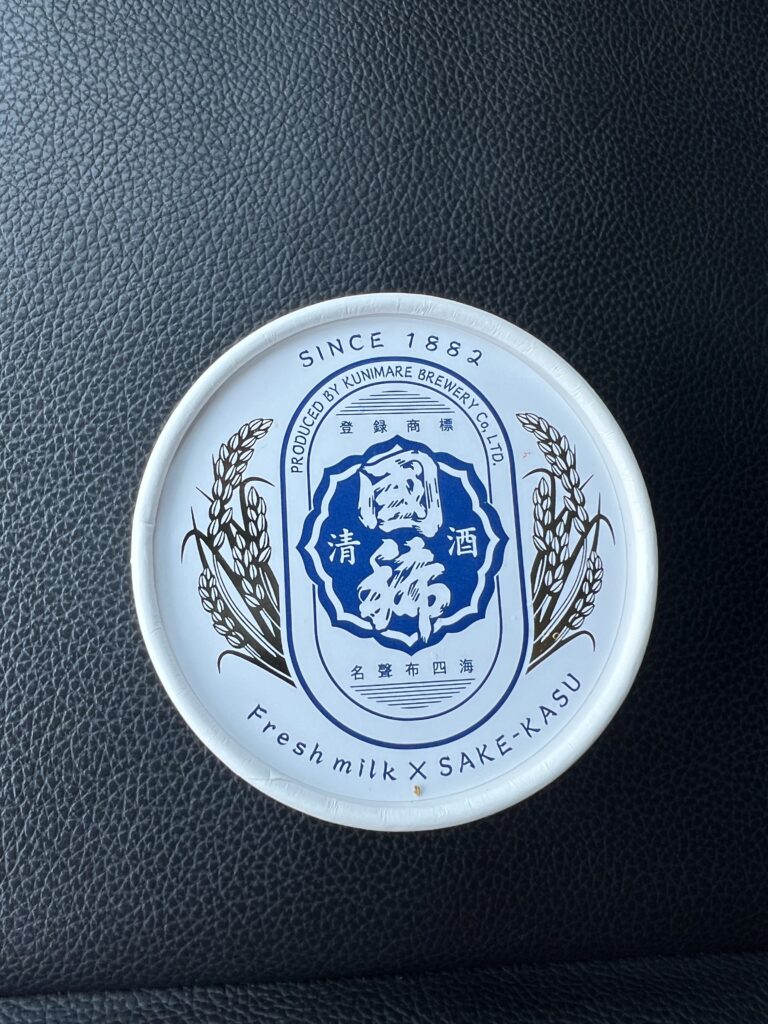
We drove this ( almost entirely ) coastal route over a couple of days stopping along the way to take in any local attractions- most notably a wonderful little ( and very old ) sake distillery in the town of Mashike. Been around for well over a hundred years and was full of history. Lots of learning on sake – we knew it was a kind of rice-wine but did not know that it is distilled from only a very distinct kind of rice ( not the same as the stuff we eat ). Sadly, Japan’s “absolute zero %” blood alcohol rules meant I could not taste any ( Lois stepped in and did the honors ), having to accept instead a cup of their delicious sake- flavoured ice cream. Who’d have thought that would taste good ?
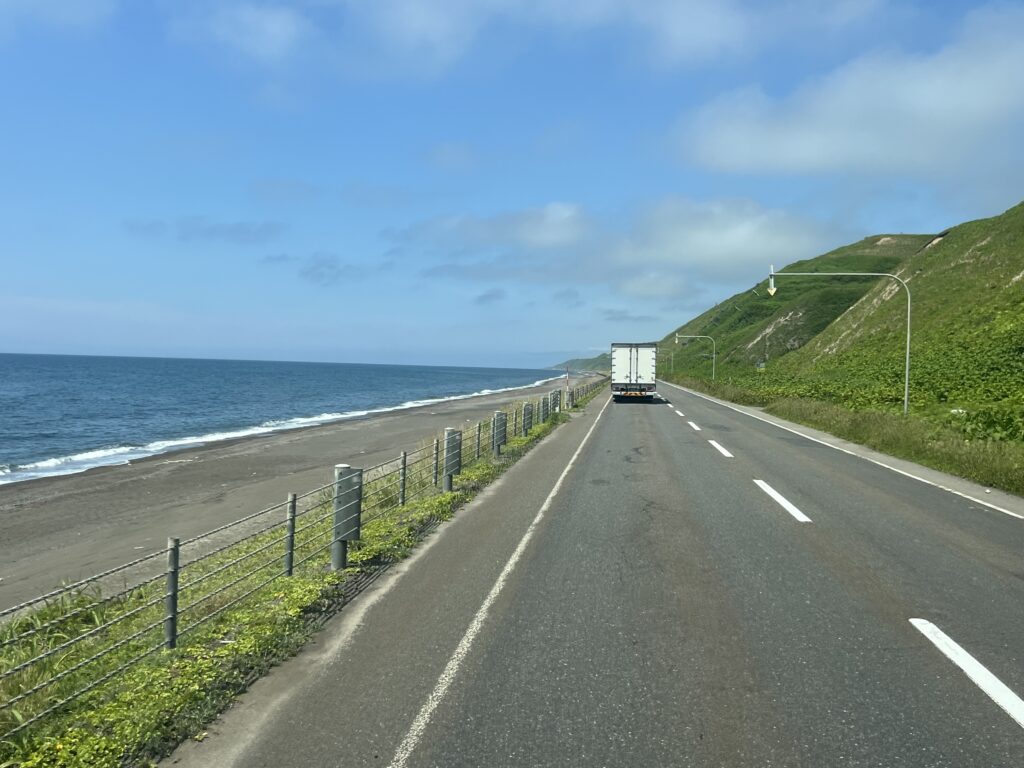
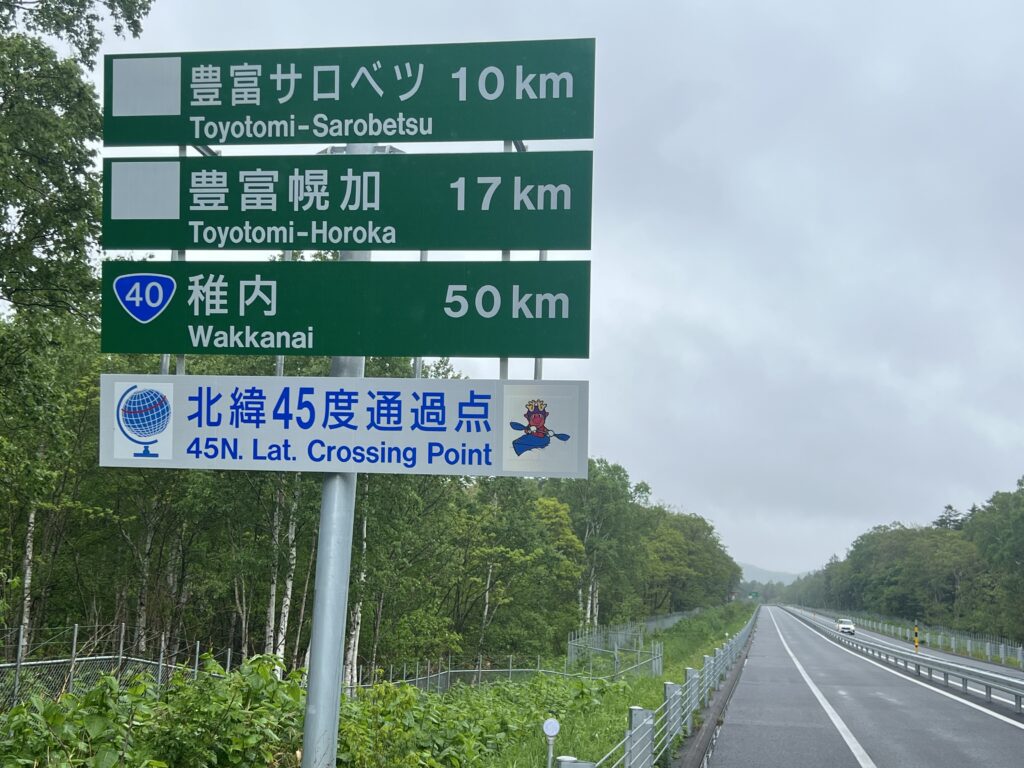
Historical Sake Museum in Mashike.Tasting Sake.The closest the driver gets to sake – sake flavoured ice cream !Typical coastal scenery on the drive north.The latitude crossings get some attention in these parts.
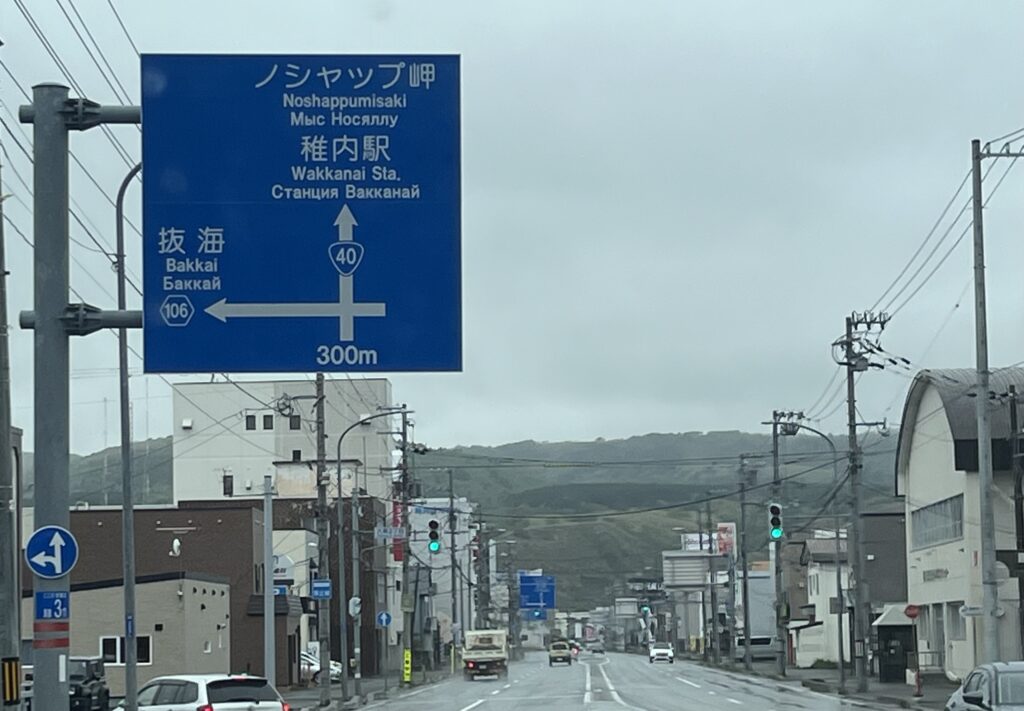
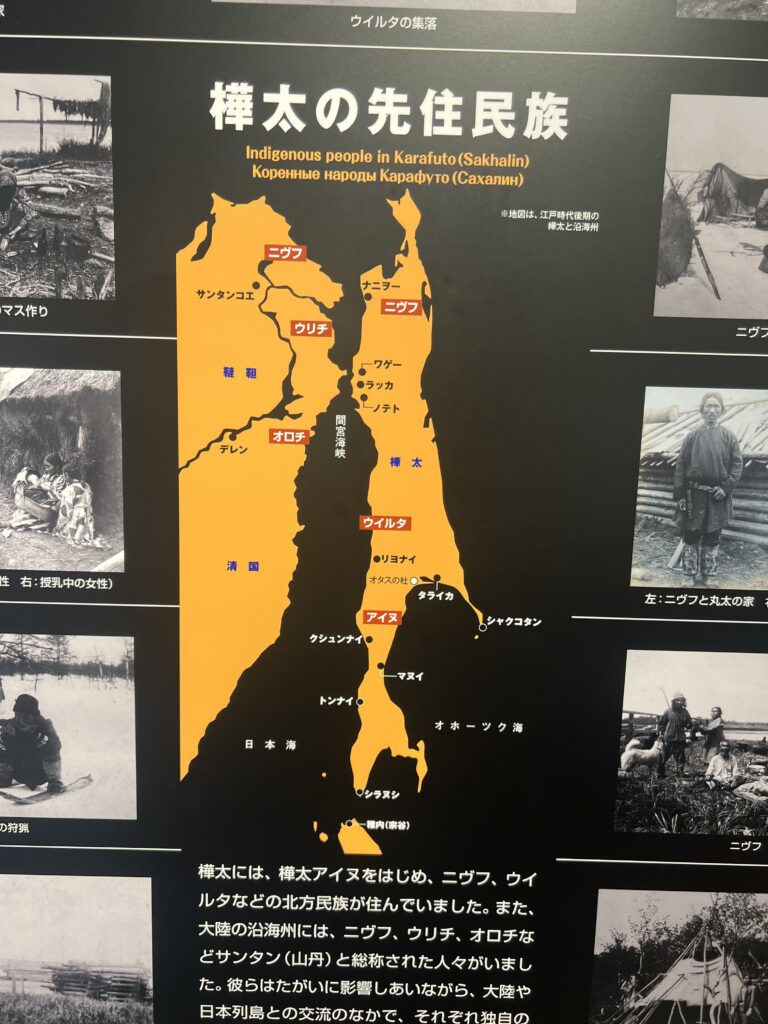
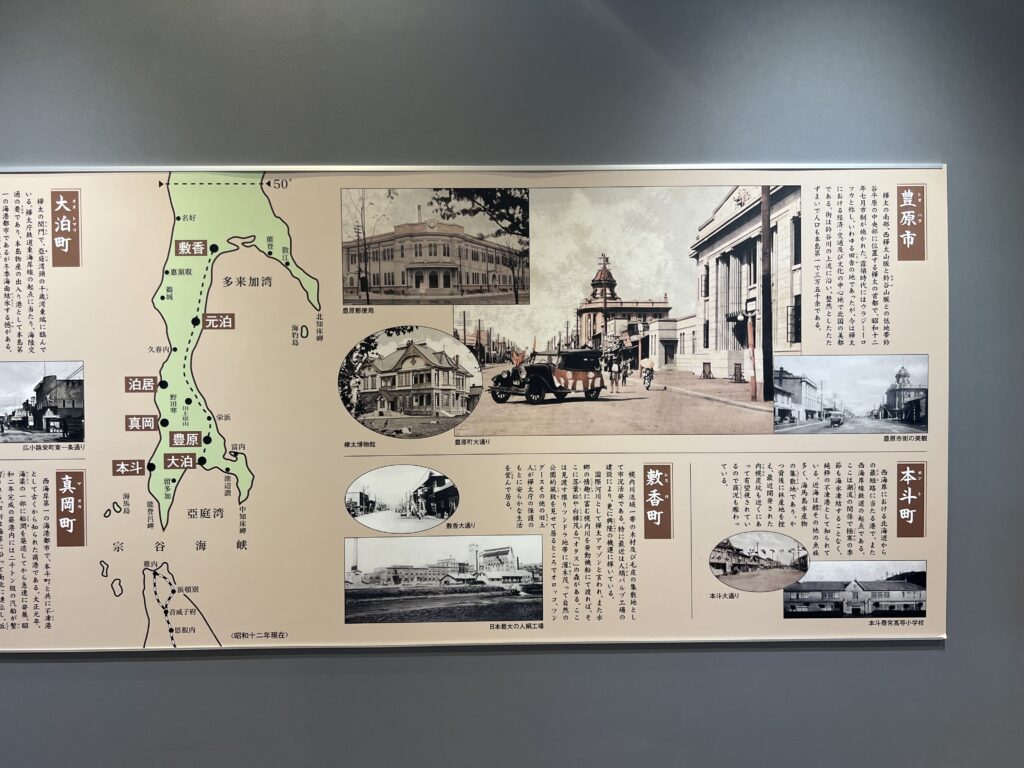
Approaching Wakkanai, we noticed something we had not seen anywhere else in Hokkaido – Russian language signs. Street names, town names, distance signs, they were everywhere. We know that in this corner of Japan anyway Russia is just a stone’s throw away but it’s not like there’s a lot of travel/commerce (nor probably much friendship ! ) between the two countries in this area. We could only think this was a historical vestige of the time ( 1905-1945 ) when Japan possessed the southern half of Sakhalin island ( at its nearest point, just 25kms away. Japan took it from Russia ( spoils of war from their successful 1904-1905 conflict with Russia ) and then the Russians ( somewhat understandably ) took it back at the end of WW2. There’s a fascinating museum in Wakkanai that details Japan’s experience in Sakhalin, well worthwhile for any avid history buffs. While nearby Sakhalin is no longer disputed, there are 4 islands in North Eastern Hokkaido that are disputed – but more on that next week.
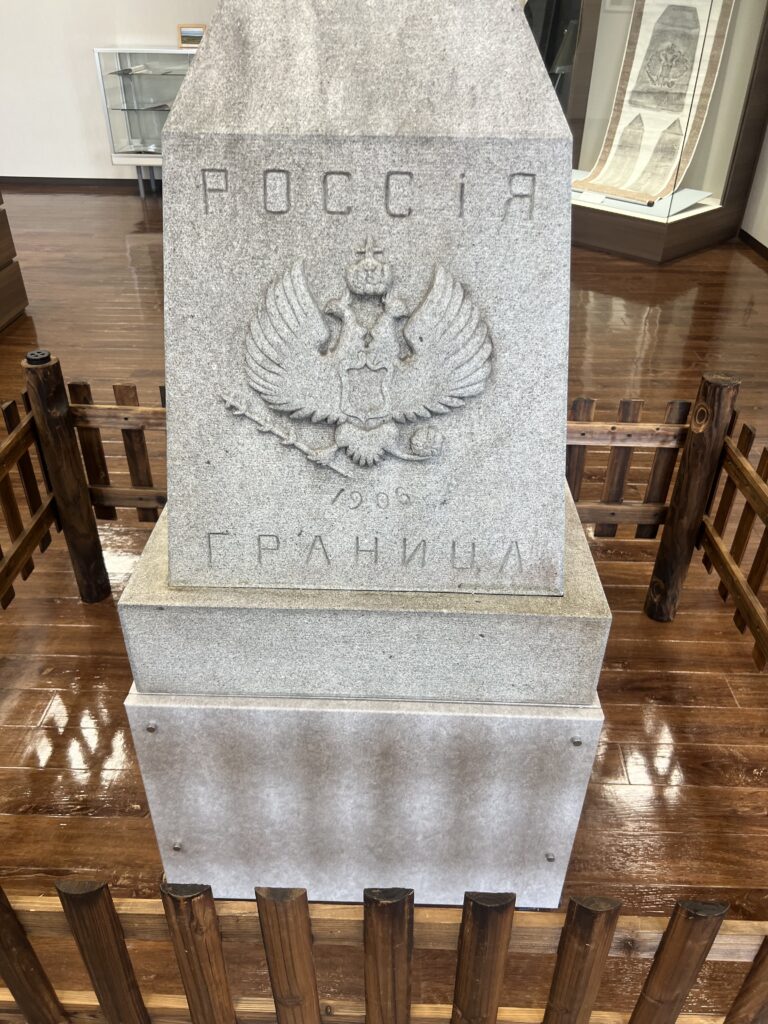
Surprised to see the cyrillic alphabet on signs here – Russian influence ?Images from the Sakhalin museum in Wakkanai. The Japanese controlled the southern half for many years – it was known as Karafuto prefecture between 1905-1945.Images of Sakhalin during the Japanese years.An old obelisk marking the then boundary between Russia and Japan at the 50th parallel on Sakhalin.
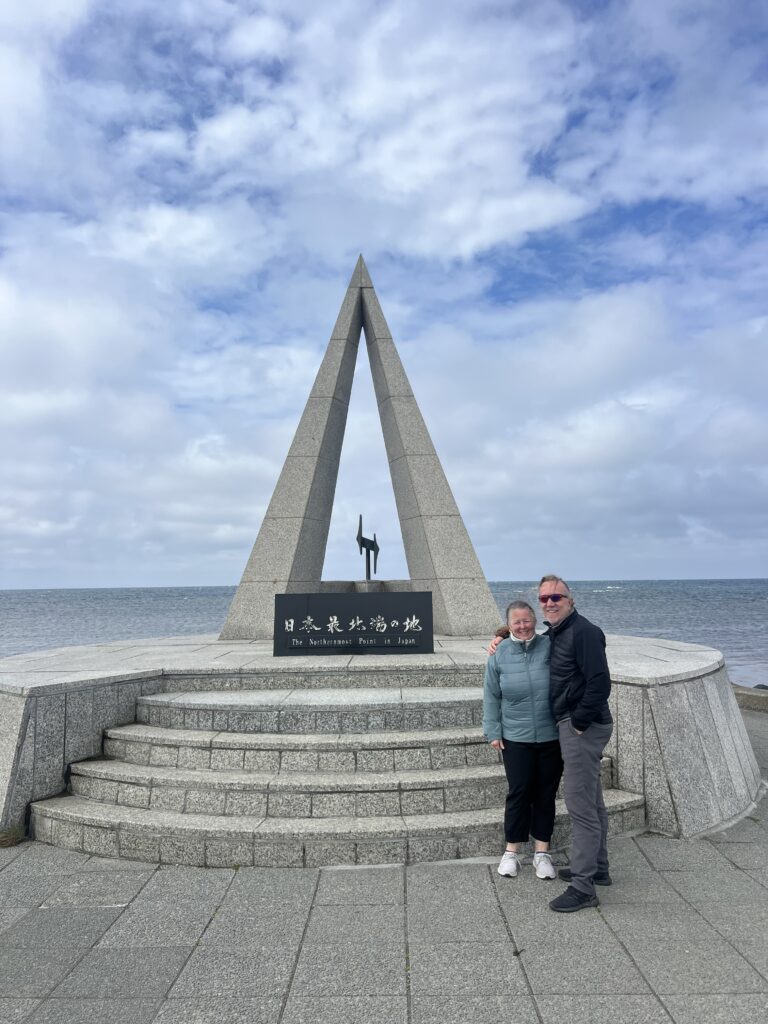
Wakkanai ( and the area near it ) really seemed much like northern Canada – the buildings, the remoteness, stronger indigenous influence (Ainu, in Japan), the climate ( often windy, misty) and just the overall feel of the place. It was interesting to see and feel just how extraordinarily different it is from the rest of Japan. Most folks think of Wakkanai as the northern limit of Hokkaido but that honor belongs to nearby Cape Soya, just to the east. Not a lot of note there – REALLY windy, colder and a few markers and obelisks to let you know you are at Japan’s northern tip – unlike Wasilla, Alaska ( home to Sarah Palin ), from Cape Soya, Russia really IS visible on a clear day 😂.
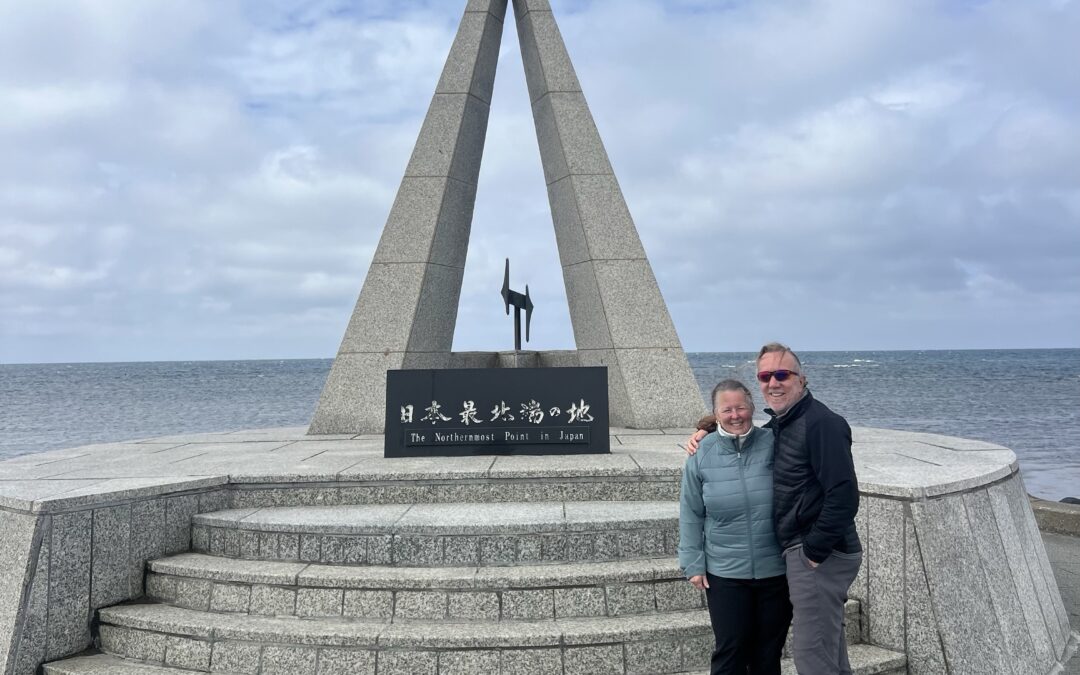
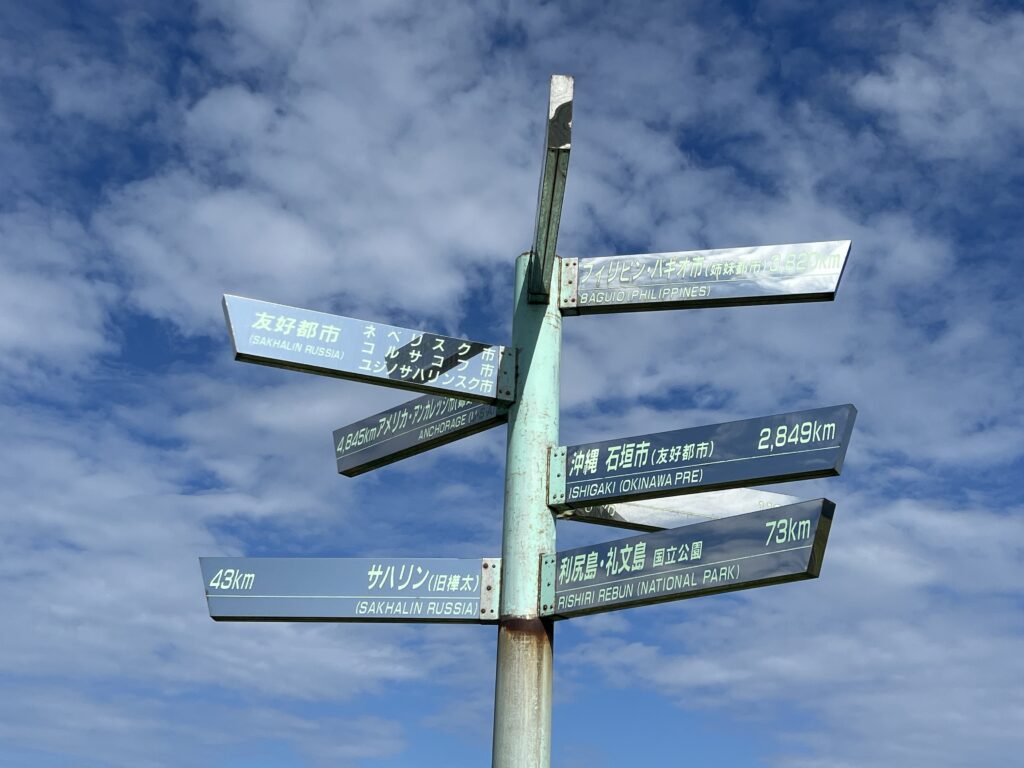
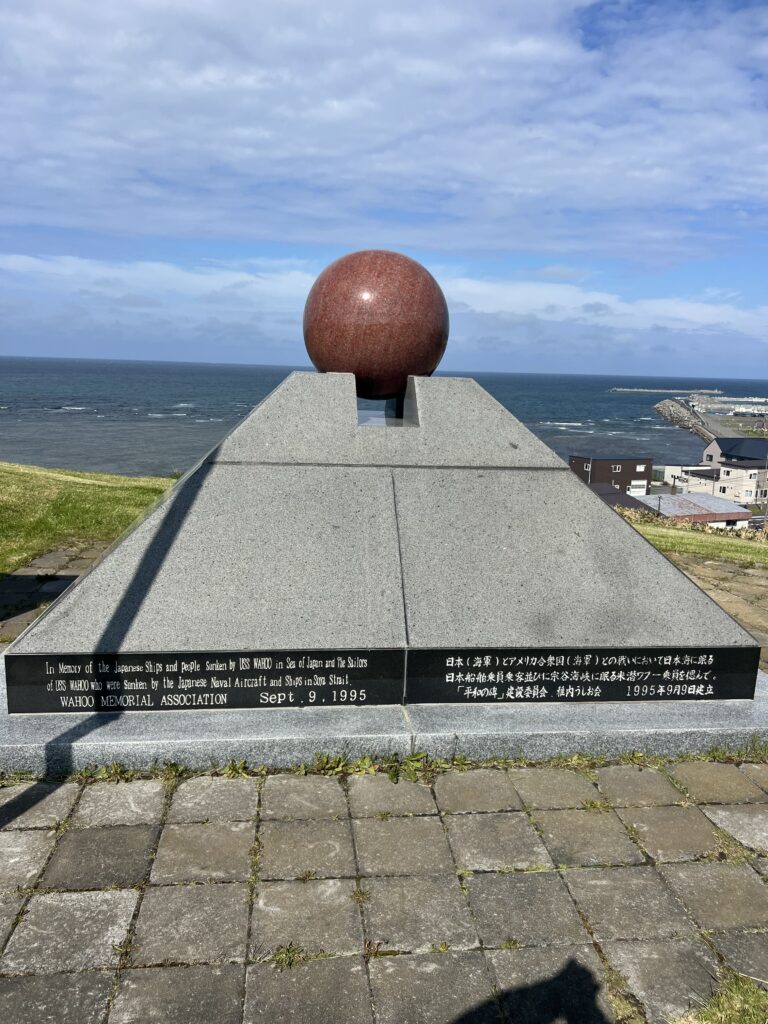
Cape Soya, as far north as you can go in Japan. Russia just beyond.As always at such places, the generic signpost to practically everywhere !!An interesting marker at Cape Soya – a memorial to sailors lost in WW2 on both sides in waters around Cape Soya.
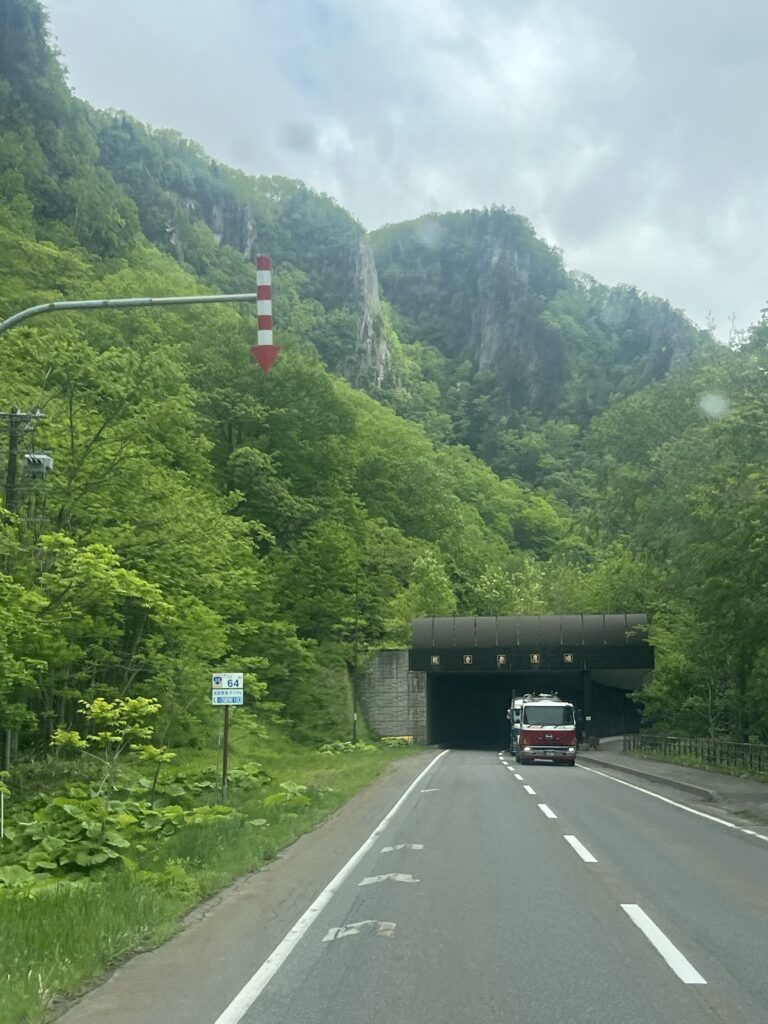
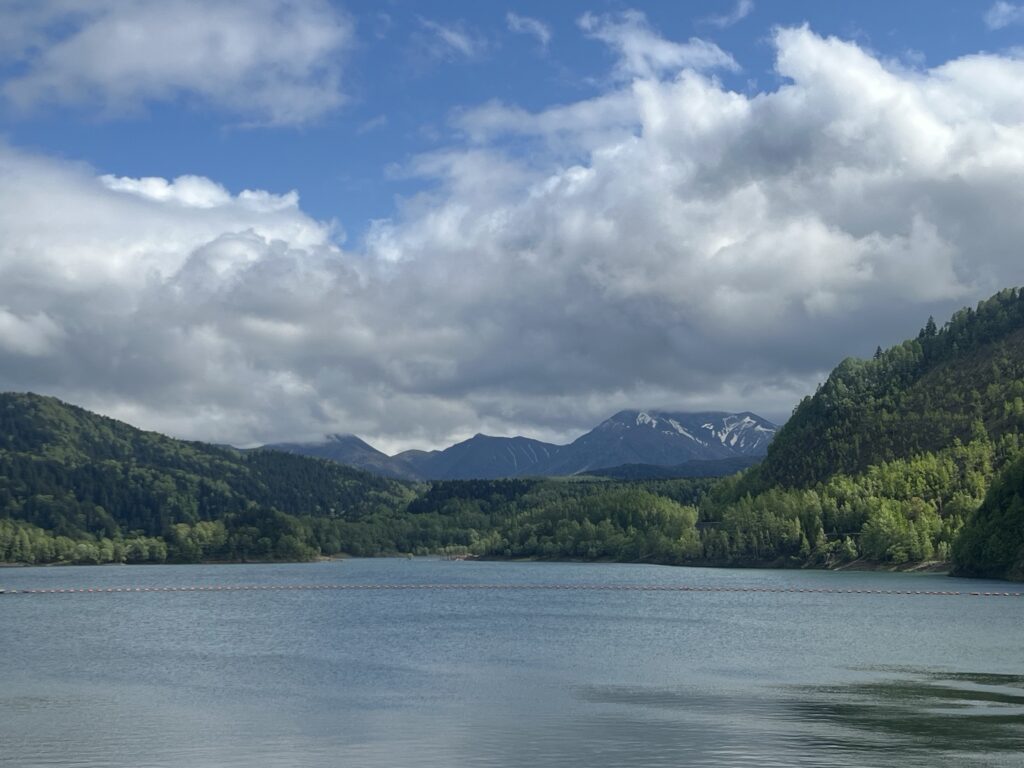
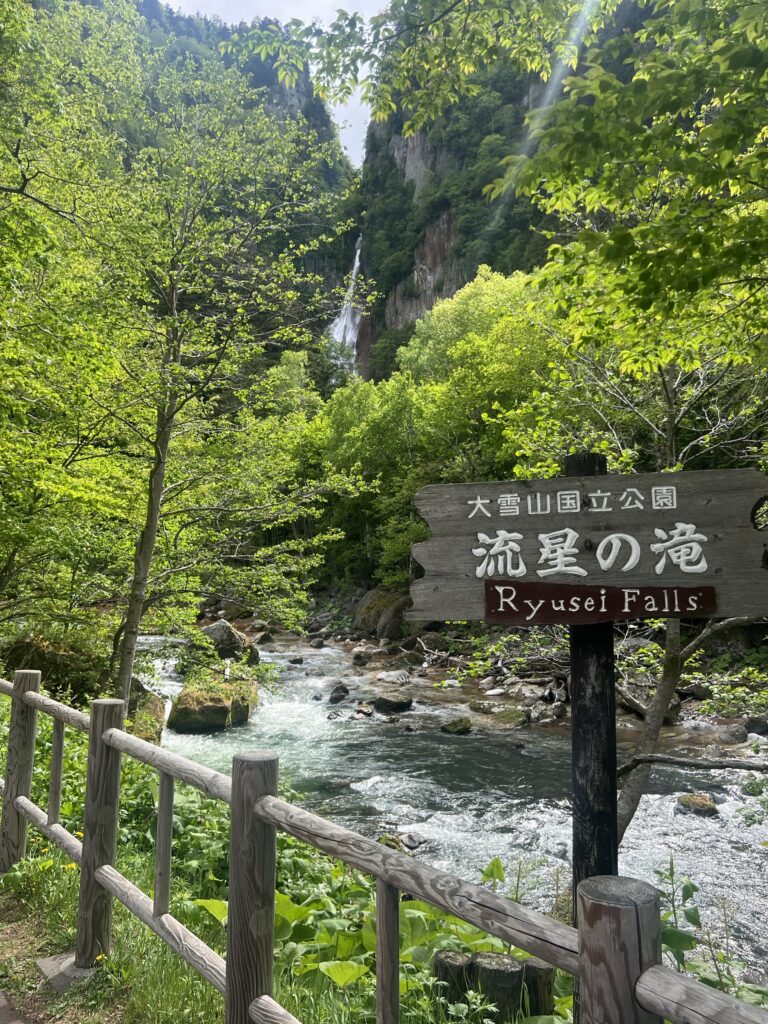
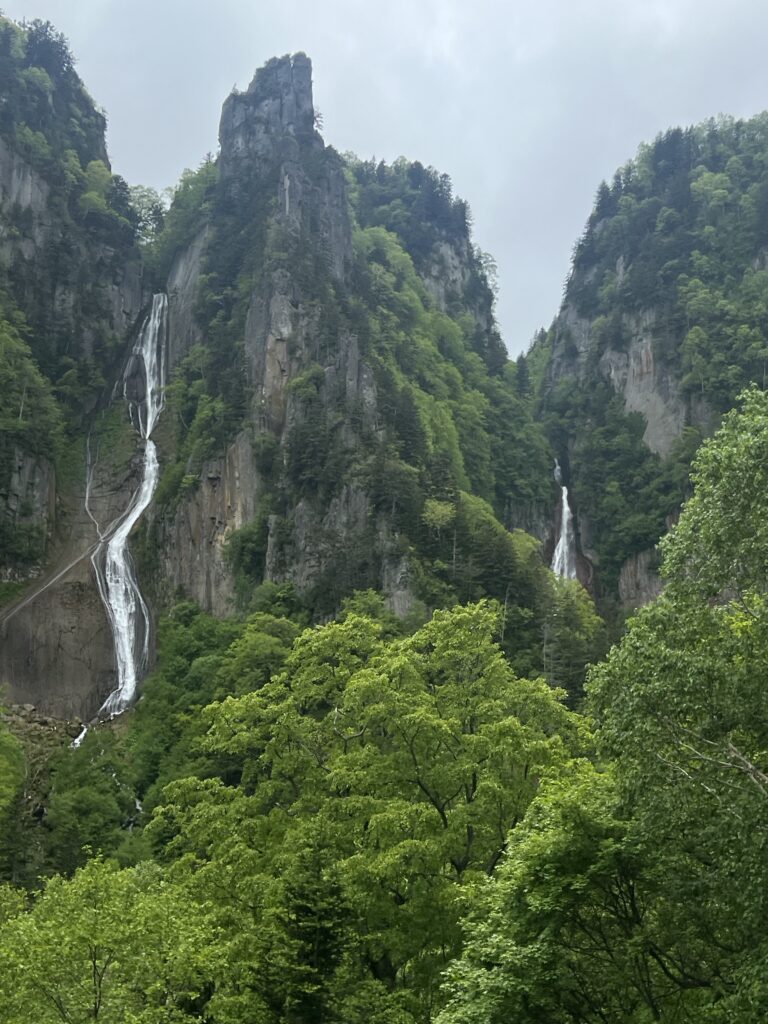
Southeast of Wakkanai and towards the centre of Hokkaido lies one of Hokkaido’s famous national parks- Daisetsuzan. Here our continued run of less than stellar weather limited some opportunities but we were able to traverse Sounkyo Gorge getting an excellent view of Ryusei and Ginga Falls and at least a short hike in before rain cut further plans short.
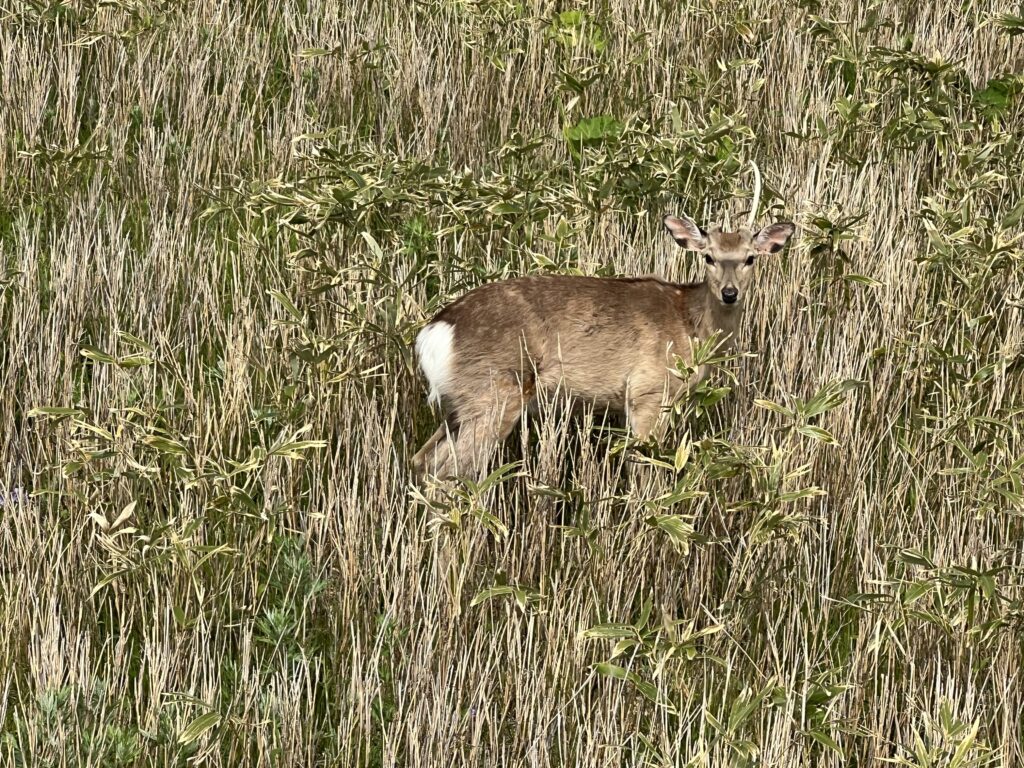
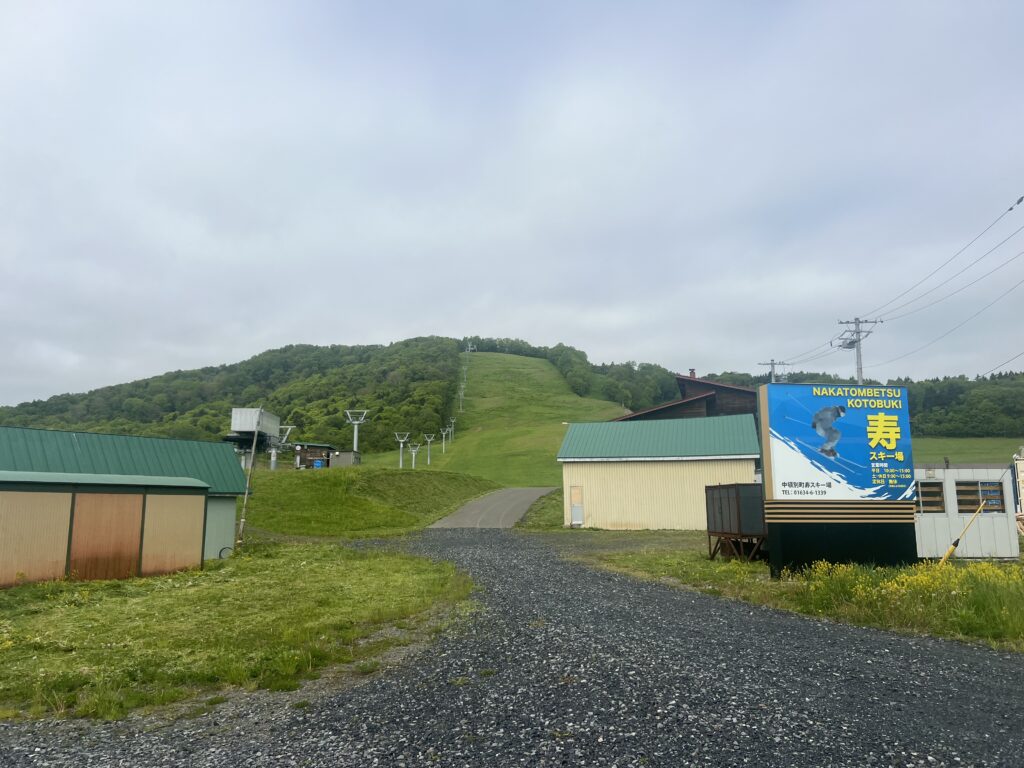
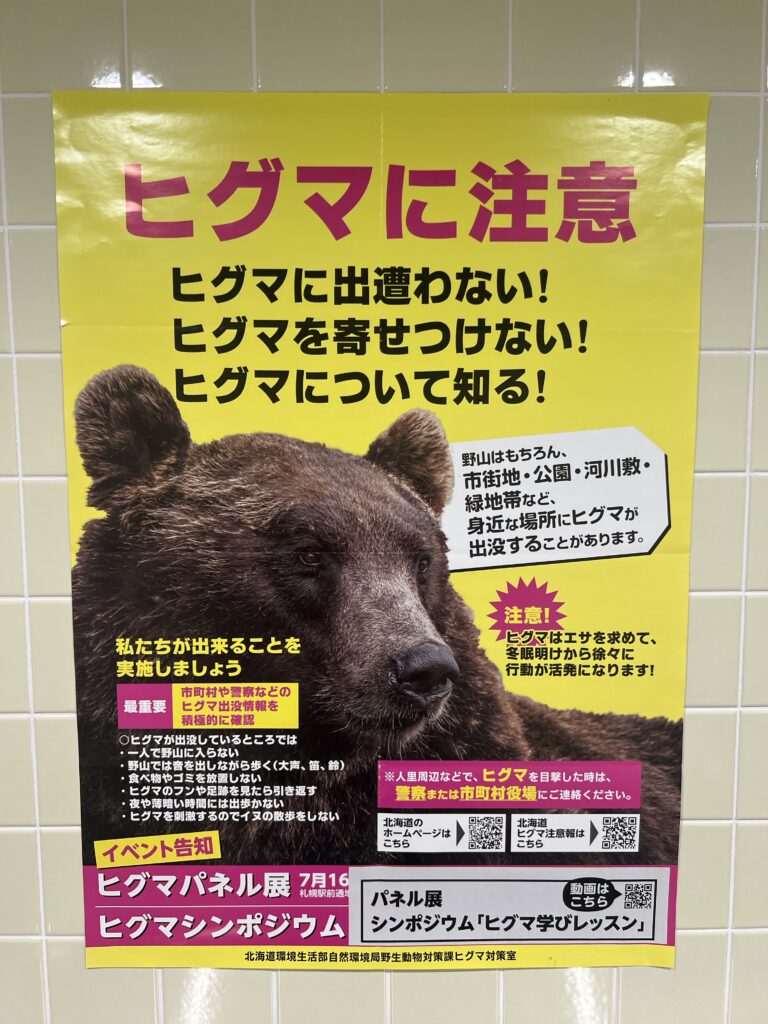
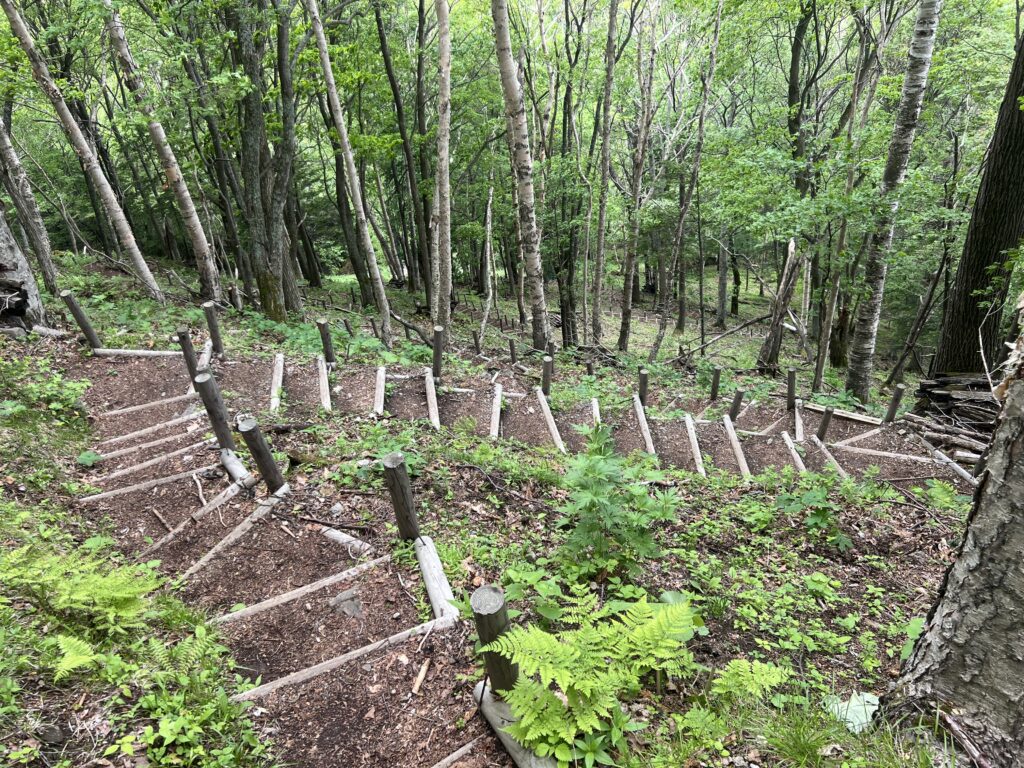
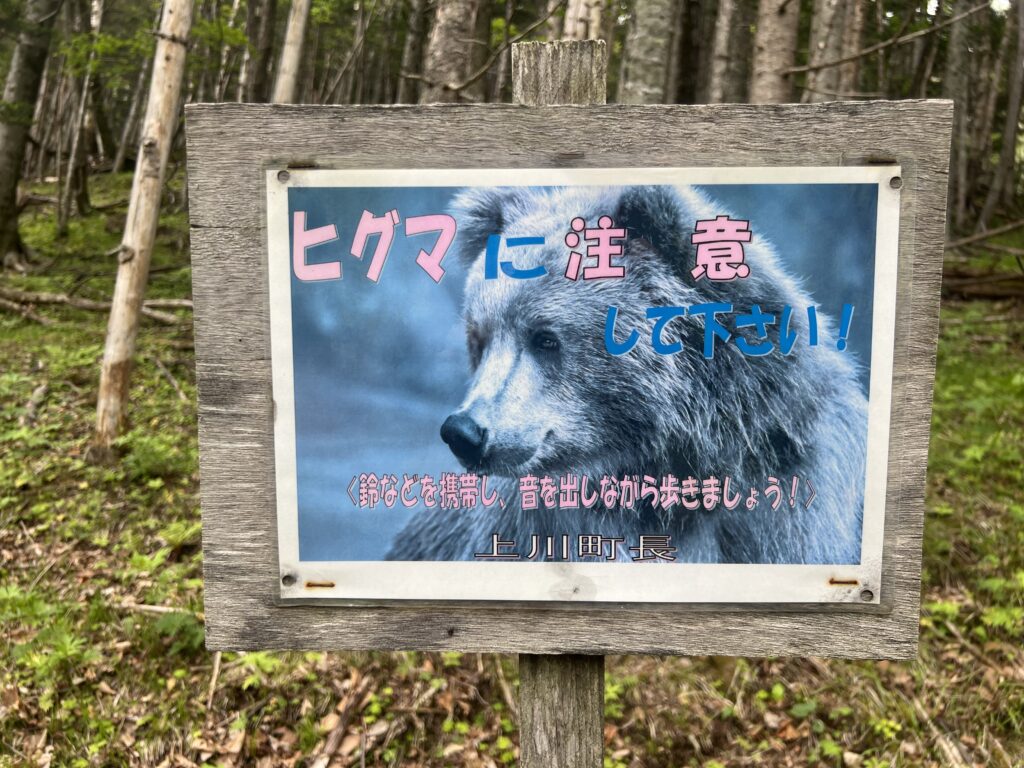
Not sure why but we got somewhat excited to see our first deer in the wild. We would soon see many more !As we headed east from Wakkanai we encountered many small, local ski hills. Had no idea there were so many in Hokkaido. And constant warnings to avoid brown bears.Approaching Daisetsuzan National Park.Lake Taisetsu, Daisetsuzan NP.Ryusei Falls, Daisetsuzan NP.Both falls. So many steps on the hike to the viewpoint…!And yet more brown bear warnings.
Back to the coast, on to Abashiri and then another detour inland over the scenic Bihoro Pass took us to one of the prettiest parts of Hokkaido so far – Lakes Kussharo and Mashu, in Akan National Park. The scenic roads, high passes, quaint towns, foot spas and natural outdoor onsens in this area kept us busy for the rest of the week. We’d been told about this part of Hokkaido and it did not disappoint!
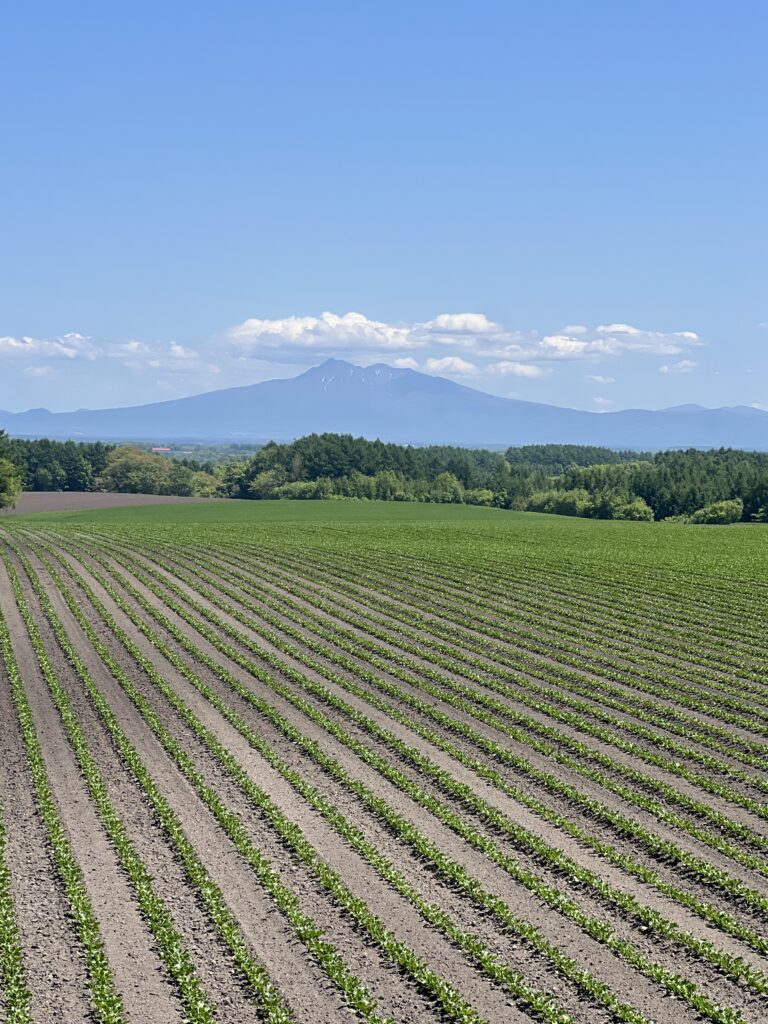
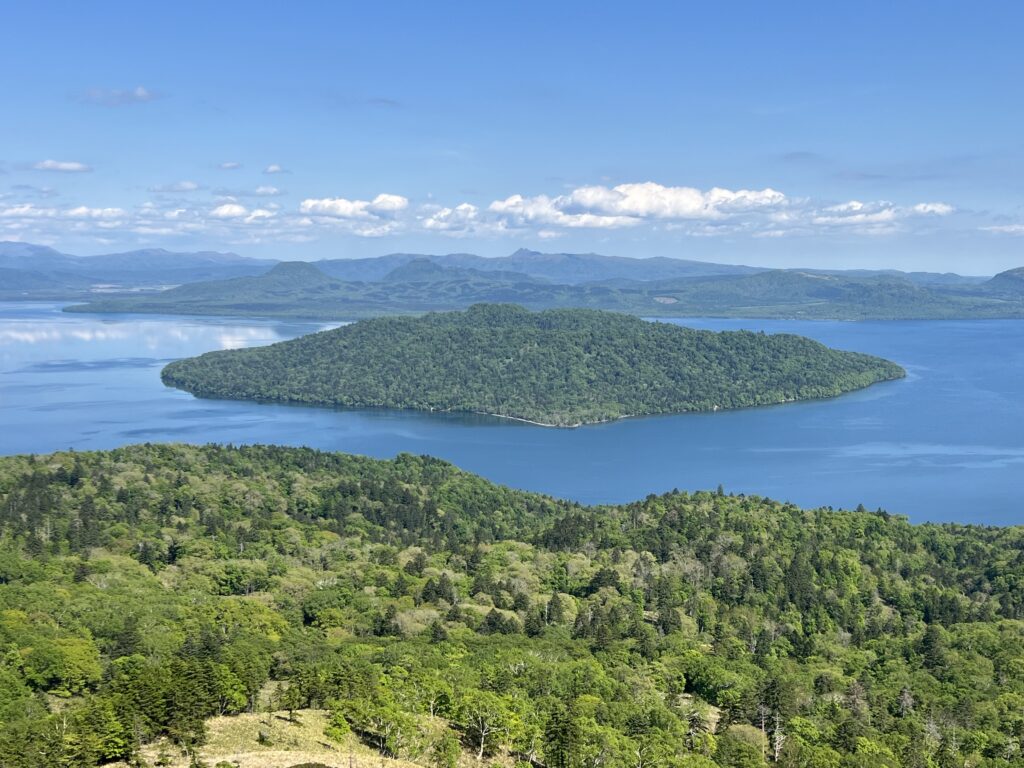
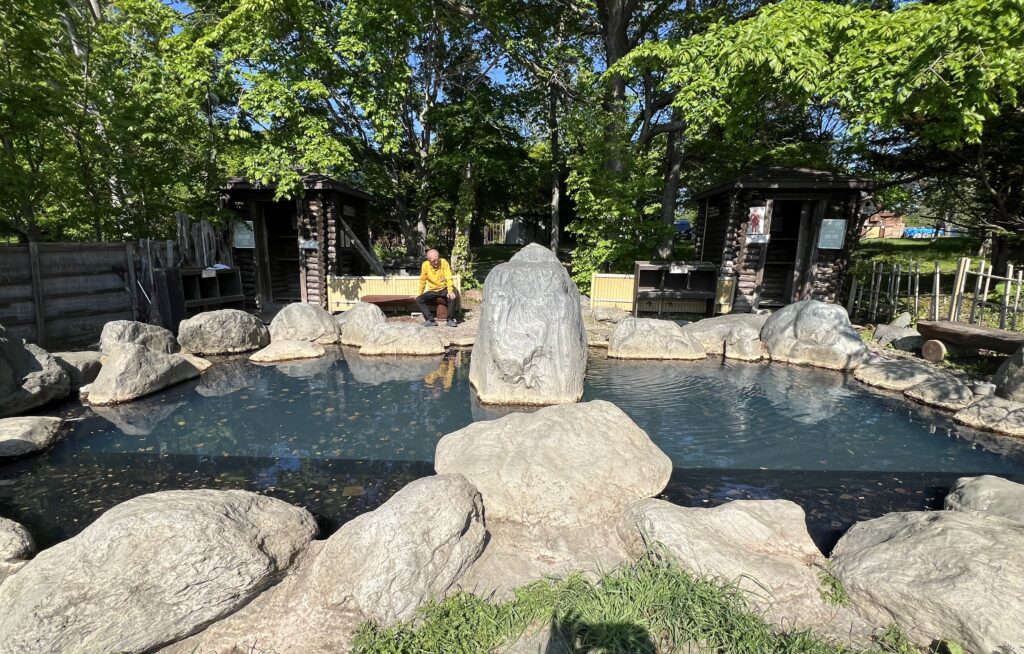
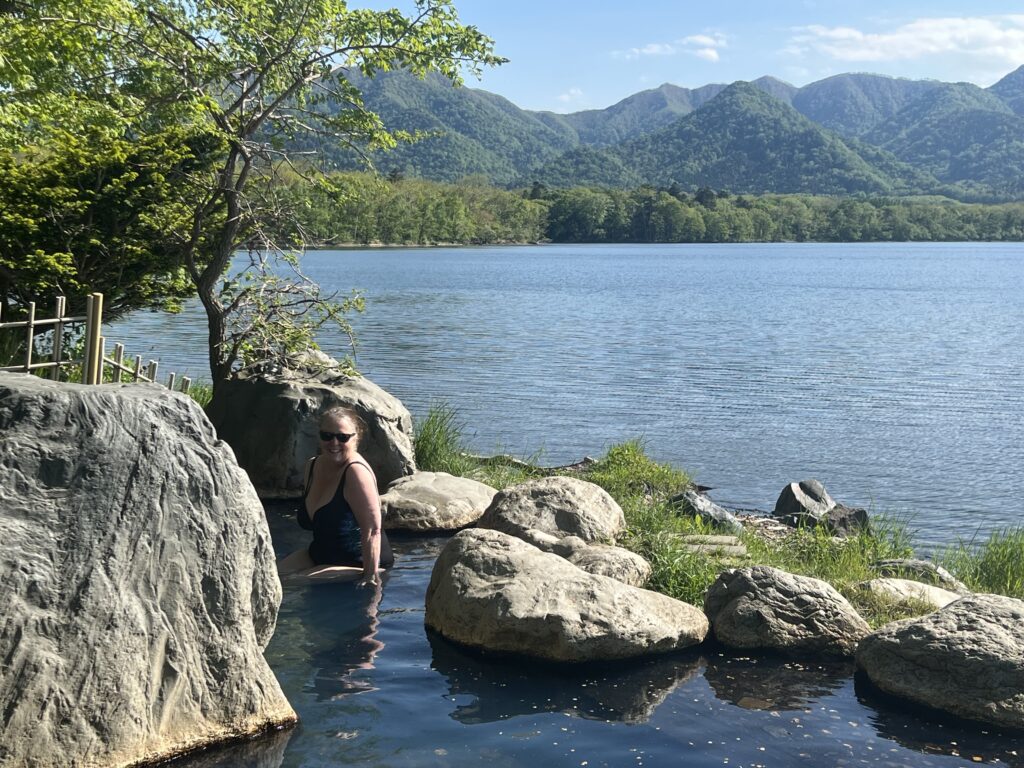
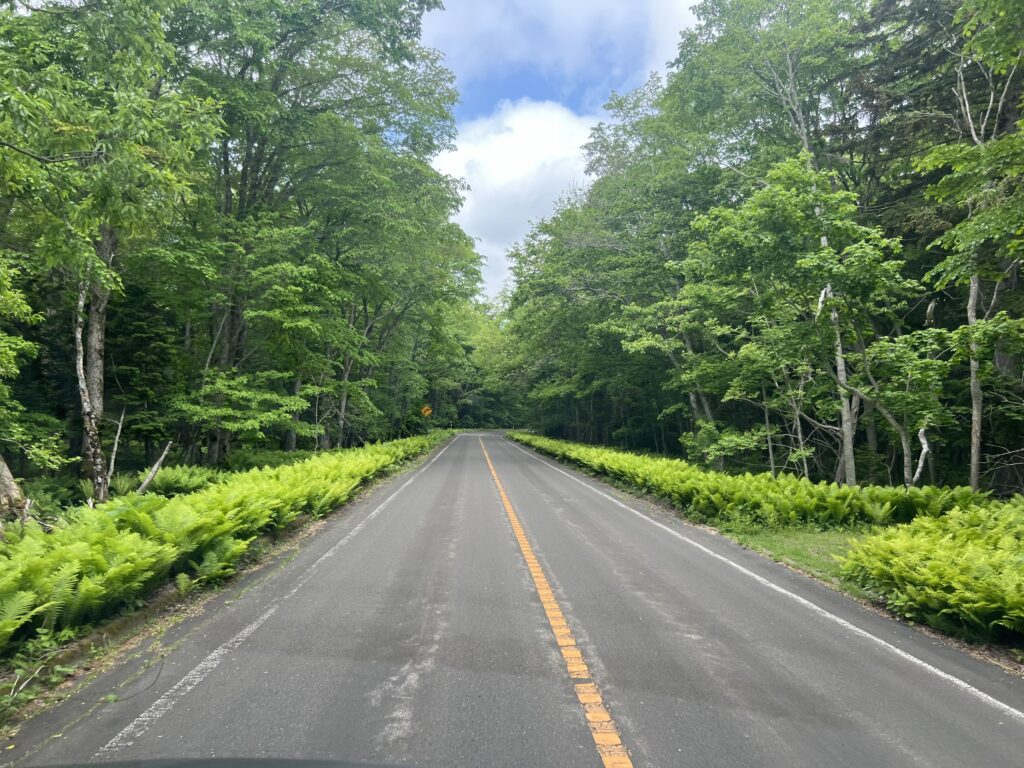
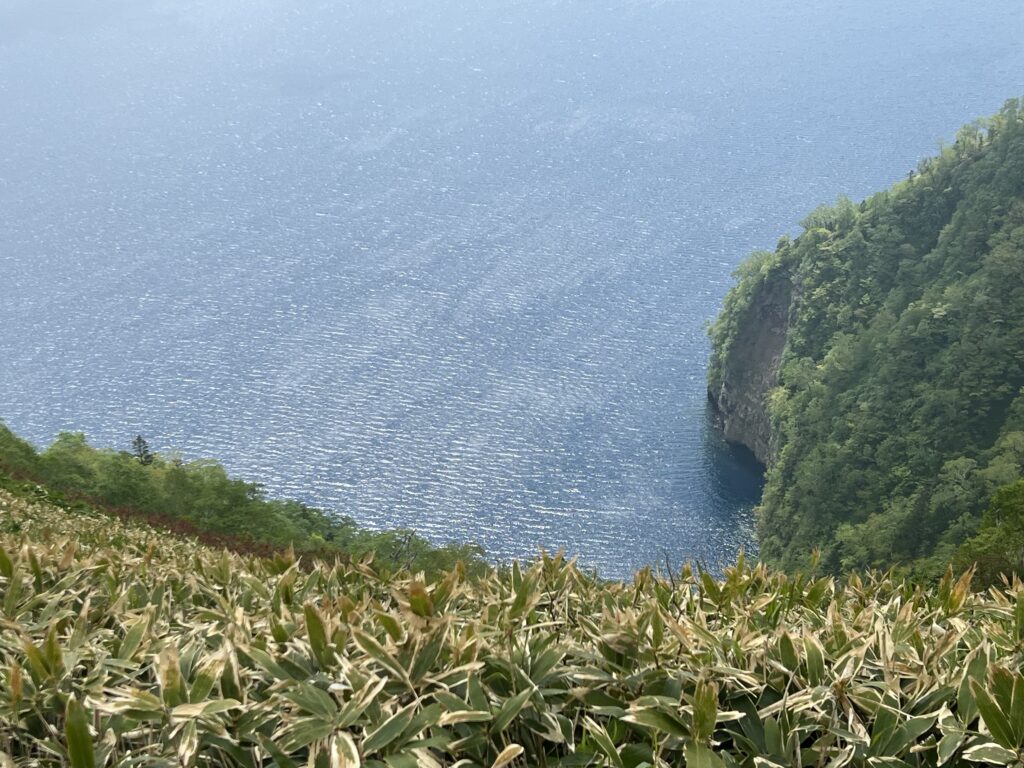
Hokkaido, in some parts, looks like one big farm ! Lots of wide open farmland here that you just don’t see elsewhere in Japan.View of Lake Kussharo, from Bihoro Pass.Males on the left, females on the right- a large rock in the middle for “privacy”.Delightful Kotan outdoor onsen, beside Lake Kussharo. We enjoyed it so much we visited twice.A beautiful evening camped with a few others at Sunaya Beach, Lake Kussharo. Hot springs came out of the beach here.Lush scenery on the road to Lake Mashu.Lake Mashu is a volcanic lake famed for its vibrant blue colour – on this day the sun was being shy so, while pretty, we did not get the full effect 😔.Came across quite a few of these – “foot spas”, this one near Lake Mashu. Incredibly relaxing !
A video look at our recent travels in 90 seconds…..
Random Musings on Japan:
Into month 3 of our stay in this wonderful country and thought I’d add a few general musings – the good ( almost everything ), the bad ( just a couple on that list ) and the ugly ( actually, nothing THAT bad so far ! ).
It’s easy to talk about the travel stuff, it’s always fun, so it’s here this week as usual but beyond that here are just some quirky visitor observations to share. I talk often about the good stuff, so a few lines about the minor annoyances first.
So, What’s Challenging About Japan?
Getting rid of garbage ! There are no garbage cans ANYWHERE here. It’s surprising there isn’t litter everywhere ( well, there is some ) since it’s so hard to get rid of stuff- without exception, every day as soon as we wake up, we start thinking about where we will be able to dump the garbage that accumulated the day before. We have never had to do this before. Anywhere. Ever ! We just met some Dutch people travelling in a rental motorhome, and we have also met some Singaporeans, and before that some Taiwanese all in rented vans and they all ask us the same question – where do you get rid of your garbage? It’s actually hilarious because we all burst out laughing at how ridiculously difficult it is here. For an incredibly advanced country it is beyond belief that there is no formal “public” garbage collection system ( they do collect from businesses and residences – you just generally don’t see regular garbage cans on the street as you do in every other country). It’s actually hard to believe until you come here and experience just how difficult this is.
Dealing with officialdom/bureaucracy is another challenge – they can be incredibly strict and inflexible here. The failed visa extension request was but one example. Our issue last week in getting on a ferry involved a ferry worker telling me we were mere centimetres over a pricing threshold and would need to pay extra. We were not, and this had NEVER been an issue on any other ferry or RoRo vessel ( and we’ve been on many!), but no amount of moral/logic/previous ferry history/reasonability arguing was going to sway this guy – they can just wear you down. Needless, pointless, but that is officialdom here. You cannot fight it. I should have known better – it was not my first time 😔.
So that’s about it for daily travel gripes here – pretty minor, really, in the scheme of things.
What’s Amazing About Japan?
Here I could fill a book.
1. Camping – is so easy. Almost without exception you can find a safe, flat, clean spot to camp for the night with clean toilets, and water available. Invariably at a MichiNoEki (roadside station ), but at times elsewhere as well. Removes a key stress element from travelling. There are few countries in the world where it is this easy.
2. People – incredibly welcoming, curious, friendly and generous ( more so than almost anywhere else ). People can’t do enough to help you and the government has rolled out so many things to make travel easy for foreigners – here, no complaints at all ! First class all the way.
3. Value – the Japanese have slayed inflation and prices have largely not changed in years ( decades in some cases – we know, we lived here 35 years ago ). Why can’t we manage that in Canada ? Next to no inflation here. No housing crisis here. Seems to be no ( material ) homelessness issue either. They are certainly doing a lot right. Japan is now excellent value where it was once always expensive. Food (always delicious), alcohol, restaurants, fuel, sights, all very reasonable. Expensive no more. As a result, tourism is exploding here – easy to see why.
4. The Sights – beauty lies everywhere here and seldom do we look when driving that something pretty can’t be seen. Nice.
5. OK, I could add many more things but I simply can’t ignore the public toilets ( since, as travellers, we use them often ). It’s unbelievable how the Japanese manage to consistently deliver the most perfectly clean ( and I mean, pristine ! ) public toilets everywhere you go. They are everywhere, they are well stocked, they are often heated, always with soap, always with electric hand dryers and ALWAYS spotless. They play music for you, the seats are heated, and you have a bidet option. Never, ever, any graffiti. They are incredible. You just don’t see that attention to detail in most other places, yet it seems to be a matter of civic pride here. If you happen to go early in the morning you can rest assured that the two toilet rolls ( always two rolls ) will be full and ( quite often ) the first sheets will have folded corners just like in a fancy hotel – I kid you not ! Yes, in a public toilet…
It was a long drive to get up here, and we dealt with a most frustratingly ridiculous issue getting our van on the ferry ( more on that later ), but once the door was lowered and we drove off the ramp into the streets of Hakodate, calm was restored and thoughts of where we might go and what we might do next came to the fore. Hokkaido, in Japanese terms anyway, is big and travel options are many !
Route so far in Hokkaido.
Most ferries to the island arrive in Hakodate and if that generally obscure city name rings a bell it’s with good reason – it captured global headlines and inflamed Cold War tensions way back in 1976 due to the defection of a certain Soviet Air Force pilot named Viktor Belenko. Viktor, you see, chose not just to defect, but brought his (then) state of the art MiG 25 with him ! Disillusioned with Soviet military life, he took off from Vladivostok on what was meant to be a routine training flight, then took his MiG 25 down to sea level and sped east to Hokkaido, eventually finding Hakodate airport, with just 30 seconds of fuel to spare. If an old Cold War story tickles your interest, read more about it here but it’s safe to say this pretty, small port city has not seen more excitement since !
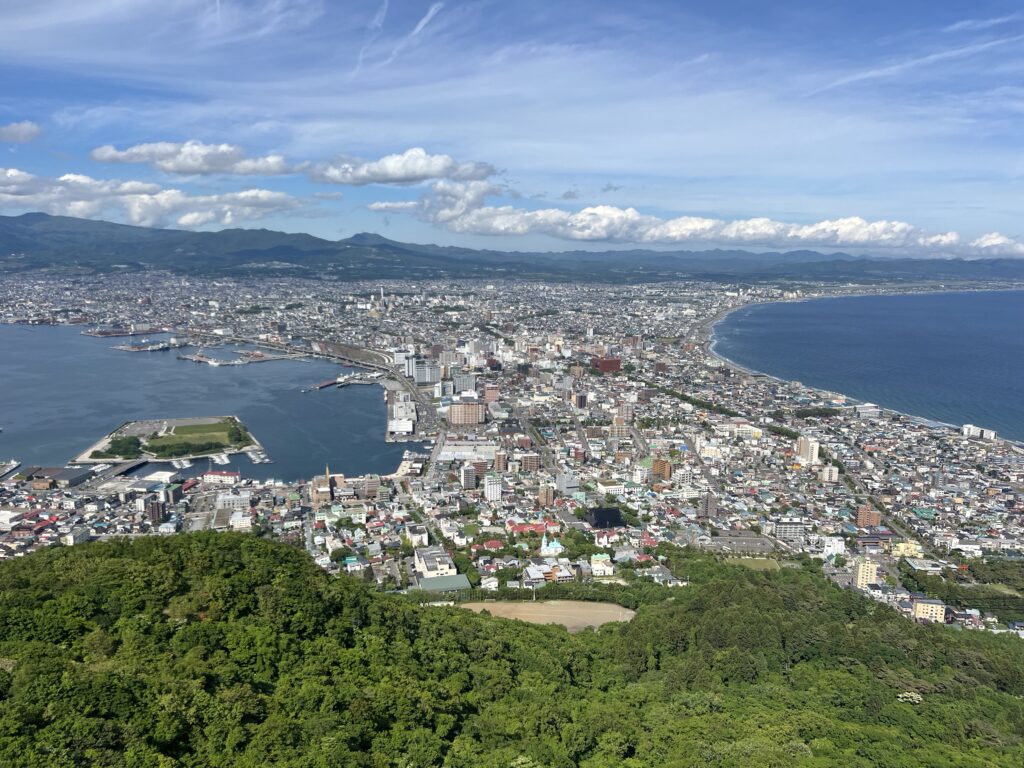
We enjoyed a couple of days here and in the surrounding area. It’s an easy city to like- compact, with all the attractions close together, and a mountain backdrop that gives stunning views over the whole city and it’s impressive harbour. The sunny weather helped, weather which, over the coming weeks would sadly be rather scarce.
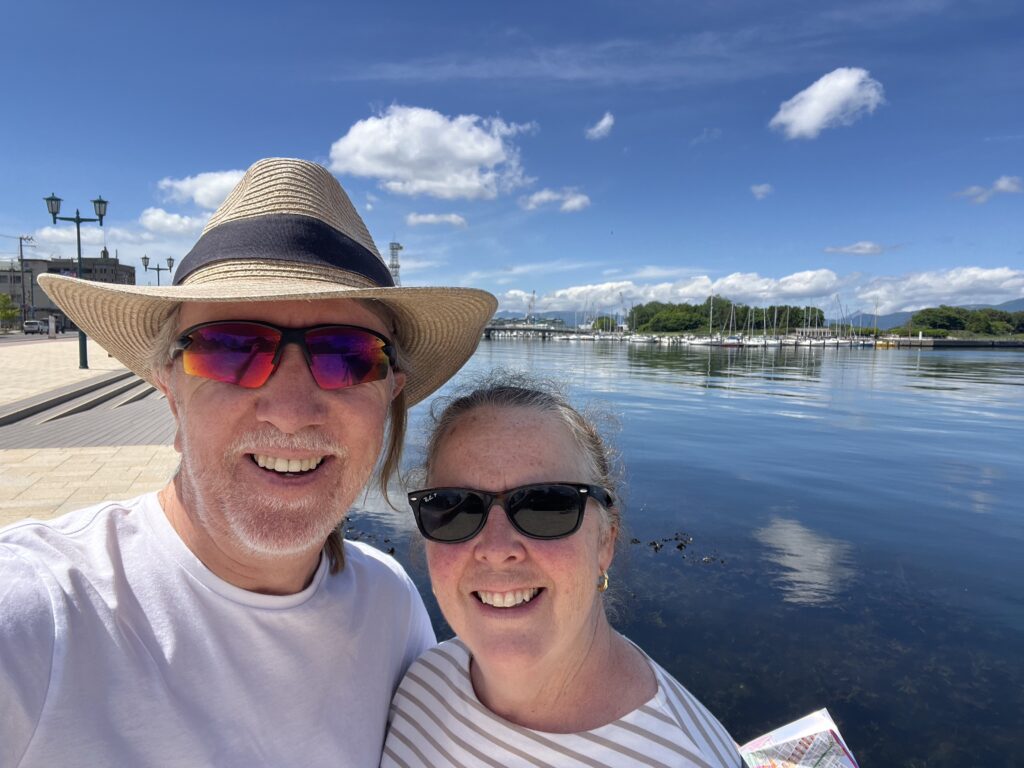
Waterfront district, HakodateSelfie, Hakodate.Scenic view of Hakodate.
Travelling initially east, then north along the coastal route took us through Mt. Esan, Mori and Oshamambe before turning away from the coast and heading up past Lake Toya to Hokkaido’s ski areas of Niseko ( hugely popular with Aussie skiers ) and Rusutsu. They, like Hakuba, surprised us by the fact that there was till some snow around.
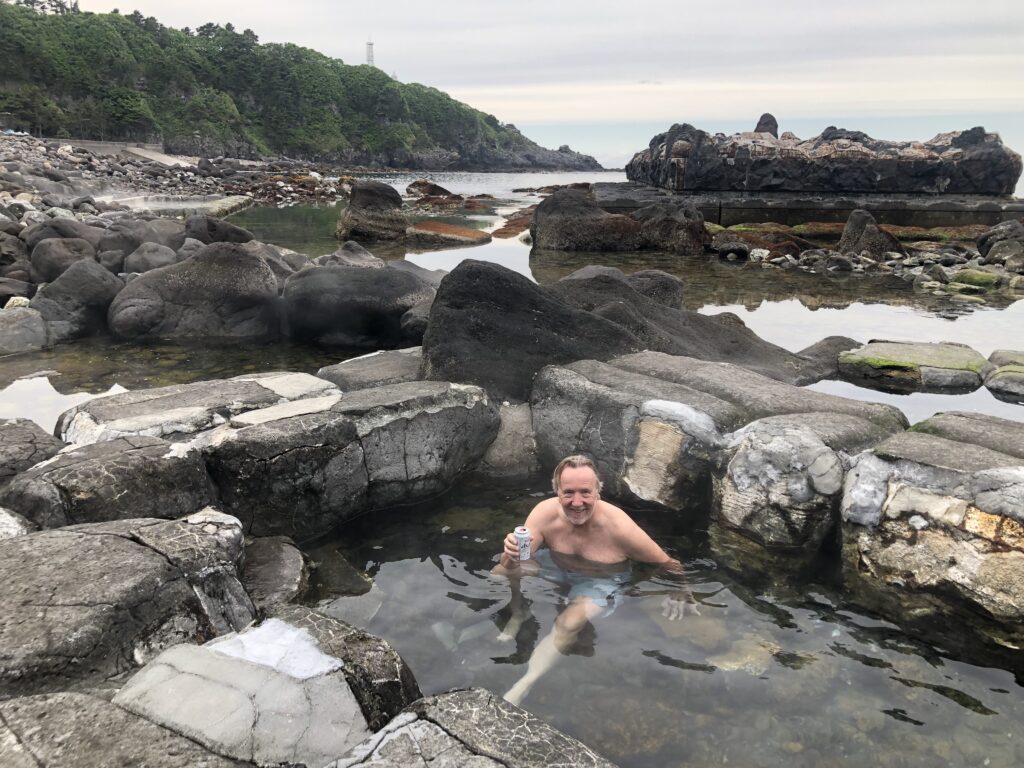
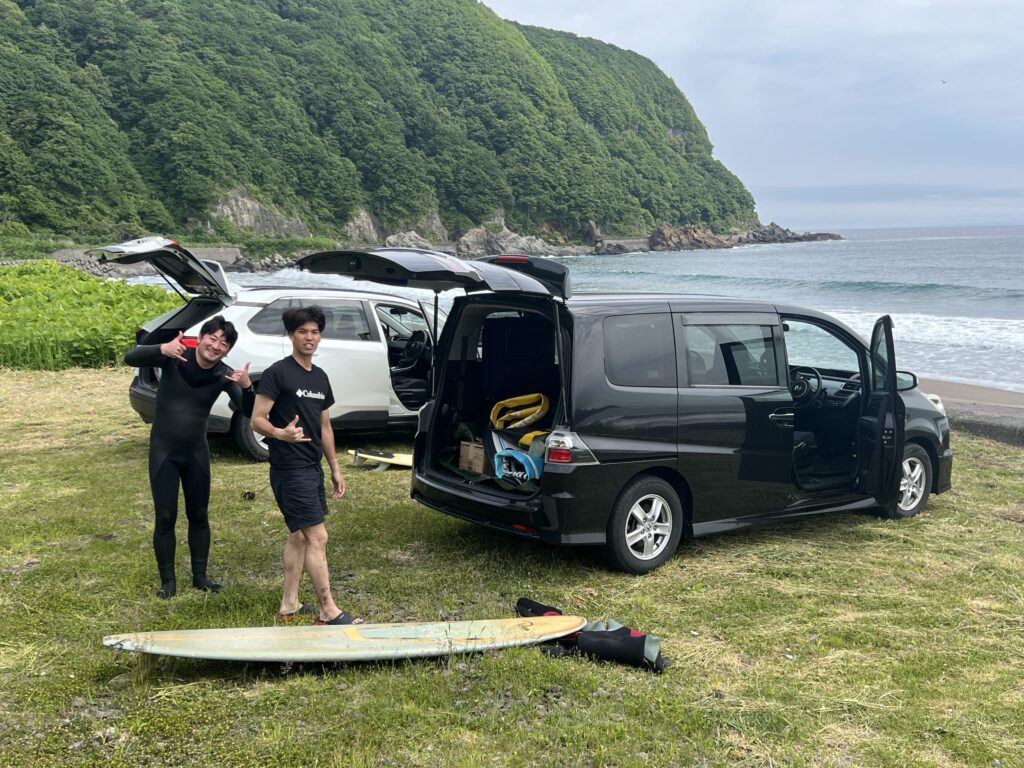
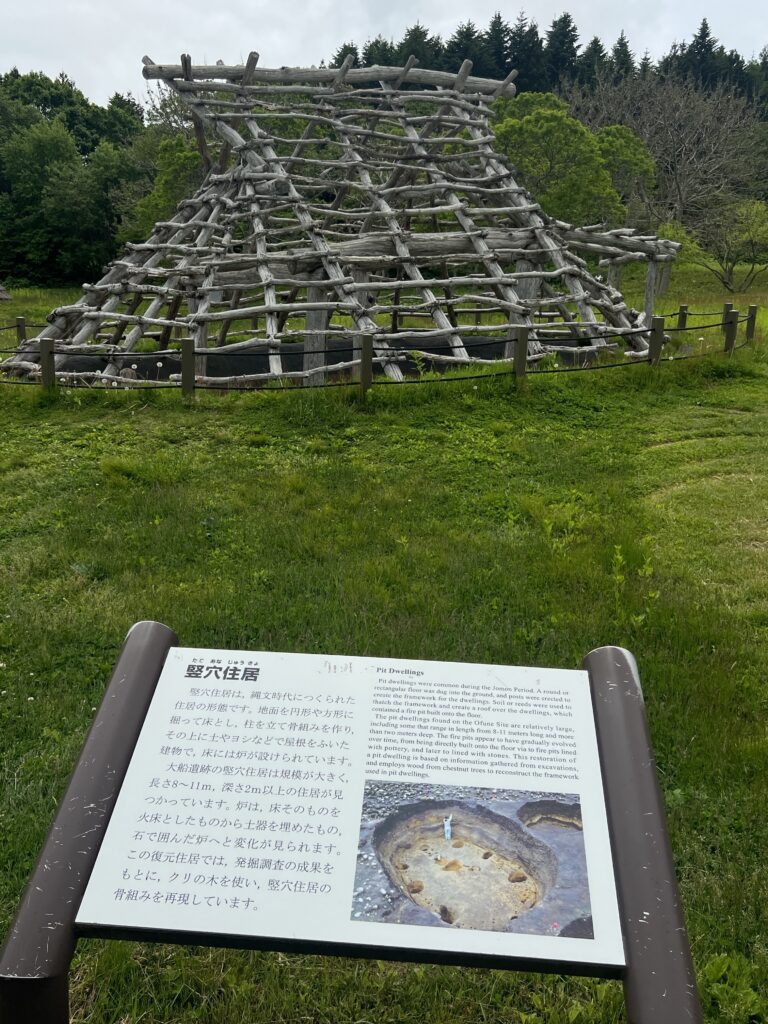
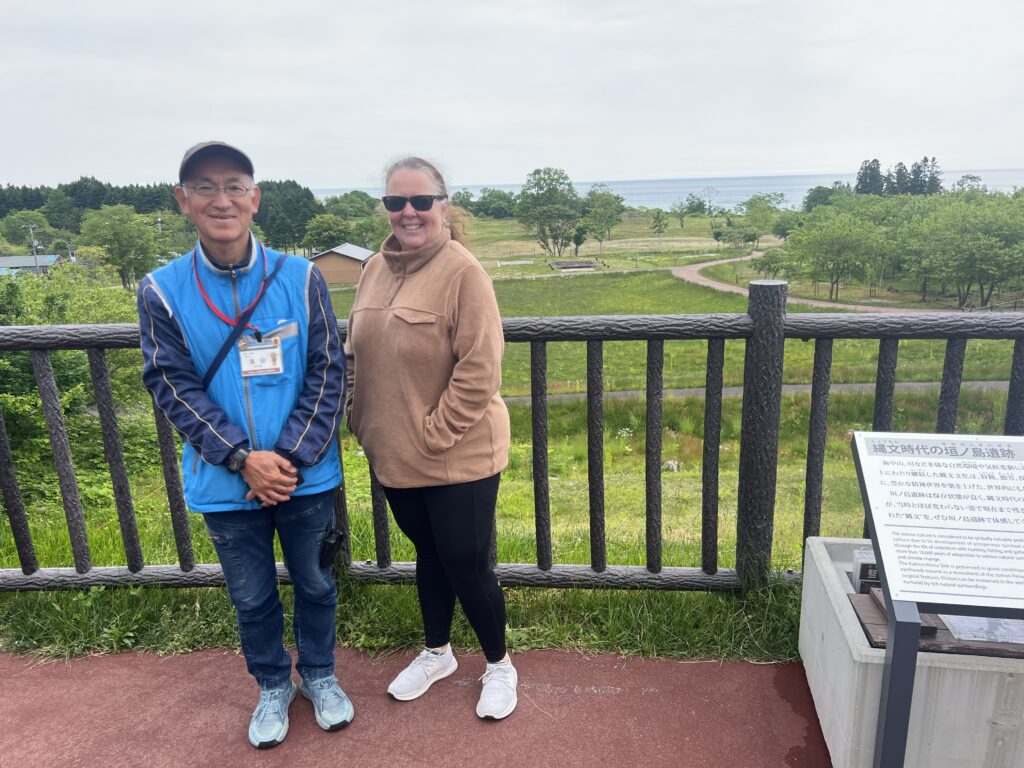
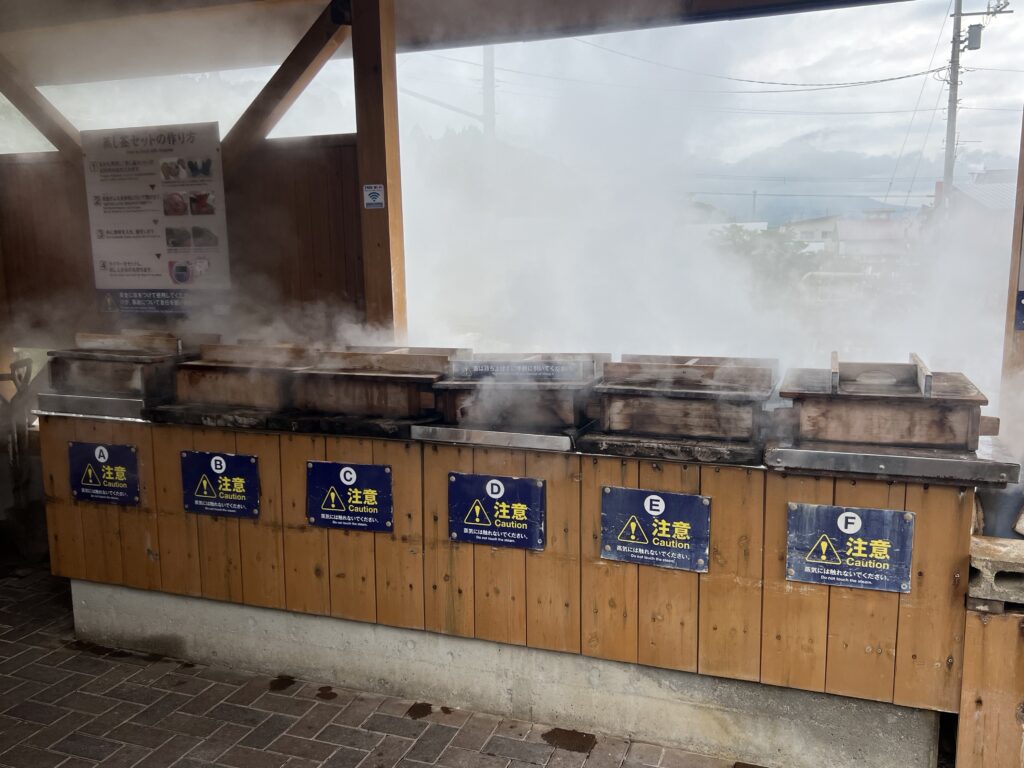
Cape Esan, outdoor seaside onsen. Japanese surfers, near Mt. Esan.Jomon era archeological site, near Mori.Jomon ruins. They even provided an English speaking guide.At some locations you can cook from the thermally heated stoves!Scenic road near Niseko.Bumped into a nice Japanese couple in Niseko who had just bought this camper. They were curious about ours so we did the obligatory reciprocal inspections !Ditto.
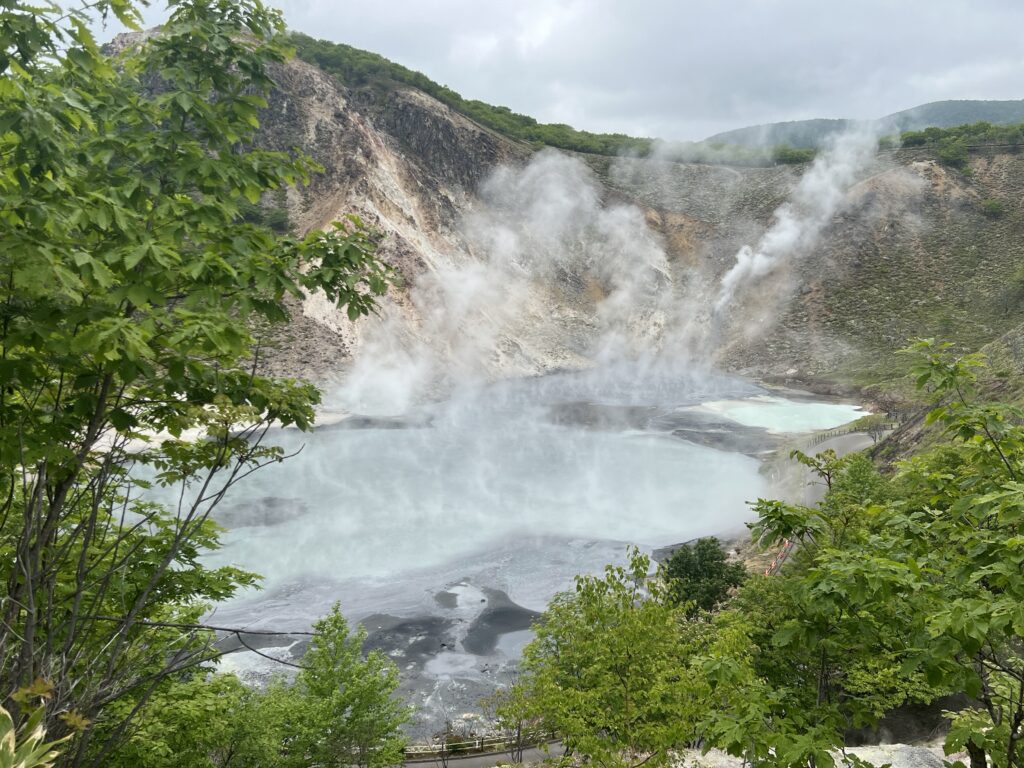
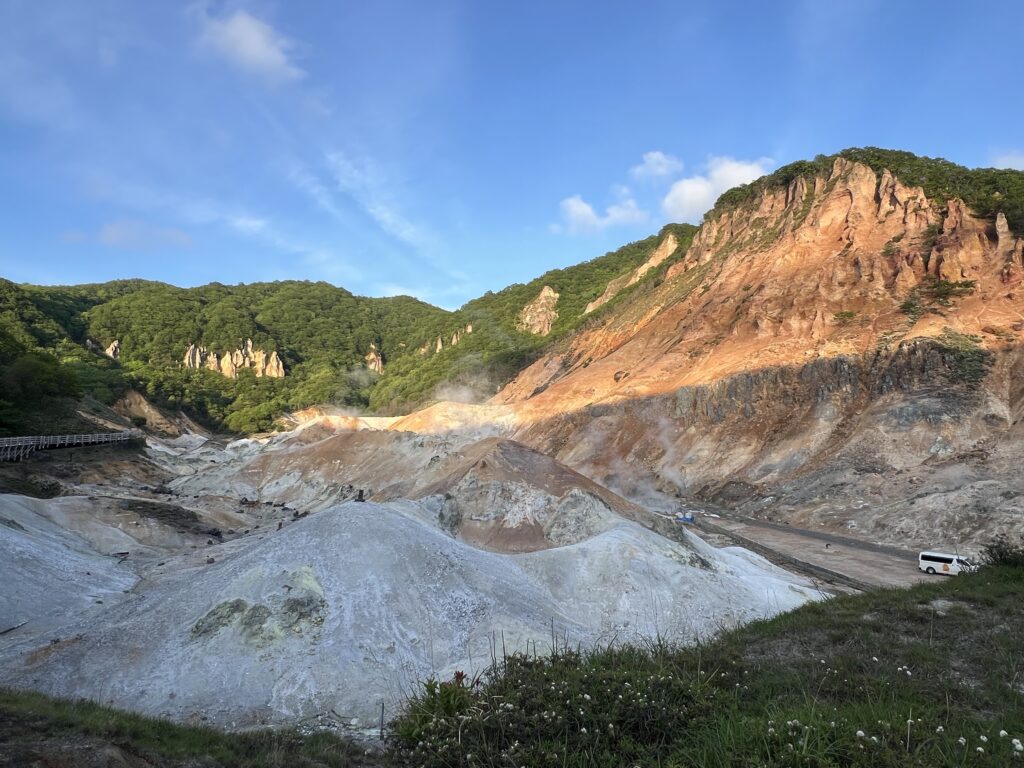
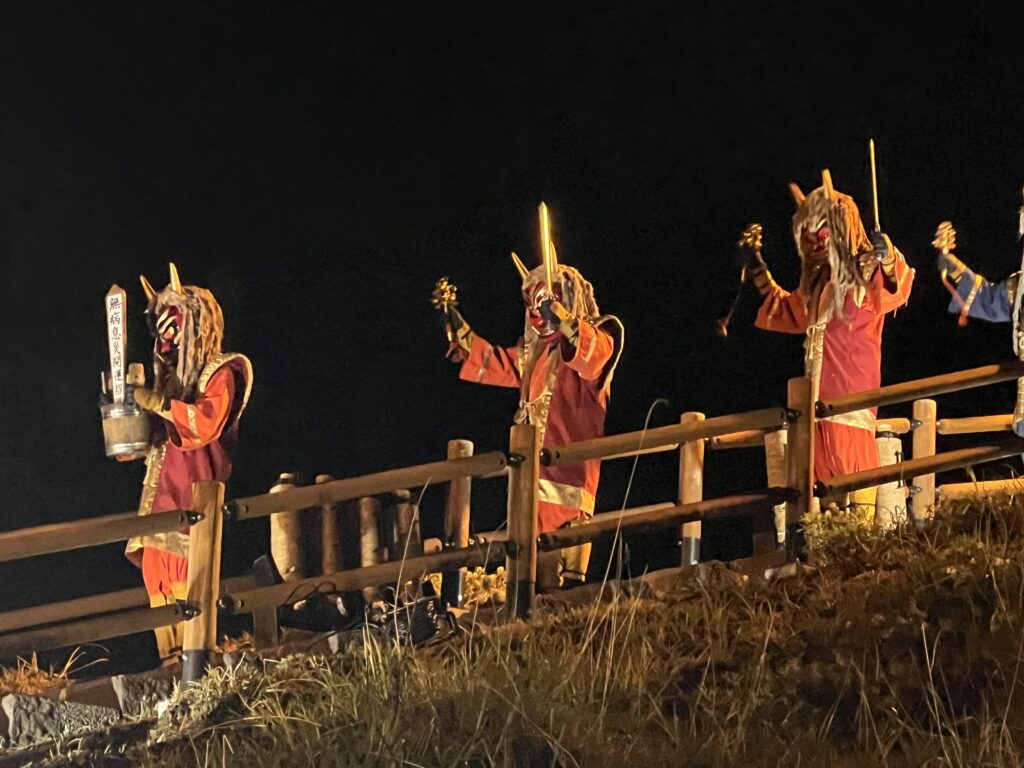
Between the ski hills and Sapporo lay one of Japan’s most well-known onsen towns, Noboribetsu. Not only are the hot pools large, there are lots of them with a range of therapeutic qualities, all fed from the thermal activity underground. Noboribetsu was wonderful, and the pools amazing – just one of those places where it all came together; nice weather, great walks, fantastic hot pools, great food and a wonderful place to park up right in town arranged by a friendly parking guy sympathetic to the challenges of finding same in places like Noboribetsu. To top it off we were fortunate to be there on the night of a very colorful local festival- icing on the cake!
Thermal area, Noboribetsu.Ditto.A wonderful night of music and dance, NoboribetsuStunning Lake Kuttara, Noboribetsu.
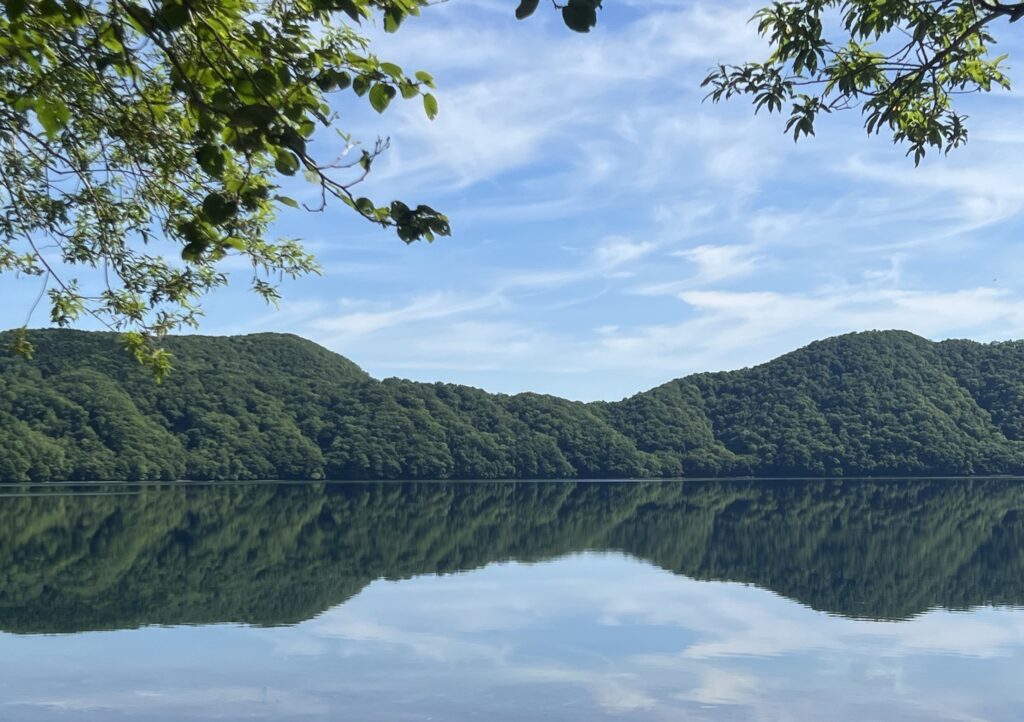
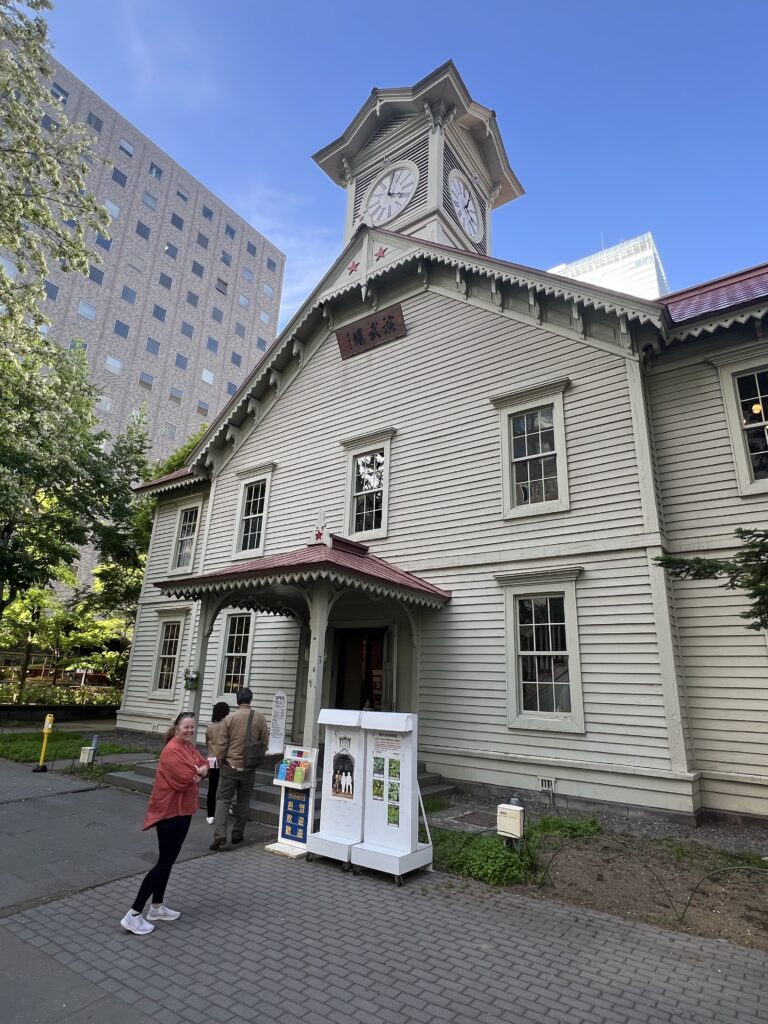
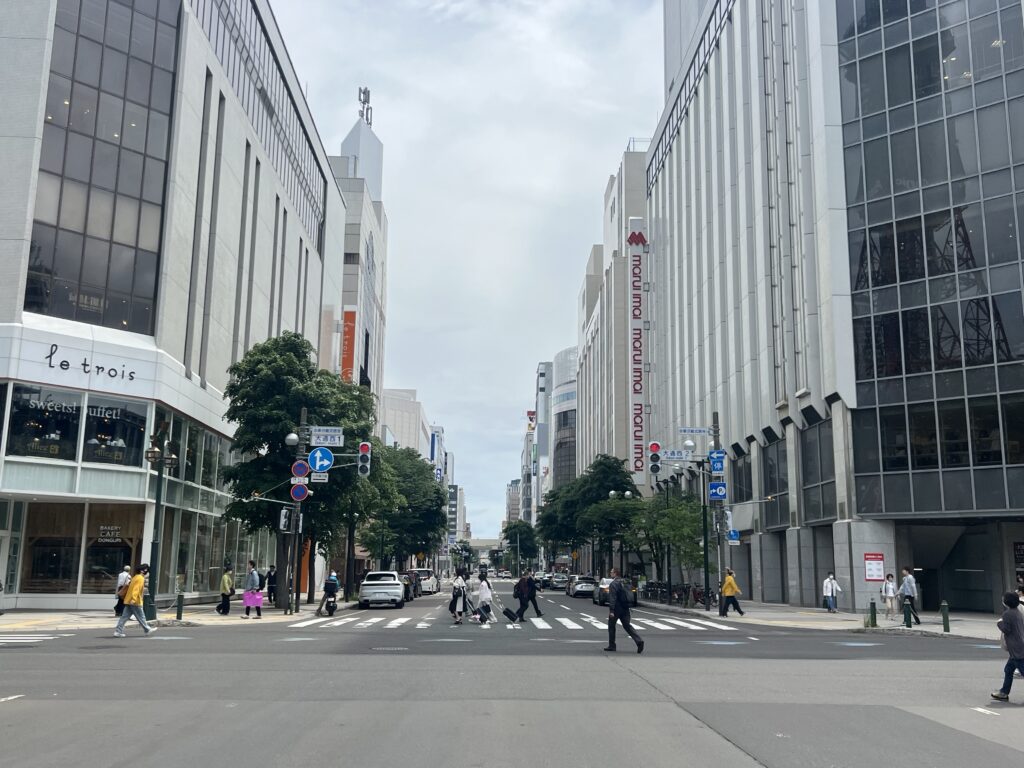
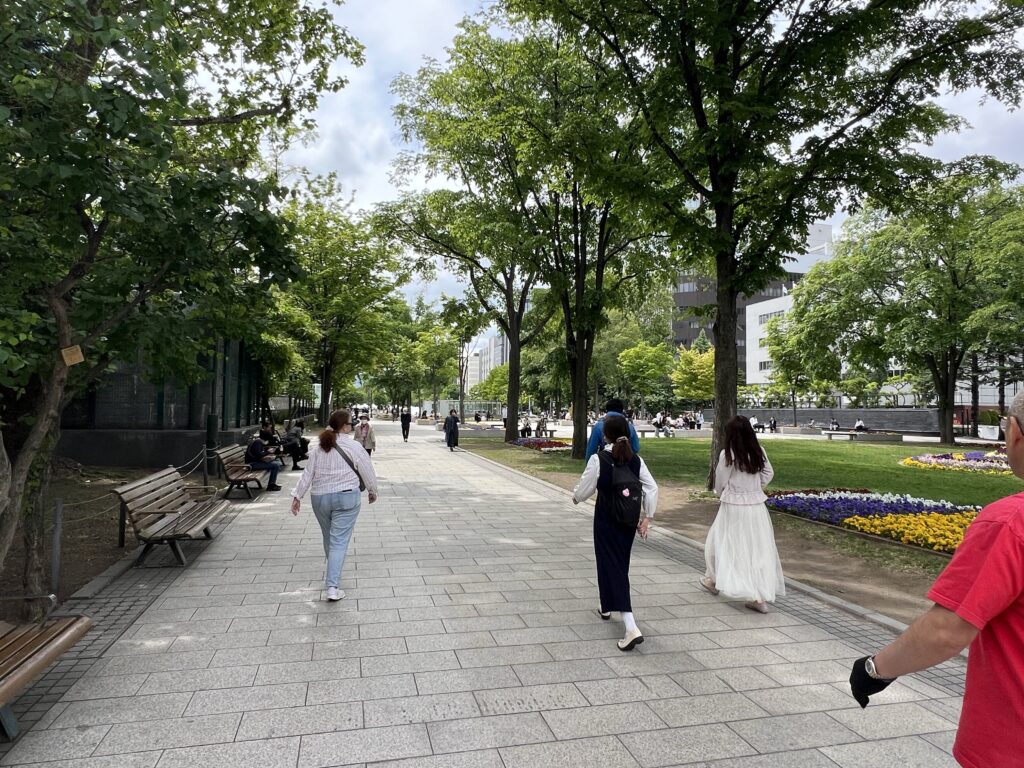
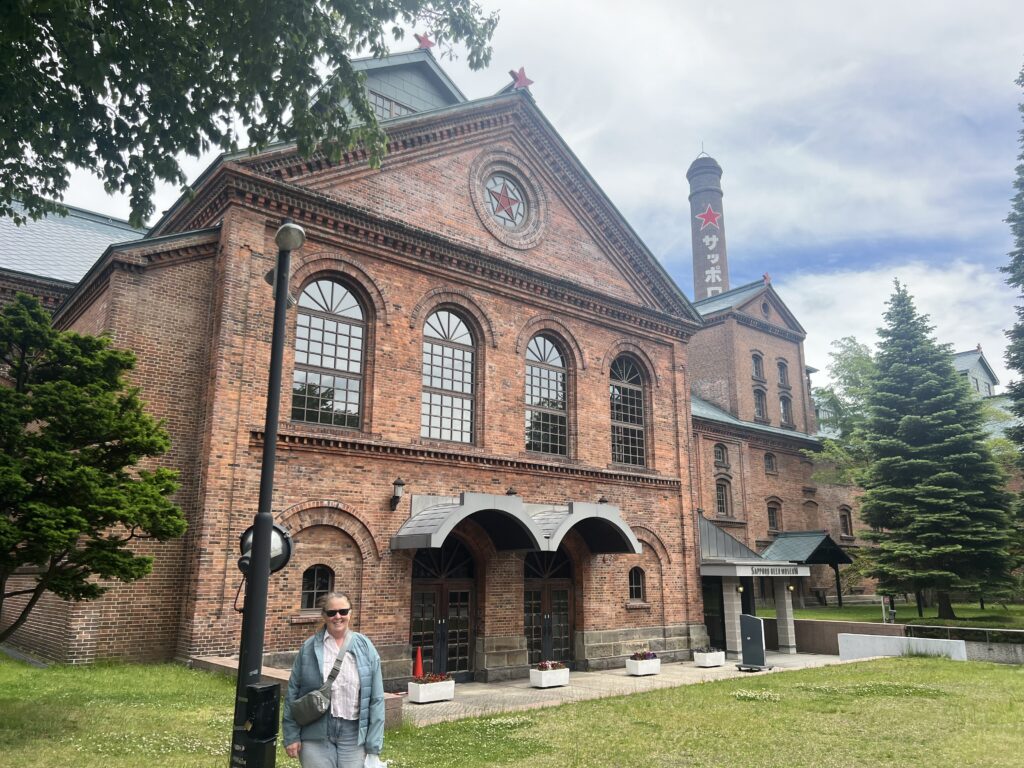
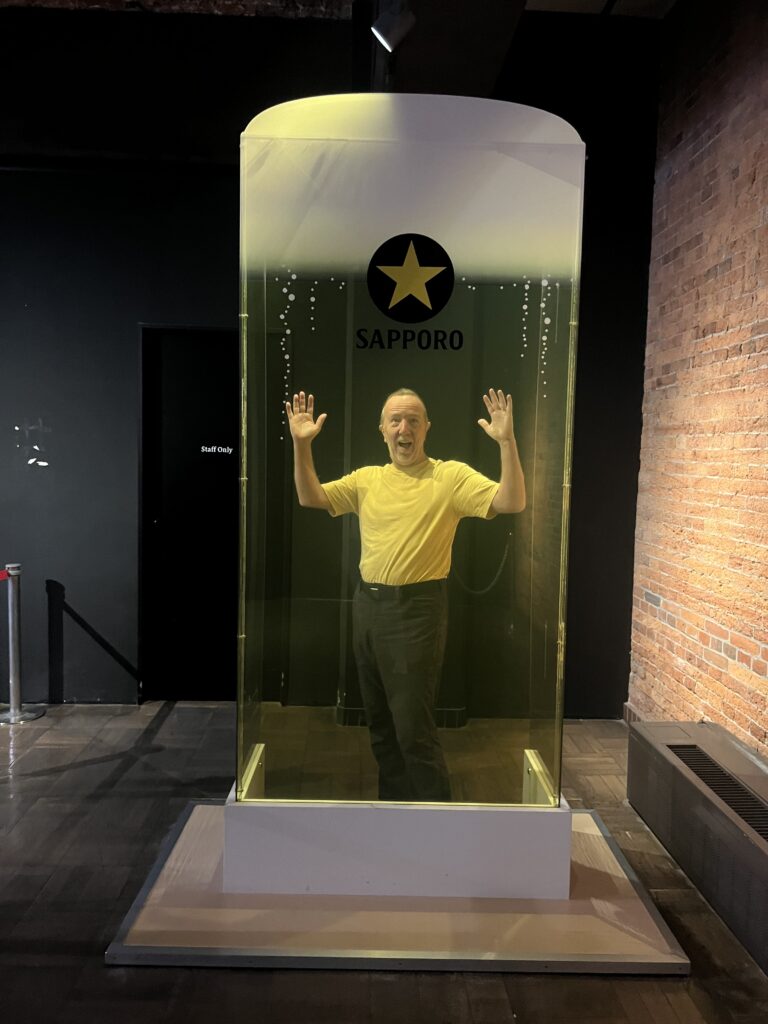
The drive on to Sapporo took us through some of the area’s prettiest lakes, made more enjoyable by another of our rare sunny days – sadly, not to last. Sapporo itself surprised us – much bigger than we thought but easy to navigate since it ( along with a few other Hokkaido cities ) is on a conventional “grid” layout not commonly seen elsewhere in Japan. Among other sights, a real highlight in Sapporo was the chance to tour the Sapporo Brewery and learn about the history of beer in Japan – actually quite fascinating !
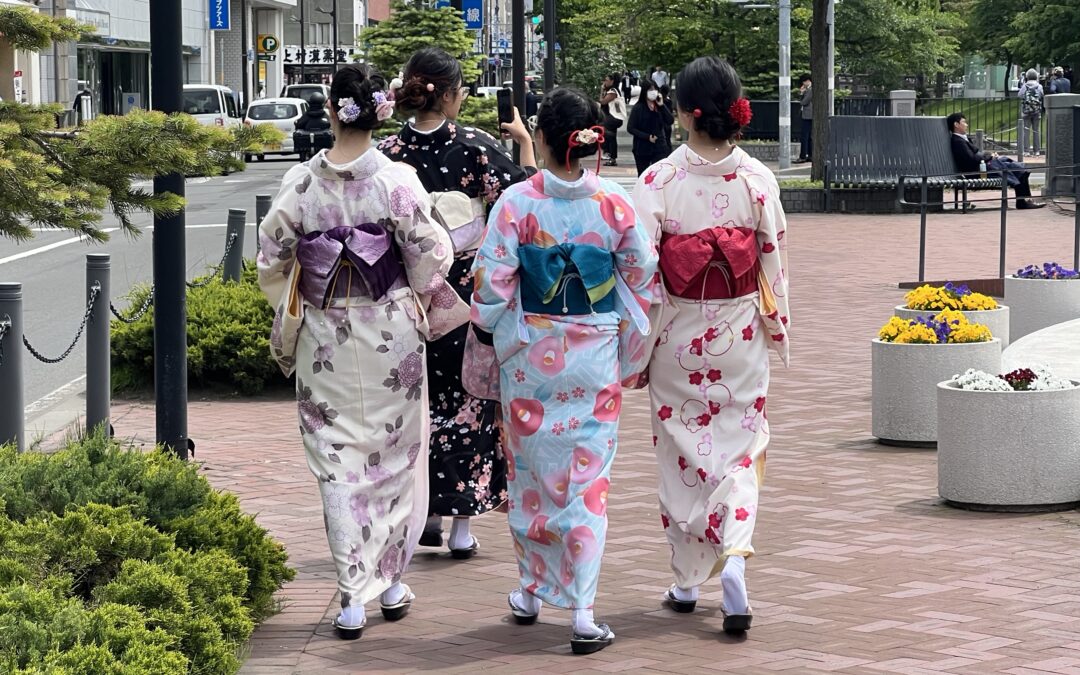
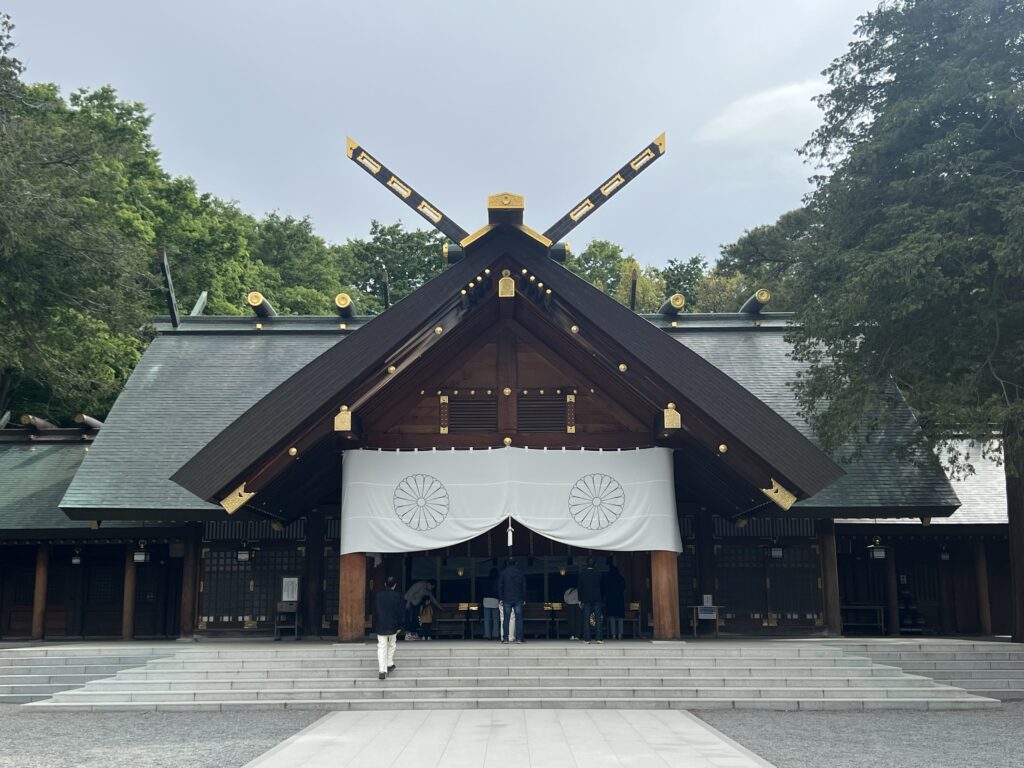
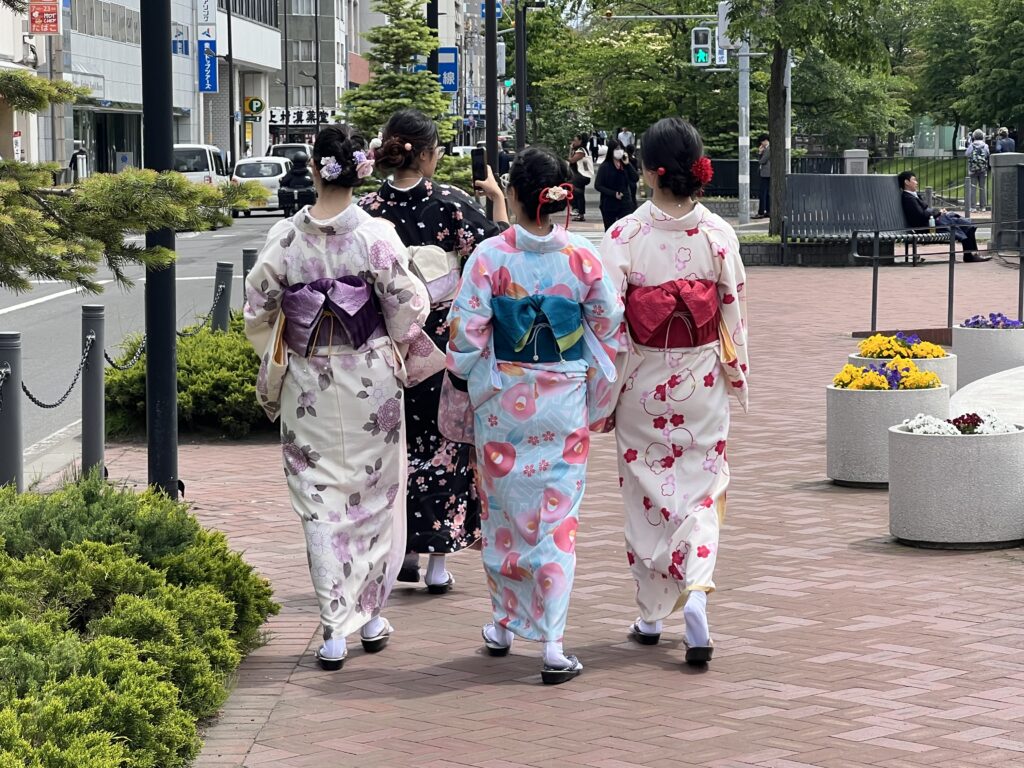
Historic Clocktower, Sapporo.Downtown Sapporo.Downtown Sapporo.Hokkaido Jingu ( Shrine ), Sapporo.Kimono clad Japanese ladies, Sapporo.Sapporo Beer factory.Sapporo Beer Museum 😊.
From Sapporo the next stage of our Hokkaido adventure takes us to Japan’s northern extremity, Wakkanai.
The added bonus of making our way up to Kanazawa, while otherwise quite out of the way, was the fact that we were now at the base of the Noto peninsula, a region of Japan especially popular for its scenery, historic thatched-roof housing, and some of the country’s best lacquerware production ( among other traditional crafts). The plan from here was to explore Noto, leave the west coast to divert inland through the Japan Alps, and then make a beeline up the northwest coast of Honshu for the ferry crossing to Hokkaido. Most of this worked out well, some – not quite so well ! Read on….
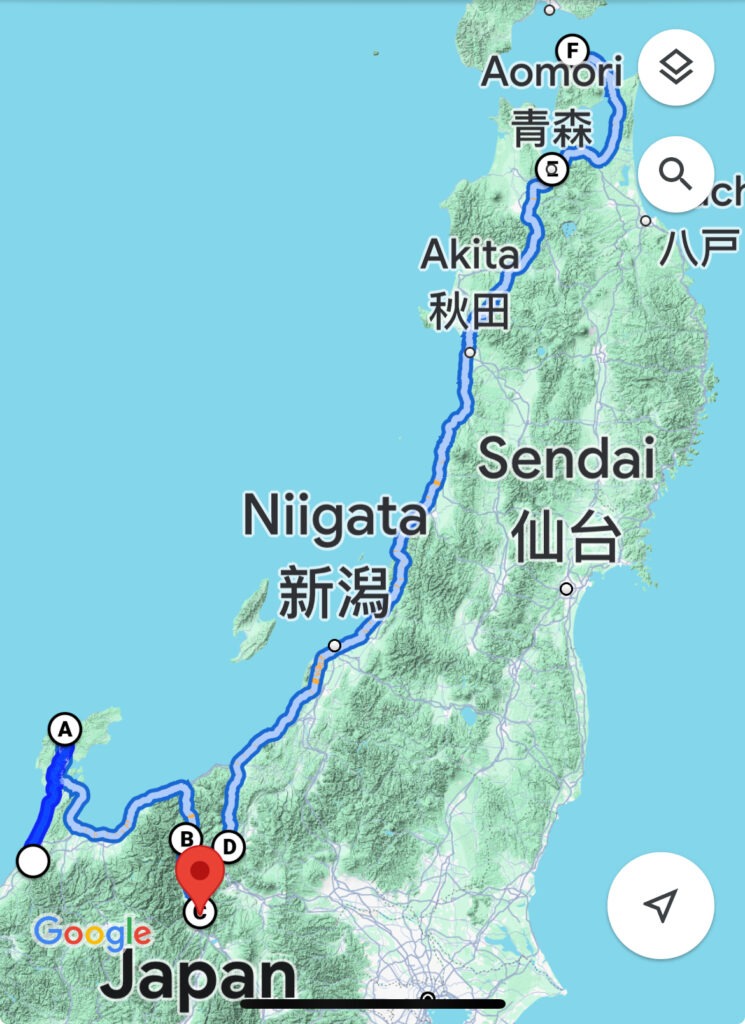
Our route north.
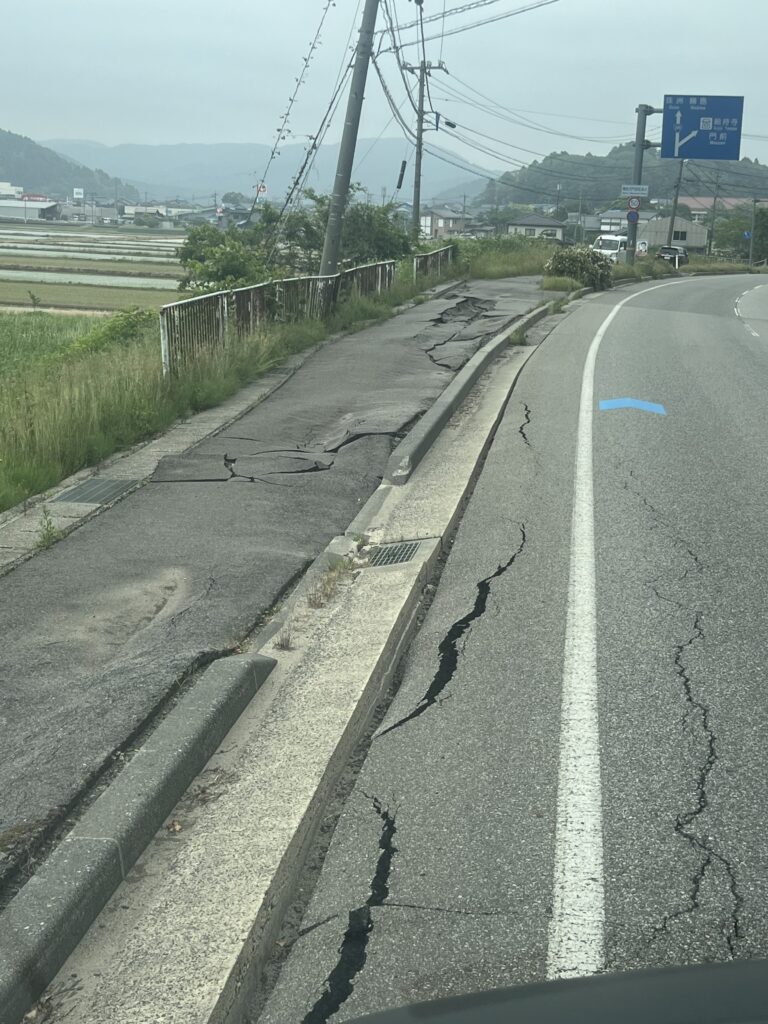
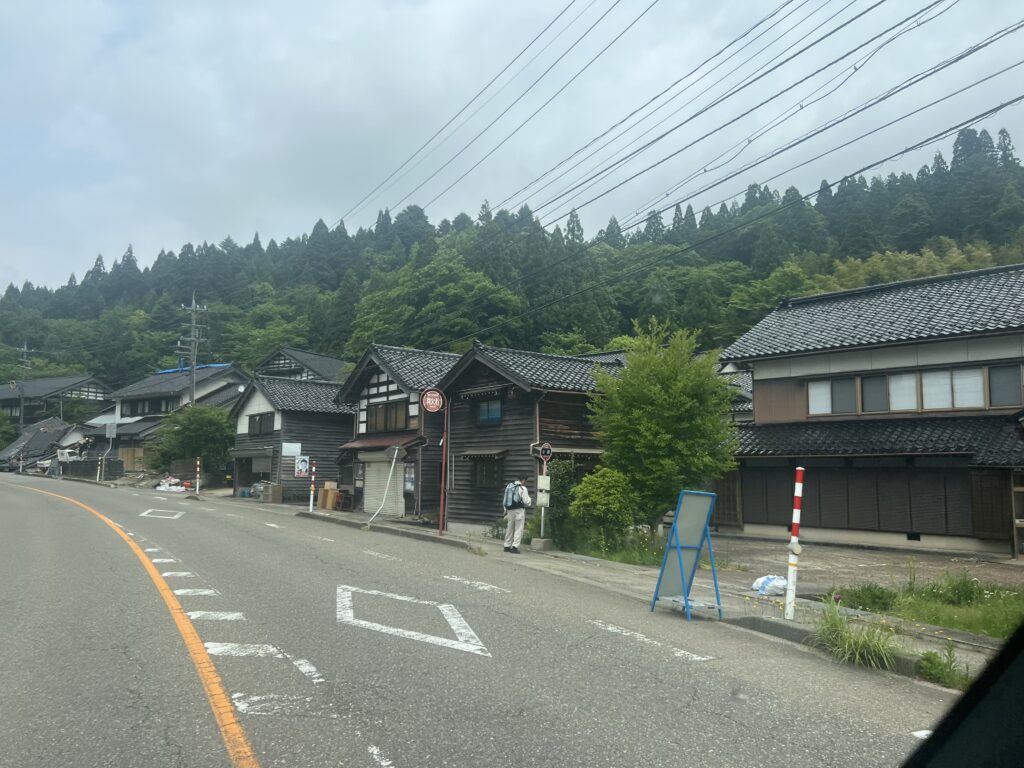
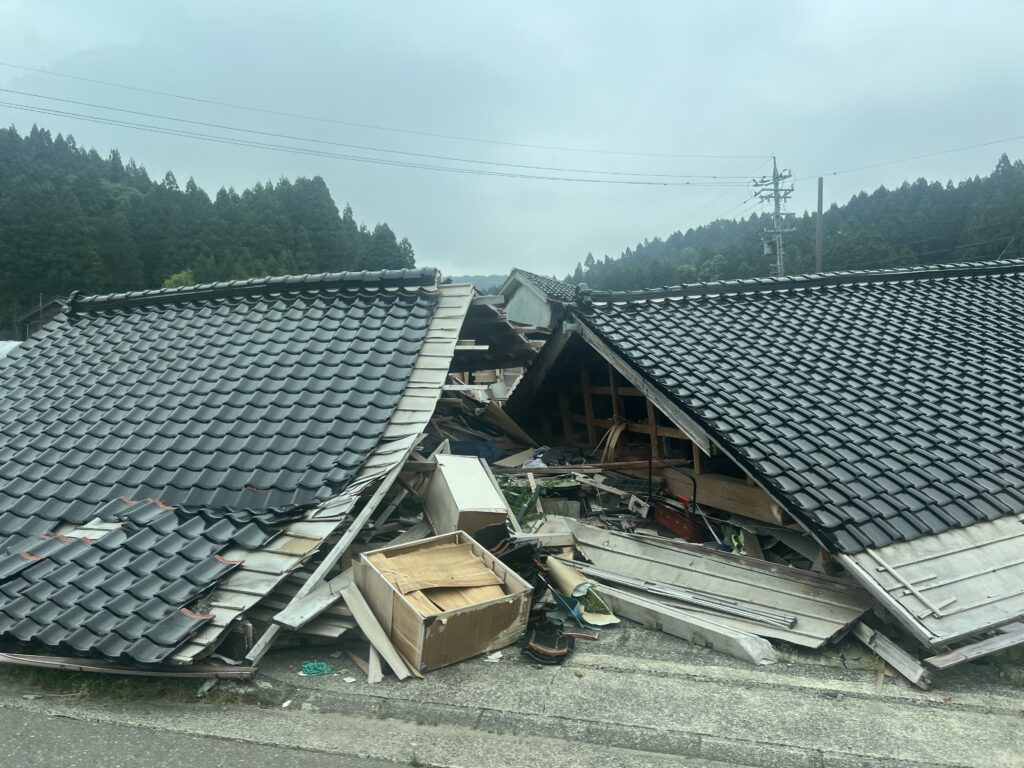
Not far up the western side of Noto ( shown as “A” on the map above ) we started to notice some strange things on the landscape. The roads were quite severely buckled in places, and the further north we went the more buckled they became. In other places, the electrical poles were not standing vertical and then in many areas there was damage to the roofs of houses which had been temporarily repaired with blue tarpaulins. Suddenly, not the kind of precisely manicured homes and landscapes we had become accustomed to in Japan. Then, it dawned on us, there must have been an earthquake in this area. In fact, a quick Google search revealed there was a very severe earthquake back on January 1st, killing almost 300 people- we had, quite by chance, just stumbled onto this, and there was still a significant amount of un-repaired damage. Once we realized it, we felt quite guilty that we were even in the area. After a brief visit to the city of Wajima, and learning that roads further north were in any event cut, we simply headed back down the peninsula and made our way towards the Japan Alps, where we were looking forward to exploring Nagano, Hakuba, and the castle city of Matsumoto.
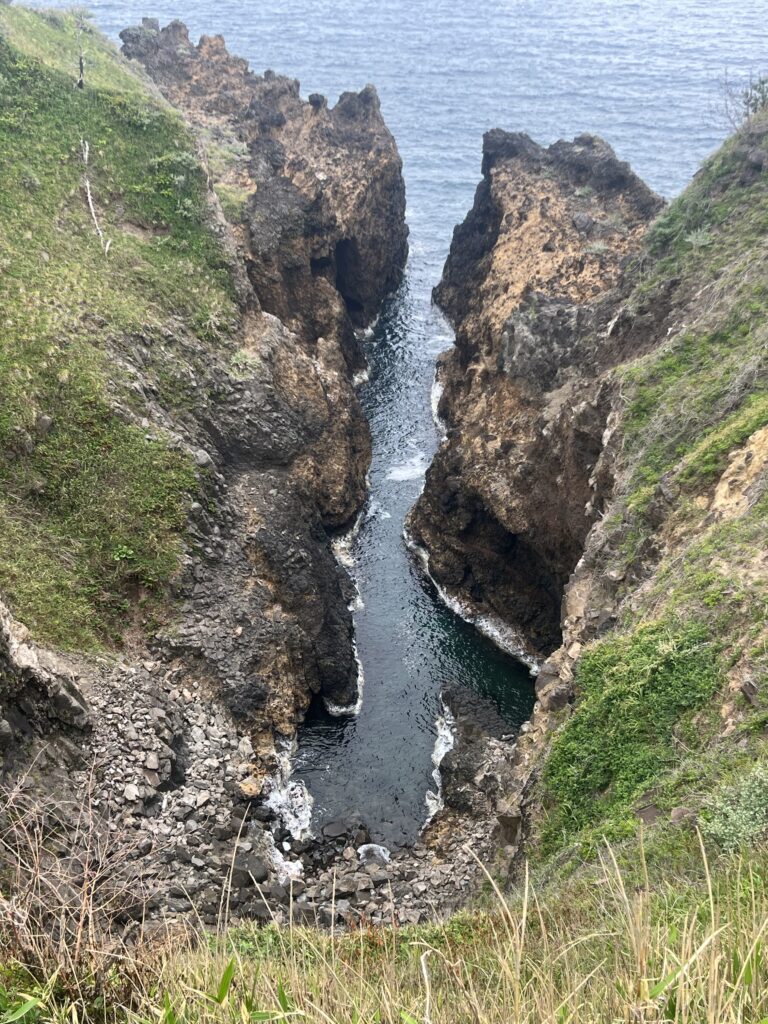
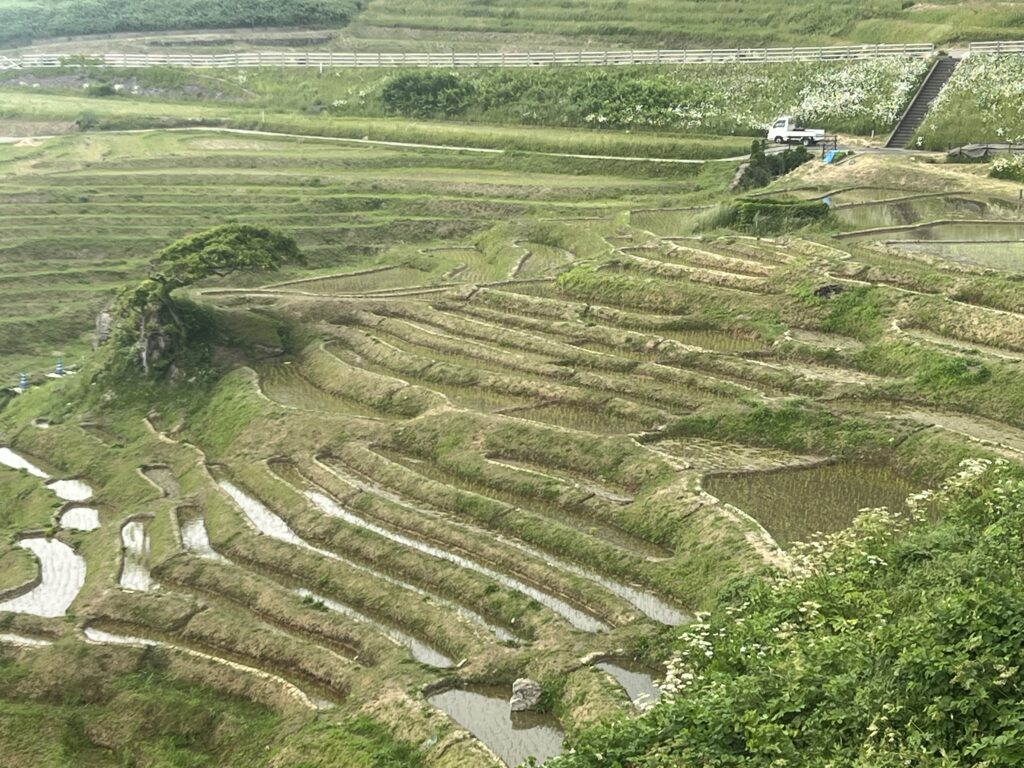
Coastal scenery, Noto Peninsula.Earthquake damage, Noto Peninsula.Some houses were affected, some not. One on the left of the picture was flattened while houses nearby were untouched.Others completely flattened.Terraced rice fields near Wajima.
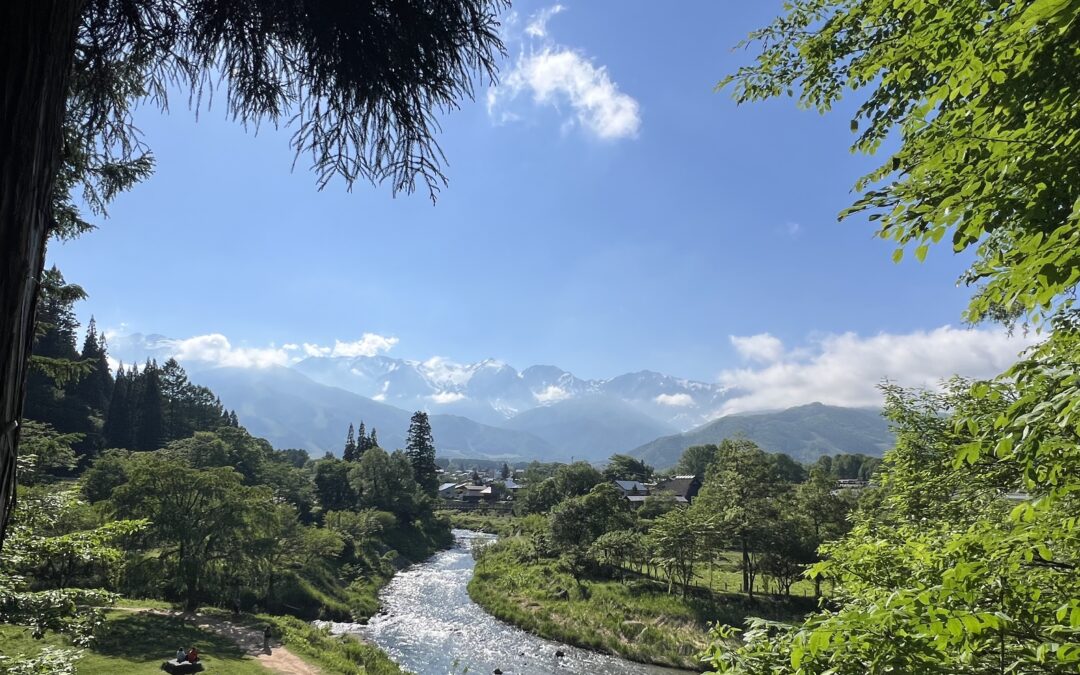
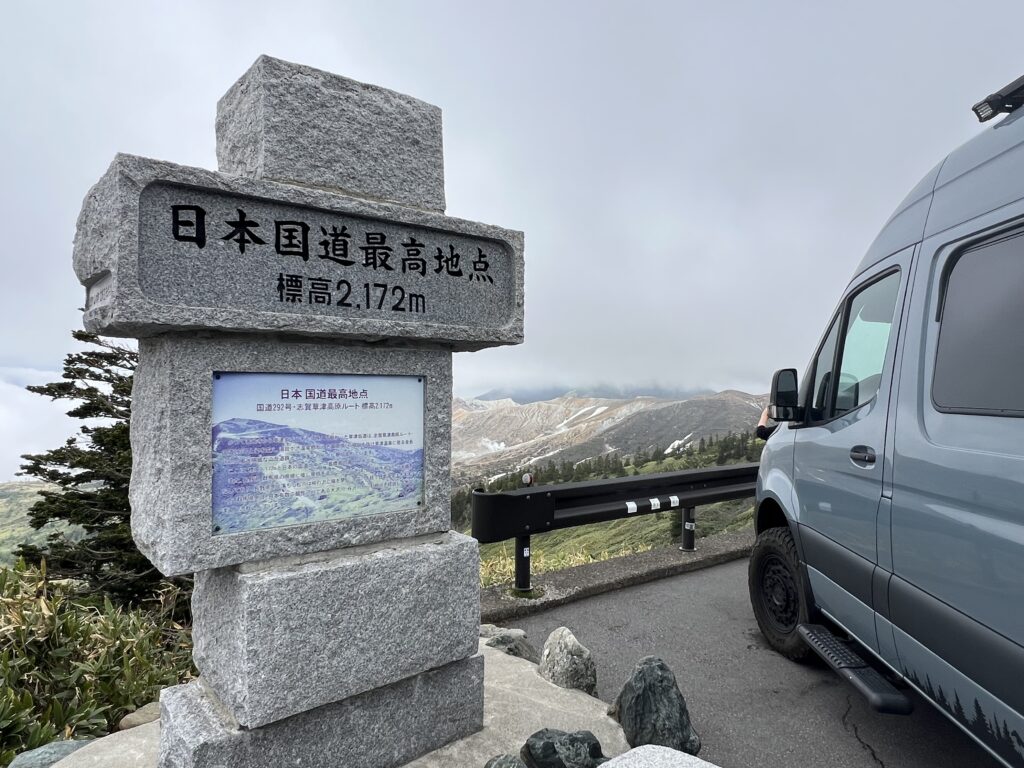
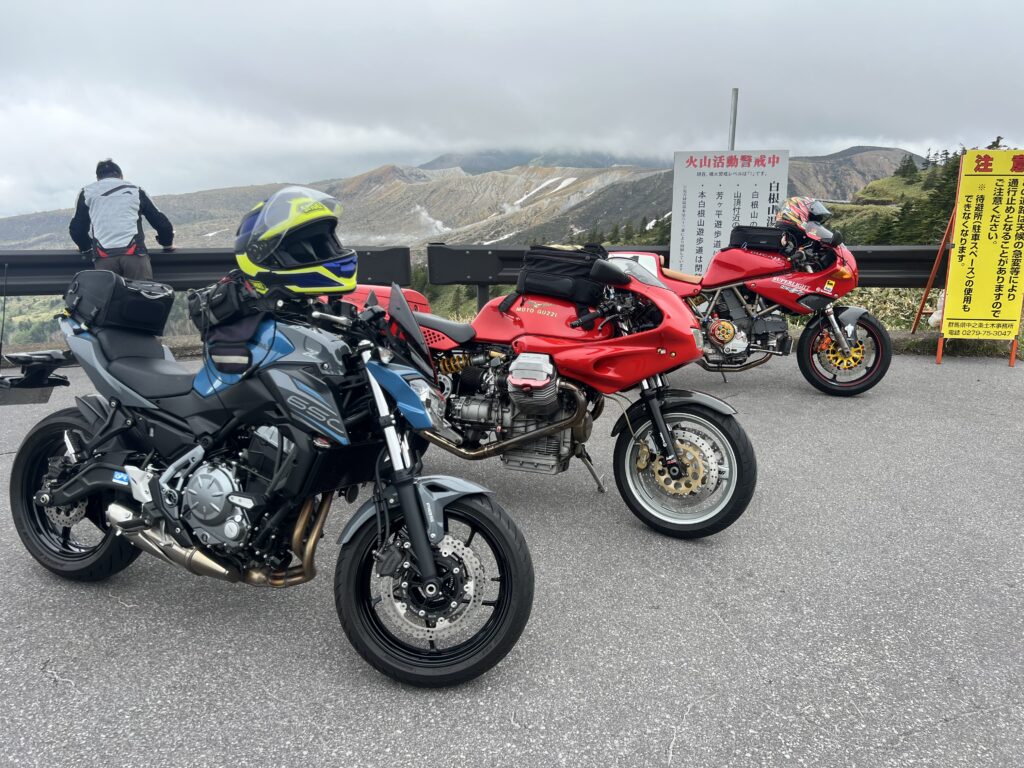
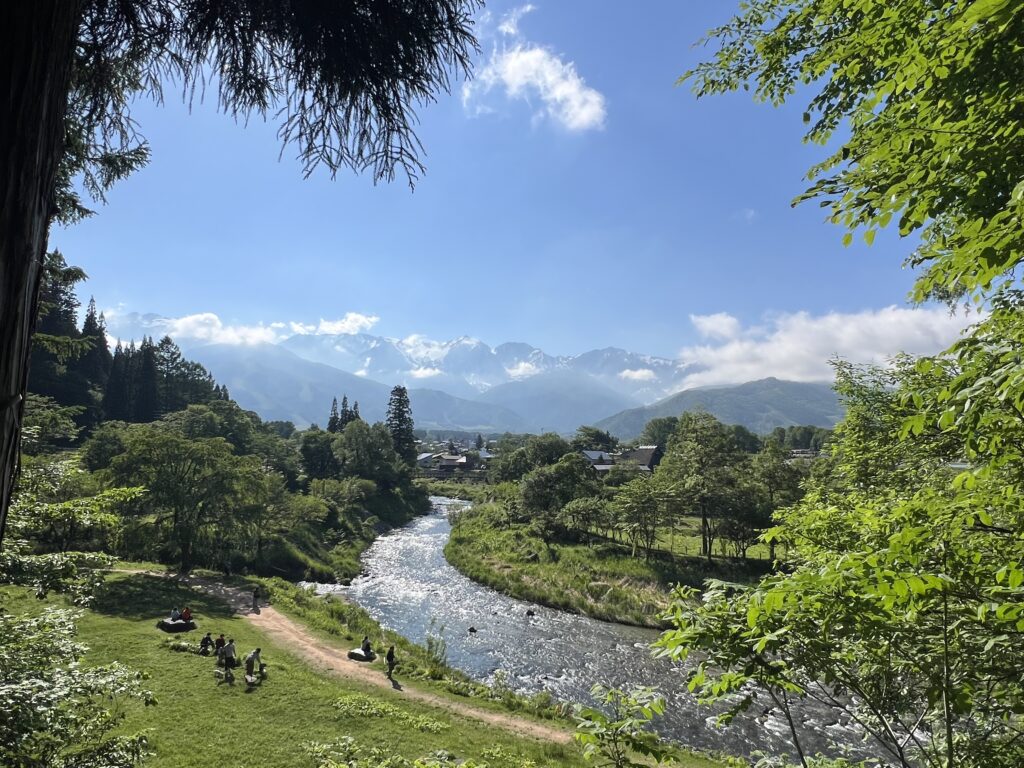
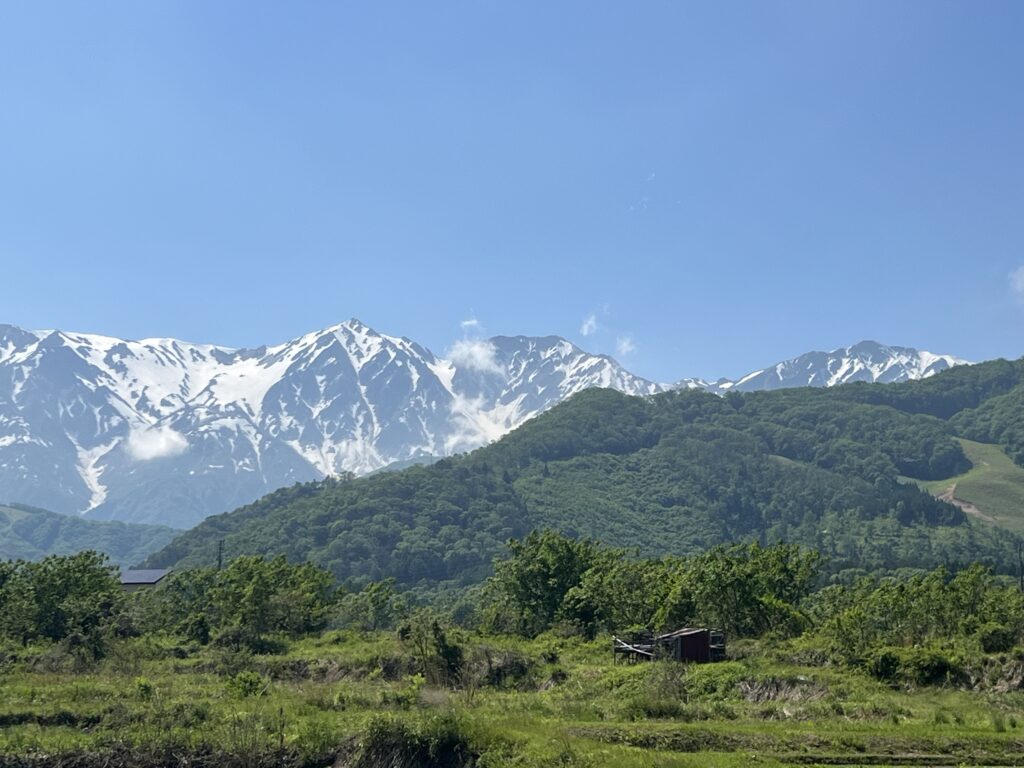
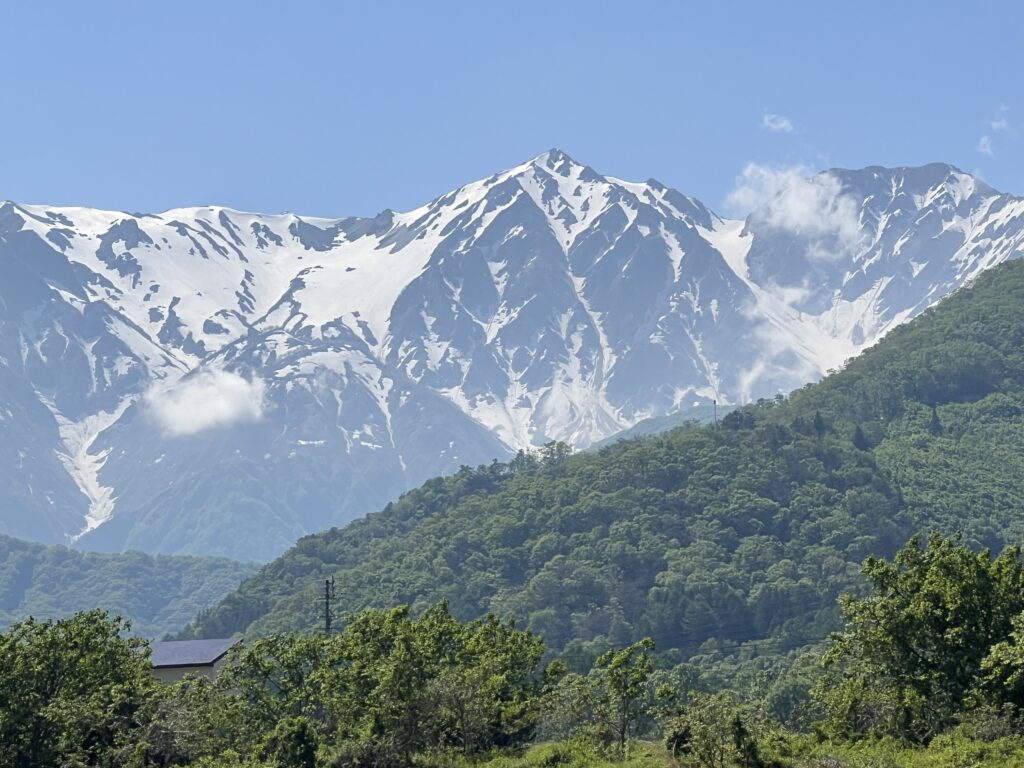
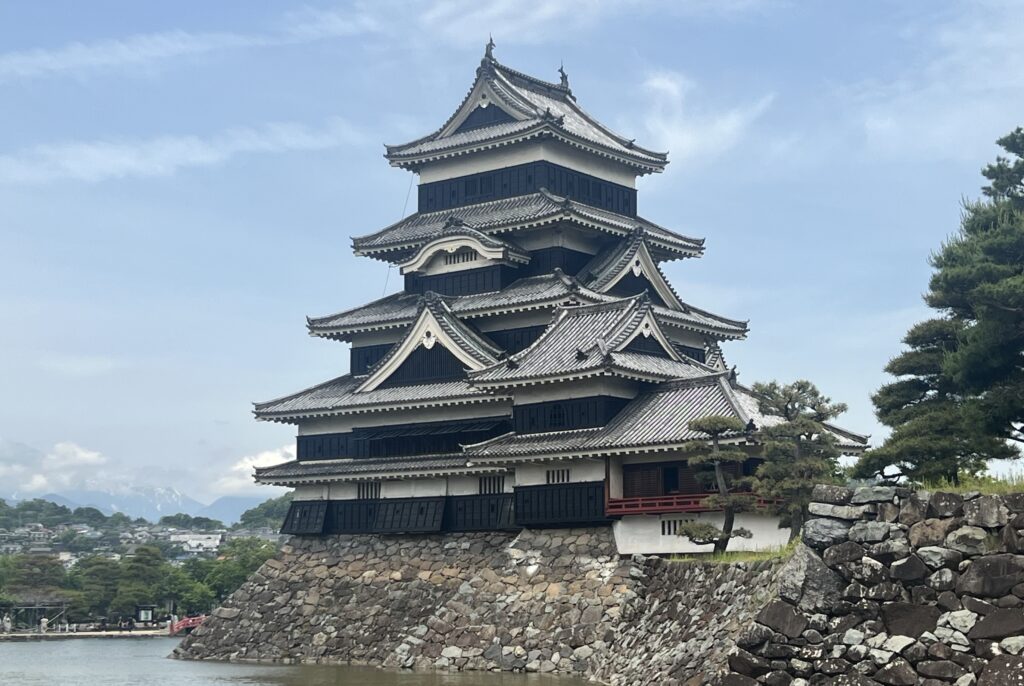
While it’s not ski season here, the Japan Alps is a beautiful region any time of year, and we did want to scope out the area with a view to one day returning for a ski trip. Hakuba was definitely the pick for us – compared to Nagano, just a little smaller, a much more local feel, and we just happened to have better visibility of the high peaks while we were there. A very slight detour between the two cities leads one to the famous castle town of Matsumoto, a worthwhile detour since this castle is black in contrast to most of the Japanese castles, which are white. While in the region, we took the opportunity to challenge the Shibu – Toge Pass, which at 2127m is the highest in the Japan Alps ( in fact, the highest point you can drive in the whole country ). We had heard the views were worth the merciless grind to the top – indeed, it was a bit of a grind getting the big van up there but once up the views made it all worthwhile . Caught up with a bunch of Japanese motorcyclists who had just done the trip on their exotic European bikes – they were soaking in the view when we arrived. It would definitely have been more fun ( and much easier ! ) to do it on a big Moto Guzzi, or Ducati, than a Sprinter van !
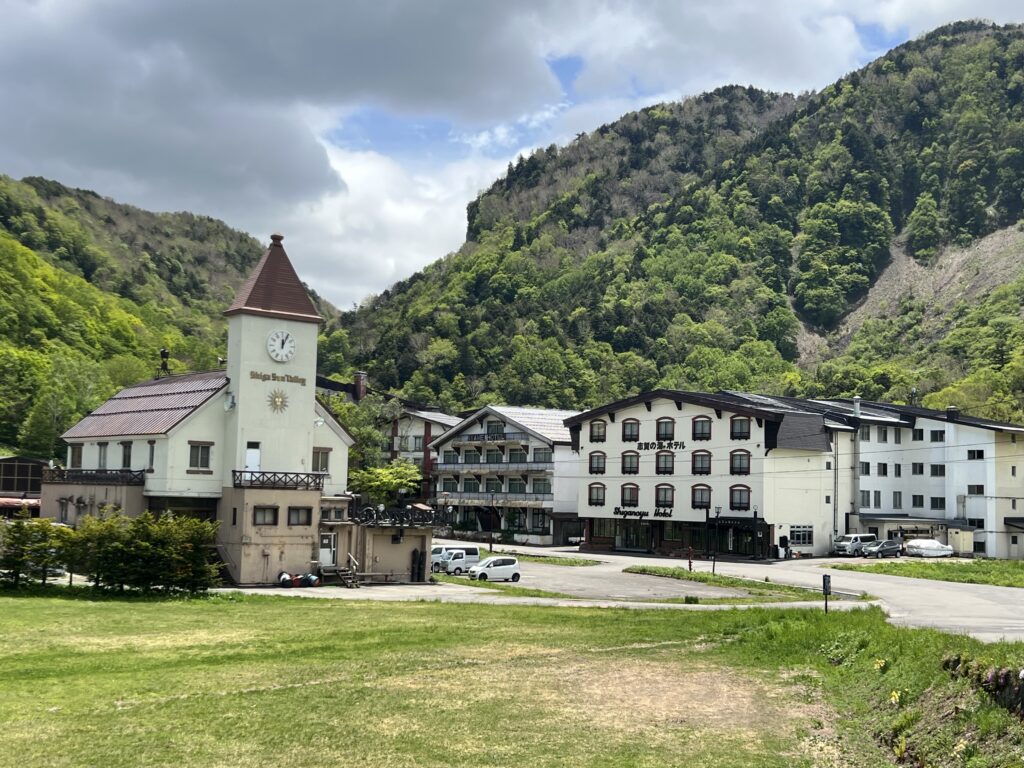
Shibu- Toge Pass, near Nagano at 2,172m. A hard climb and cold up there !The Shibu-Toge Pass ( highest pass in the Japan Alps ) is a favourite for motorcyclists. Here admiring a couple of exotic European bikes and nice Kawasaki. Getting to the top was much easier for them !View to the Japan Alps from our camp spot in Hakuba, one of our best.We were surprised to see this much snow in June.Ditto.Matsumoto-jo, the black castle.European style alpine village, Shiga Kogen, Japan Alps. Passed by on the way to Shibu-Toge Pass.
Once through the alps, and after a few short hikes, it was pretty much just a few days of solid driving, mostly along the coast, up through the city of Niigata and Akita ( from where the eponymous dog breed originated ), before reaching Aomori at the very top of Honshu. The shortest ferry to Hokkaido actually left from Oma, further north again, so we made the trek up there. It had been very windy and we figured the shorter the sea crossing the more comfortable it might be. Interesting to observe a very, very distinct change in housing style and urban landscapes as we reached northern Honshu ( a trend that would be even more evident once we got to Hokkaido ); streets became wider, sidewalks began to appear where previously there were none, farms grew larger, and the houses began to look far less traditionally Japanese; in fact, we both commented that, were we not actually in Japan, one could be excused for thinking you were now in another country ( yes, it changed that much ).
Coastal scene, near Oma.
We’d heard great things about Hokkaido and the changing landscape in Northern Honshu only intrigued us as to what more was to come once we got off the ferry in Hakodate. More on our arrival in Hokkaido in the following blog.
Till next week….
PS: Oh, and a short video clip of the week. Enjoy…!
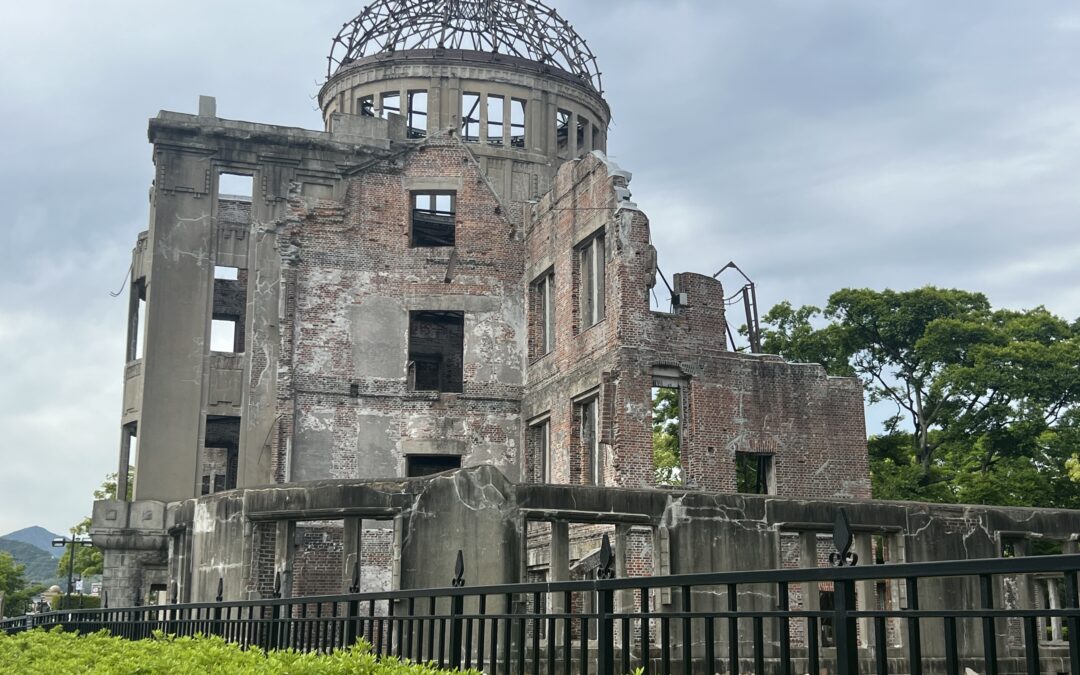
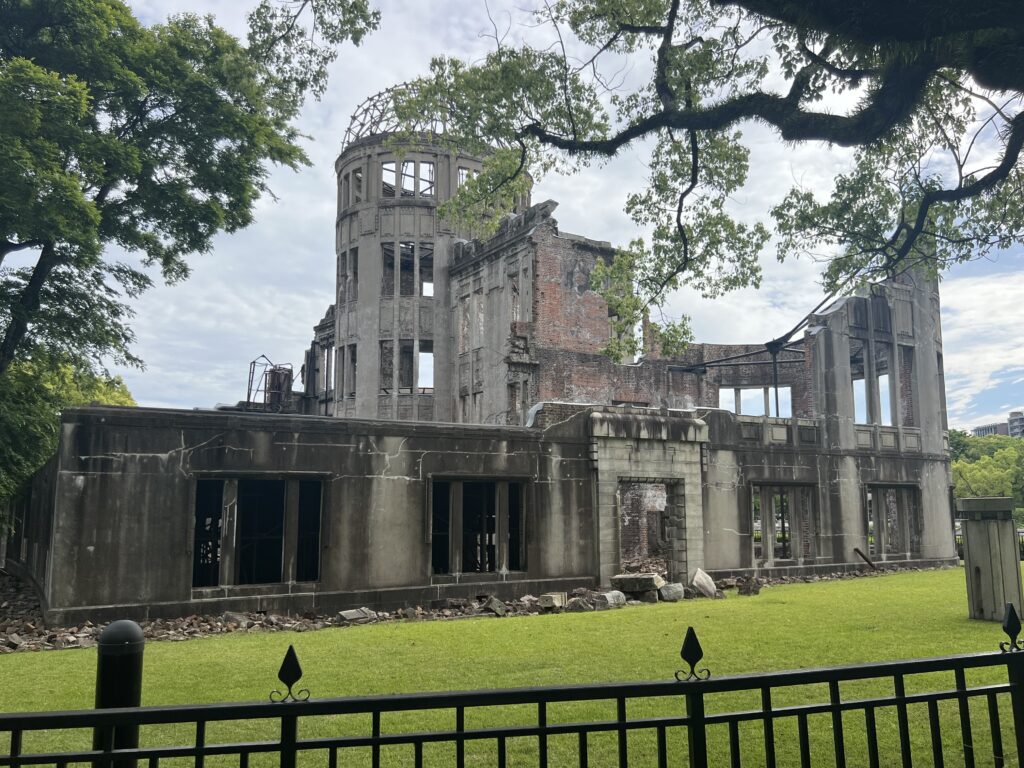
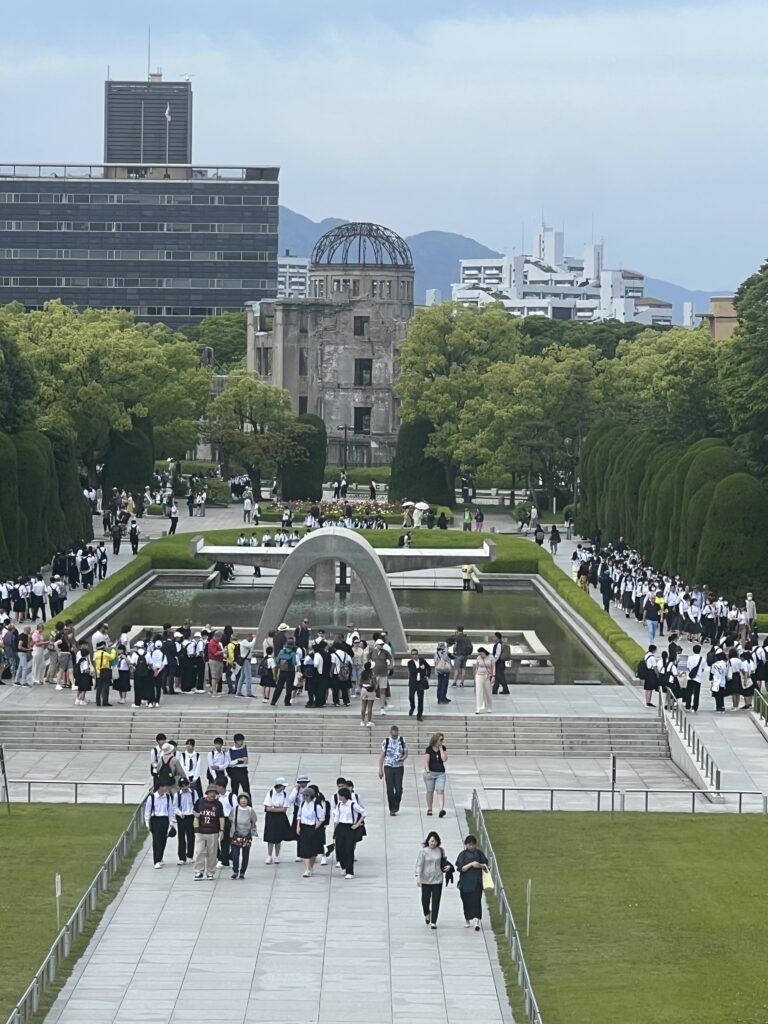
First port of call as we arrived back on the main island of Honshu was the city of Hiroshima. Known the world over for that fateful day on August 6, 1945 when the first atomic bomb was dropped, it has since grown into a thriving and vibrant city ( if you have a Mazda car, they are made here ).
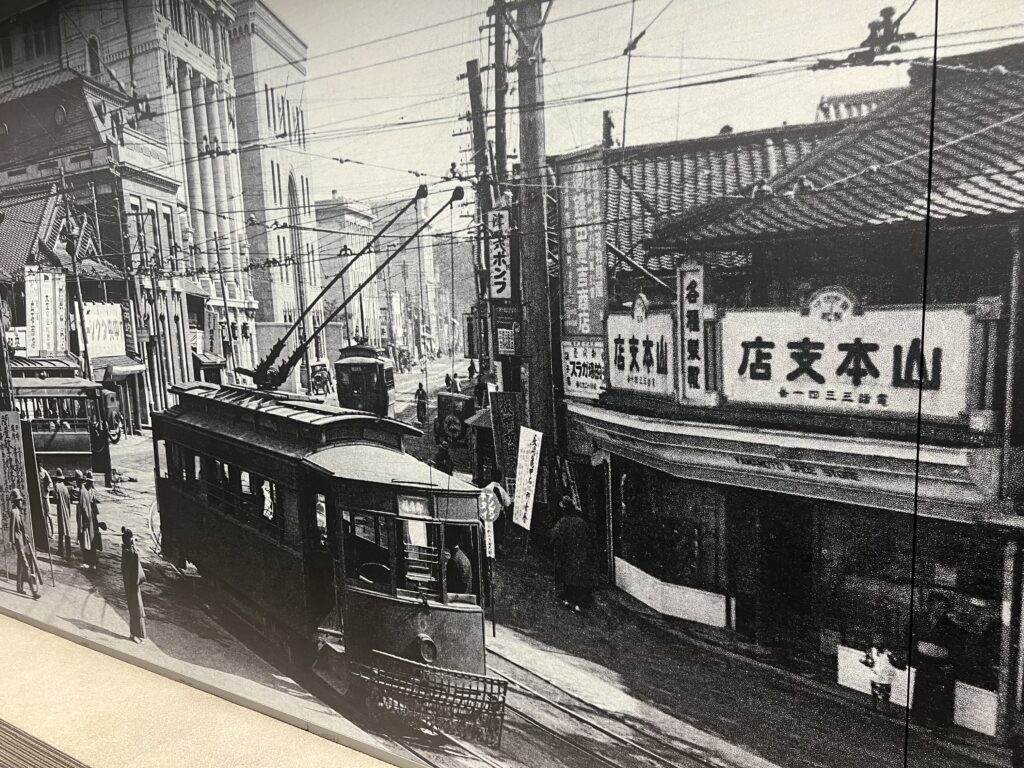
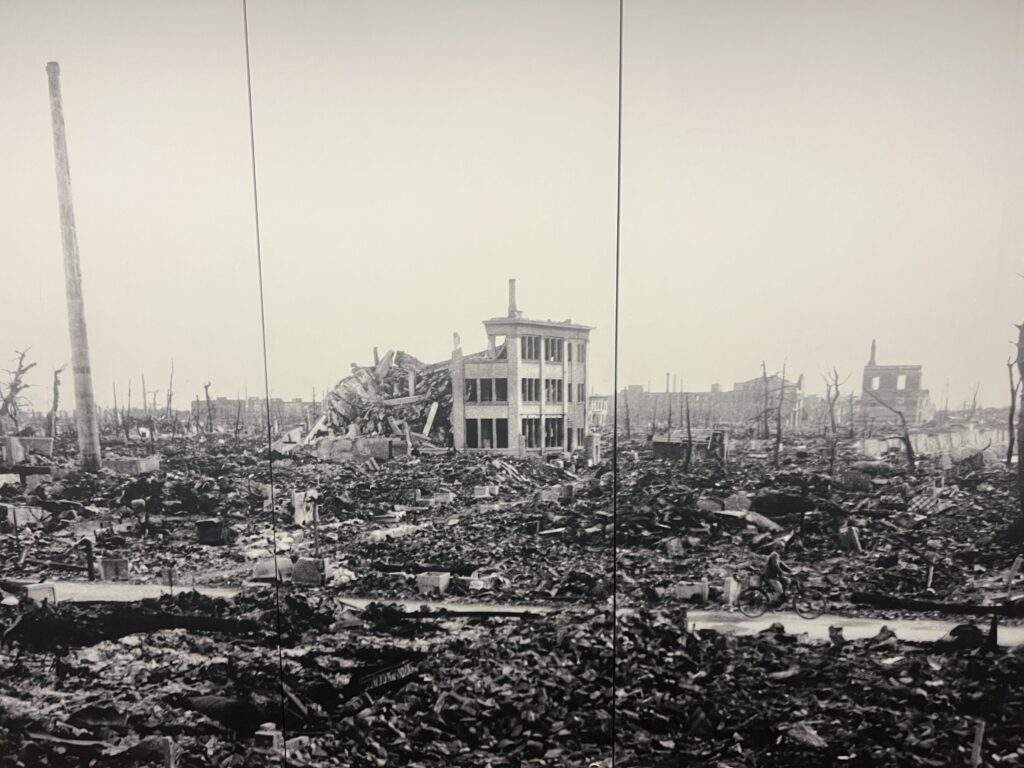
A Bomb Dome, Hiroshima.Street life in Hiroshima prior to August 6, 1945.The day after….Peace Park, Hiroshima.
Despite the attractions of nearby Miyajima and other area sites it’s the very well done Peace Museum that brings visitors in droves – it was absolutely packed the day we were there but it’s extremely well organized and they can handle the crowds easily. We noticed it’s been updated and expanded over the years and there are a few displays we noticed this time that we’ve never seen before. It really is an eye-opening experience to visit this site. We always leave with a little prayer, in the hope that the world never sees another city hit with an atomic bomb.
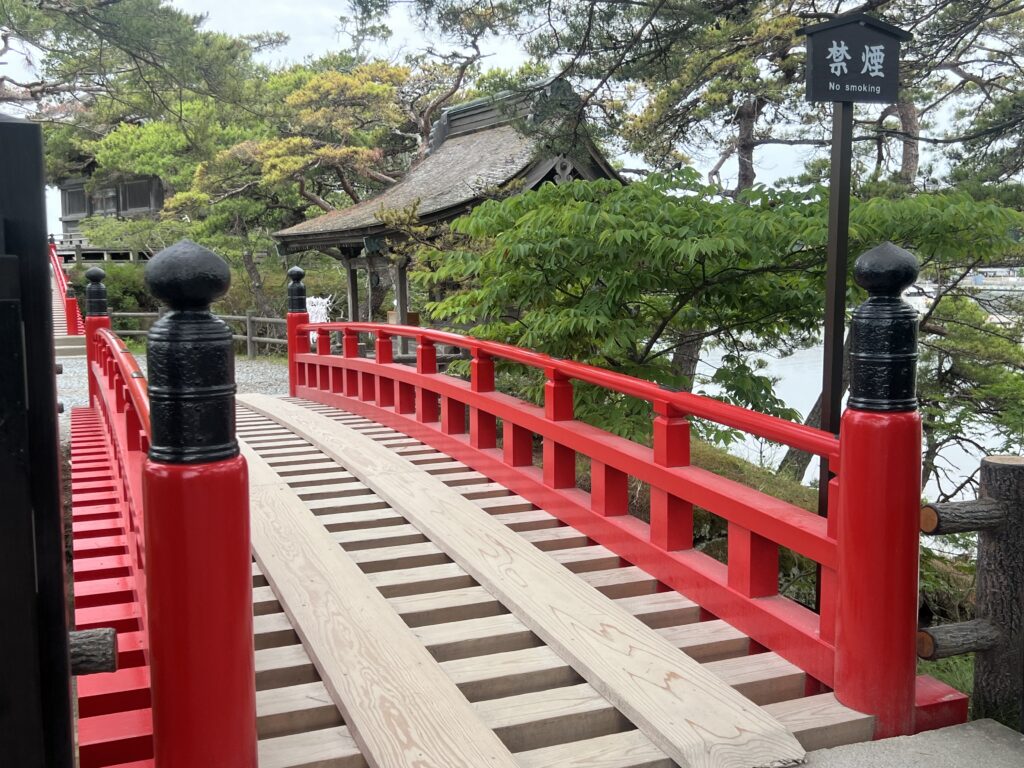
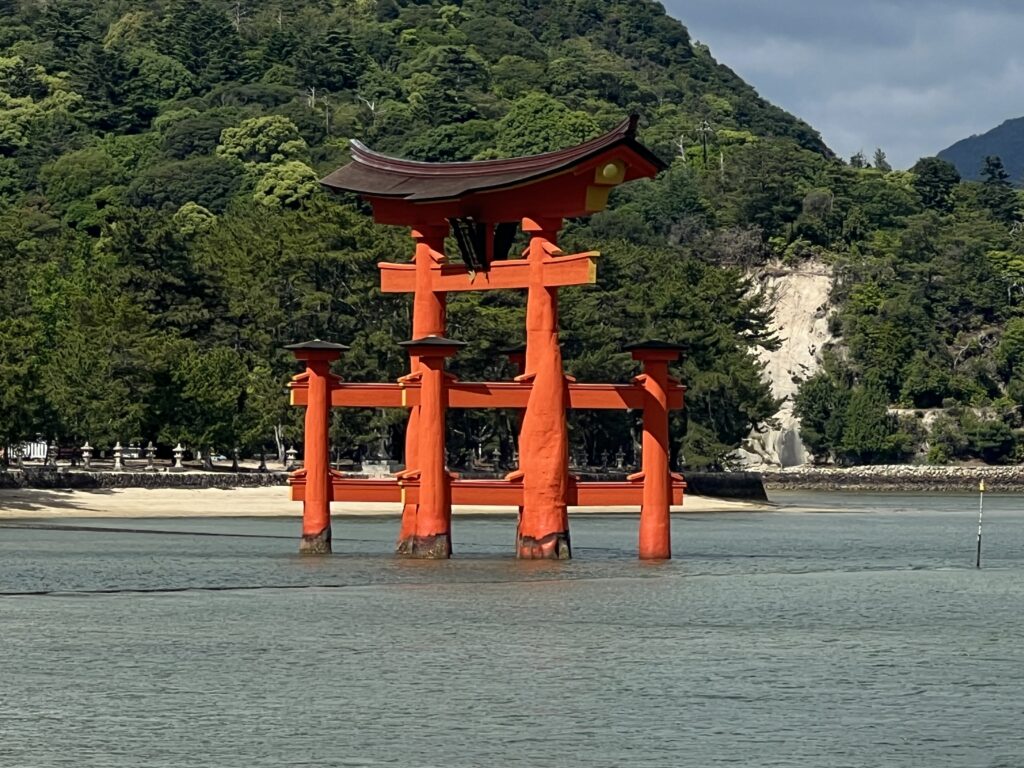
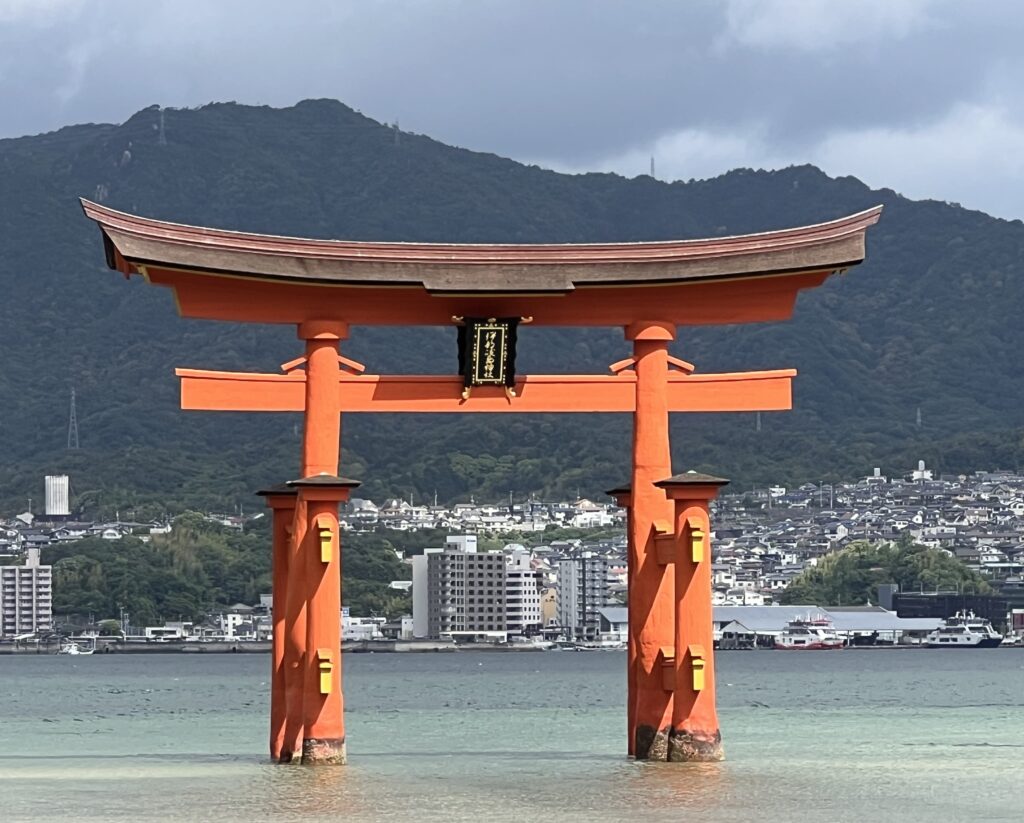
Nearby Miyajima Island is known for the beautiful orange/red Tori gate that sits just offshore and is possibly the most photographed subject in Japan – well, right up there with Kinkaku-ji anyway ! The island is very pretty with quaint stores and has a very interesting history.
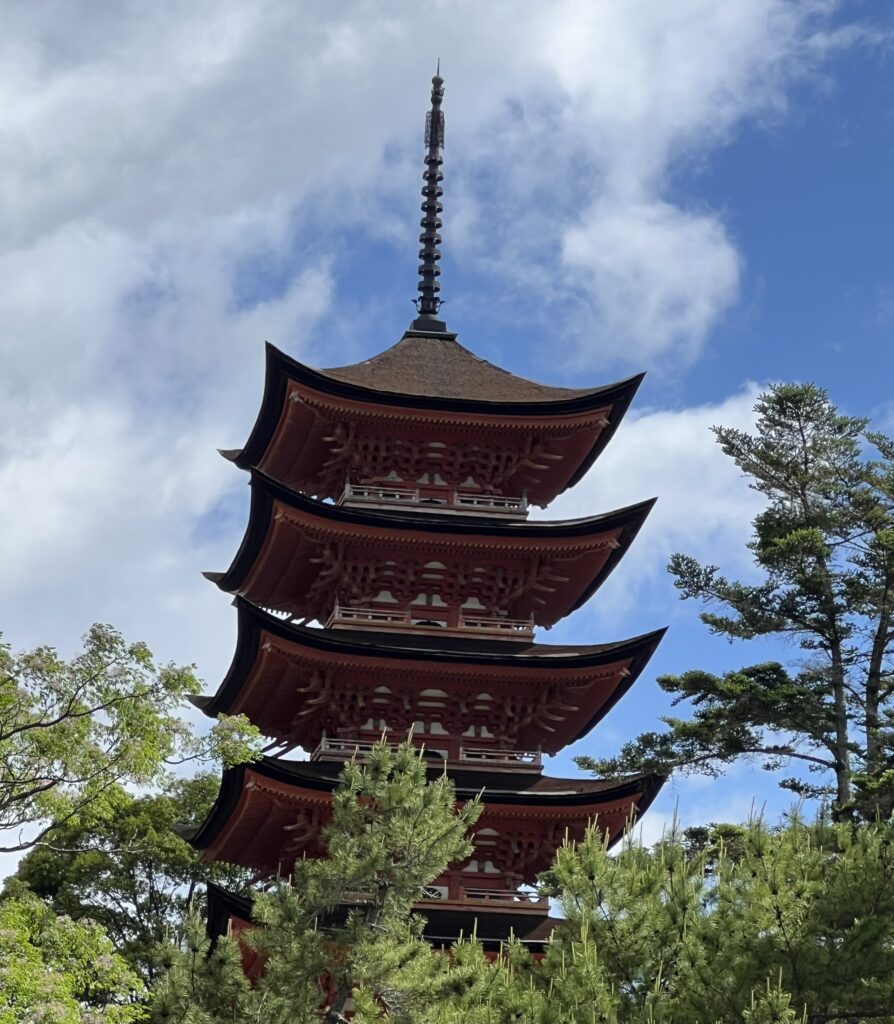
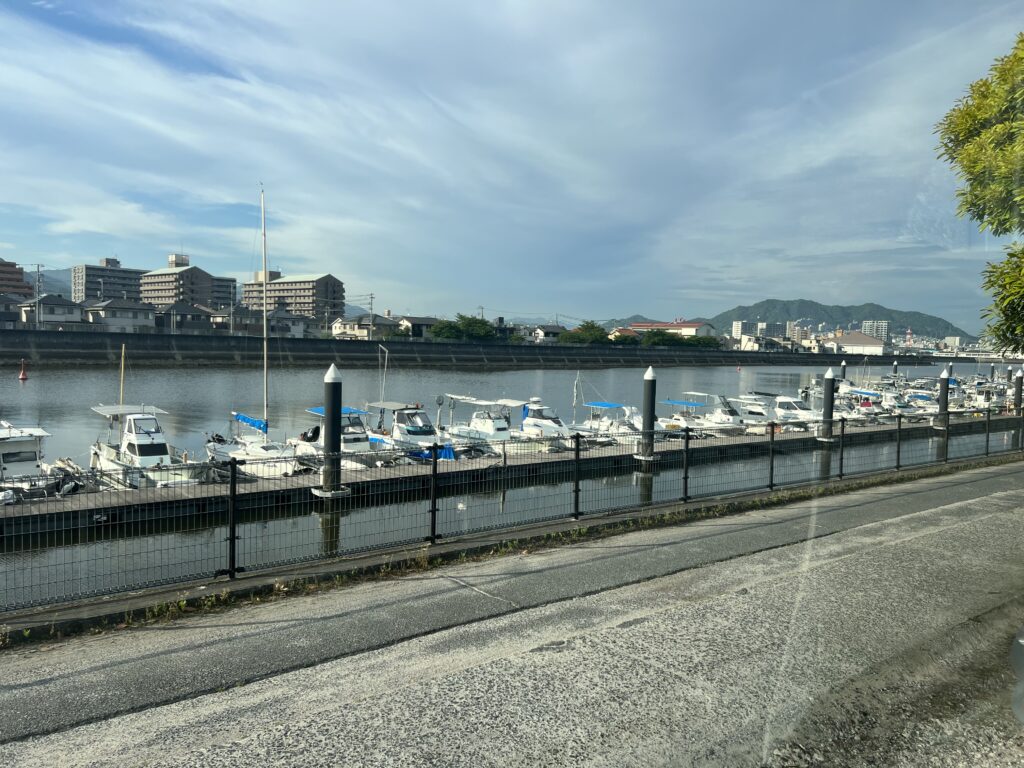
Tori gate, Miyajima.Ditto.Shrine, Miyajima.A particularly nice camping spot, in the trees, right by the marina, near Miyajima.
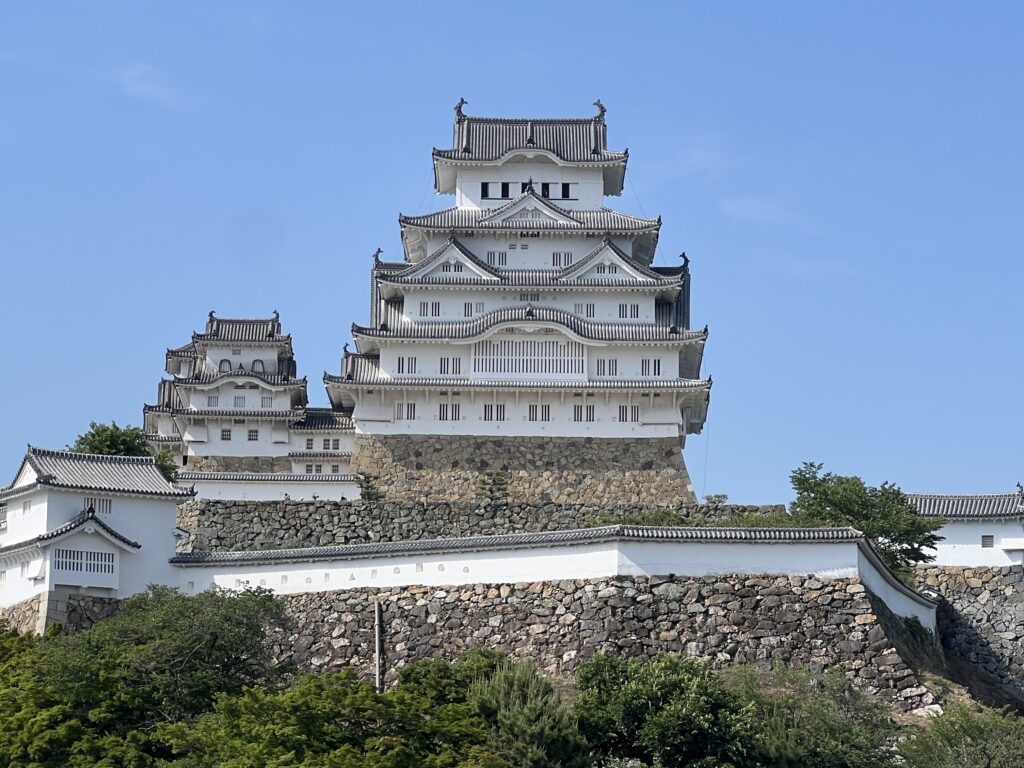
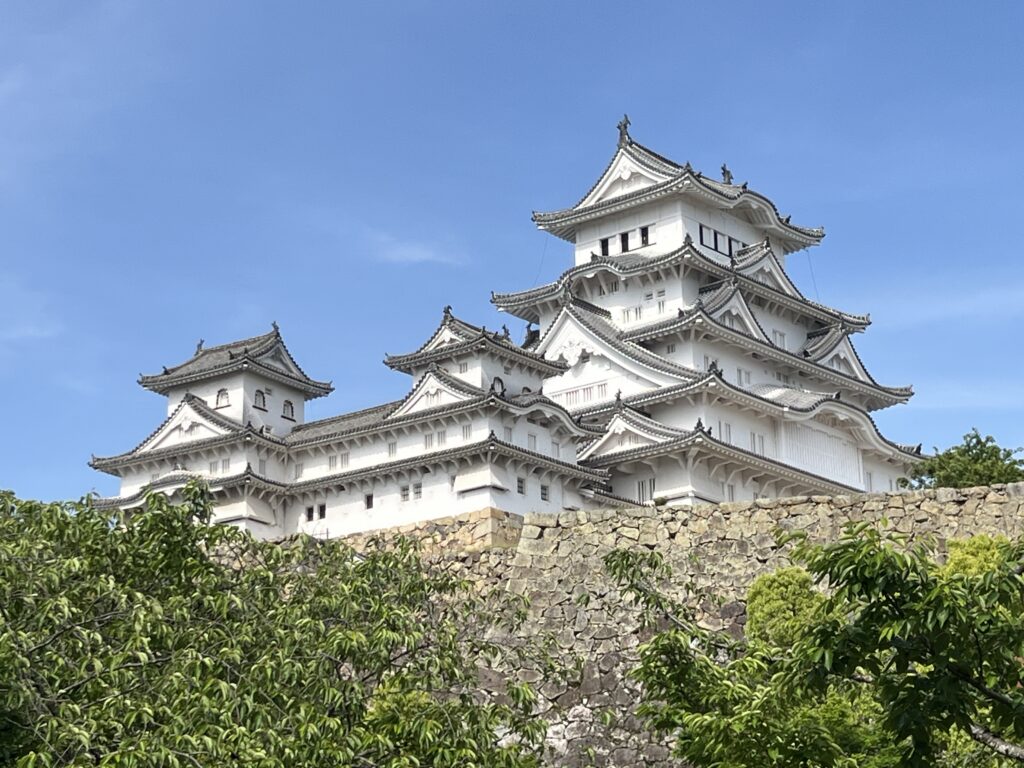
From Hiroshima, our travels took us back in an easterly direction along the very congested, southern shore of Western Honshu, basically following Route 2 all the way to Japan’s most famous, and indisputably most beautiful, castle in the city of Himeji. It’s the kind of castle that just captivates you at first glance and is immaculately well-maintained throughout. Predictably it was a very busy day there, and once again, we were astounded by the number of ( obviously ) foreign tourists we saw – literally as many foreigners as there were Japanese. Added to the appeal of Himeji was the fact that it was an absolutely perfect day to enjoy it and photograph it.
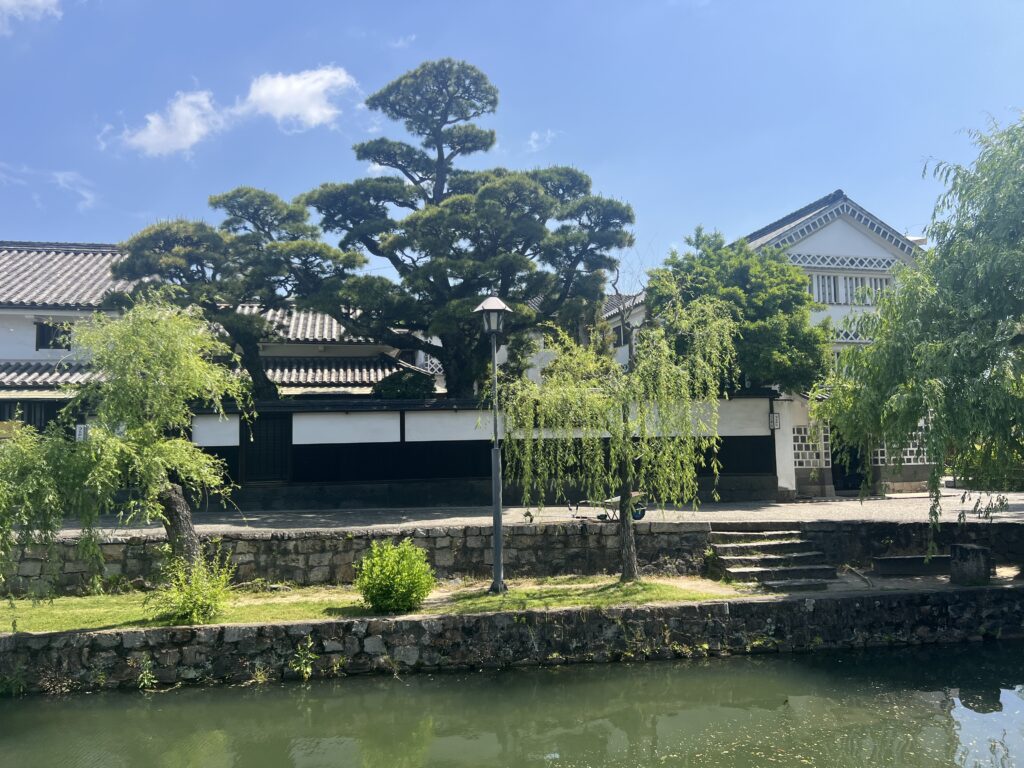
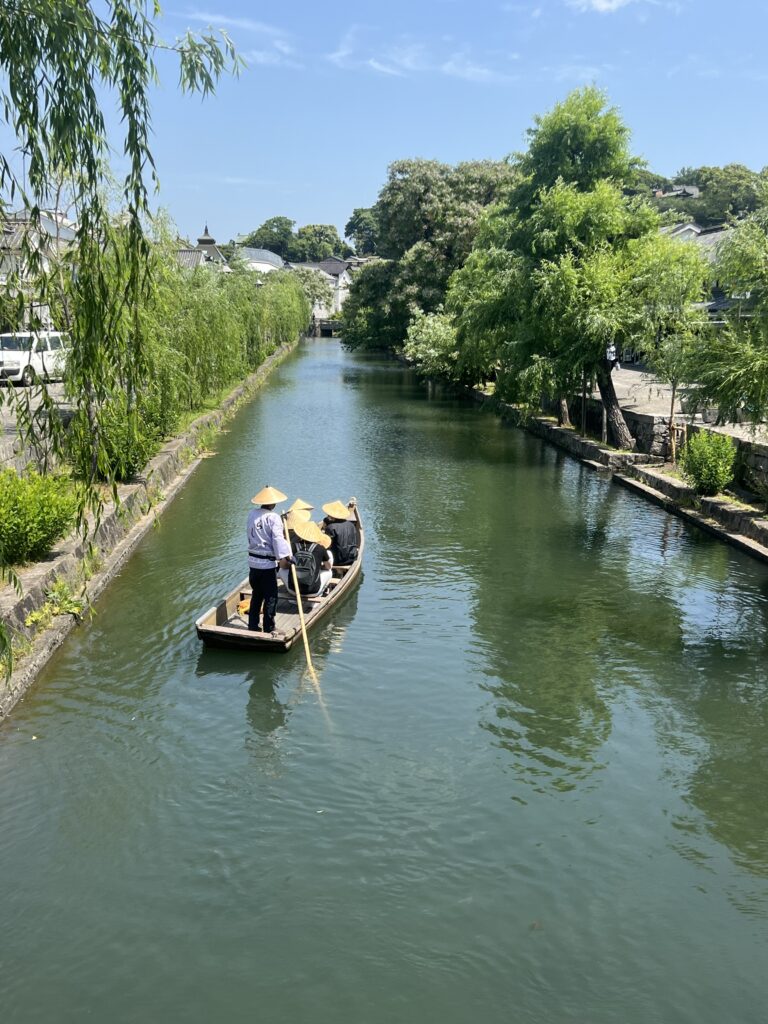
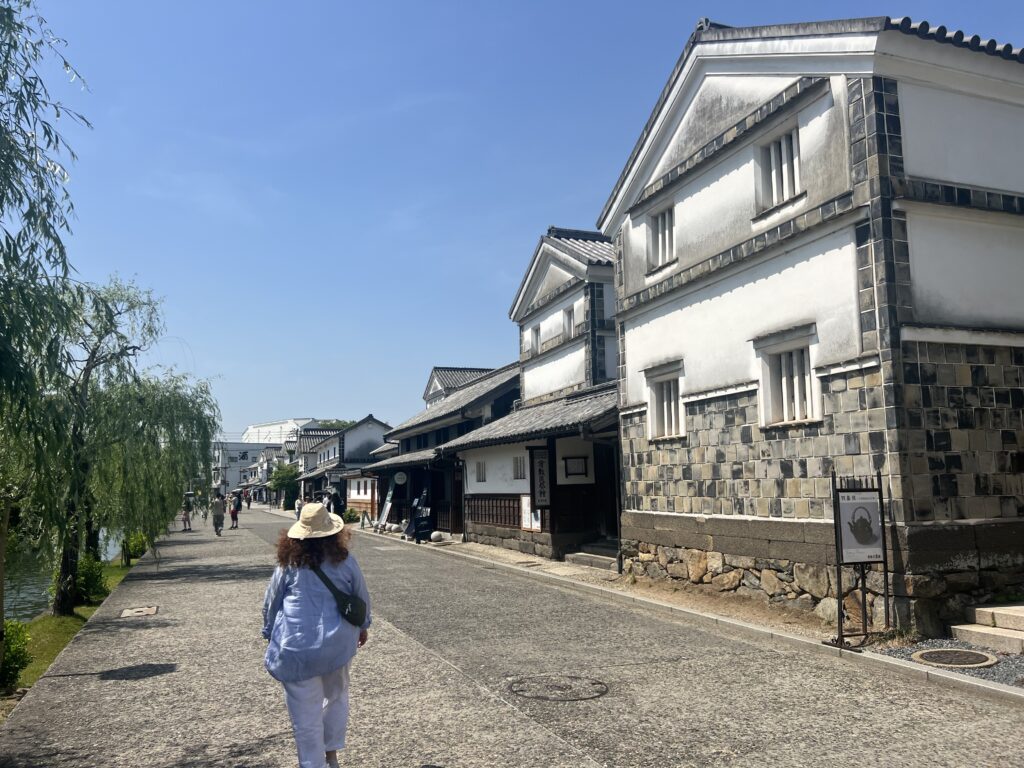
Kurashiki, a small city just east of Himeji, is renowned for its well kept village area, so we made time to explore it – embarrassing to say it’s less than an hour from Kobe and we’d never visited during our time living here. Well worth a stop…!
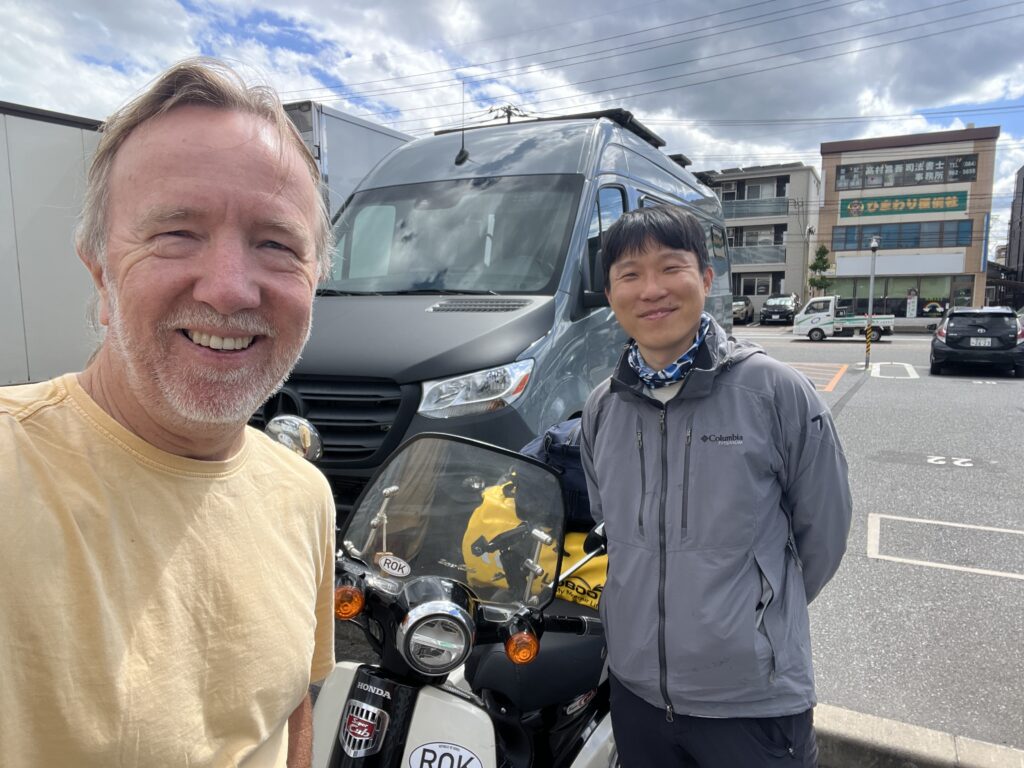
Kurashiki’s fame and wealth was built by cotton merchants whose large homes are nicely restored.Delightful willow-lined canals of Kurashiki.Lois, backstreets of Kurashiki.En route to Kurashiki we connected with Min, a young Korean traveller who was motorcycling around Japan – we had first met on the Korea to Japan ferry.
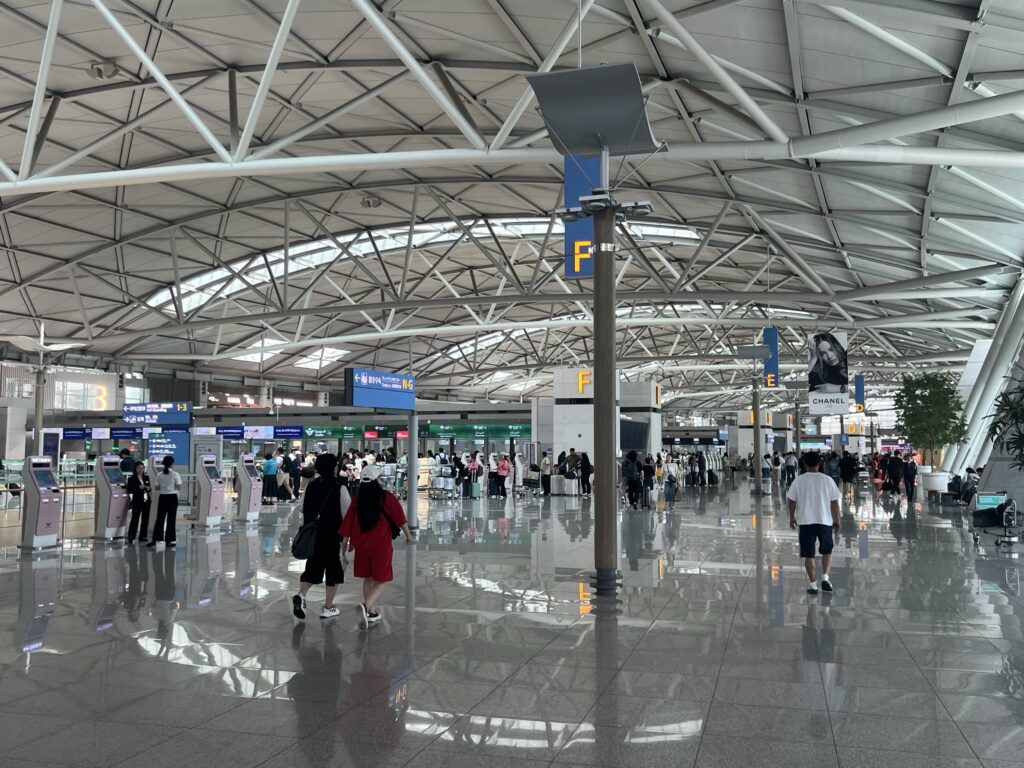
Fortunately, since our last ( flying ) visit we’d sorted out some longer term parking in Kobe ( so we could stay a while this time ! ). In so doing, we sort of “killed two birds with one stone”, as it were. During the last blog, I mentioned that our inquiries about a Japanese visa extension got us nowhere while we were in Shikoku, so it was time to look at a “plan B”. A short return trip outside the country would restart our 90 day visa. While we feel three months will be an adequate amount of time to explore all that we want to see in Japan, we cannot count on a ship being available for our vehicle exactly when our travels finish. That could take some weeks, so we definitely needed a little more time in the country. Parked up at Kobe airport ( which allowed us time to revisit the city), it was an easy and quick 90 minute flight to Seoul – and very nice to have a wonderful night there in a nice hotel. Back in Japan the next day.
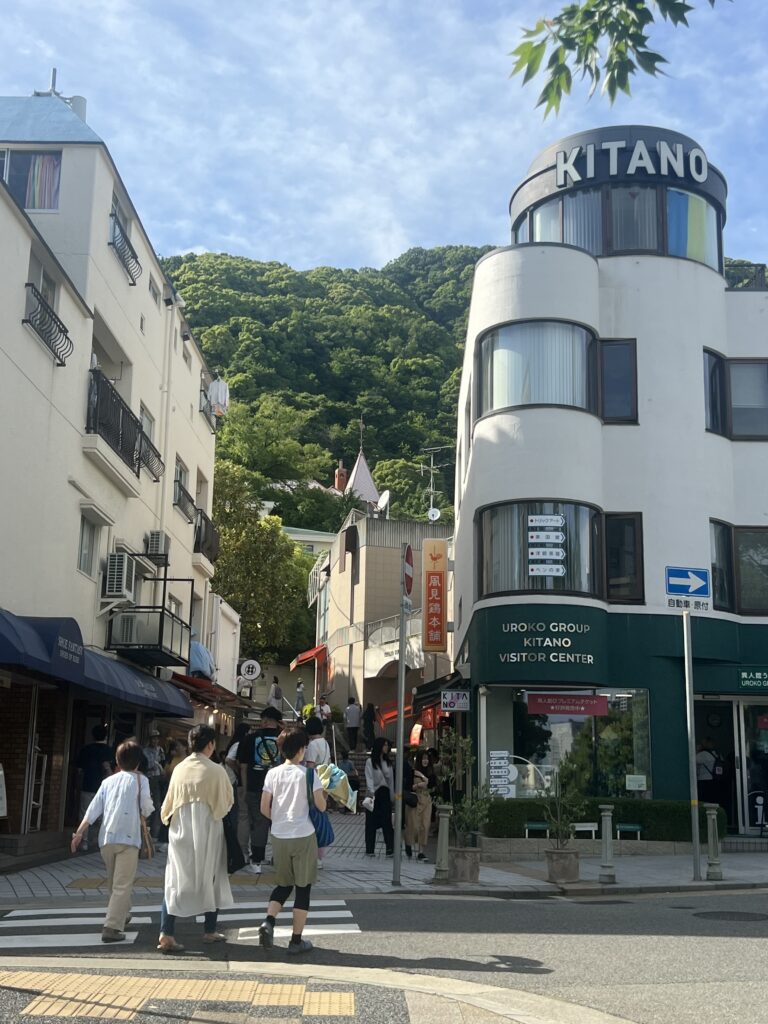
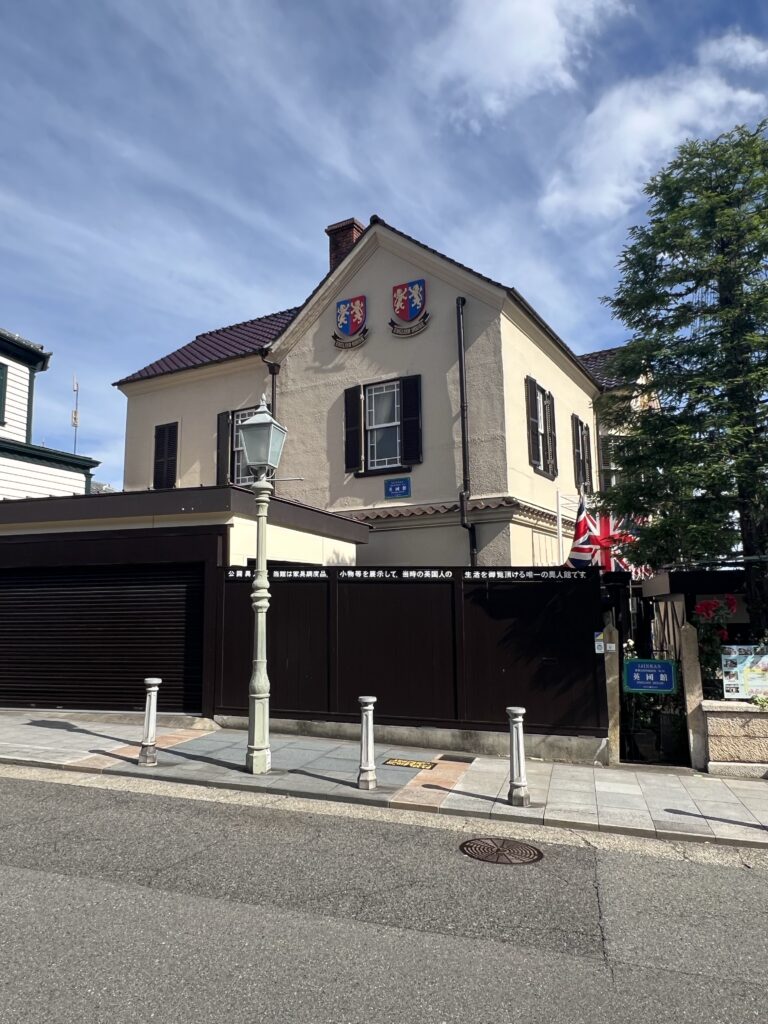
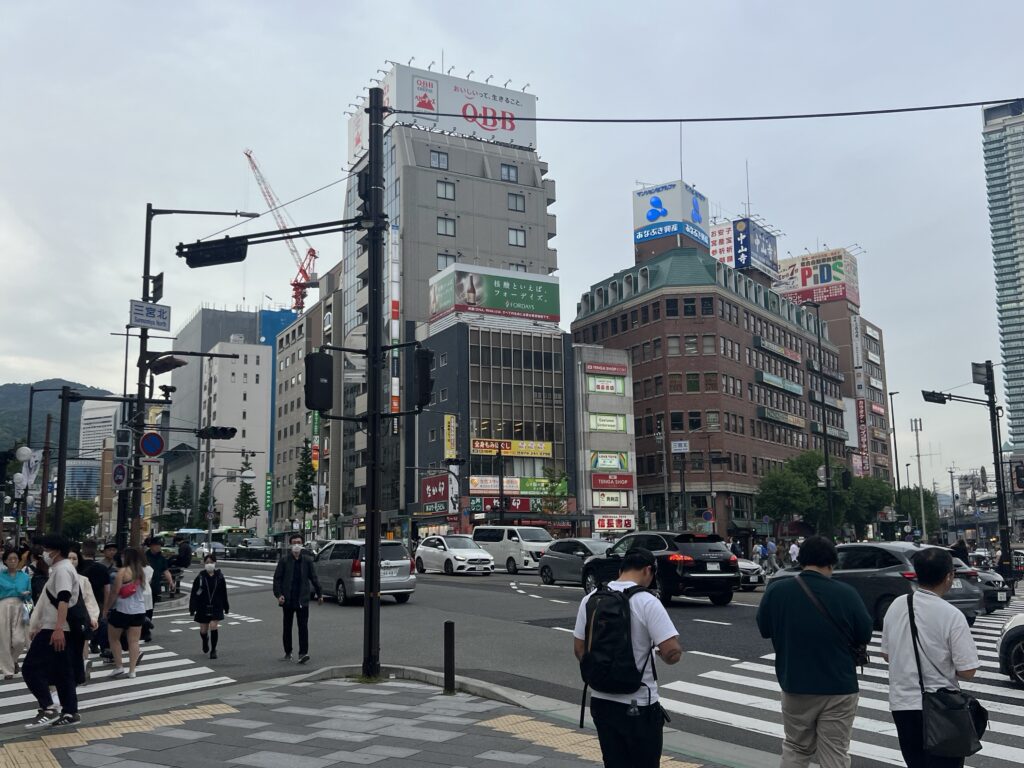
Kobe’s trendy Kitanocho district.One of the historic foreign residences at Kobe’s Ijinkan. As one of Japan’s earliest cities to open to foreign trade in the mid 1800’s, Kobe has a foreign ambience that attracts many Japanese tourists.Downtown Kobe.Seoul’s enormous and modern airport. Everything super fast and easy here.
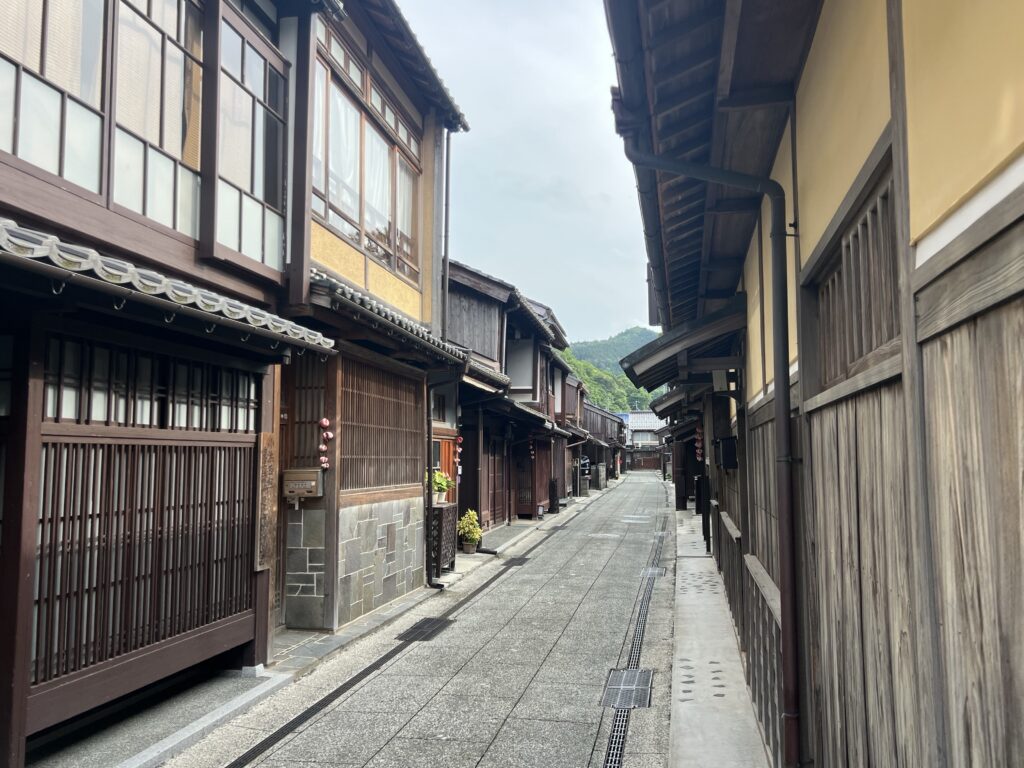
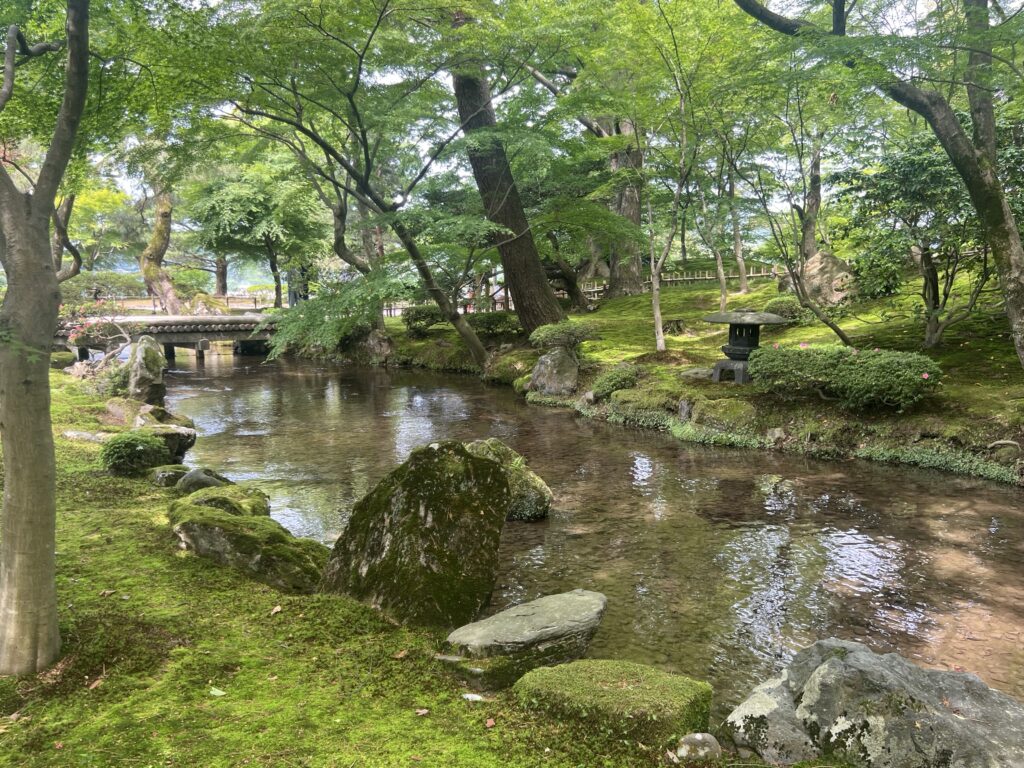
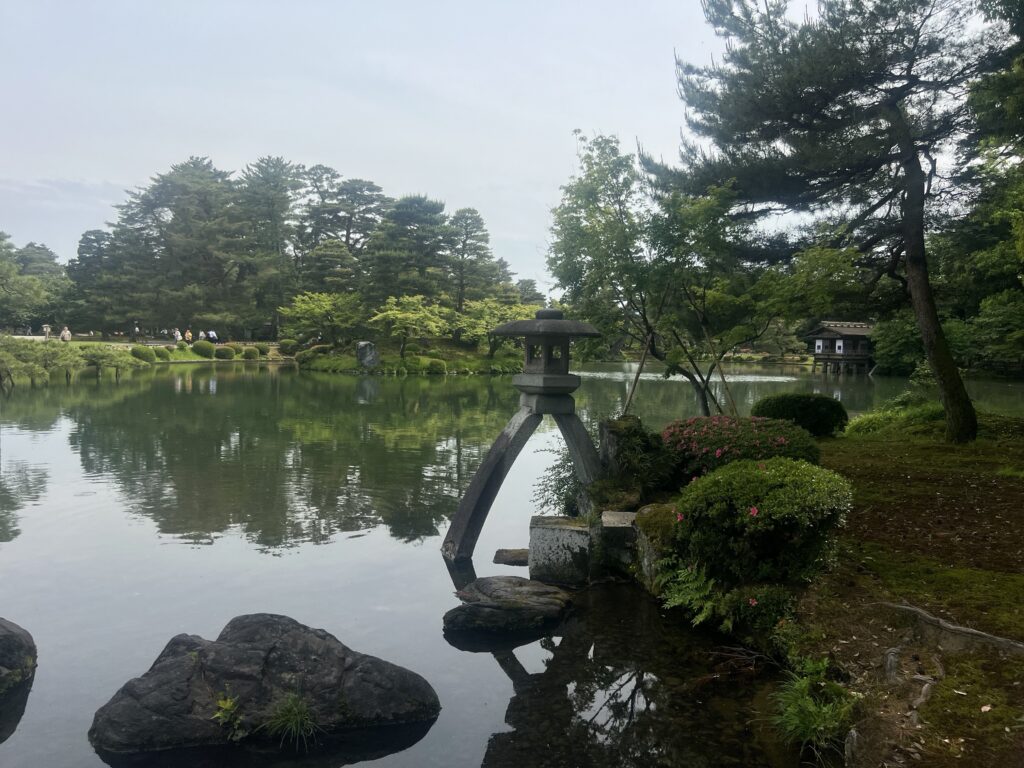
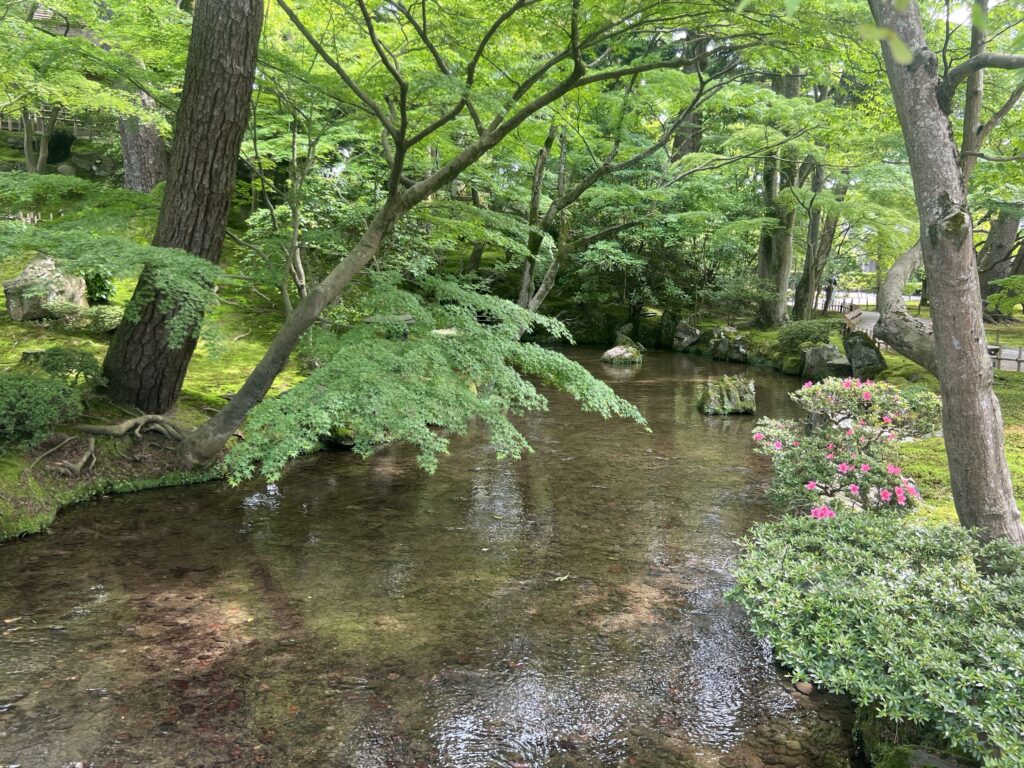
On the road again, our final destination for this week was Kanazawa. Located on the Sea of Japan side of Honshu, and right at the base of the Noto Peninsula, Kanazawa is home to what is widely considered Japan’s most beautiful Japanese garden – KenRokuen. Indeed, the garden is spectacular and we’d have to agree with the Lonely Planet author’s assessment, placing it just above Ritsurin Park in Shikoku. Splitting hairs, though, I suppose – both are pretty awesome !
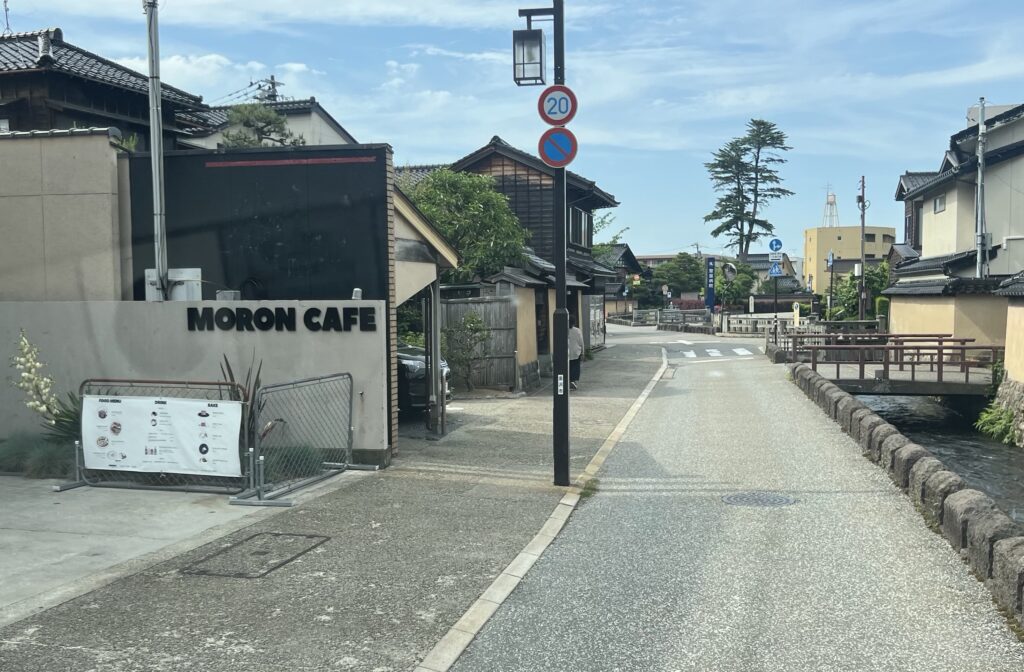
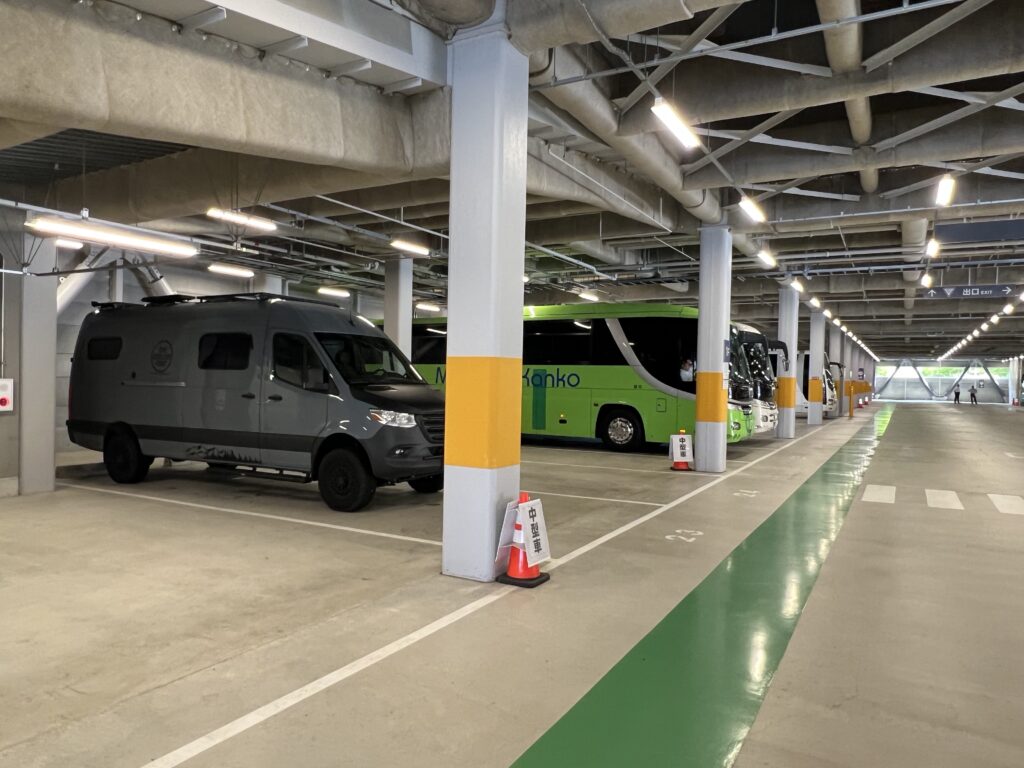
The historic fishing village of Obama, just south of Kanazawa.Exploring Kanazawa’s backstreets ( old town ) and stumbled across this most awkwardly named cafe.Ok, we give up. In Japan our van is just always going to be classified as a “bus” ( certainly, based on size at least ) 😔. One benefit is you sometimes get preferred parking ( undercover, no less ! ) right near the attraction ( here in Kanazawa ).Kenrokuen, Kanazawa.Ditto.Ditto.
Hopefully the route that ultimately leads us to Hokkaido will provide an opportunity for us to revisit Kobe given our short time there this go around, but for now the smallest of Japan’s four main islands lays ahead – Shikoku. Probably the most overlooked ( and hence least travelled ) of Japan’s big four islands, Shikoku certainly lacks the more recognizable attractions of the other three. It’s predominantly rural (making it a bit easier to navigate), but still boasts one of Japan’s top three gardens, a highly regarded castle, and some of the wildest coastline in the country – we decided it was worth the detour.
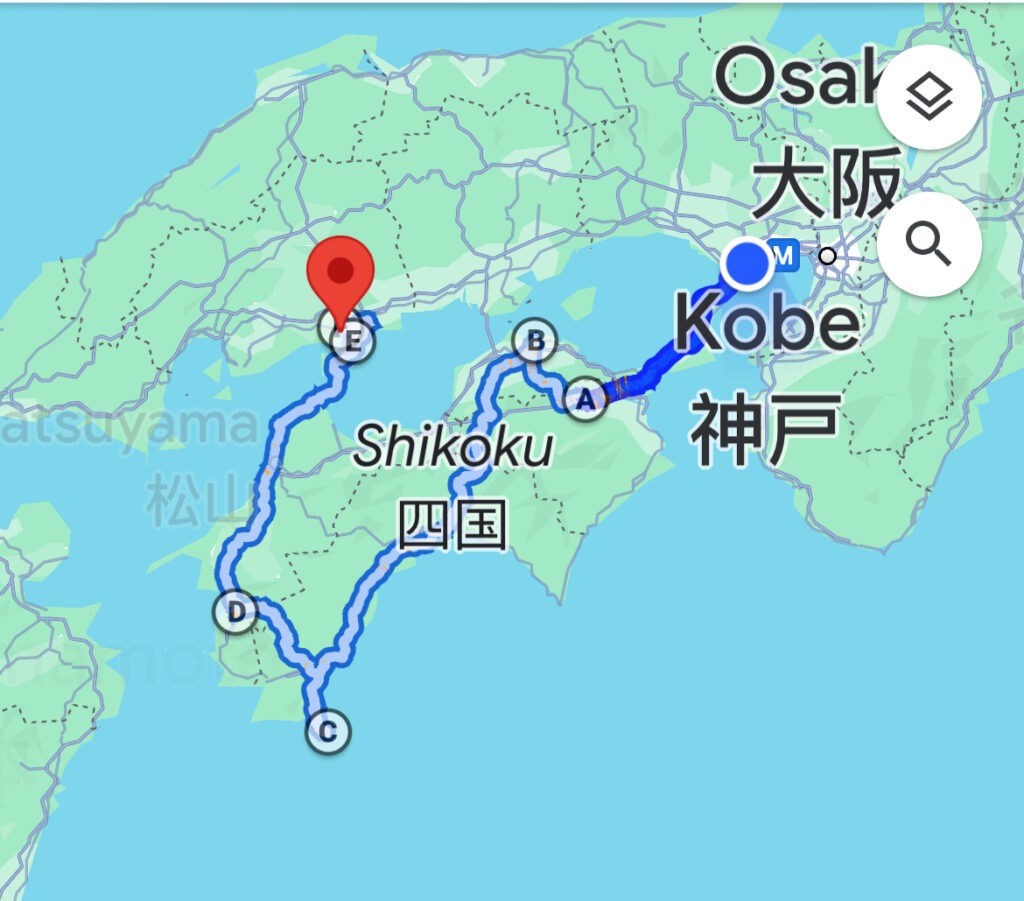
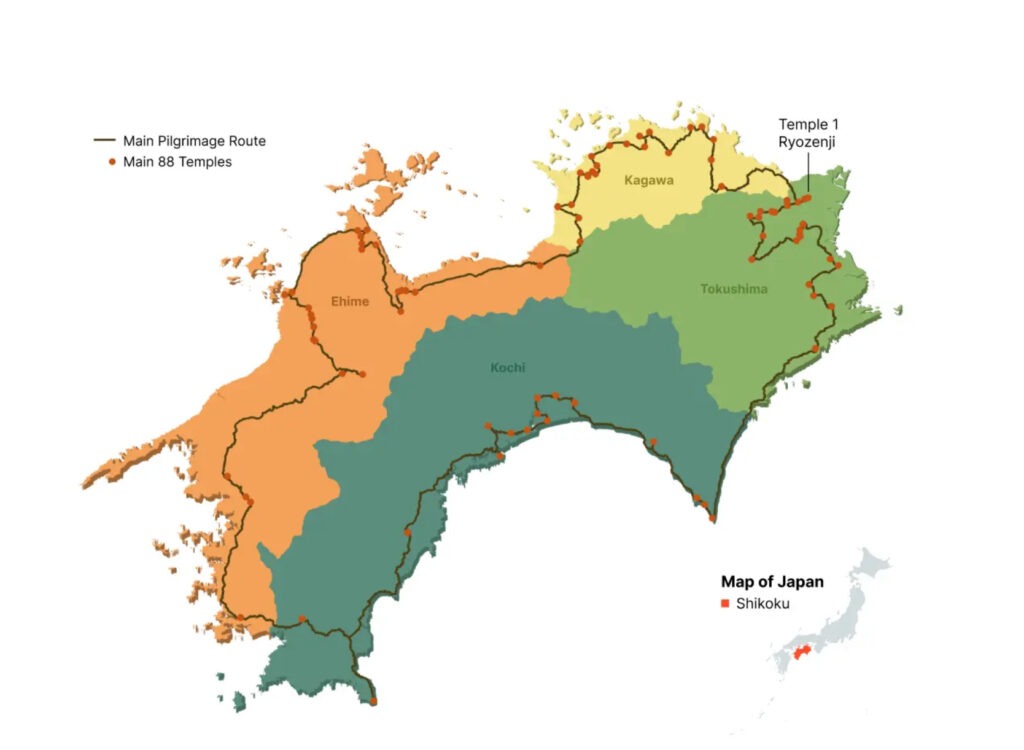
Route through Shikoku.
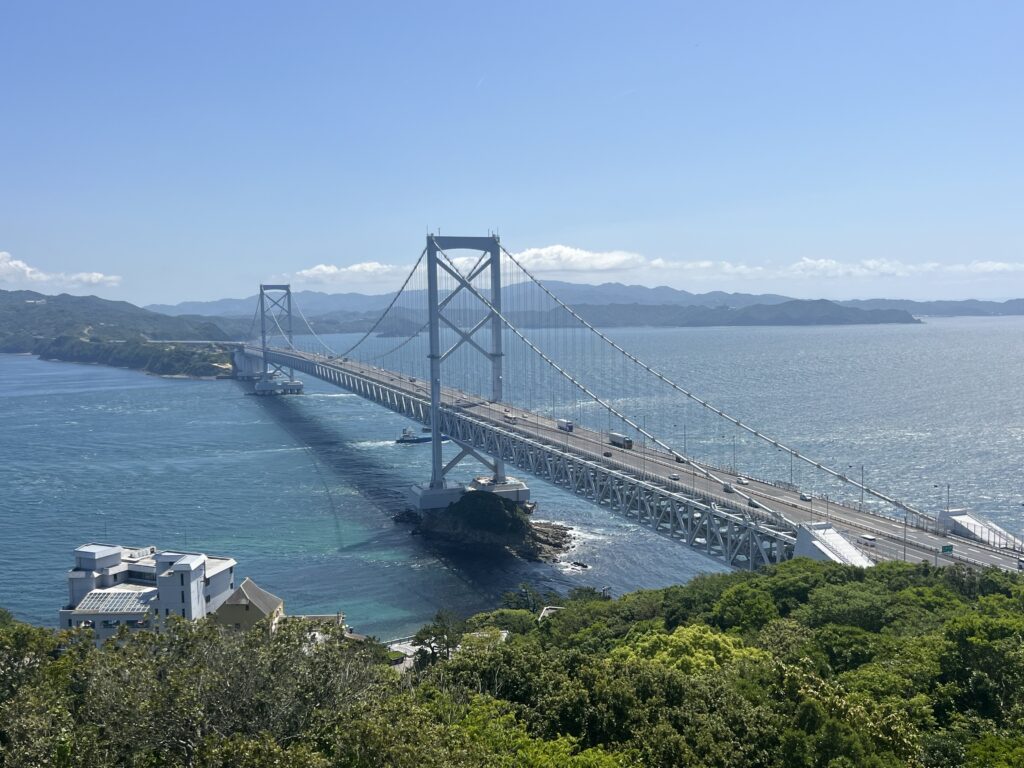
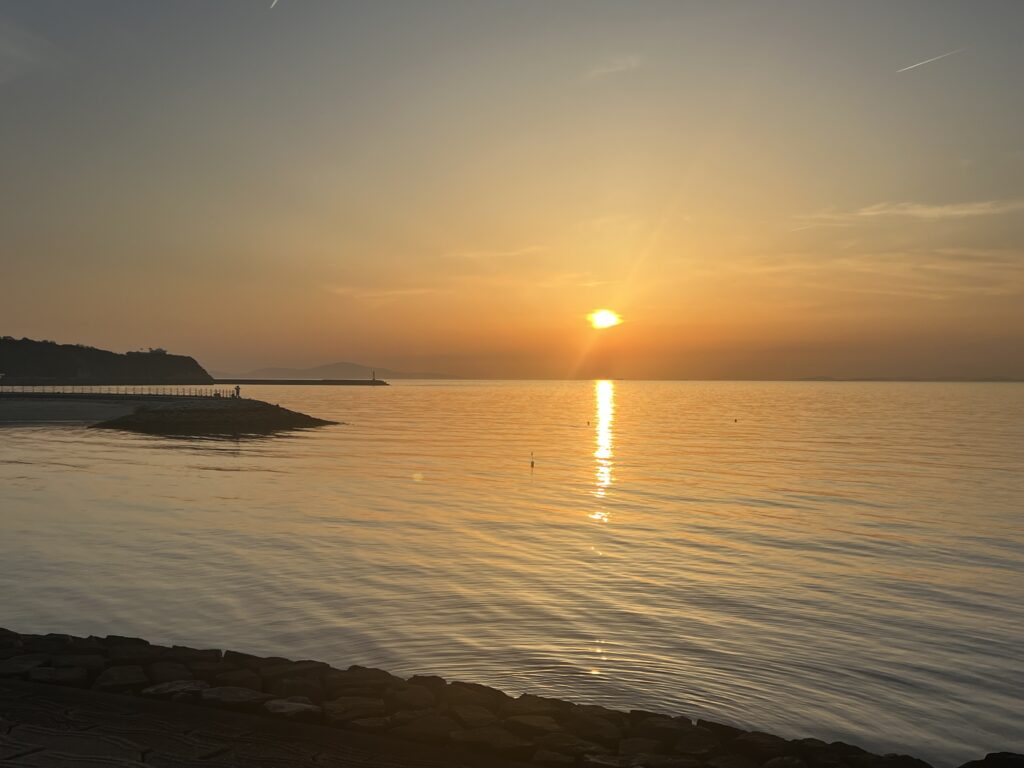
Leaving Kobe to the west one does not drive very far until the amazing new Akashi bridge comes into view – it connects the Honshu mainland to the island of Awaji, which in turn forms a land bridge between Honshu and the island of Shikoku. The bridge itself is a world-renowned feat of engineering and is truly stunning just to look at. It was a particularly windy day as we crossed, and the combination of being so high up, the gusting winds, and the high profile of our van design made for a bit of a wobbly crossing. At the south end of Awaji island, where tidal waters rush in and out of the Inland Sea, one can observe the whirlpools of Naruto. These become very intense at high and low tide and attract many tourists. Unfortunately they were not at their most intense as we passed by , although we did venture up to the lookout just to take in what is a pretty impressive view of the surrounding landscape and the immense bridge itself. Memorably, we spent one night camping on the island of Awaji at a beautiful beach-side spot along with a dozen other local campers, and experienced one of the best sunsets we’ve seen so far in Japan – a little bonus we had not expected.
Bridge over the Straits of Naruto, unfortunately we did not cross near high/low tide so the whirlpools were not strong.Perhaps this is why our van is considered so large in Japan. A “small” camper here is really small -this one seen near NarutoSunset, Gungeko seaside park, Awaji Island.
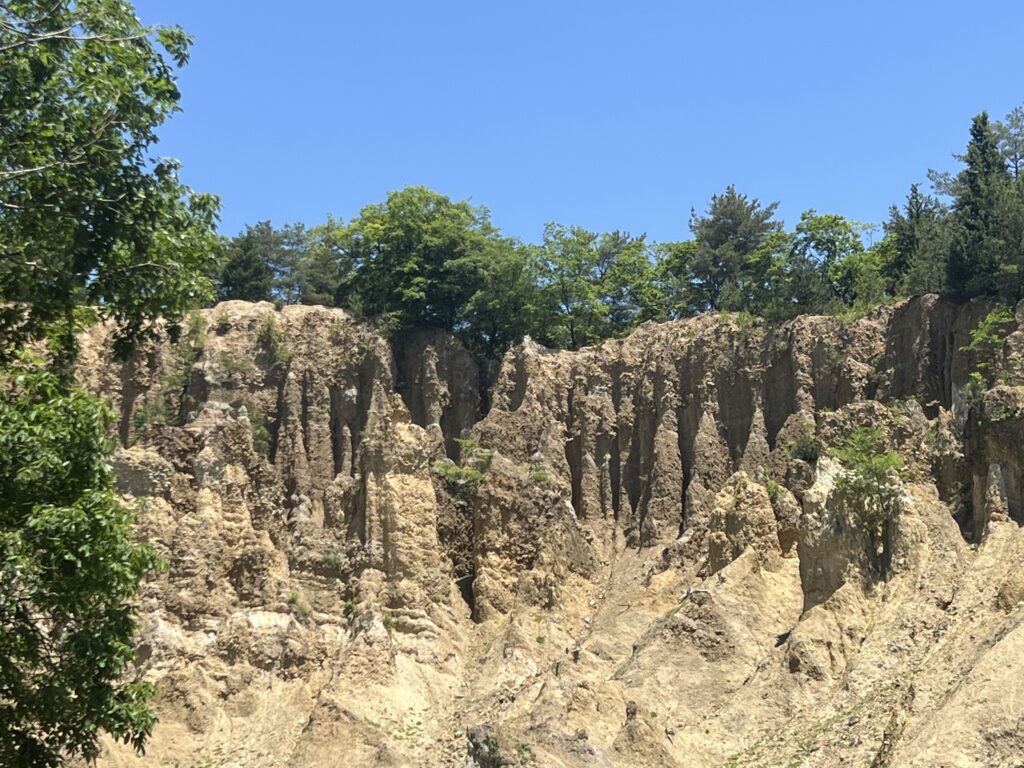
A couple of other smaller bridges connect Naruto to mainland Shikoku. One normally arrives in the Takamatsu area next but we detoured southwest to Awa to the “Earth Pillars”an attraction supposedly similar to the hoodoos of Bryce Canyon in the US. Well, if there was a resemblance, it was only passing- they are simply not on the same scale. Fortunately, it was not a significant detour that we made.
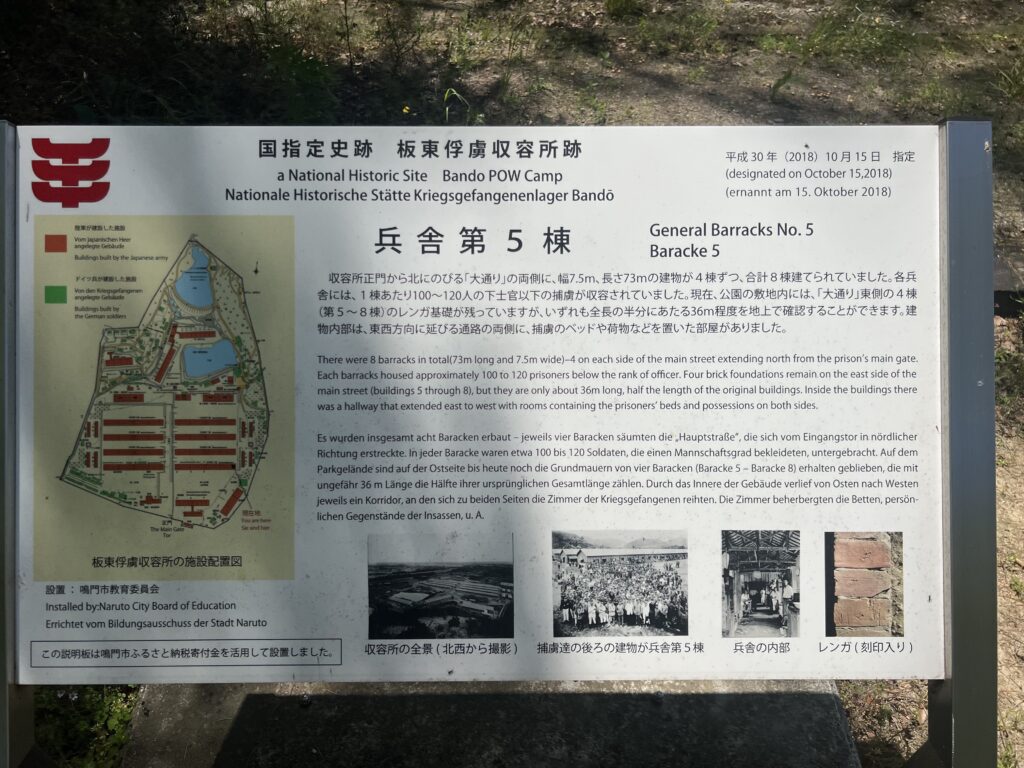
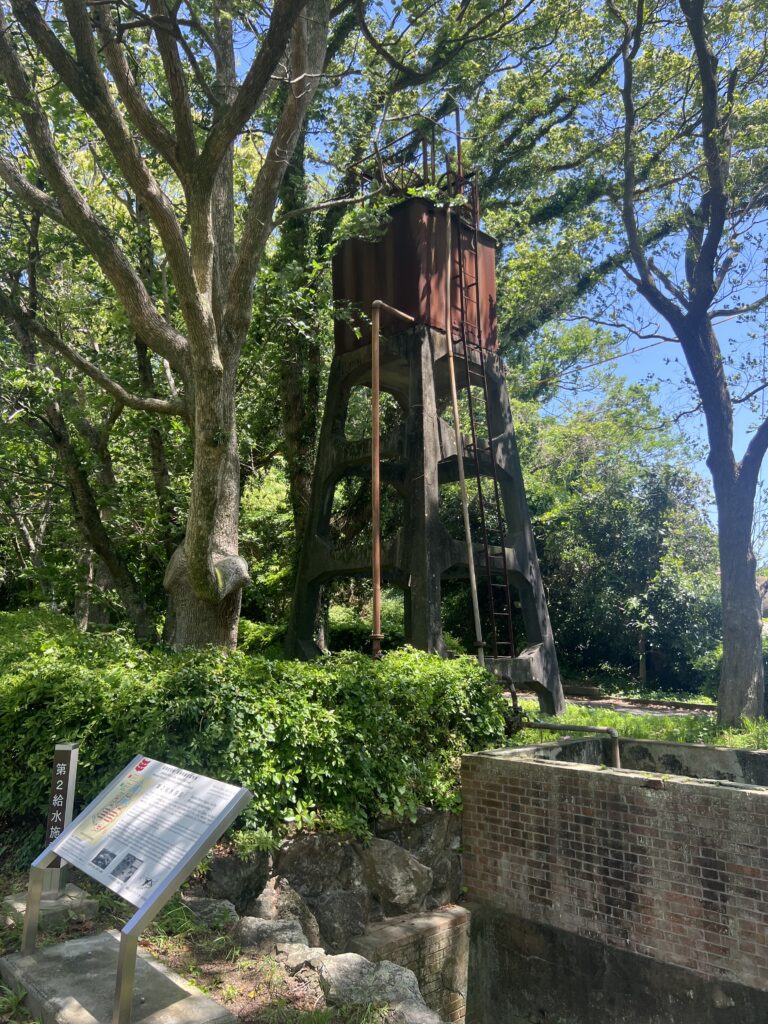
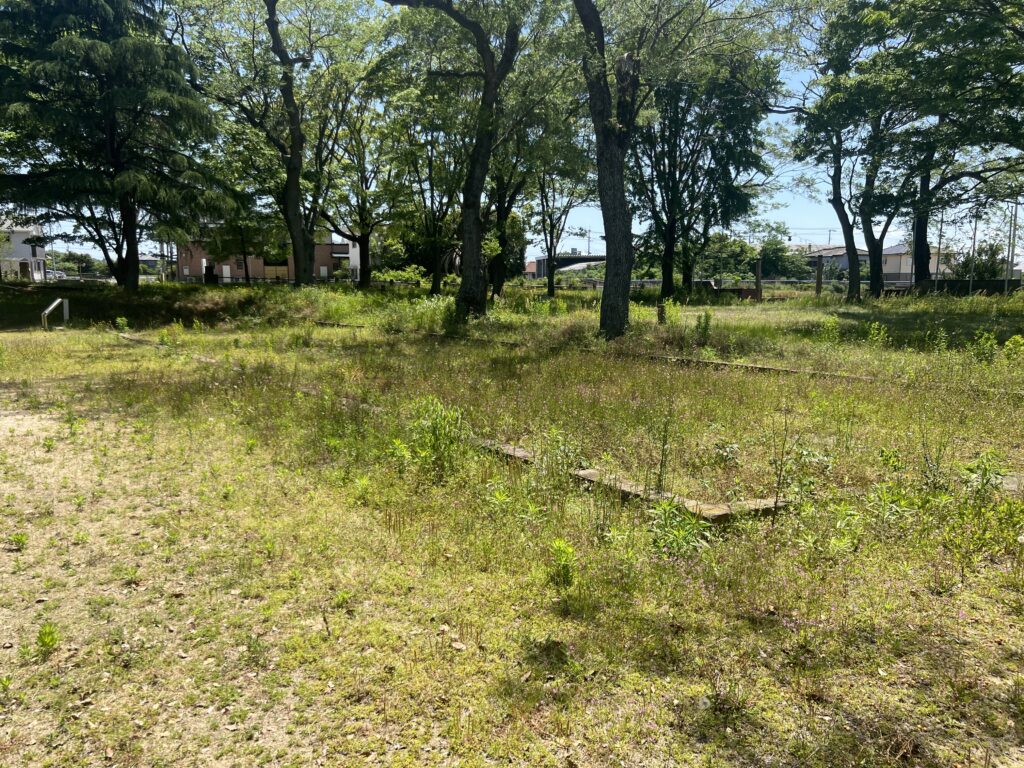
Awa earth pillars. These were somewhat over-rated we felt. We were more impressed by the nearby Bando POW camp that we stumbled upon while driving to Awa.
En route to the earth pillars, and quite by chance, we stumbled upon an unusual (and I suspect little known) historical WW1 memorial. History buffs will know that Japan actually fought on the side of the allies in World War1, so when 3,900 German soldiers ( who were protecting German settlements in China ) were taken prisoner during the Siege of Tsingtao in 1914, it was left to the Japanese to find a place to house them somewhere in Japan. The Bando Prisoner of War camp, near Takamatsu, was the largest of such camps, holding over 1,000 soldiers. It’s a little known quirk of World War I history that I didn’t know about and found it fascinating to walk around the ruins of the camp and talk to a couple of local Japanese who appear to be maintaining it. Click on the link here for more details on this rather interesting story. Two things stood out for me; firstly, how well they were treated ( in stark contrast to prisoners in the next war ) and secondly, the fact that over 170 of them chose to settle permanently in Japan after WW1 where their descendants live to this day.
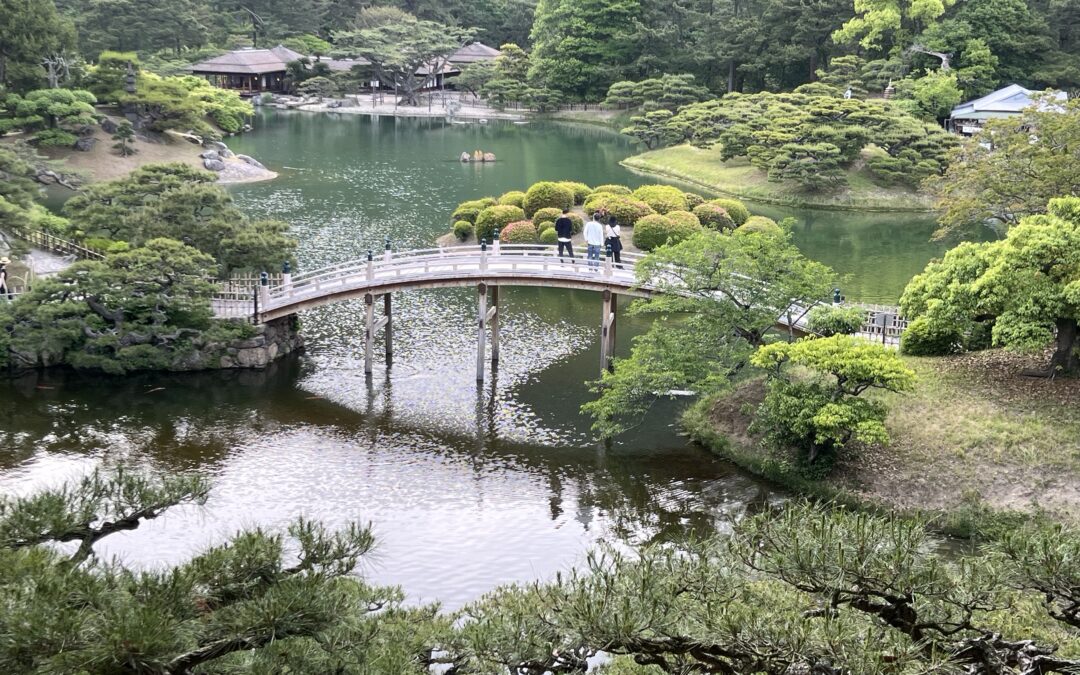
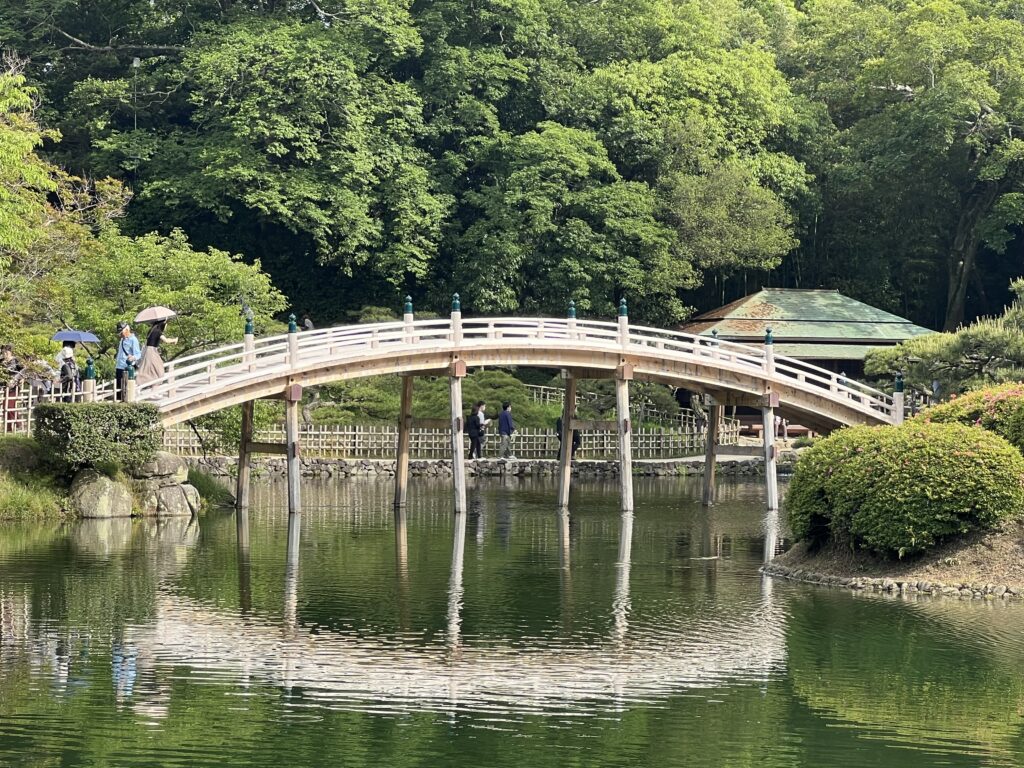
Arguably Shikoku’s primary attraction, stunning Ritsurin Koen( Park ) more than compensated for the disappointment of the earth pillars. We’d both seen it before, long ago, but enjoyed it just as much this time and it is still as beautiful as ever. Of all the tourists we saw in the week we spent on Shikoku, 90% of them were probably at this location – it’s that well known here.
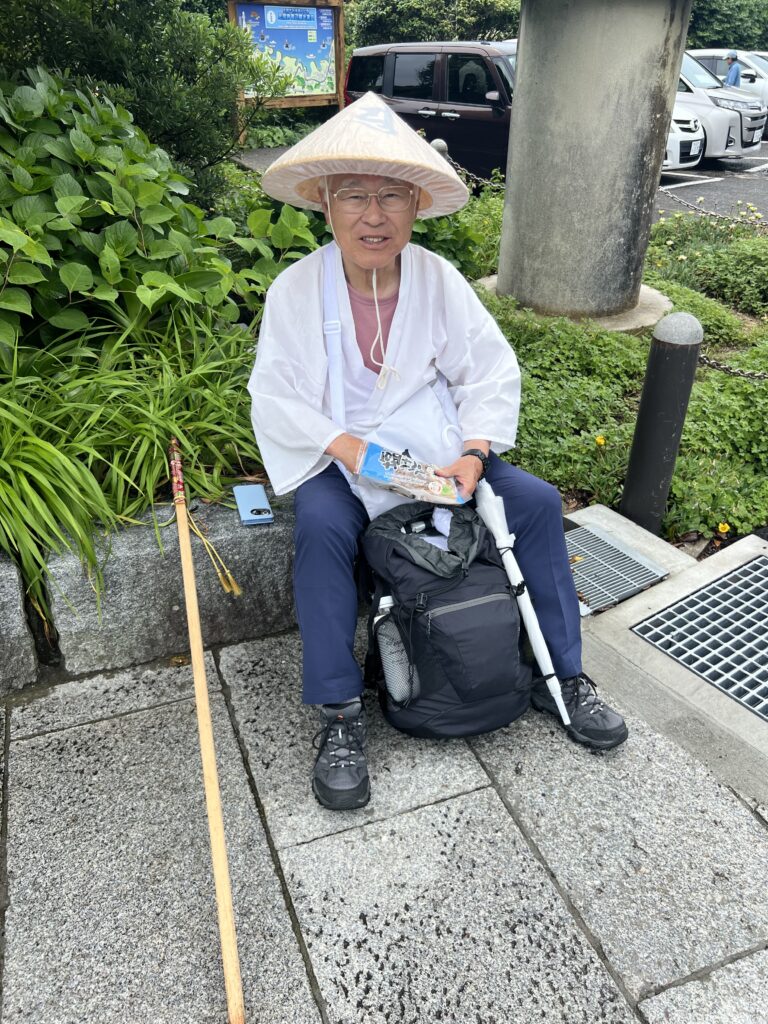
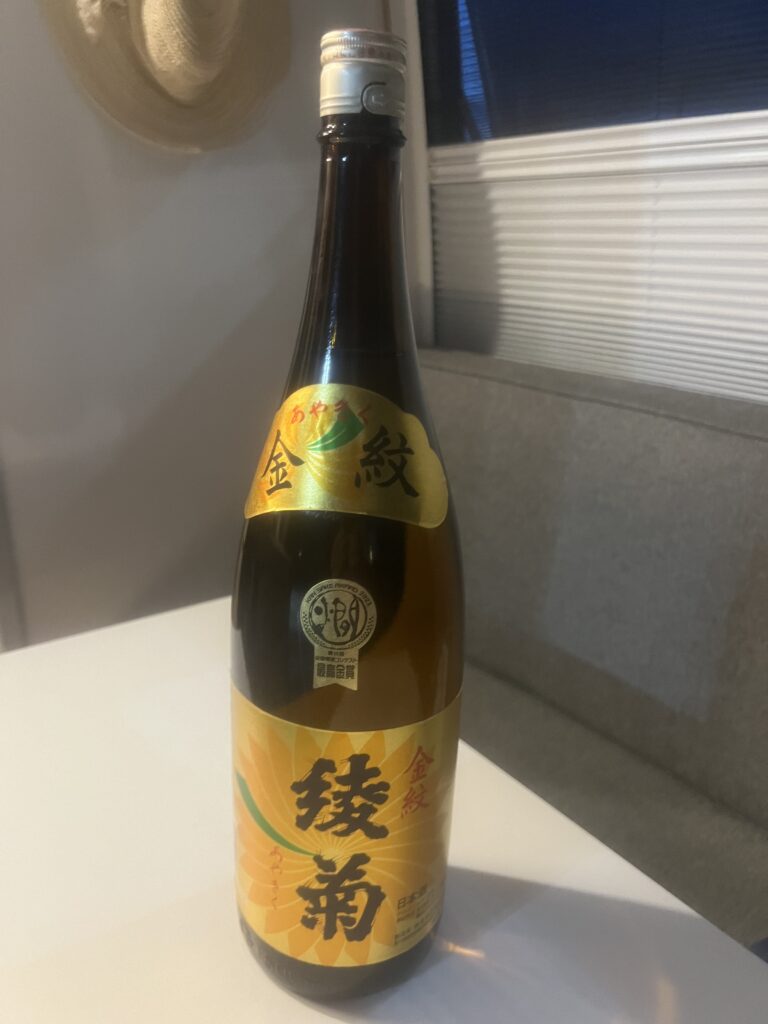
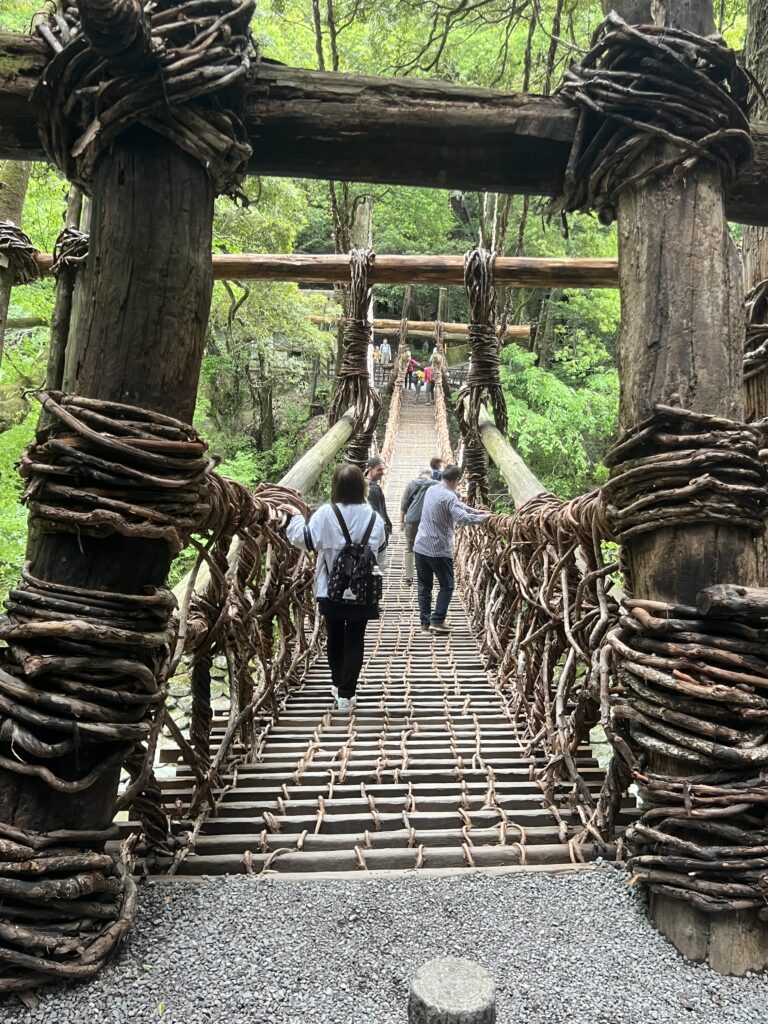
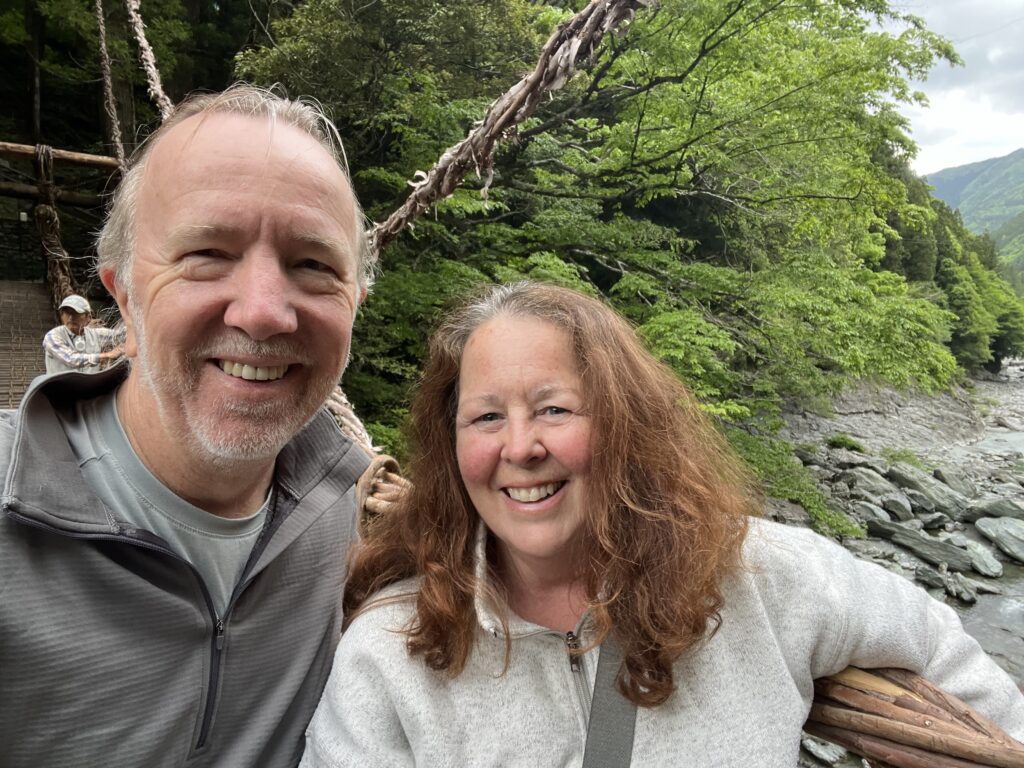
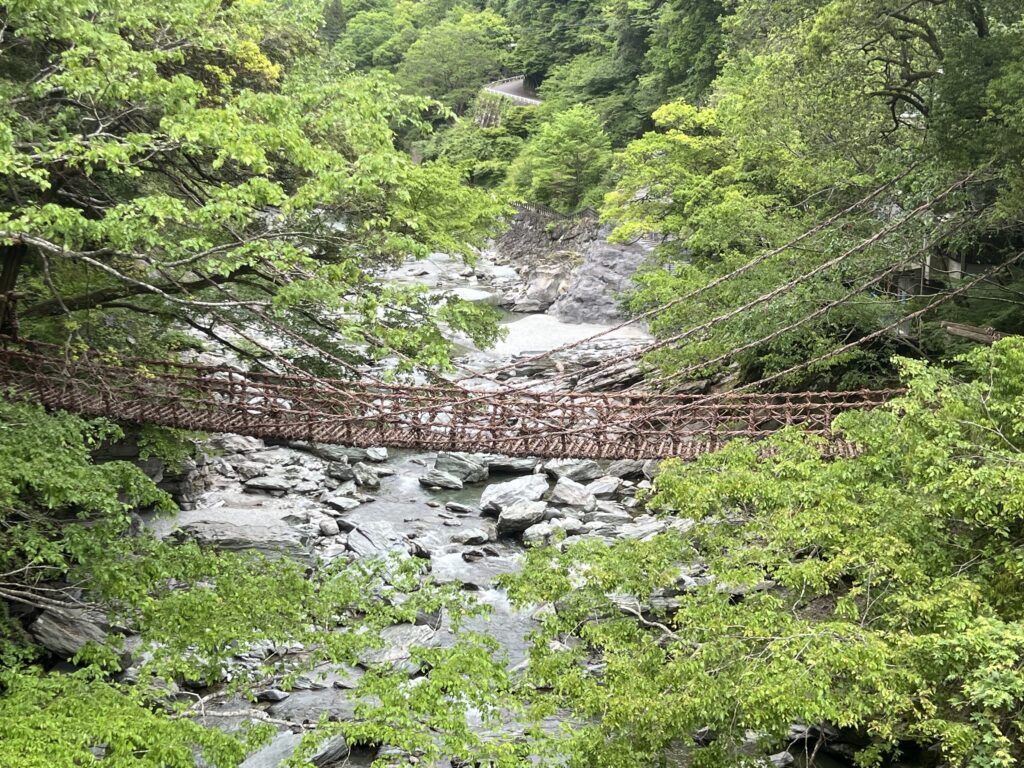
A pilgrim we met travelling ( on foot ) to Shikoku’s 88 revered Buddhist temples. One sees many of them walking by the road all over Shikoku, dressed in a white coat, familiar conical hat and a walking stick. Over 150,000 people a year are thought to do the 1200 km circuit that rings the island. It’s known as the Shikoku Henro.Shikoku Henro Route.Ritsurin Koen, Takamatsu.Ditto.While parked at a Michi no Eki in Takamatsu a fellow traveller, camping nearby for the night, approached us, introduced himself, and INSISTED we accept this giant bottle of sake as a gift. He just liked our van and was impressed that we had shipped it to Japan. We’d never met before and likely never will again – this has now happened three times. Moderately embarrassing but very typical of spontaneous Japanese hospitality and generosity.Vine Bridge, Central Shikoku.Selfie, Vine Bridge.Vine Bridge.
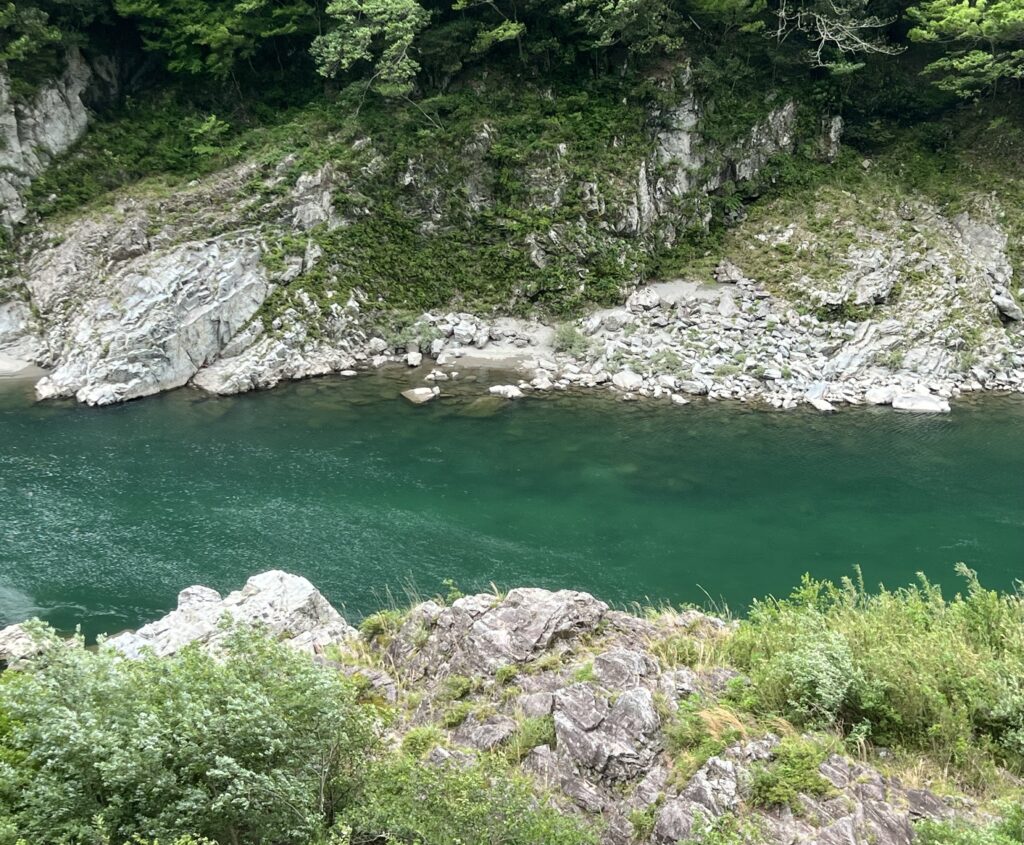
South west of Takamatsu Route 32 takes travelers through the Yoshino River valley, a particularly scenic stretch of road with white water rapids tumbling through the bottom of the valley, 50 or 60m below the narrow road which clings to the mountain side in most places. Didn’t challenge the rapids, but we did detour east to the historic Vine Bridge that is a pitstop on most travellers’ journey through the centre of Shikoku. Another narrow, hilly, and very windy detour, but well worth it to see the area and walk on the bridge.
A calm section of the river along Route 32. It was a most intense green.
Over the next few days, we travelled south to Kochi, and then on down to Cape Ashizuri, famed for some of Shikoku’s best coastal scenery. Alas, photography moments were fleeting here as rain and drizzle interrupted quite a bit of this part of our journey. The good bits were great, but no matter where you are when it’s raining it’s hard to get excited about the scenery, pretty though it was.
Coastal view near Cape Ashizuri.Ashizuri lighthouse.
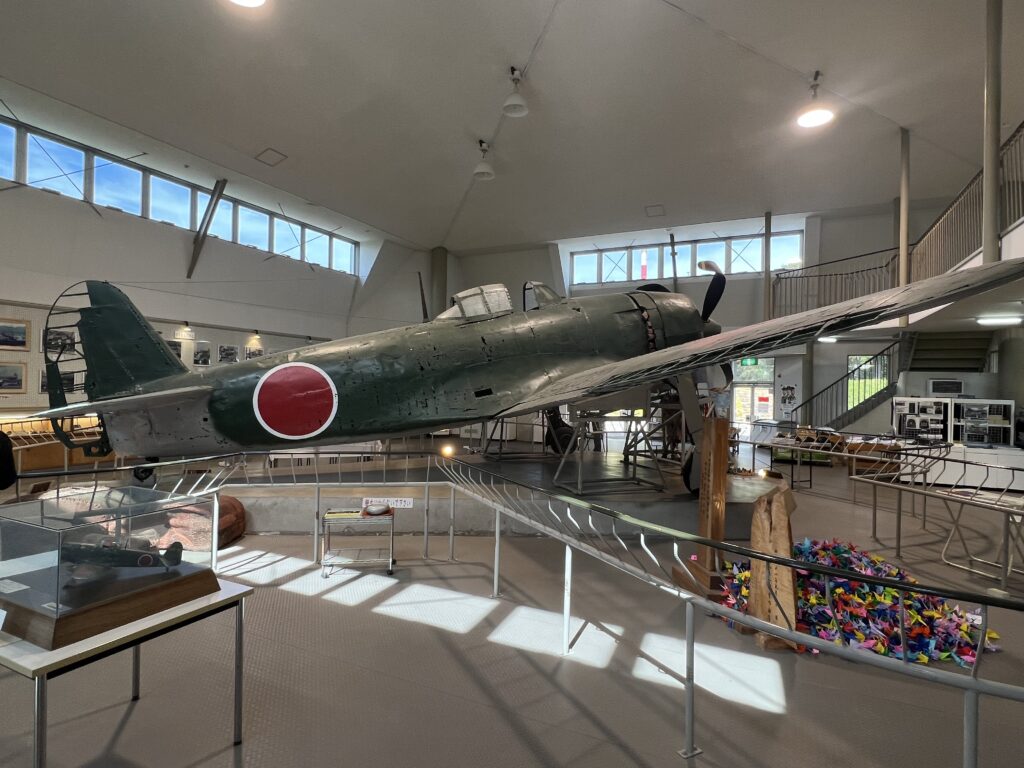
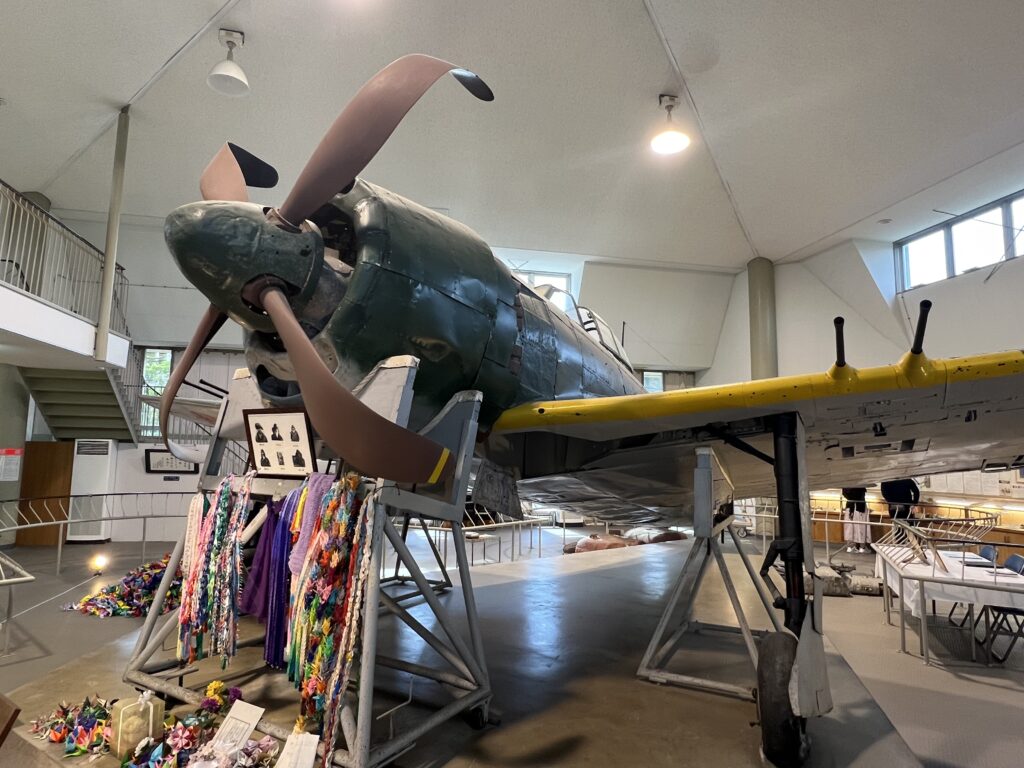
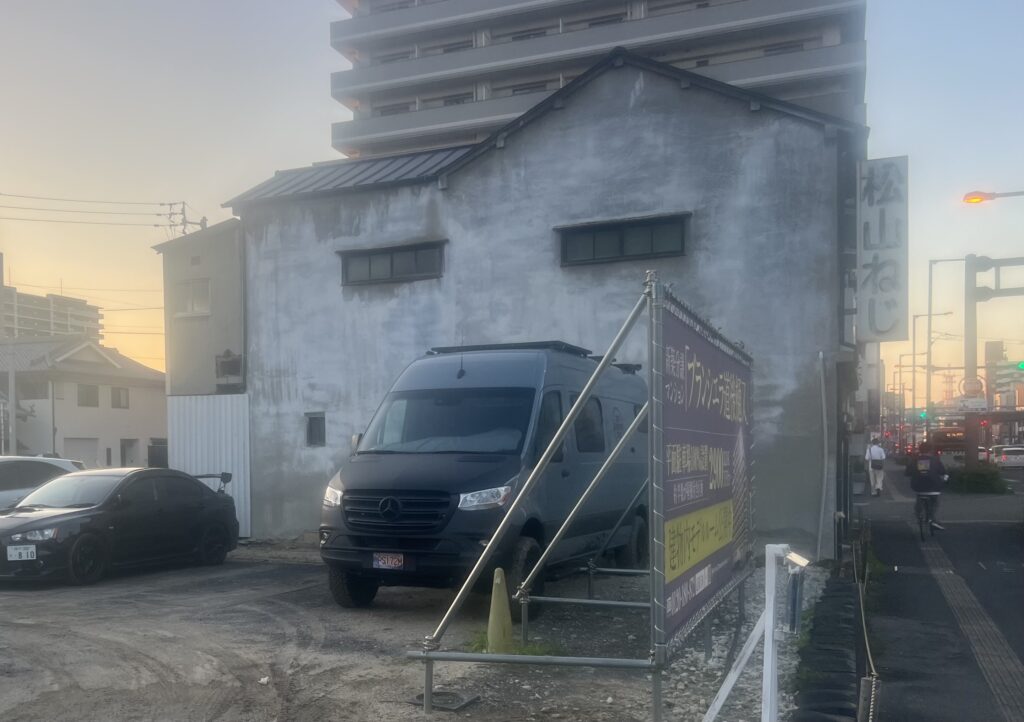
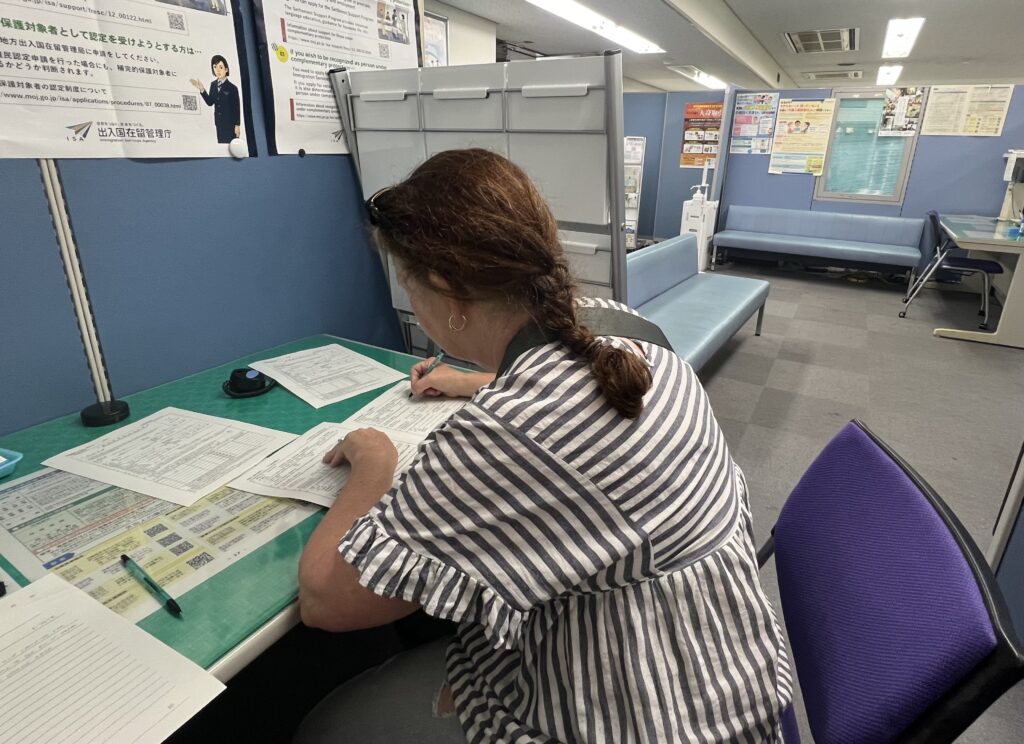
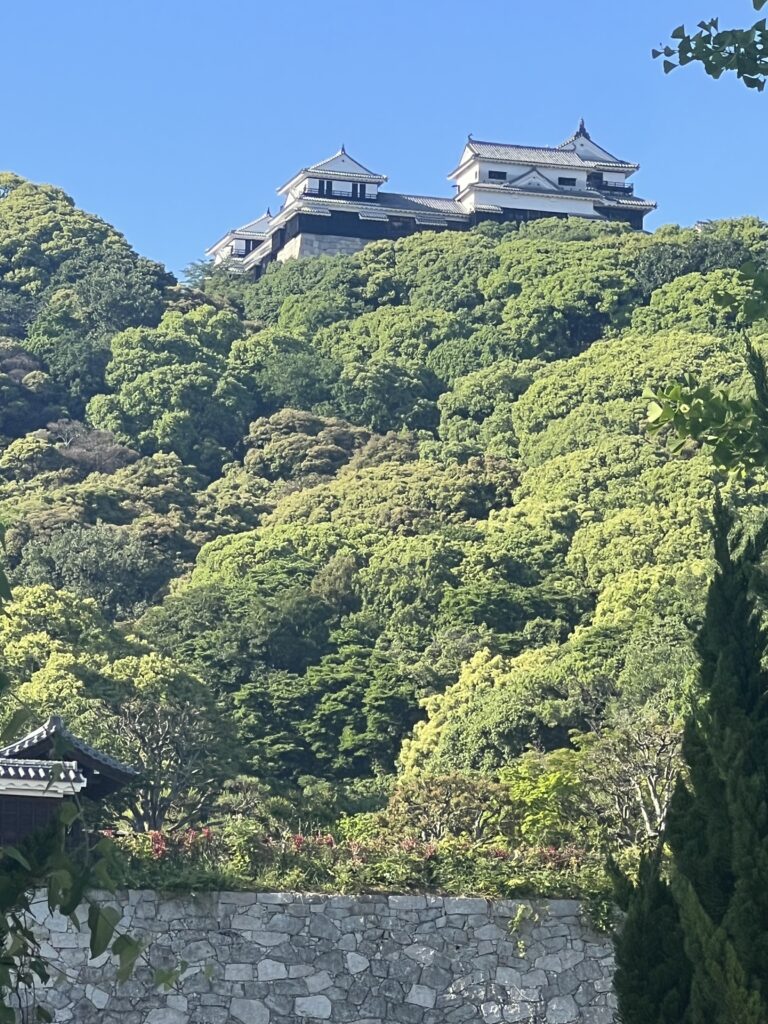
That all cleared up by the time we reached the west side of the island. Staying predominantly coastal, our route north took us via the cities of Uwajima ( where I was delighted to catch the Shidenkai Museum ). and Matsuyama where ( in a moment of sheer panic ) we could not locate our parked vehicle – it ended well, but it was frantic for a couple of hours ! Matsuyama, a pretty city and known for an impressive castle, was for us, one of those disaster travel days that come along every once in a while; the drama of not being able to find our vehicle, hours wasted at the immigration office ( only to be told a visa extension was not possible ) and finally missing a visit to the aforementioned Matsuyama castle as we found it closed having arrived late after wasting so much time on the other stuff ! Fortunately, so far anyway, such days have been rare.
The “Shidenkai” fighter plane, raised from the bay nearby in 1979 where it had rested since 1945 after ditching in the final months of WW2. Considered a better fighter than the more well-known “Zero”, which had become obsolete by that stage of the war.Shidenkai fighter.It was dusk by the time we located our van in Matsuyama. Never been so happy to see it !Lois, filling in paperwork for a visa extension. All for nought. No extensions unless we were sick in hospital, they said.As close as we would get to Matsuyama castle, sadly. Not a huge stress, since Japan’s most impressive castle ( Himeji ) was on our itinerary next week.
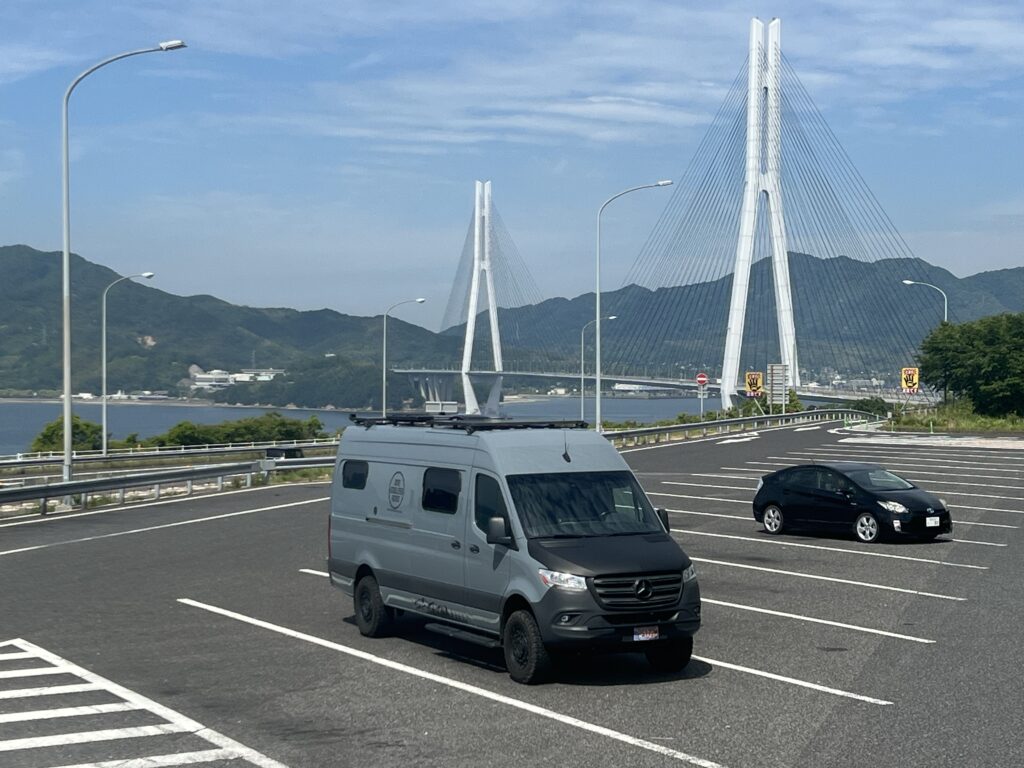
Part of the attraction of Shikoku is getting there ( and leaving ) via the interconnecting small islands that dot the Inland Sea so we chose that route out – in at the eastern end, out at the western end. Some impressively engineered bridges, a few scenic rural islands, and a short final ferry ride later we were back on the main Island of Honshu at the port of Mihara. Much more of Honshu to come !
Rest stop at a Roadside Station on Ikuchi island as we made our way across the island/bridge chain connecting Shikoku to Honshu at the western end of Shikoku.A rarity in Japan ! While one can dispose of recycling “garbage” ( plastic bottle, cans etc ) without much difficulty in Japan, it is unbelievably rare to see a simple garbage can ( for food waste, wrappers, fruit skins etc ). Here, the two on the end are for regular garbage. Hard to believe, but true. Absolutely EVERY camper we know of struggles with it. One traveller we know used to burn his garbage ! Yes, that hard to dispose of sometimes 😔.
And finally, a short video clip of our week, condensed into just over a minute. Enjoy…..
Most countries have the odd attraction or two that get somewhat over-hyped. In Japan, Amanohashidate would fit that description. A place with an almost mystical/spiritual appeal to the Japanese, and which draws tourists in the thousands, we dropped by on our way from Ine to Kyoto. Glad we did not make a special trip as we’d have been sorely disappointed – literally a non-spectacular sand bar across a bay near Miyazu. Perhaps though, that brief disappointment was all meant to be since the rest of the week brought us all the splendour of Kyoto and Nara, a wonderful reconnection in Osaka with my old boss of 35 years ago, a full service of our vehicle (after an initial struggle) and a nostalgic visit to our old stomping ground in nearby Kobe.
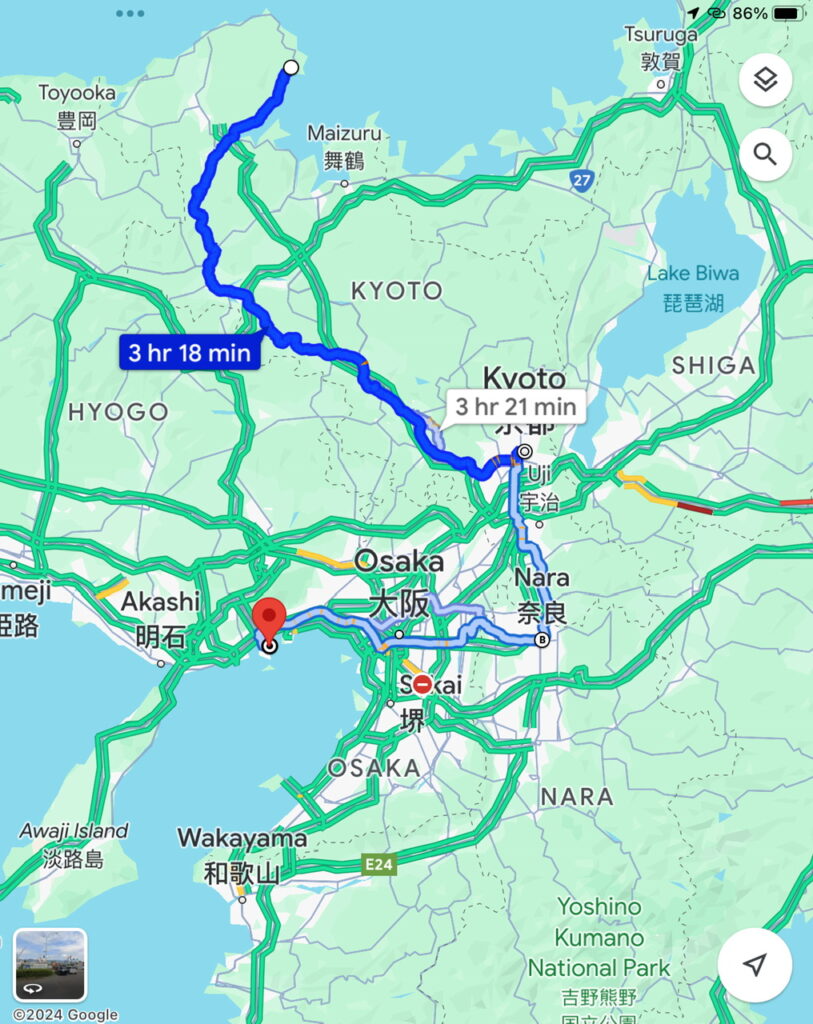
Light and dark blue lines show our route taken this past week. Distance -short. Sights – many !
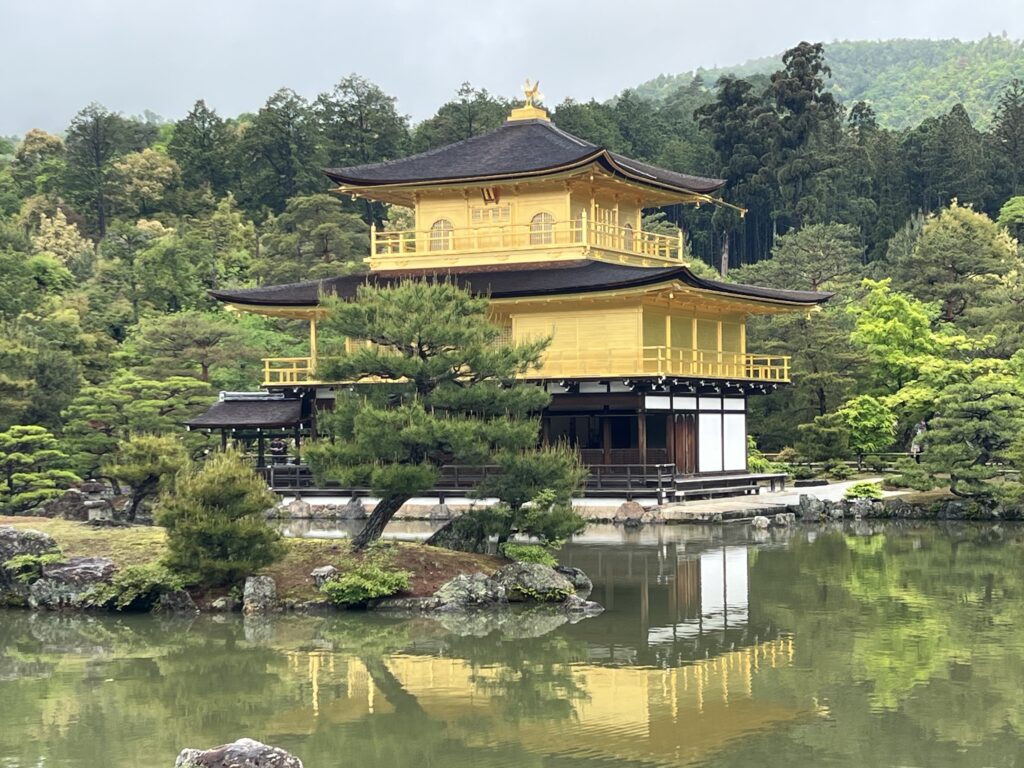
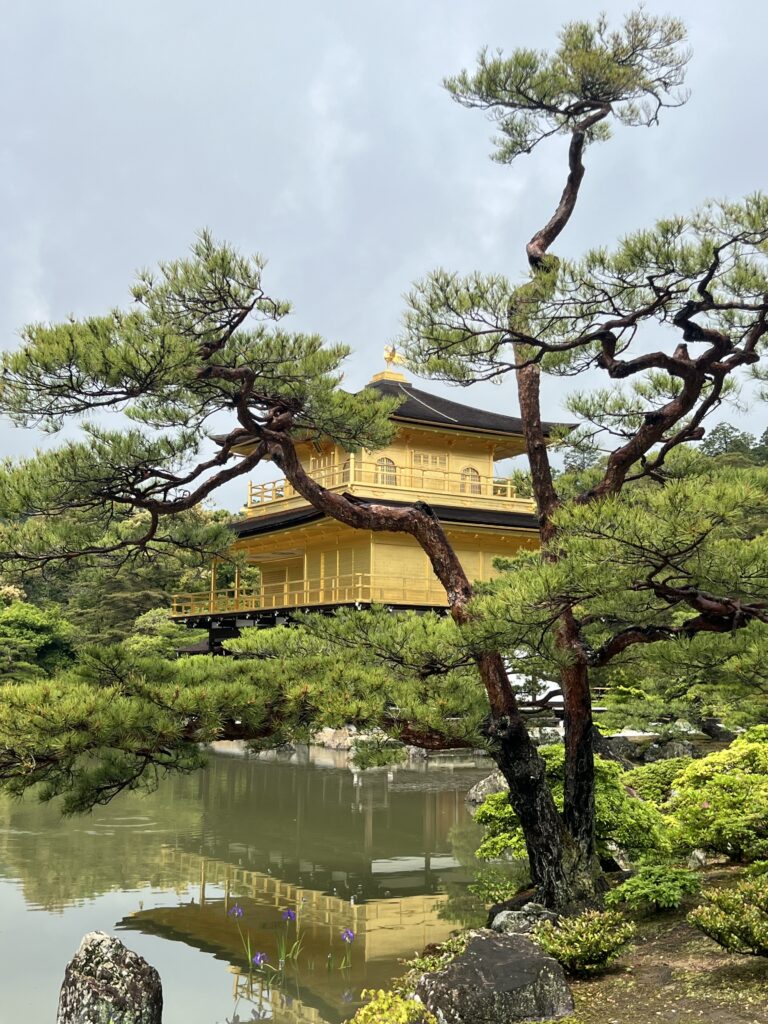
Unlike Amanohashidate, Kyoto, (Japan’s cultural heart and former capital) very much lives up to the hype – most visitors justifiably spend days visiting its historic shrines and temples, quaint backstreets and excellent shopping options. We limited our re-visit to a few of our old favourites, Kinka Kuji still topping that list – both of us consider it our favourite Japanese shrine/temple. It was just astounding to see the number of foreigners there ( and at other Kyoto sights ) during this visit – at first we thought it was simply because we had been previously travelling in parts of Japan where foreigners are less visible ( was it perhaps that we just noticed them more here ?) but in asking several Japanese merchants, they all confirmed that they have never seen so many foreign visitors in the city as there are at present. They pegged the cheap yen ( “en yasu” in Japanese ) as the driving force. How the world changes – during our time here in the mid 80’s the Japanese business people were all complaining about “en daka” ( the strong yen ). For the first time in many decades, travel in Japan now represents very good value and foreigners are flocking here. More on that in next week’s blog.
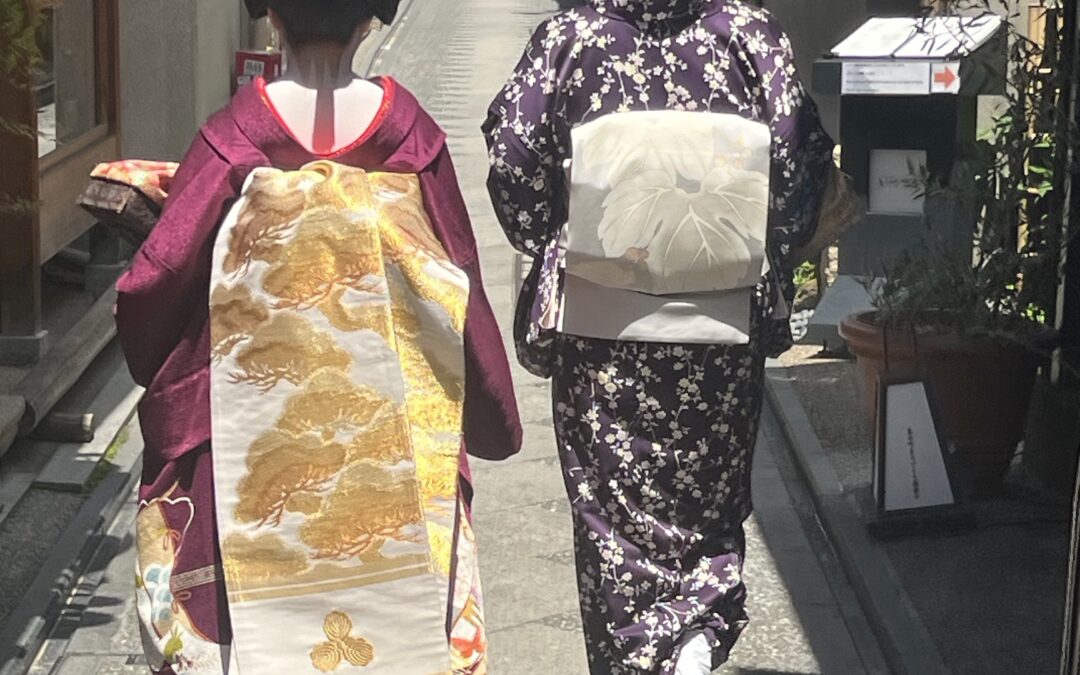
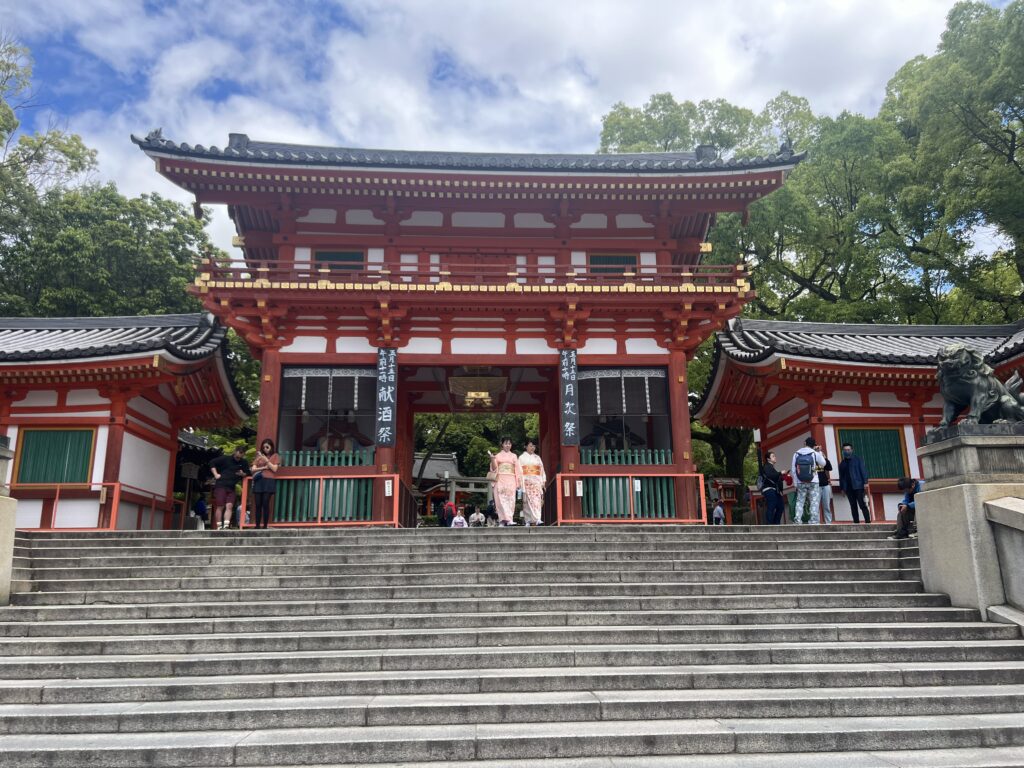
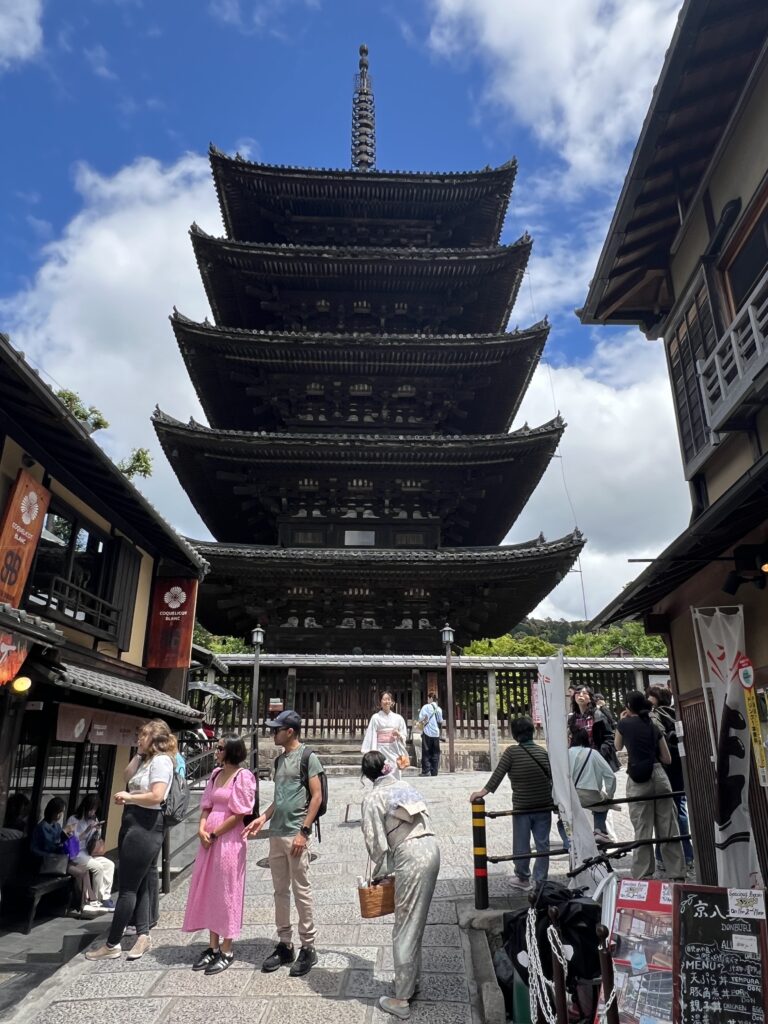
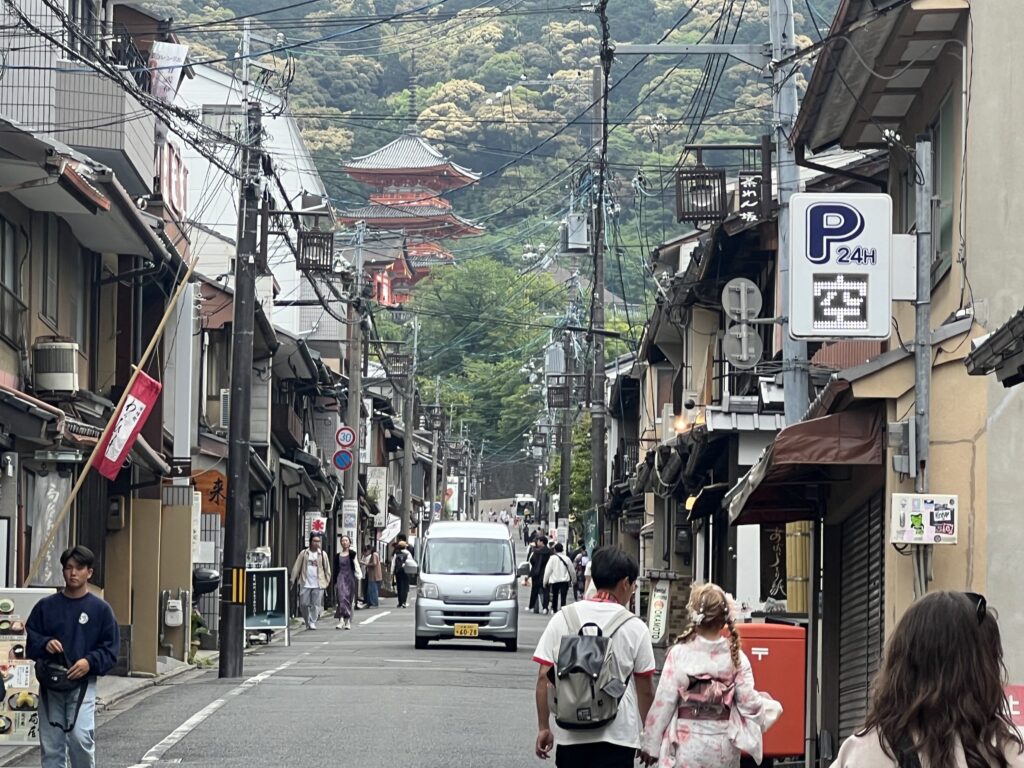
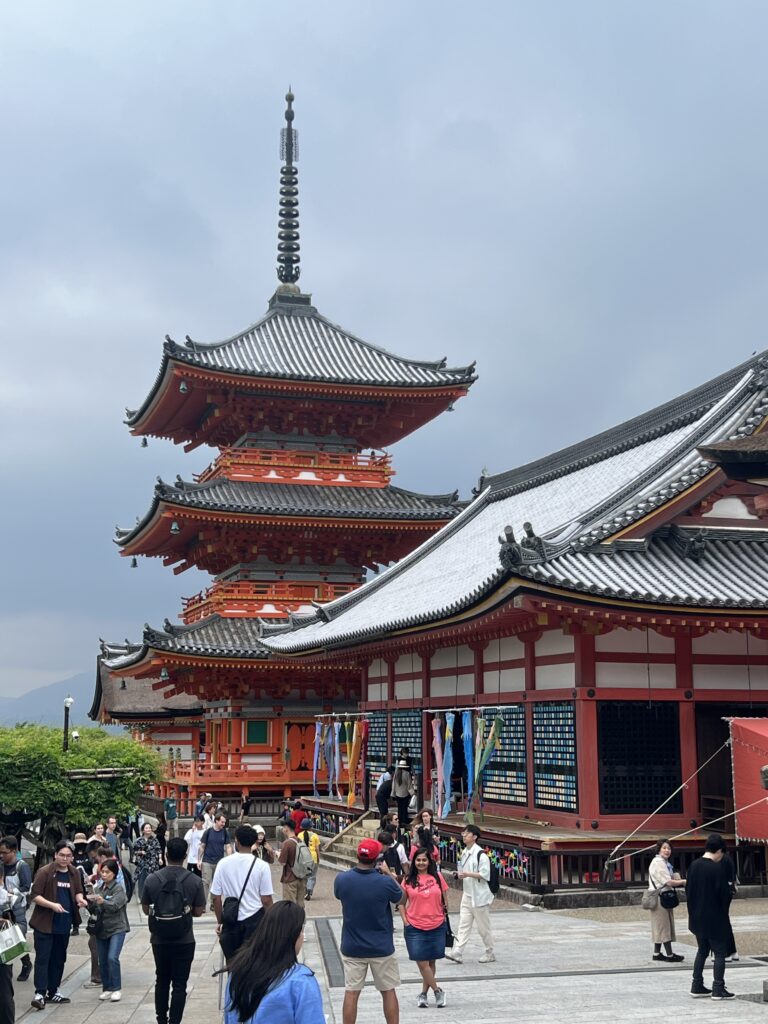
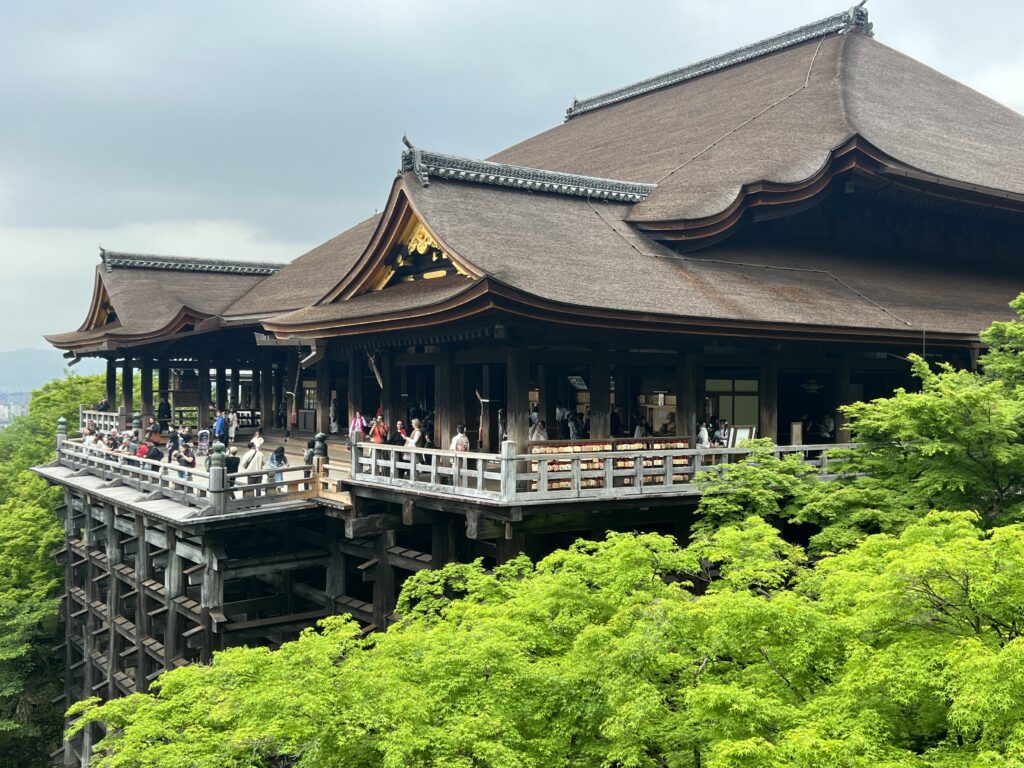
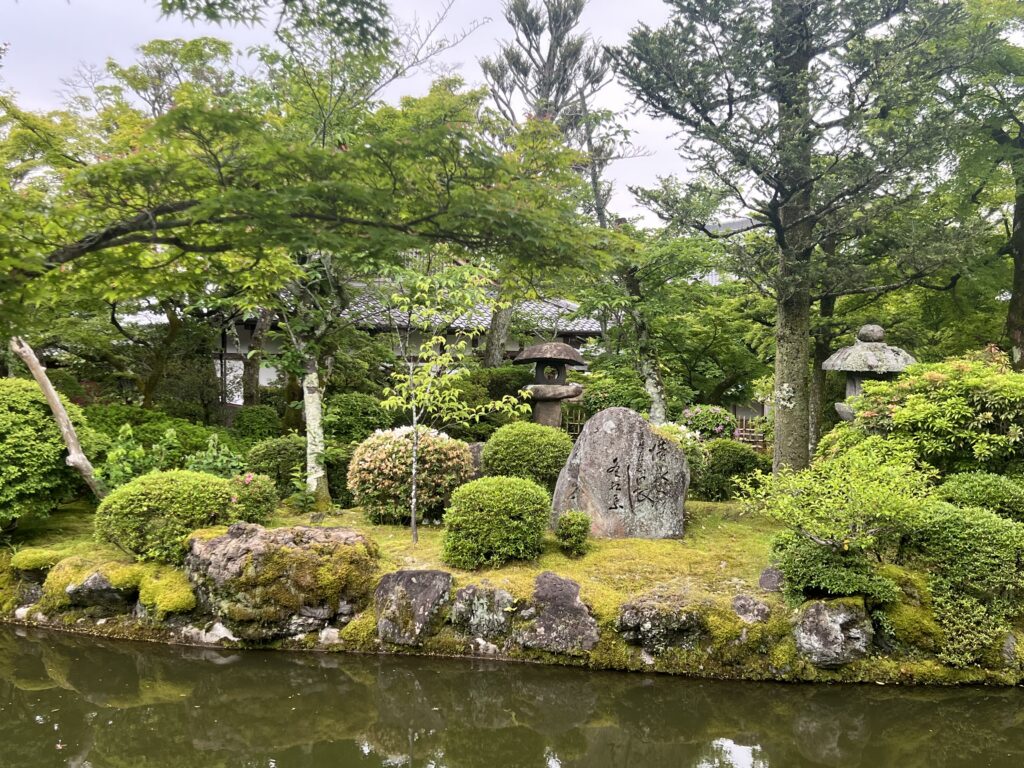
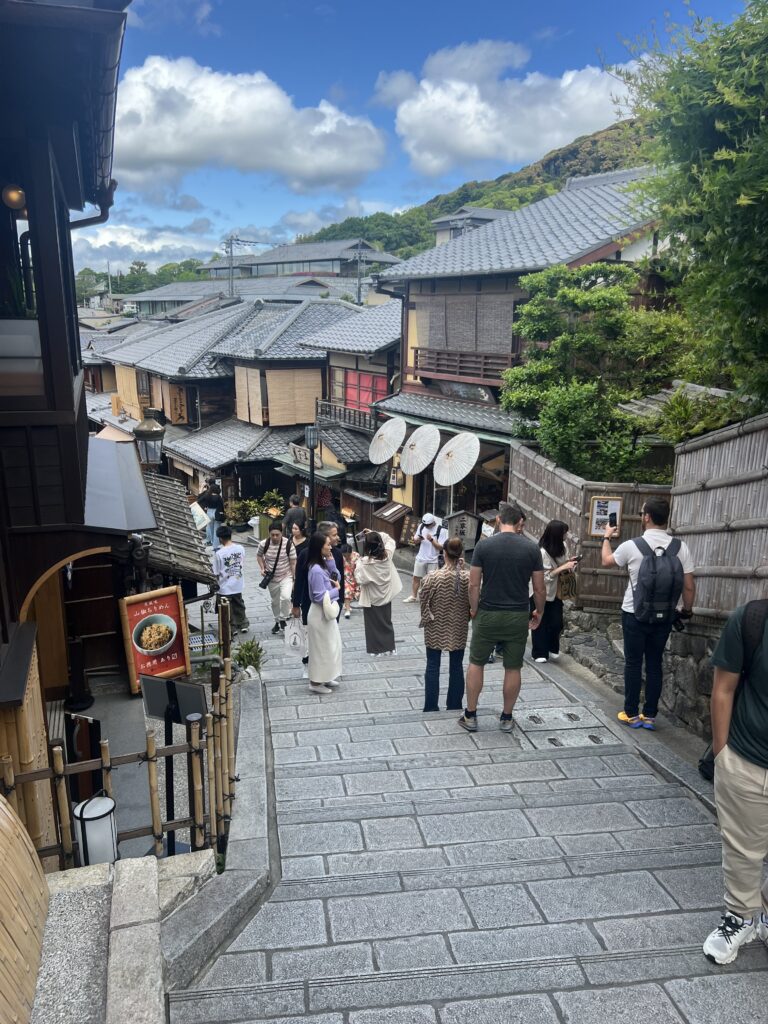
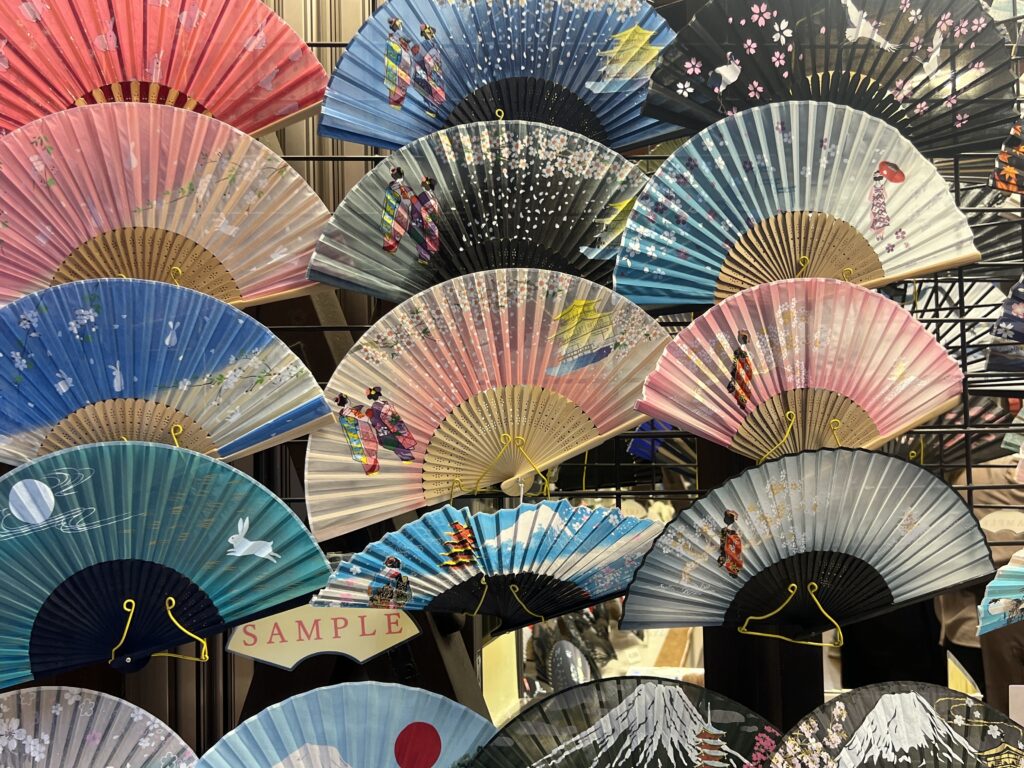
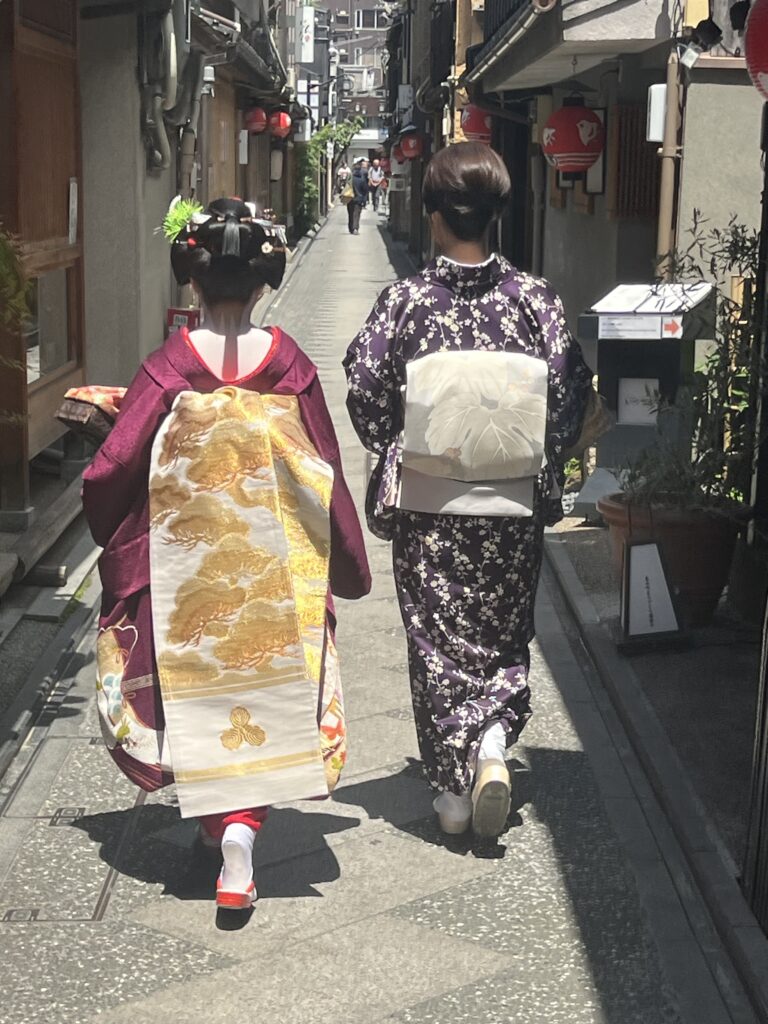
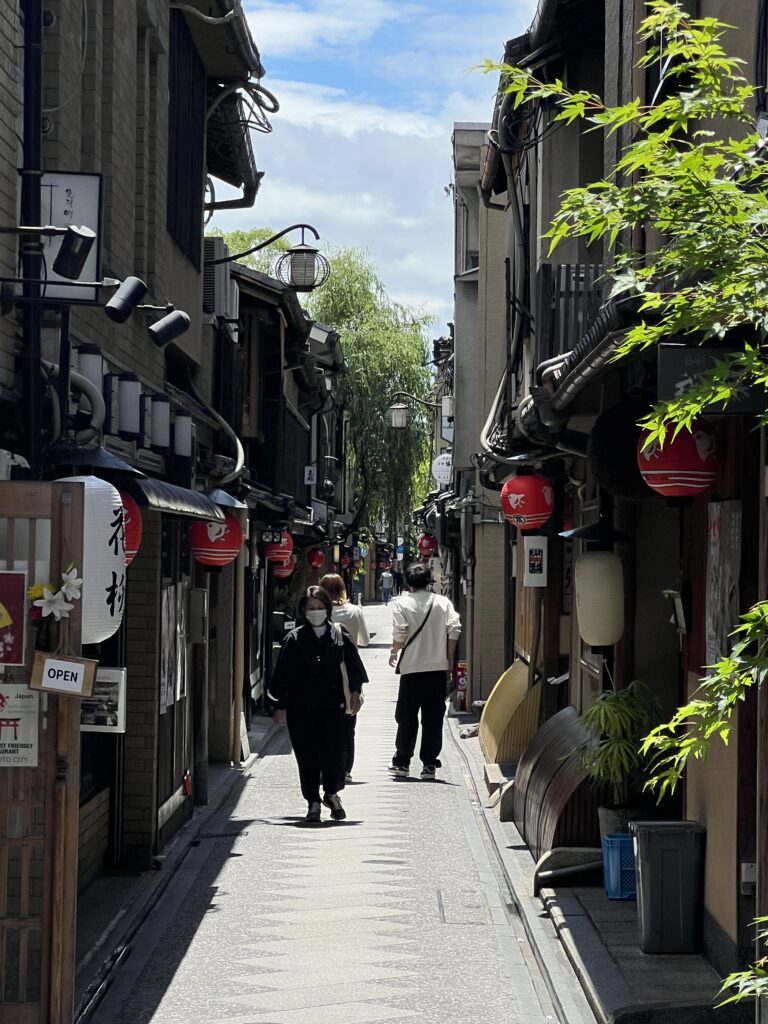
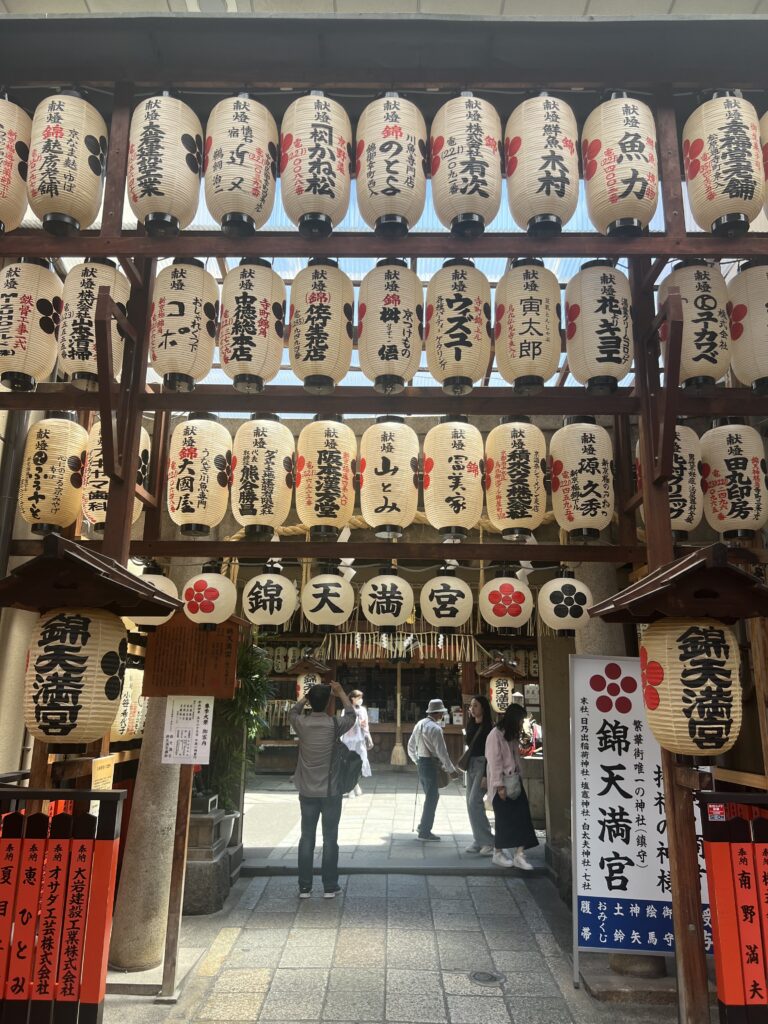
Our favourite Japanese shrine, Kinka-Kuji in Kyoto.Possibly Japan’s most photographed sight..Yasaka Shrine, Kyoto.Famous Toji temple, Kyoto.Kyoto backstreet near Kiyomizu-dera DeraKiyomizu Dera, Kyoto.Kiyomizu Dera.Japanese garden, Kiyomizu Dera.Sannenzaka shopping street, Kyoto.Japanese fans, Kyoto store, Sannenzaka.Kimono clad women walking through backstreet in Pontocho, Kyoto.Historic Pontocho street, Kyoto.Street scene, Kawaramachi, Kyoto.Kyoto backstreet scene. Many pretty canals branch off the river.Our van is really NOT that big. Some in Canada could not believe we would travel so far, for so long, in something “so small”. In Japan they always want to put us with buses – sometimes we feel like we are driving a road train here!
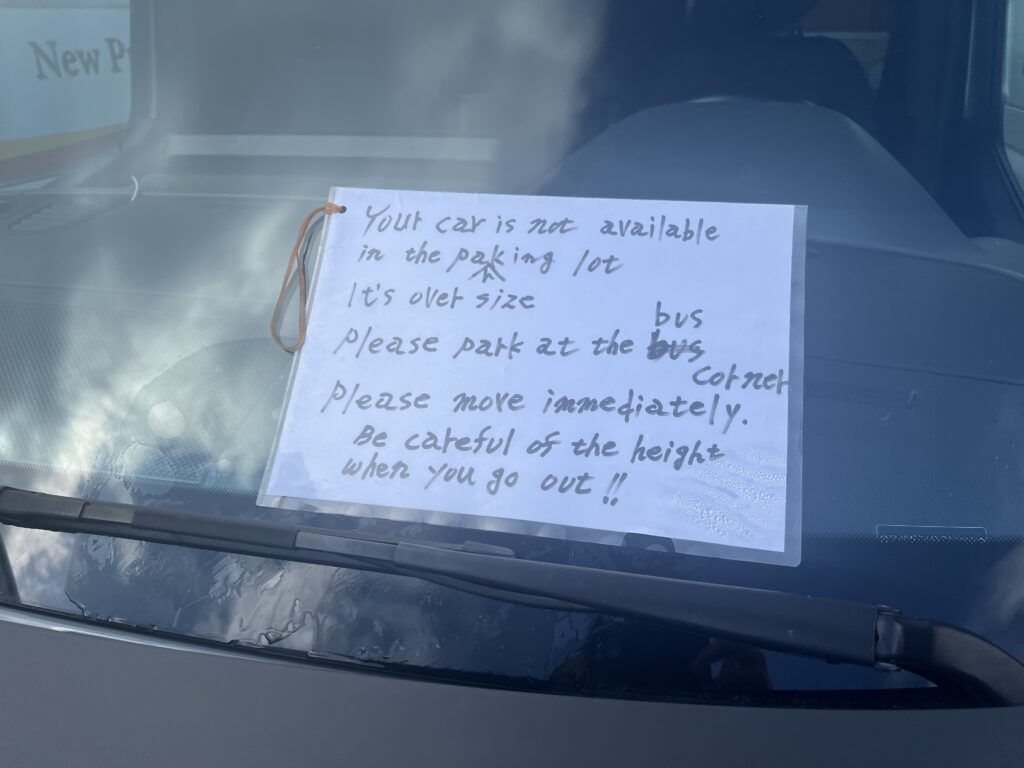
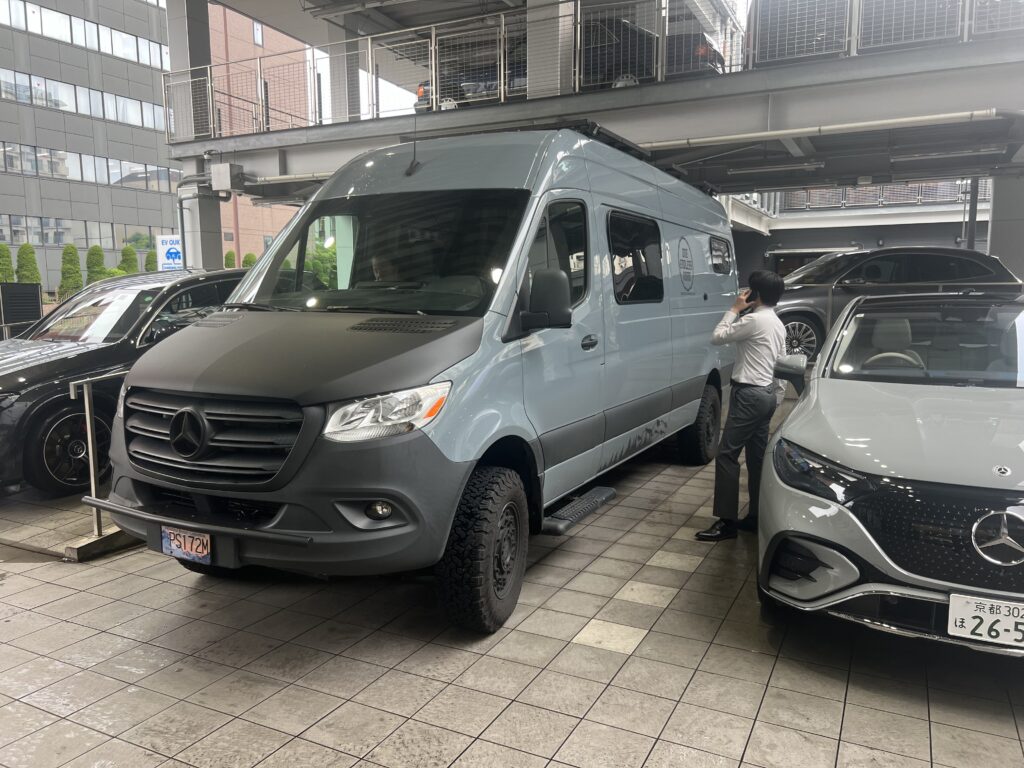
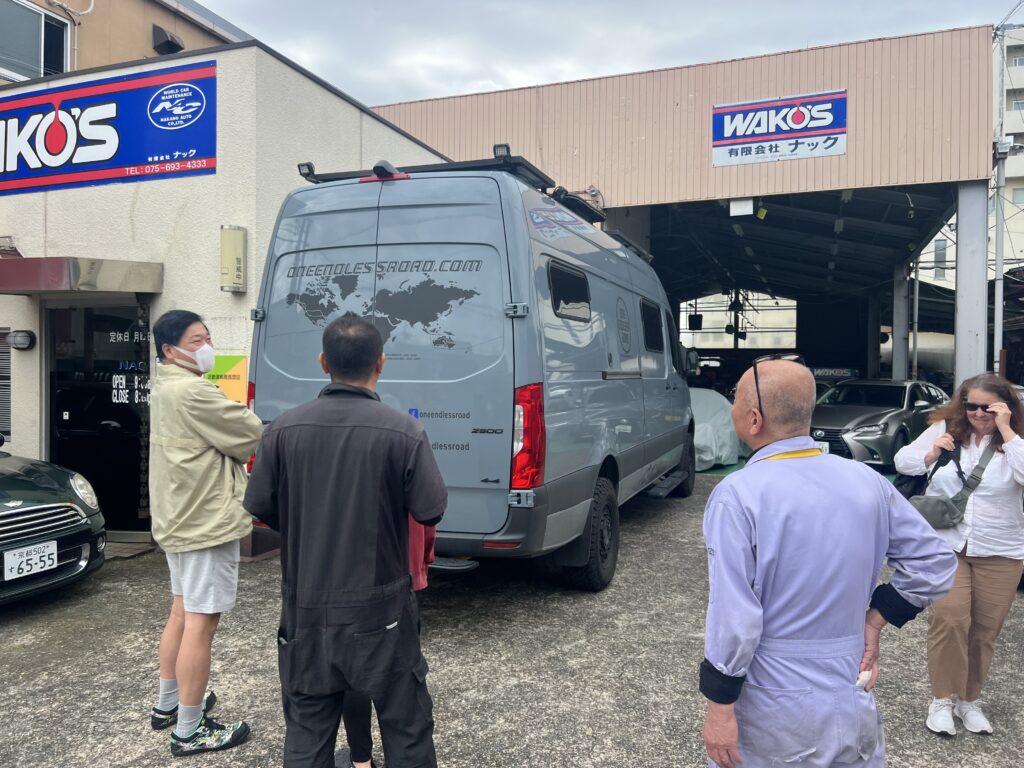
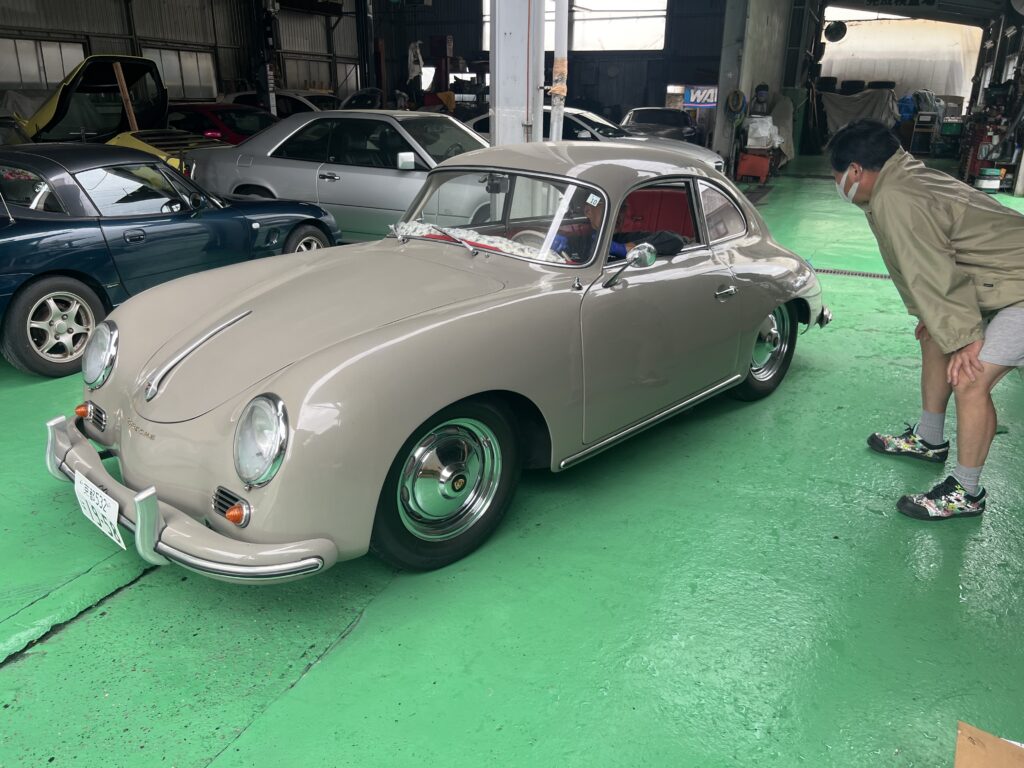
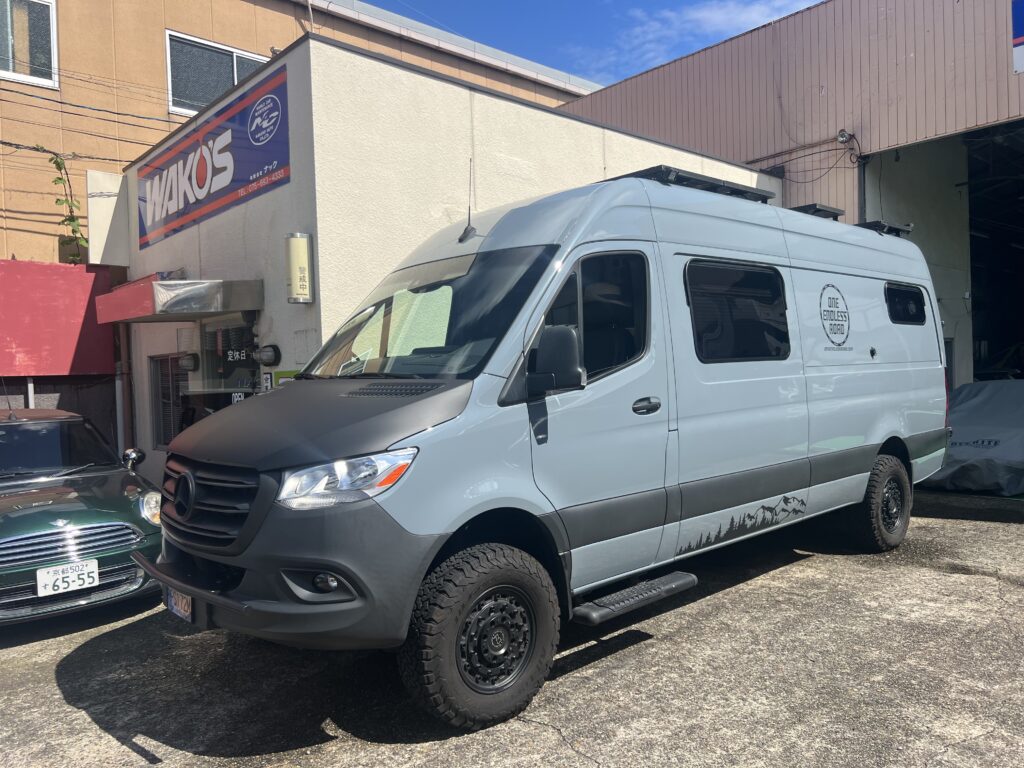
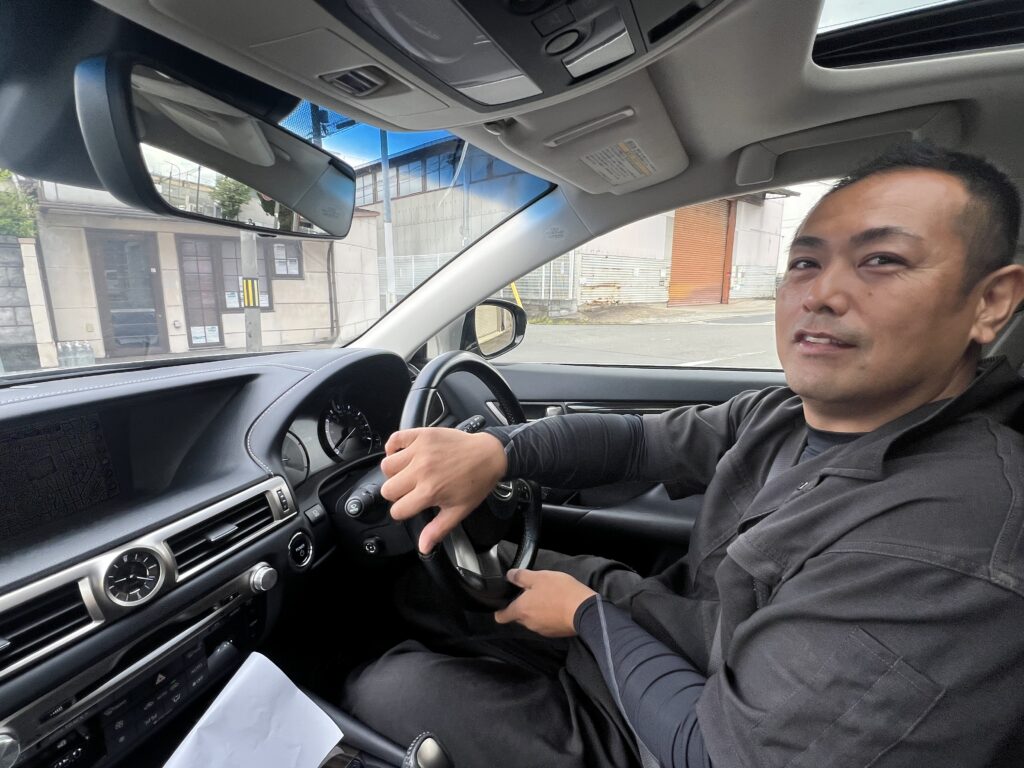
The “service soon” indicator had stated to flash on our van ( we knew it was coming ) and had expected that to be solved with a fairly routine visit to any one of the many Mercedes dealers that can be easily found in all major Japanese cities. We figured Kyoto, one of Japan’s most international cities, would provide good dealer options and some English-speaking staff. Turns out we got two of those three things right – there were indeed several dealers, and the one we approached had a very helpful English speaking staff member (Mr. Isobe), but getting our vehicle serviced would turn out to be far more of an adventure than we had ever anticipated. While the Sprinter van is not a common Mercedes product in Japan ( we’ve not yet seen one on the road ) the V6 diesel engine and transmission it uses are very standard across the Mercedes range and hence the requisite oils and filters would/should be widely available. Indeed they were – but a service bay high enough to accomodate it was not !!! Not, it turned out, only in Kyoto, but nor was one apparently available anywhere in Kobe or Osaka, or, if there was, no dealer was willing to tackle servicing our particular vehicle ! Of course what needed to be done could easily have been done outside the service bay and an exception could easily have been made – but making exceptions to rules are not things that Japanese people tend to like to do. The long and short of it all was that our friendly Mercedes service representative, embarrassed at being unable to assist us “in house”, put us in touch with a local workshop that ( we were told ) specialized in “exotic cars and camper vans” ( a truly odd market combination we thought ). Fortunately, they were close by, able to assist us at short notice, and ( unlike all the Mercedes dealers ) were very happy to take on the challenge. Service completed the very next day ! Phew !
Isobe-san checking the van dimensions to see if there was a Mercedes dealer anywhere in Honshu that had a Service Bay high enough to accommodate us – yes, really ! And they all said no !Ultimately, Mercedes Kyoto referred us to Tanimoto-san at NAC Auto who specialized in “exotic” vehicles and “campervans”. Despite that being a seemingly odd market segment, Tanimoto-san took great care of us and got the job done !While our van was ( in our mind anyway ) far from exotic, some of his other clients’ vehicles certainly qualified ! A classic Porsche.When we left NAC Auto, the van was cleaned to showroom condition! Vacuumed inside, too !In true Japanese style ( where service is EVERYTHING), we were driven to, and picked up from, the nearby railway station so we could sightsee while the service was done.
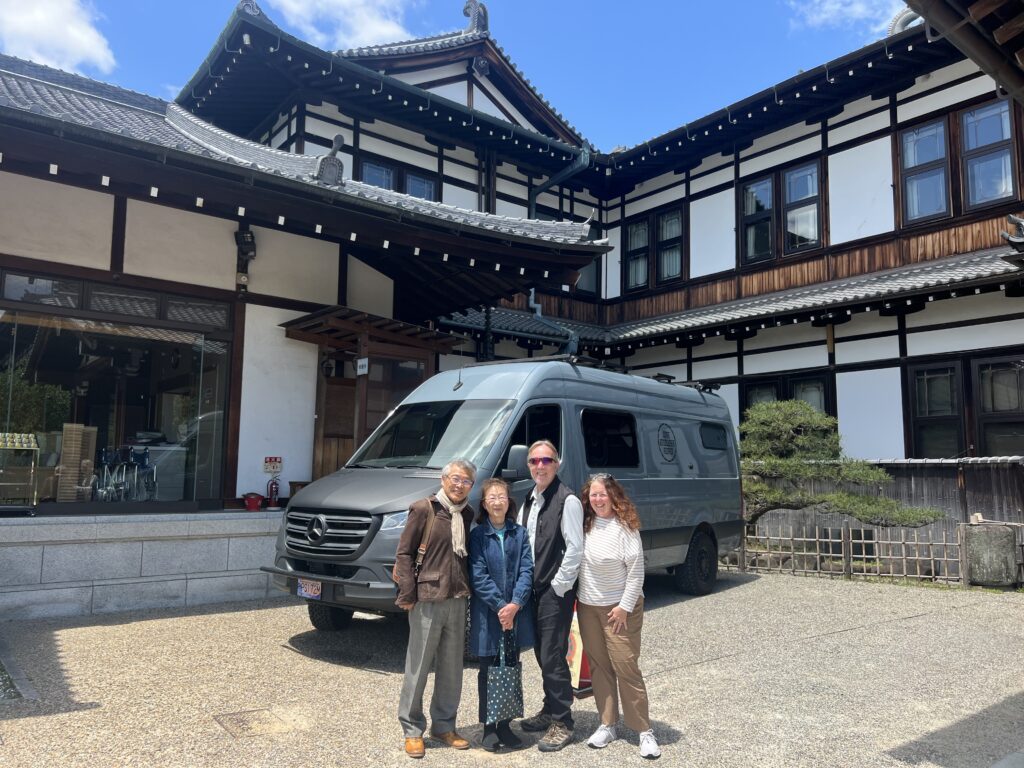
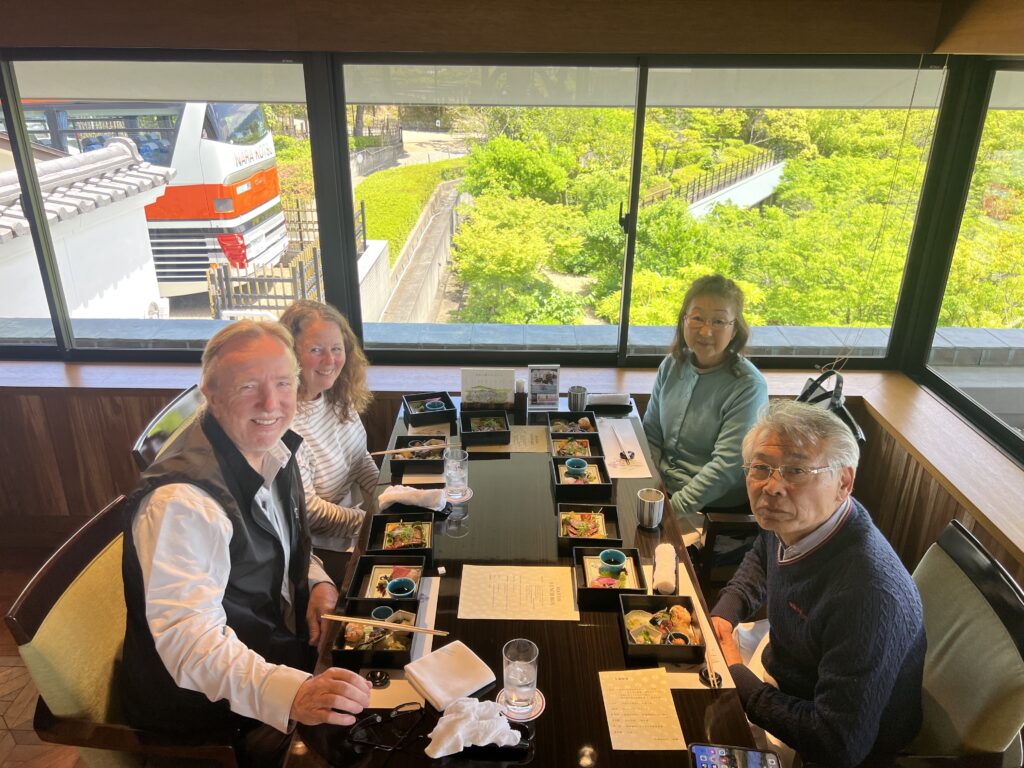
Through a mutual friend I had been able to reach out to and connect with my old boss from our time living in Japan over 35 years ago and it was with much enthusiasm that both Lois and I were looking forward to reconnecting with him while in the area. Maenaka san and his wife, Hideko, had agreed to meet us in historic Nara for a coffee and lunch so we made Nara our next port of call. Now, 35 years is a long time between catch ups so needless to say we had lots to talk about and thoroughly enjoyed both the coffees and the lunch, the experience definitely enhanced by Maenaka san’s choice of venue, the historic Nara Hotel. Nara is very congested and I was concerned where we would park our van but he had that all taken care of and the valet had us parked up right in front of the lobby! Needless to say, our arrival created quite a bit of commotion with the usual, “oki” and “takai” banter ensuing ( “It’s big, it’s high” ). A spectacular lunch, awesome views across Nara Park and great conversations filled the mid-day with subsequent hours spent exploring Nara’s attractions. So wonderful to reconnect after so long.
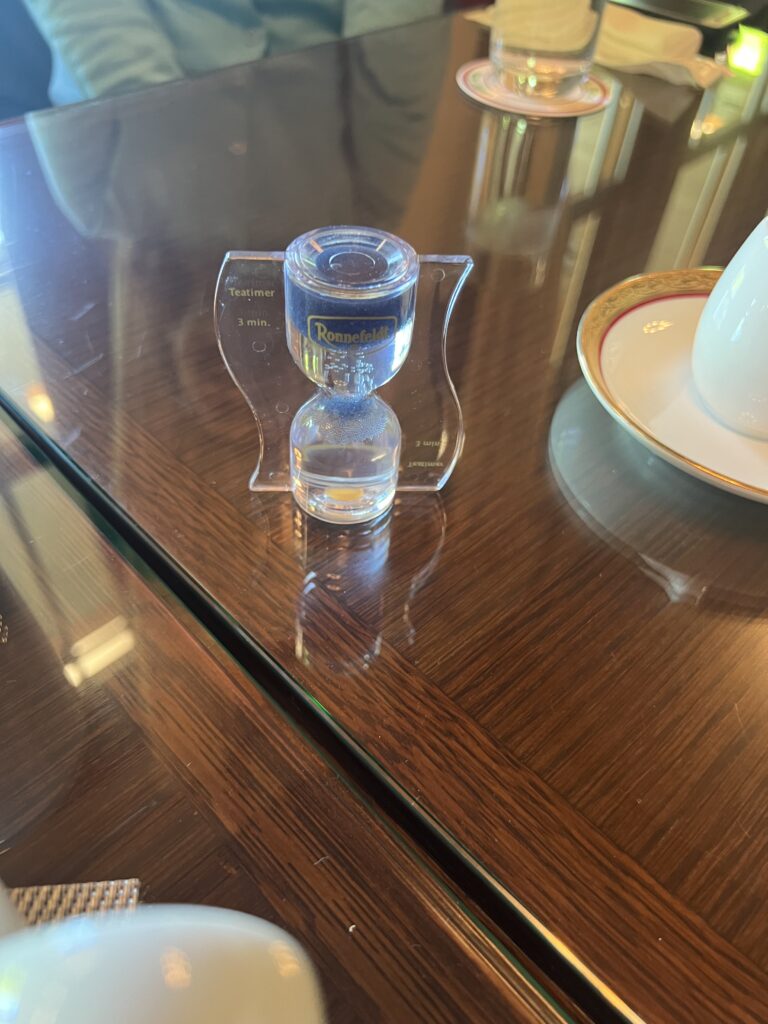
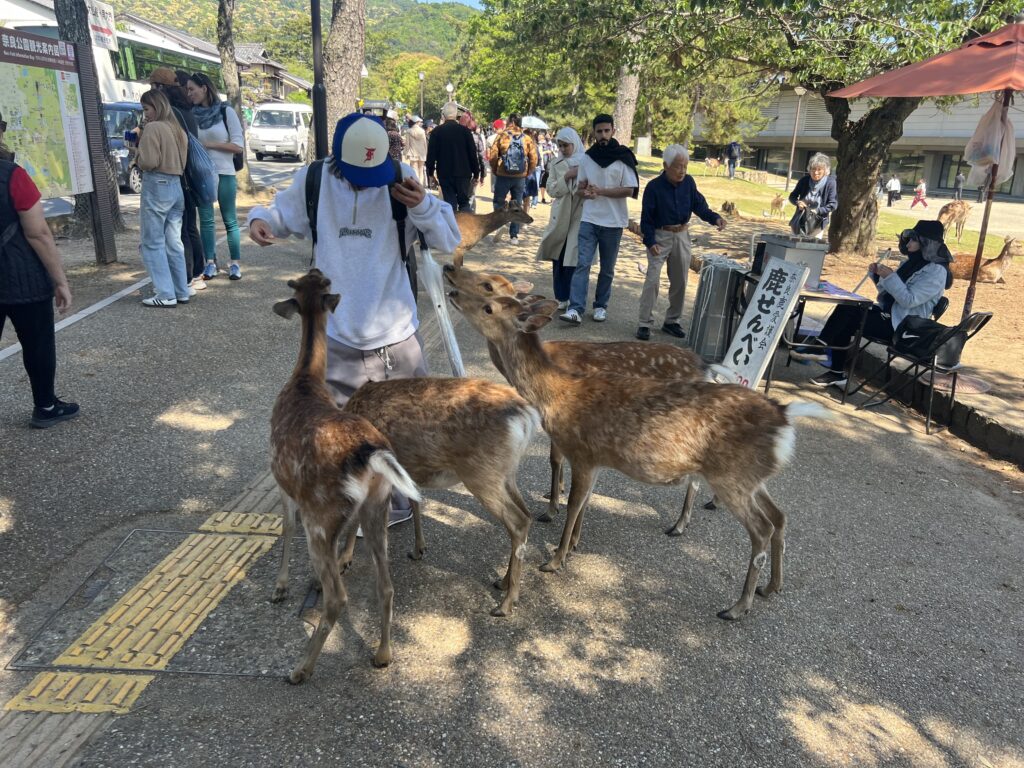
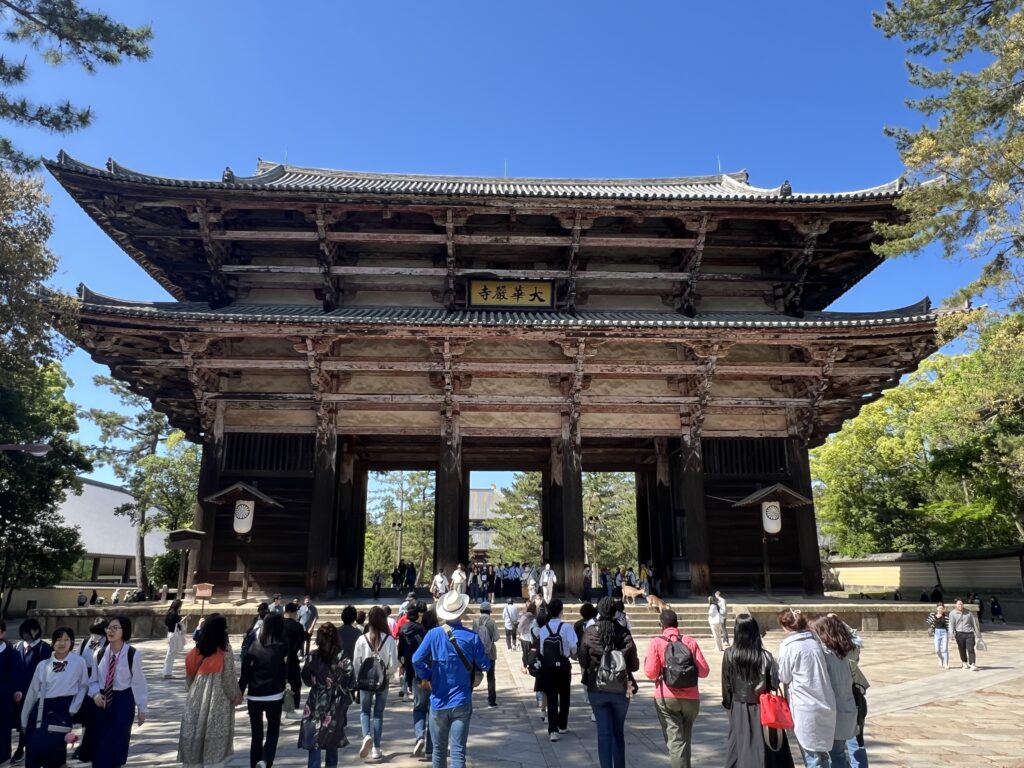
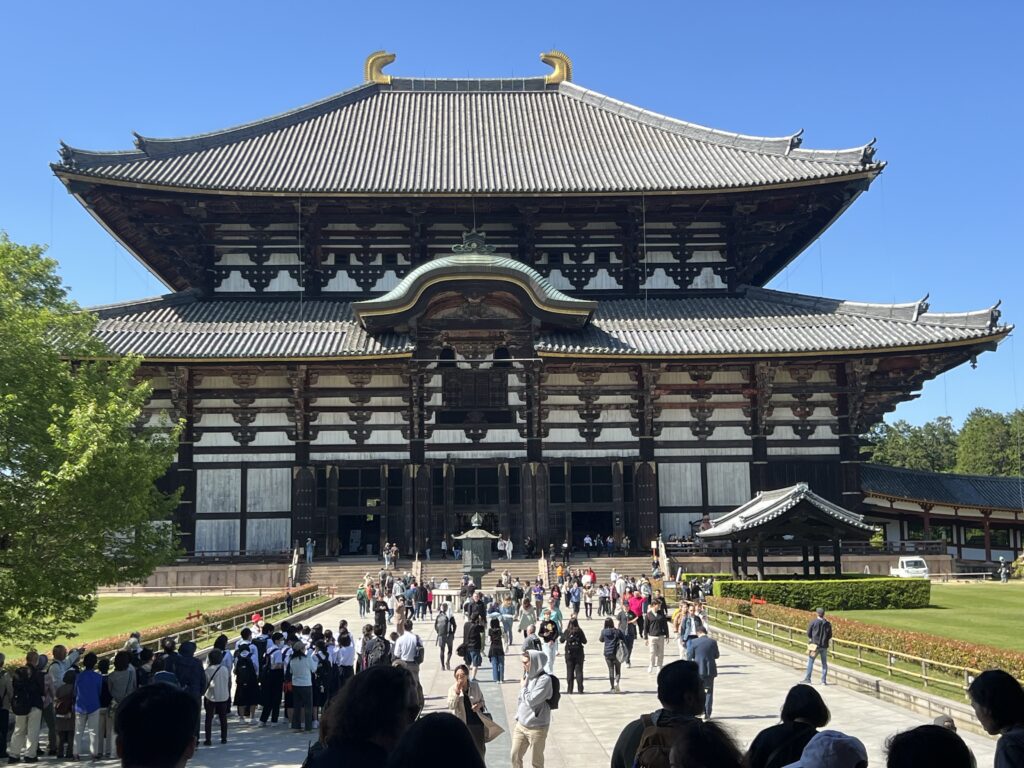
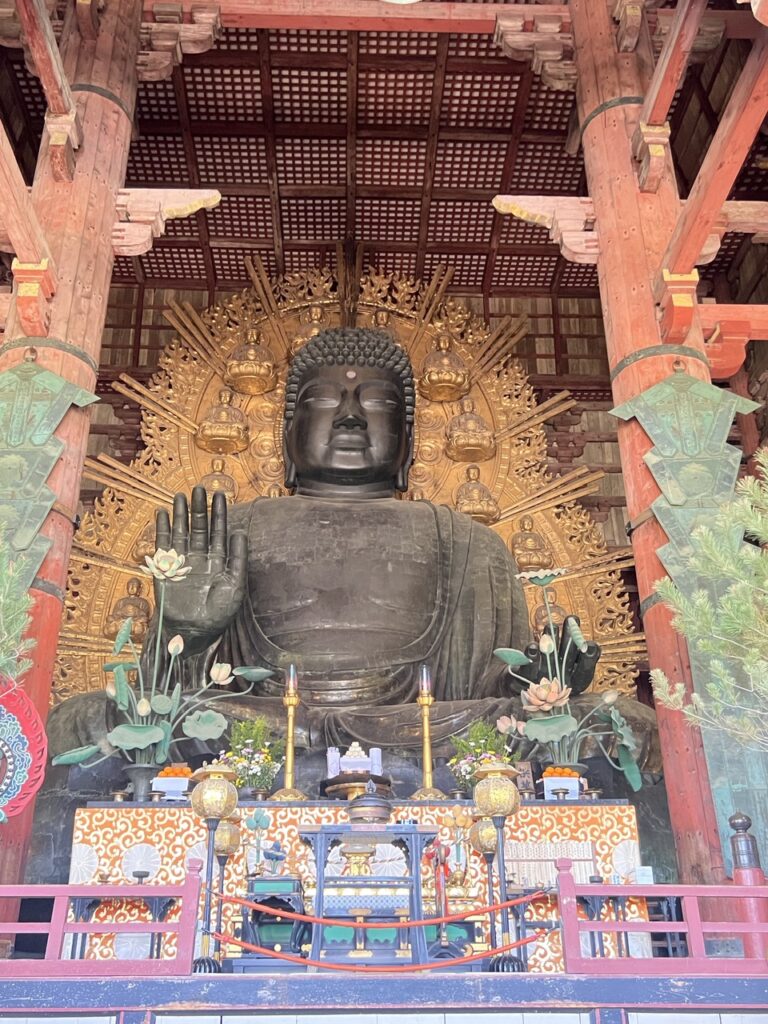
My old boss in Japan, Maenaka-san and his wife, Hideko. We’d not seen each other in over 35 years ! We enjoyed an amazing lunch at the historic Nara Hotel.Coffee followed, but I had tea. I was given a timer to tell when the tea had steeped sufficiently. Yes, that kind of detail at this hotel !One can’t walk through Nara Park without being accosted by the deer. Hundreds of them !Entrance to Todai-ji, Nara.Today-ji, known for its Great Buddha.Great Buddha, Nara.
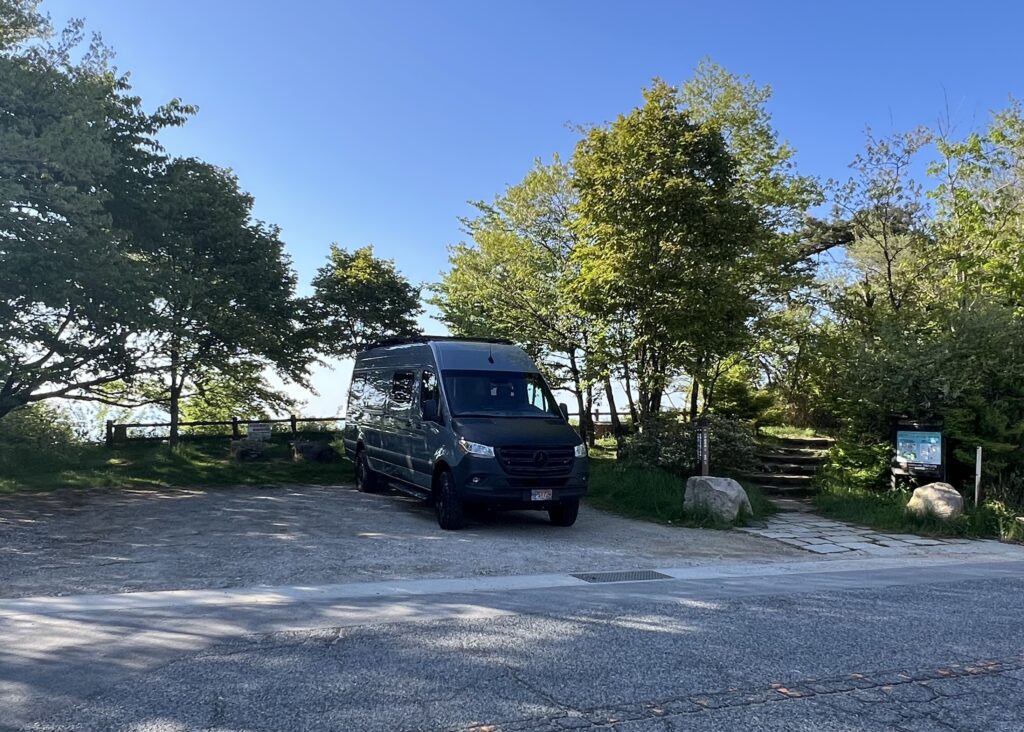
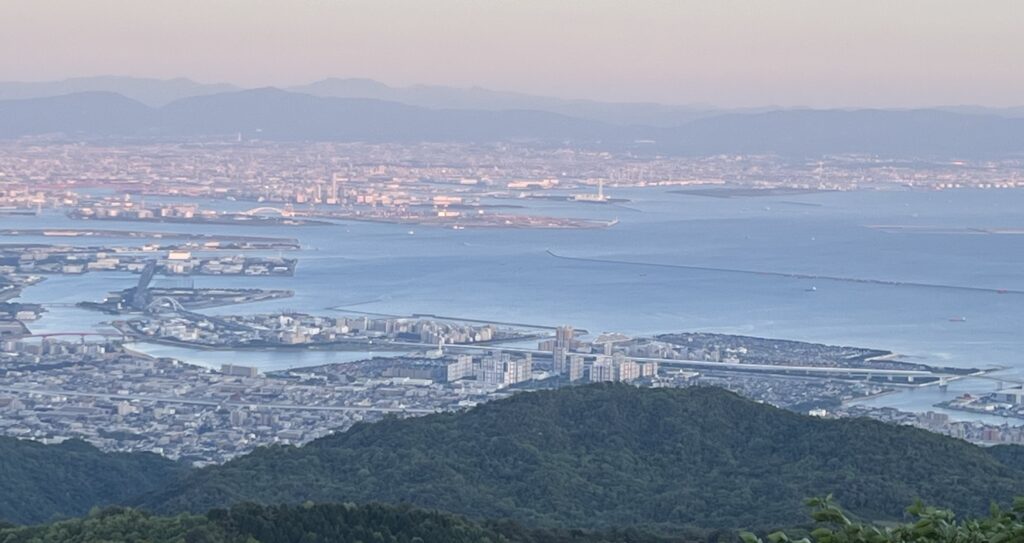
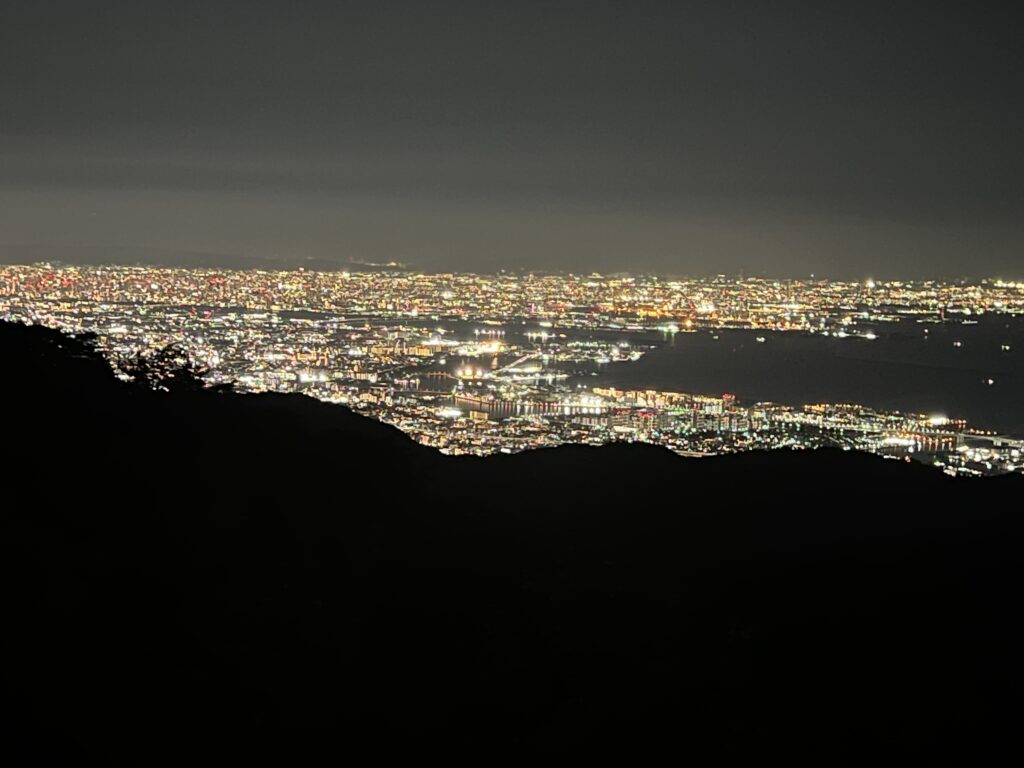
While I had worked mostly in Osaka, we lived ( and Lois worked ) in nearby Kobe. Of course no visit to Japan would be complete without a good walk down memory lane and after navigating some pretty crazy traffic between Osaka and Kobe, we managed to find a great place to park up for the night, high up on Rokko Mountain with a spectacular view over Osaka Bay and the surrounding cities. Probably one of the best camping spots in Japan so far.
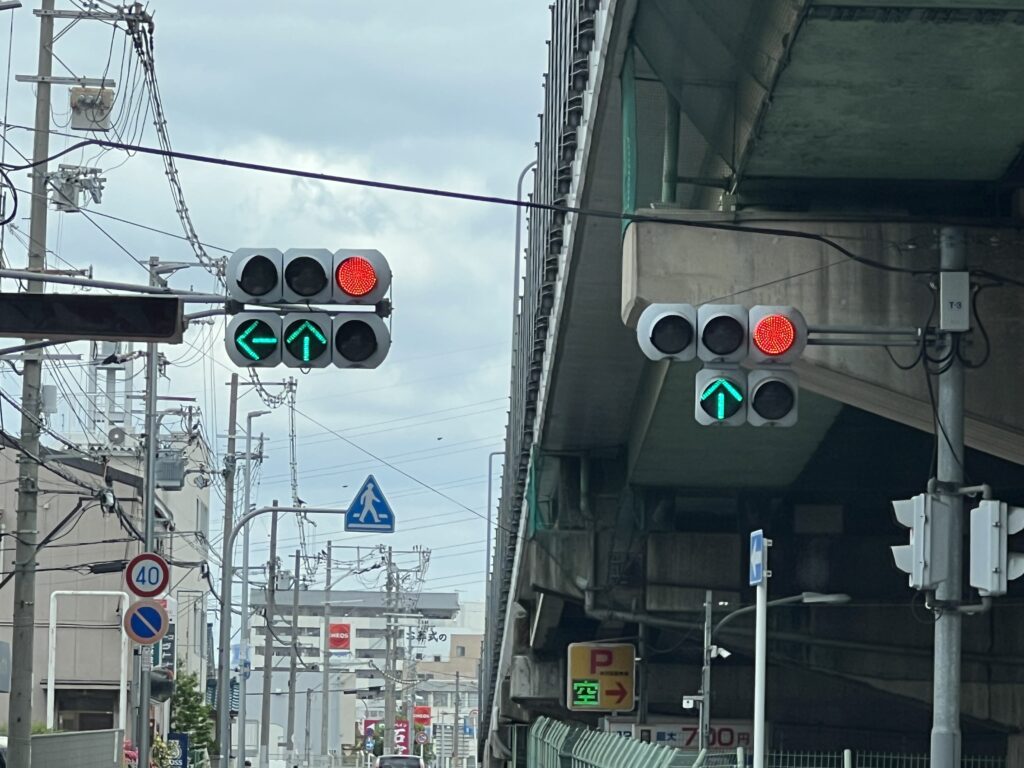
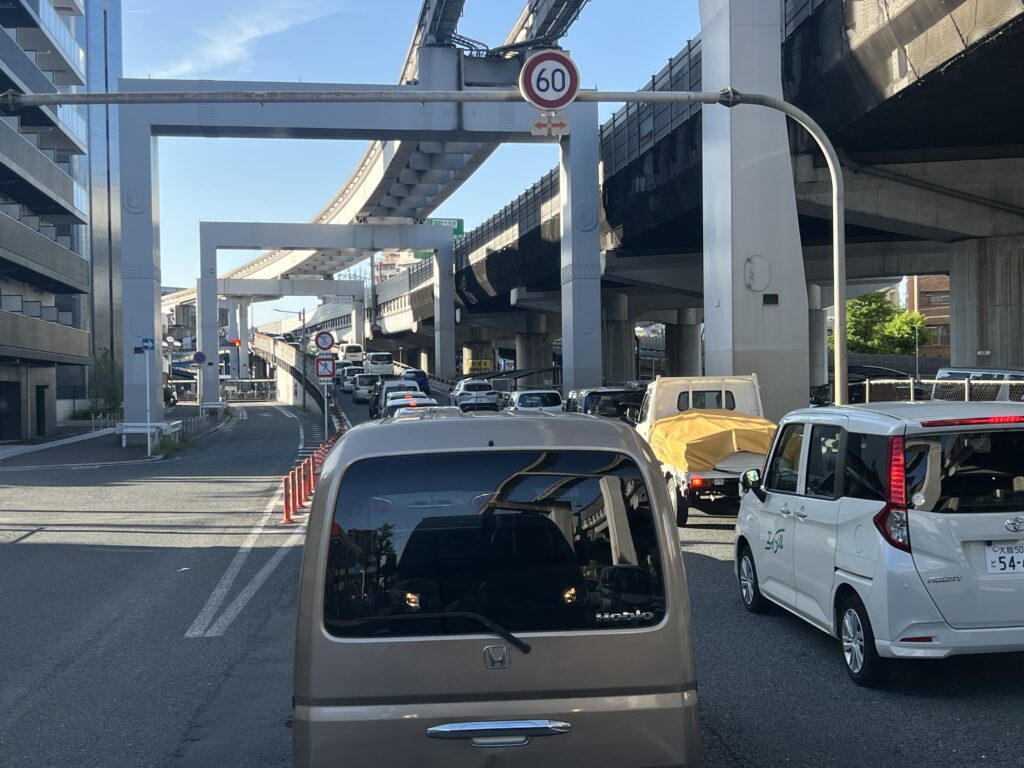
Confusing traffic lights in Osaka. Rather than a solid green with a red right-turn arrow, we often see this. Hmm.Caught rush hour, it was slow going.Camping spot on Mt Rokko, Kobe. The iOverlander app just continues to deliver great spots to stay.View by day, and…….…even more stunning at night.
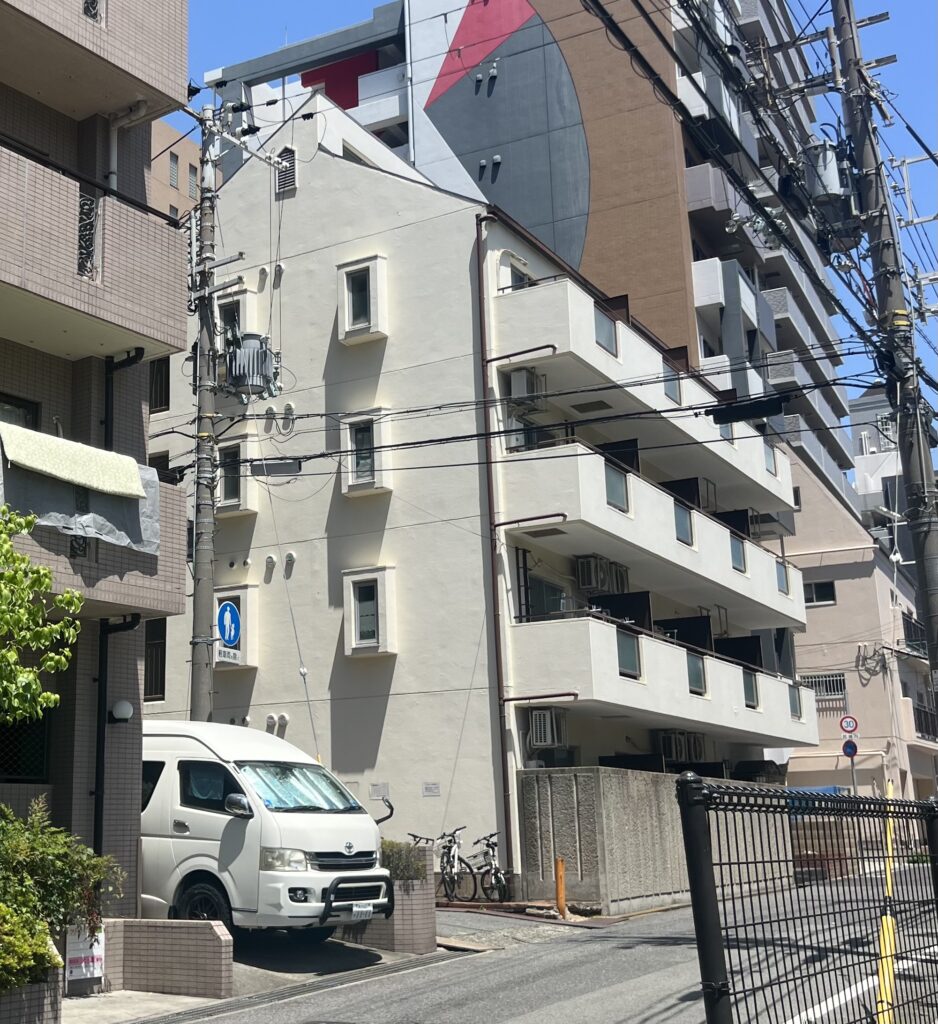
Sadly, the next day in Kobe was a little more problematic. We did manage to stop by and walk around our old neighbourhood and check out our old place (which remains largely unchanged). Given that the great Kobe earthquake occurred in 1995 and damaged much of the city, there was no guarantee our old neighbourhood would look as it did. The difficulty of finding a place to park our vehicle in Kobe meant that we didn’t get to spend as much time as we would’ve liked in the city. Some Japanese cities are just like that. What parking that did exist in the city ( at least that we could find ) was all designed for these new micro cars that everybody seems to be driving in Japan ! No room for us 😔.
Our home for over 3 years in Japan, top floor unit in “Atelier G” (at the time the Japanese had a thing for French names).
Leaving Kobe to the west one does not drive very far until the amazing new Akashi bridge comes into view. It was built just as we were leaving Japan, and now connects the Honshu mainland to the island of Awaji, which in turn forms a land bridge between Honshu and the island of Shikoku, the fourth of Japan’s four major islands. More on our travels in Awaji and Shikoku next blog.
Till next week….
Another “montage” of video clips from the week that was. Enjoy…….
The PanAm completed in April, 2022 and with the truck camper sold, we shipped our new Sprinter van to Australia in late 2022. We travelled there through all of 2023 and into 2024 before shipping it up to North East Asia where we travelled for 4 months between Korea and Japan, before shipping it back to North America. It’s our plan to continue exploring the world in 2025.