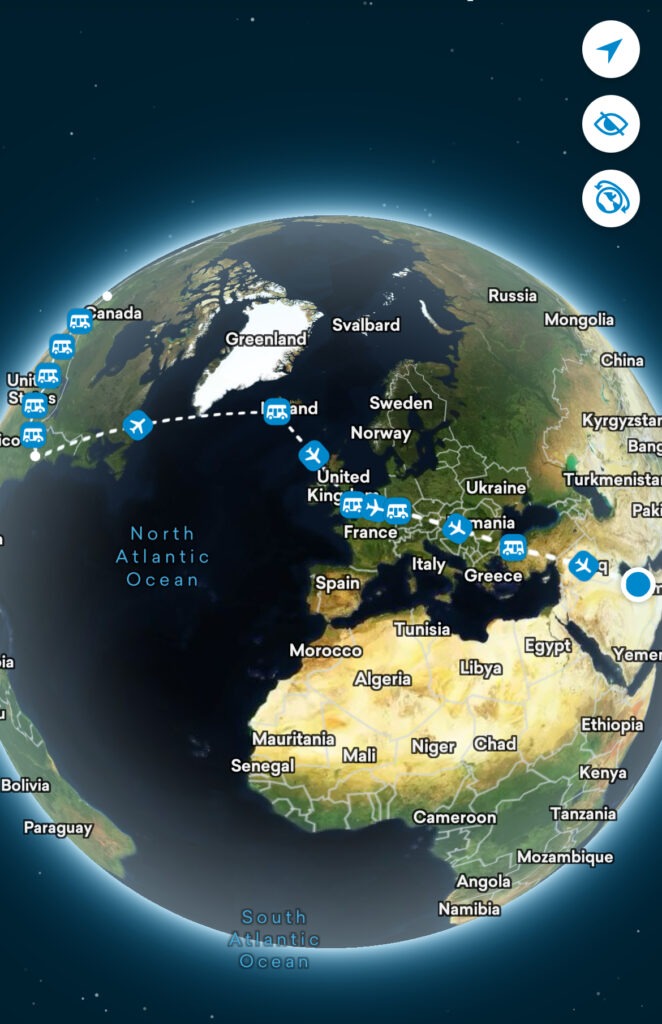
There were a few different considerations for our own travels once we parted company with the van in Baltimore. Since it was now early February and it would not get to Hamburg until late February ( with port calls at New York and Halifax en route ) we could :
A) fly home to Kelowna, wait out out the shipping transit, and then fly to Hamburg when it arrived – this involved considerable backtracking with even more lengthy flights, and more winter time in Canada, so seemed somewhat pointless. But this option would save us precious “Schengen” time in Europe ( more on “Schengen” later). Or, we could:
B) fly directly on to Europe and wander around ( in winter ) with no van to live in – this also seemed a bit foolish; why spend a fortune shipping your vehicle to Europe then travel around Europe without it? It would have also burned up over 3 weeks of precious “Schengen” time, something we were loathe to do without our campervan. Or, we could:
C) fly on from Baltimore to somewhere ( outside Europe ), somewhere ideally hot, ideally interesting, ideally reasonably affordable and, in a perfect world, ideally somewhere we had not explored before. Oh, and if we could use this 3 week interval to celebrate our (just passed) 40th wedding anniversary, well, that would just be the icing on the cake. Hmmmmm…….
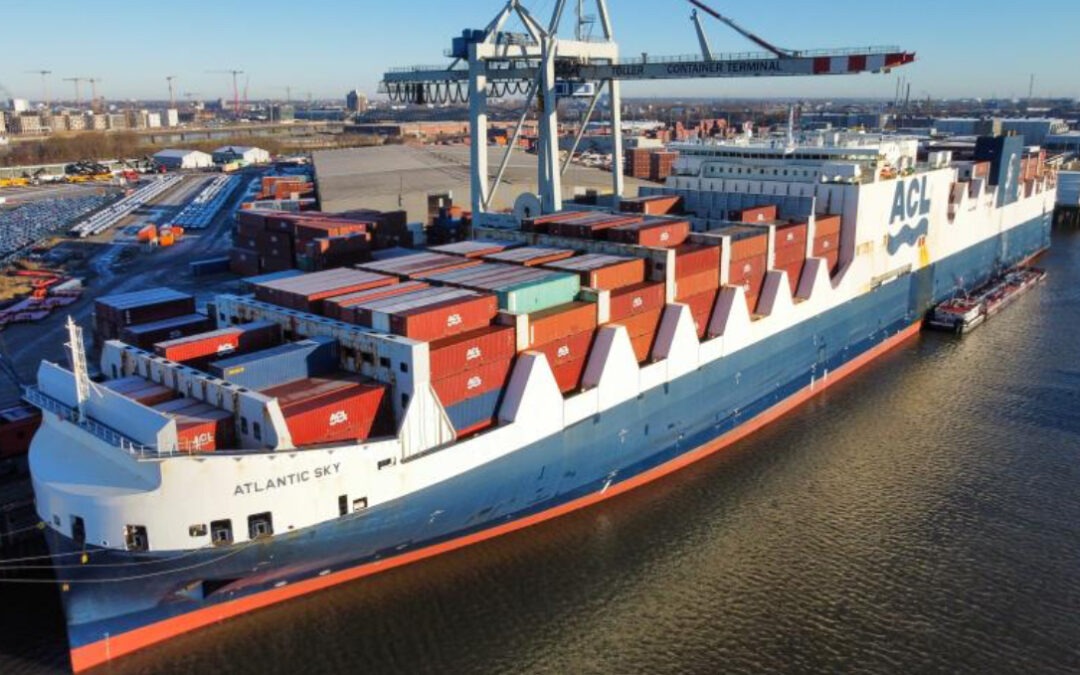
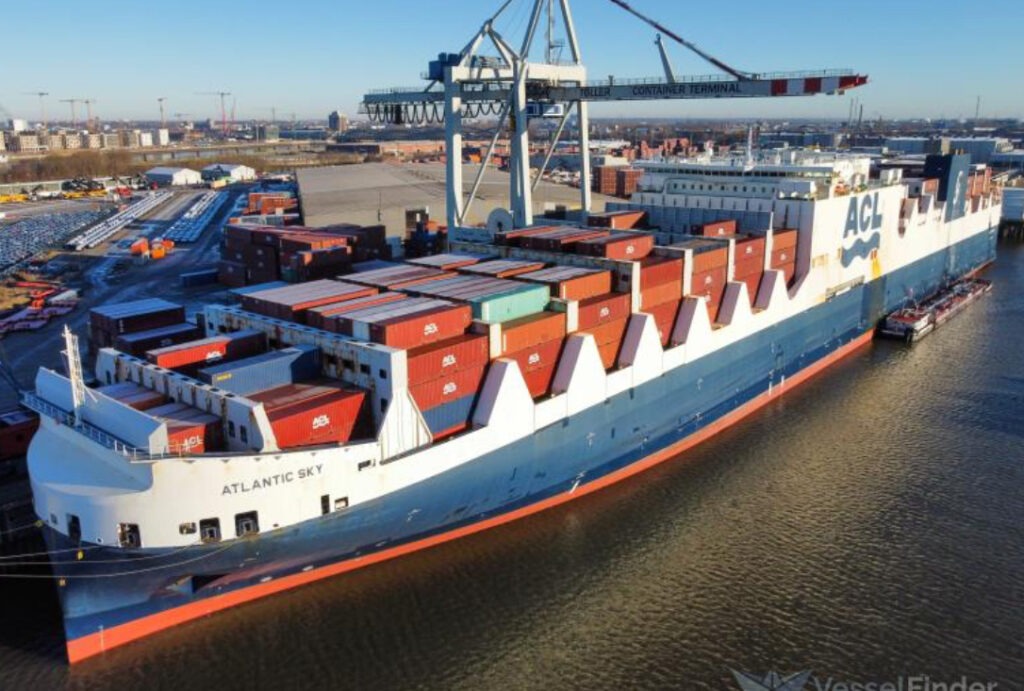
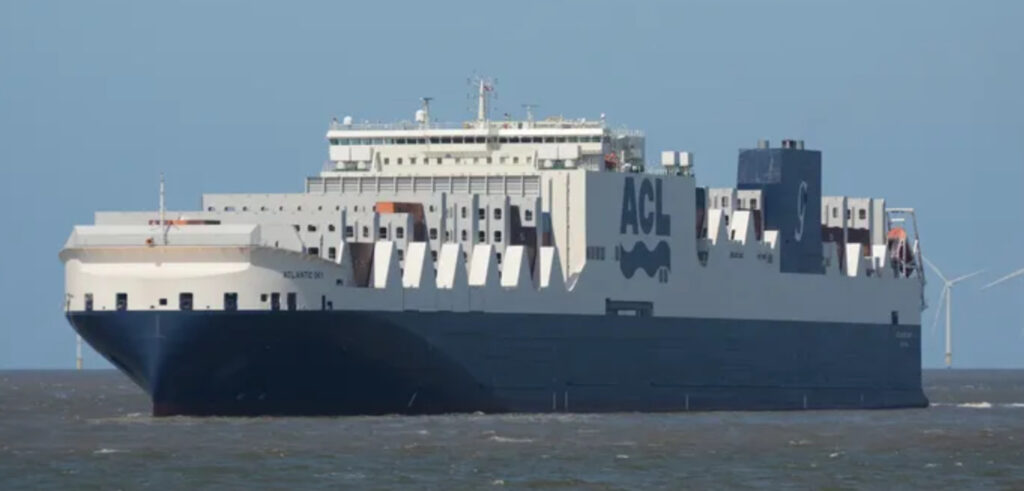
The Atlantic crossing taken by our van on the ACL ship “Atlantic Sky”.
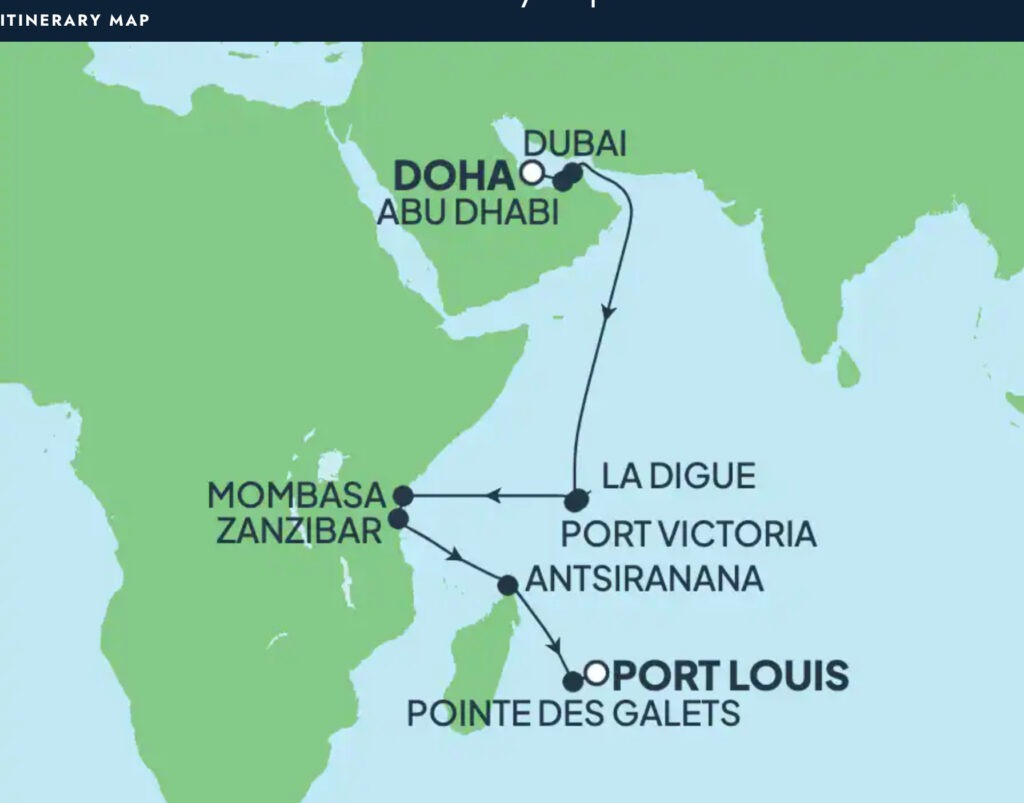
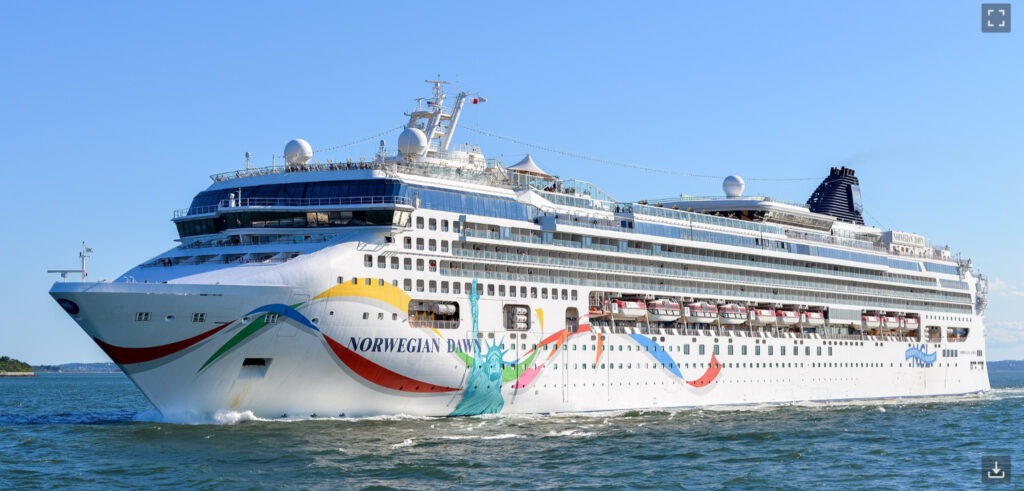
Anyway, Lois got to work on option “C” and in short order came up with what we both decided was a spectacularly creative option. We’d make our way to Doha, Qatar, where Norwegian Cruise Lines had an amazing Indian Ocean cruise that stopped in 7 different ports, ending in Port Louis, Mauritius. We’d spend 4 days in Mauritius after the cruise and fly direct to Hamburg after that to meet our van. Ticked all the boxes in “C” and, we felt, made for an appropriate 40th wedding anniversary gift to each other !
Cruise route, starting in Doha ( Qatar ) and ending in Port Louis ( Mauritius .
So, back to “Schengen”. For reasons known only to the “Eurocrats” in Brussels, non-European residents can now only stay in Europe for a maximum of 90 days in every ( rolling ) 180 days. Such are the tourism rules now in place, named after a small town called Schengen where the scheme was hatched quite some years ago. Meaningless to the average visitor who might spend 3 or 4 weeks in Europe but an absolute logistical nightmare for longer term travellers/retirees who would like to spend 6-12 months ( or more ) roaming around Europe in a campervan. I’ll spare readers the sordid minutiae but let’s just say it’s a major headache with no easy workarounds. People have been screaming about it for years but so far no changes- one must just work with it. With our time in Europe thus rather precious as a result, you can see why we did not want to wait out the van transit “in” Europe. A Middle East detour and Indian Ocean cruise just made much better sense.
Very much looking forward to this…!
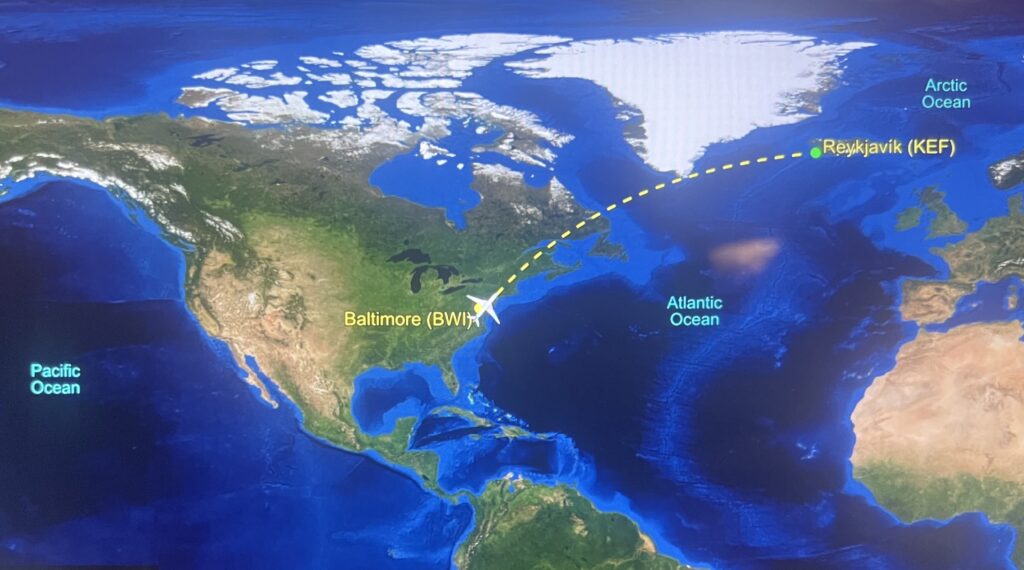
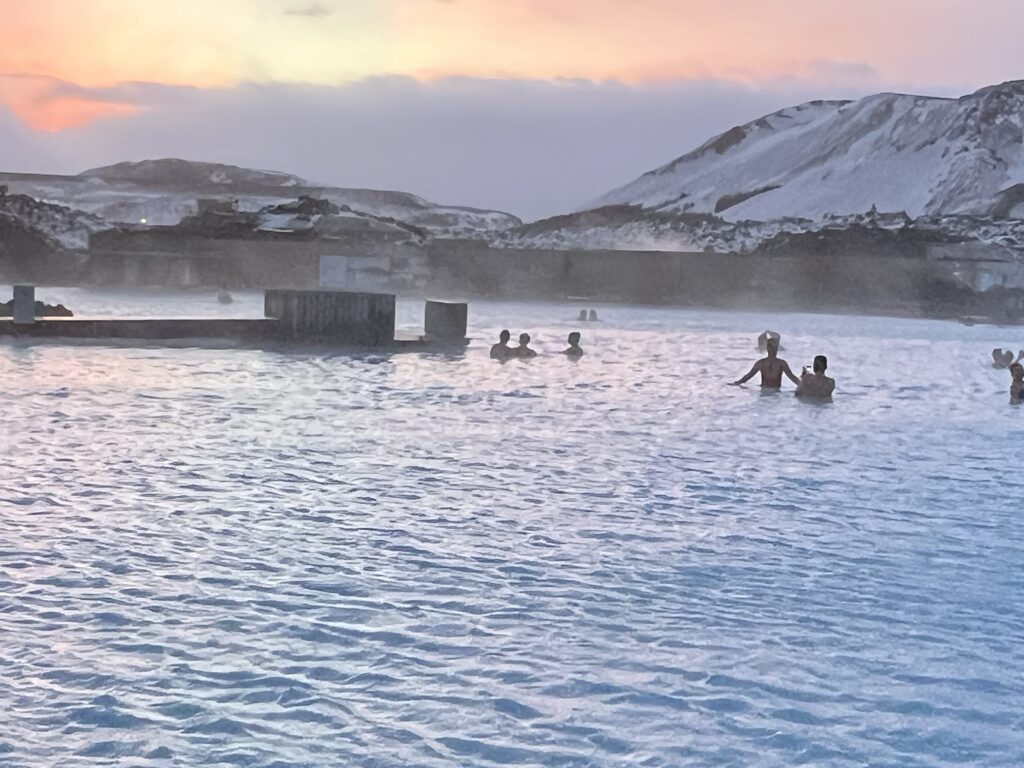
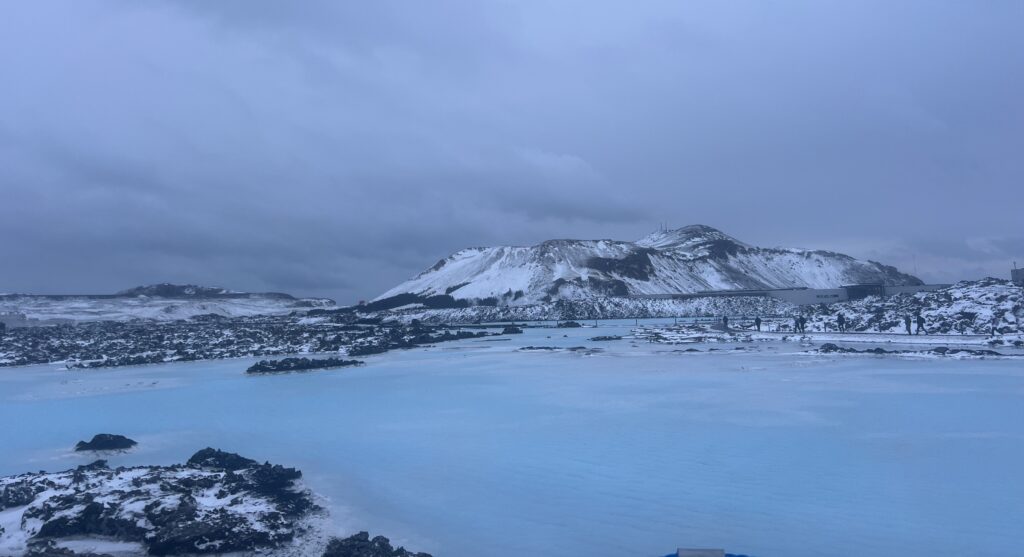
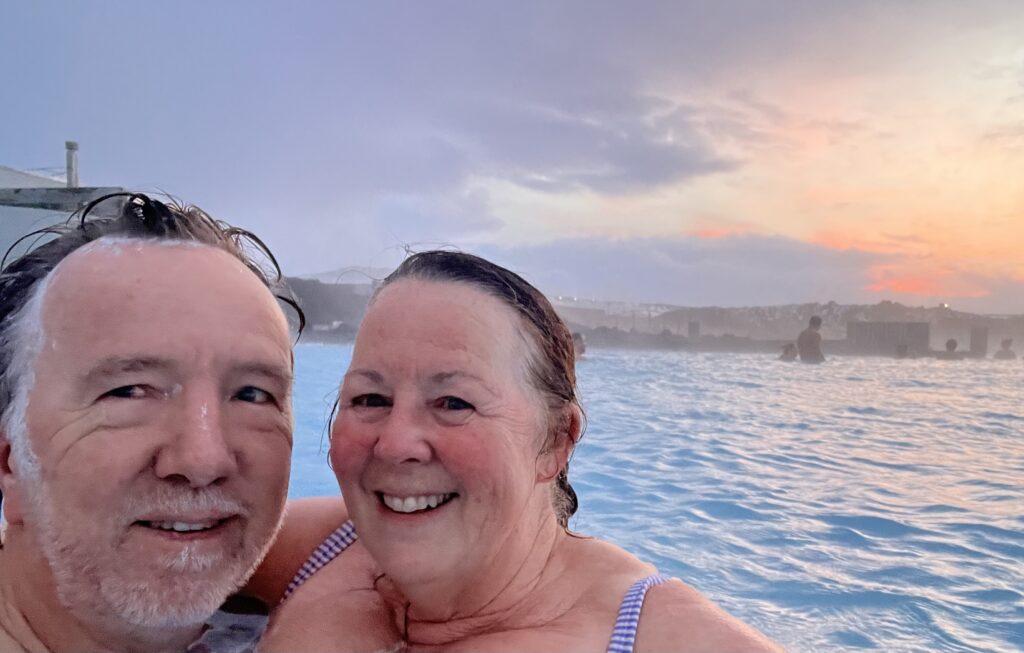
Route chosen, we flew out of the US the day after dropping the van at Baltimore port – first stop Iceland. Iceland ? In winter, you ask ? Granted, not the best time to be there but Icelandair offer a great deal to many cities in Europe with a free stopover in Reykjavik – time enough, at least, to experience its legendary Blue Lagoon. More importantly, Iceland is in the Schengen zone so even a 1 day stopover there starts the clock on the 180 day Schengen rule, a factor which could be very significant to us later this year when we want to return to Europe ( we’ll likely fly home for a summer break at some point ). Alas, the weather gods were having none of our plans and freak wind storms in Iceland caused the cancellation of our departing flight from Reykjavik, completely altering our onwards stopovers. It also very much limited what we could do while in Iceland – no rural drives like we had hoped, no “Golden Circle” loops, just the Blue Lagoon experience ( which was wonderful ) and some sightseeing in and around Reykjavik. The revised route onwards to Doha sadly also forced the elimination of a planned stopover in Muscat, Oman. Icelandair rerouted us via London and Frankfurt and eventually we made it to Doha still giving us 4 relaxing days to explore the city before the cruise. Finally somewhere warm – Doha was delightful and we enjoyed all its Middle Eastern charms !
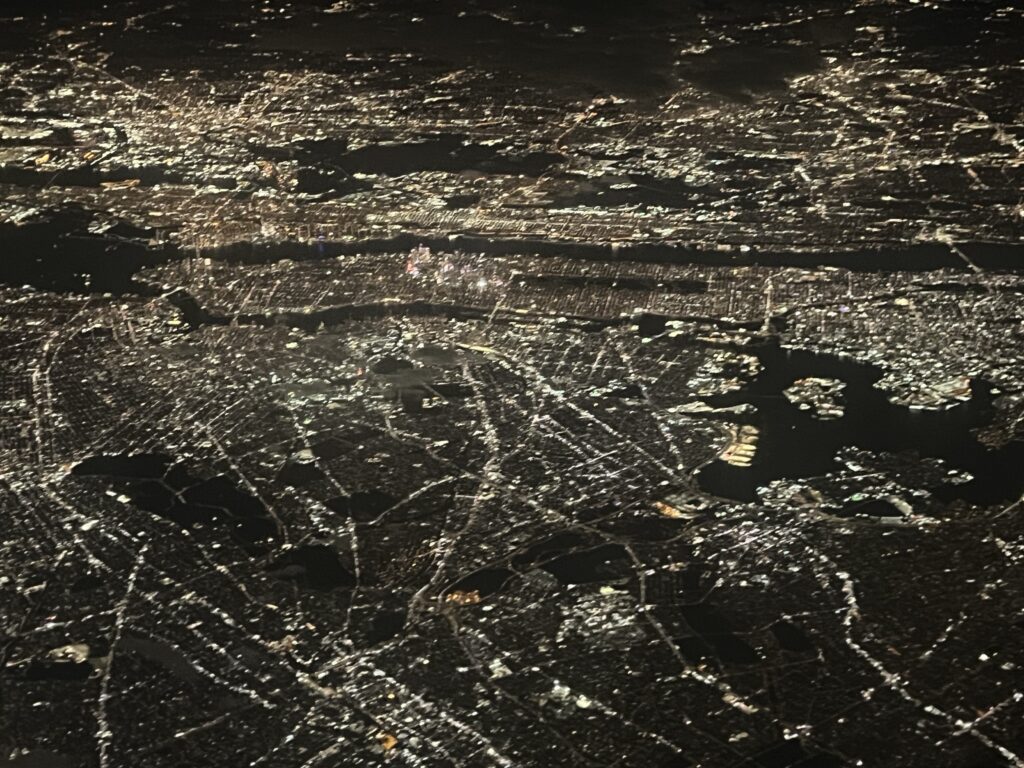
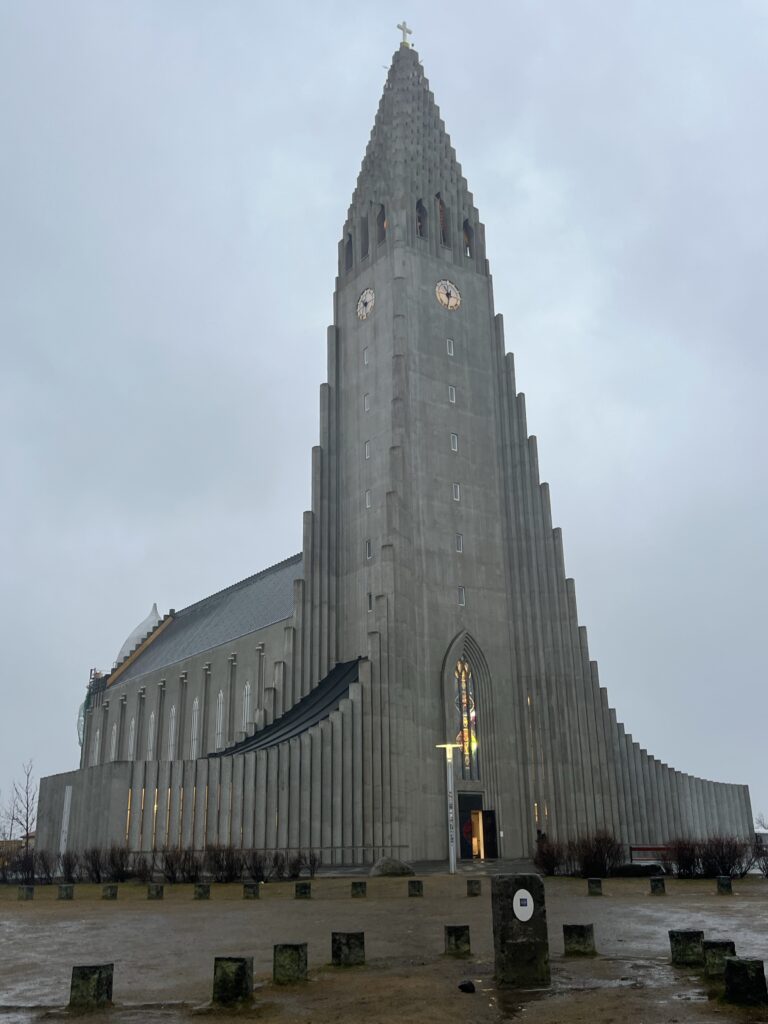
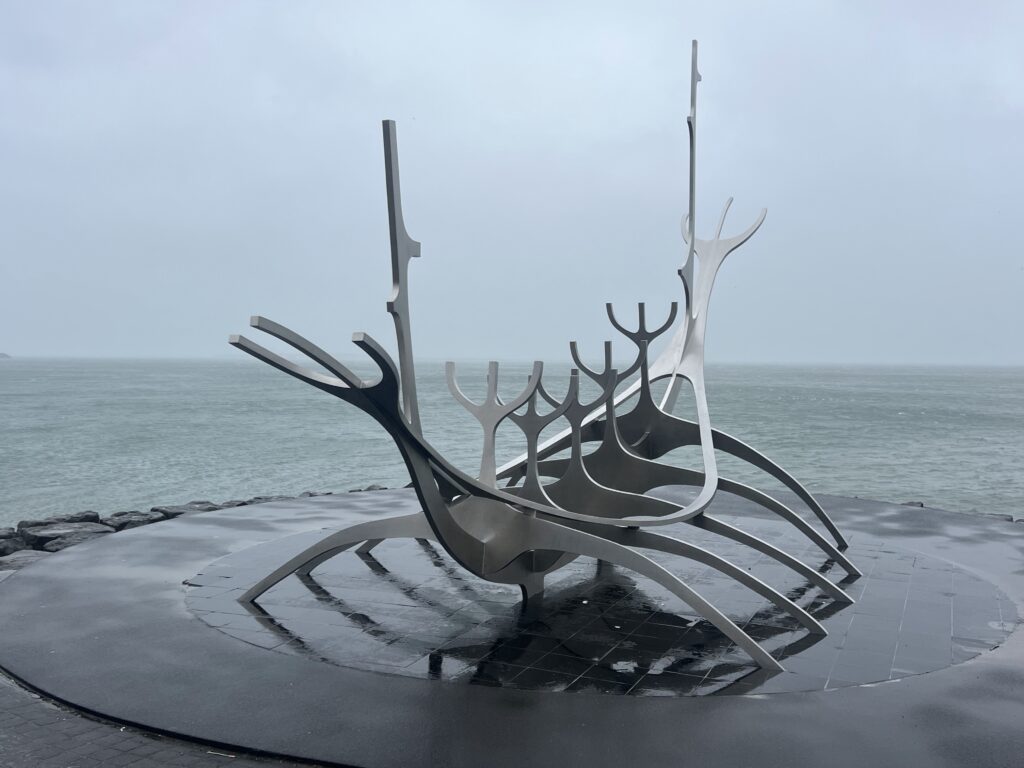
Flight path to Iceland.Stunning view of New York City at night as we flew directly above it en route to Iceland.The Blue Lagoon – amazingly relaxing, includes a swim up bar !Around the Blue Lagoon. A typical winter day in Iceland, only very short hours of sunlight.Blue Lagoon. Remnants of the white “mask” are visible – a treatment given for the skin which is included in the admission.Famous Hallsgrimkirkja ( church ) in Reykjavik.Marine sculpture, Reykjavik.
After a very cold drive across the USA, followed by cold and extremely windy weather in Iceland, it was really nice to reach Qatar and have time to relax in some warm weather. One other advantage of taking the slow route is that we completely avoided any jet lag. With 13 days to cross 12 hours of time zones it’s the first time we’ve ever travelled this far and NOT been wiped out by jet lag at the end of it.
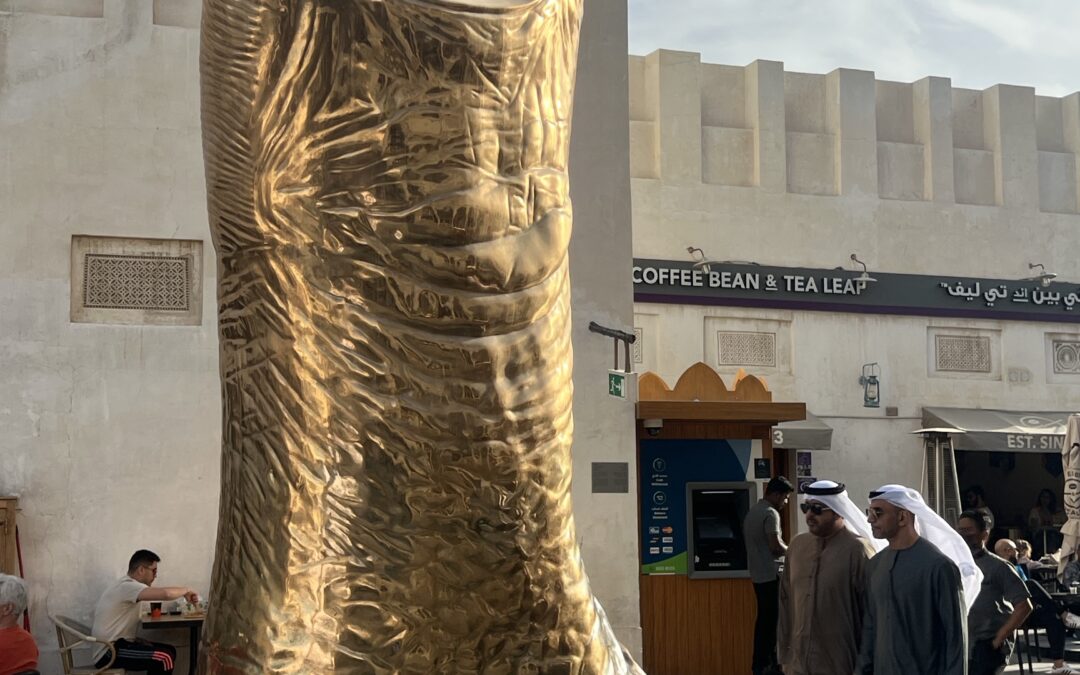
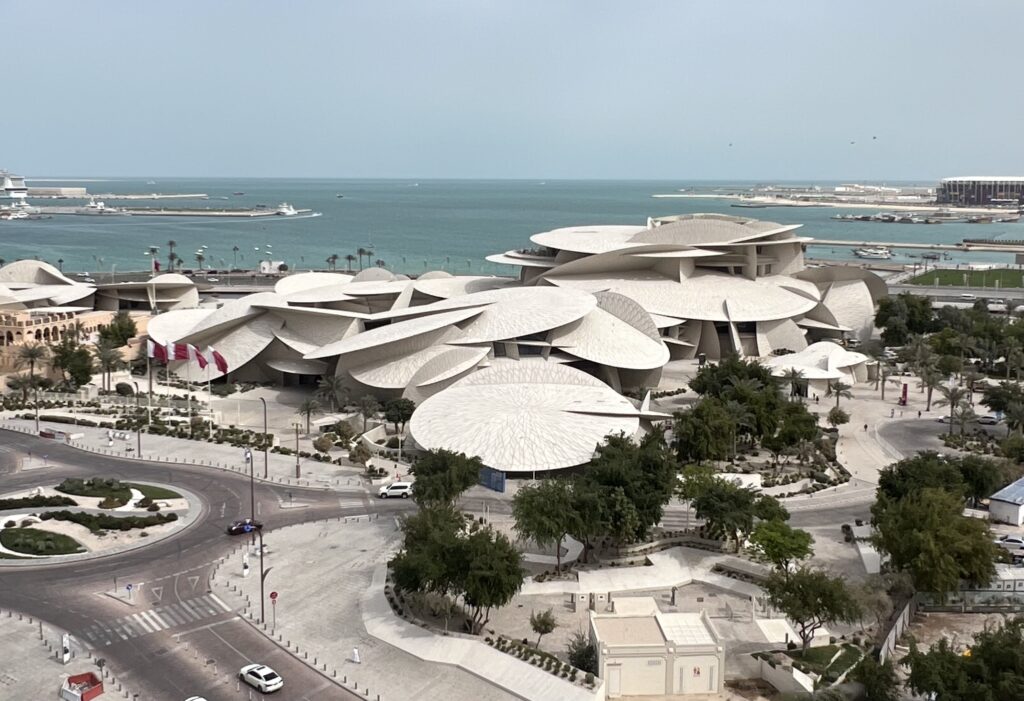
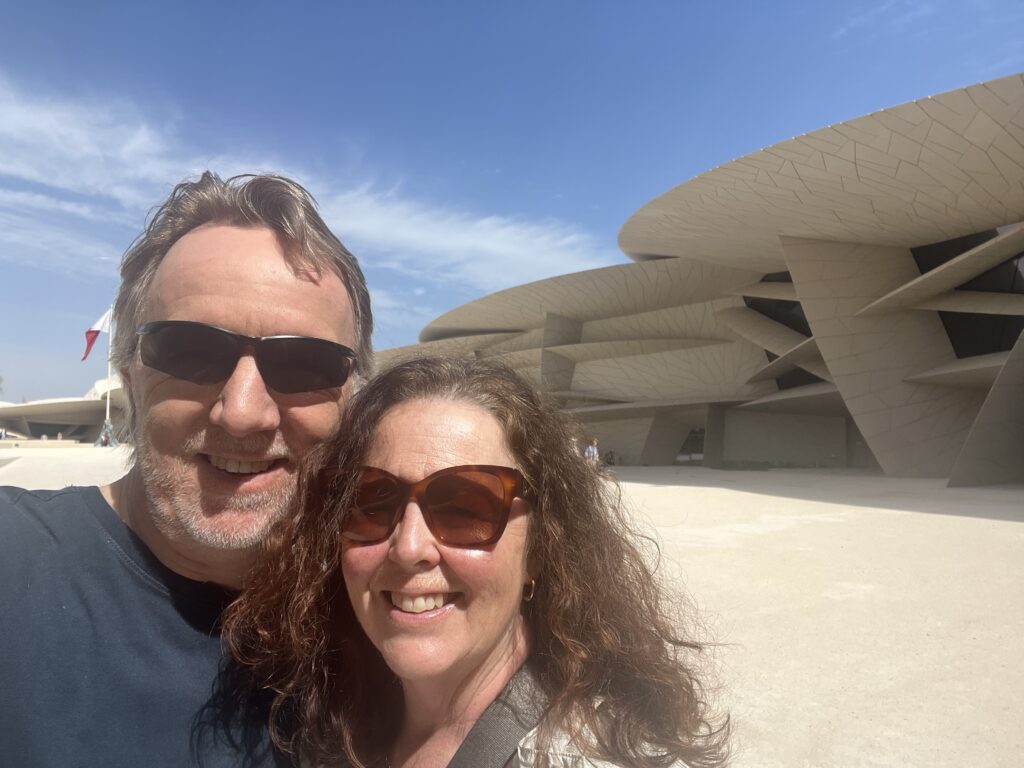
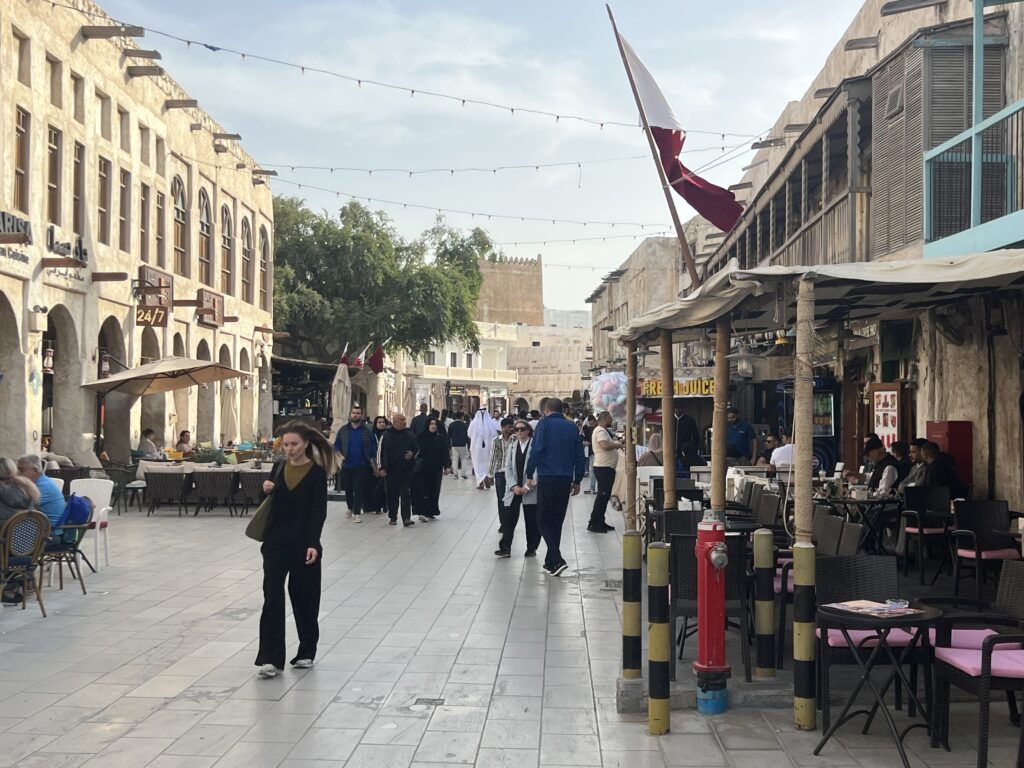
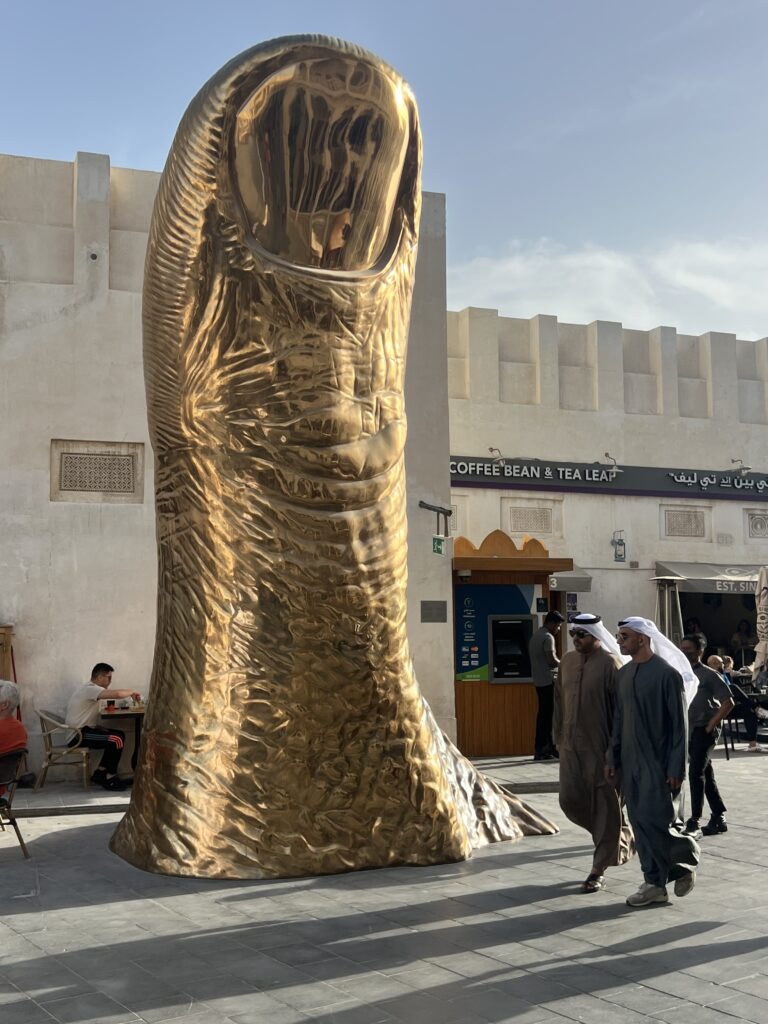
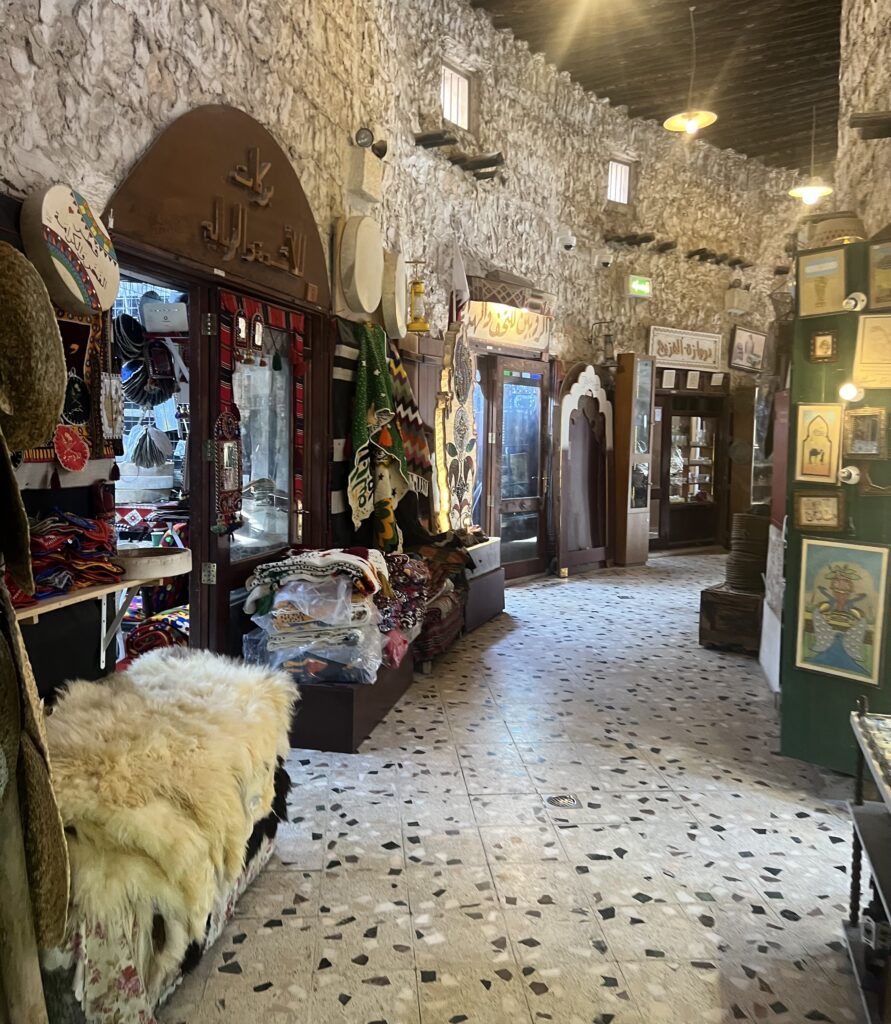
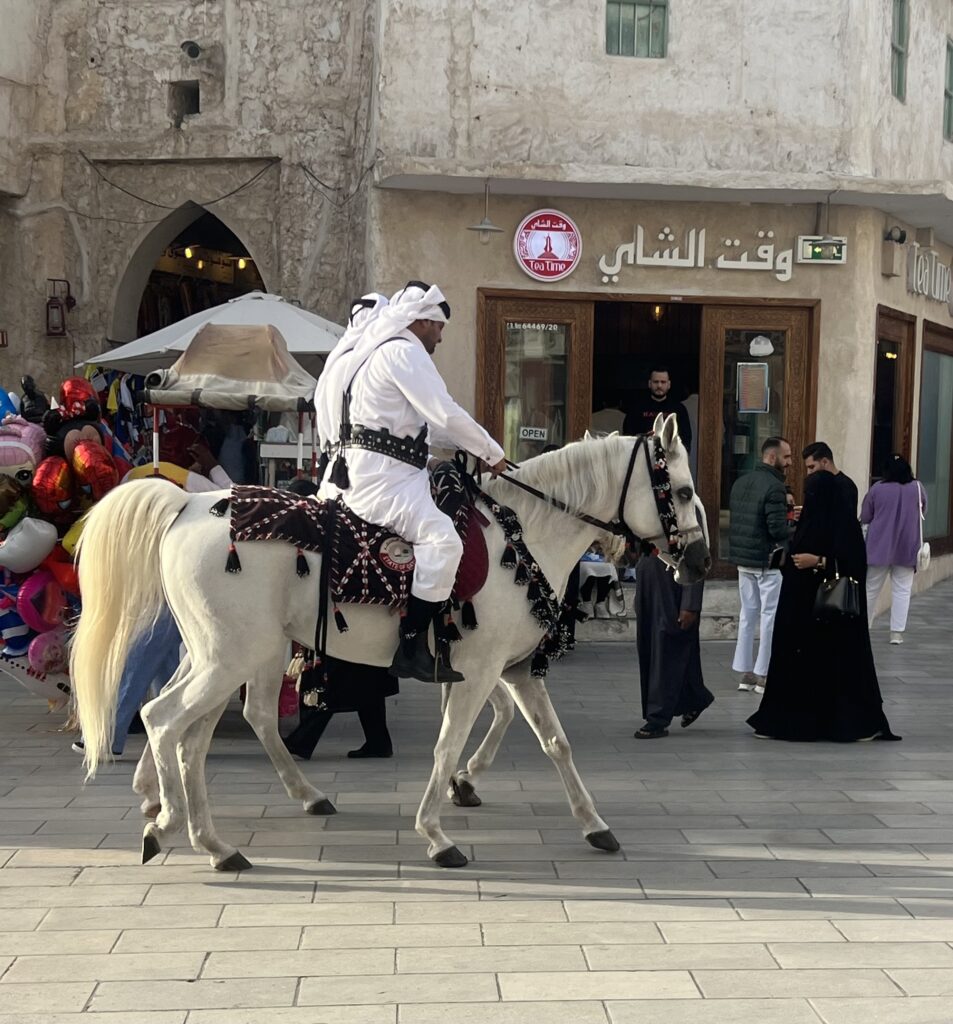
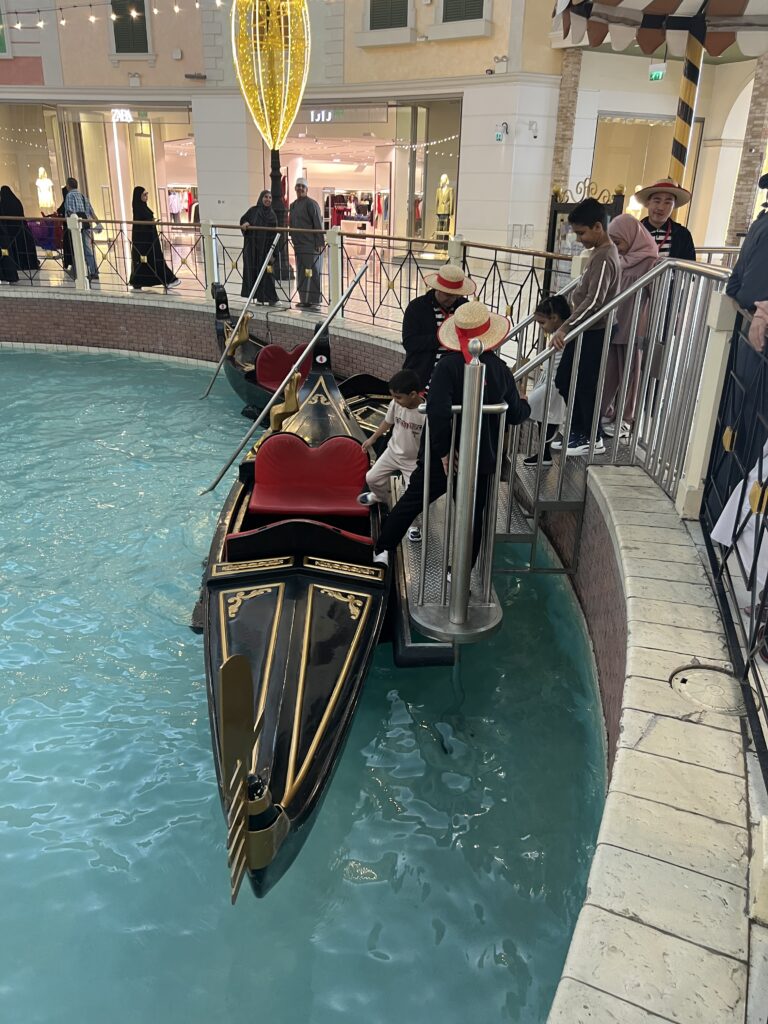
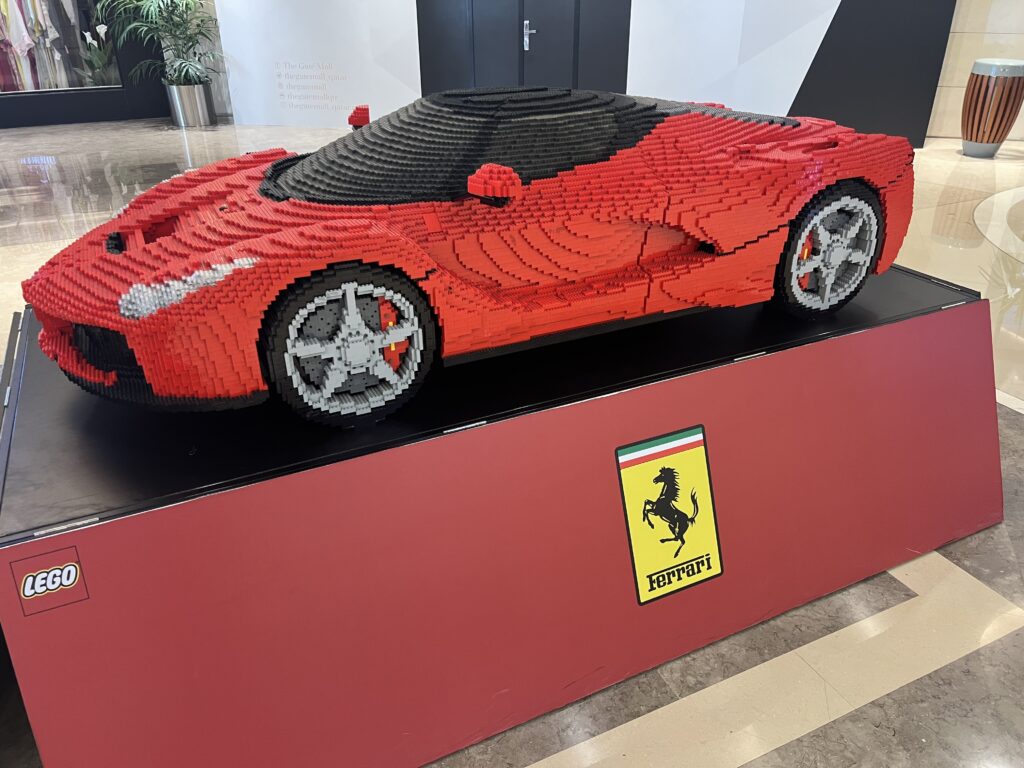
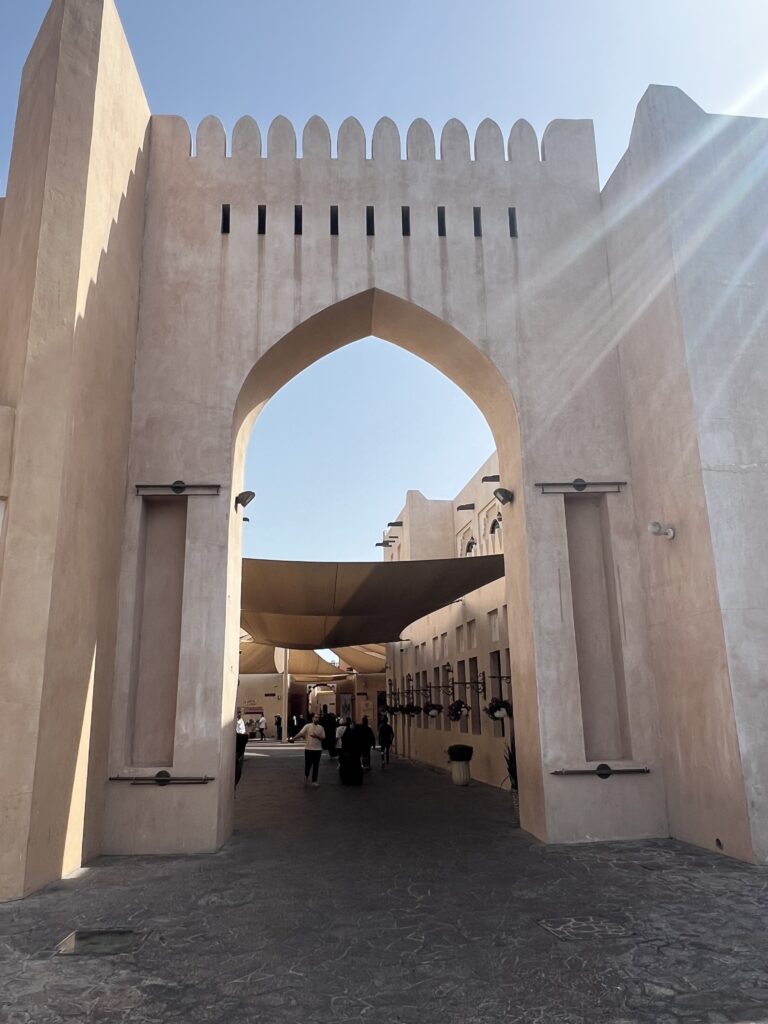
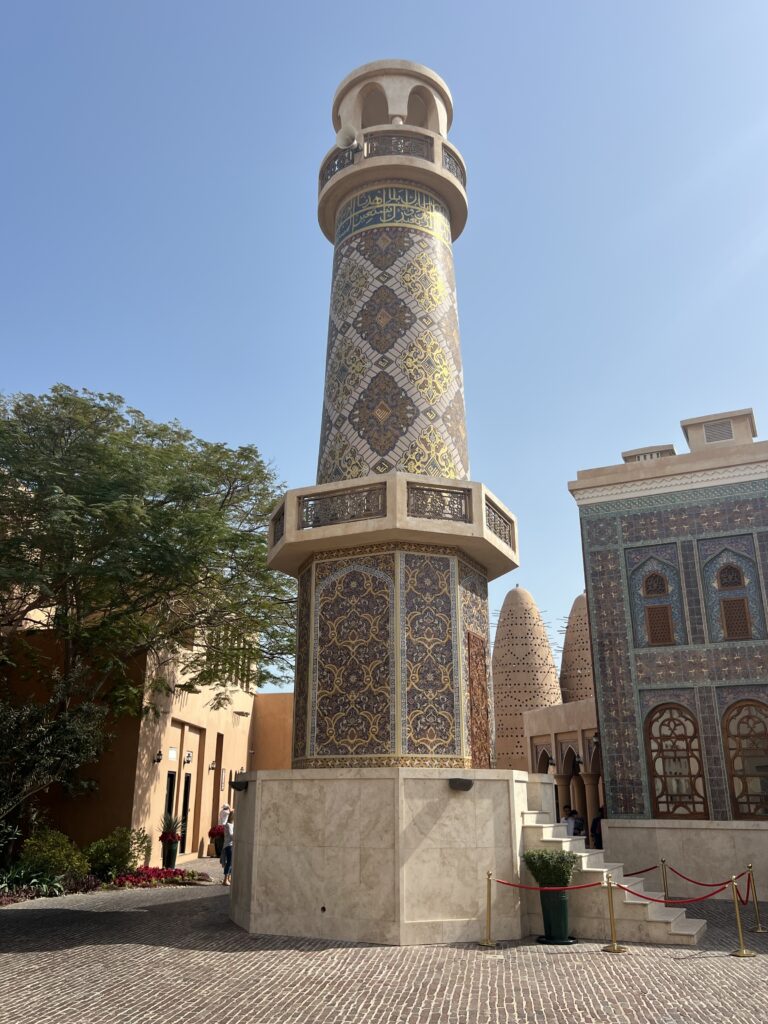
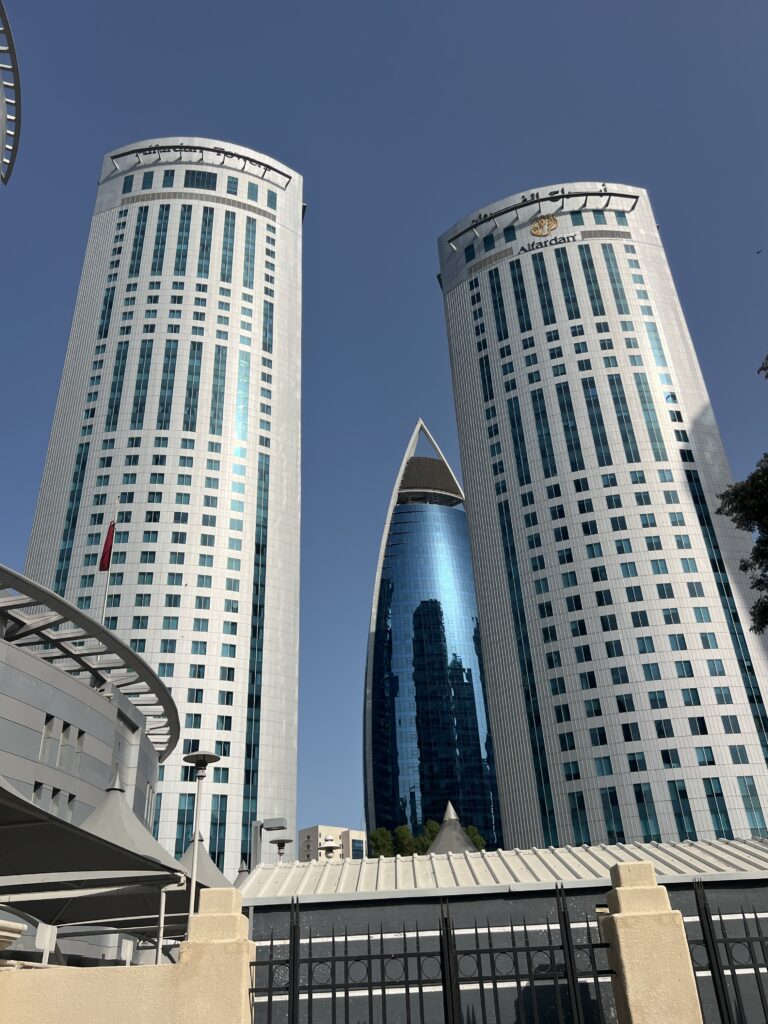
View out to the cruise port from our hotel which was right beside Doha’s striking National Museum building.Selfie time !Souq Waqif, one of Doha’s most popular markets.“Pouce” ( thumb ) sculpture. Based on a cast of his own thumb, Cesar Baldaccini’s iconic art work sits ( oddly enough ) right in the middle of Souq Waqif.Alleyway, Souq Waqif.Mounted security in traditional wear, Souq Waqif, Doha.Fruit vendor, Souq Waqif.Famed for its falcons, there is a falconry centre right in the Souq.Falconry centre,Souq Waqif.Doha has some impressive malls, one called “Villagio” with a Venice theme. Every luxury store imaginable for those so inclined !….and for the kid who has everything !Katara Cultural Centre, Doha.Ornate minaret, Katara, Doha. Always nice to listen to the muezzin as he calls the faithful to prayer.Like other Gulf states, Qatar has some impressive and unique high rise buildings.
After 4 delightful, relaxing days here, our cruise ship pulled into port. So nice to see it – excited to be jumping aboard !
Warning: This is a dry and rather technical read on the process of shipping out of the US and not likely of ANY interest to the casual reader ( you have been warned ! ). I include it in the blog series more for the benefit of those among our readership ( I know of a handful, but there are likely more I don’t know of ) who are planning to ship their vehicle abroad. I know I always found it hugely useful to have the benefit of someone else’s recent experience whenever I was shipping in an area I was not familiar with, so just “paying it forward” here.
ACL’s “Atlantic Sky” would take our van to Germany. The ship differs from past carriers in that it is a combination container/RoRo vessel. Containers on top, vehicles below.
The passage from Baltimore to Hamburg was certainly not our first rodeo, as they say. In fact this would be our 7th international vehicle shipment and our second one shipping out of the US (as well, our second experience with the port of Baltimore specifically) – it’s fair to say, then, that I felt pretty comfortable with what was in store. Little did I know that things would quickly, and dramatically go briefly VERY sideways !
The shipment booking with Sea-Bridge was very easy and I was instructed to visit their preferred freight forwarder near Baltimore port to present my passport and original vehicle ownership documents on the Monday prior to sailing. With that, and payment of $315 USD in port charges, I was to have received a “dock receipt” allowing me to deliver the vehicle to the port ( with an escort – always with an escort ! ). It would then be customs cleared before being loaded on the ship a few days later. Pretty much exactly as I had done before, both in the US and elsewhere. Or so I thought.
Not this time. Not even close ! The passport was fine, but upon presenting my original vehicle registration documents to the freight forwarder I was told ( in no uncertain terms ) that :
A) they were NOT originals, and
B) they were not even “ownership” documents, but rather “insurance” documents, and
C) there was no way customs (at the port ) would accept them.
Seriously ? They were original ( but did include reference to insurance – just the weird way things work in British Columbia ), had always been accepted before ( at 6 previous ports, including 2 in the US ! ) and in any case there were no other, alternate, documents I could provide. She was adamant and was ready to halt the whole process right there. There was no convincing her otherwise. I begged her to just charge me the $315, issue me the dock receipt and leave me to fight it out with US Customs. I was again assured I would be wasting my time, and that US Customs was very strict…..but hey, if I wanted to waste my time and money then they would happily take my money ( but “no refunds” if US Customs rejected my documents, I was warned ).
Stunned by the rejection of my documents I’ll confess to being more than just a tad nervous as I next met up with the port escort and proceeded to the port. I need not have worried- US Customs were ( as they always had been before ) fast, friendly and efficient and stamped my shipping documents “Approved for Export” without any drama at all. To say I breathed a huge sigh of relief would be an understatement – for a couple of stressful hours there I really was worried that our Europe campervan plans would come unstuck before we even left the US !
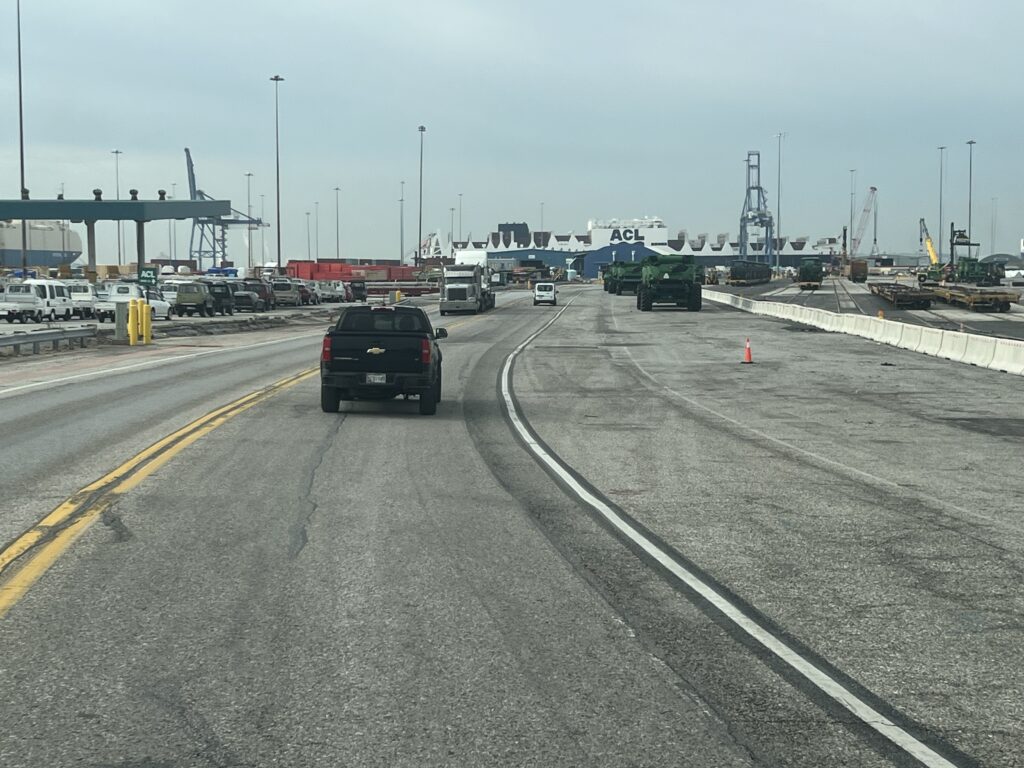
Following my port escort, Karen, through the massive Baltimore port to the loading area.
With that behind us, the rest of the day went exactly as planned and exactly as it had at the other US ports. The Ports America staff checked the VIN against my ownership documents, examined the vehicle for damage ( I took pictures at that stage to confirm it was damage-free when handed over to their care ), and applied a destination sticker to the windshield to ensure loading on the correct vessel. I was handed a “gate receipt” proving I had dropped the vehicle and, along with my escort, was now free to leave the port. Almost 4 hours in total but 1.5 of that was due to us just catching their lunch hour. Not the fastest, but in many places it takes even longer. Happy just to have it all done – now just to wait and hope it arrives in Hamburg in the same condition we left it 🤞🤞🤞.
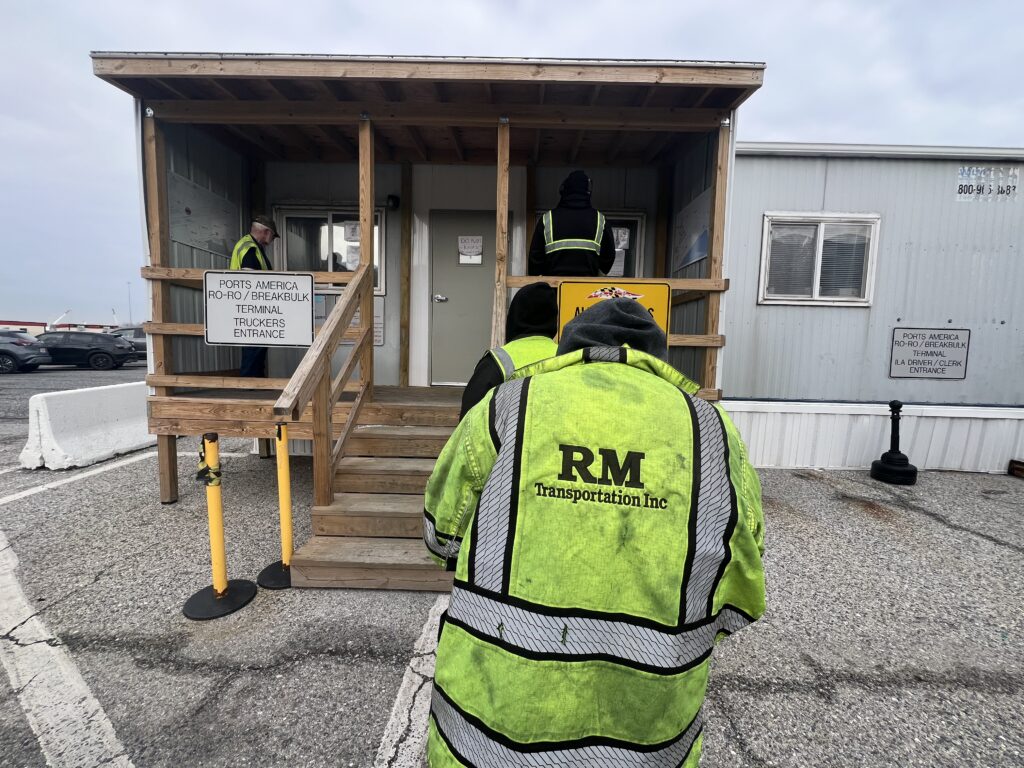
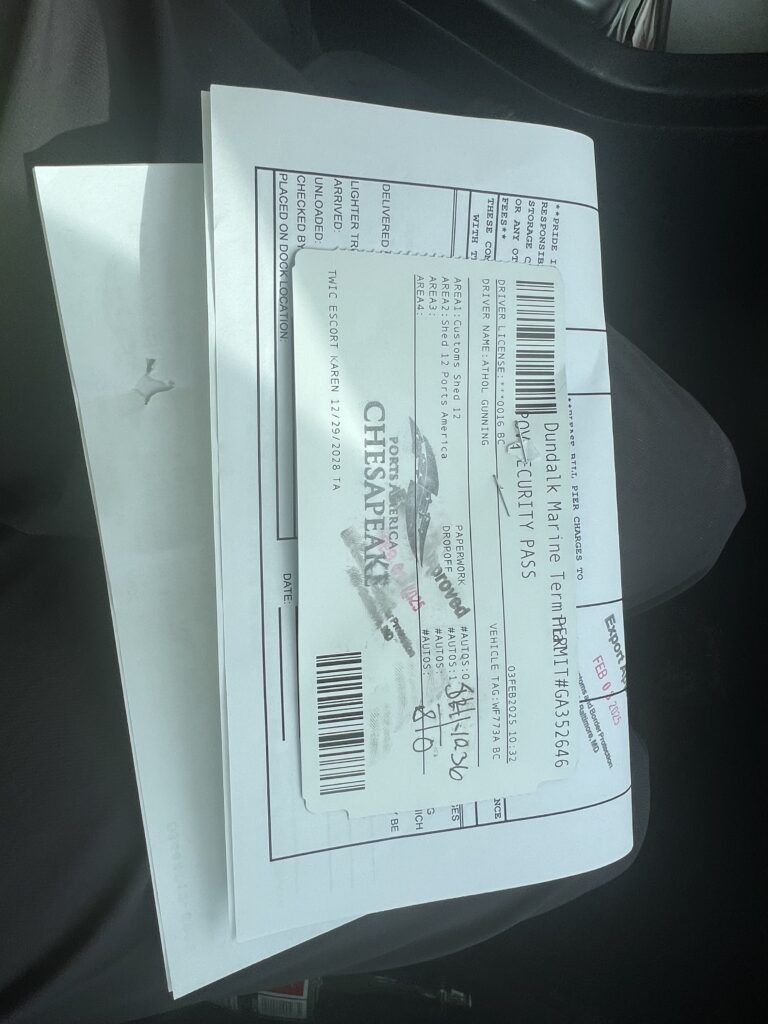
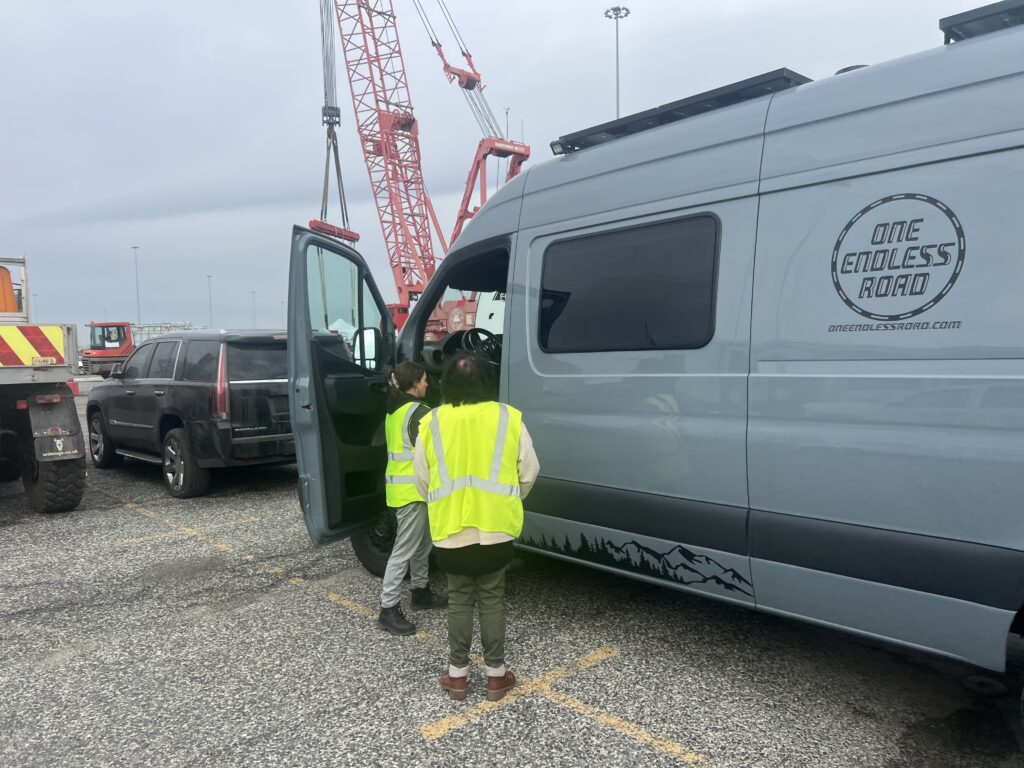
Line up at Ports America RoRo office for vehicle documents.Documents are provided to enable us to enter and leave the port and to confirm US Customs has given “export” clearance. Kind of weird to think that taking a van to Europe counts as an “export” ! They also confirm that Ports America has received my vehicle in good order ( hopefully I get it back like that ).Once documents were issued, the Ports America agent comes out to match vehicle documents to the vehicle VIN and inspect for damage. They also put a sticker on the windshield indicating which ship it is to be loaded on and which port it is to be unloaded at.
Some other items of note for those reading this who may be using Baltimore to ship out from:
A) my port escort advised that they do conduct random full vehicle inspections, but if one was going to be done on ours it certainly did not occur while I was there. Of course they have access to it for the next 5 days so who knows whether it is done later or not.
B) we moved just about everything from inside the van to the lockable rear “garage” area of the van. That way no one has access until we collect it in Germany. While port security is good, the fact remains that your vehicle sits for days with the doors unlocked – better to secure your inner cargo in our experience.
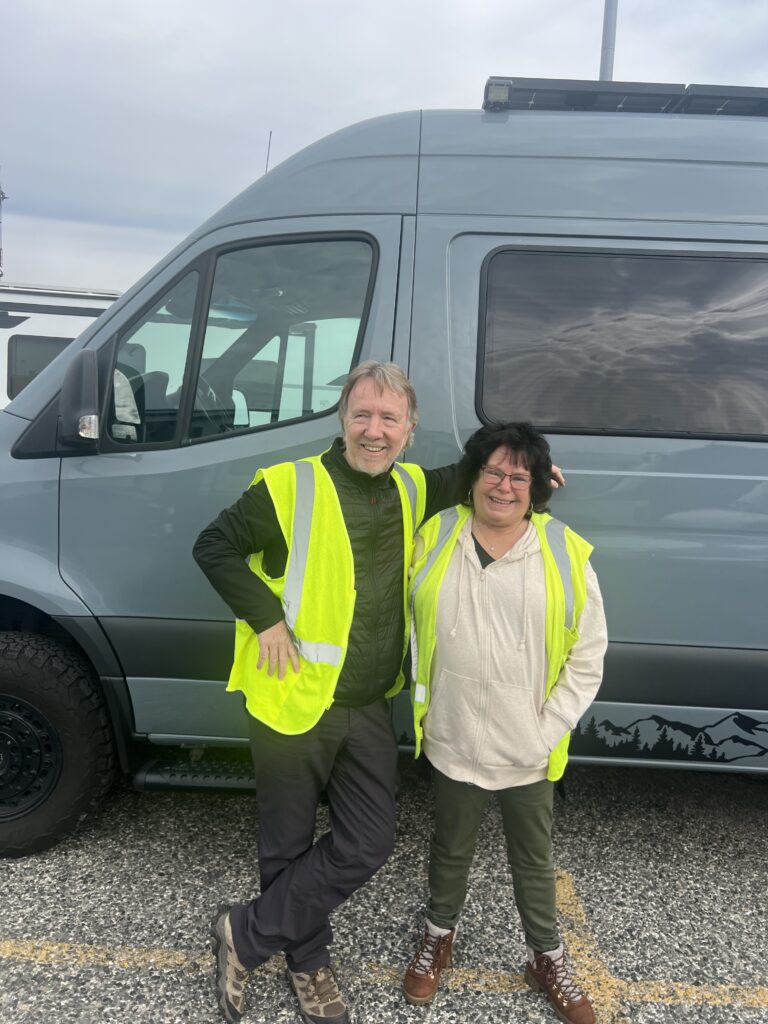
When it was all said and done, I thanked the very patient Karen who guided me through the process in port. Must wear a Hi-Viz vest at all times in port !
Costs
———
So far our shipping costs to Europe have been:
Freight: €3,000
Marine Insurance: €300
Port Escort: $150 US
Port Charges: USA $315 US
Port Charges: Hamburg ( est ): €320
Total ( approx. ): $ 4,215 US
Since estimated port charges in Hamburg are included here this should cover everything barring any surprises. Given that we will be a bit late picking the van up in Germany there will be some additional storage charges but those are specific to our timing, and not a normal shipping cost. These costs are based on our van size being almost 43 cubic metres.
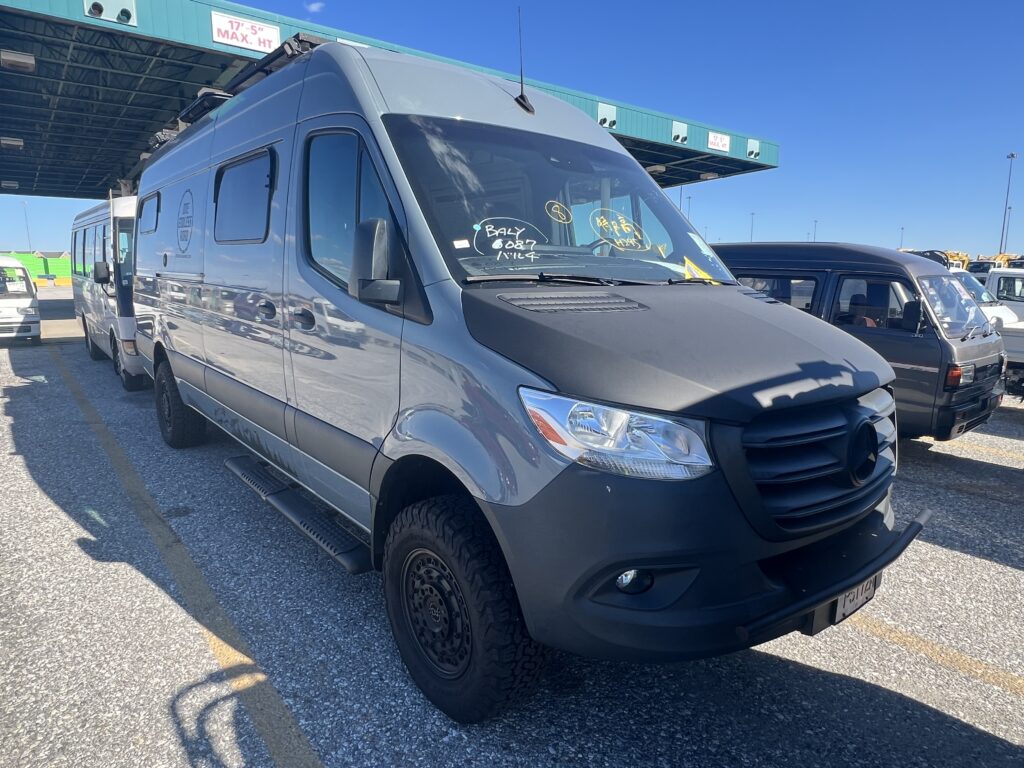
With the vehicle all checked in and now parked in the designated area, I checked everything over one last time, locked the rear compartment and took photos from inside and all outside angles just so I had proof that it was undamaged when I left it ( good tip from our shipping agent ! ). Next time we see it should be in Hamburg !
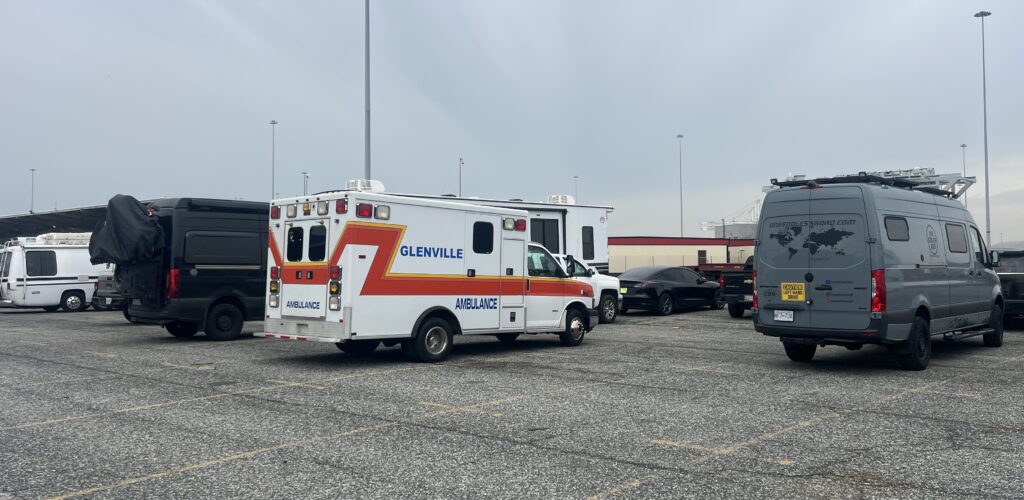
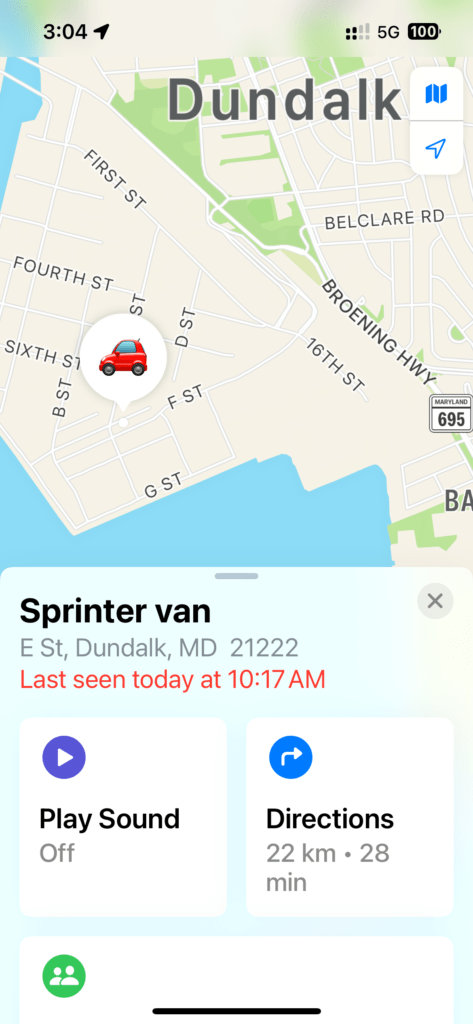
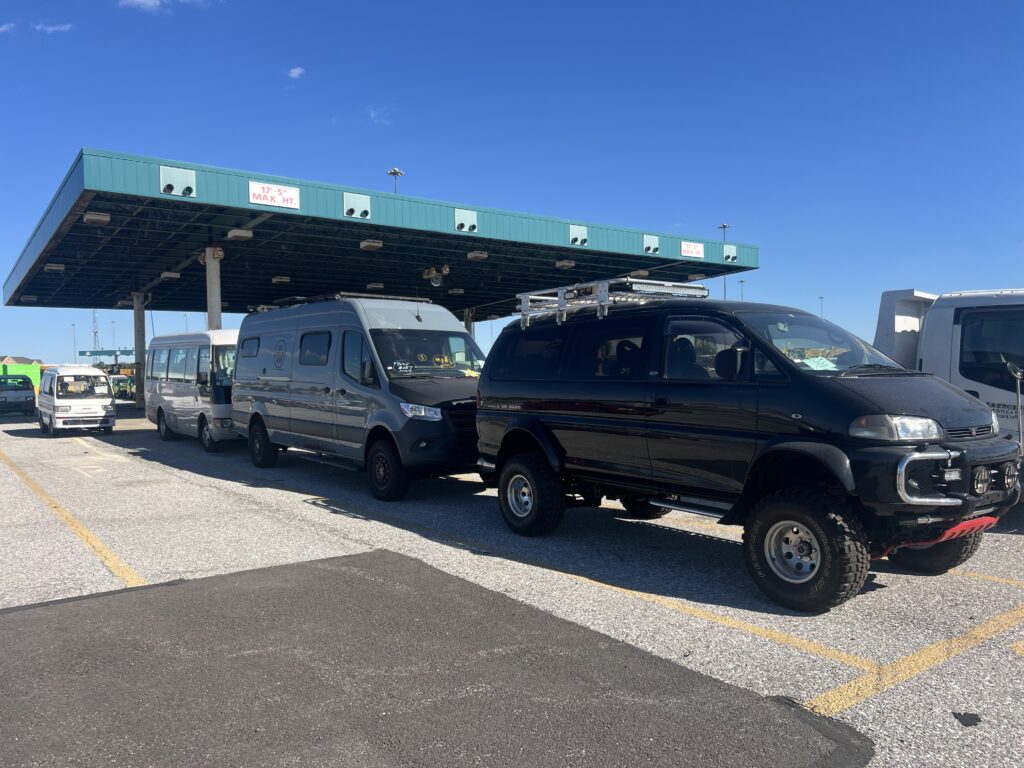
We were told to park near other vans – no matter which port, there are always a few intrepid souls doing the same thing as us…!I have an Apple Air Tag inside the van so I can track its movements ( as long as it is within a cell phone signal ). Handy to know if it actually gets loaded on the ship ( vehicles have been left behind ! )
So with that, the Baltimore port process was complete. Once the ship sails my shipper in Germany will send me a Bill of Lading and I will pay the freight charges, port fees and marine insurance. I’ll then track the ship’s progress until it unloads in Hamburg, late in February. I’ll provide a further update on the collection process in Germany when we get there.
Happy New Year to all our regular readers, we hope 2024 was kind to you and may 2025 be even better. After a 6 month hiatus, Lois and I are finally back at it, however the continuation of our ongoing global van travels required yet another long drive to kick things off; this time, a “return” journey of sorts. You guessed it – right back to Baltimore, Maryland !
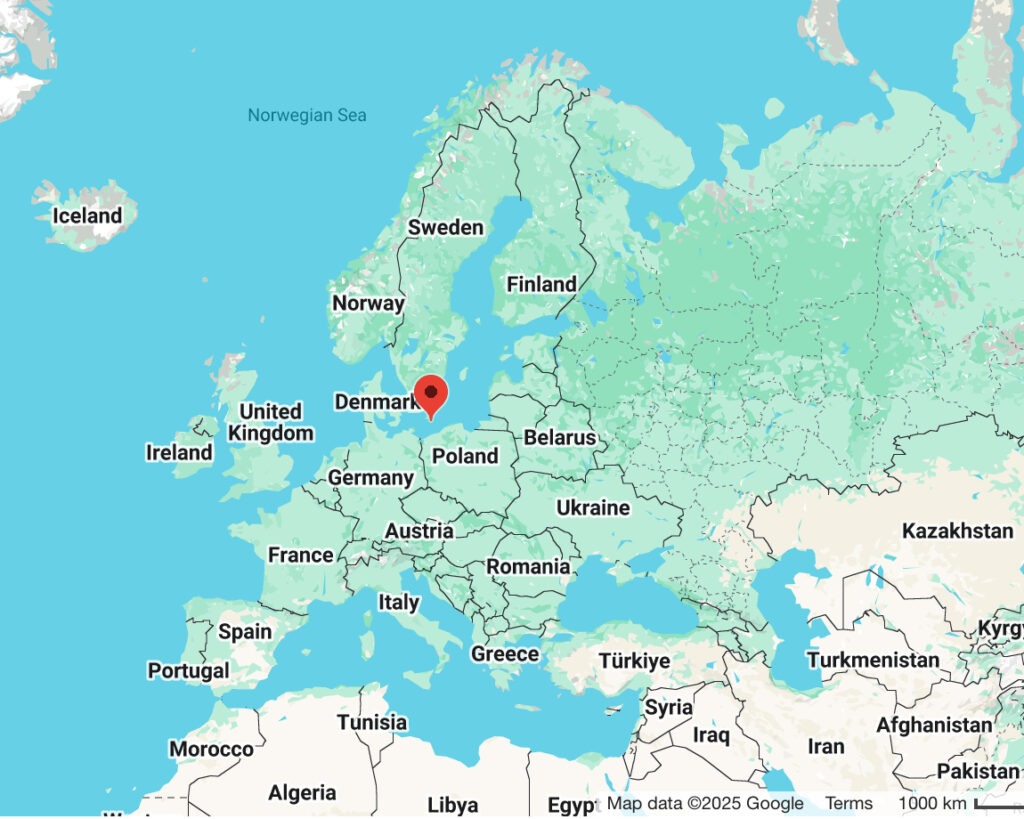
Some background first. During a wonderful 6 month sojourn back in Canada, our 2025 plans were firmed up with the decision made to travel first to Europe. The plan was to focus on the Baltic states and Scandinavia initially, especially areas we had not seen in the past or had visited only briefly, and following that we’d head south through most of the states of the former “Eastern Bloc” towards Turkey, again with a view to exploring areas we’d missed in the past. Beyond Turkey, our plan remains open – the Middle East, Central Asia perhaps, or possibly even shipping on to somewhere further afield. But first, we had to get to Europe.
From Europe, so many onwards options……
From the west coast of North America ( where we live), there are really only two options for getting a vehicle to Europe :
A) put the vehicle on a ship in Vancouver or Tacoma, send it to Panama where it is offloaded to a dock awaiting a connecting ship from Asia (to transit the canal) which would pick it up and take it to Europe ( Hamburg, or Antwerp), or
B) drive it 4,800 kms ( almost 3,000 miles ) to the east coast ourselves and ship it to Europe DIRECTLY from there.
As tempting as “A” was ( much less driving and no duplication of the very same trip I had made just 6 months ago ), the theft and damage risk of trans-shipping in Panama, the considerably more complex customs requirements, the much higher cost and considerably longer total duration of this option made “B” the obvious choice – as such, the return trip to Baltimore ( in the middle of winter ! ) was just a cross we had to bear. At least this time there would be two of us to share the driving !
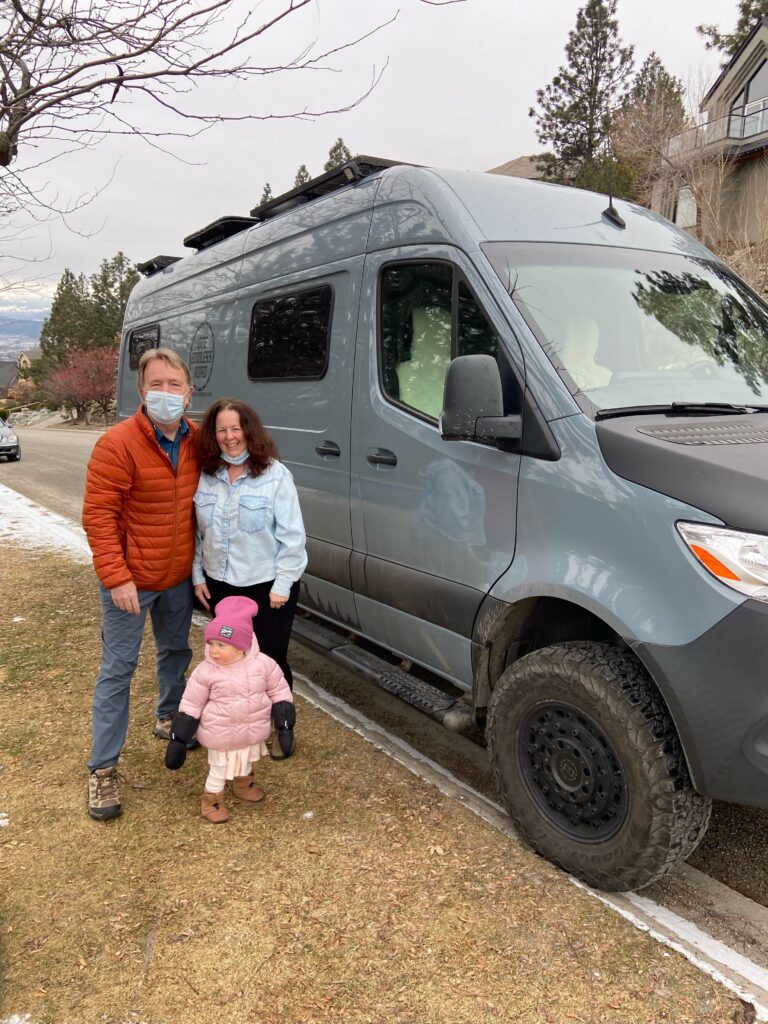
Saying goodbye to our family, especially our newest member – gorgeous little Hadley – was incredibly hard, but we’d enjoyed six months of pretty intensive family time, and even with that we still did quite a lot of Facetiming along the way. Facetiming it will have to be that will help us through the coming months away from her.
This was a tough day !!!!!!Last stop before leaving Kelowna.
Throughout the summer I’d firmed up shipping arrangements with the ever helpful folks at Sea-Bridge in Germany ( we had used them before, from Argentina to the US, so were happy to lean on them again ). SeaBridge specialize in shipping overlanding vehicles to all corners of the globe – the second image below shows our ship to Hamburg, the “Atlantic Sky”. We would depart Kelowna late January, planned on approximately a week to drive across to Baltimore, would put the van on the ship in early February and then we would find something useful to do for the three weeks it took the van to get from Baltimore to Hamburg. More on that in the next blog – but first, a long drive across the United States, once again !
Sea-Bridge probably ship more overlanders than any other company.The “Atlantic Sky” an ACL line combo container/RoRo ship.
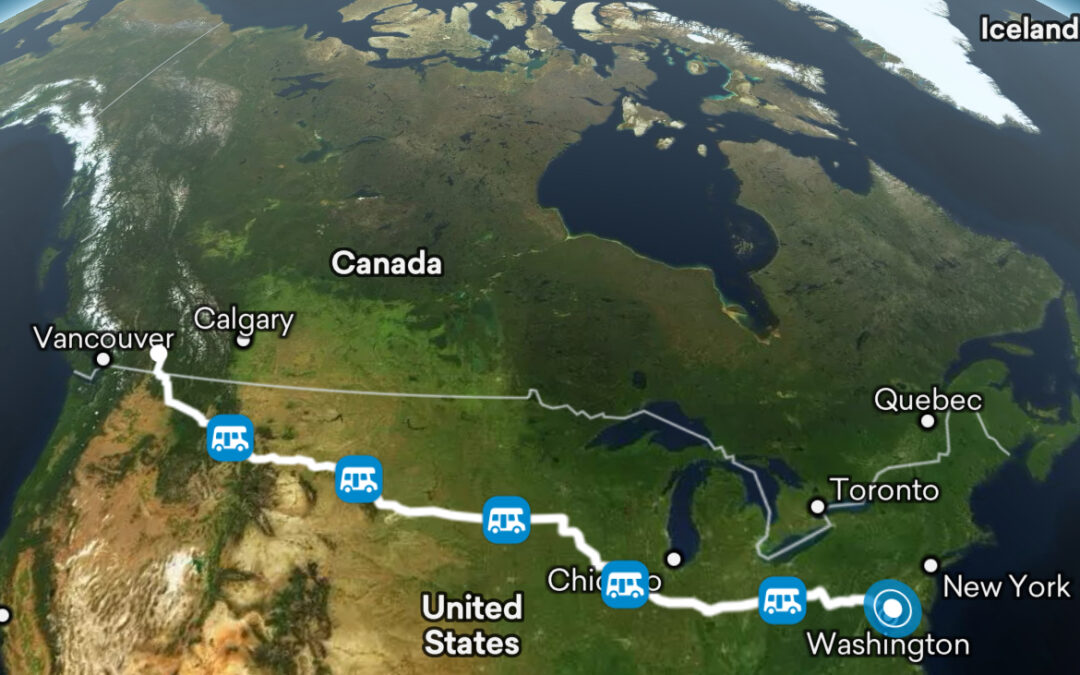
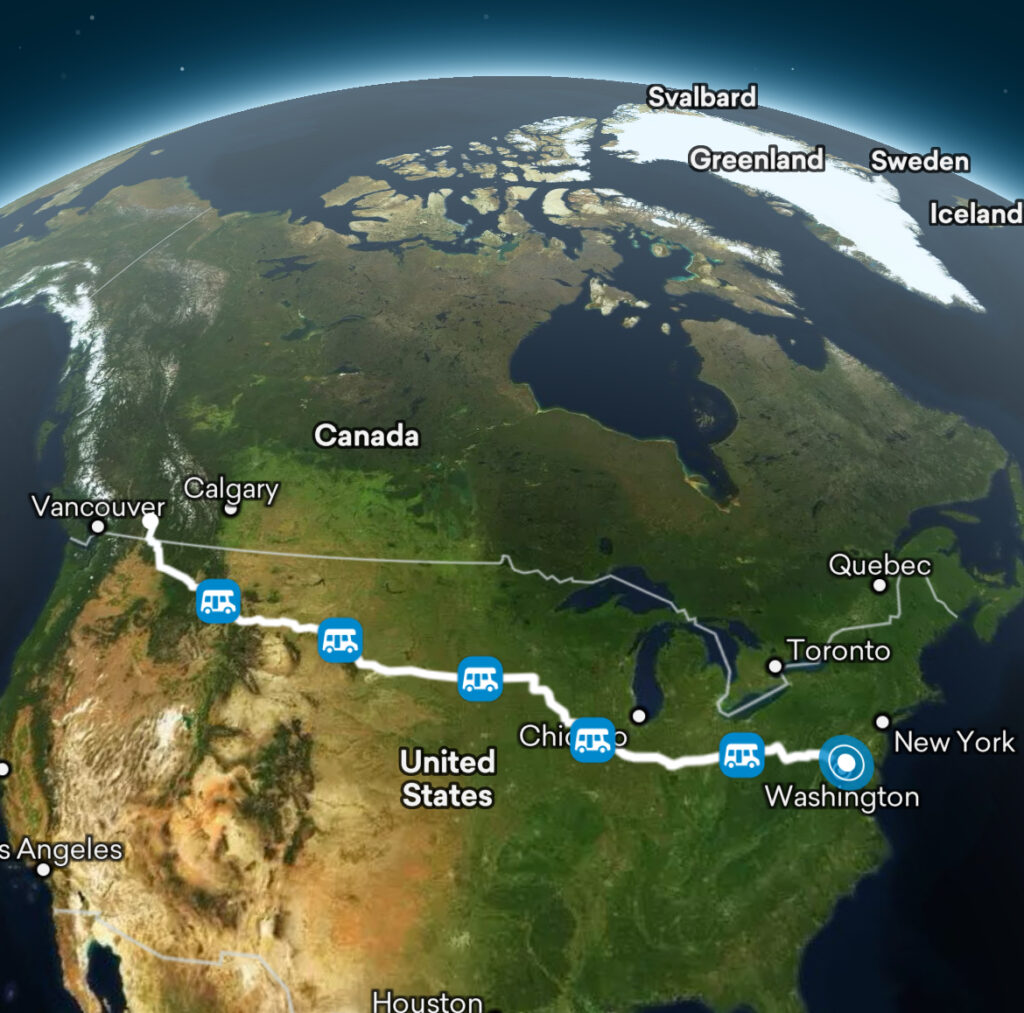
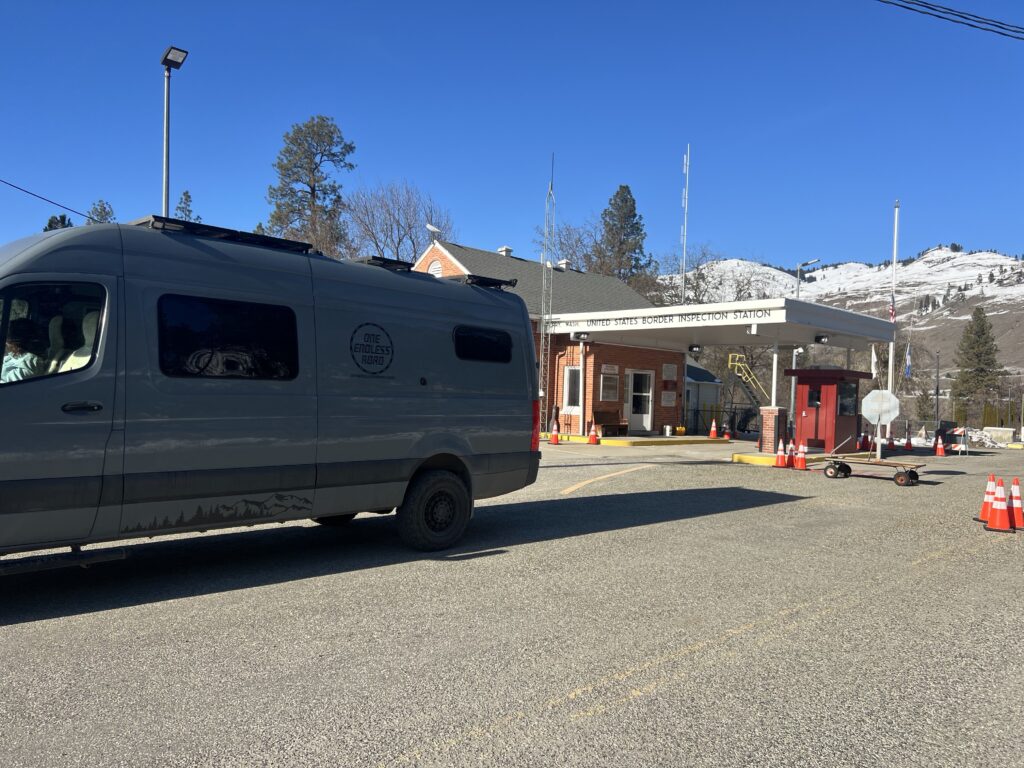
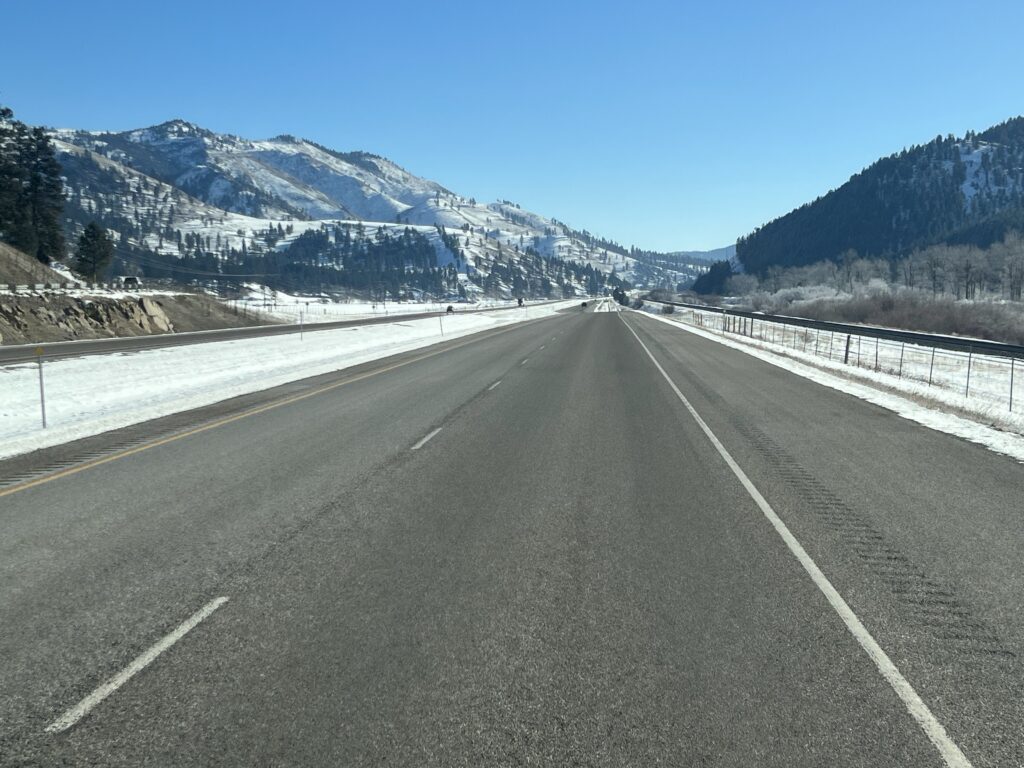
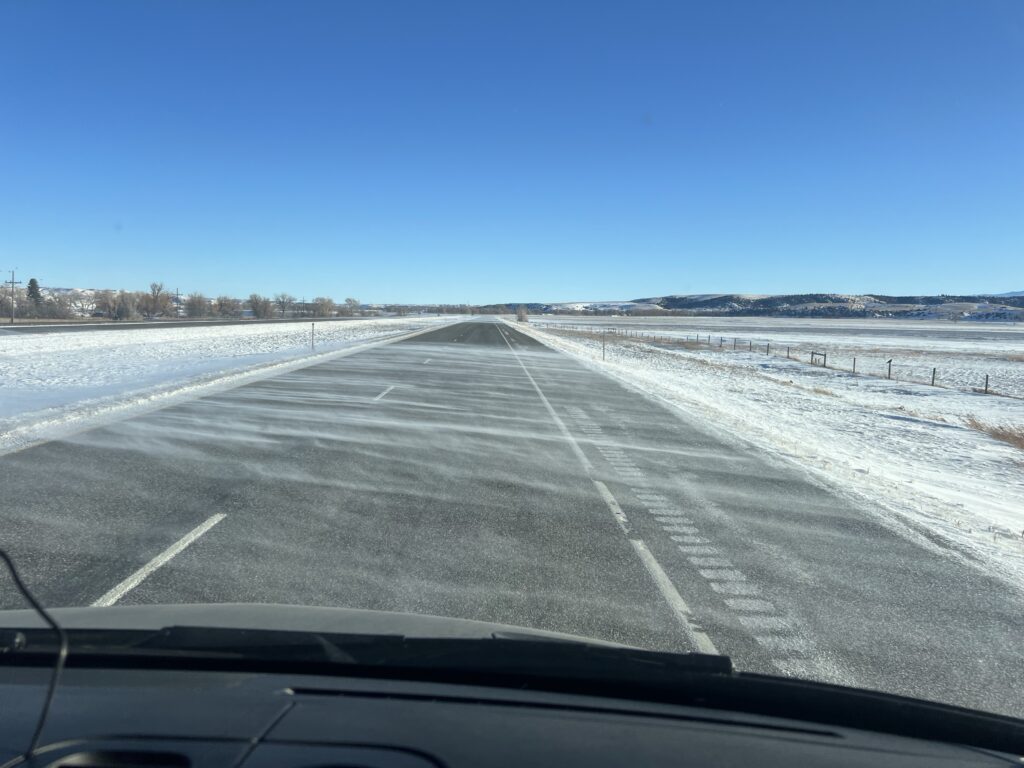
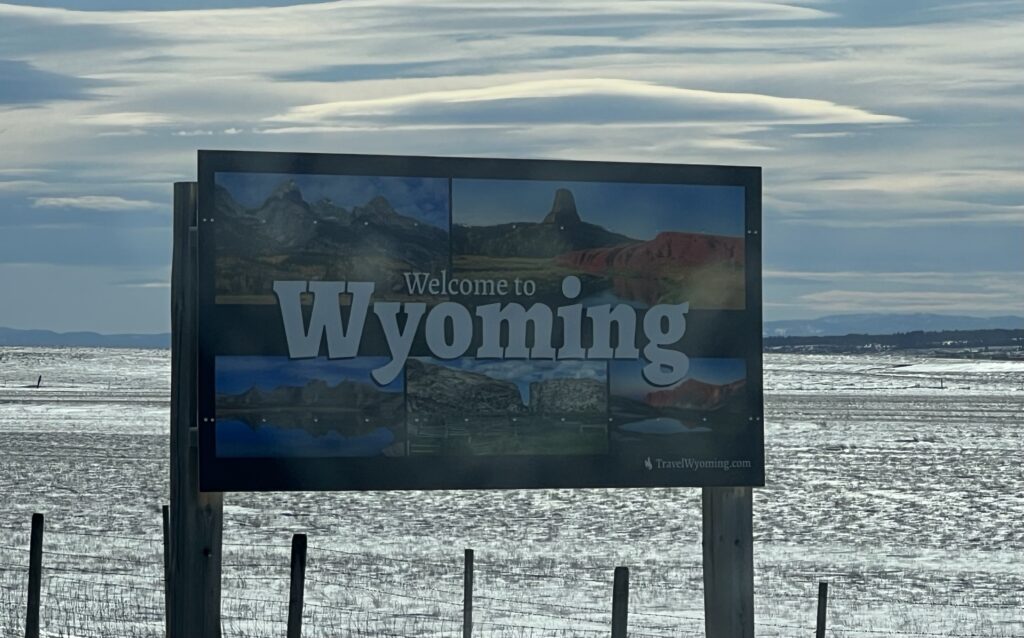
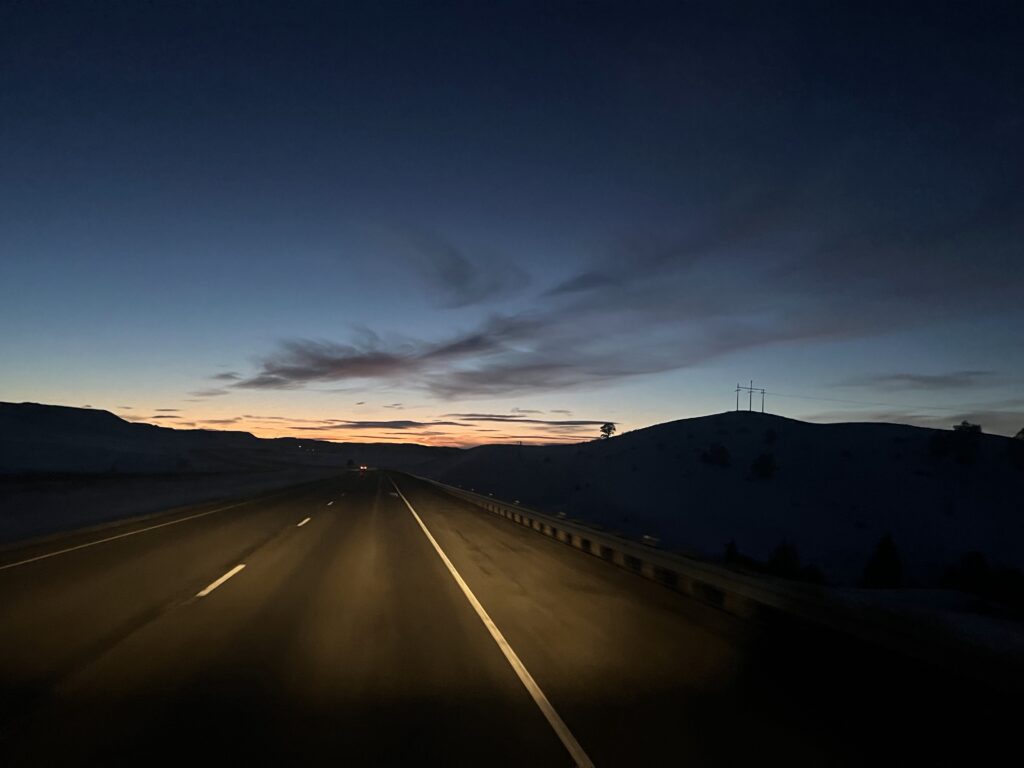
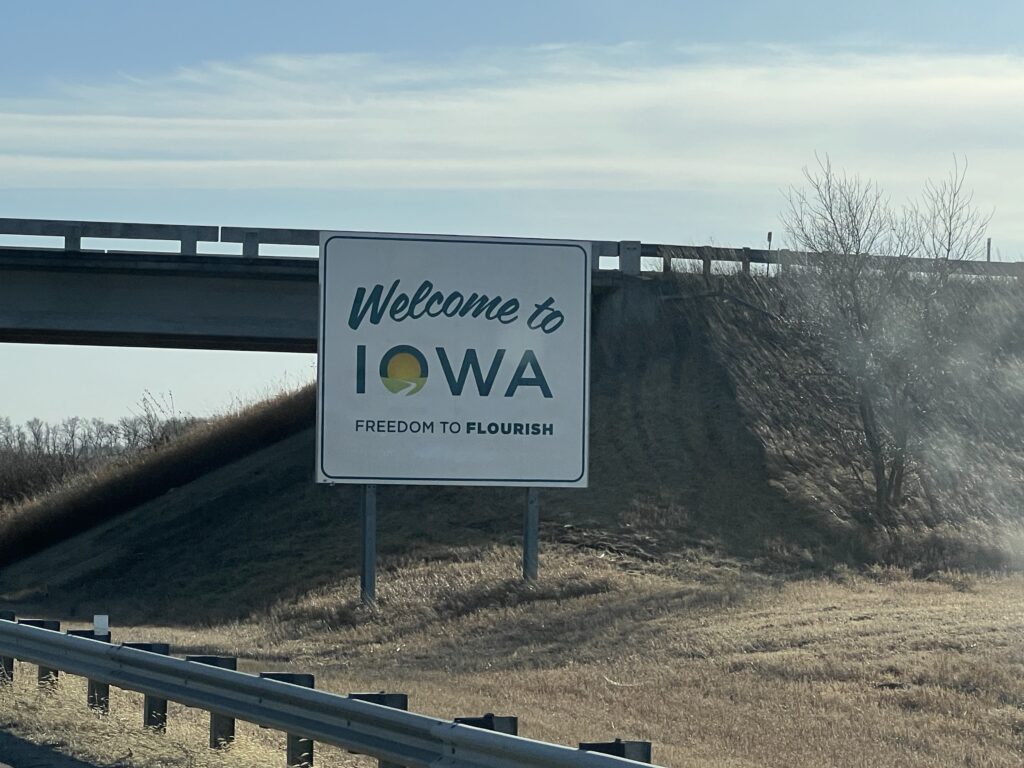
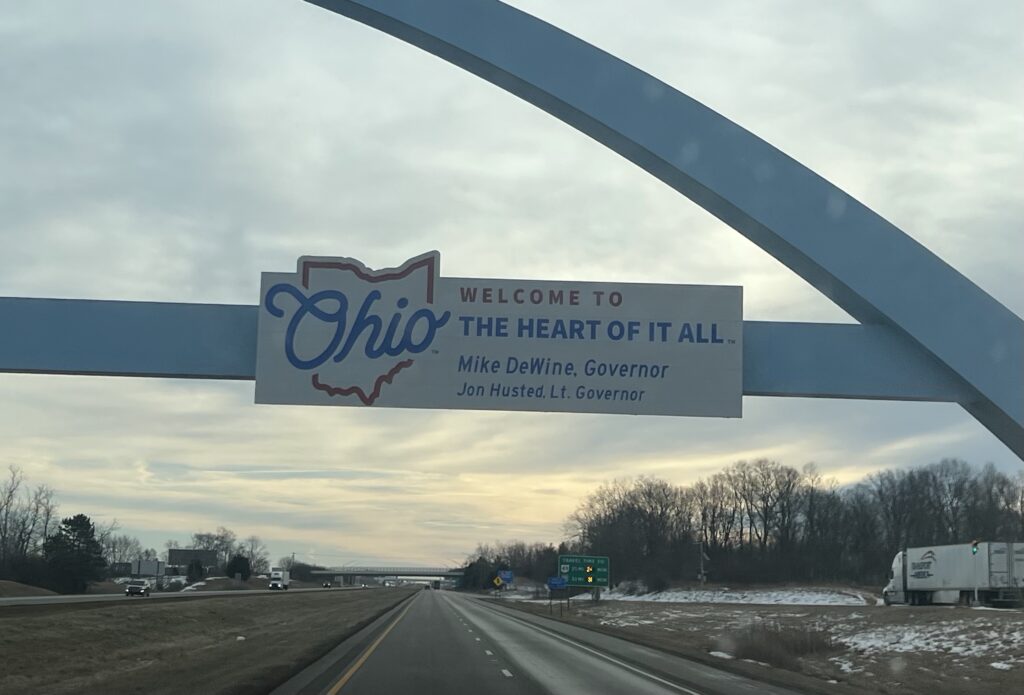
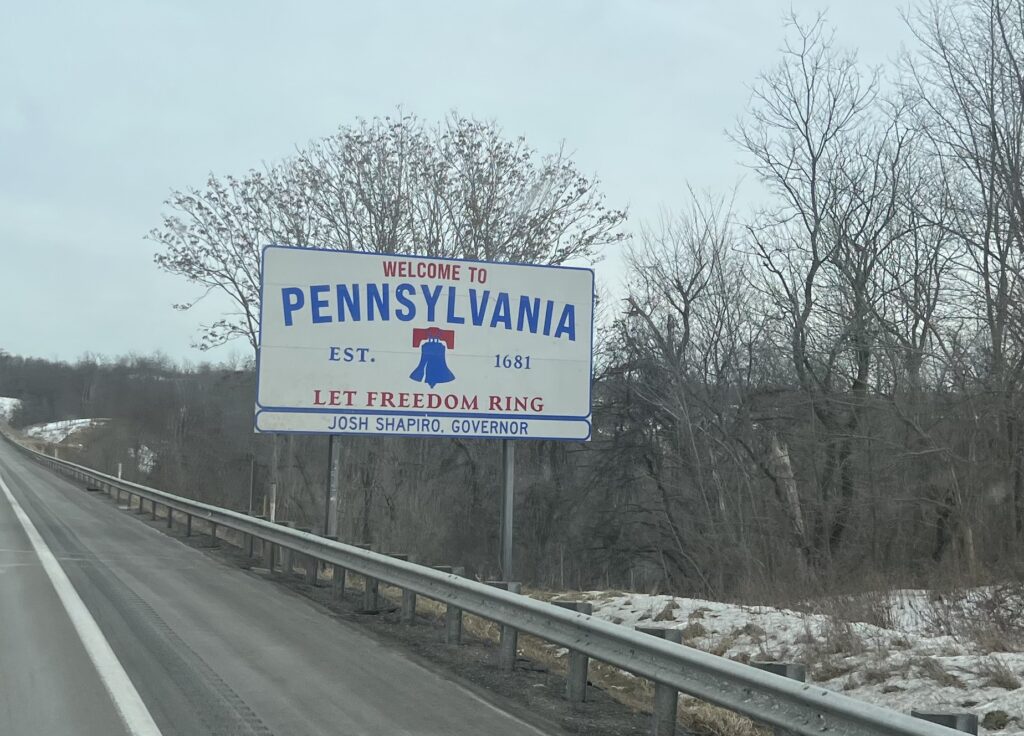
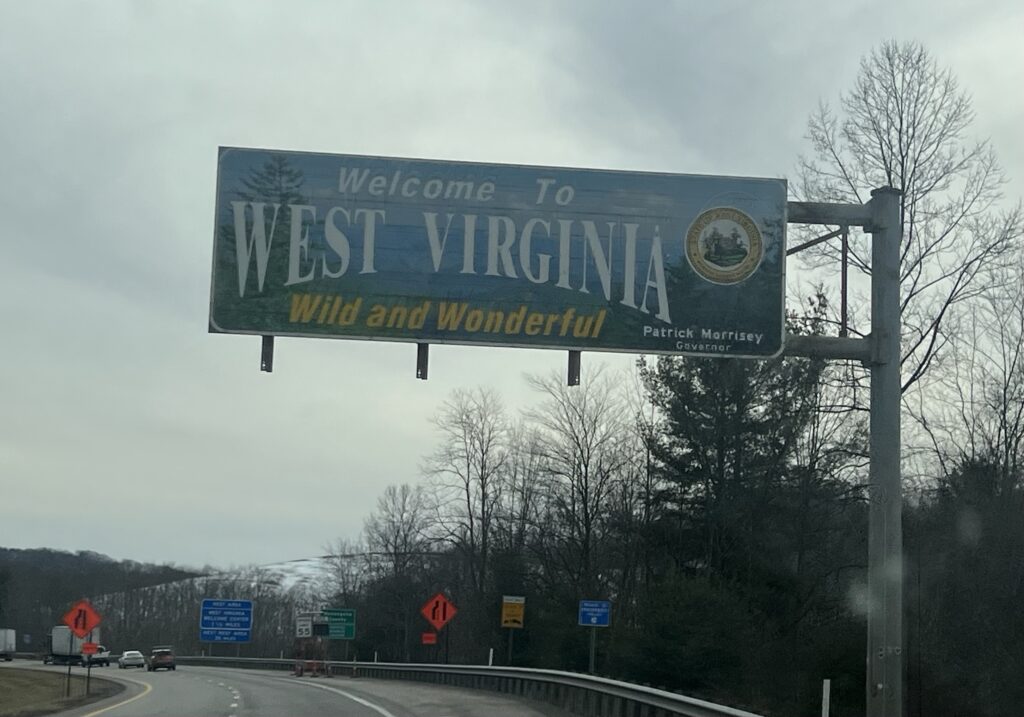
While cold, the forecast for the first few days across the northwestern United States called for generally clear and sunny weather, which is what we experienced as we headed out from Kelowna down Highway 33, crossing into the US at Midway and then heading east on the US I90 through Spokane ( Washington), onto Billings(Montana), Rapid City and Sioux Falls (South Dakota) and on through Minnesota, Iowa, Indiana, Ohio, Pennsylvania, West Virginia and finally on to Baltimore. Below are a few images of the route, the weather and some of the scenery we experienced during the long drive east:
Found a new app to track our route – “Finding Penguins”. So far, so good.Crossing the US border at Midway, BC.Typical road conditions in Washington, Idaho and much of Montana.Not so nice by the time we got to South Dakota.On a couple of days we started driving before sunrise. Pretty to watch the sun come up !
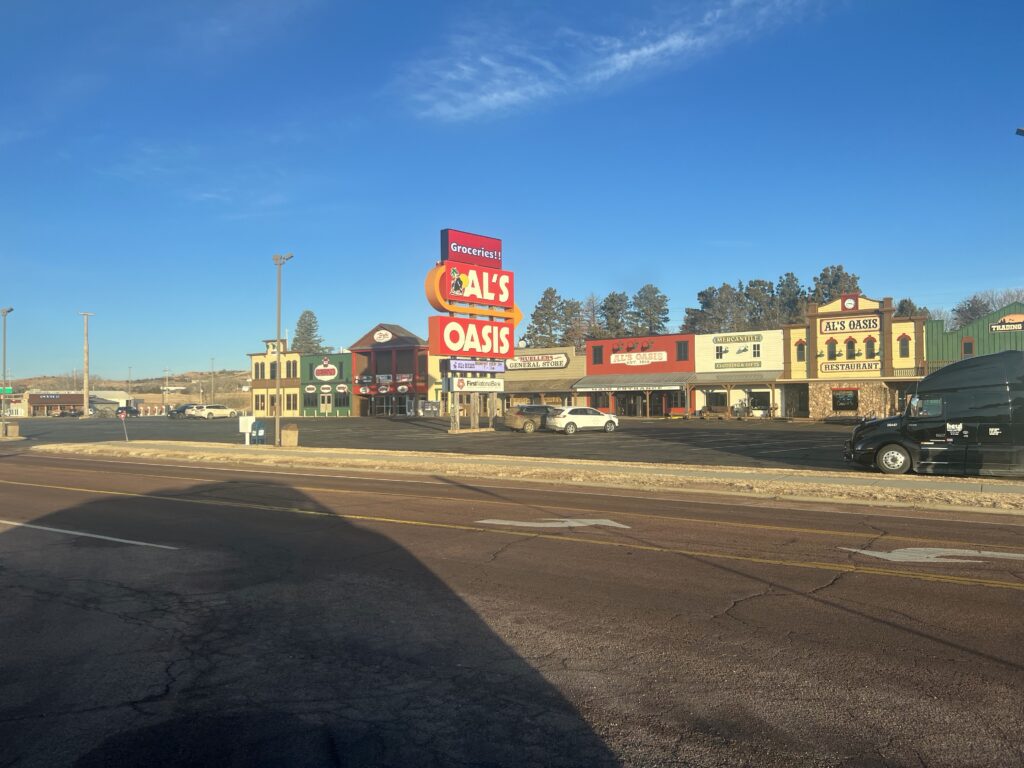
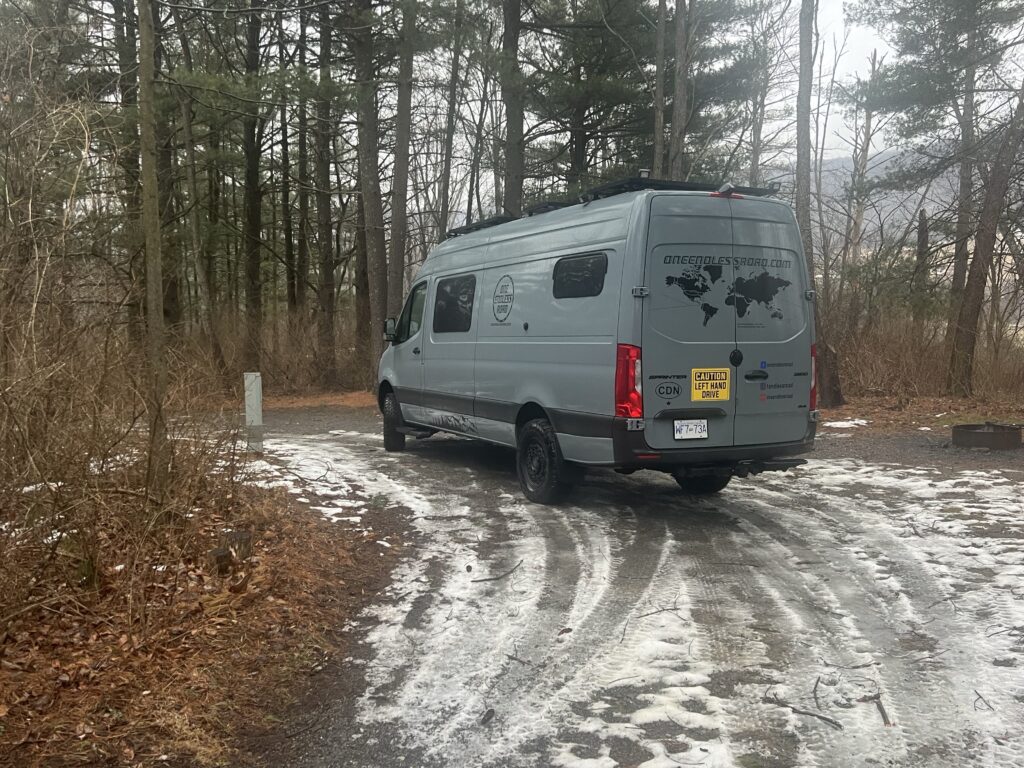
Being the middle of winter, camping options were limited but since we are fully self-contained we only really need a relatively flat space to park and we can overnight almost anywhere. A mixture of Cabelas ( an outdoor store that welcomes RV’ers to overnight ) , the occasional Cracker Barrell (restaurant chain ) and a mixture of theme towns ( such as the venerable “Al’s Oasis” seen below, in South Dakota ), and a couple of State/National Parks provided suitable parking for all our overnights – a few images below:
A popular layover, Al’s Oasis.More states rolled by…..….and more…and more !By the time we reached West Virginia the finish line was in sight.Camped up at delightful Rocky Gap State Park in Maryland, the first of a couple of parks we stayed at.
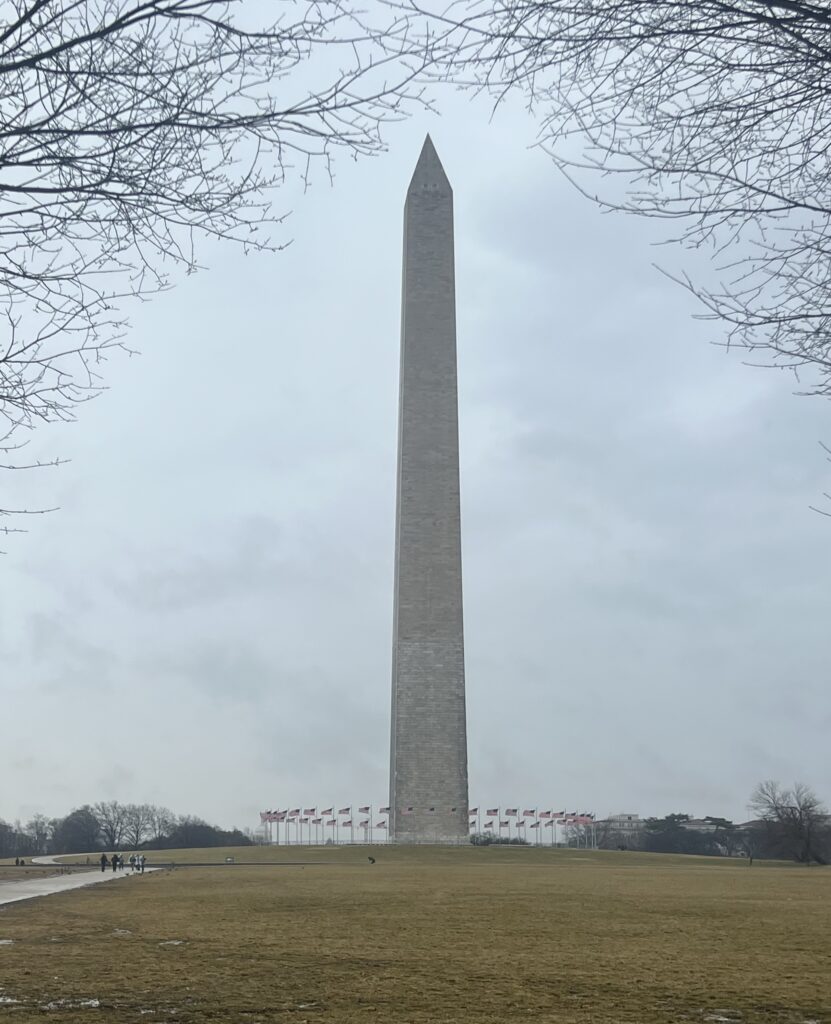
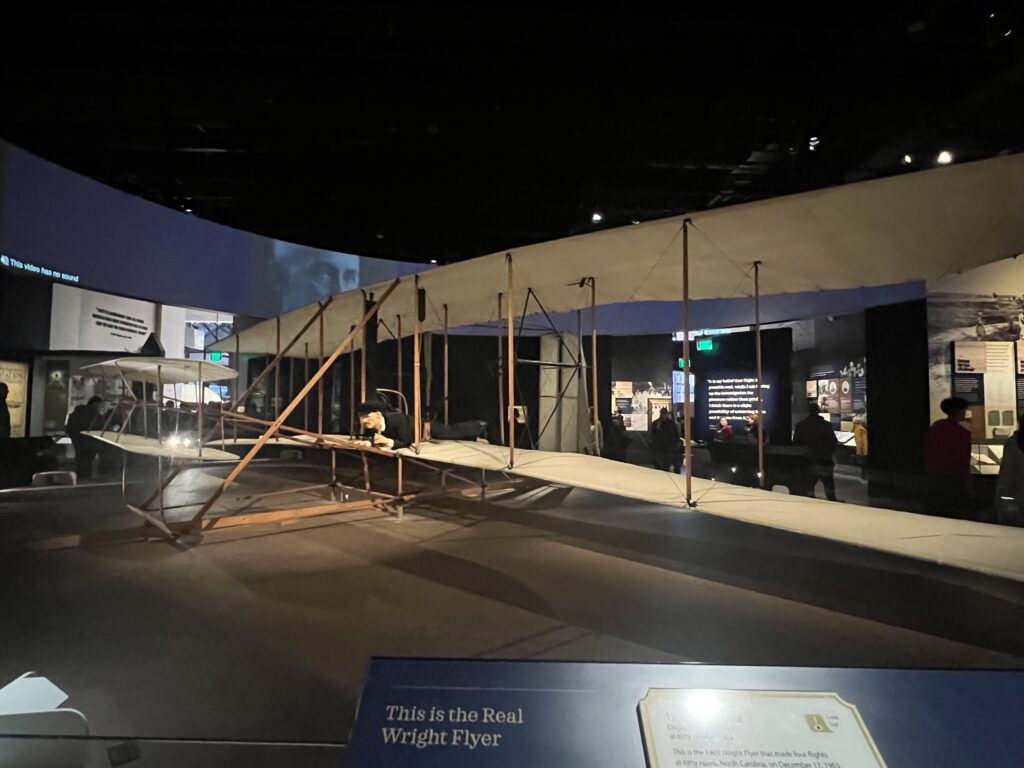
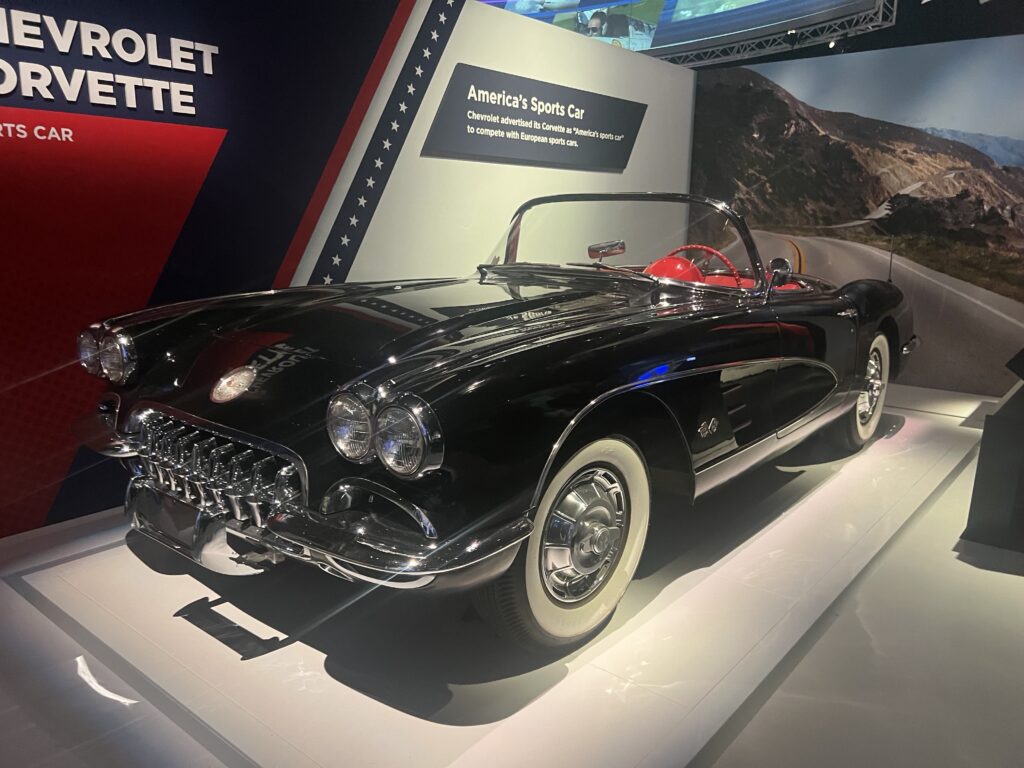
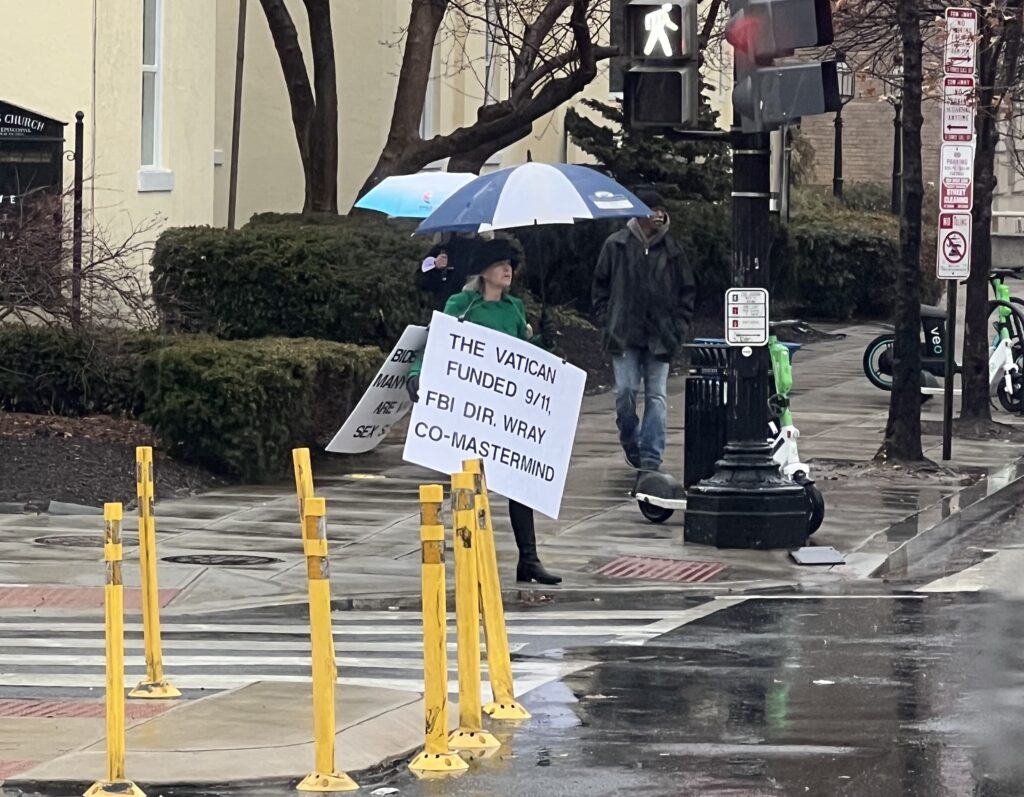
Arriving in Washington DC ( very close to Baltimore ) just a bit ahead of schedule gave us time to do a little exploring however the weather, having been amazing all the way across ( considering it was mid-winter ), just did not cooperate. Howling winds, a colder snap and persistent rain really limited what we could do there – disappointing for Lois, especially as she had not been there before. Apart from driving around the city and seeing what we could from the vehicle, visits to the Smithsonian Air and Space Museum, the Washington Monument and a walk along the Mall were memorable parts of our very short and rain-soaked visit – oh, that and some vocal and zany 9/11 conspiracy theorists out on Pennsylvania Avenue ! See images below:
Washington Monument.The original Wright Brothers “Flyer”, Smithsonian, Washington DC.An All-American classic – original Corvette.It takes all kinds to make a world. Where do they dream it all up ? Near the White House, Washington DC.
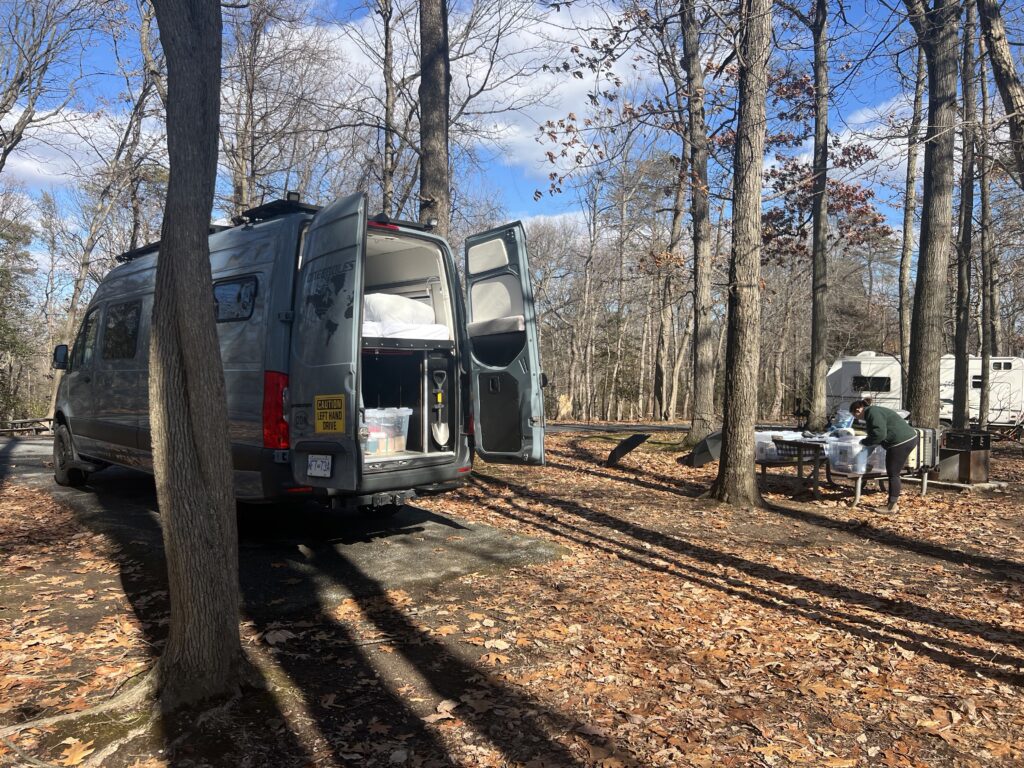
With that our ( rainy ) stay in DC was done and we drove on towards our final destination, Baltimore, just an hour away. Here we chanced upon an excellent US National Park ( Greeenbelt ) which provided us time and privacy to repack, clean out and generally prepare the van for shipping the next day. Fortunately the rains eased, making things a bit more pleasant just when we needed it. Ready now to hand it over to the shipping line !
Van prep for shipping, Baltimore.Baltimore.
Stay tuned next week where I’ll document the first part of the shipping process ( delivery to the port ) and outline our plans for the next 3-4 weeks while our rig is in transit to Germany ( spoiler alert – there’s a bit of a twist ! )
Next month it will have been two years since we drove the van out our driveway knowing only we were headed for Australia- we managed that just fine and had an absolutely amazing 14 months there. A total bonus was getting to ship our van up through North East Asia on the way home and to explore both Korea and Japan in our own vehicle. All three places blew us away and were super easy to travel in – we are so glad we went.
With the ship carrying our vehicle home to North America now dropping it off in Baltimore, I got to do one last trip in the van before we put it away for the coming winter, after which we’ll make plans for our next adventure. I had to fly to Baltimore, get it through the port process and drive it almost 5,000kms ( 3,000 miles ) home to Kelowna in British Columbia. I do say “I” and not “we” because both of us have done this trip on a couple of occasions before and since not much of it represented “new” territory, Lois was less enthused about yet another cross-continent foray. There was really no need for us both to go – it was, after all, more of a delivery run than any kind of adventure, so I stepped up, took one for the team ( 😉 ) and flew off alone to get our rig. It would be a lot of driving, alone, across the US, but I thought it just might also be a great time to get some perspective on what’s happening there with the big election now just weeks away. Anxious to get our rig back home and do some work on it before the outside temperature fell below freezing, I picked just a few places to visit, arranged a slight detour to collect our new retractable shower door direct from the manufacturer in Ohio, and then planned to cross back into Canada near Lethbridge, Alberta. There I could pick up the replacement inside window trims from the good folks at Wilderness Vans. A very busy and probably quite tiring week or so beckoned.
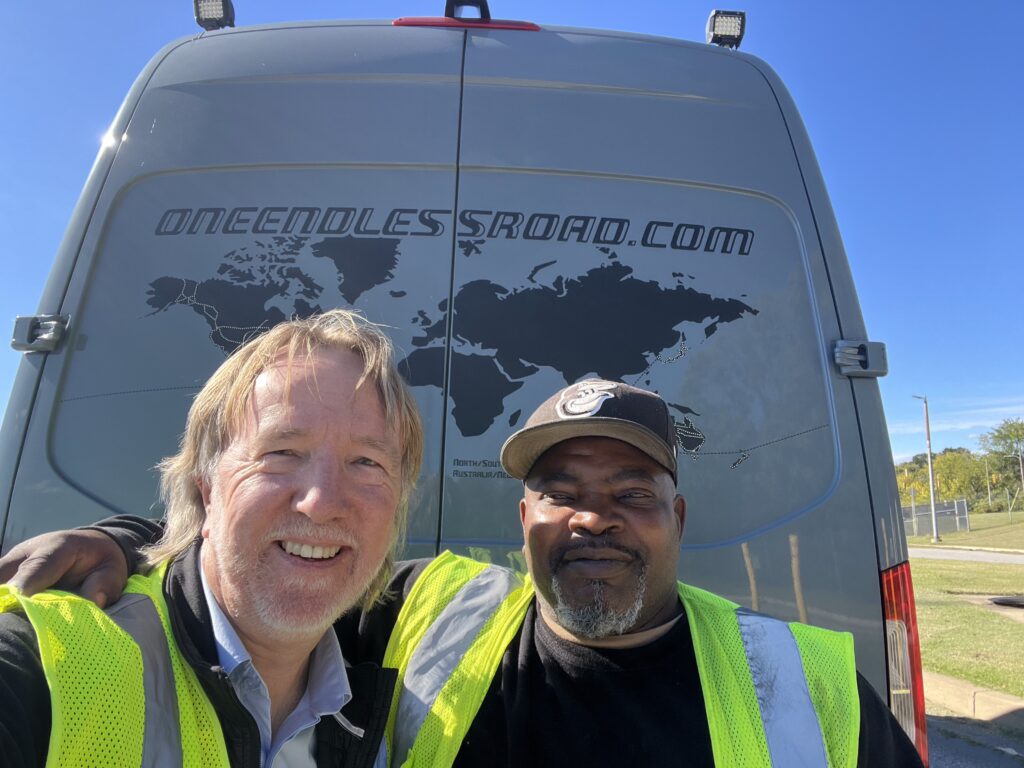
When I got to my van it was very much hemmed in – I had to move the Delica forward so I could get mine.
As mentioned in last week’s blog, getting it out of the port in the US was fast, easy, and compared to ports in other countries, very inexpensive. I was actually shocked at how cheap it was. Just as well, I suppose, as there is a big fuel bill to come to deliver it to the other side of the continent. With the detours mentioned above, the 4400km journey morphed closer to 4,700km which took 7 1/2 days of pretty solid driving. Bear in mind that in a van you are not travelling as fast as you might in a car, and in the western states it was very windy making it difficult to handle the van at times. It’s tall and acts like a sail catching all the cross winds so for several days I had to slow it down quite a bit. I must admit that made some of the days seem very long indeed.
First close up of the rig – all appeared intact, no damage and no theft ( there was nothing to steal !). The usual mess they put all over your windscreen of course !
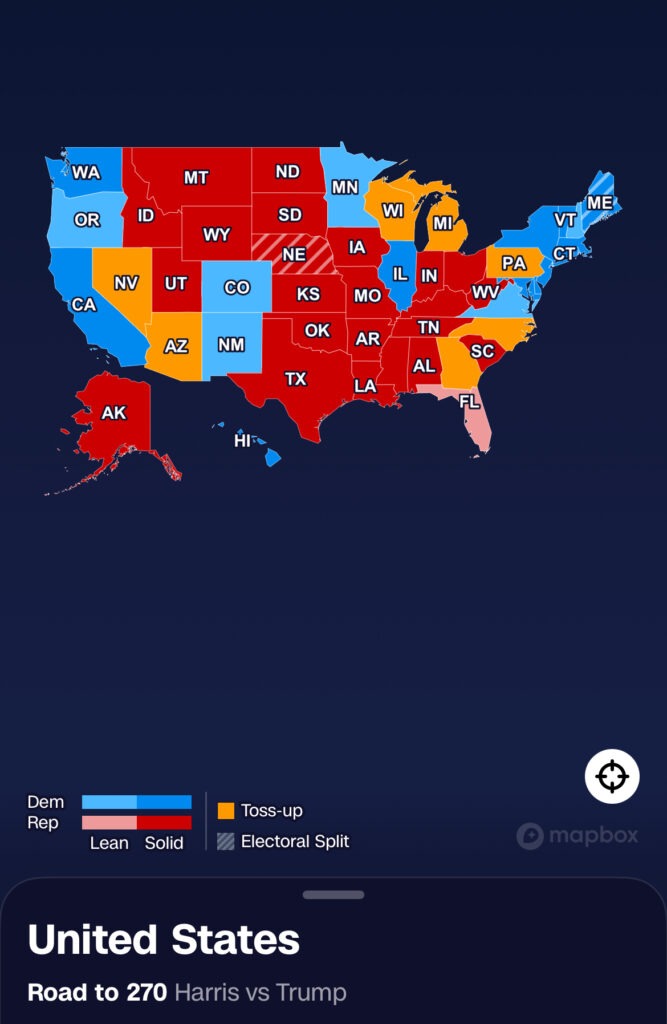
So, what’s going on the US right now ? I usually stay well away from politics in this blog ( the comments below are just some observations, rather than opinions ) but you simply can’t avoid noticing it in the US right now. Of course one sees many political signs ( Trump/Vance and Harris/Walz ) the preponderance of each aligning pretty closely with what are known as the “blue” states and “red” states. Lots more blue in the east and almost solid red in the west. It’s going to be an interesting election.
The “red” and “blue” in this map pretty much aligned with both the roadside signage and voting sentiments of those I spoke to along the way. A very clear divide…..
Of the people I spoke to ( in the port, at the airport, in the stores, at restaurants and rest areas I stopped at), when the election came up in discussion ( and it did ) people talked mostly about the economy and the cost of living. Where I travelled, immigration did not seem to be a big thing ( guess that’s a bigger issue further south – despite driving through Ohio, I did miss Springfield 😉 ). What surprised me is how many people seemed concerned about “the economy”, especially when, to all appearances the economy in the US is absolutely BOOMING. I can’t recall a time where I have seen it better yet lots of Americans seem unhappy or worried about it when you talk to them. It’s truly bizarre when you have inflation now back to normal, unemployment a non-issue, fuel prices very low ( a huge concern for Americans as a rule ), a strong/stable currency and stock markets at all time highs. I mean, ( on the surface anyway ) what’s not to like ? Restaurants and malls were full everywhere I went, the roads were always busy – things just seemed, well, pretty darn good. Perhaps one of our US readers can help us understand why so many American folks say they are so worried about the economy ? It’s a mystery to most of us on the outside looking in. Even one of the world’s most respected news magazines acknowledges things in the US now are red hot ( see recent front page story below ):
Front page of “The Economist”, noting boom times in the US. It’s certainly how it appears.
Beyond my exposure to the unavoidable political goings on with the election imminent, there were of course some sights to see. In addition to two big attractions along the way, there were lots of lesser “sights” ( I use the word loosely ) passed that also caught my eye – the birthplace of Hoover, of John Wayne, and a few other lesser names that were prominently highlighted as one approached their respective hometowns. I was struck by how humble were the origins of people who rose to such great fame. I also passed the World’s Largest Truck Stop in Iowa ( never, ever have I seen so many trucks in one place ! ), and crossed the great Ohio, Mississippi and Missouri Rivers. Those and many other notable places and features popped up along the way, but one thing I was reminded of as I crossed the continent was just how beautiful it is in places and how incredibly large it is. You can look on a map but one really has to drive it to get a feel for just how big it really is. Americans would of course be well aware of how big their country is in comparison with others (4th largest in the world ) but to experience it on the road adds a whole new perspective. Somehow it seemed almost bigger this time ( or perhaps that was just because it’s the first time I’ve driven it alone ).
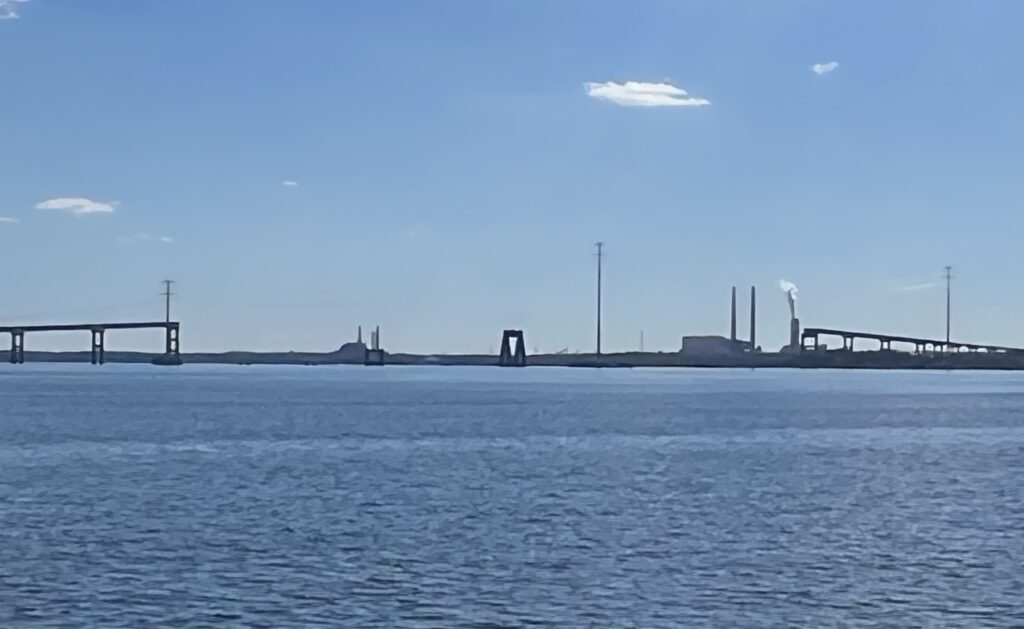
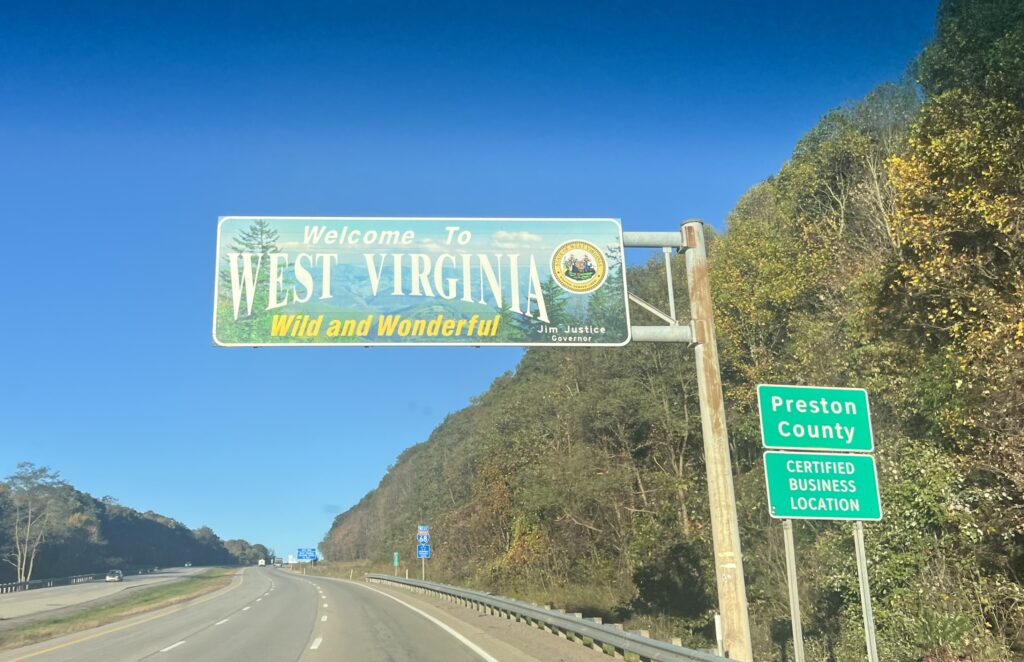
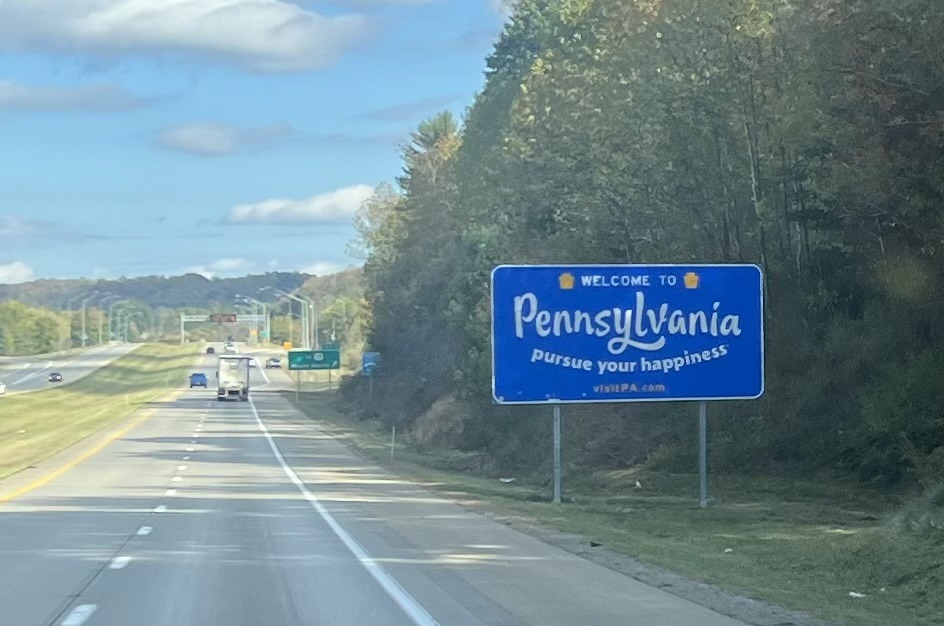
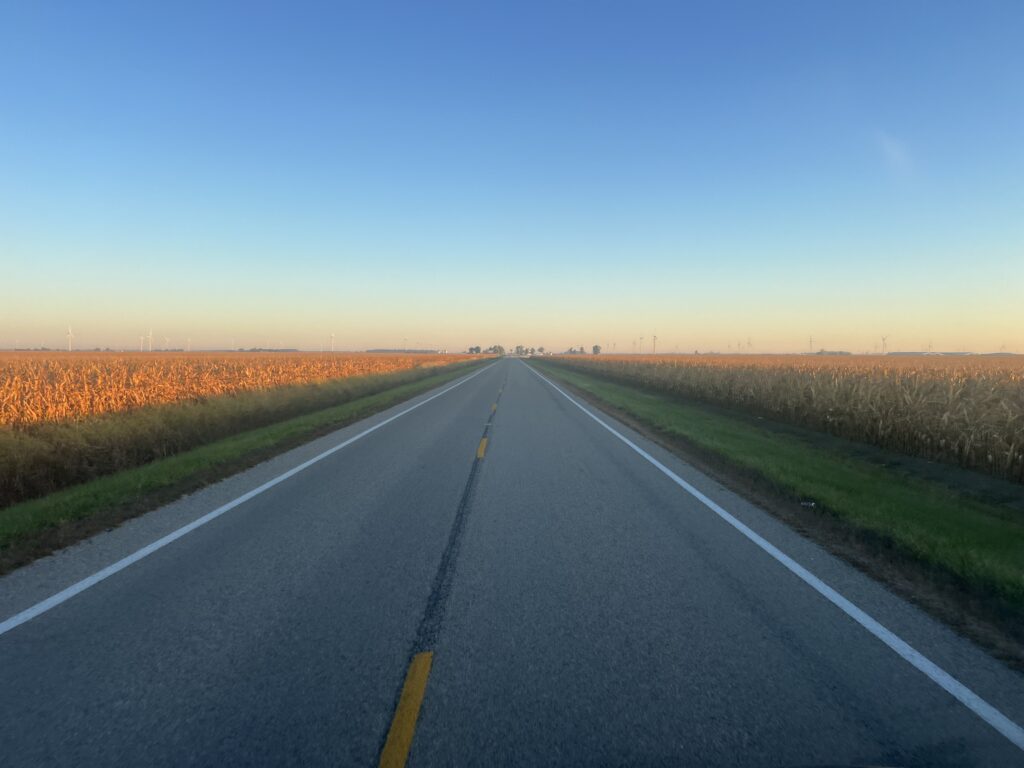
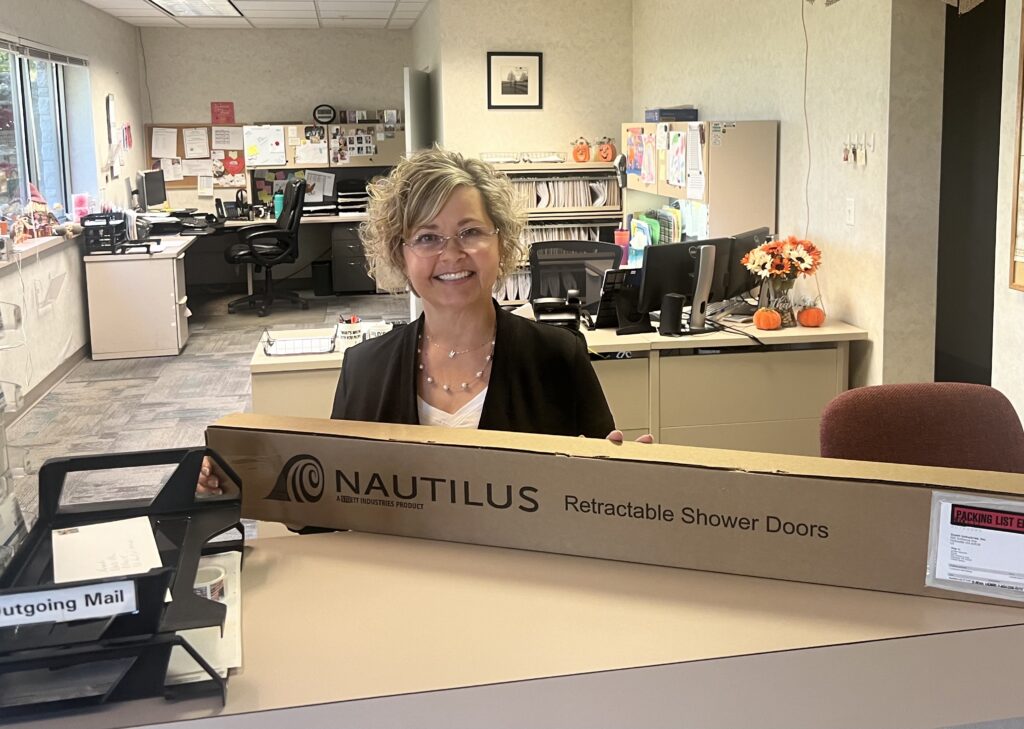
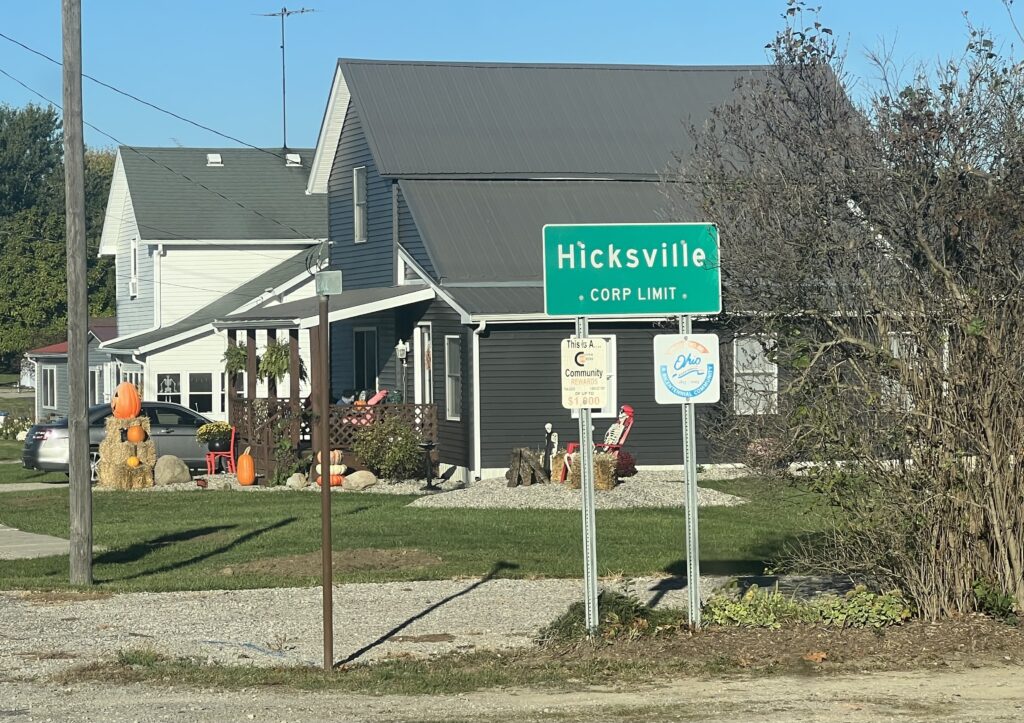
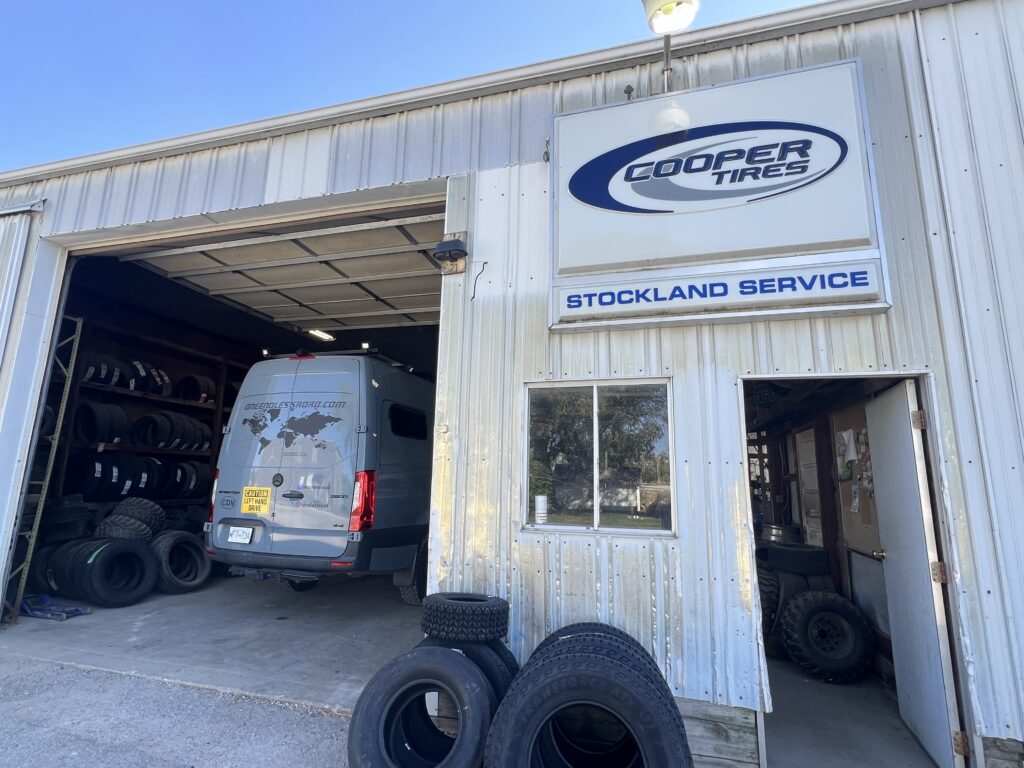
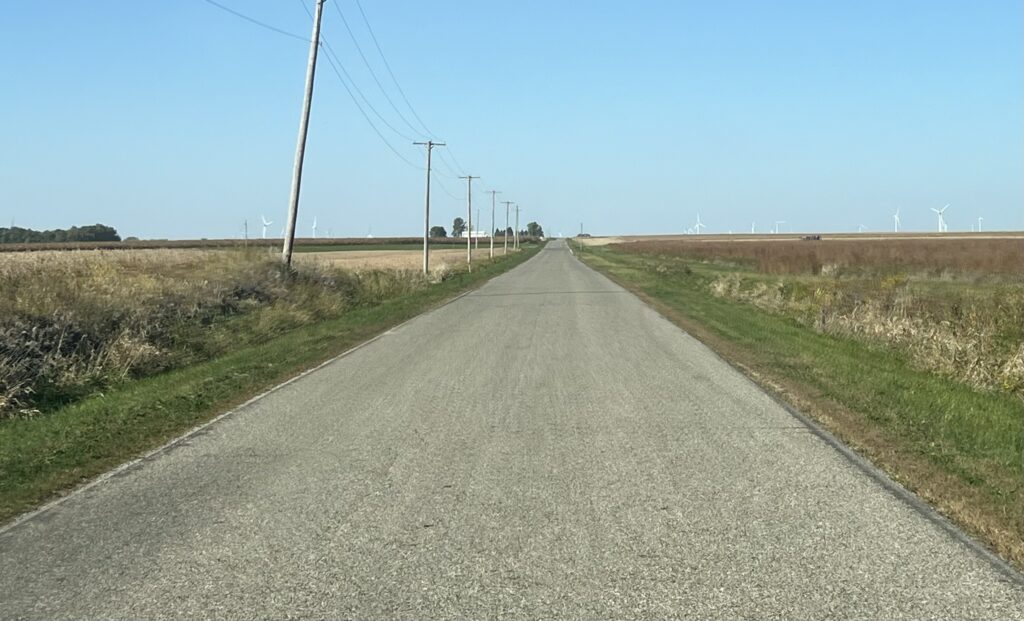
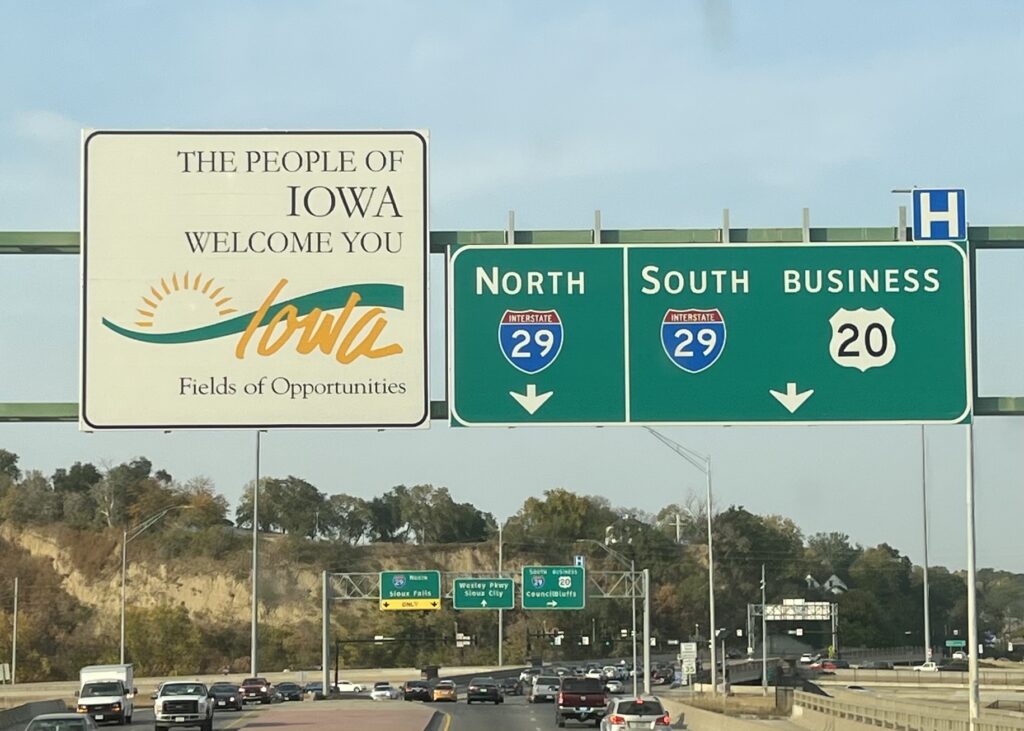
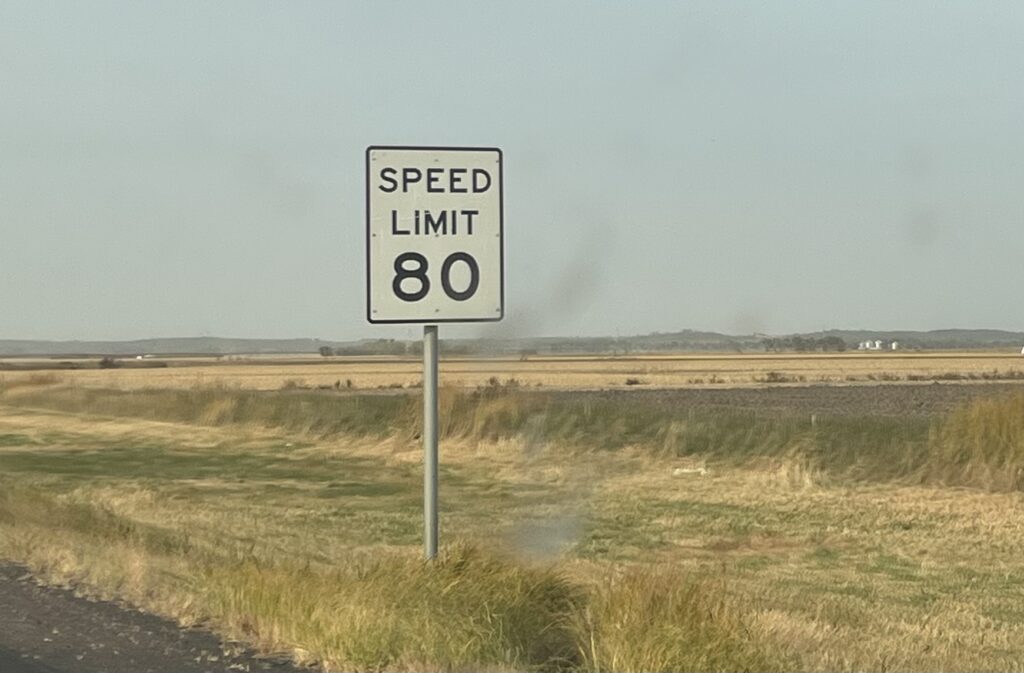
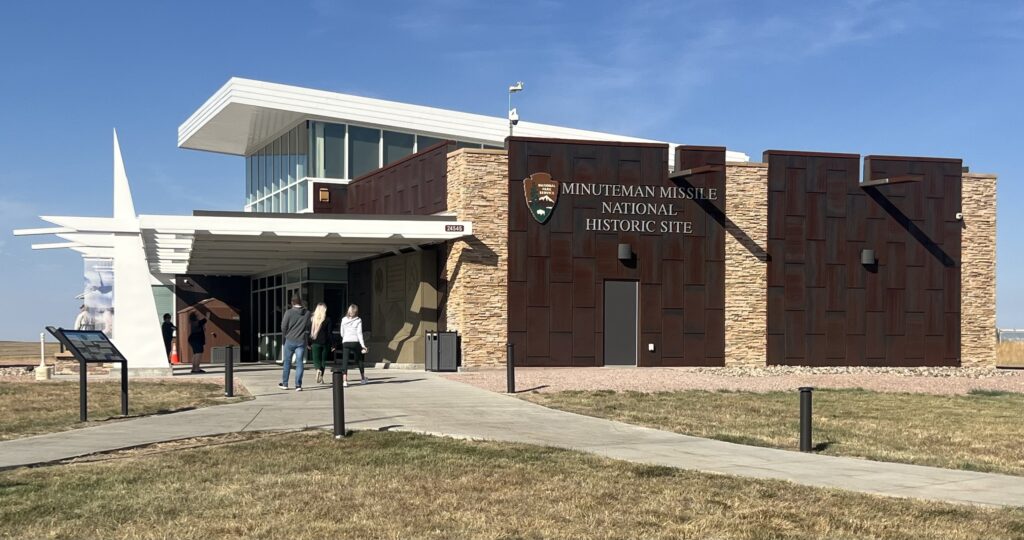
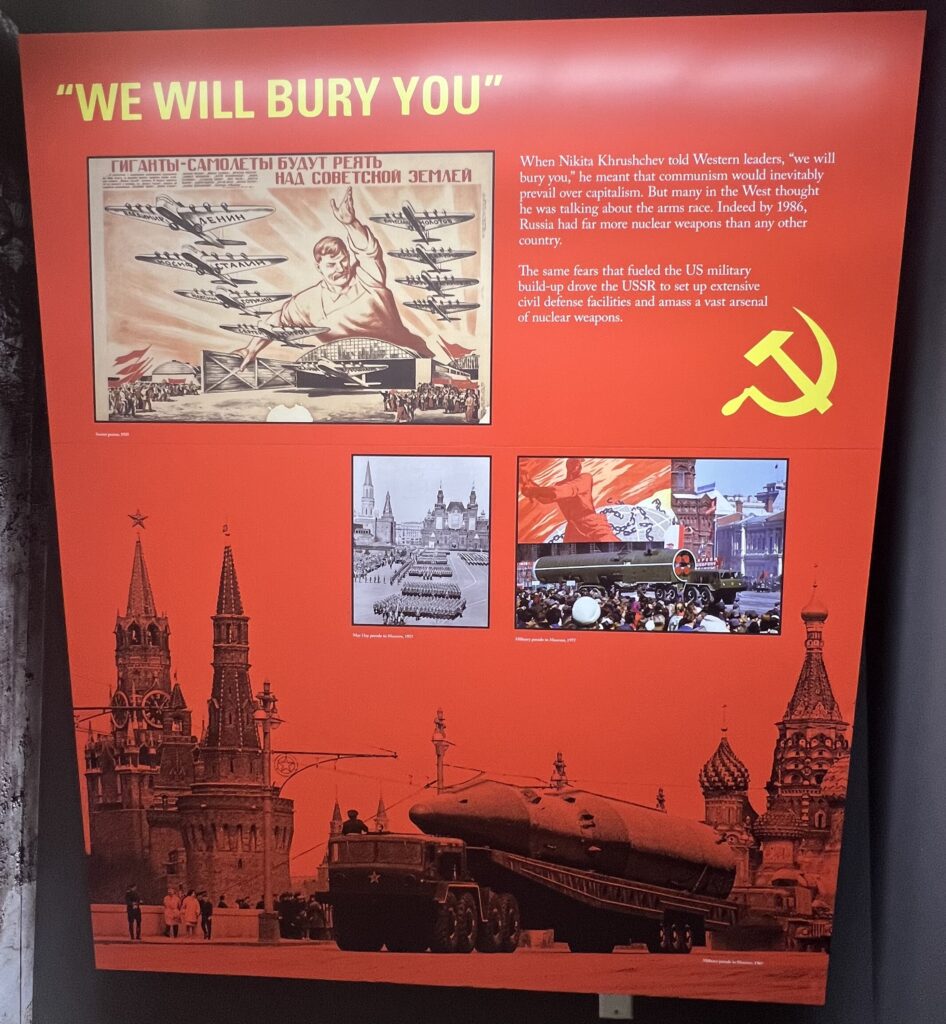
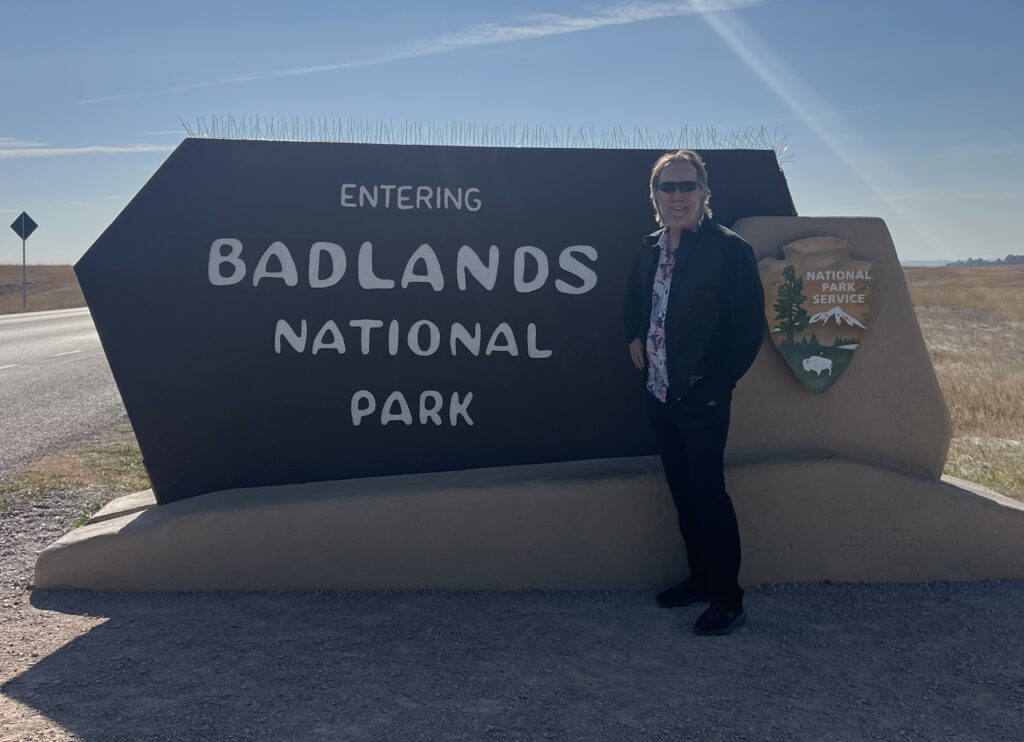
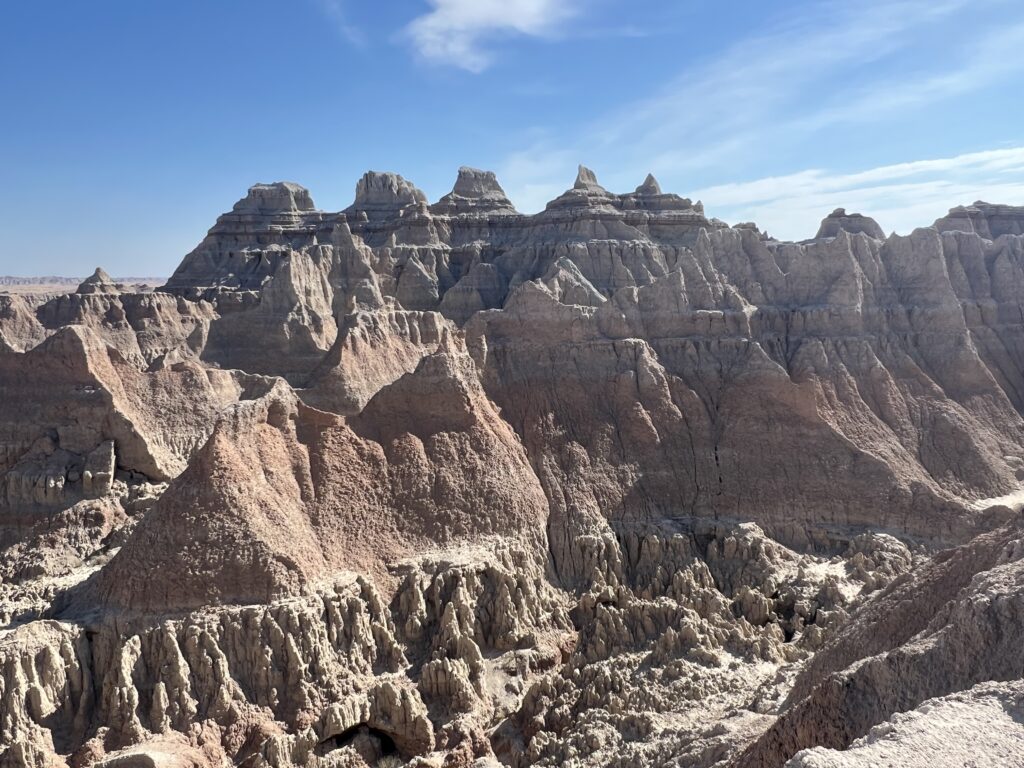
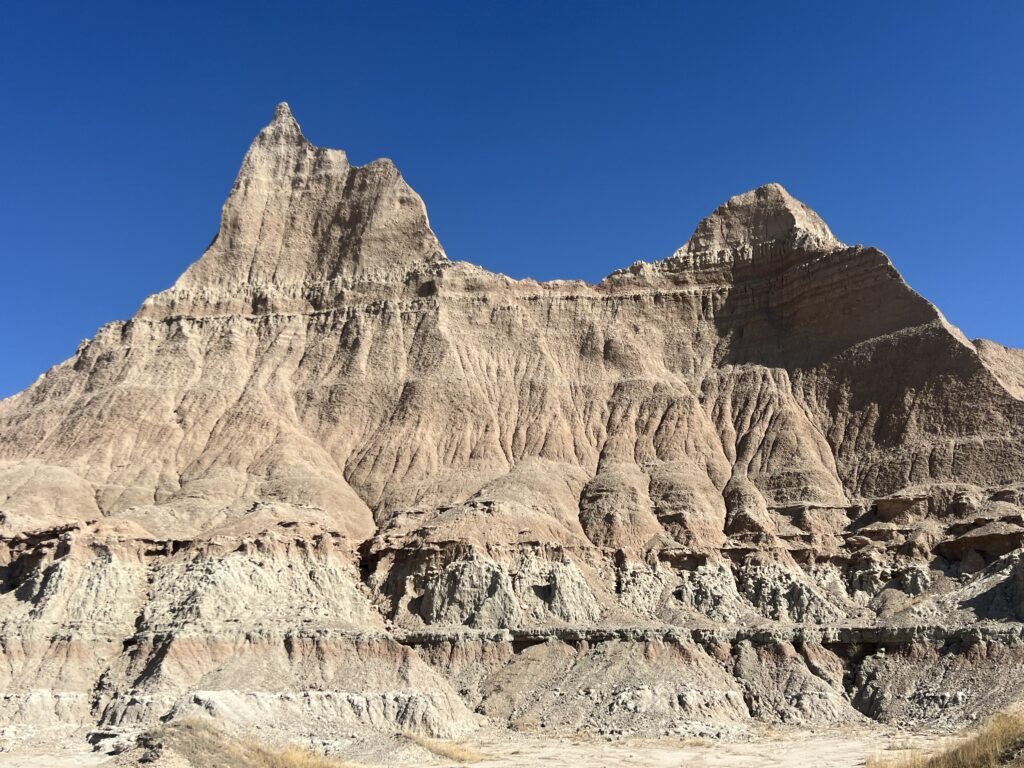
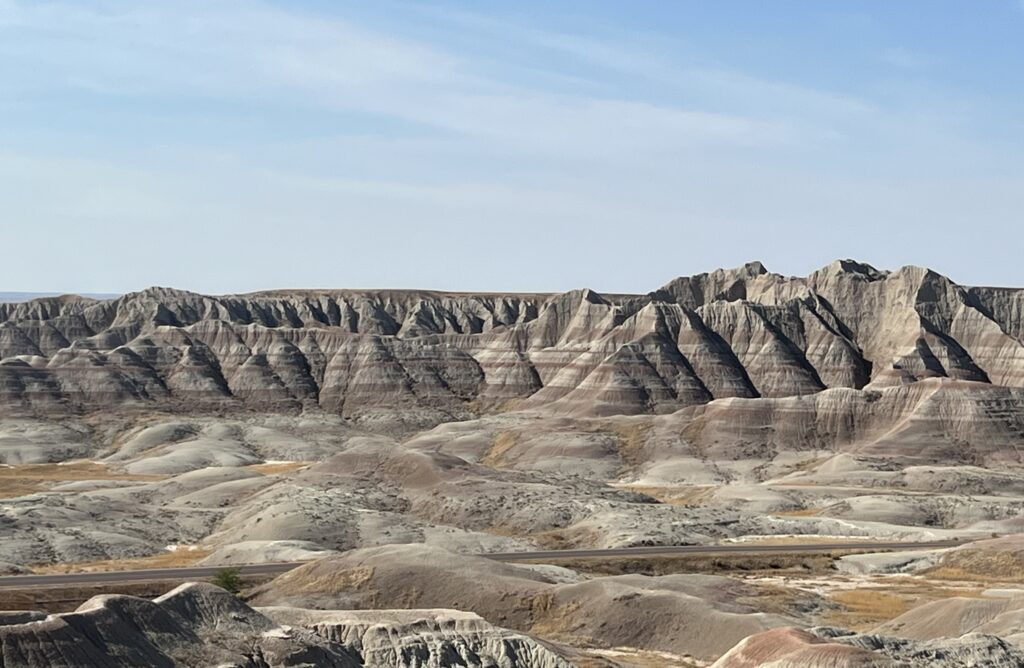
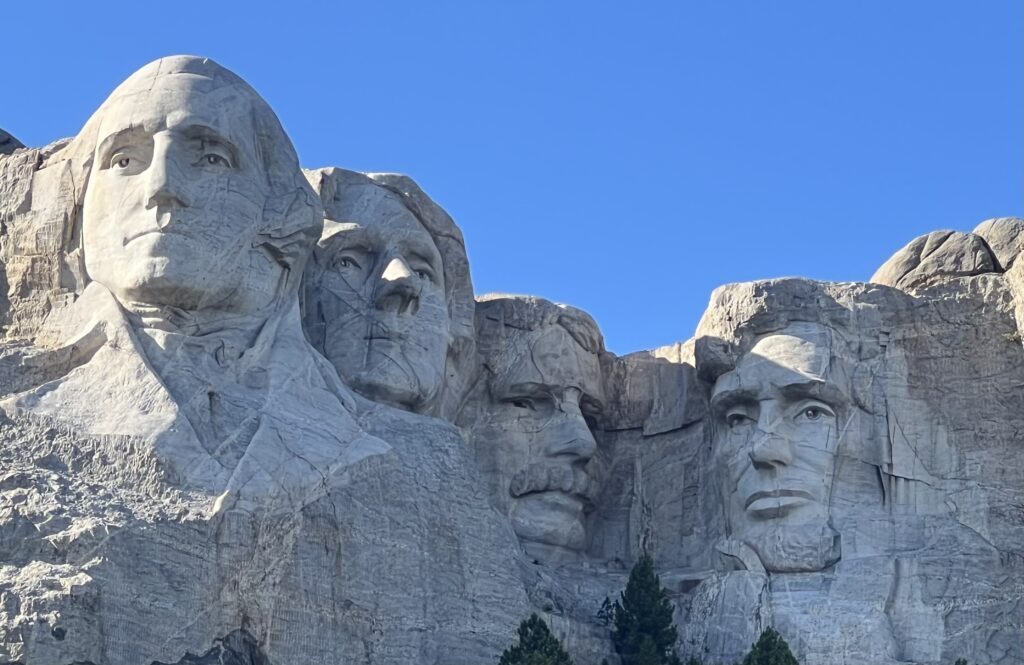
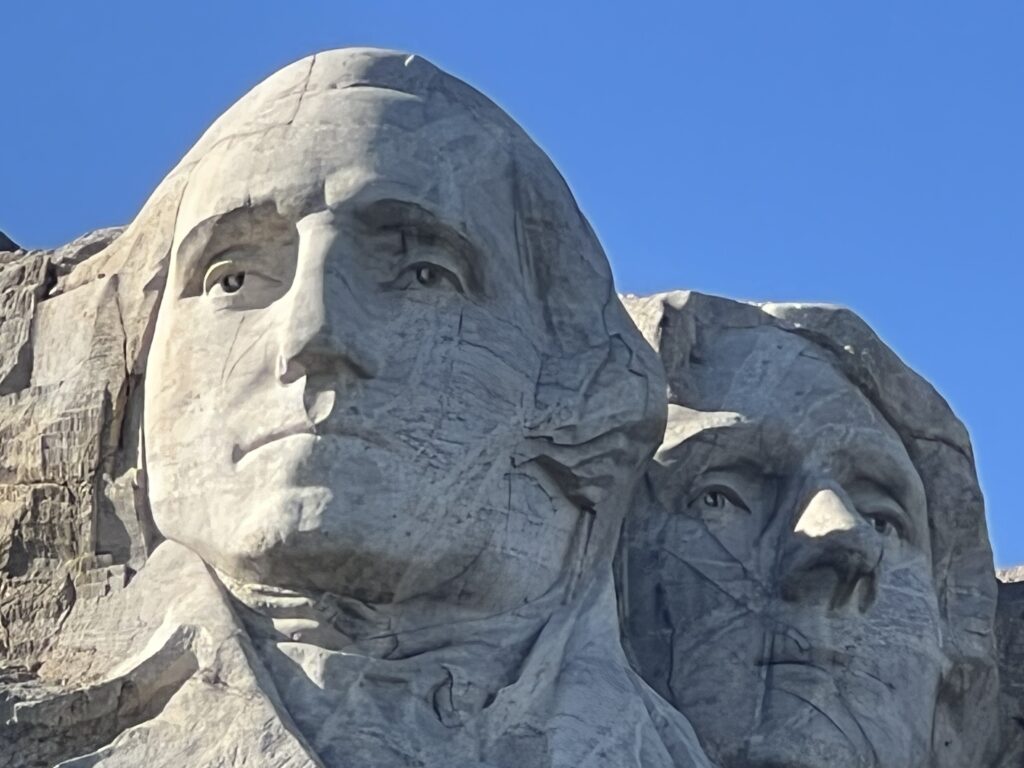
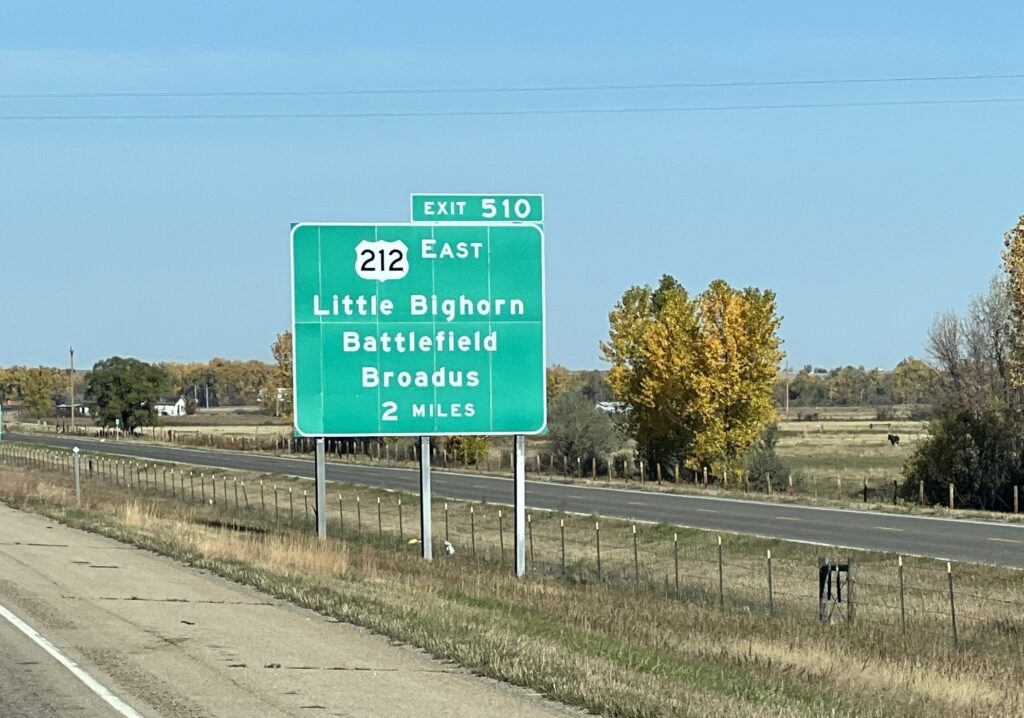
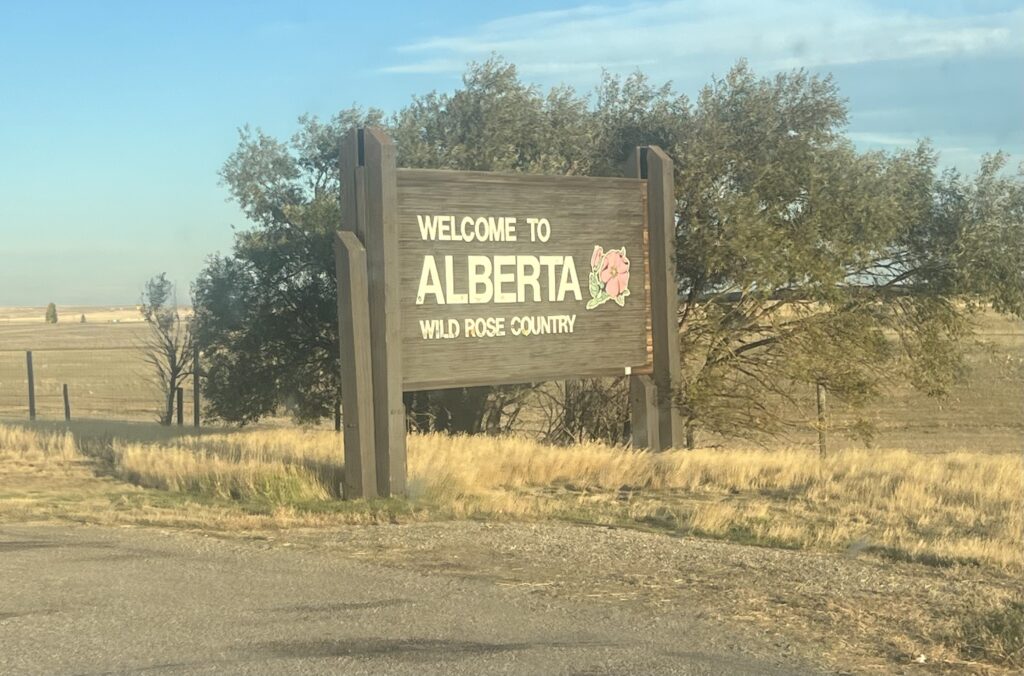
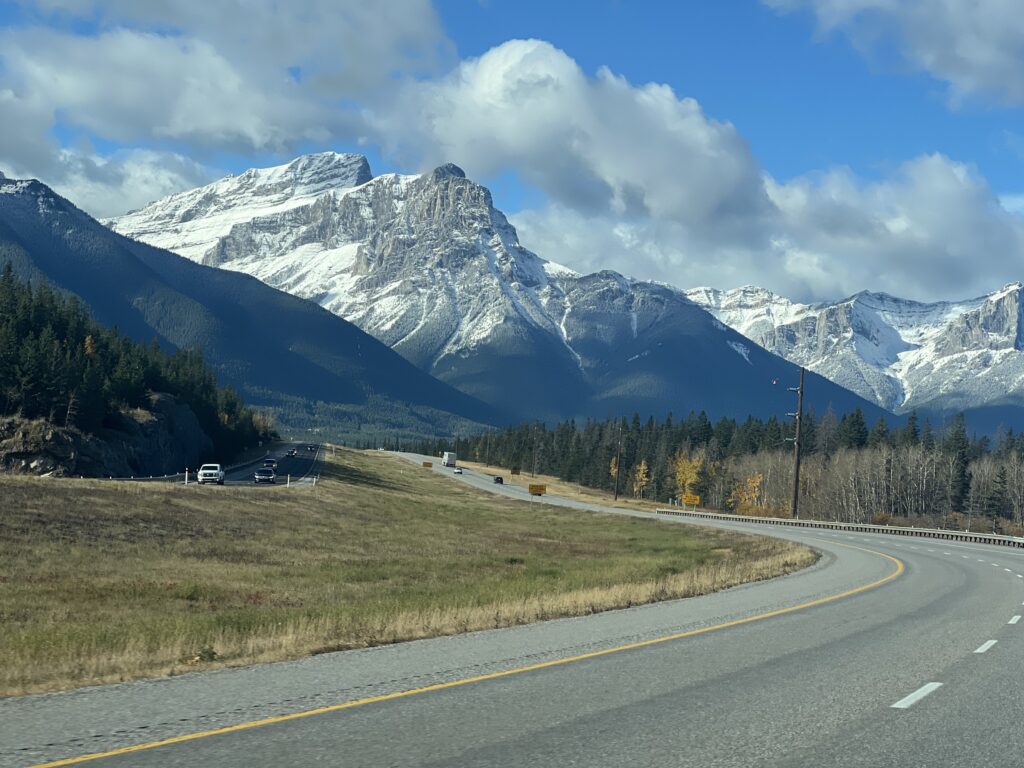
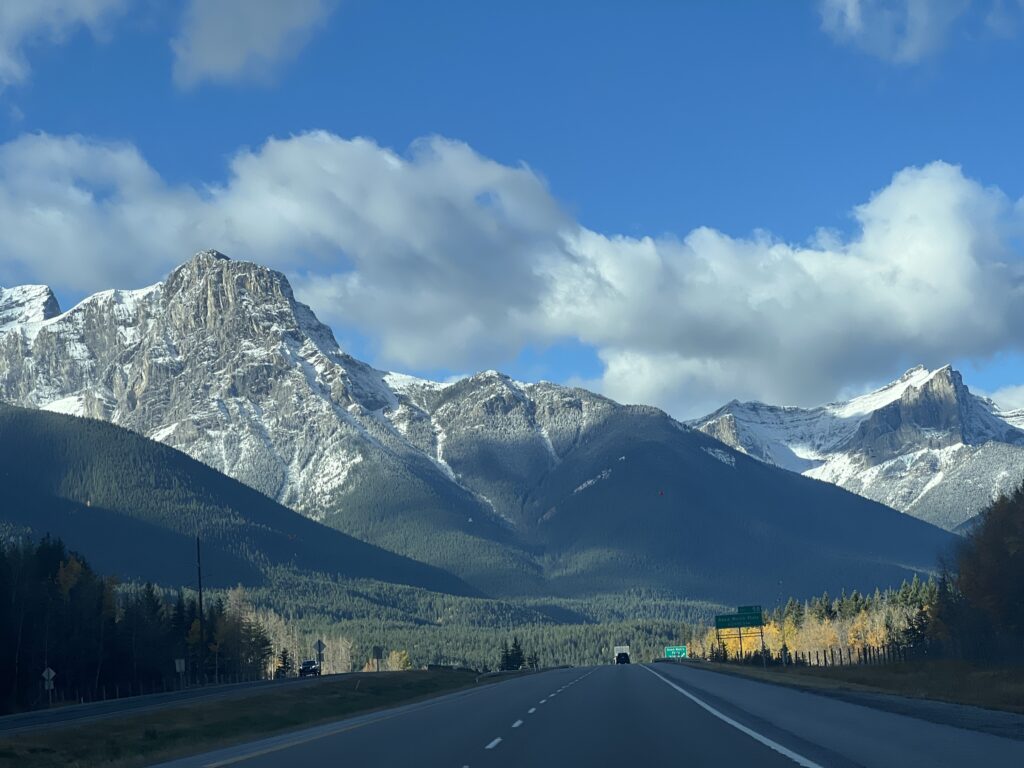
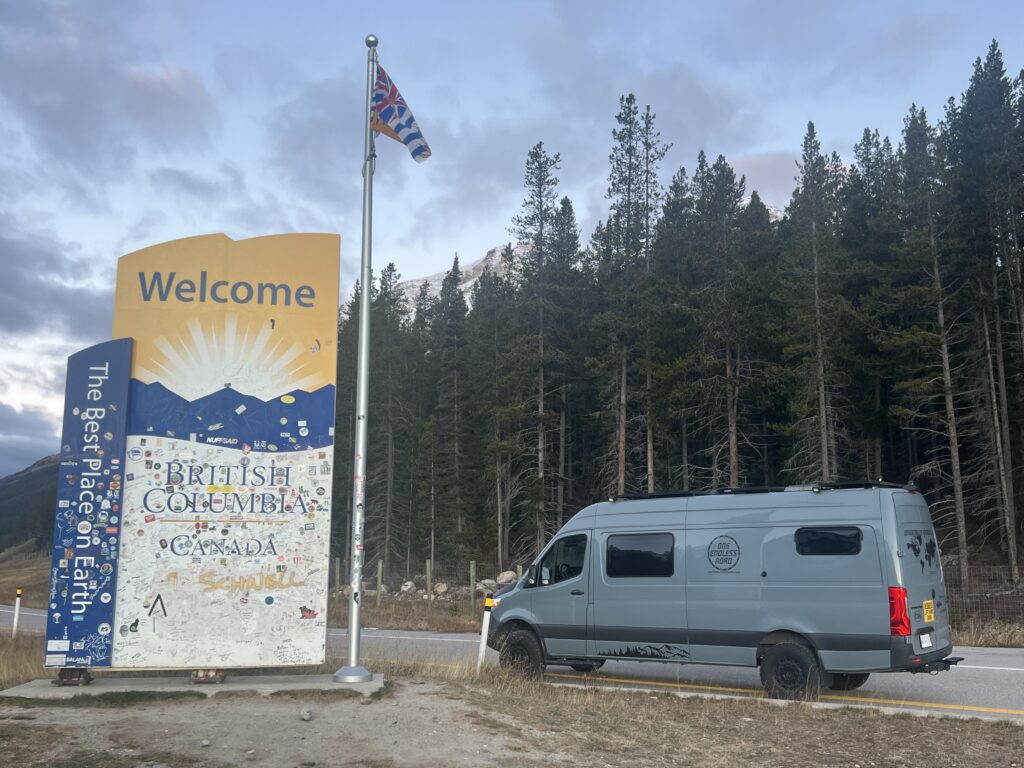
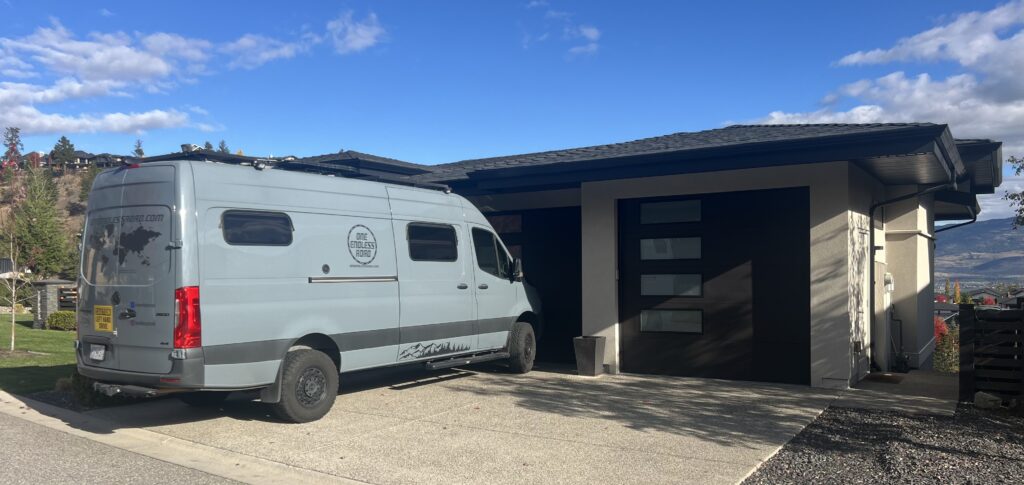
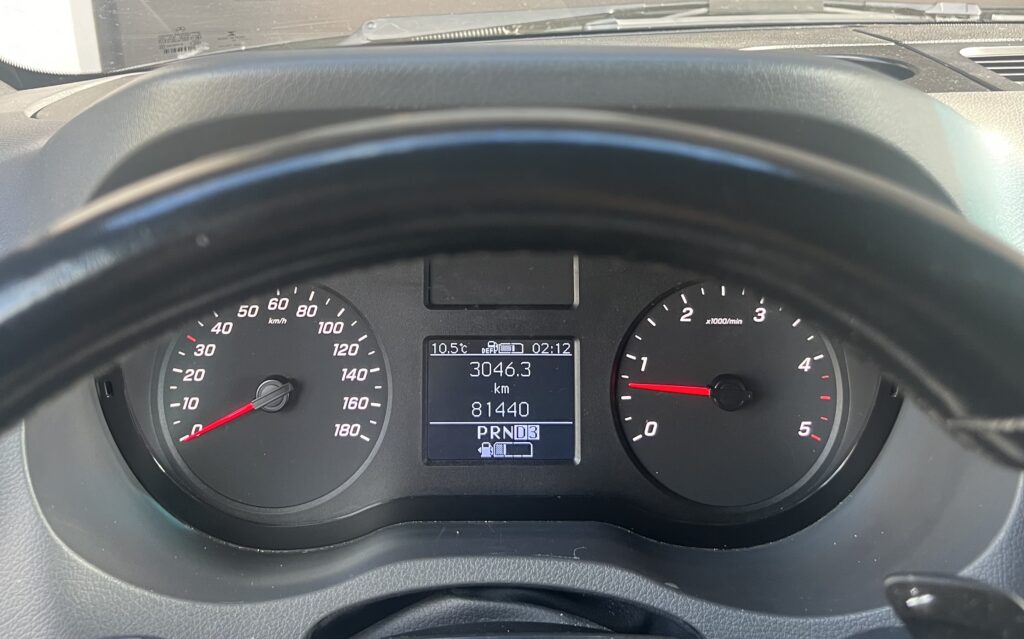
Yes, it’s THAT bridge ( or was that bridge). The F. Scott Key bridge in Baltimore that was rammed by a ship and collapsed earlier this year. Caused major havoc with shipping into and out of Baltimore.First state out of Maryland. Found myself humming to the old Neil Sedaka classic about “Wheeling”, a town that I later passed through.A state we hear much about in the US election. Unfortunately saw just a corner of it on the route to Kelowna. In the east the states are generally smaller and you pass through several a day on some days. Later, out west, it seemed like several days in a state !Getting up early and heading more or less directly west each day provided some beautiful lighting. Not so pleasant driving into the sun in the late afternoon! October is often a beautiful travel month.The always helpful Jenifer, at Stoett Industries in Hicksville, Ohio – maker of the legendary Nautilus Retractable Shower Door. I was even given a factory tour !Hicksville, Ohio ……a quintessential US small town.Having gotten off the interstate I sought out a small tire place to do a tire rotation. I was a bit overdue. The friendly folks at Stockland took good care of me.Crossing Ohio I stuck mostly to smaller roads having diverted off the interstate to get to Hicksville. A good perspective on many of the small towns in this part of the US.Crossed the bottom of Iowa then went up the west side of the state, bordering Nebraska and the mighty Missouri River. And yes, there are indeed fields and fields and fields in this state!I’d forgotten how fast you can travel down here. That is 80 mph, or almost 130 kph (and even at that limit I still saw the cops catching people for speeding ! ).In much of this part of the US, the states came and went. Just acres and acres of farmland with bigger cities hundreds of miles apart. For days it seemed I just drove and drove, from before sunrise, till sunset. Tiring doing it alone. Not much to photograph !One of those places where nuclear missiles were kept, and pointed at locations across the USSR. Now a historic site, near Rapid City, South Dakota.Remember those days ? The “Cold War” ? There were some fascinating displays and lots of interesting facts spelled out at the Minuteman Missile Historic Site.Badlands NP, South Dakota. One of the two attractions I wanted to see while out this way, having been close, but never having driven through it before. Quite an eerie place, in some areas almost like a moonscape.Badlands NP.Badlands NP.More Badlands NP.Stunning Mt. Rushmore, near Rapid City, South Dakota. This was the other attraction I was interested in. I had seen it, a long time ago, but it’s the kind of place you can definitely revisit. Still as impressive as ever, carved in rock they are aging well.A close up. No prizes for guessing who is the most prominent President .We’ve probably passed this place in Montana 4 or 5 times over the years and I’d always wanted to check it out, but never did, rushing to get somewhere else it always seemed. One day we’ll stop at the place of Custer’s last stand !And, eventually………made it back to Canada ! An easy border crossing, at the town of Coutts, no one there waiting, just two quick questions and I was in. Getting close to home now.Crossing the Rocky Mountains – always a highlight of any drive across Canada !More Rockies….Getting close to home, crossing the Alberta/BC border near Lake Louise.Back where it all started ( our driveway ). We had 15,479kms on the odometer when we left Kelowna in November, 2022…..….and 81,440kms when the van pulled back into our driveway. That’s 65,961kms spent crossing the US ( twice ), and all our travels in Australia, Korea and Japan.
So, very tired (but very happily) I had now made it back home. Relieved to be here safe and sound ( certainly ) but at the same time still quite annoyed that the need to wait this long for our vehicle and the need to drive so far was all due to a careless error made in Japan. Alas, one can’t look back and cry over spilt milk. There is much to do at home for a few more months including cleaning, maintenance and replacement of some parts in the van. We will also use the time to start planning our travels for 2025 ( we are considering two options ), and will decide where we’ll go soon.
As this will likely be our last blog for 2024, let me say a huge thank you to all our readers for following along, for your comments (always appreciated), your tips, and at times from some, for your advice! Lois and I would like to wish you all a very Merry Christmas (in advance) and a very Happy New Year, we will restart the blog as soon as we hit the road again.
I’ll close now with a short video clip of the trip across the USA – enjoy.
Been quite a while since our last post, but, as you will read later in this edition, we had a little, umm, shall we say, “setback” just after we flew out of Japan that very materially delayed getting our van back to North America – but more on that saga later in this post. As promised some time back, in this edition I’ll share the costs and processes involved in getting it home from Japan ( and elaborate on what went wrong ). This shipping update is provided ( based on our own experience in Japan ) primarily for the benefit of those following our blog or IG updates, and who are contemplating adding Japan/Korea to their overlanding travels. It is very much focused on the Japan side of the journey, which had a bit more complexity; the US side was super fast, easy and very cheap. Next week I will share a full update on the driving experience across the USA and back home to Kelowna, thus going “full circle” as it were, over the past ( almost ) two years of our time on the road.
For those who have emailed, WhatsApp’d, or Messenger’d us with questions ( or who’ve just been following with interest ), here’s the shipping summary based on our experience. It’s pretty dry, technical stuff so if you are a regular blog reader following our general travel experiences in Japan, this post is a definite pass ( you’ve been warned ) ! If that is not you, but you’re just curious about our “setback”, skip down to “So, What Went Wrong ?”.
Arrival in Japan from Korea:
Since we did not arrive in Japan on a RoRo ship ( we came by ferry, from Korea ), I can’t really speak to the process or port costs exactly. I can share that an Australian couple we met ( @rightfoottravel ) shipped a Landcruiser in to Japan ( Yokohama ) in a container and their port charges/customs fees etc ran to $950 USD. RoRo might be a tad less as a vehicle shipped via RoRo does not need to be unpacked but it’s probably a fair guide. For the record, arriving by ferry from Korea was a bit slow in terms of processing ( we spent all day at the port ) but it was very cheap; our “all in” fees for customs, Carnet review by JAF, and the security deposit came to about $150USD ( and the security “deposit” is not a deposit – you don’t get it back – it’s a fee, plain and simple). The ferry was very reasonably priced as well ( around $500USD, for the van, 2 people and private cabin with shower/toilet ), and very comfortable – I’d highly recommend it for anyone considering that route to Japan. We used Camellia Line and our very helpful contact in Japan who handled everything was Jae ( speaks English, Japanese and Korean ) : j.gwak@camellia-line.co.jp
Background To Shipping Out of Japan:
A constant over the last few weeks of our time in Japan was regular communication with our shipping agent agent, Hollis Humphreys – it’s par for the course when one is at this stage of any overland journey. Without question, getting the shipping piece completed on time, on budget, and without damage or loss is one of the big challenges of overlanding. It stresses overlanders out more than anything else. The challenge was further complicated on this route because all shippers were advising that the vehicle had to travel with no inside cargo. See our previous blog for details on how that complicated our life and added considerable expense for us. On no other shipping route have we ever had to do that, and hopefully we won’t have to again. Having said that we are now hearing that other overlanders are being told ( or at least strongly advised) to do this on some other international routes ( in Japan, it seems to be a rule, not just advice ! ).
Meeting Hollis in Tokyo, in person, was a nice touch – so often one never meets the shipping agent in person in this business. Just the day before, Hollis confirmed that we in fact now had “space” – the “green light” we’d anxiously awaited. I don’t think we have ever been as relieved to get such a confirmation – we were, in fact, braced for the possibility that we’d be flying out of Japan with the van in storage and still on a shipping wait list so it was heaven not to have to contend with that. When the news was looking especially bleak a couple of weeks back, we‘d actually seriously explored ferrying back to Korea in the hope of getting a firm booking out from there. Fortunately we did not have to go that route- while they had space out of Korea it came at a price we were not willing to pay ( well over double the rates on offer out of Japan ). Shipping can be like that, prices being extremely sensitive to supply and demand on particular routes.
We finally got to meet Hollis ( our shipping agent ) in person while in Tokyo. He’s lived in Japan for over 22 years so knows the lay of the land well.
Choosing A Shipping Agent:
in some respects shipping out of Japan is much like elsewhere in the world and other respects quite different. We found Hollis’ name through another overlanding contact and reached out initially many months before coming to Japan with preliminary inquiries. It’s important to get someone familiar with RoRo shipping vs regular container shipping. They are different beasts – one agent we spoke to simply said they just “don’t do” RoRo. We did speak to others initially to get quotes and assess service levels – we chose Hollis for a few reasons:
a) Native English speaker, a huge benefit when you are discussing the intricacies of shipping minutiae
b) Had 22 years experience in Japan, fluent in Japanese, and communication was generally timely
c) Was also able to broker our vehicle insurance needs and arranged our vehicle coverage through a large and reputable Japanese insurer.
d) Knowing we had shipped 3 times before, he was able to carefully explain how and where it was different in Japan. We could have easily made some incorrect assumptions without his insights
Key Differences Between Japan And Other Places We Have Shipped From:
a) Given current demand for RoRo space everything is “last minute” here right now. We are assured that is NOT normal but it’s certainly been our normal! In this environment one must be VERY organized and prepared to move at short notice. Nowhere else in the world have we experienced this. Hopefully we won’t anywhere in future.
b) We did not technically drop our vehicle at the “port” but rather a private yard nearby, awaiting later delivery to the port. Not sure if this process is specific to this port, this shipping line, our agent, or just as a result of capacity limitations at this time. It was new to us, we’ve always driven our vehicles directly on to the actual wharf.
c) As a result of the above, there was no customs inspection while we were present, nor did the shipping line inspect it at that point. That would come later. When leaving Argentina, the USA, Australia and Korea we delivered our vehicle directly to the actual port. In both Argentina and Korea the customs inspection on departure was done while we were there; no such departure inspection was done in Australia ( but they sure got us coming in ! ), nor in the US. It was due to this uncertainly that we decided to bite the bullet, absorb the considerable mailing costs and ship it empty. We are glad we did.
d) Regarding documents, this was mostly very similar to elsewhere – proof of vehicle ownership, Carnet copies, passport copies etc were required to be emailed in to secure the booking with delivery of original Carnet as we dropped the vehicle off. This last part was very different to other ports/countries where I took the Carnet to customs myself to have it stamped and then got it back to take with me. In Japan, your Carnet is left with the shipping agent ( Hollis ) who gets it stamped ONLY after customs have confirmation the vessel has sailed and your vehicle is on it. Not a process I love and of course we will now have to have the Carnet couriered to us in Canada. I need it back so I can have it closed out and get my deposit back.
e) Marine Insurance – Hollis acknowledged that his providers were not very competitive in this critical field so encouraged us to shop elsewhere. His sources charged 1.5% of vehicle value, which is very high. We went straight back to Stewart Insurance ( Michael, or Sam ) in Melbourne who insured us from Australia to Korea and they were happy to insure our passage onwards from Japan. It worked out to about 0.65% of vehicle value and they were as fast and efficient as before. Highly recommended, this time they used Chubb International vs Zurich International last time.
Getting To Port:
Google Maps got us to Yokohama port without issue, it’s all pretty organized there. In our experience, due to lack of port space they won’t want your vehicle too early, so be prepared to drop it at a “yard”. Seems to be the way in Yokohama.
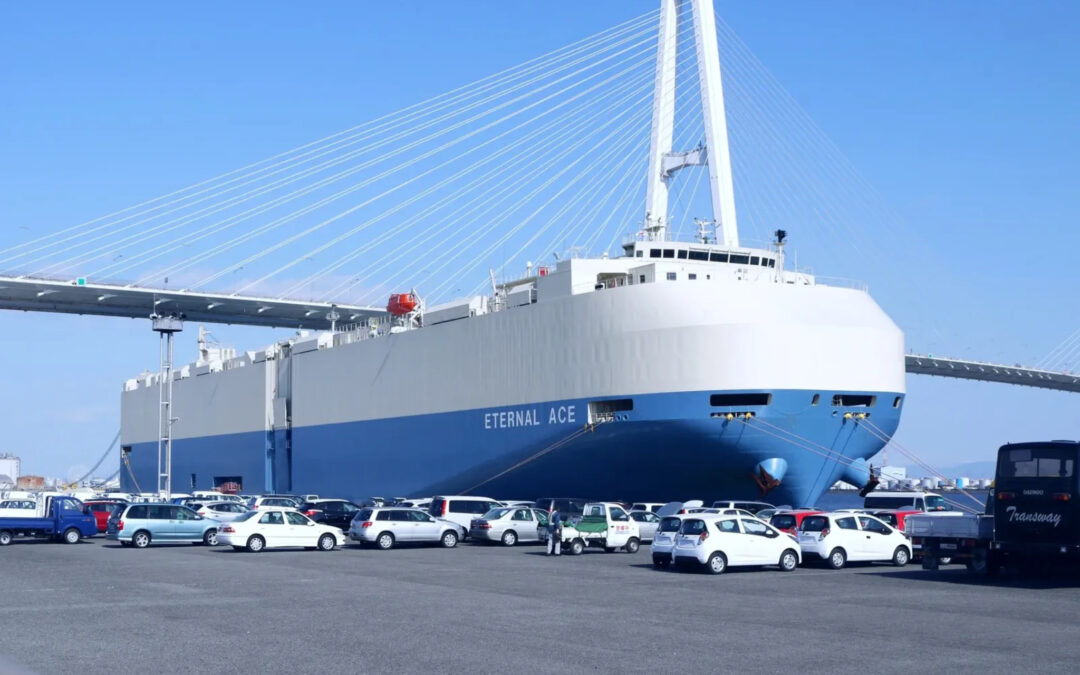
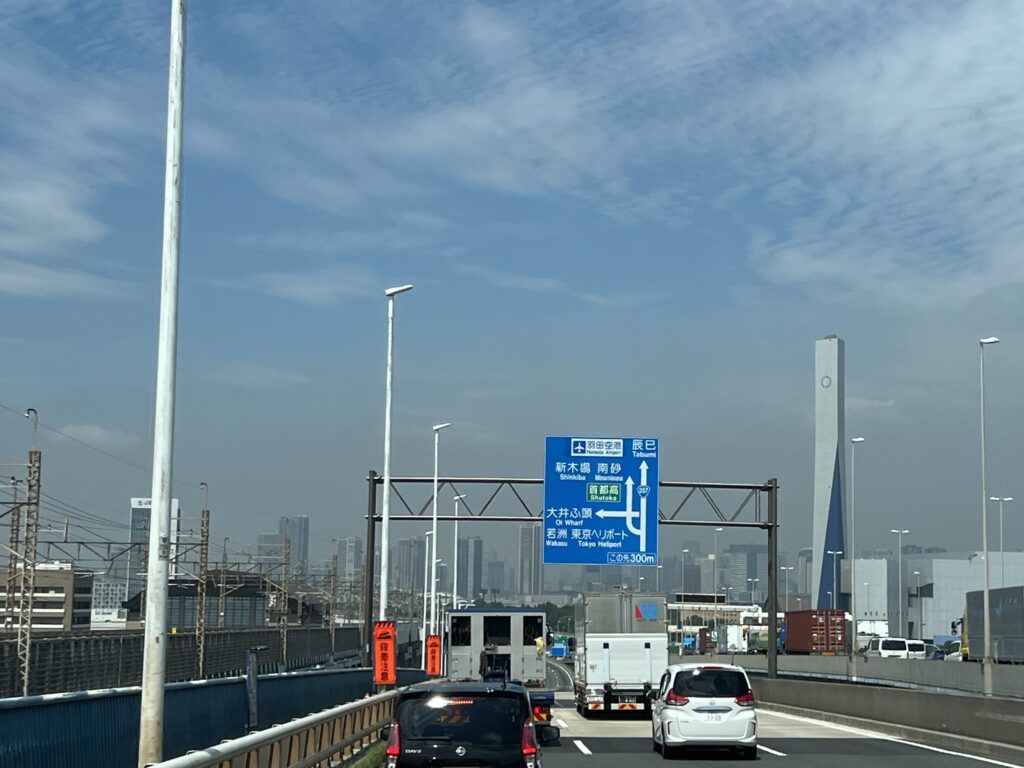
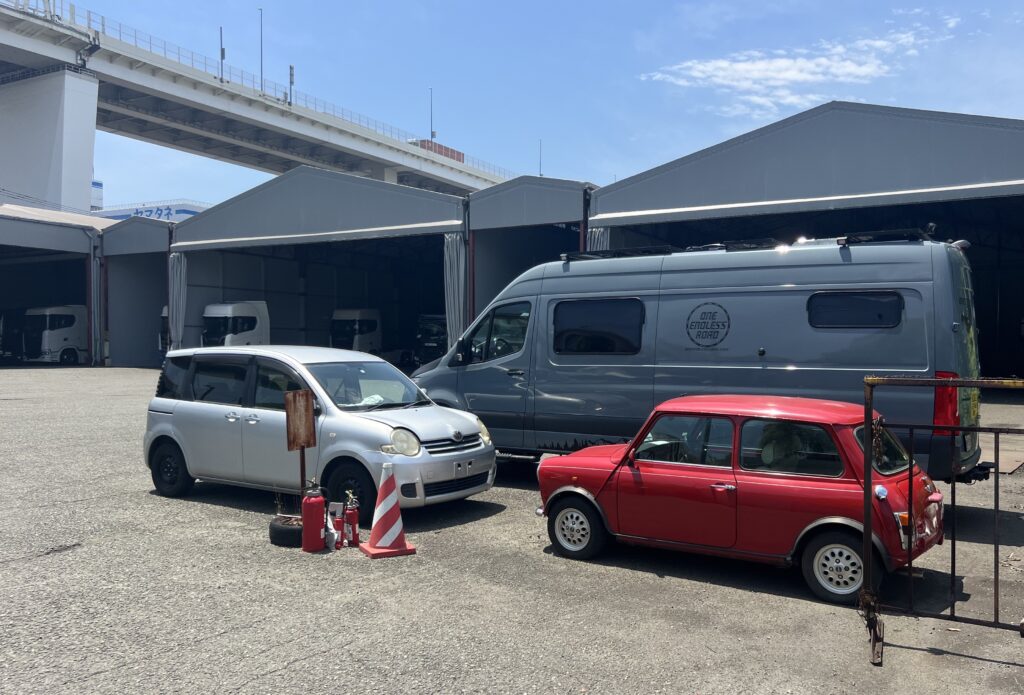
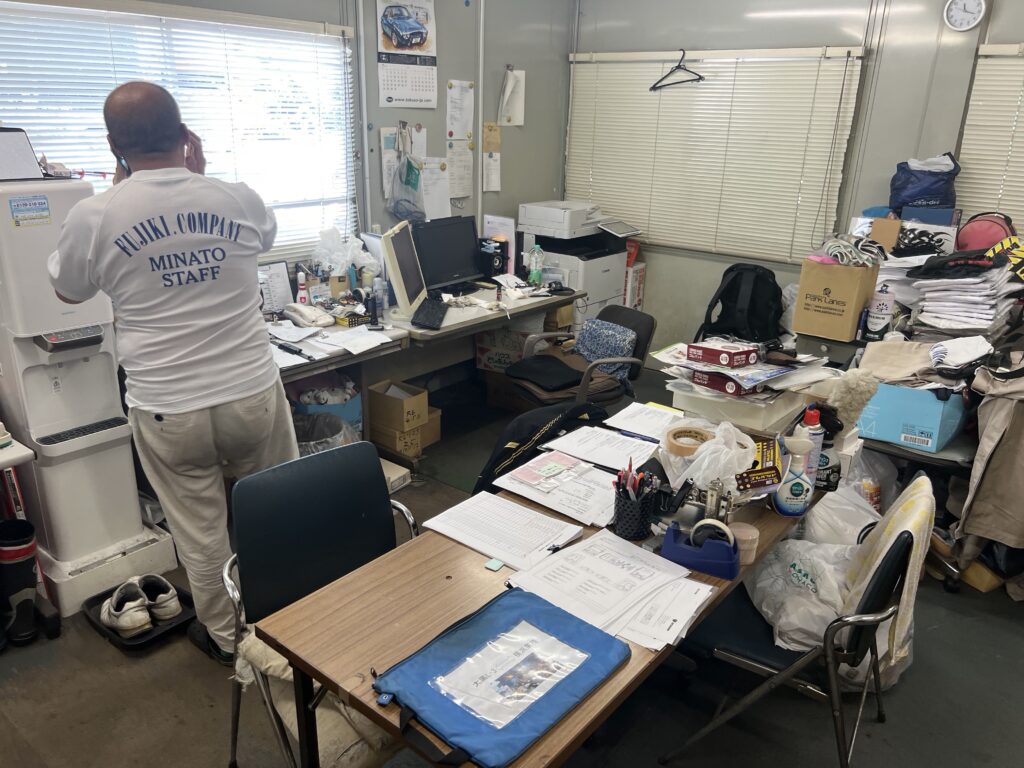
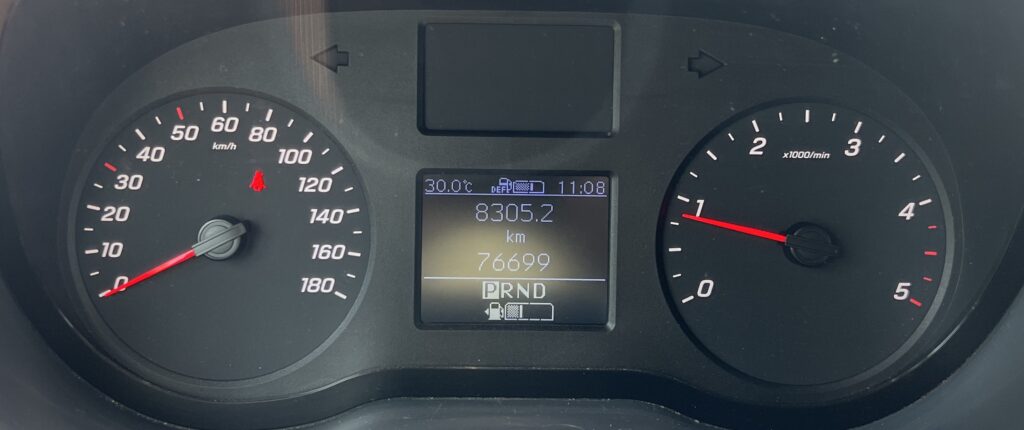
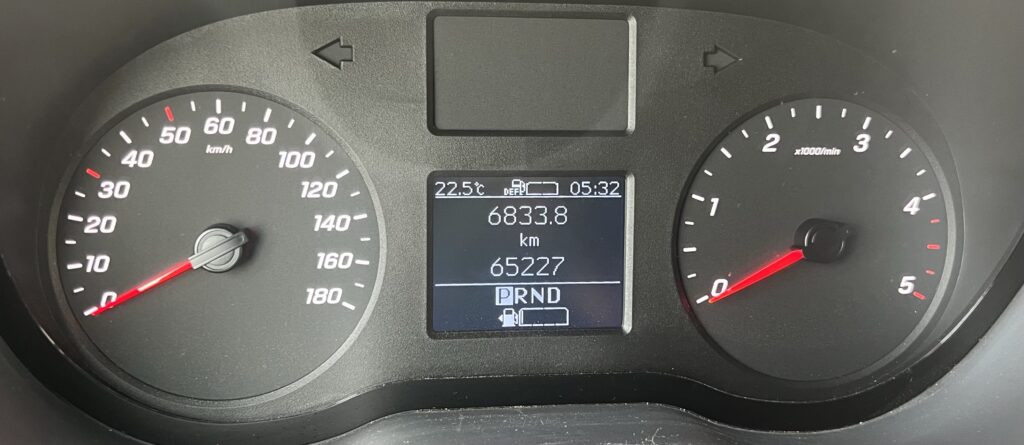
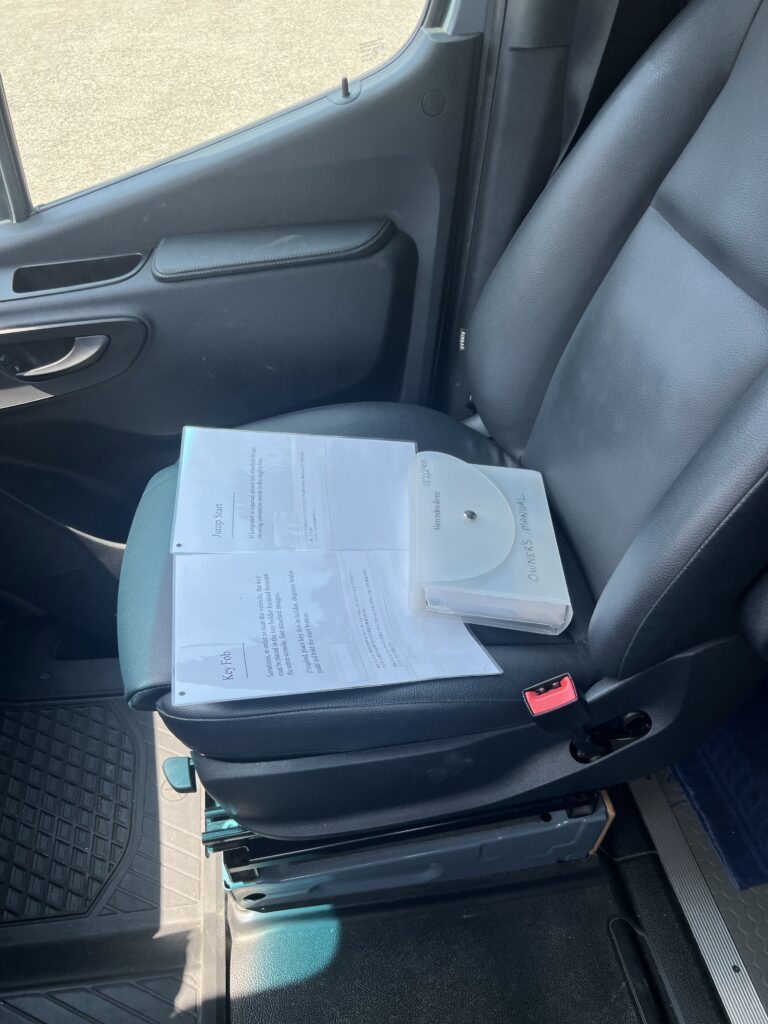
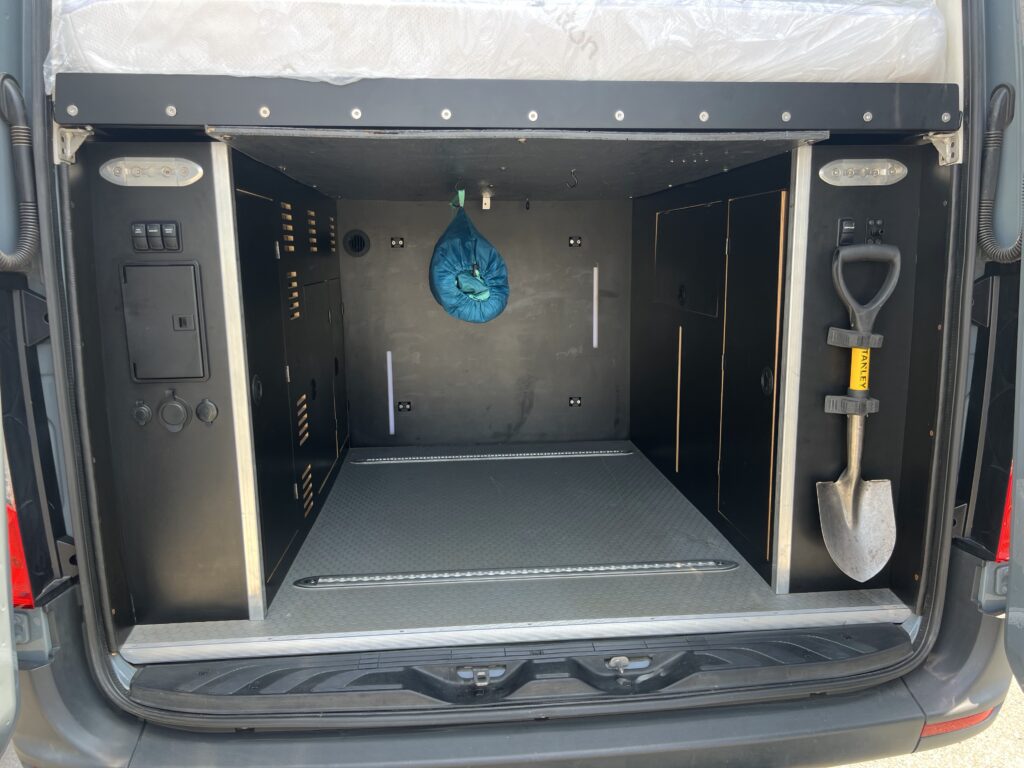
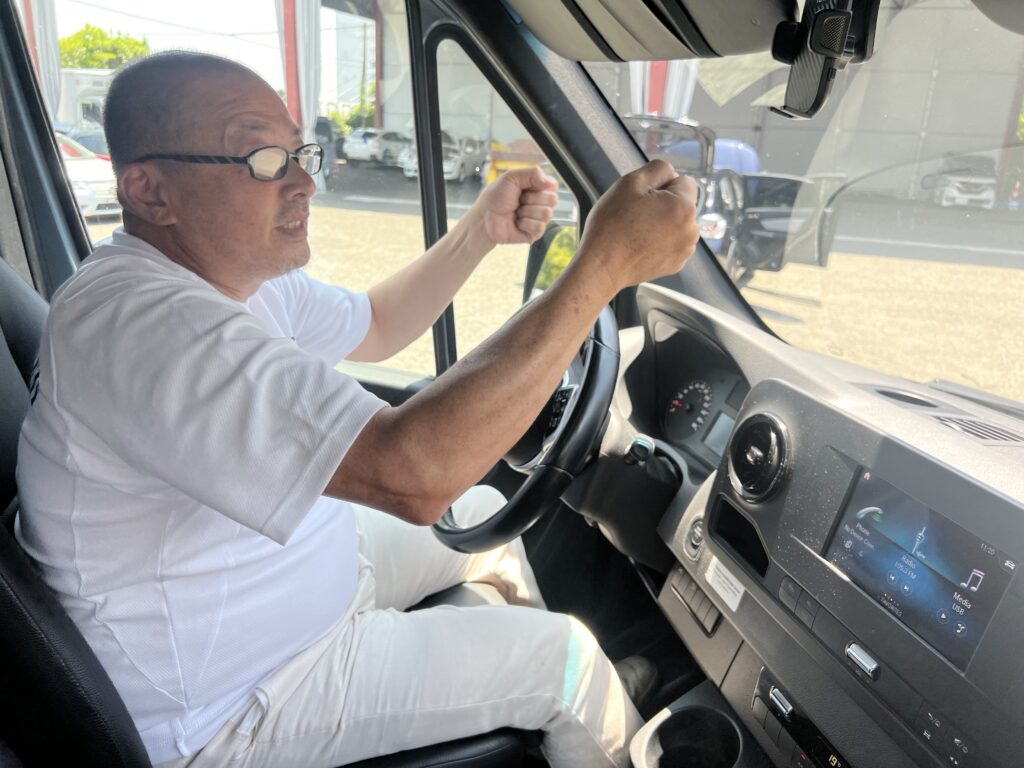
Pretty busy road on the way to Yokohama port, so this time we took toll roads. One of the few things that is still expensive in Japan. And of course, we are not considered a “car” here, we’re a bus, remember ! It was a 90 minute drive of approximately 100kms ( 60 miles ) and cost us just over $60 Cdn ( almost $50 USD ).Port area of Yokohama was a bit of a maze with cars for export everywhere. But, we found our yard with no problem.Parked in the port storage yard awaiting transfer to the dock. Mr Bean’s mini beside us ( lol ).Mr Nii, who accepted our vehicle at the yard in Yokohama. They will deliver it from his yard to the Yokohama wharf ( just a few hundred meters away ) on or before departure day. Side note – every shipping office we have EVER been to looks like this !We always note the mileage and fuel level when leaving the vehicle at a port. Shippers insist on a maximum fuel level of 1/4 tank. The closing mileage tells us the distance we travelled in Japan.Odometer on arrival in Fukuoka, Japan. So, we drove 11,772kms over 91 days, thus averaging just 129kms per day. While that seems like absolutely nothing, it’s fairly typical here when one is generally not using the toll roads.Van was left with owners manual and two laminated instructions sheets ( in English and Japanese) on the front seat. One showing how to jumpstart it if there’s a flat battery and the other showing the starting process.Delivered to port- clean and empty ( getting it to that stage, while on the road, was a huge task ) !Garage area had not been empty since before we started. We have a lot of space there and unfortunately brought many things that we never used. Now we had to pay to send them home 😔. In case you are wondering it’s a beach shade hanging in the garage – not valuable enough to send, yet hard to dispose of. I offered it to Mr Nii should Japan Customs or the shipping line want it removed. Likewise for the shovel. The shovel survived, the beach shade not !Given the starting procedure is a bit unique with a Sprinter and there is a short delay until the diesel engine starts, I asked Mr Nii to drive it around the yard to get familiar with it. I then asked what he thought. His comment ? You guessed …..”Oki desu!” ( it’s big ! ) . How fitting we should hear this once more before we left Japan !!!!This time I made sure to have an AirTag active in the van – when the van is close to a wifi/cellular signal it should alert us to where it is. Should be helpful to track its whereabouts in the ports at both ends.Our scheduled ship is the “Eternal Ace”. We joked that we were “eternally grateful” to have gotten space on it !
Payment/Bill of Lading Etc:
As with every other international shipment we have done, payment is made only once the ship is at sea. Hollis accepts credit card ( but with a 3.75% fee ! ) making the transfer of funds easy if you don’t want to send a wire. It was better value just to wire funds, which we did. We had a booking confirmation number and got the BOL before the ship sailed. The shipping quote had already been agreed on at ¥760,000 ( all in ), or just a hair over $5,000 USD (and we are a 42cbm vehicle).
So, What Went Wrong ?:
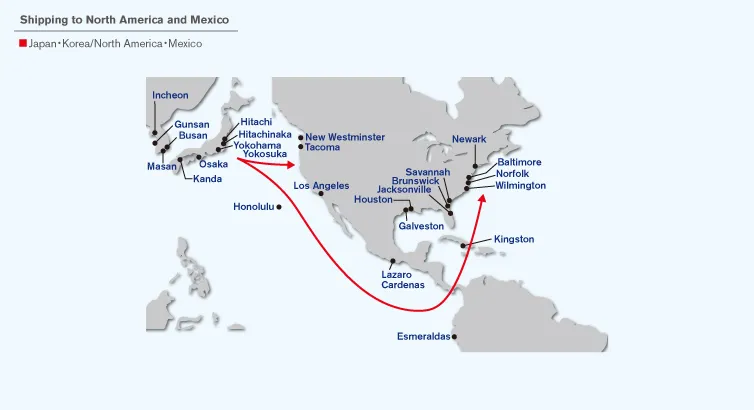
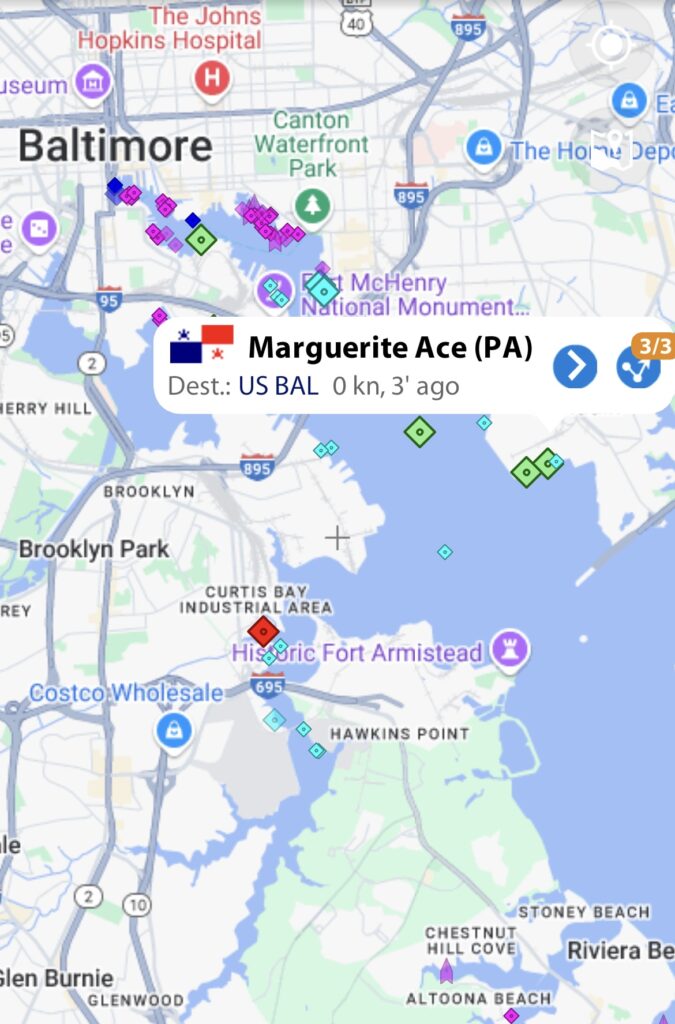
While we left Japan ( to fly home ) feeling pretty pumped and that everything was under control, things soon went VERY pear shaped. We’d not been home a week when Hollis called to say that our van had been “bumped” off the ship ( the “Eternal Ace”, which was a 15 day direct sail to Vancouver – the best possible sailing for us ). Seems Hollis had submitted our height as 2.59 meters, not the 2.95m I had originally supplied, and when it got to the port for measurement they said there was no space in the higher section. It gets worse – sailings to Vancouver ( and the West coast in general ) were heavily booked as major shipping clients were all booking up space to the West Coast ahead of a potential US East Coast port strike that was coming. We had no hope of getting on another sailing to the West coast which is why we ( very reluctantly ) accepted Baltimore ( near New York ). The “Marguerite Ace”, our new ship, wasn’t scheduled to leave for another 25 days and given the much longer passage to the East coast it meant that we would now not see our van till early October ( as opposed to mid August ). And now I would have an almost 5,000km drive back to Kelowna, versus 400km if we’d shipped direct to Vancouver ! All because the height was incorrectly recorded by the shipping agent. We were, quite literally “not happy campers !”. But, what do you do……?
The short red line is the route we were to take. The long red one is the route we ended up taking.
Alas, despite typhoons in Japan that slowed it down for 5 days, and a 3 day port strike that started just before our ship was to dock in Baltimore, we did finally manage to pick it up on October 8. I will add that, just like before ( when we shipped a truck camper from Argentina to Brunswick, Georgia ), the US port process is VERY efficient. I flew into Baltimore airport, arriving at 8.00 am and was driving out of the port in the early afternoon….same day ! Our shipping agent in the US ( the same one we used when we shipped the truck camper ) was super efficient, and very reasonably priced. We had our Carnet handy but did not need to use it to clear customs. The total costs paid at the US end were:
Arrival notification – $50.00
Port fees – $98.00
Port escort – $62.50
Agents fee – $125.00
Customs fee (1) – $12.00
Total: $347.50 ( very similar to what we paid in Brunswick in 2022, and very cheap compared to other countries)
(1) Customs is at BWI airport and provide the port release – you need it to get your vehicle. Fast and efficient.
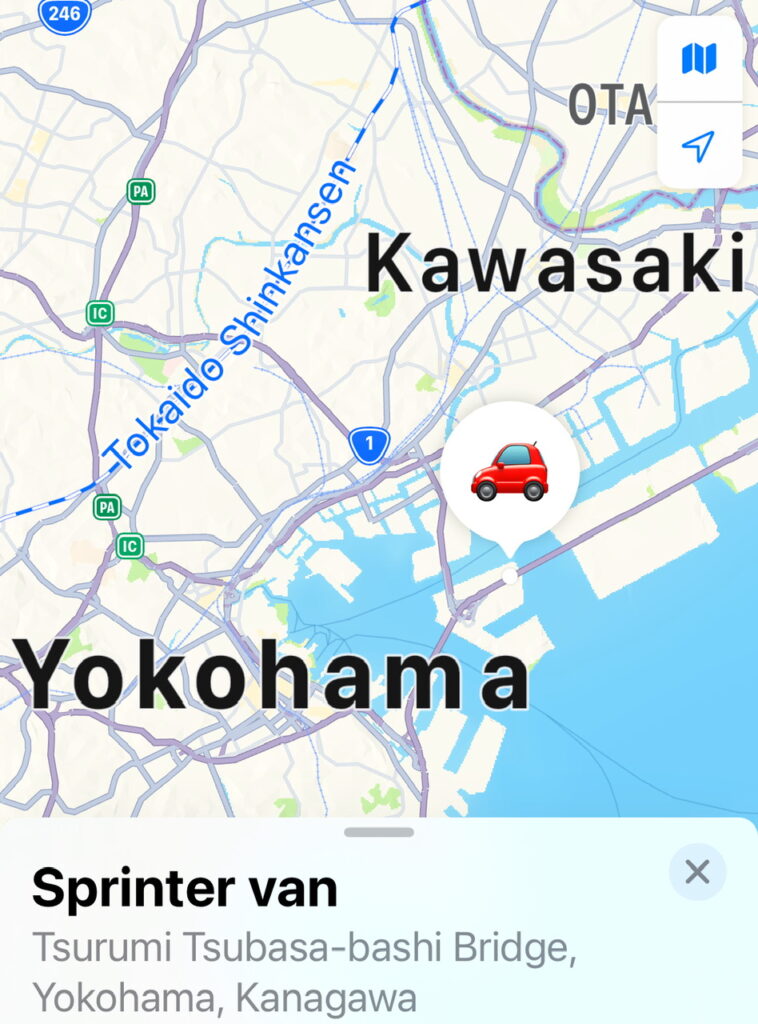
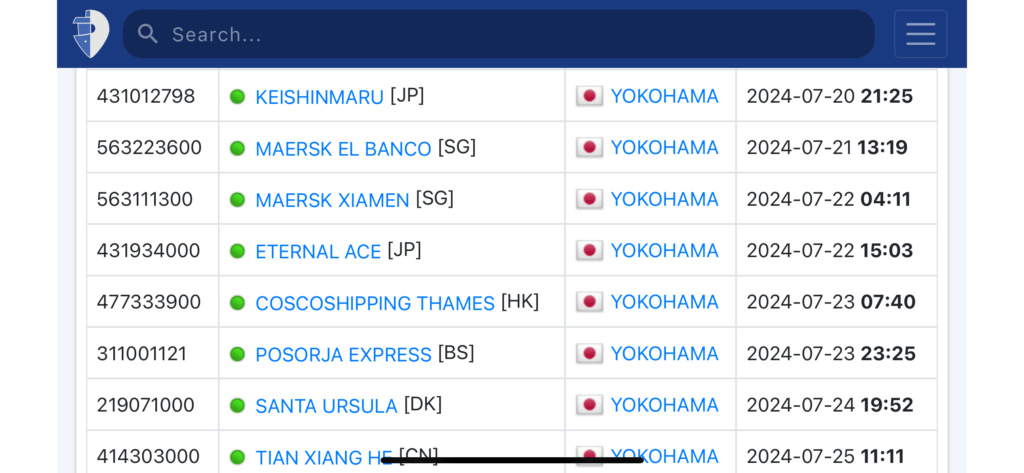
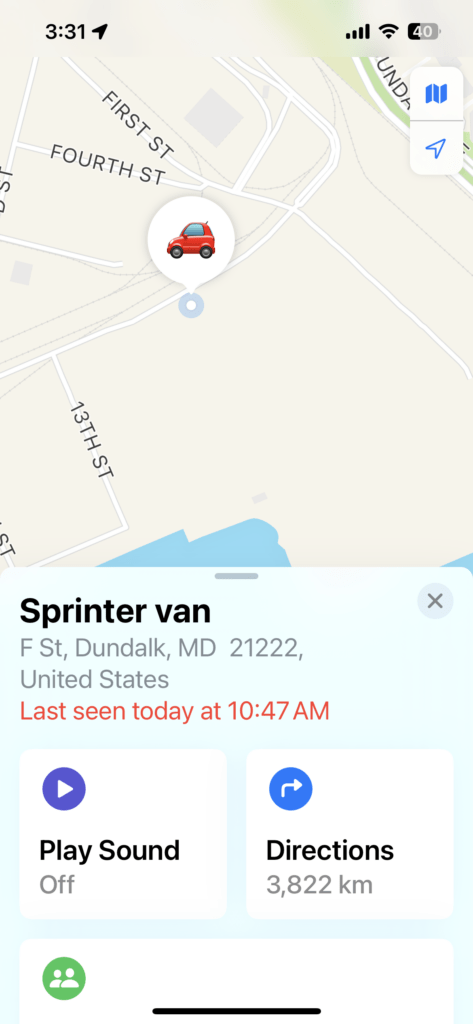
Derrick was my friendly Port Escort. Vessel Finder app makes it easy to track the ship and to see when it has arrived and moored.My Apple AirTag makes it easy to see when my van has been unloaded and exactly where it is on the dock.
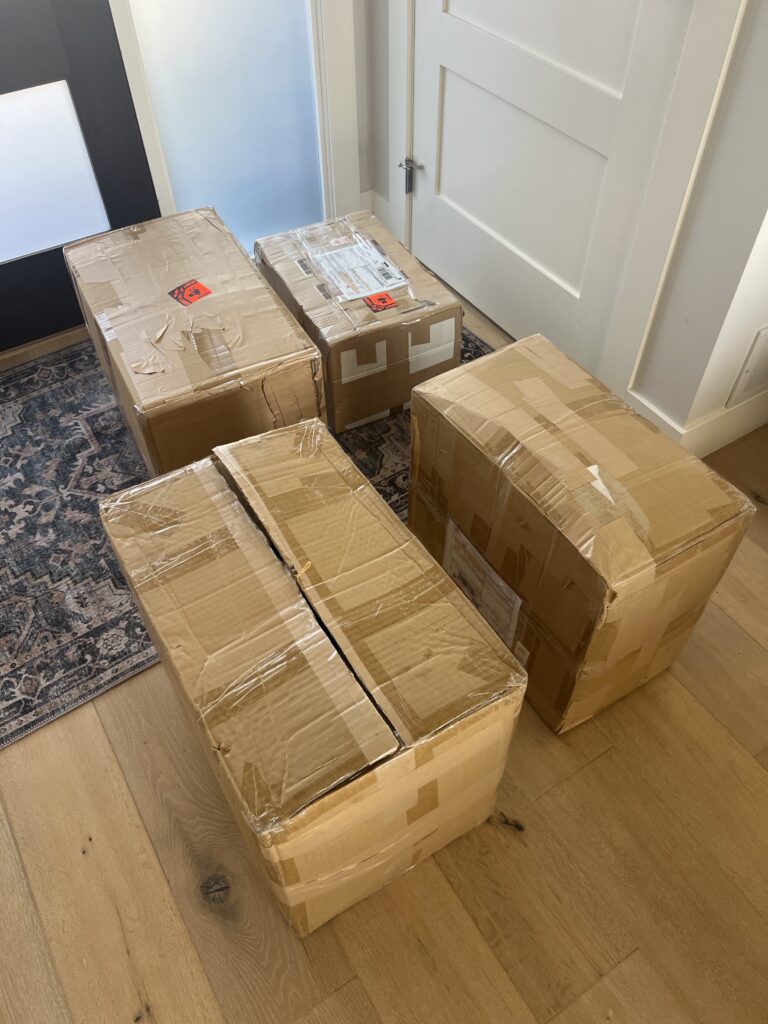
So, despite the long wait ( I picked it up at the port almost 7 weeks later than expected ) it was a huge relief just to get our van back safe and sound. There was some good news in another respect, as well. Readers will remember the frantic packing of 6 huge cardboard boxes containing all our “inner cargo” in the days preceding our flights home from Japan. Japan Post had advised that they may take 8 weeks – happily, they all arrived, over 2 different days, undamaged and delivered right to our door less than 6 weeks after they were sent. Some pretty valuable stuff in the boxes so that was also a huge relief. The cost of sea mailing all the boxes was around $500 CDN ( $370USD ) and when you consider that the deductible/excess on any marine insurance claim is usually $750-$1,000 USD ( and there most surely would have been some theft based on past experience ) we felt it was not a bad deal cost-wise ( just more of a headache to do it all ). Vehicle damage is rare, contents theft is sadly common.
Four of the six boxes arrived one day, the other two the following day. In perfect condition !
I hope potential future overlanders to North East Asia find this of some value – I know that similar information supplied to me by those who came before us helped immensely with our decision to ship our vehicle to/from the region and travel extensively in Korea and Japan. We absolutely loved the experience, and we’d be happy to answer any questions readers may have ( happy to do a little “payback” in this regard ). Next week I’ll document the final drive home to Kelowna – stay tuned !
The PanAm completed in April, 2022 and with the truck camper sold, we shipped our new Sprinter van to Australia in late 2022. We travelled there through all of 2023 and into 2024 before shipping it up to North East Asia where we travelled for 4 months between Korea and Japan, before shipping it back to North America. It’s our plan to continue exploring the world in 2025.